Recommended tour
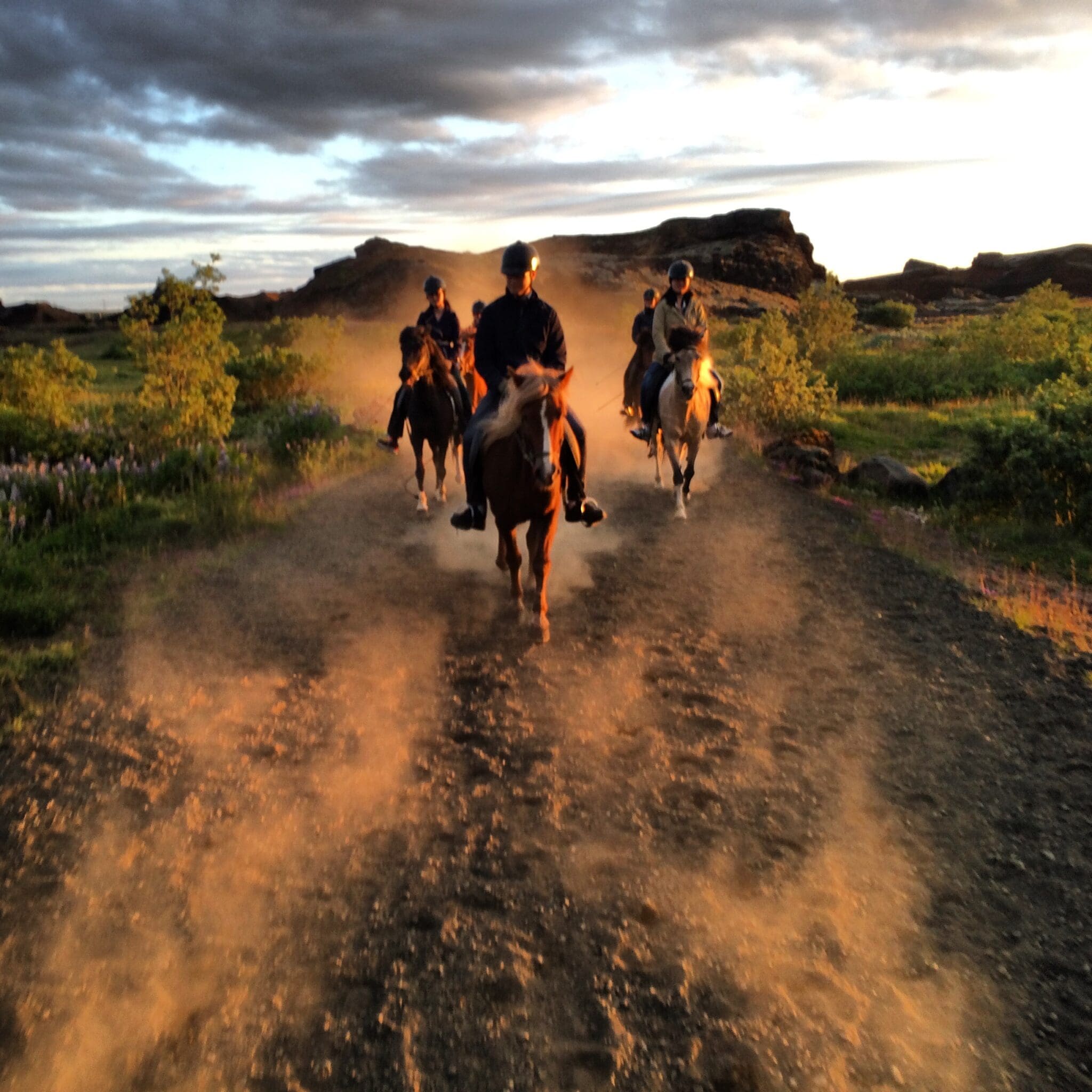
Volcanic Landscape – Riding Tour – afternoon tour
2 ore e 10 minuti
From ISK 18900

Il 12 agosto 2026 l'Islanda assisterà alla sua prima eclissi solare totale in oltre 70 anni, mentre l'ombra della luna si diffonde sulle drammatiche scogliere dei fiordi occidentali e sui ghiacciai di Snæfellsnes, la “Midnight Sun” svanirà in un buio surreale di mezzogiorno Dalle migliori coordinate di visualizzazione ai consigli di viaggio essenziali, ecco tutto ciò che devi sapere per vivere questo evento celeste irripetibile nella Terra del Fuoco e del Ghiaccio.
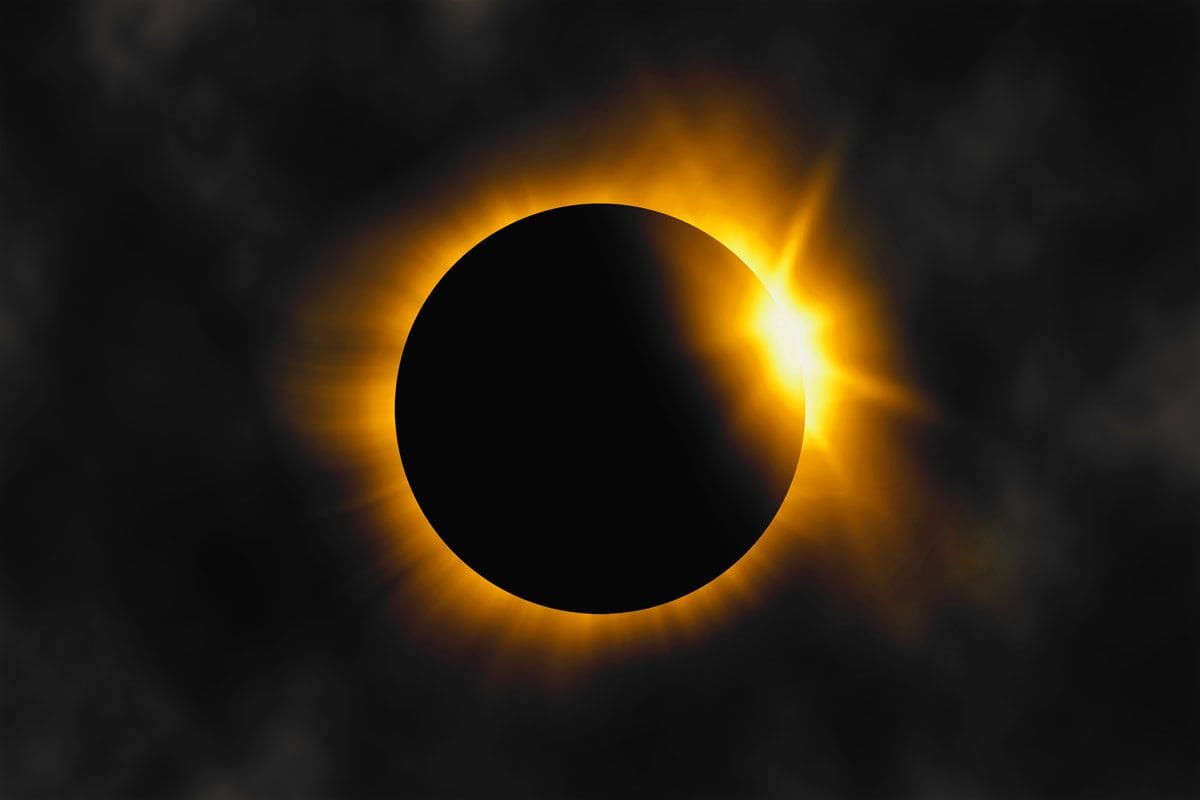
Su 12 agosto 2026, (L'Islanda sarà testimone della sua prima eclissi solare totale in oltre 70 anni Per un breve momento mozzafiato la Luna coprirà completamente il Sole, il giorno si trasformerà in crepuscolo e la scintillante corona del Sole apparirà nel cielo sopra la terra del fuoco e del ghiaccio Questo è uno degli eventi naturali più straordinari che tu possa mai sperimentare e l'Islanda occidentale è uno dei posti migliori sulla Terra per vederlo Ecco tutto ciò che devi sapere per pianificare il giorno della tua eclissi.
Un'eclissi solare totale accade quando la Luna passa direttamente tra la Terra e il Sole, proiettando la sua ombra sulla superficie terrestre Lungo la stretta pista centrale ("Central track") l'eclissi percorso della totalità (“The Moon”) rivela interamente il Sole, la debole atmosfera esterna del Sole, la corona La temperatura scende, gli uccelli cadono tranquilli, stelle e pianeti possono apparire, e una “sunset” di 360° brilla intorno all'orizzonte Fuori dal percorso vedrai solo un parziale eclissi, dove il Sole non è mai completamente coperto (e molto meno drammatico) esperienza completamente diversa (e meno drammatica) Per testimoniare la vera totalità, devi essere all'interno del percorso.
Il percorso della totalità del 2026 si estende islanda occidentale. Più a ovest e più vicino al centro del sentiero ci si trova, più dura la totalità. Regioni panoramiche principali, all'incirca da ovest a est:
Suggerimento: punta alla linea centrale (Snæfellsnes/Westfjords) per la totalità più lunga e mantieni una visione chiara verso il basso cielo occidentale.
Tutti gli orari sono locali, ora dell'Islanda (GMT, senza luce diurna):
La totalità inizia un po' prima, più sei a ovest, e dura più a lungo verso la linea centrale. Controlla gli orari locali esatti per il punto scelto più vicino al giorno.
Questa è la regola più importante: guardare direttamente il Sole è pericoloso e può danneggiare permanentemente gli occhi. Devi indossare certificato Occhiali per eclissi solare ISO 12312-2 (occhiali da sole non ordinari) durante tutte le fasi parziali Il solo il tempo è sicuro guardare ad occhio nudo è durante i brevi momenti di totale copertura. Nell'istante in cui riappare il bordo luminoso del Sole, rimettiti gli occhiali. Non guardare mai il Sole parziale attraverso una fotocamera, un telefono, un binocolo o un telescopio senza un filtro solare adeguato.
Agosto nell'Islanda occidentale è mite ma il tempo è notoriamente mutevole e il cielo sereno non è mai garantito. La strategia migliore è mobilità: essere pronti a spostarsi in una posizione più chiara il giorno Guarda le mappe di previsione e di copertura nuvolosa nei giorni e nelle ore precedenti, scegli una regione con un orizzonte occidentale aperto e avere uno o due punti in mente lungo il percorso Unendo un viaggio guidato si toglie questo peso da te le guide locali inseguono i cieli più limpidi.
Per riprendere le fasi parziali serve un filtro solare sul tuo obiettivo (la stessa protezione i tuoi occhi hanno bisogno Durante la totalità solo di (N.d.T.) e solo allora (N.D.T.) puoi rimuovere il filtro per catturare la corona Usa un treppiede, un teleobiettivo per un primo piano del Sole o un obiettivo largo per catturare il paesaggio oscurato, e pratica le tue impostazioni in anticipo Onestamente, però: la totalità è fugace, quindi spendi almeno una parte di esso semplicemente guardando in alto e immergendolo.
Un'eclissi attira grandi folle e le città occidentali dell'Islanda hanno letti limitati. Alloggio e noleggio auto prenotano con largo anticipo, quindi prenota presto Costruisci flessibilità nei tuoi piani meteorologici, aspettati strade trafficate durante il giorno e considera di basarti da qualche parte in cui puoi raggiungere più aree di visualizzazione Se stai volando, il trasferimenti aeroportuali rendi facile l'arrivo, e il nostro tour ed esperienze può portarti nei migliori punti del percorso senza lo stress della guida e del parcheggio Per una pianificazione del viaggio più ampia, consulta la nostra guida al periodo migliore per visitare l'Islanda.
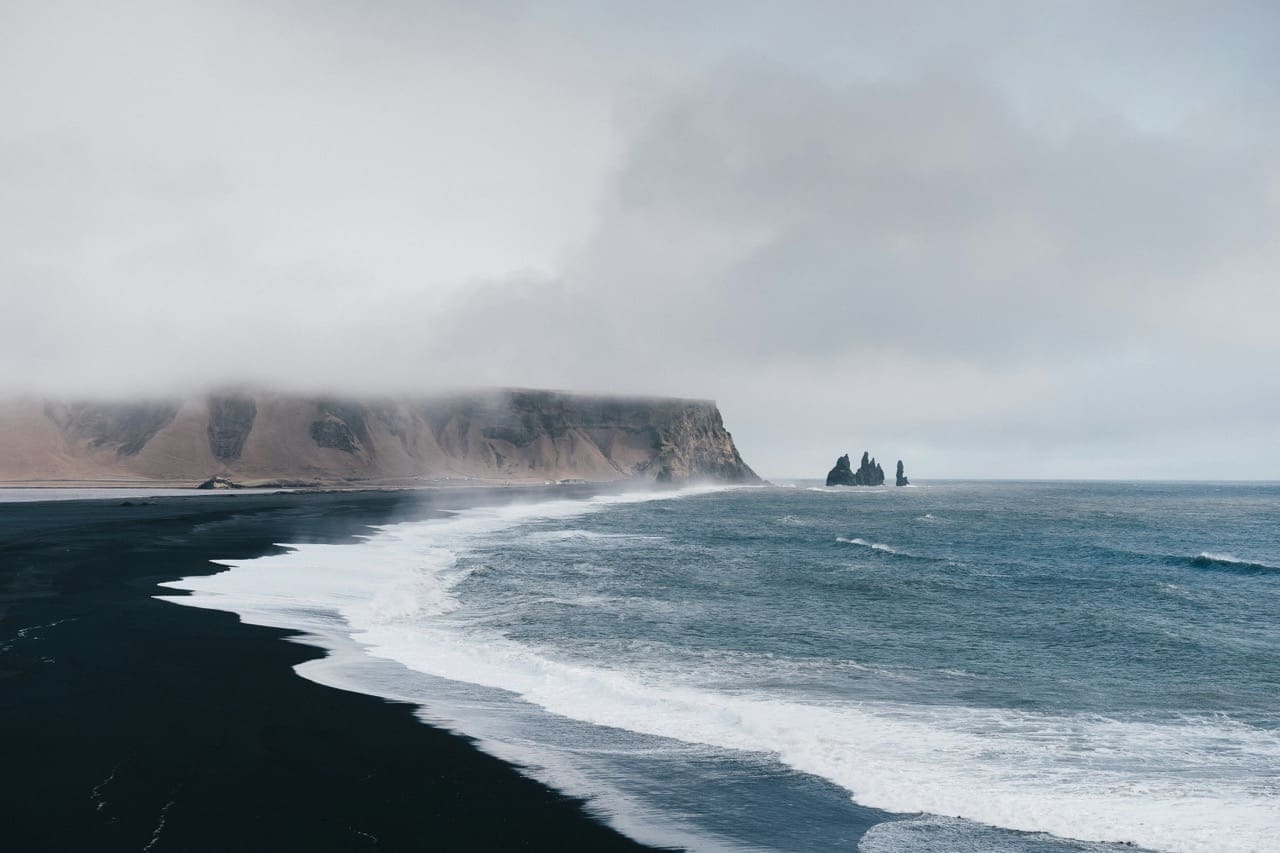
Eclipse-chaser viaggiano per il mondo per momenti come questo, e l'Islanda offre un ambiente che pochi luoghi possono eguagliare Immaginate la totalità che si svolge sopra un ghiacciaio, una spiaggia di sabbia nera, un campo di lava fumante o l'iconica montagna Kirkjufell Il cielo oscurato incorniciato da alcuni degli scenari più drammatici del pianeta Agosto porta anche un clima mite, lunghe serate e l'intera gamma di attività estive dell'Islanda, quindi l'eclissi può essere il fulcro di un'avventura più lunga: l'osservazione delle balene, il Circolo d'Oro, le lagune geotermiche e gli altopiani sono tutti di stagione È un evento celeste irripetibile in un paesaggio irripetibile e irripetibile 70 anni senza uno, l'Islanda non vedrà un'altra eclissi totale per generazioni. È un evento celeste irripetibile in un tempo in un paesaggio irripetibile e dopo più di 70 anni senza uno, l'Islanda non vedrà un'altra eclissi totale per generazioni.
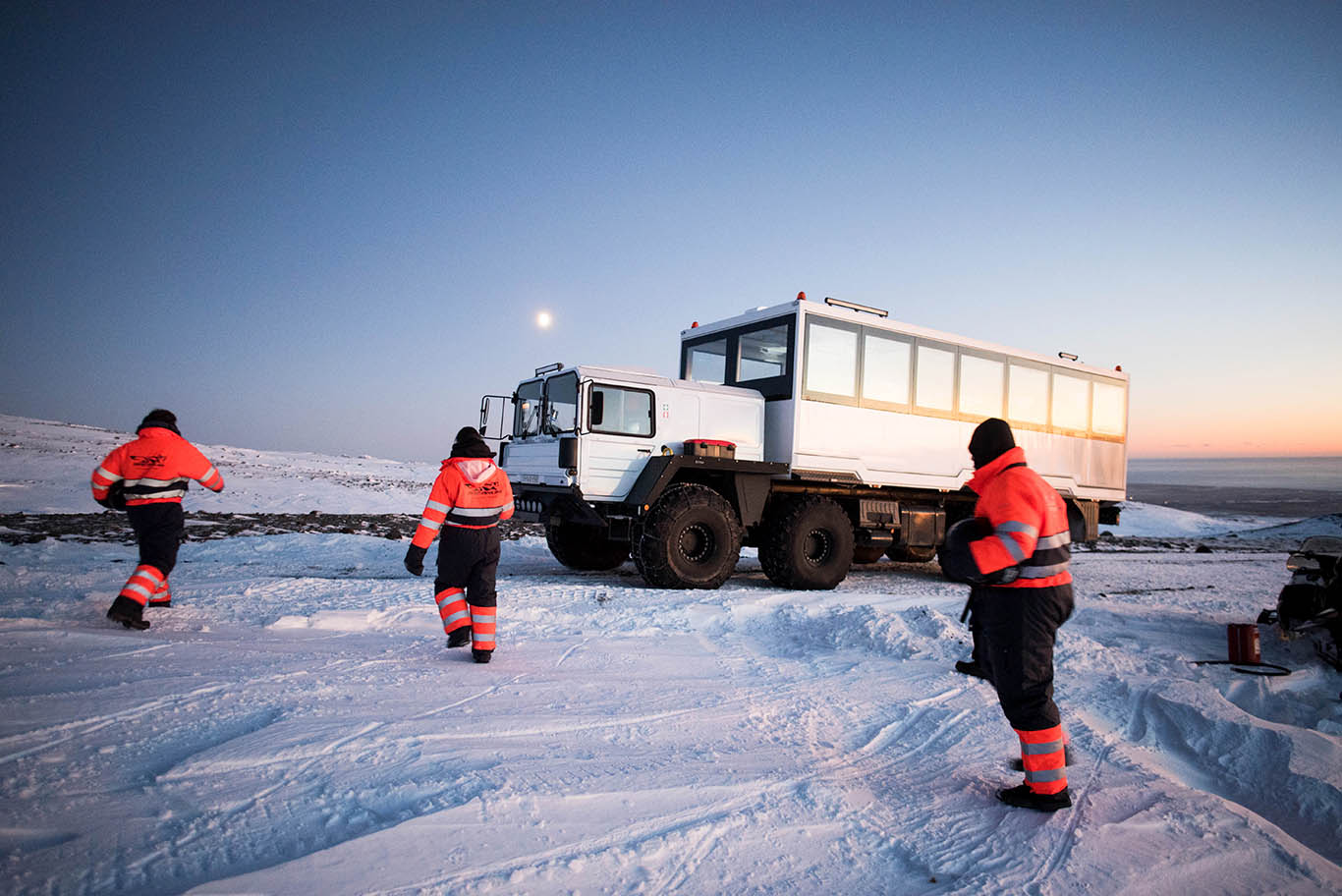
Rendi il giorno dell'eclissi senza sforzo esplora il nostro Tour ed esperienze in Islanda e uscire sul sentiero della totalità con una guida locale.
Unisciti a Iceland Insider per nuove guide più un heads-up quando le previsioni dell'aurora sembrano buone Niente spam.
Si svolge il 12 agosto 2026 A Reykjavík l'eclissi parziale inizia intorno alle 16:47, la totalità avviene intorno alle 17:48 e l'eclissi termina intorno alle 18:47 ora locale (GMT).
L'Islanda occidentale è il percorso della totalità (totalità più lunga, fino a ~2 minuti e 1 secondo a Látrabjarg), la penisola di Snæfellsnes, la penisola di Reykjanes e Reykjavík (vicino al bordo, ~1 minuto). Punta alla linea centrale e ad un chiaro orizzonte occidentale.
Sì, ma solo solo appena (EN) Reykjavík si trova vicino al bordo meridionale del sentiero, quindi la totalità dura solo circa un minuto e le condizioni chiare a ovest sono essenziali Per un'esperienza più lunga e affidabile, dirigiti a ovest sulla penisola di Snæfellsnes o nei fiordi occidentali.
Varia in base alla posizione Reykjavík ottiene circa un minuto; Látrabjarg nei fiordi occidentali arriva fino a circa 2 minuti e 13 secondi, il più lungo sulla terraferma La durata più grande di tutte è appena al largo, a ovest dell'Islanda.
Sì. Indossare occhiali certificati ISO 12312-2 per eclissi solare durante tutte le fasi parziali, Si può guardare ad occhio nudo solo durante la breve fase totale, e deve rimettere gli occhiali sul momento in cui il Sole riappare Gli occhiali da sole ordinari non sono sicuri.
Il cielo sereno non è garantito ad agosto La tattica migliore è rimanere mobili ed essere pronti a trasferirsi lungo il percorso verso cieli più limpidi, utilizzando le previsioni del giorno Una visita guidata è una buona opzione, poiché le guide tracceranno le condizioni e si dirigeranno verso il punto migliore.


Consigli di viaggio, nuove guide e un heads-up quando le previsioni dell'aurora sembrano buone Niente spam.