Private Bespoke South Coast & Katla Ice Cave Tour
314.890 ISK
12 heures

Facile
280 000 ISK
Attention:
Le temps peut être imprévisible en Islande, donc en hiver, vous pouvez vous attendre à ce que nous devions occasionnellement modifier l'itinéraire de la visite si les conditions météorologiques et routières sont défavorables.
Disponible: Toute l'année
Durée: Environ 10 heures, selon le temps passé aux arrêts.
Ramassage : Depuis votre hôtel/hébergement dans la région de la capitale Reykjavik.
Faits marquants
Le Cercle d'Or :
La côte sud :
Description
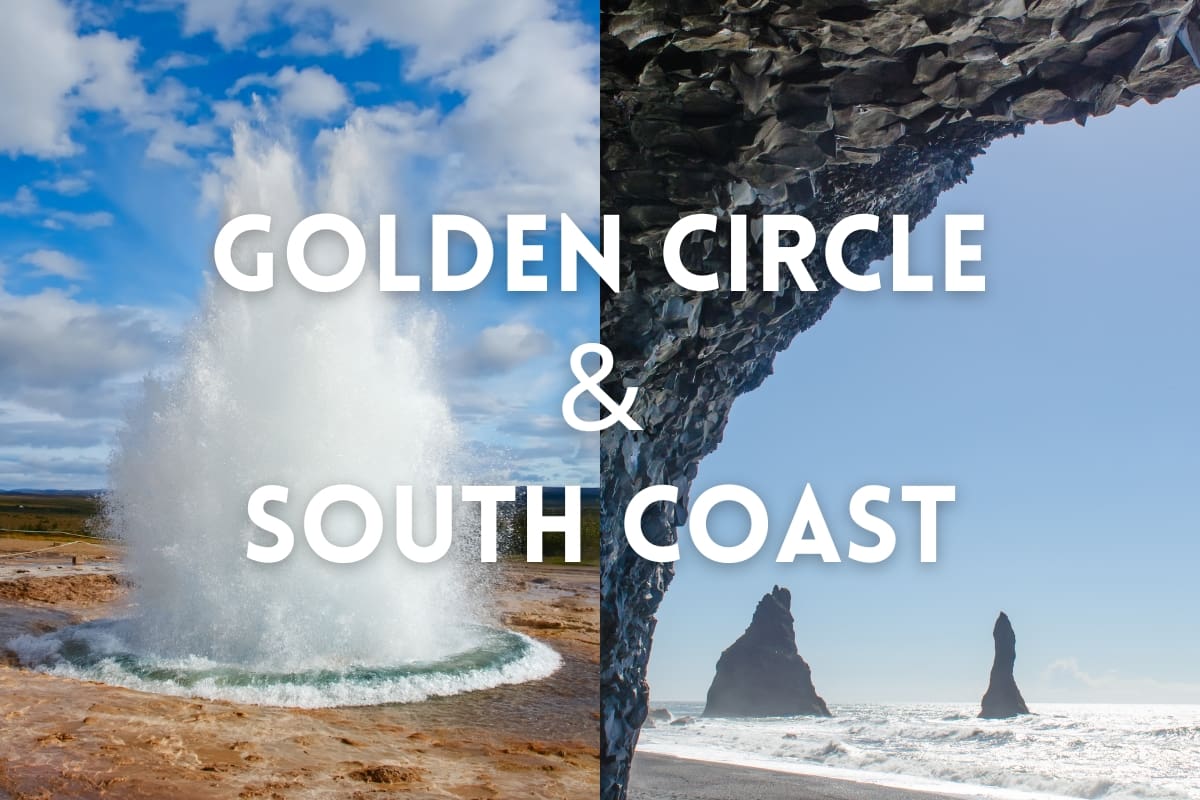
Si vous avez peu de temps en Islande, vous pouvez combiner les attractions les plus populaires pendant votre séjour : le classique Cercle d'or et Côte Sud!
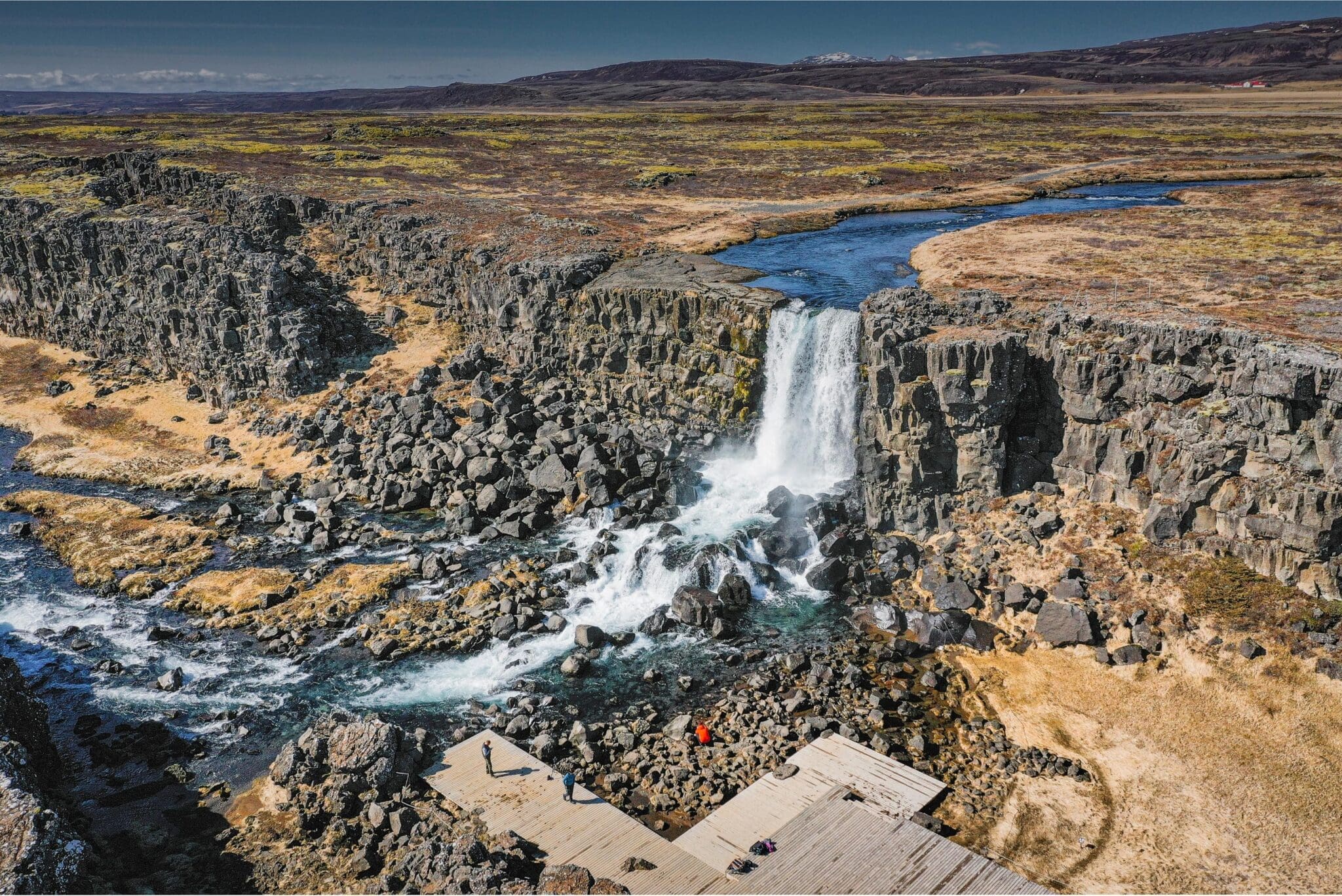
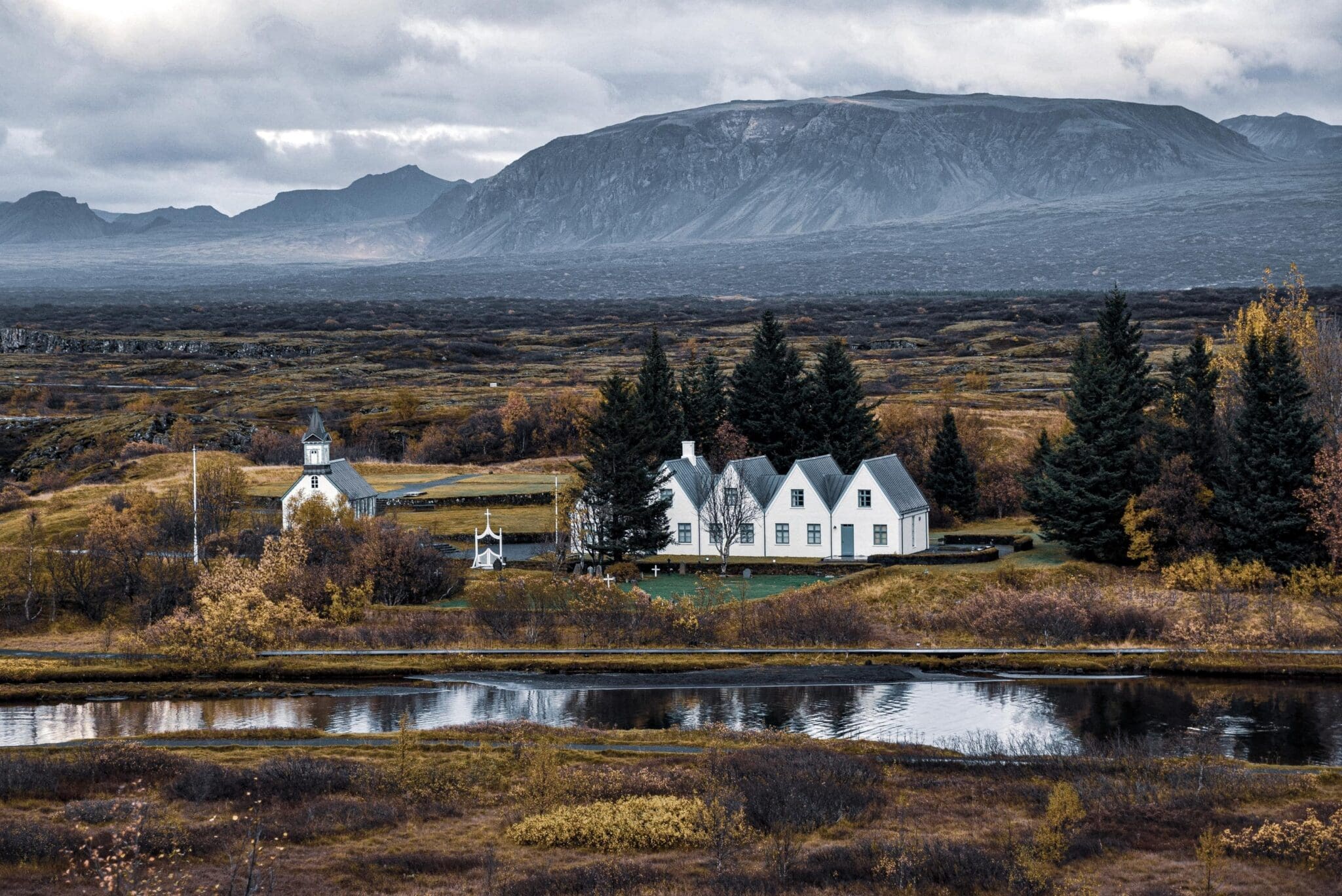
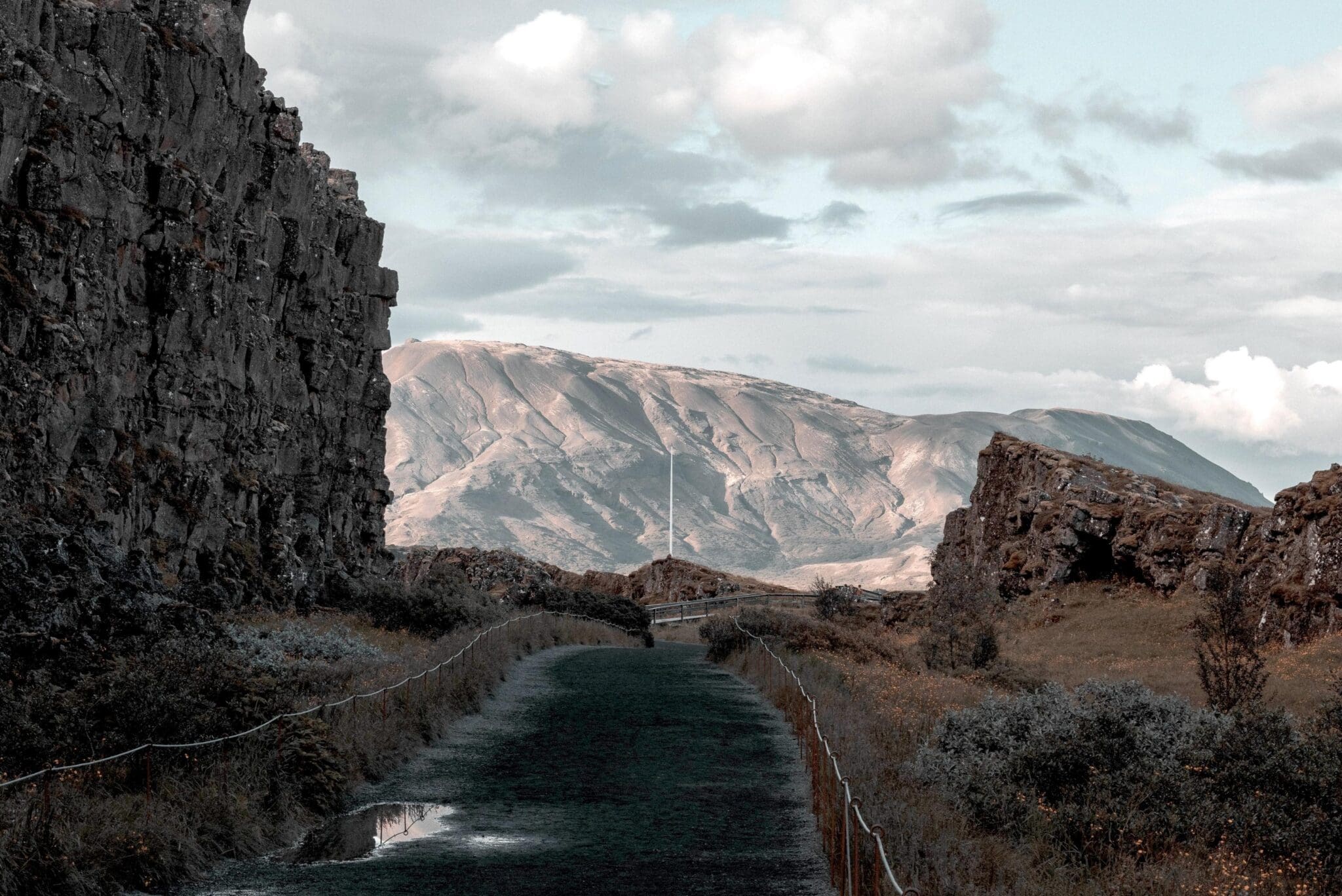
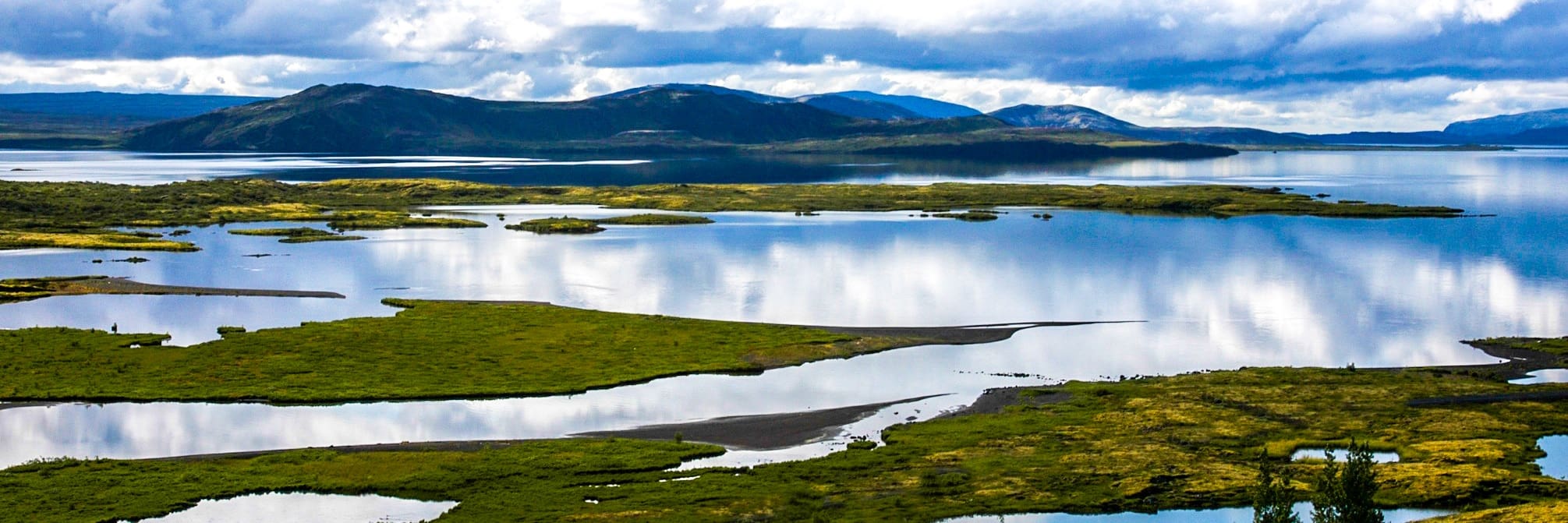
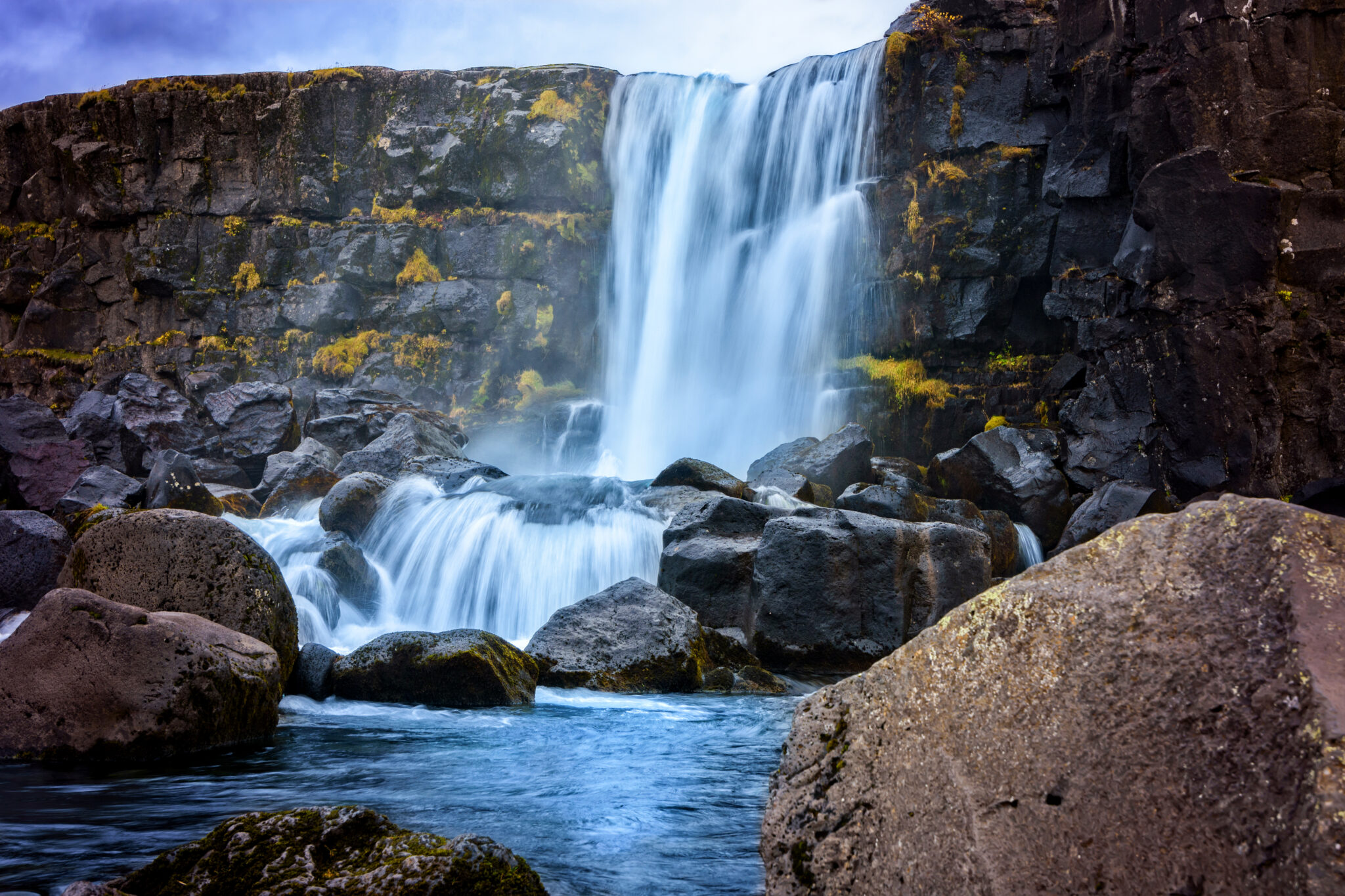
En sortant de la ville, vous passerez devant les fermes islandaises en route vers la première étape du circuit ; Thingvellir Parc National. Il s'agit du premier parc national d'Islande et du premier site du patrimoine mondial de l'UNESCO dans notre pays Vous commencerez à Hakið lava mesa, un point de vue qui vous offre une vue imprenable sur la région de Thingvellir et Thingvallavatn, [TRADUCTION], le plus grand lac naturel d'Islande (environ 83,7 kilomètres carrés et 114 mètres à son point le plus profond).Vous descendez de Hakið à Almannagjá en Thingvallabær presbytère, qui sert aujourd'hui de résidence d'été du Premier ministre, et Thingvallakirkja, [TRADUCTION], une belle église en bois représentant des églises islandaises communes À Almannagjá habite Öxarárfoss, (en), une cascade artificielle de 12 mètres à partir du moment où les Vikings ont changé le cours du Öxara rivière à canaliser dans Almannagjá, afin qu'ils puissent arroser leurs chevaux et leurs moutons lors de leur rassemblement Althingi chaque été, le parlement islandais.
Thingvellir peut vous sembler familier si vous êtes un Jeu de trônes fan, puisque les épisodes 1, 5 et 8 de la saison quatre ont été tournés ici.
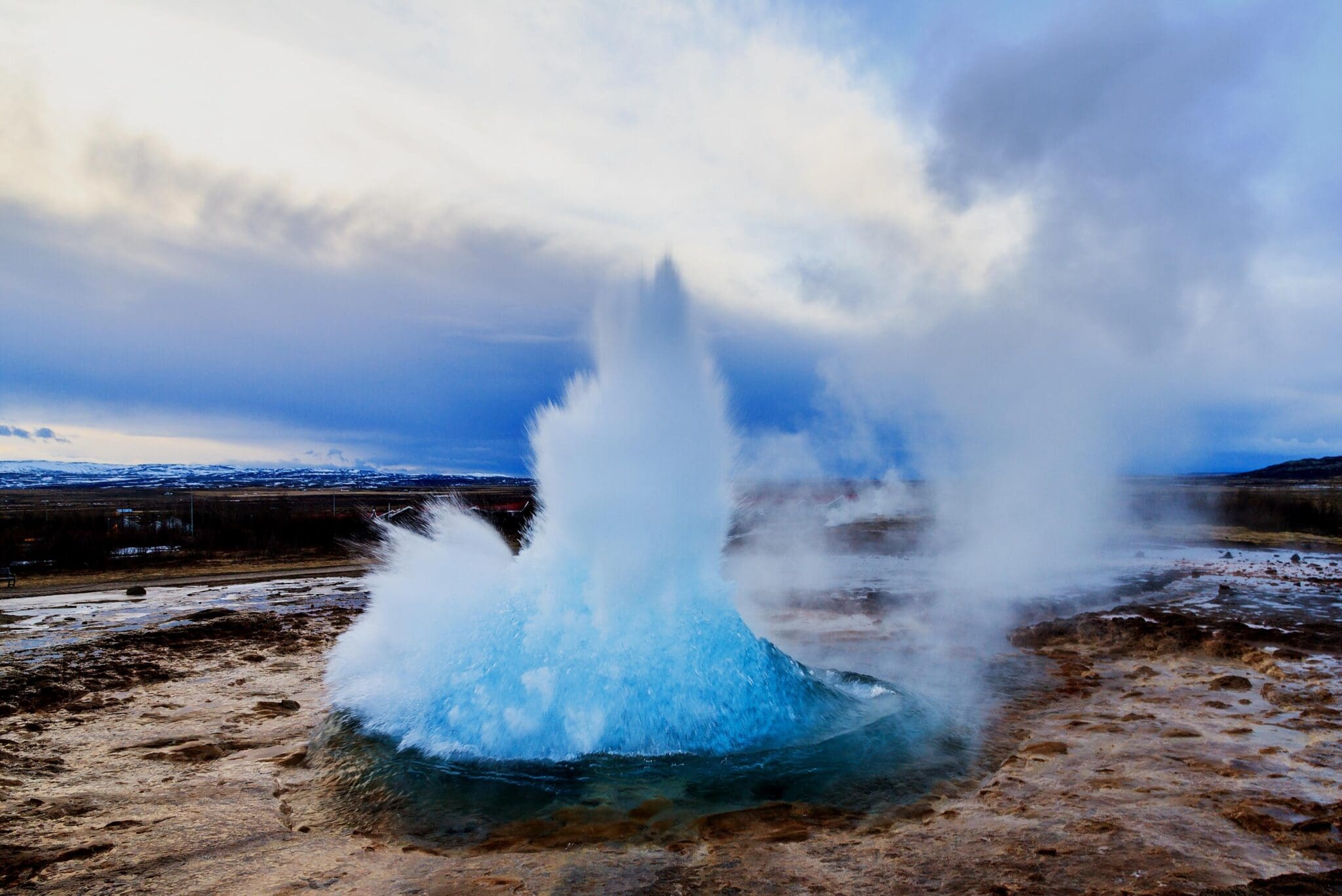
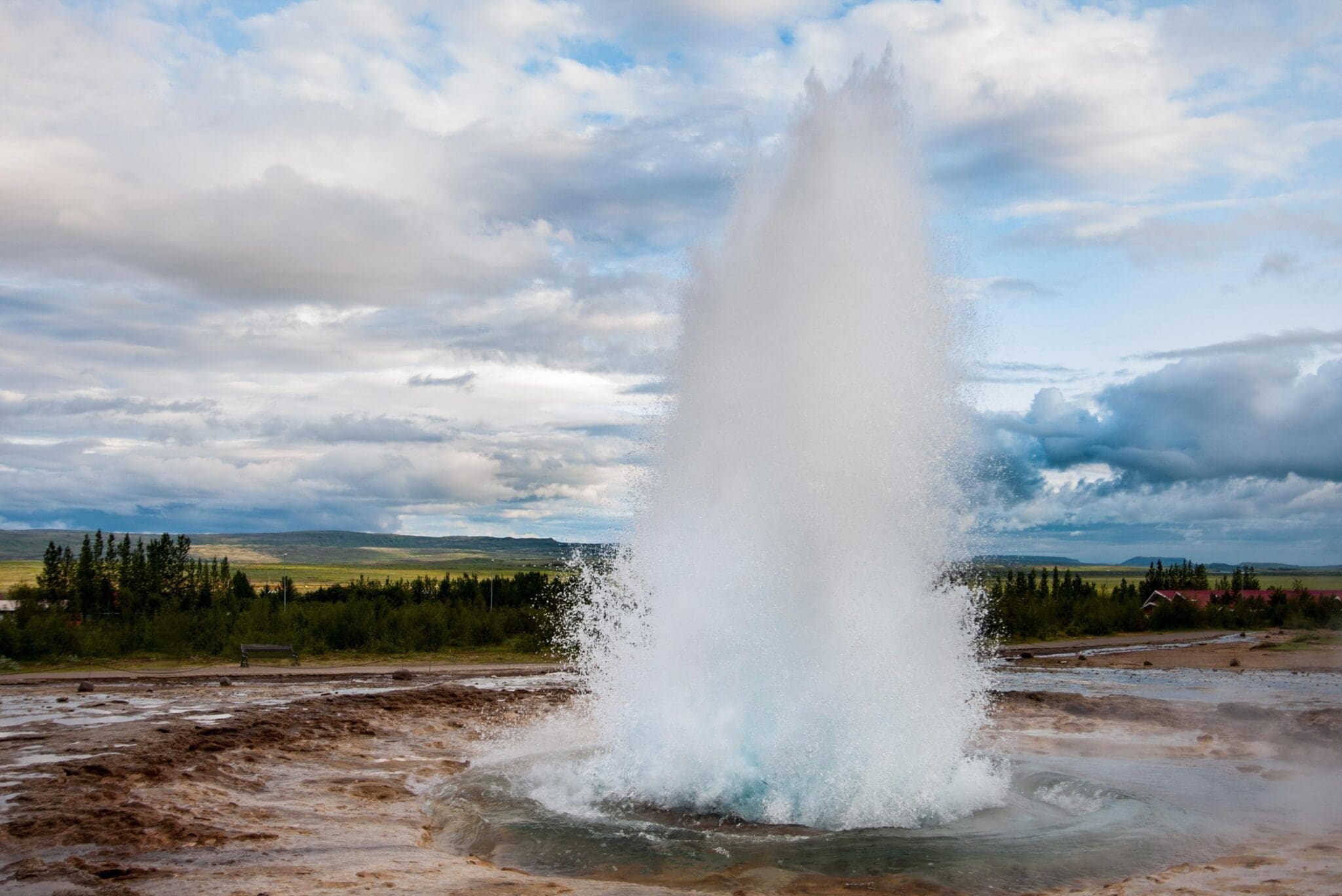
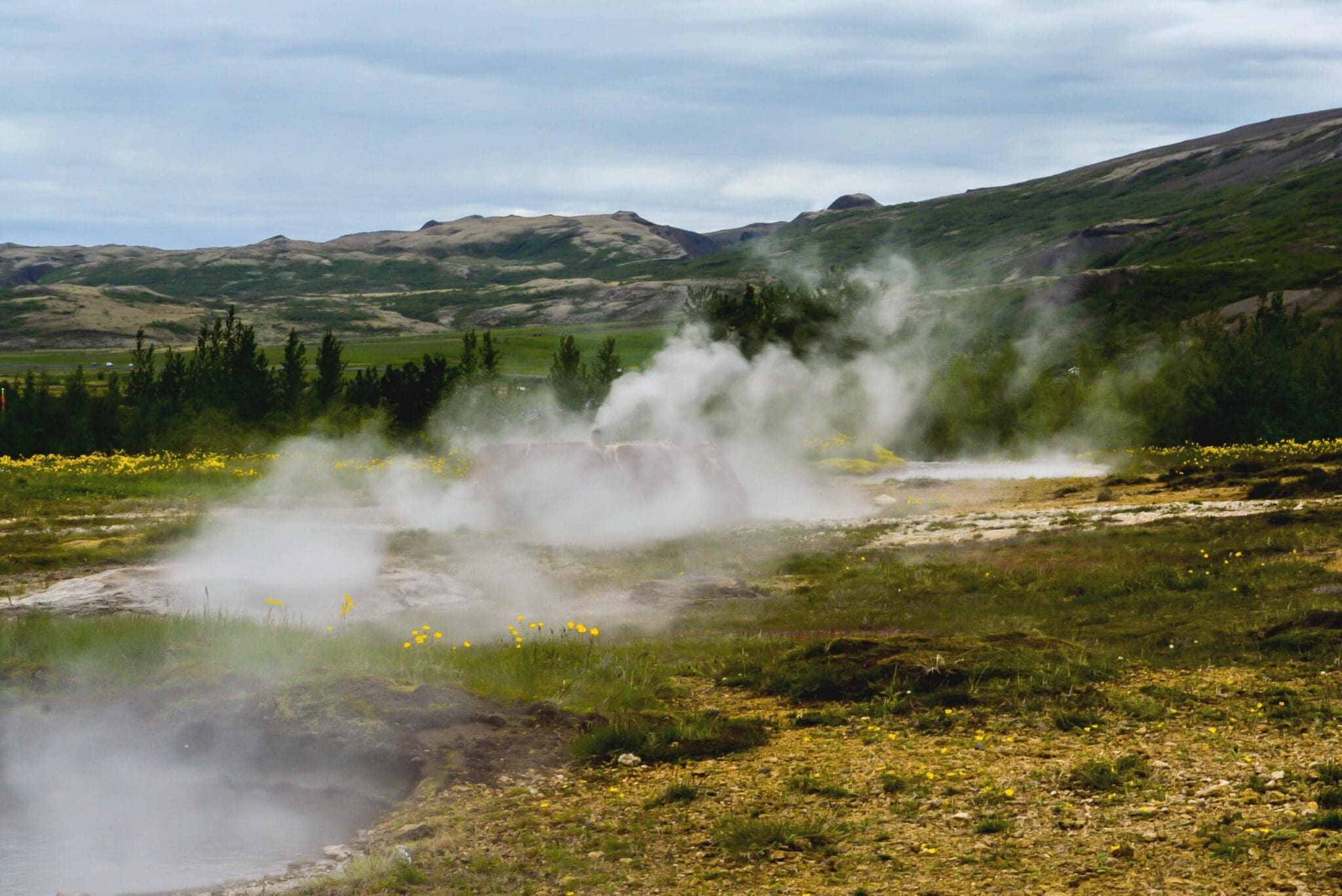
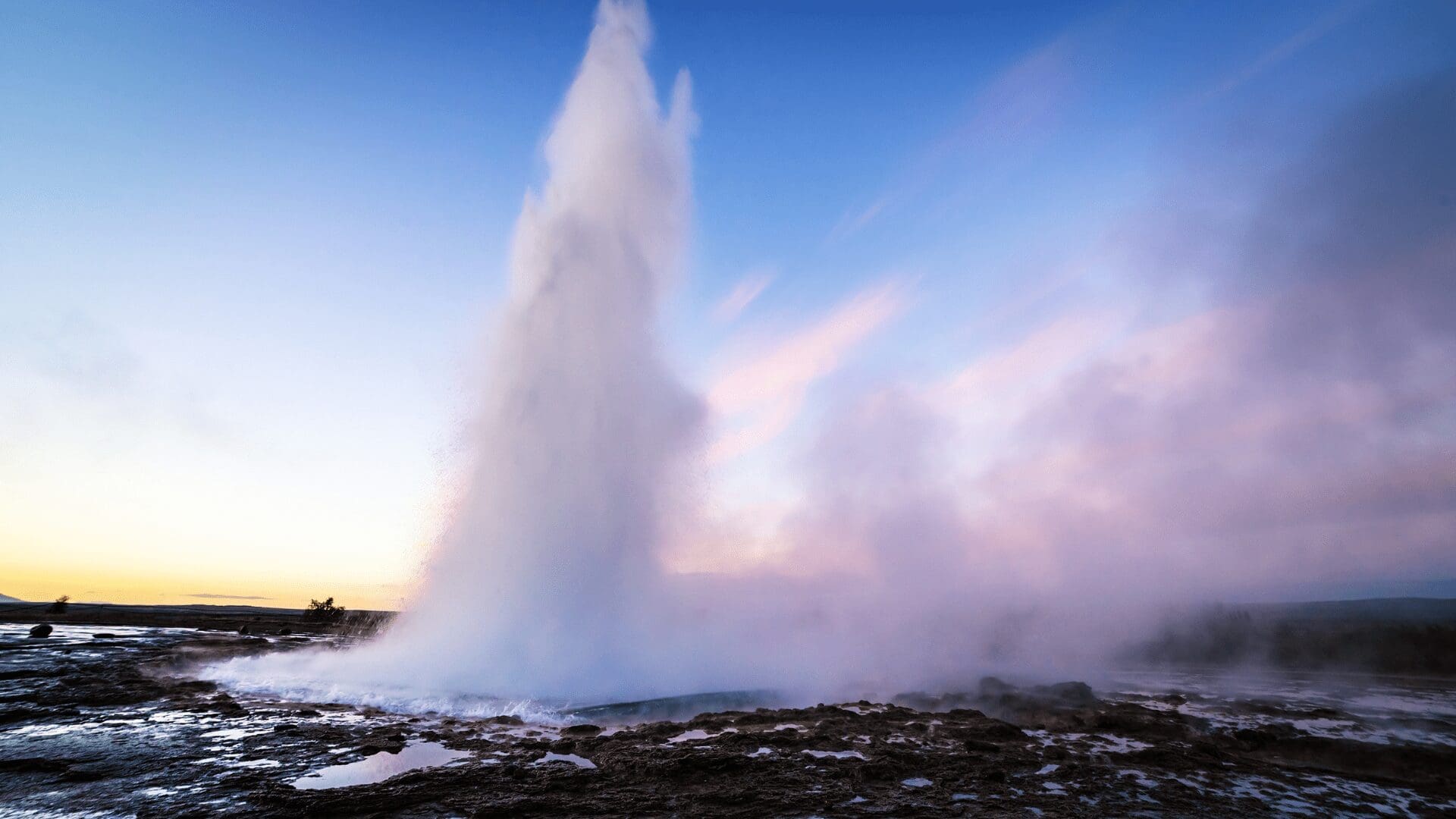
En traversant le parc national en bois de Thingvellir, en passant devant de plus belles fermes, le prochain arrêt est le Geysir zone géothermique des sources chaudes à Haukadalur vallée Cette zone à haute température avec ses sources chaudes colorées et ses bassins de boue est le seul endroit en Europe avec des sources chaudes qui débitent Geysir est le phénomène géologique le plus connu d'Islande, donnant son nom collectif geyser à toutes les autres sources chaudes du monde Elle est en sommeil et n'a pas craché depuis 2016, mais sa voisine Strokkur il le fait toujours toutes les 5 à 8 minutes, projetant 30 mètres d'eau géothermique brûlante dans l'air. Les tremblements de terre dans la région et l'activité volcanique dans notre pays peuvent provoquer le réveil de Geysir et d'autres sources chaudes dans cette zone géothermique montrer des changements.
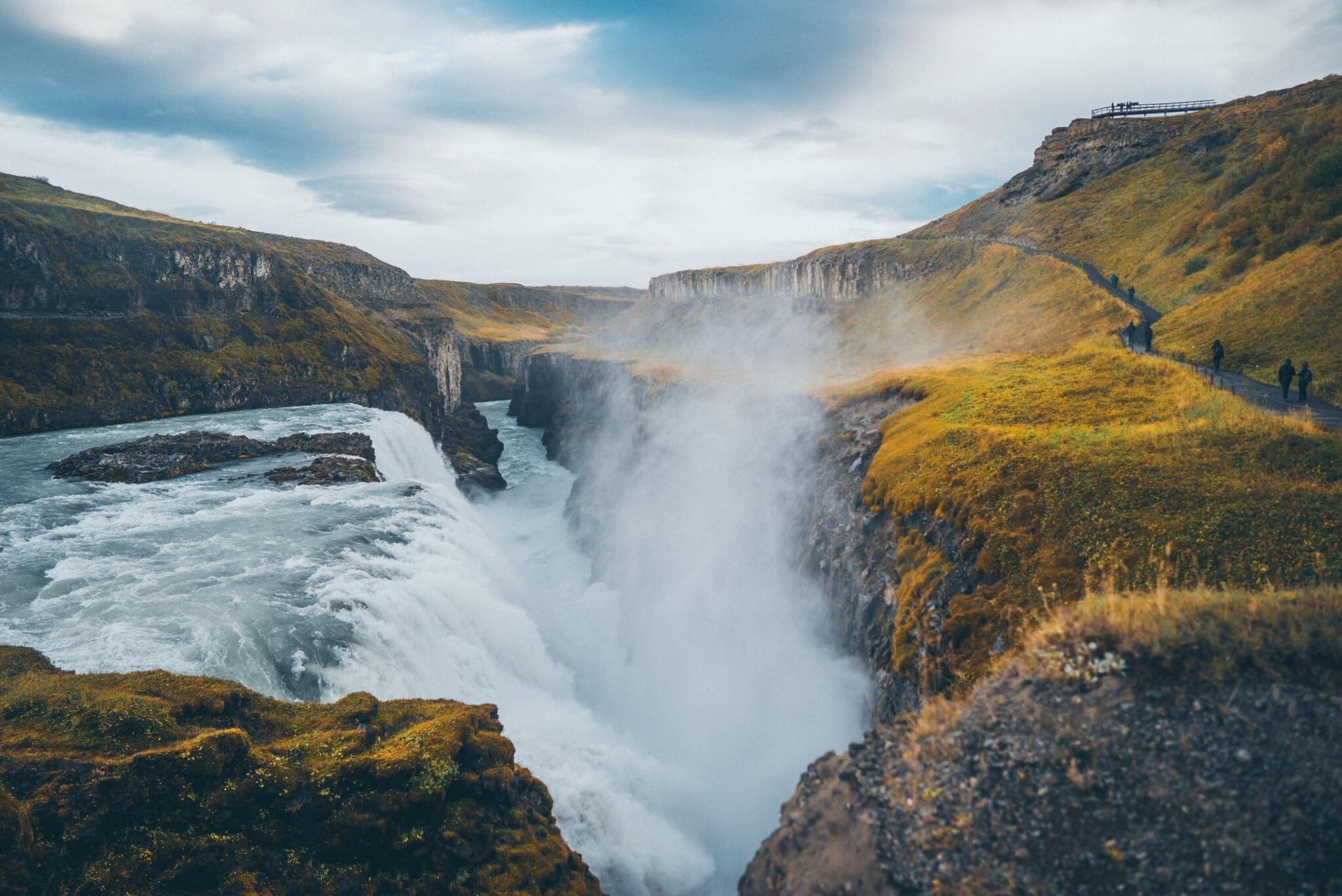
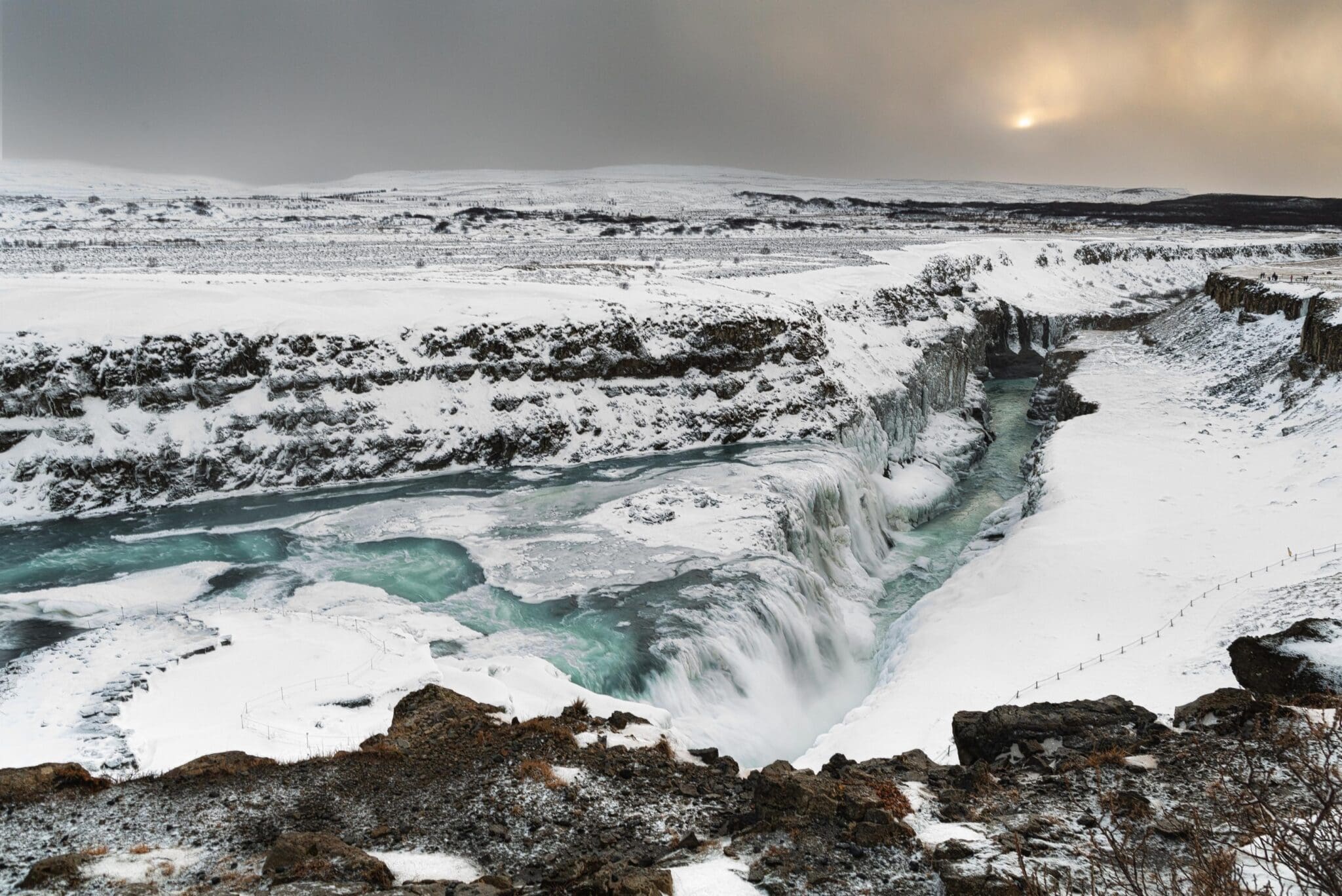
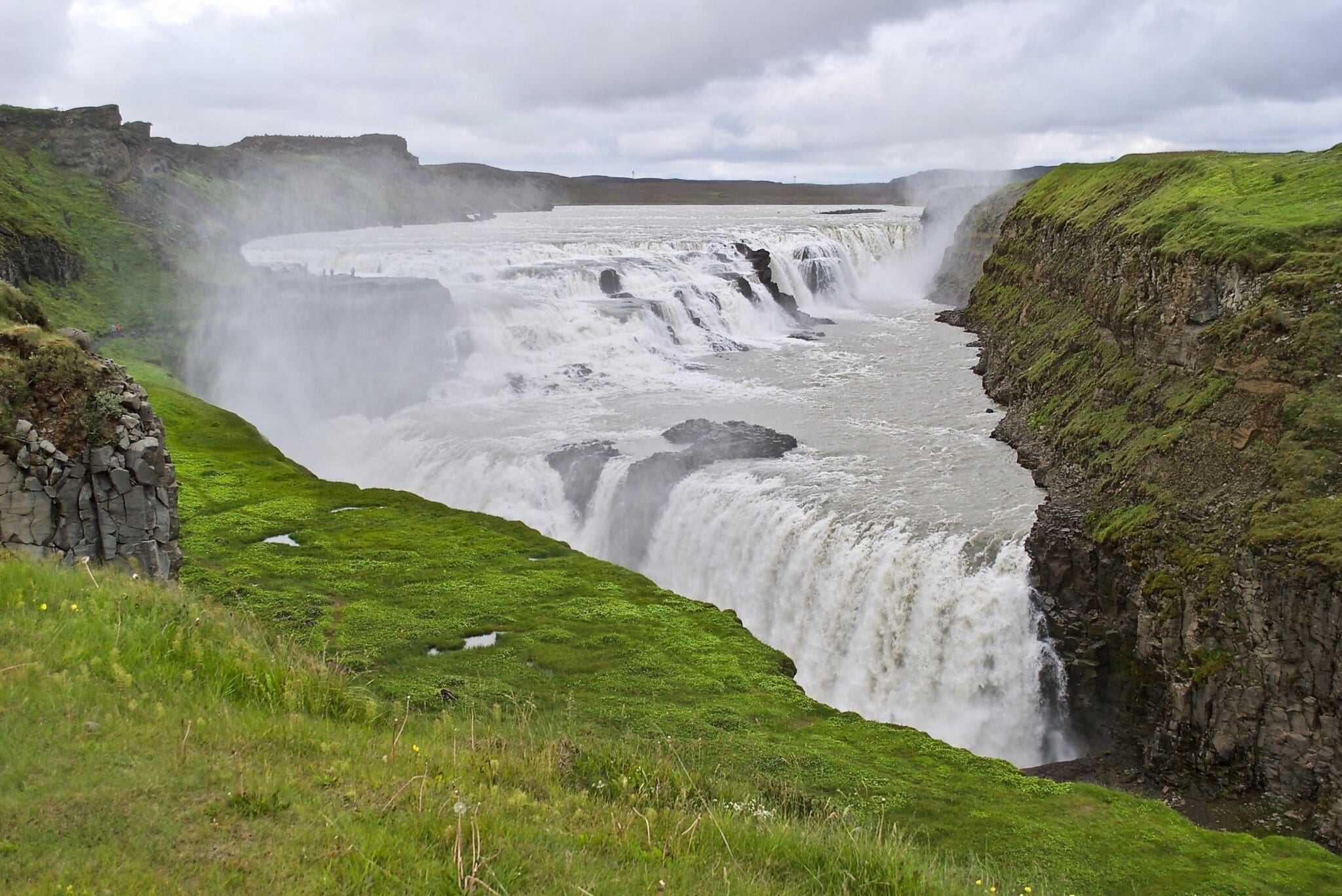
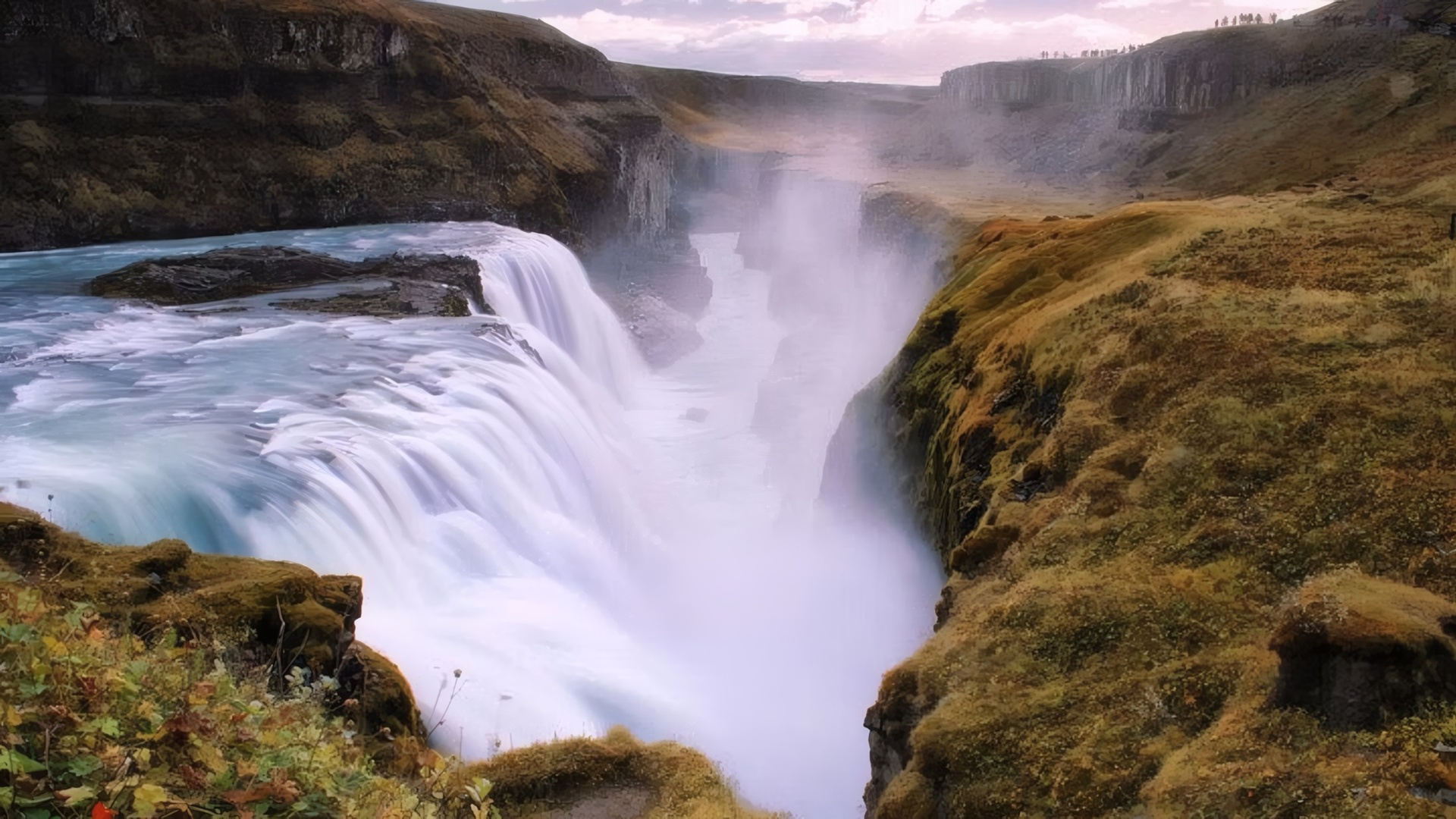
Le dernier arrêt est d'où le Cercle d'Or tire son nom ; Gullfoss cascade, signification Chutes d'or. Cette magnifique cascade à trois étages est considérée comme la reine de toutes les cascades d'Islande, plongeant de 32 mètres dans une étroite gorge basaltique La rivière glaciaire blanche Hvita, alimenté par le Langjökull glacier, donne à Gullfoss sa couleur blanche et bleuâtre, et les jours ensoleillés sa brume de pulvérisation forme un arc-en-ciel spectaculaire, parfois même un double arc-en-ciel.
En conduisant plus au sud, nous nous rapprochons du littoral avec l'océan Atlantique d'un côté et les volcans et glaciers de l'autre côté, et même les célèbres Hekla volcano peut être vu depuis la route.
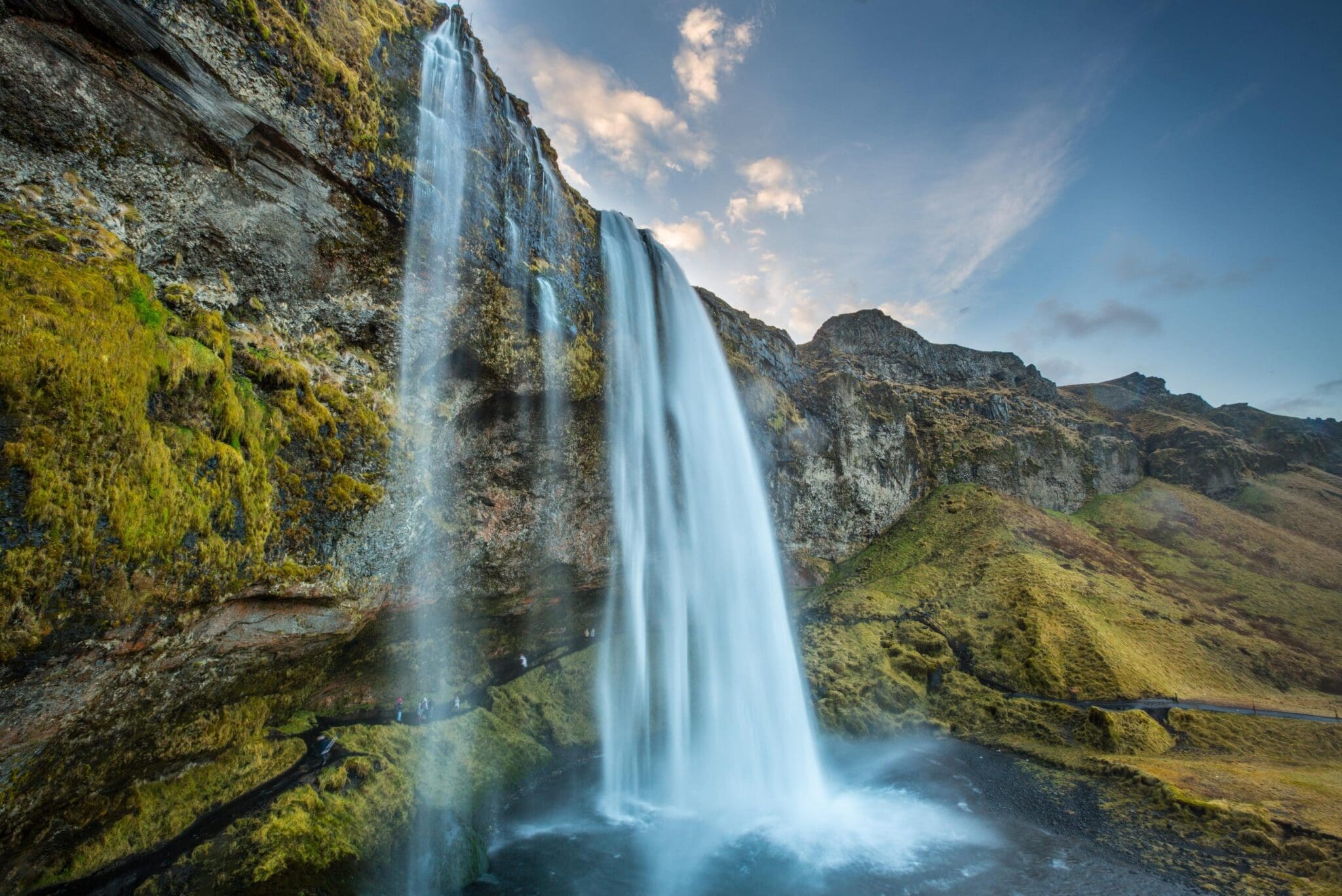
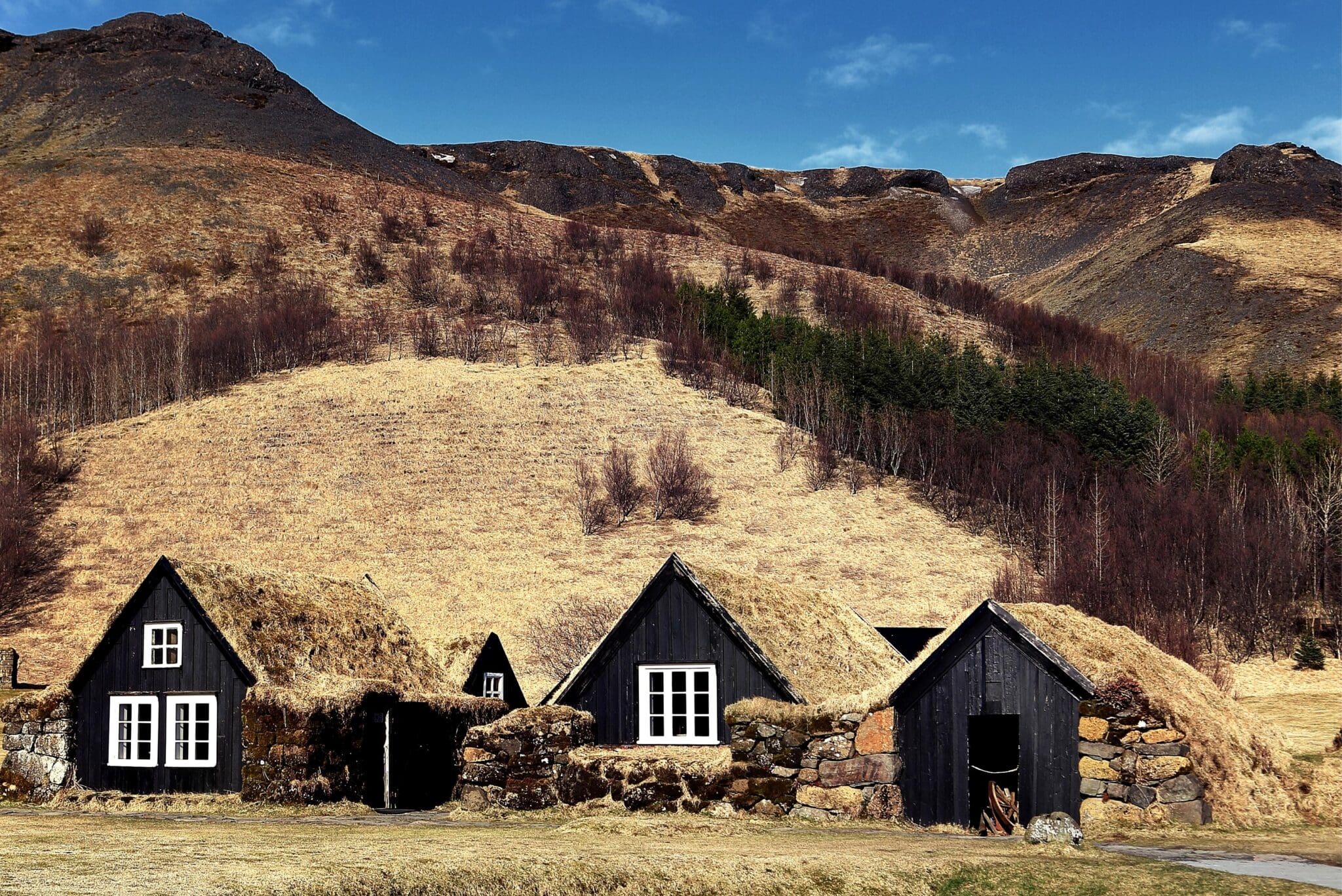
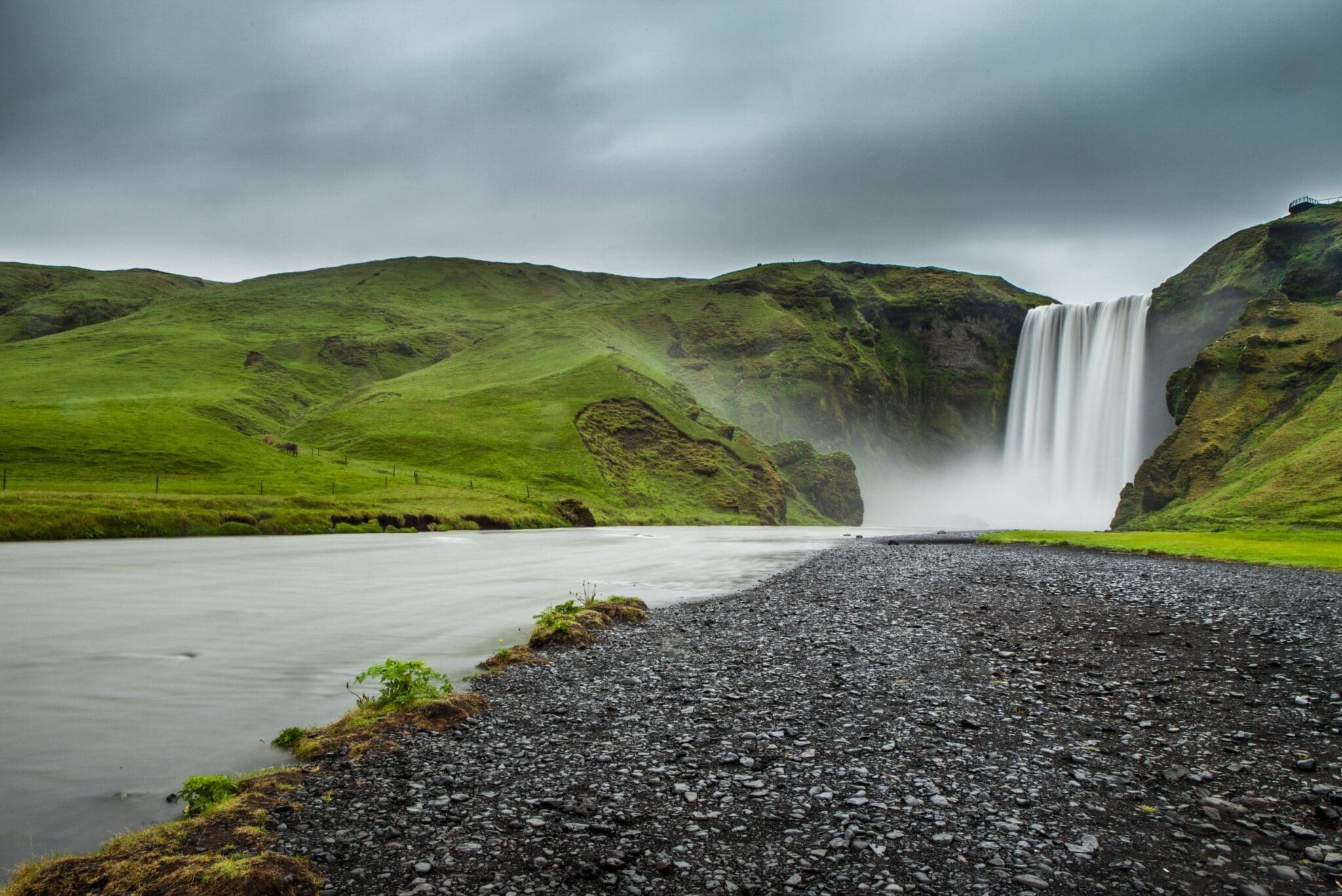
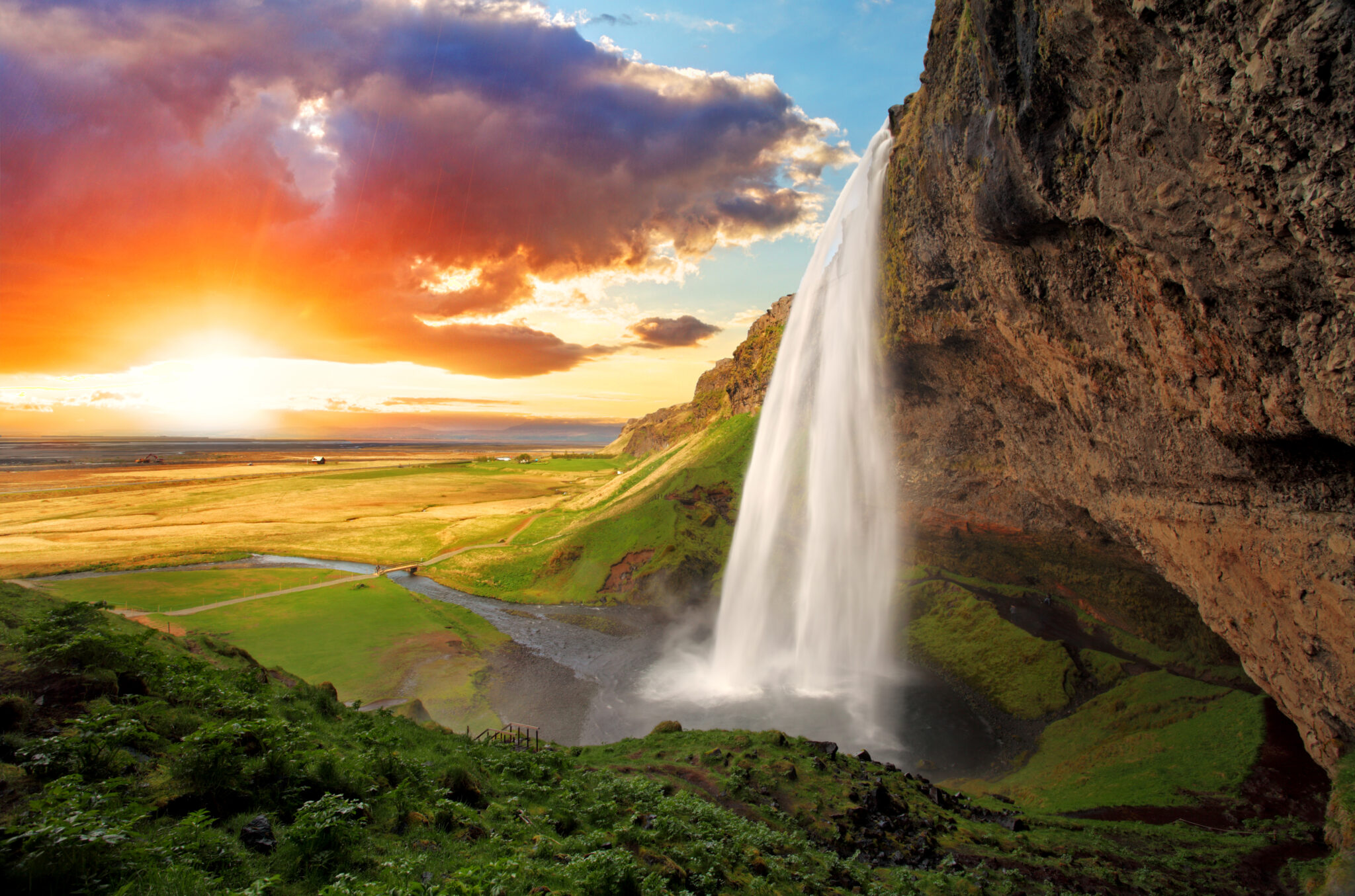
Nous faisons notre première escale sur la côte sud à la cascade unique Seljalandsfoss, [TRADUCTION], qui tombe comme un rideau d'une falaise dans une belle prairie Derrière se trouve une petite grotte et un sentier pédestre s'étendant autour de la cascade Cela fait un grand angle pour photographier cette cascade très pittoresque et ses environs, mais assurez-vous de porter de bonnes chaussures et des vêtements imperméables avant de passer derrière nous allons de l'avant et passons devant la calotte glaciaire Eyjafjallajökull qui couvre la caldeira d'un volcan entré en éruption pour la dernière fois en 2010, affectant de manière mémorable le trafic aérien partout Europe. Depuis la route, vous apercevrez immédiatement les fascinants Skógafoss dans le minuscule Skógar village C'est l'une des plus belles cascades d'Islande s'écartant d'une falaise qui marquait autrefois le littoral Si le soleil est au rendez-vous, les pulvérisations de Skógafoss formeront un arc-en-ciel et parfois deux Un escalier à côté mène à une plate-forme au-dessus de cette cascade, vous offrant une vue magnifique sur les fermes jusqu'à l'océan et les musées sur place vous donnent un aperçu de la façon dont les Islandais ont vécu tout au long de l'histoire.
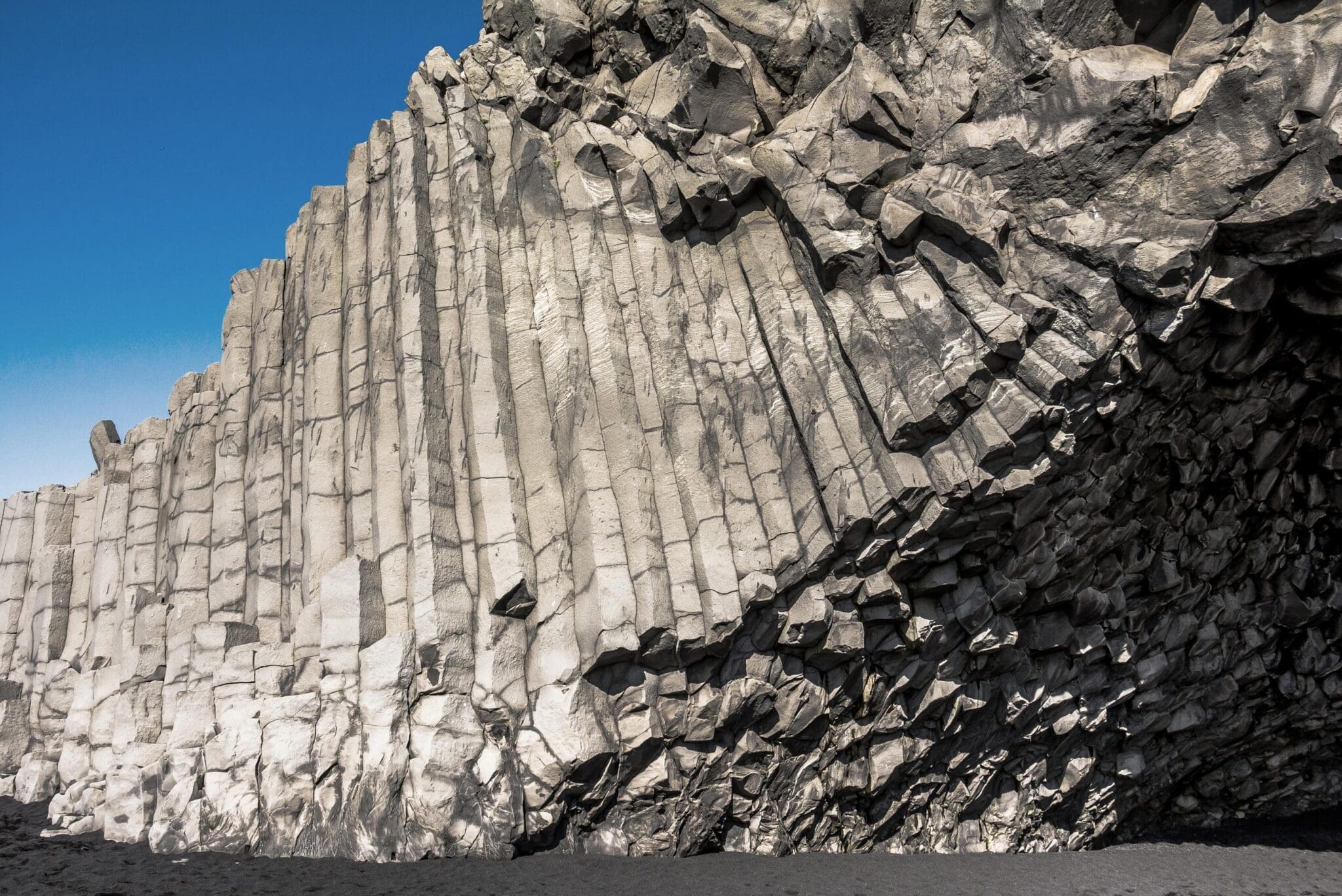
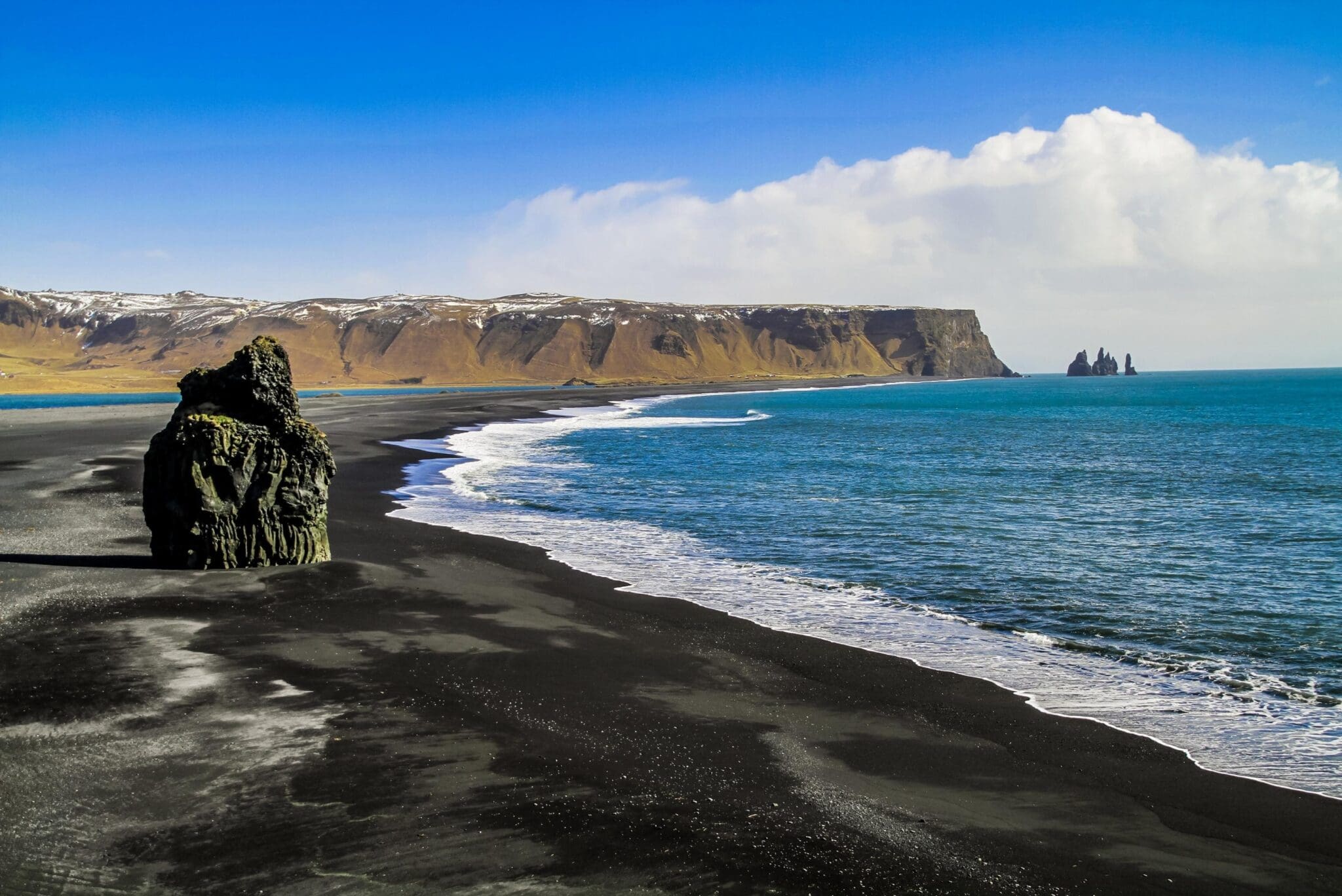
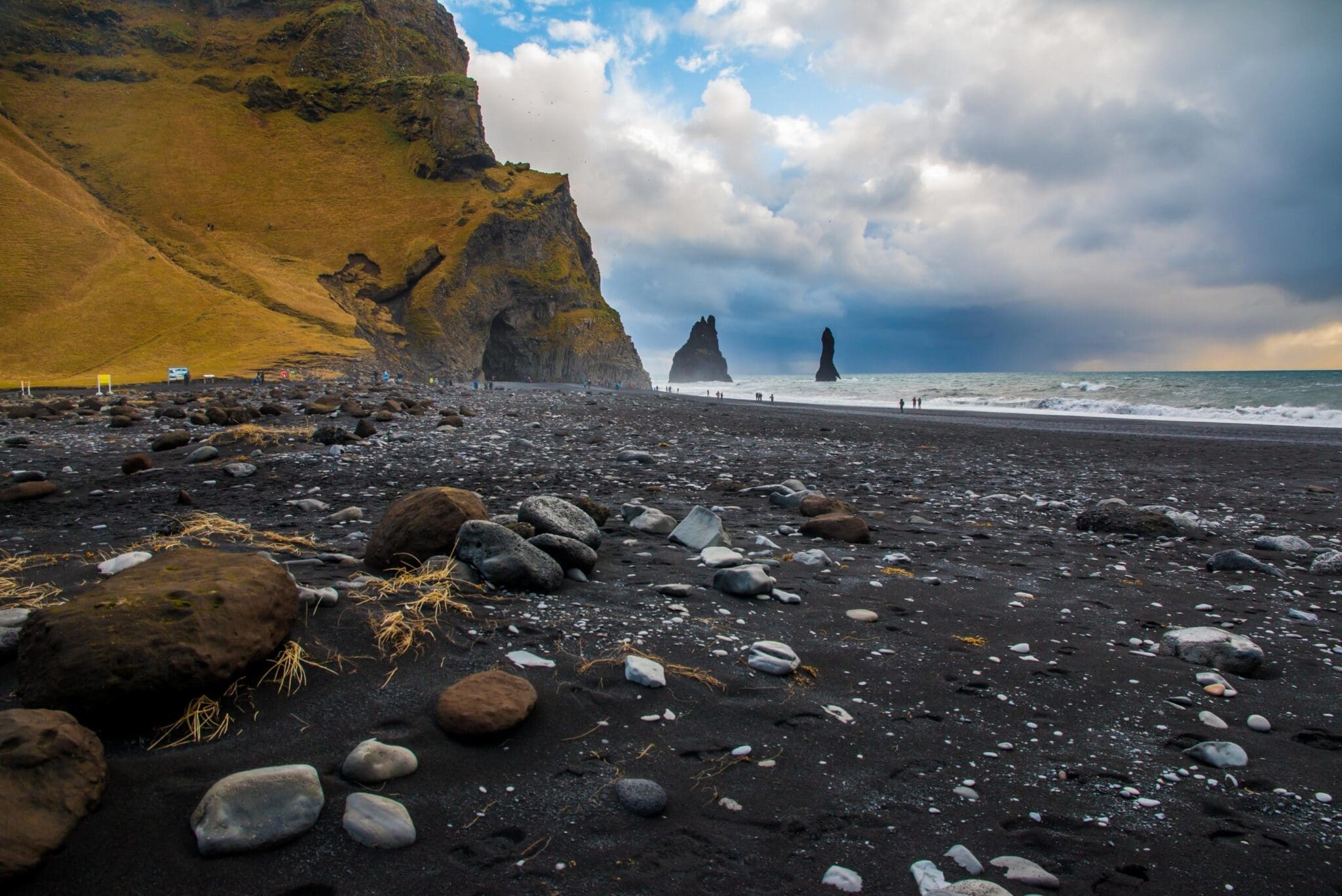
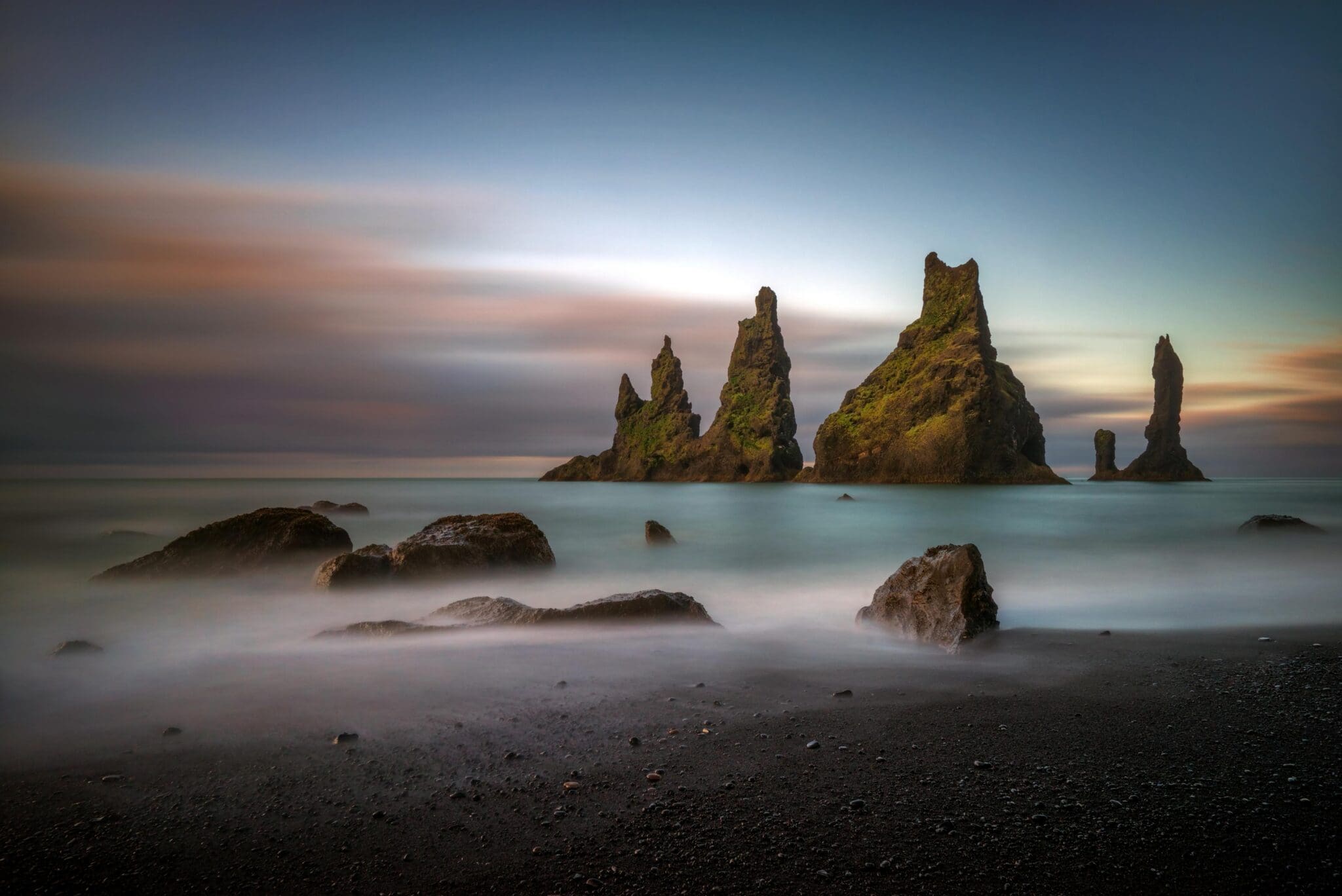
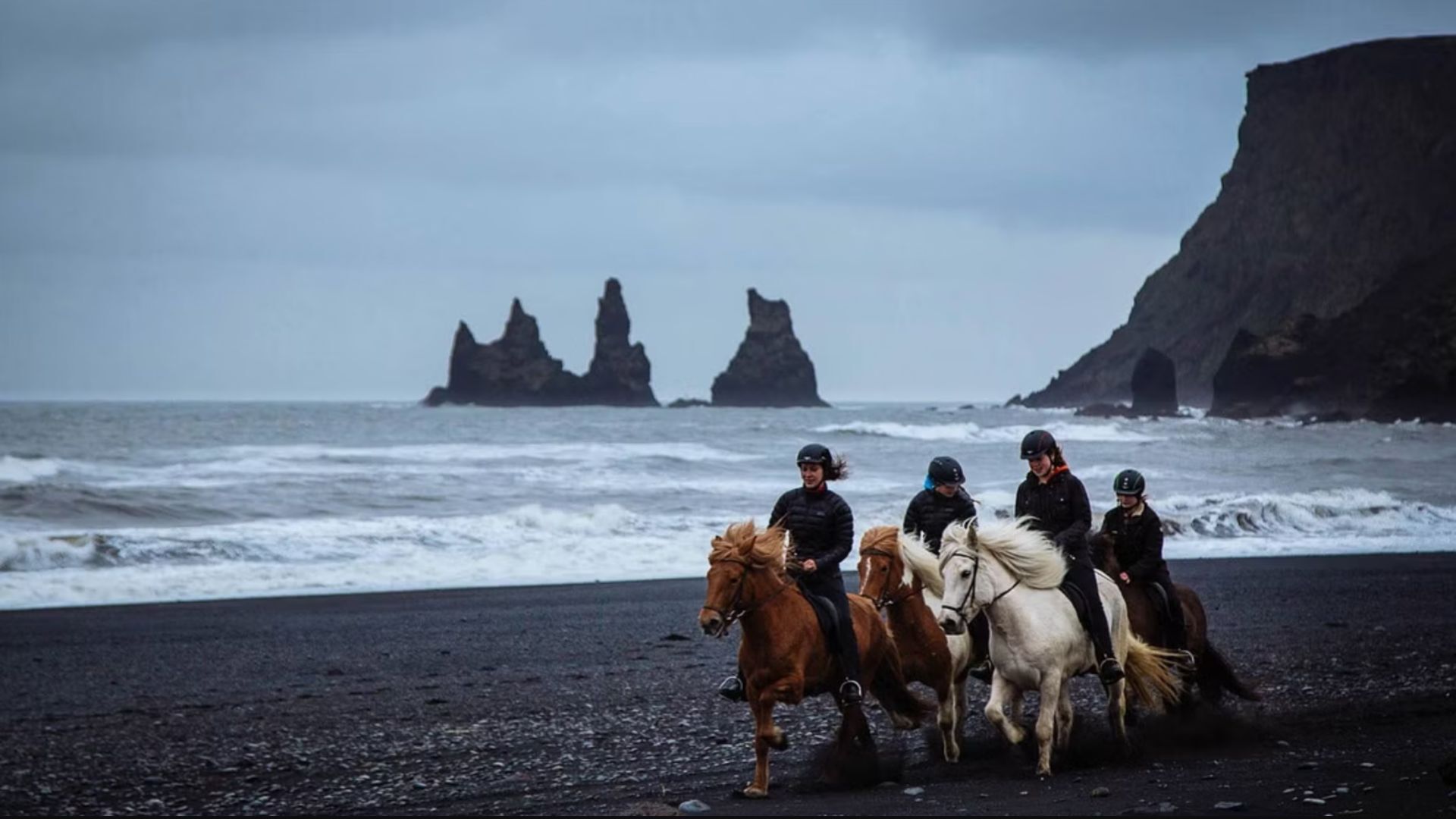
Notre dernier arrêt est Reynisfjara plage de sable noir, la visite la plus populaire de la côte sud, avec les hauts pinacles basaltiques Reynisdrangar s'élevant de la mer et des vagues océaniques extrêmement puissantes s'écrasant contre le mur de montagne aux colonnes de basalte Reynisfjall et érodant régulièrement le Hálsanefhellir grotte de basalte près de la plage Ici, vous devez être très prudent, car ces vagues sont connues sous le nom de " vagues de baskets " Bien qu'elles puissent parfois paraître calmes et inoffensives, elles se sont faufilées sur les gens et les ont entraînés dans la mer, provoquant des tragédies fatales tout au long des années lorsque les gens se sont approchés trop près de la mer Soyez prudent en admirant cette zone à couper le souffle et veuillez respecter les macareux et autres oiseaux marins nichant dans les colonnes de basalte.
Après cette longue journée de paysages et de paysages exceptionnels, nous retournons à la vie urbaine animée de la région de la capitale Reykjavik.
Le parc national de Thingvellir a été créé en 1930, le premier parc national d'Islande Puis en 2004, il est devenu le premier site du patrimoine mondial de l'UNESCO en Islande pour son patrimoine culturel de l'époque viking et l'importance de son histoire et de sa nature.
useingvellir (e. Terrains du Parlement) est une zone de fracture située sur les plaques tectoniques du Dorsale médio-atlantique, le Continents nord-américains et eurasiens, [TRADUCTION], qui traverse l'Islande de son coin NE jusqu'au coin SW, formant une grande dépression d'environ 40 km de longueur et 10 km de largeur Ces limites ne sont visibles au-dessus du sol qu'à très peu d'endroits en Islande. Almannagja (e. Faille du public) forme les limites orientales de la plaque nord-américaine, tandis que Hrafnagja (e. Faille du corbeau) forme les limites occidentales de la plaque eurasienne La zone située entre ces deux rifts s'affaisse lentement, se séparant d'environ 3 à 4 millimètres chaque année.
Alþingi (e. Assemblée générale) est le parlement islandais, établi en 930 après JC par les Vikings, et est le plus ancien parlement du monde Chaque été, les Islandais s'y rassemblent jusqu'en 1798 pour fixer des lois, régler des différends, échanger des marchandises, et procéder à des punitions et des exécutions C'est à Althingi que la nation islandaise accepte d'adopter le christianisme en 1000 après JC, remplaçant la religion païenne Asatru Le 17 juin 1944, l'établissement de la République d'Islande est déclaré en vigueur après des siècles d'être sous les règnes des royaumes de Norvège et du Danemark.
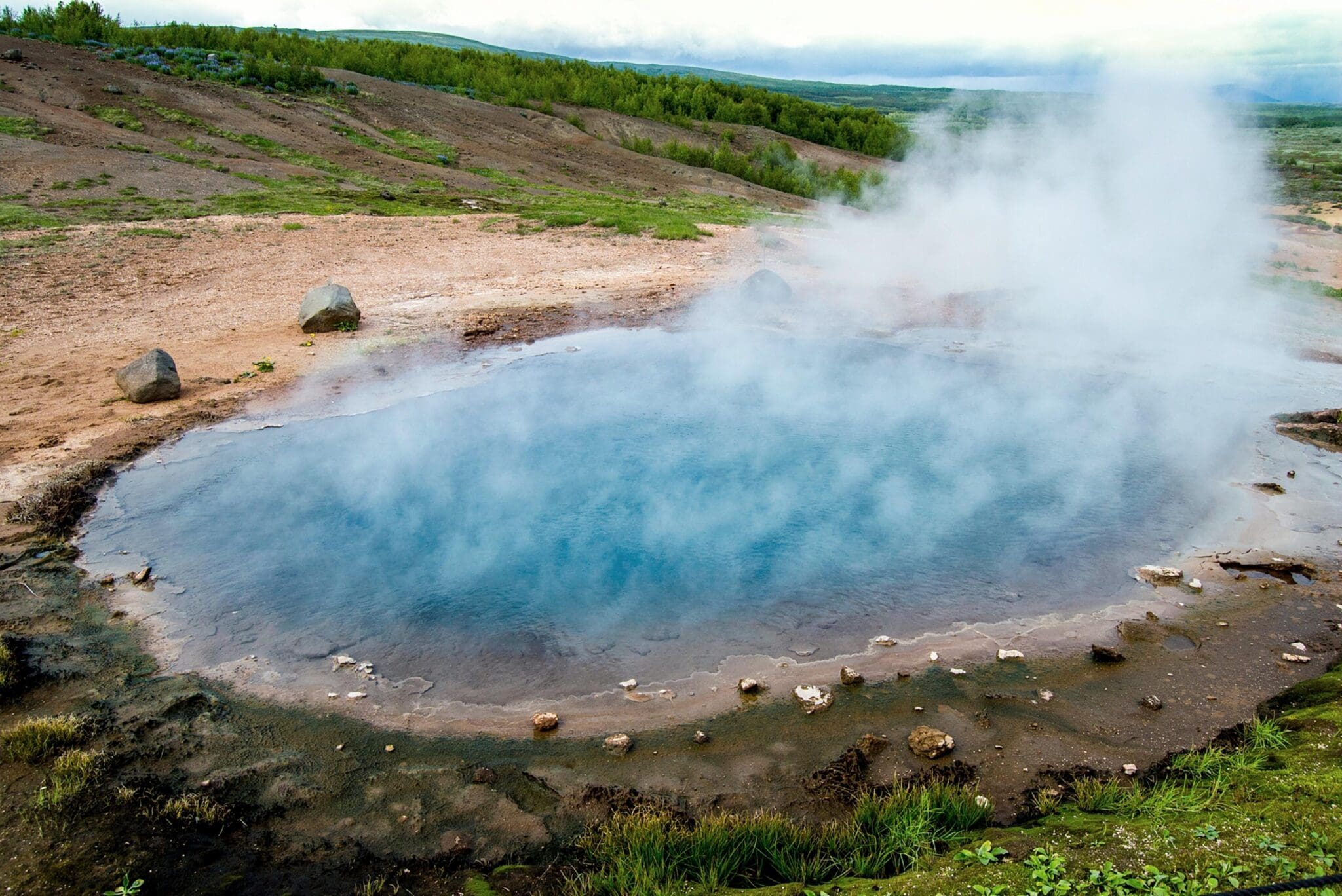
Le Geysir zone géothermique des sources chaudes, situé dans Haukadalur (e. Vallée des faucons), est une zone à haute température avec des sources chaudes colorées et des piscines de boue Son attraction principale est Strokkur (e. Brûleur), la seule source chaude qui jaillit actuellement dans cette zone, ce qui en fait le seul endroit en Europe avec une source chaude qui jaillit Toutes les 5-8 minutes, Strokkur jaillit de l'eau géothermique brûlant jusqu'à 30 mètres dans l'air, alors essayez de rester au vent de celle-ci pour éviter que l'eau chaude et la vapeur ne soufflent sur vous quand elle jaillit.
Geysir (e. Bécasse) est le phénomène géologique le plus renommé d'Islande, donnant son nom collectif geyser à toutes les autres sources chaudes du monde Elle est actuellement en sommeil et n'a pas jailli depuis 2016, mais les tremblements de terre dans la région et l'activité volcanique dans notre pays peuvent provoquer un réveil de Geysir un jour et les autres sources chaudes de cette zone géothermique montrer des changements de comportement.
D'autres sources chaudes dans cette zone sont mentionnées Blesi (e. Blaze), une source chaude bleue due à la silice dissoute entrant en contact avec l'atmosphère, et Konungshver (e. La source chaude du roi), la source chaude la plus grande et la plus attrayante de la région Le nom de Konungshver commémore la visite en 1874 du roi Christian IX alors que les Islandais sont encore sous le règne du royaume de Danemark.
Une randonnée courte et facile jusqu'à une plateforme d'observation sur Laugarfell (e. Colline chaude de printemps) vous offre une vue sur toute la zone géothermique de ces sources chaudes.
Gullfoss (e. Chutes d'or), est une magnifique cascade, qui aurait tiré son nom de la teinte dorée qui brille dans son eau glaciaire Située dans une gorge étroite de colonnes de lave basaltique, Gullfoss est située dans la troisième plus longue rivière d'Islande, Hvita (e. Rivière Blanche), une rivière glaciaire blanche qui coule de sa source Hvitárvatn (e. Lac de la rivière White), alimenté par l'eau glaciaire du deuxième plus grand glacier d'Islande, Langjökull (e. Long Glacier). Gullfoss se compose de deux cascades, formant un“ d'escalier à trois étages à trois étages, avec de l'eau glaciaire blanche plongeant de 32 m dans la gorge basaltique de 2,5 km de large Mouettefossgljufur (e. Gorges des chutes d'or).
À côté de Gullfoss se trouve un sentier pédestre pour monter jusqu'à la cascade inférieure de 21 mètres et la cascade supérieure de 11 mètres. Par temps ensoleillé, un arc-en-ciel se forme à partir de la pulvérisation d'eau par Gullfoss, et parfois même de spectaculaires doubles arcs-en-ciel. Sigríður Tómasdóttir (née en 1871) était la fille du fermier Tómas Tómasson, [TRADUCTION], qui habitait à la ferme Brattholt. Gullfoss appartenait à la terre de son père, mais au début du XXe siècle, Tómas a été trompée pour qu'elle loue Gullfoss à des investisseurs étrangers qui envisageaient d'exploiter son électricité en construisant une centrale hydroélectrique pour produire de l'électricité. Sigríður aimait Gullfoss plus que toute autre chose, et elle a donc poursuivi les investisseurs en justice pour annuler leur contrat et a protesté contre leur projet d'exploiter Gullfoss en menaçant de se jeter dans cette cascade si elle venait à être exploitée et détruite. Pour attirer l'attention sur ses protestations, Sigríður est allée pieds nus lors d'une marche de protestation de 120 km de Gullfoss Reykjavik. Après sa marche sur des routes de montagne non pavées, Sigríður saignait de ses semelles et était en très mauvais état Elle a vécu jusqu'à 86 ans quand elle est morte en 1957, vivant toute sa vie dans la ferme de Brattholt, et est largement considérée comme la première écologiste et activiste d'Islande, et l'un des premiers guides pour ceux qui visitent Gullfoss Grâce à Sigríður, Gullfoss a été sauvé et aujourd'hui Gullfoss appartient à l'État d'Islande pour la préservation, devenant une réserve naturelle permanente en 1979 Gullfoss est parmi les attractions les plus visitées d'Islande, donnant son nom au Cercle d'Or. Une sculpture commémorative de Sigrður.
La cascade majestueuse de 62 m (203 pi) de haut Seljalandsfoss est alimenté par l'eau de source provenant de la lande Hamragarðaheiði et fait partie de la rivière Seljalandsá. Beaucoup pensent qu'il est alimenté par l'eau fondante provenant du glacier coiffé Eyjafjallajökull, (en), un volcan qui est entré en éruption en 2010 et a affecté le trafic aérien partout Europe, [traduction], mais l'eau de Seljalandsfoss est lumineuse et propre du fait qu'il s'agit d'eau de source Elle tombe en cascade dans une belle prairie, comme un rideau sur une haute falaise qui marquait autrefois un littoral par l'océan avant que les éruptions n'étendent la terre, et derrière la cascade se trouve un sentier pédestre pour un angle unique de la cascade et de ses environs Ce sentier continue de derrière la cascade et autour de celle-ci La pittoresque Seljalandsfoss est parmi les cascades les plus photographiées d'Islande pour une raison Par exemple, elle a été présentée dans Justin Bieber‘s clip vidéo Je vais te montrer et c'était la première étape de la sixième saison de la série américaine La course incroyable.
Assurez-vous de porter des chaussures avec une bonne adhérence si vous prévoyez de marcher derrière Seljalandsfoss car il peut être glissant, et portez des vêtements imperméables en raison de la pulvérisation de la cascade.
Nous ferons également une courte promenade jusqu'au voisin de Seljalandsfoss Gljufrabúi, une cascade partiellement cachée de 40 m (131 pi) de haut dans la rivière Gljufursá dans un canyon aux murs moussus, qui constitue un excellent ajout aux visites spectaculaires sur la côte sud de l'Islande. Vous aurez cependant besoin de chaussures étanches pour vous rendre à Gljufrabúi.
Skógafoss est l'une des plus belles cascades d'Islande tombant à 60 m (197 ft) d'une falaise érodée avec une largeur étonnante de 25 m (82 ft) et jusqu'à 30 m (98 ft) après de fortes pluies Elle est située sur la rivière Skógá qui coule de dessous Eyjafjallajökull, [TRADUCTION] ?Un volcan coiffé d'un glacier qui a éclaté pour la dernière fois en 2010. lors de cette éruption, Skógafoss est devenu gris à cause de toutes les cendres qui soufflaient dans la rivière Skógá Skógafoss produit une grande quantité de pulvérisation donc les jours ensoleillés, vous pouvez voir un arc-en-ciel se former, certains jours même un double arc-en-ciel Sous la cascade, la terre est plate, ce qui rend facile de marcher jusqu'à elle, mais notez que vous pouvez être mouillé à cause de la pulvérisation Si vous êtes prêt pour cela, vous pouvez également voir Skógafoss depuis le sommet puisqu'un escalier à marches de 527 mène à une plate-forme d'observation au-dessus avec une vue imprenue sur la côte populaire avec une vue sur la côte de Skaf et des vidéos de la côte populaire. Fjara par Solstafir en 2012 et Je vais te montrer par Justin Bieber en 2015, les films de 2013 Thor : Le monde sombre et La vie secrète de Walter Mitty, « , et la série télévisée » Vikings (saison 5) et Jeu de trônes (saison 8).
Skógafoss se trouve dans le petit village de Skógar avec une population d'environ 25 personnes, et le Musée régional de Skógar est proche de la cascade, avec plus de 18 000 artefacts régionaux dans six bâtiments historiques C'est trois musées dans un qui montrent comment les Islandais ont vécu tout au long de l'histoire ; un musée en plein air avec de vieilles maisons en bois et des maisons en gazon, un musée folklorique avec une collection du patrimoine culturel, et un musée technique montrant l'évolution des transports, de la communication, et de la technologie en Islande Dans le musée folklorique est un manche doré remarquable qui est dit être d'un coffre rempli d'or, appartenant au colon ̄rasi uférolfsson qui a caché la poitrine derrière Skógafoss avant sa mort vers 900 après JC. Beaucoup ont tenté de la récupérer jusqu'au jour où une corde a été fixée à la poignée pour retirer la poitrine, mais la poignée s'est cassée, laissant la poitrine remplie d'or perdue à jamais. Cette poignée servait de poignée de porte sur le Skógakirkja église jusqu'en 1890.
Se reposer dans la gorge Kvernugil près de Skógafoss se trouve la cascade de 30 m (98 pieds) de haut Kvernufoss qui est considéré comme un joyau caché C'est comme un mélange homologue des cascades Seljalandsfoss et Gljufrabúi, « , étant à l'intérieur d'un canyon aux murs moussus avec une grotte derrière lui qui permet de marcher derrière lui ».
La belle Reynisfjara la plage de sable noir est l'une des visites les plus populaires du sud de l'Islande. La plage poncée inhabituellement noire avec des vagues océaniques agitées frappant le mur aux colonnes de basalte constitue une attraction spectaculaire et en 2021, elle a été classée par Grand 7 Voyage en tant que 6ème meilleure plage à visiter sur leur liste annuelle de Les 50 meilleures plages du monde, [TRADUCTION], mettre en valeur les plages incontournables Reynisfjara peut être très dangereux avec ses puissantes vagues océaniques et ses chutes de pierres provenant des falaises en raison de l'érosion côtière Les deux peuvent souvent être très inattendues et tragiquement mortelles des accidents s'y sont produits au fil des ans Il peut être tentant de se faire prendre en photo après avoir grimpé sur les colonnes de basalte, mais les gens ont été surpris par un subitement “neaker wave” les arrachant et le ressac les forces qui les tirent vers la mer. Rien ne peut être fait si cela se produit donc il n'y a pas de retour en arrière après cela Les vagues peuvent paraître calmes, mais près du rivage l'océan est extrêmement prudent.
Reynisdrangar est une collection de pinacles de mer basaltiques de 66 m (216 pi) de haut s'élevant hors de la mer par Reynisfjara Un vieux conte dit qu'ils proviennent du moment où deux trolls ont essayé de traîner un trois-mâts pour atterrir la nuit, mais quand la lumière du jour s'est brisée ils sont devenus avec le navire ces piles de pinacles qui se détachent dans la mer Reynisdrangar est la même formation géologique que la haute montagne de 340 m (1 115 pi) Reynisfjall planant au-dessus d'eux Cette montagne est faite de tuf volcanique d'une éruption sous un glacier à l'avant-dernière période glaciaire, avec des couches irrégulières de tuf, de lave en oreiller, et des veines et boucles de basalte en colonnes Les flancs des montagnes sont escarpés et près de la plage, on peut voir ces belles formations de colonnes de basalte C'est le site de nidification des macareux et autres oiseaux marins, alors s'il vous plaît ne pas essayer de grimper jusqu'à eux pour ne pas les déranger Les colonnes de basalte sont une grande inspiration pour Hallgrimskirkja église, ouséjóðleikhúsið (e. Le Théâtre national d'Islande), et Salle de concert et centre de conférence Harpa. Dans la partie sud de Reynisfjara, près de la plage, se trouve Hálsanefshellir, [TRADUCTION], une grotte de basalte extrêmement belle, S'il vous plaît, n'essayez d'y entrer que lorsqu'il y a une marée basse pour que les vagues ne vous en sortent pas, et sachez que des rochers peuvent soudainement tomber.
Vous reconnaîtrez peut-être cette zone à l'islandais Netflix série Katla, la 7 e saison de la série Jeu de trônes, le film de 2013 Star Trek : Dans les ténèbres, & le film de 2014 Noé.
314.890 ISK
280.300 ISK
174.900 ISK
18.990 ISK
299.734 ISK
282.800 ISK
323.400 ISK
219.899 ISK
305.899 ISK
211.230 ISK
Conseils de voyage, nouveaux guides et un heads-up quand les prévisions aurores se présentent bien Pas de spam.