Small group Northern Lights VIP Adventure with Pickup
From ISK 20770

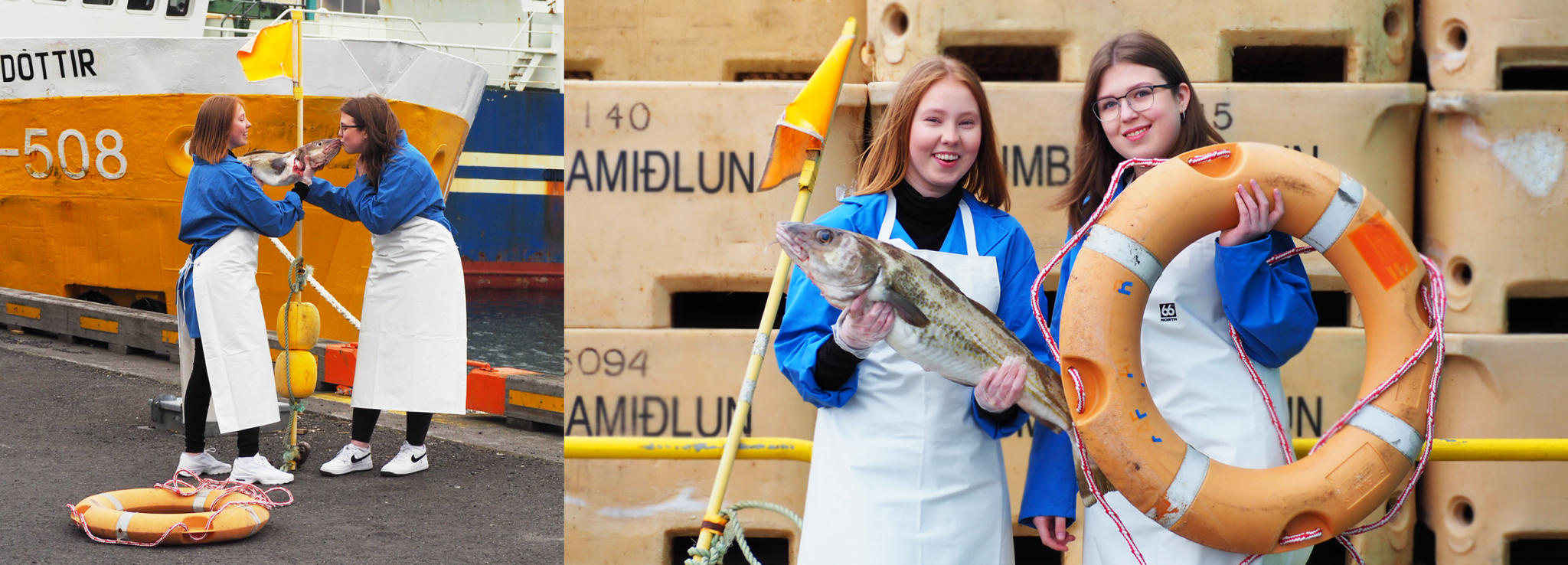
Icelandic cuisine is a fascinating reflection of the nation’s geography, history, and resourcefulness. For centuries, isolated from mainland Europe and surrounded by the North Atlantic, Icelanders developed distinctive food traditions based on what they could preserve and produce in their harsh climate. Today, traditional Icelandic food tells stories of Viking heritage, long winters, and the bounty of the sea. Whether you’re visiting Reykjavik or exploring the countryside, experiencing authentic local dishes is an essential part of understanding Icelandic culture.
Iceland’s position as an island nation means seafood has always formed the backbone of traditional cuisine. The cold waters surrounding Iceland are exceptionally rich in fish, and for generations, fishing has been central to survival and prosperity. Today, Icelandic seafood remains some of the freshest and finest in the world.
Arctic Char is a delicate freshwater fish found in Iceland’s rivers and lakes. Prepared simply—often grilled or pan-fried—it showcases the pure, subtle flavour of Icelandic waters. The flesh is pink and tender, requiring minimal seasoning to be truly special.
Haddock and Cod have been staples for over a thousand years. Dried cod, known as harðfiskur, was historically preserved for winter months and remains a cherished snack. Modern preparations often feature fresh fish gently cooked to maintain its delicate texture, frequently served with local vegetables and traditional sauces.
Salmon from Icelandic rivers is prized for its rich flavour and quality. Whether smoked, grilled, or cured, Icelandic salmon represents the quality and sustainability that characterises the nation’s fishing industry.
Langoustines (scampi) are occasionally featured in special dishes and represent Iceland’s connection to luxury seafood traditions. These tender crustaceans are best appreciated simply prepared to highlight their natural sweetness.
Icelandic lamb is legendary among chefs and food enthusiasts worldwide. The sheep that produce this meat graze freely on pristine mountain pastures throughout the summer months, feeding on wild herbs and grasses. This natural diet creates meat with distinctive, rich flavour that cannot be replicated elsewhere.
Hnetu (slow-roasted lamb) is a traditional preparation where lamb is gently cooked for hours, becoming incredibly tender. The natural fats and flavours intensify through this slow-cooking method, creating a deeply satisfying dish that reflects centuries of Icelandic culinary tradition.
Lamb stews form another cornerstone of heritage cooking. Traditionally made with root vegetables, these warming dishes were designed to sustain families through long, dark winters. Today, restaurants throughout Reykjavik and beyond serve refined versions that honour these traditions whilst elevating them for contemporary palates.
Lamb is prepared in numerous ways—from lamb chops grilled simply with sea salt to smoked lamb and innovative modern interpretations—but all quality preparations showcase the exceptional grass-fed meat that makes Icelandic lamb distinctive.
Beyond fresh seafood and lamb, Icelandic food culture includes several unique traditional dishes that reflect the nation’s resourceful approach to food preservation and preparation.
Fermented shark (hákarl) is perhaps Iceland’s most infamous traditional food. This ancient preparation involves burying shark meat in the ground for several months to ferment, creating a pungent, acquired taste. Whilst challenging for visitors unaccustomed to fermented foods, trying hákarl is considered a cultural experience and badge of honour for many adventurous travellers.
Smoked fish and meat reflect traditions developed before modern refrigeration. Smoking preserved food for winter consumption, and the technique remains central to Icelandic food culture. Smoked lamb, salmon, and whitefish remain popular in restaurants and traditional homes alike.
Rye bread baked in geothermal springs is a uniquely Icelandic preparation. In areas with natural hot springs, bakers utilise the geothermal heat to slow-cook dense, slightly sweet rye bread underground, creating bread with distinctive texture and flavour found nowhere else in the world.
Dairy products including Icelandic skyr—a thick, creamy yoghurt-like product—represent traditional food craftsmanship. Skyr has been made for over a thousand years using traditional methods and remains a beloved breakfast item and ingredient in both sweet and savoury dishes.
Although Iceland’s growing season is short, root vegetables and hardy produce have sustained the population for centuries. Potatoes, turnips, and parsnips feature prominently in traditional Icelandic cooking, often prepared simply to complement fish and meat dishes.
Modern Icelandic cuisine increasingly celebrates local vegetables grown in greenhouses utilising geothermal energy. Tomatoes, peppers, and lettuces grown in these sustainable facilities offer fresh flavour and support local agriculture.
Wild berries, including cloudberries and bilberries, grow naturally across Iceland and are traditionally preserved as jams or used in desserts. These seasonal treasures represent the connection between Icelandic food culture and the natural landscape.
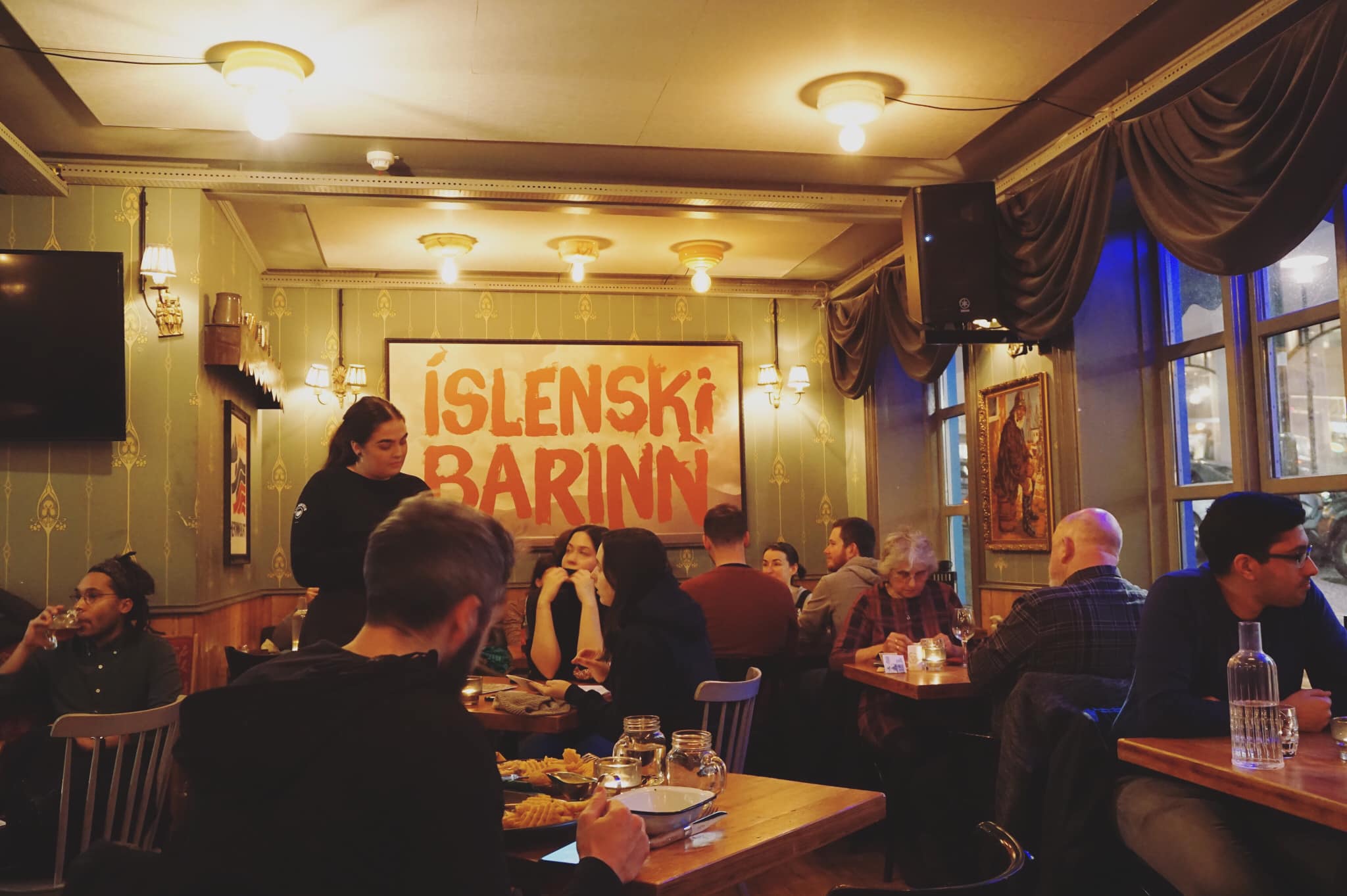
Reykjavik hosts numerous restaurants and establishments dedicated to traditional Icelandic cuisine. From casual eateries serving hearty stews and fresh fish to fine dining establishments reimagining heritage recipes, the capital offers diverse opportunities to explore local food culture.
Markets and food halls throughout Reykjavik sell fresh seafood, local ingredients, and prepared traditional foods. Visiting these spaces provides authentic insight into how Icelanders shop, cook, and approach food daily.
For deeper culinary immersion, food and culinary tours offer guided experiences where expert guides explain the history, techniques, and cultural significance of traditional Icelandic food whilst you sample authentic dishes prepared by knowledgeable cooks.
Rural areas and small towns throughout Iceland also maintain strong food traditions, with family-run restaurants serving recipes passed through generations. Venturing beyond Reykjavik provides opportunities to experience how Icelandic food traditions remain central to community identity and cultural continuity.
Contemporary Icelandic chefs increasingly blend traditional ingredients and techniques with modern culinary innovation. This movement celebrates heritage recipes whilst creating exciting new dishes that appeal to international audiences without abandoning authenticity.
Reykjavik’s restaurant scene reflects this balance, with establishments ranging from casual pubs serving traditional fare to Michelin-recognised restaurants that deconstruct and reimagine heritage dishes using advanced techniques and presentations.
This culinary evolution doesn’t replace traditional preparations—rather, it exists alongside them, offering both comfort food traditions and innovative explorations of Icelandic ingredients and flavours.
Several principles guide traditional Icelandic cooking that home cooks can apply. First, quality ingredients are paramount—exceptional Icelandic seafood and lamb require minimal seasoning and simple preparation to shine. Secondly, slow cooking and patience characterise many traditional dishes, allowing flavours to develop fully. Finally, respecting seasonal ingredients and working with what’s locally available reflects the resourcefulness central to Icelandic food heritage.
For visitors wishing to recreate Icelandic dishes at home, seeking authentic ingredients—particularly high-quality fish and grass-fed lamb—makes an enormous difference to results.
Lamb stew is arguably Iceland’s most traditional dish, combining the nation’s prized grass-fed lamb with root vegetables in slow-cooked preparations that have sustained families for centuries. However, fresh fish dishes like grilled Arctic char or traditional fish soups also claim strong heritage status, reflecting Iceland’s deep connection to seafood and fishing traditions.
Icelandic food quality is exceptional, and dining at restaurants featuring traditional dishes typically reflects premium pricing. However, casual establishments, food halls, and markets offer more affordable options to experience local cuisine. Shopping in supermarkets and cooking traditional dishes yourself provides excellent value whilst allowing culinary exploration.
Adventurous eaters should consider fermented shark (hákarl), smoked fish, and traditional preserved preparations that represent Iceland’s food heritage. These unique dishes tell stories of how Icelanders historically preserved food and developed distinctive tastes refined over centuries. Approaching these with curiosity rather than trepidation often leads to memorable cultural experiences.
Traditional Icelandic cuisine historically centred on meat and fish due to the climate and geography, making vegetarian options limited in heritage cooking. However, modern Reykjavik restaurants offer thoughtfully prepared vegetarian dishes, and root vegetables, dairy products like skyr, and bread feature in traditional cuisine. Vegetarians should communicate dietary preferences clearly when dining.
Icelandic cuisine can be enjoyed year-round, though different seasons offer distinct advantages. Summer provides fresh seafood and locally grown vegetables at their peak. Winter showcases warming stews and preserved preparations traditionally enjoyed during darker months. Each season offers authentic perspectives on how Icelandic food traditions respond to and reflect seasonal changes.
Join Iceland Insider for new guides plus a heads-up when the aurora forecast looks good. No spam.







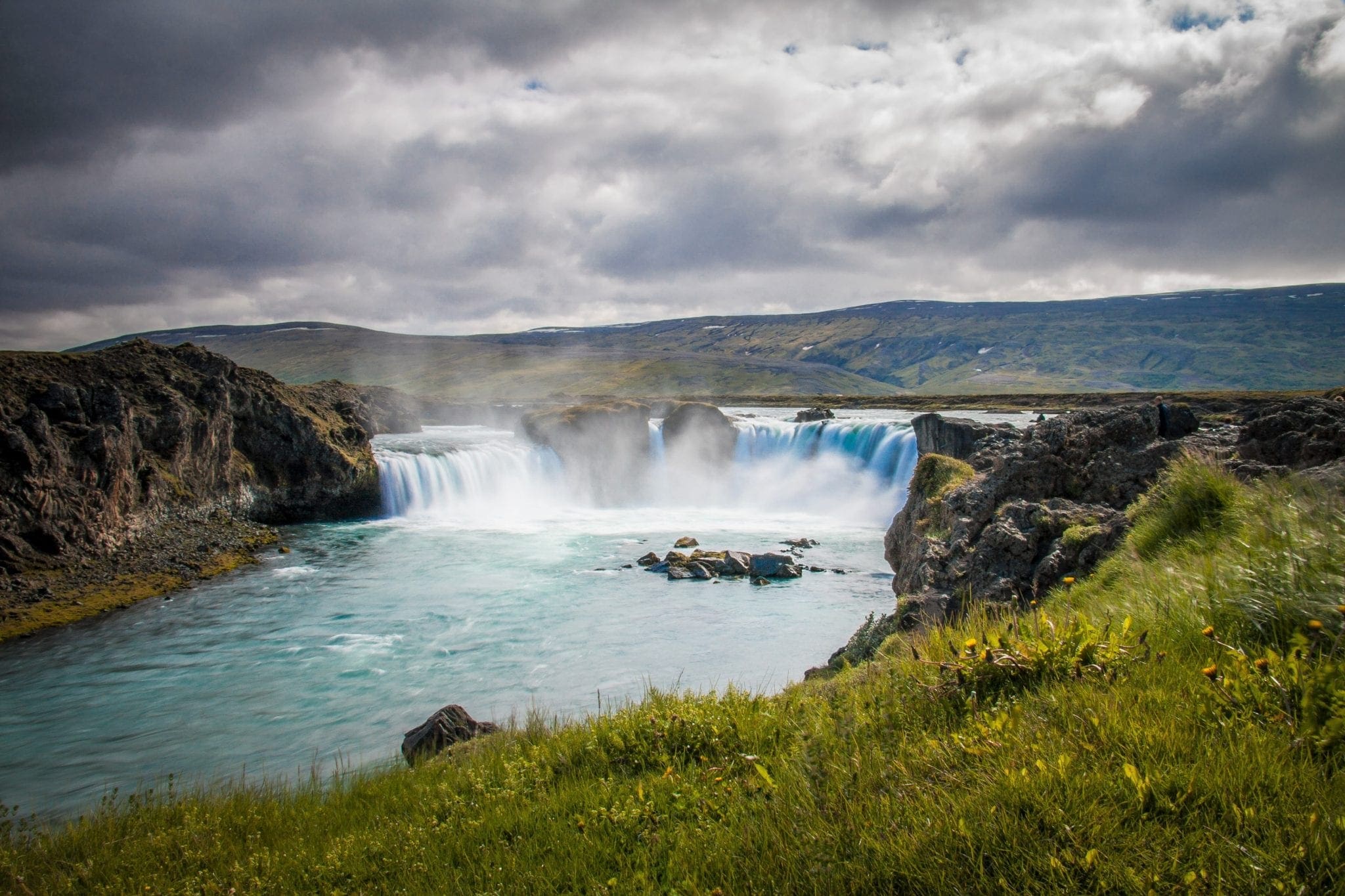
We traveled for 7 days around the east of Iceland and visited 22 amazing places. Check the list here.
Travel tips, new guides and a heads-up when the aurora forecast looks good. No spam.