Private Bespoke South Coast & Katla Ice Cave Tour
314.890 ISK
12 ore

Facile
260.000 ISK
Embark on an unforgettable journey through the captivating landscapes of the Costa Sud of Iceland with our exclusive private tour. This extended adventure allows you to discover hidden gems and iconic landmarks that make this region a must-visit destination.
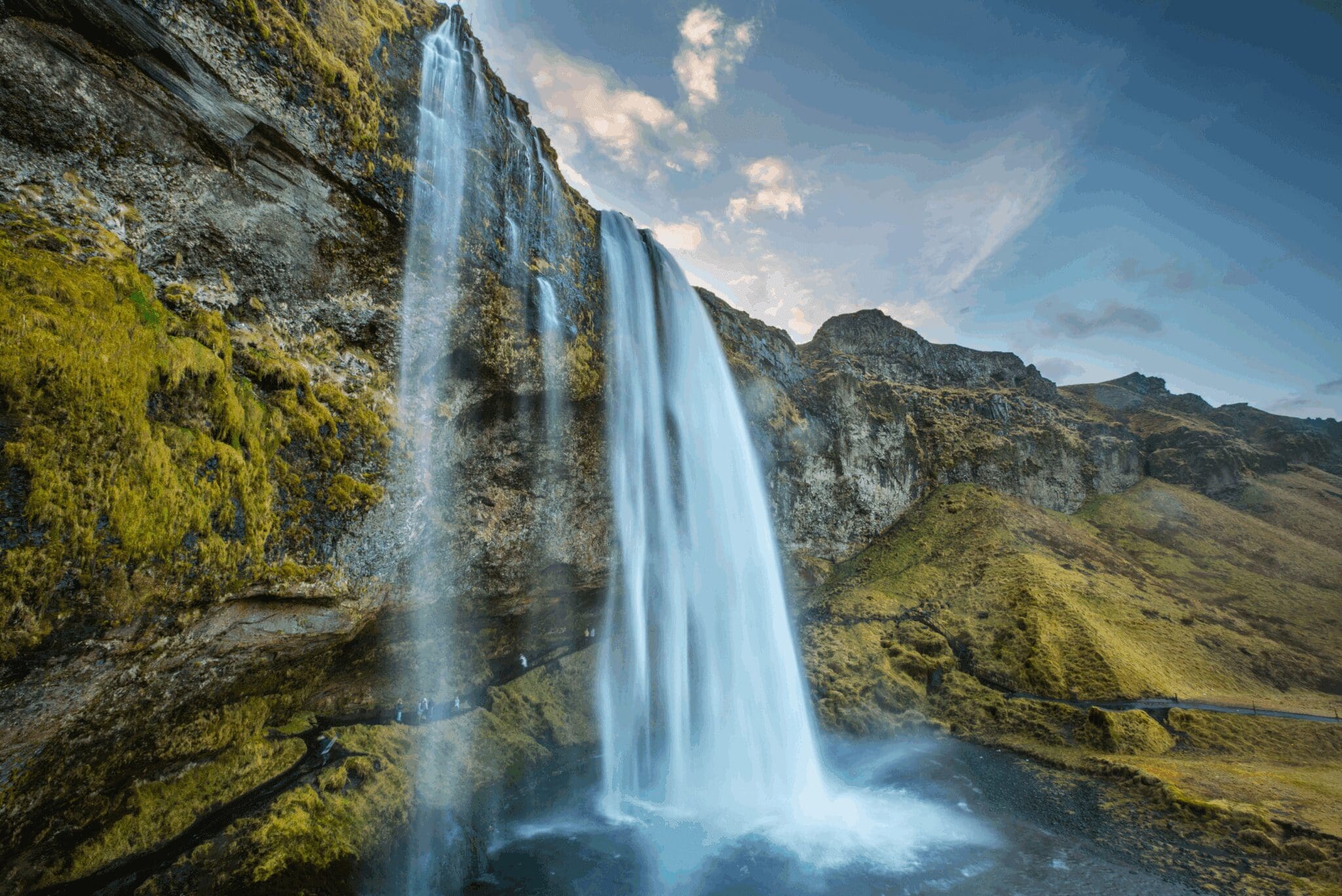
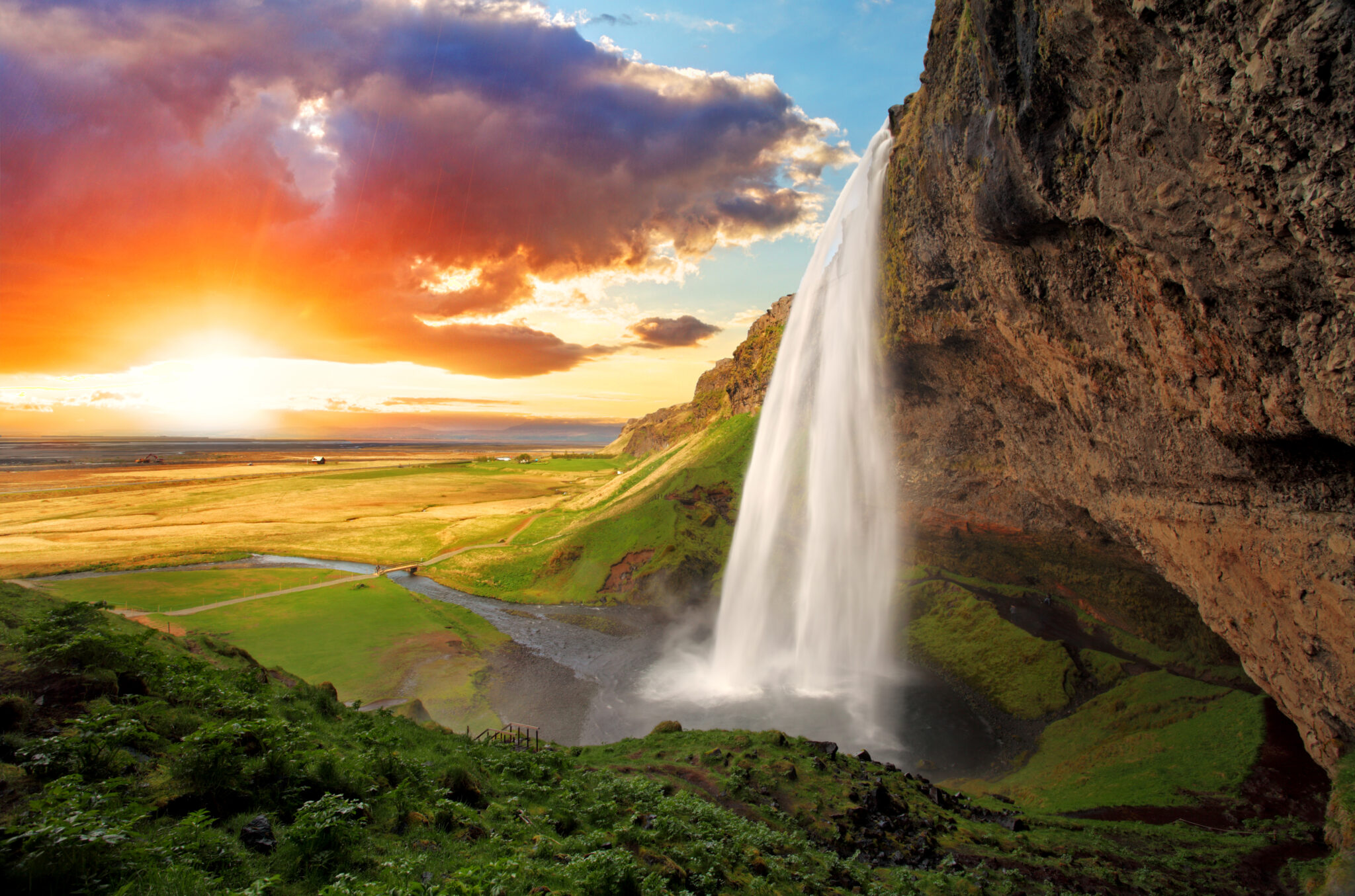
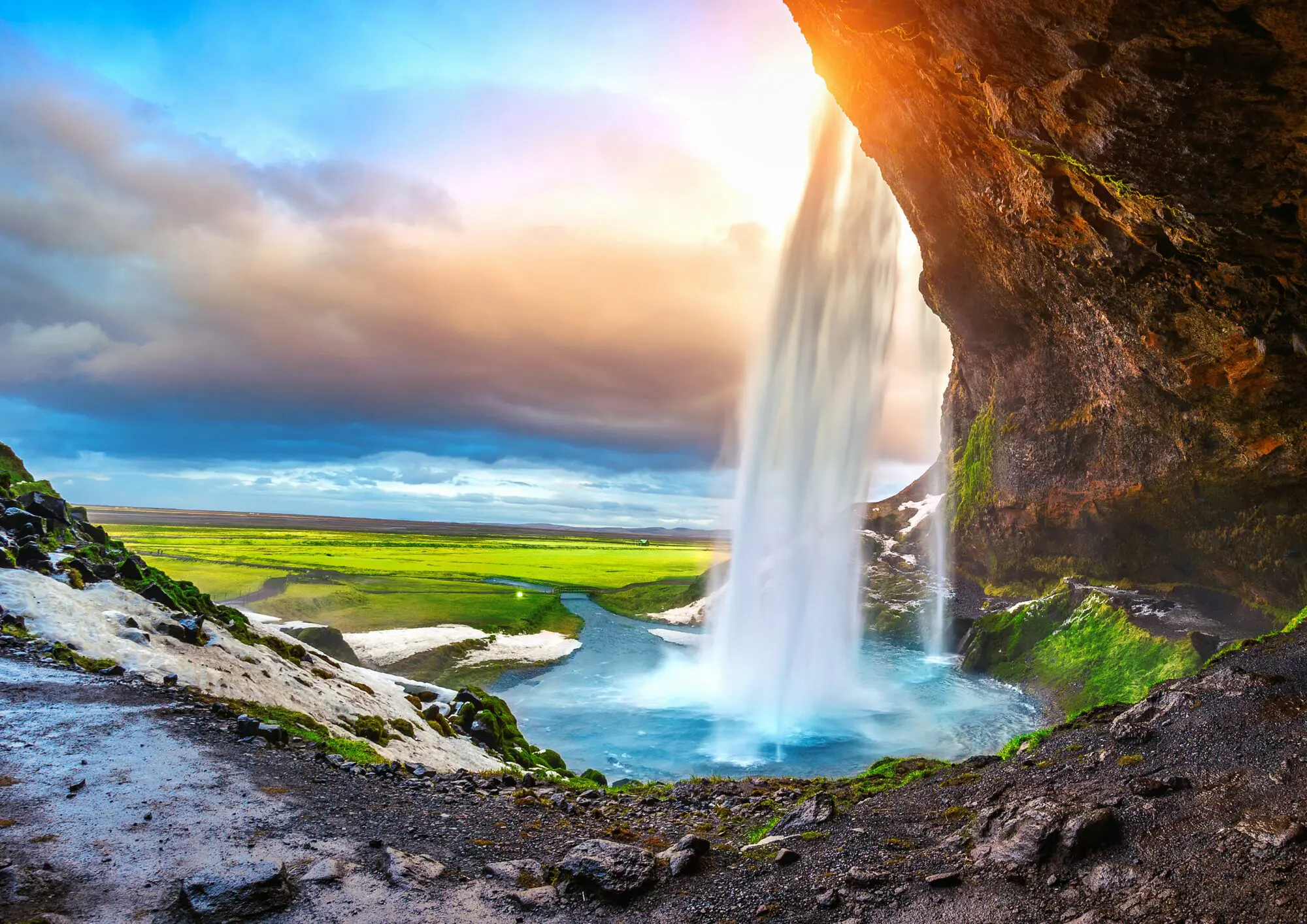
Our expedition begins at the majestic Seljalandsfoss waterfall, a true marvel of nature. Witness the cascading water gracefully plunging from a towering cliff and be awed. But the adventure doesn't end there! We'll also explore the enchanting Gljúfrabúi waterfall in a hidden canyon. Step into a magical world surrounded by mist and the soothing sound of falling water.
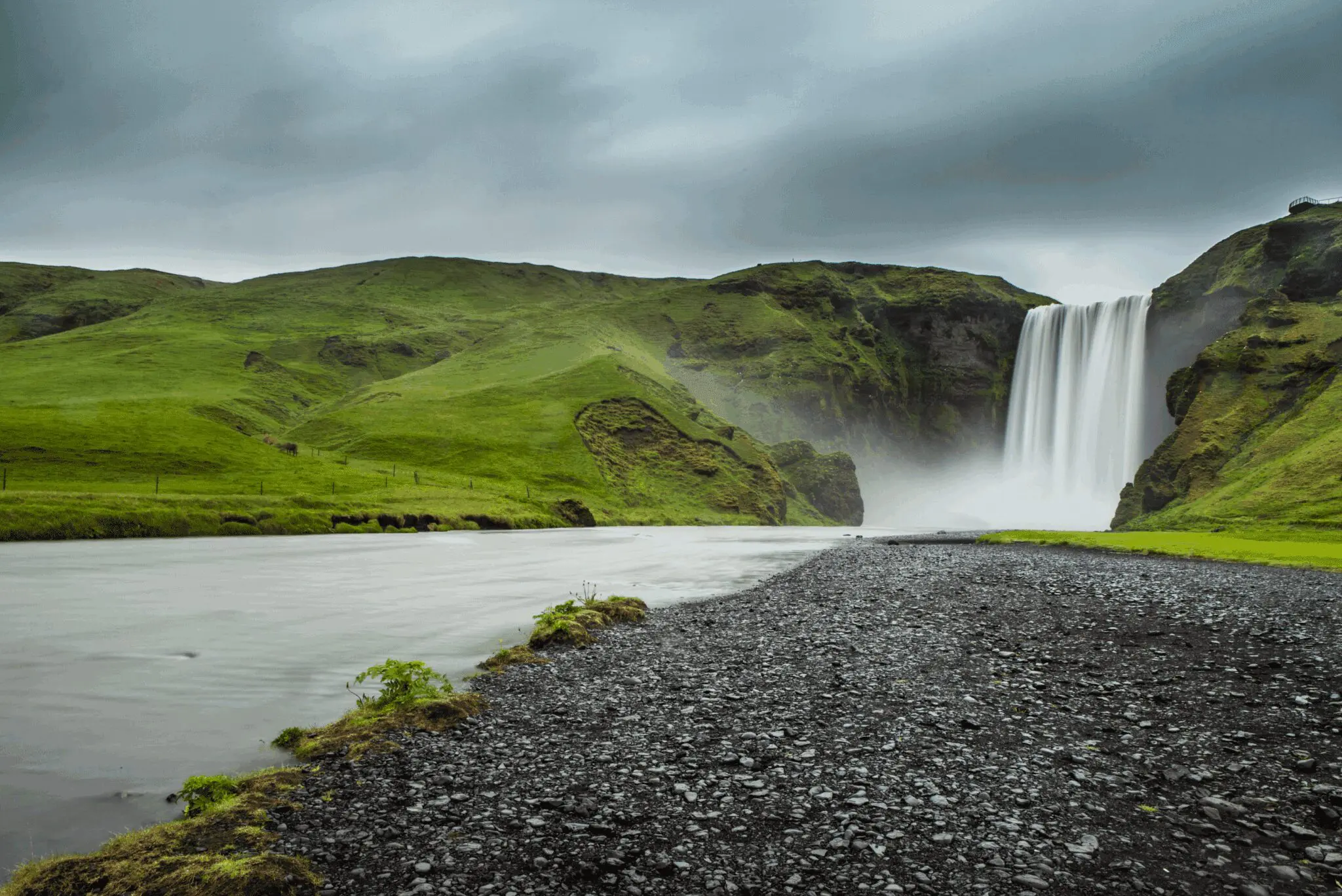
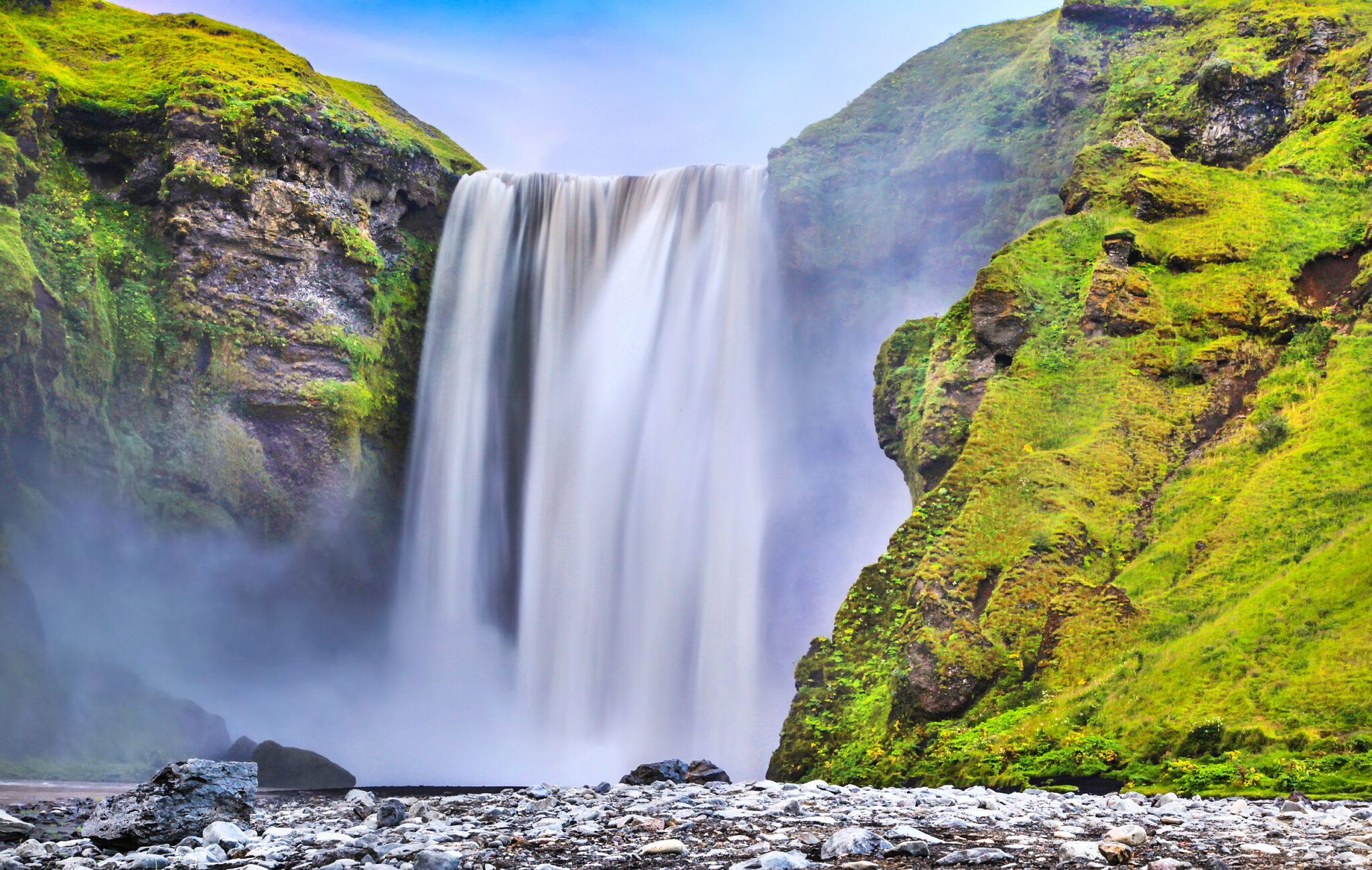
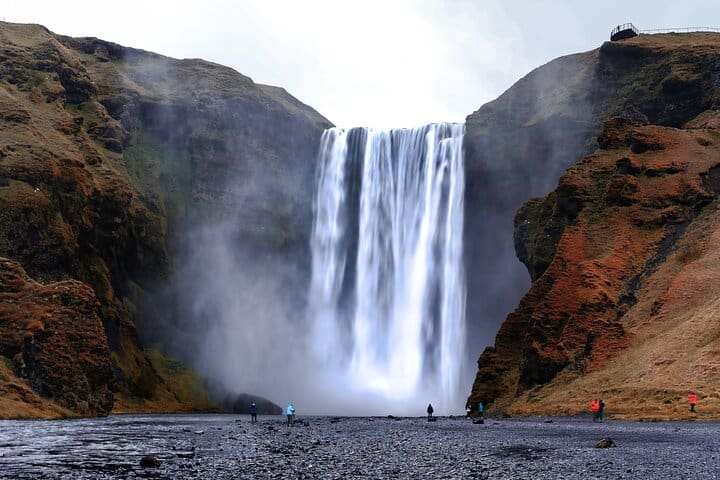
Next, we venture to the renowned Skógafoss waterfall, an imposing cascade that never fails to impress. Feel the mist on your face and the ground shaking beneath your feet as you approach. Take a moment to absorb this natural wonder's sheer power and beauty.
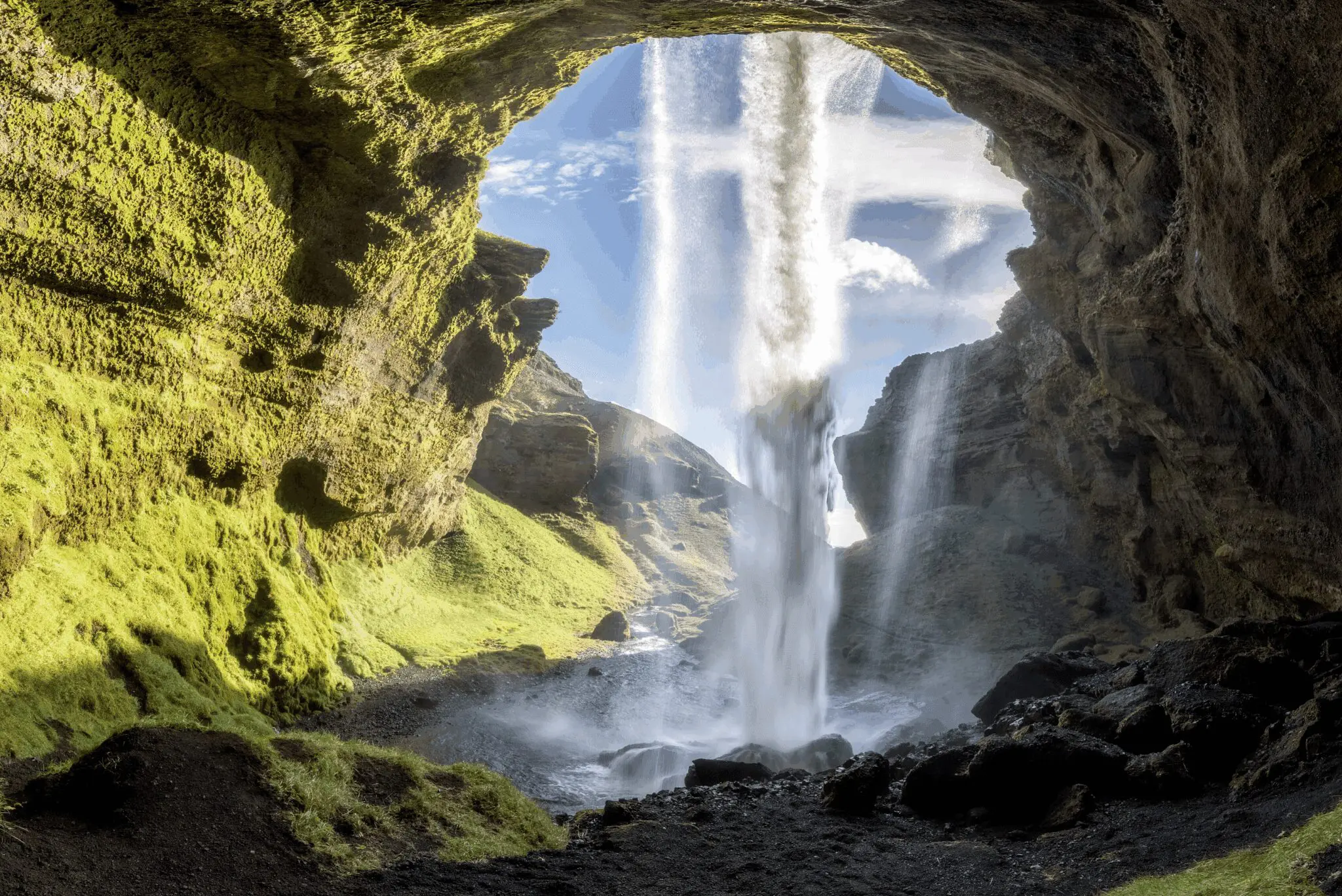
Continuing our expedition, we visit the lesser-known but equally captivating Kvernufoss waterfall. This hidden gem rewards those who seek solitude and tranquility. Stand before this picturesque waterfall, surrounded by lush greenery, and feel a sense of serenity wash over you.
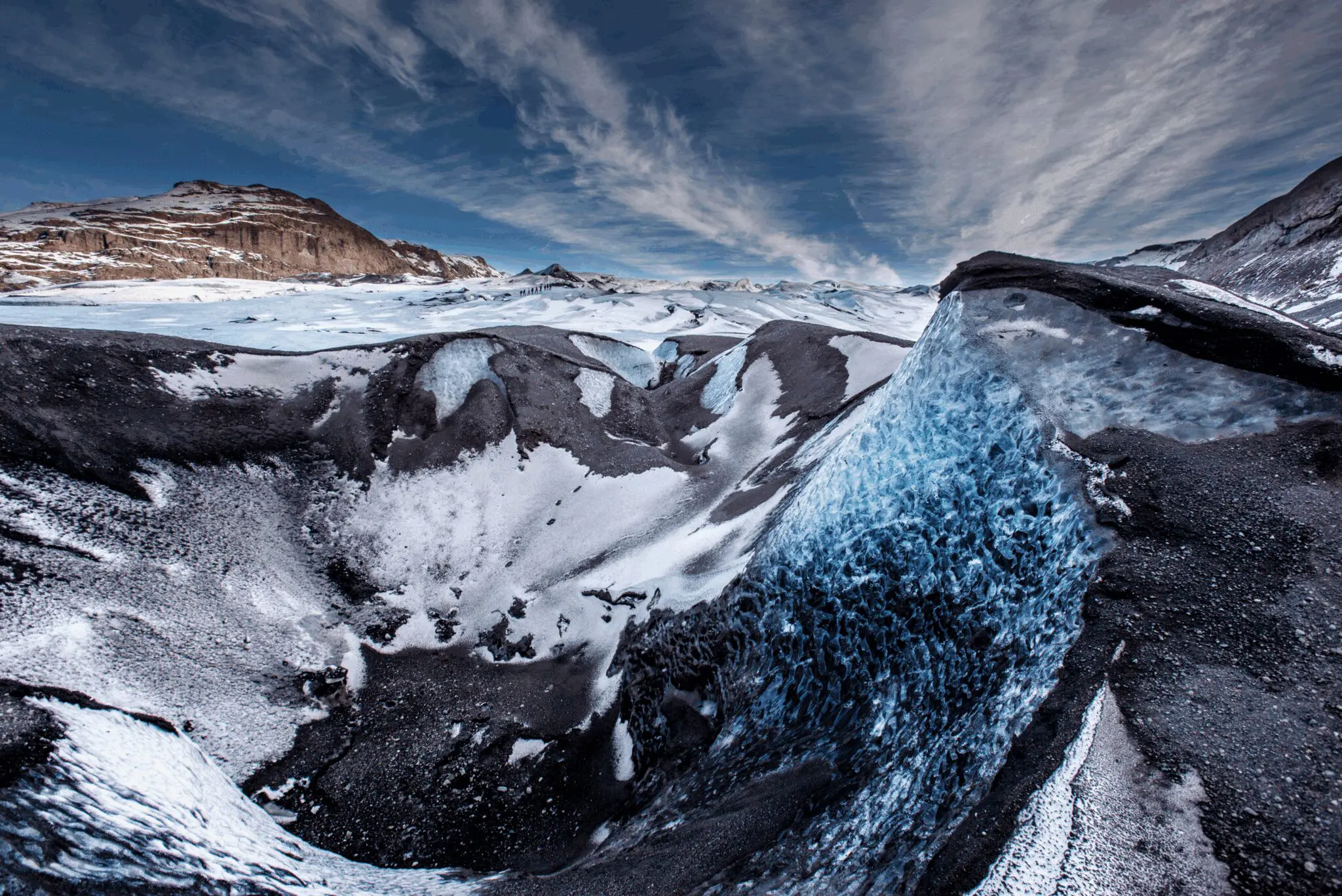
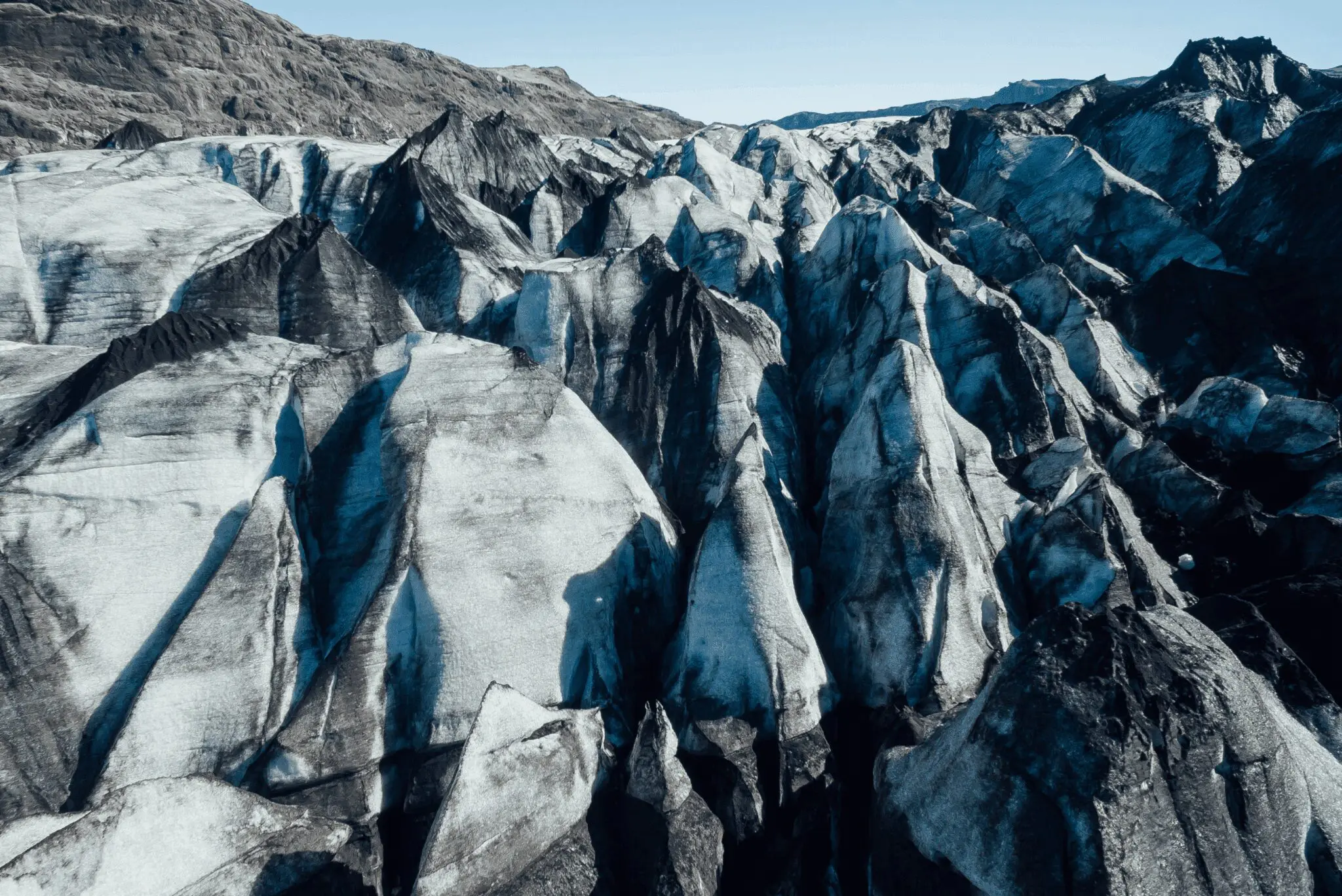
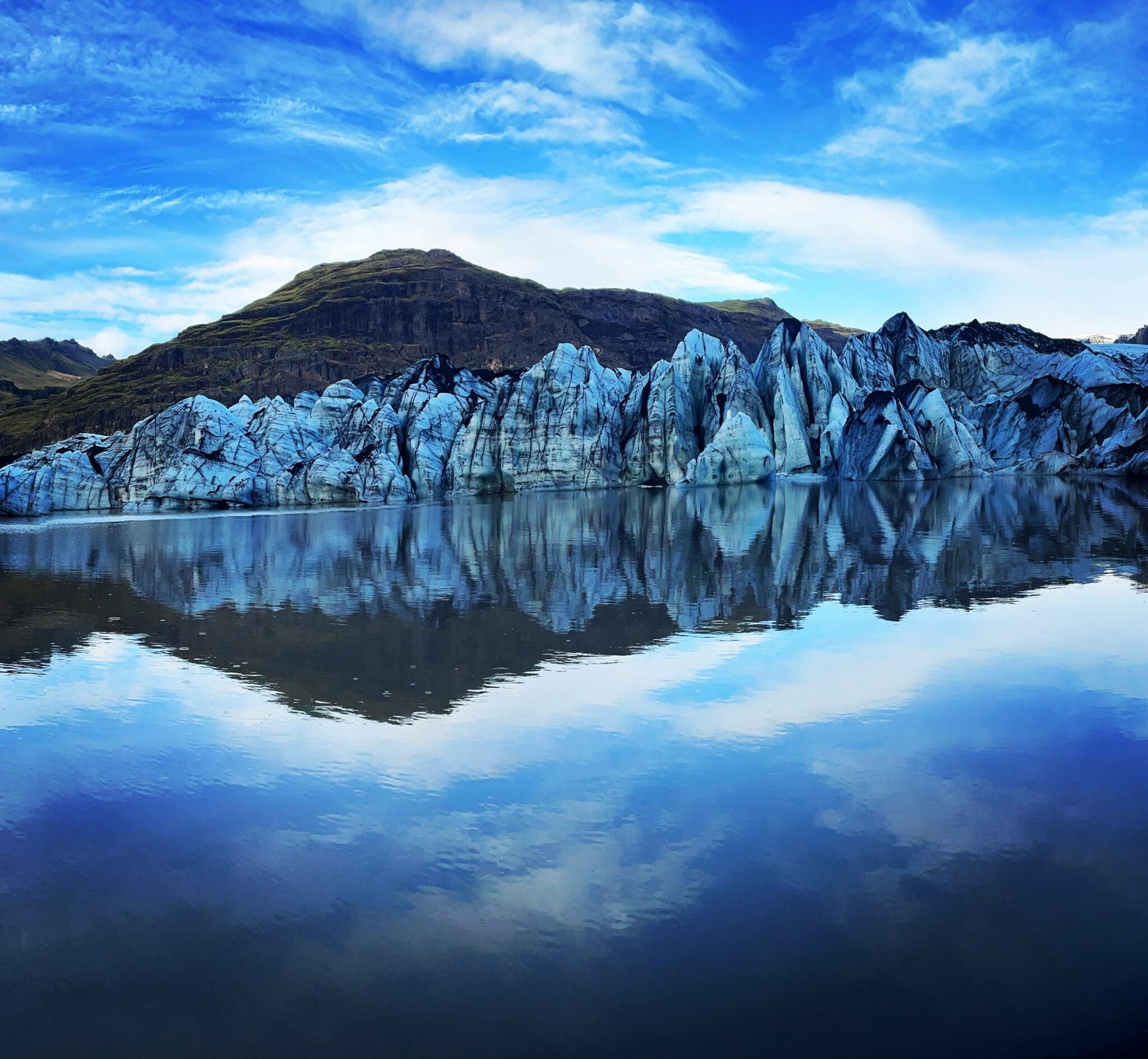
Prepare to be amazed as we journey to the Sólheimajökull glacier valley. Witness the awe-inspiring beauty of a glacier up close. Marvel at the glistening ice formations and learn about the fascinating geological history of this icy wonderland. Your knowledgeable guide will provide insights into the effects of climate change on these magnificent glaciers, leaving you with a deeper appreciation for our fragile environment.
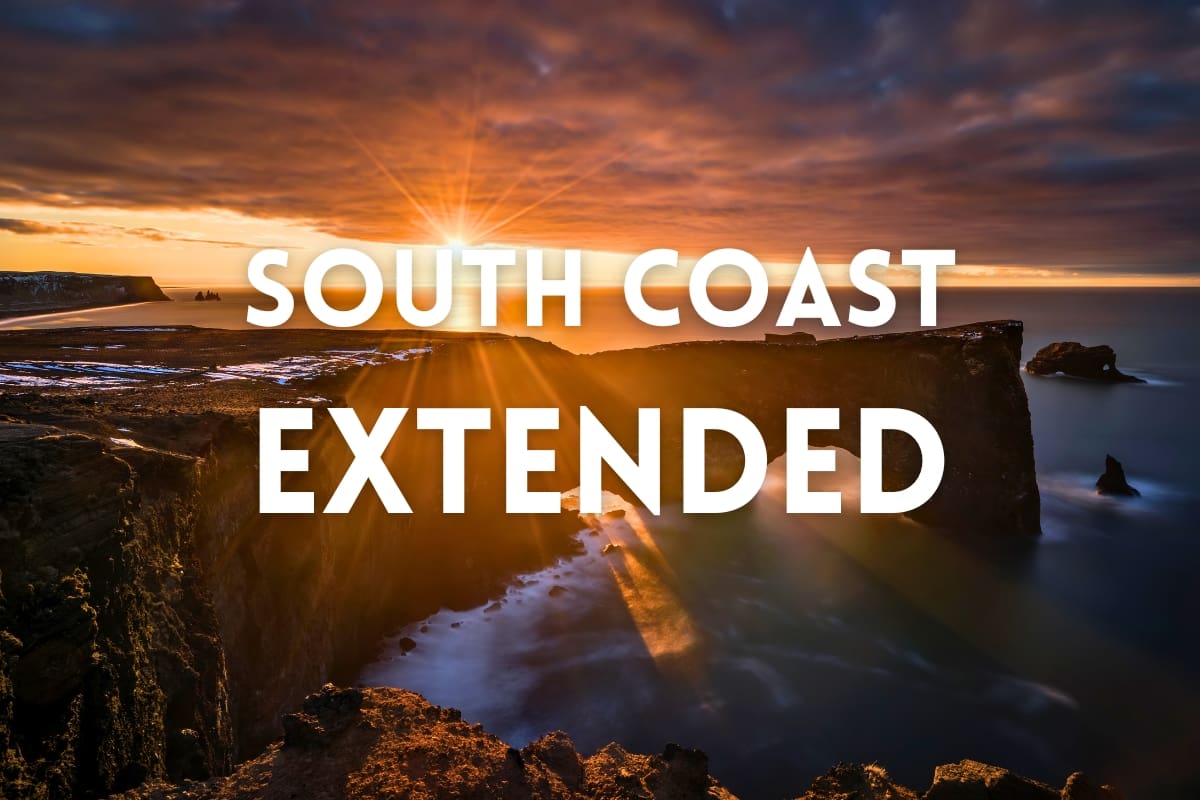
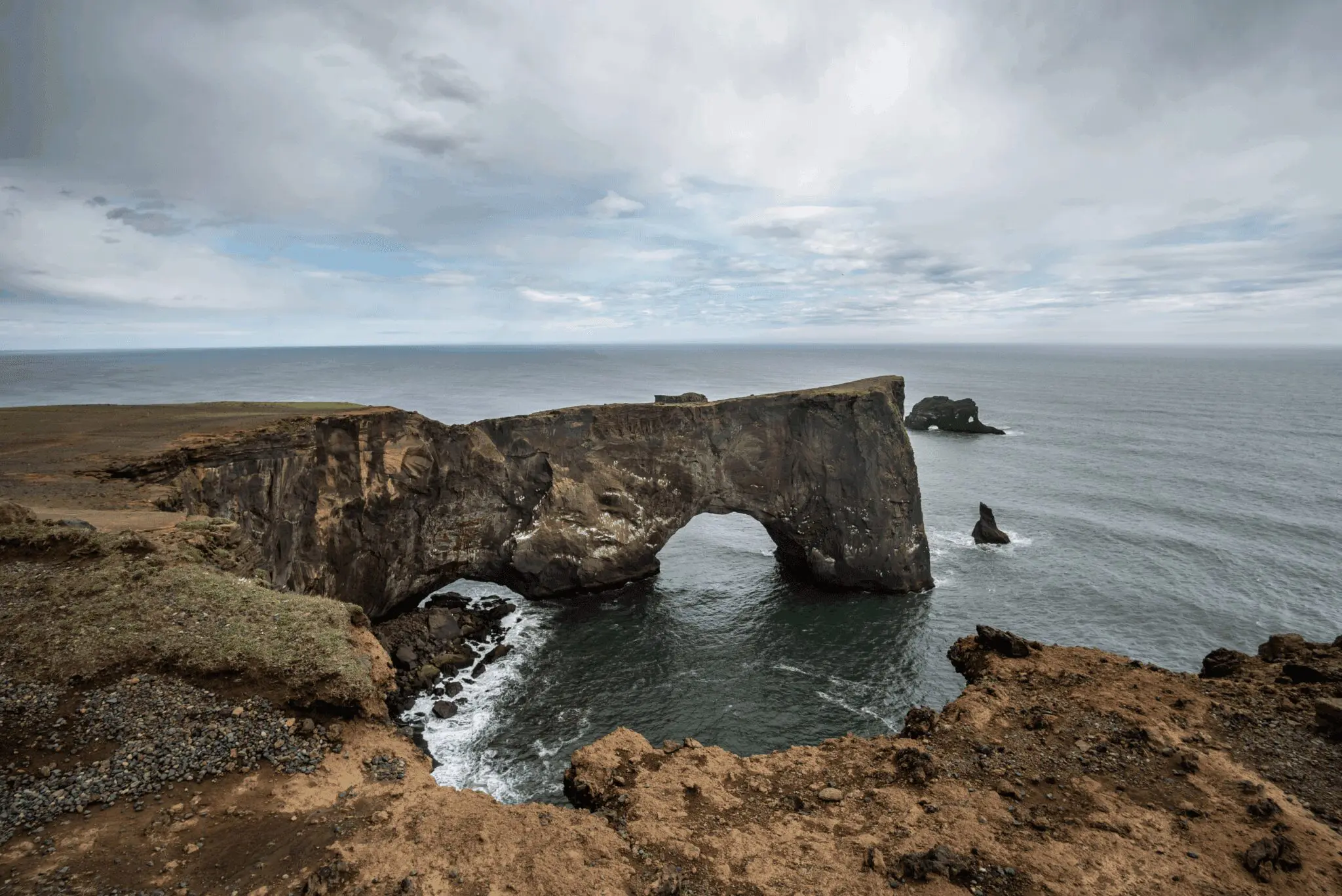
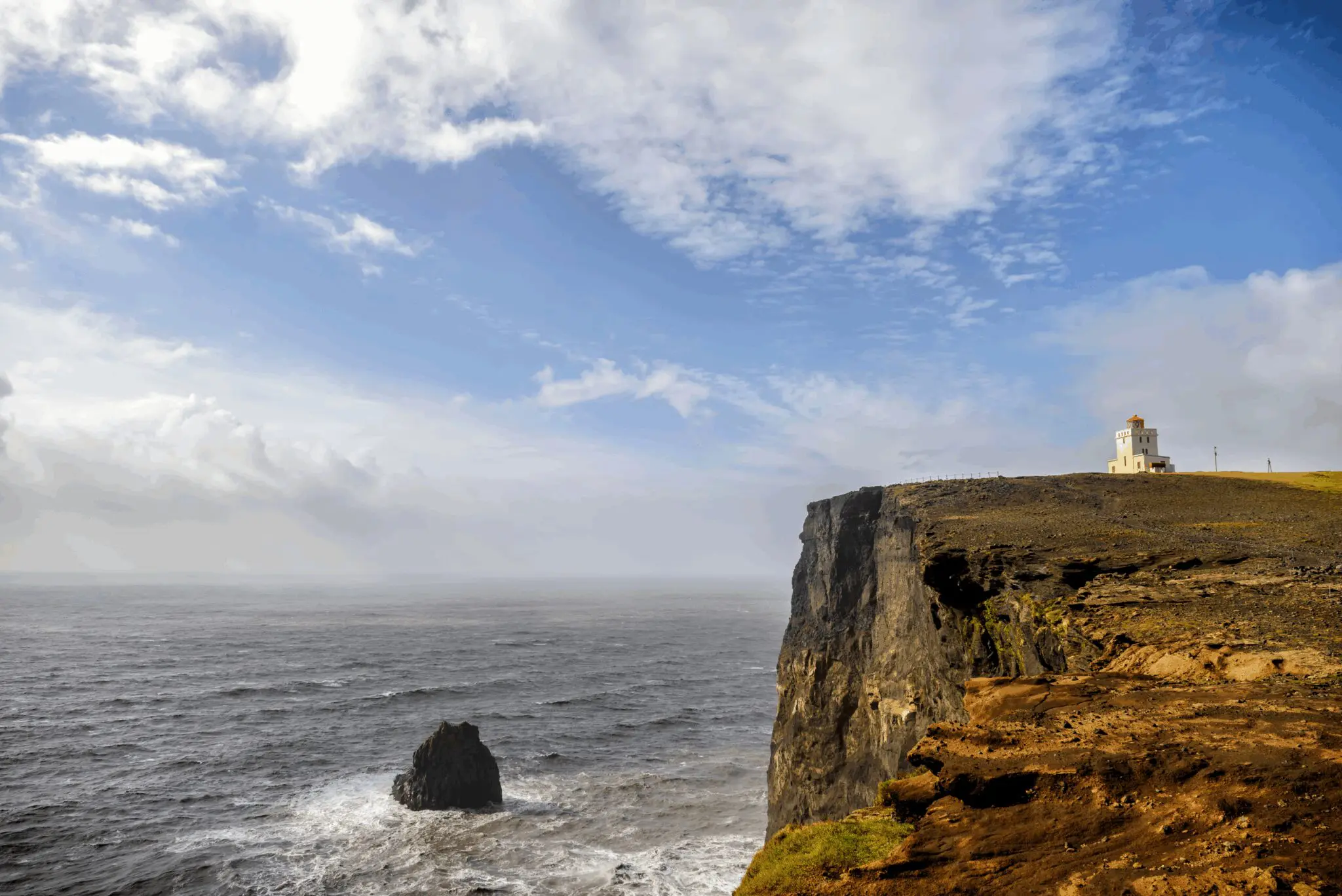
As we continue our exploration, we reach the iconic Dyrhólaey promontory. This dramatic cliff formation offers breathtaking panoramic views of the rugged coastline and the vast expanse of the Atlantic Ocean. Keep your eyes peeled for the graceful flight of seabirds and the playful antics of puffins, which call this place home during summer.
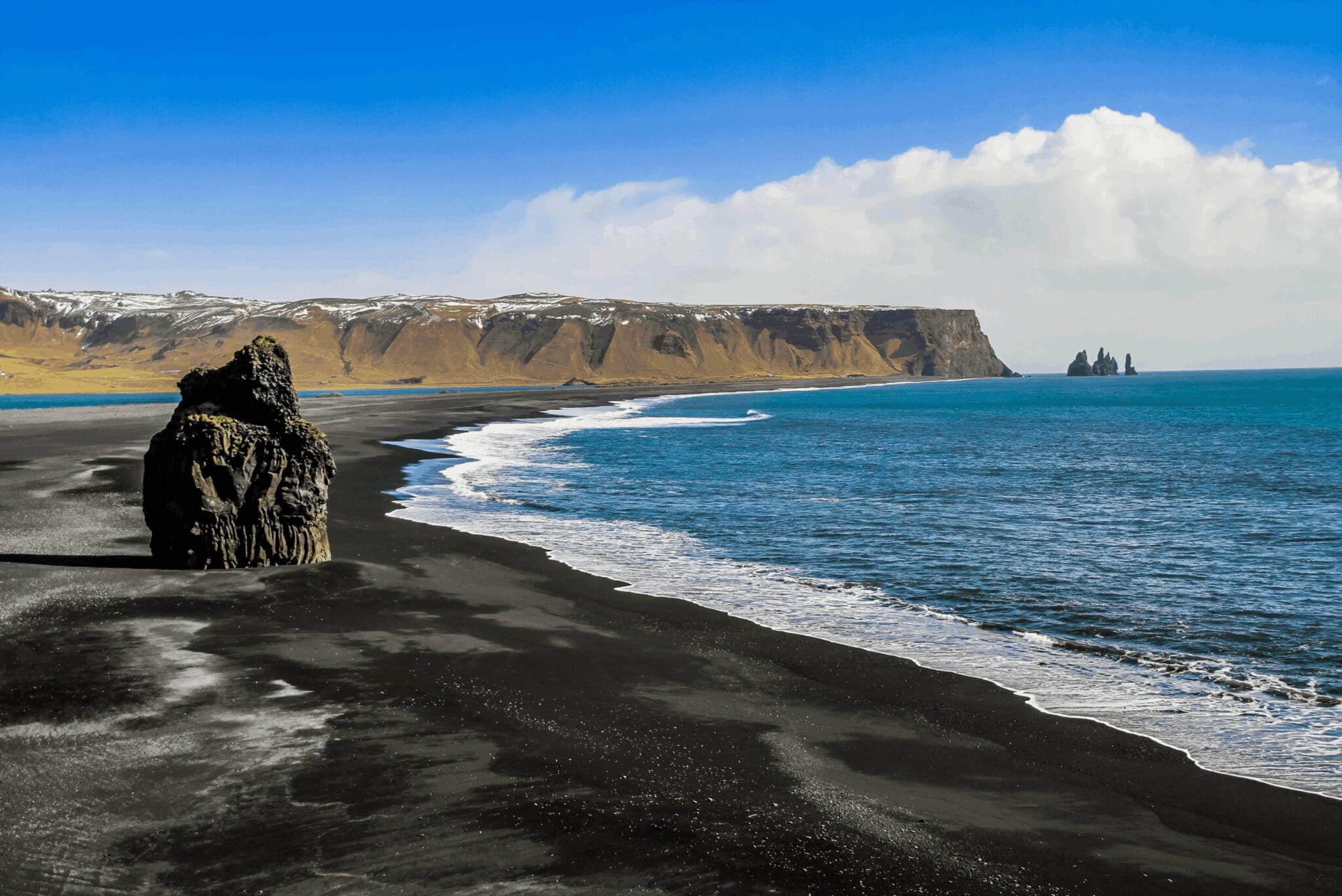
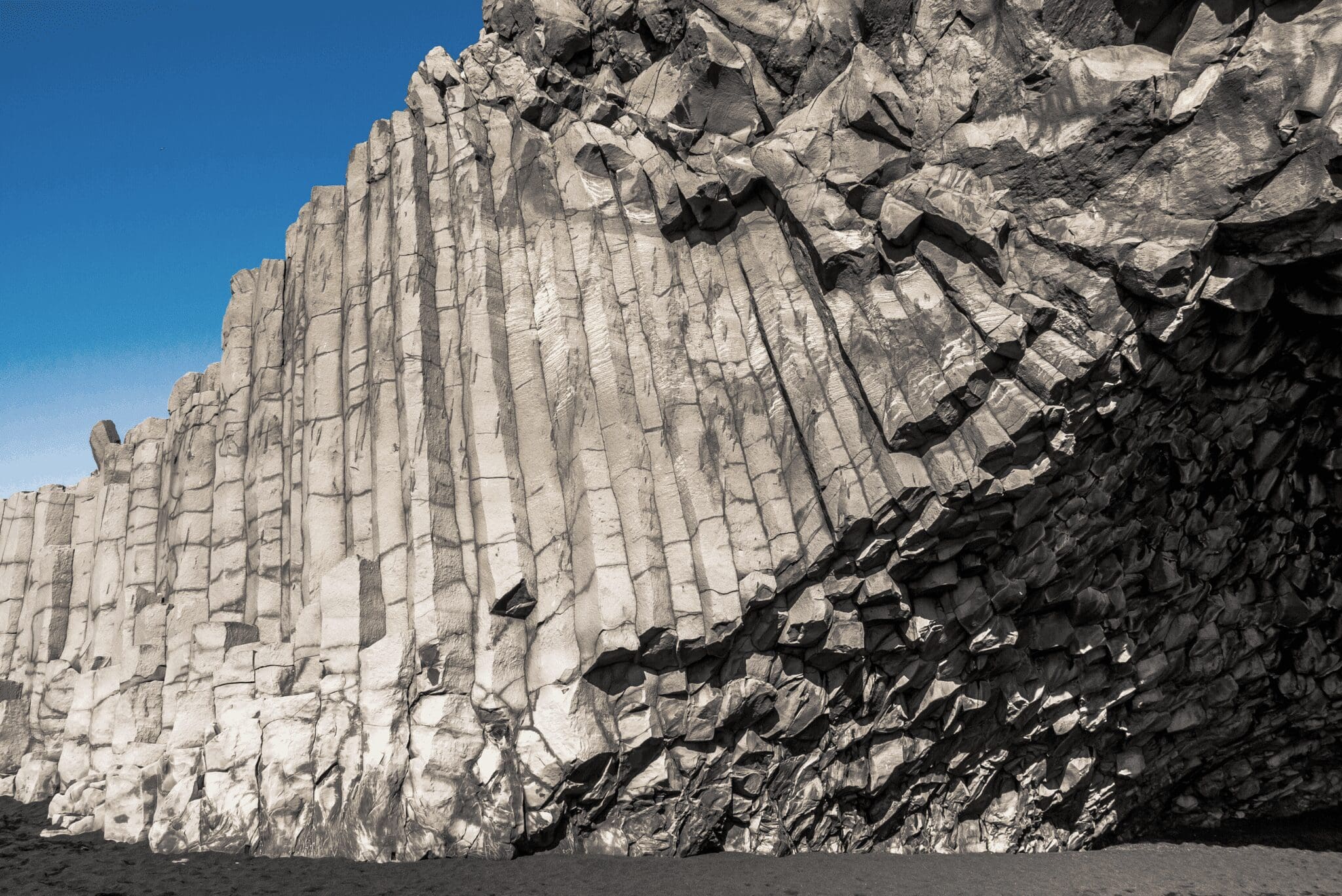
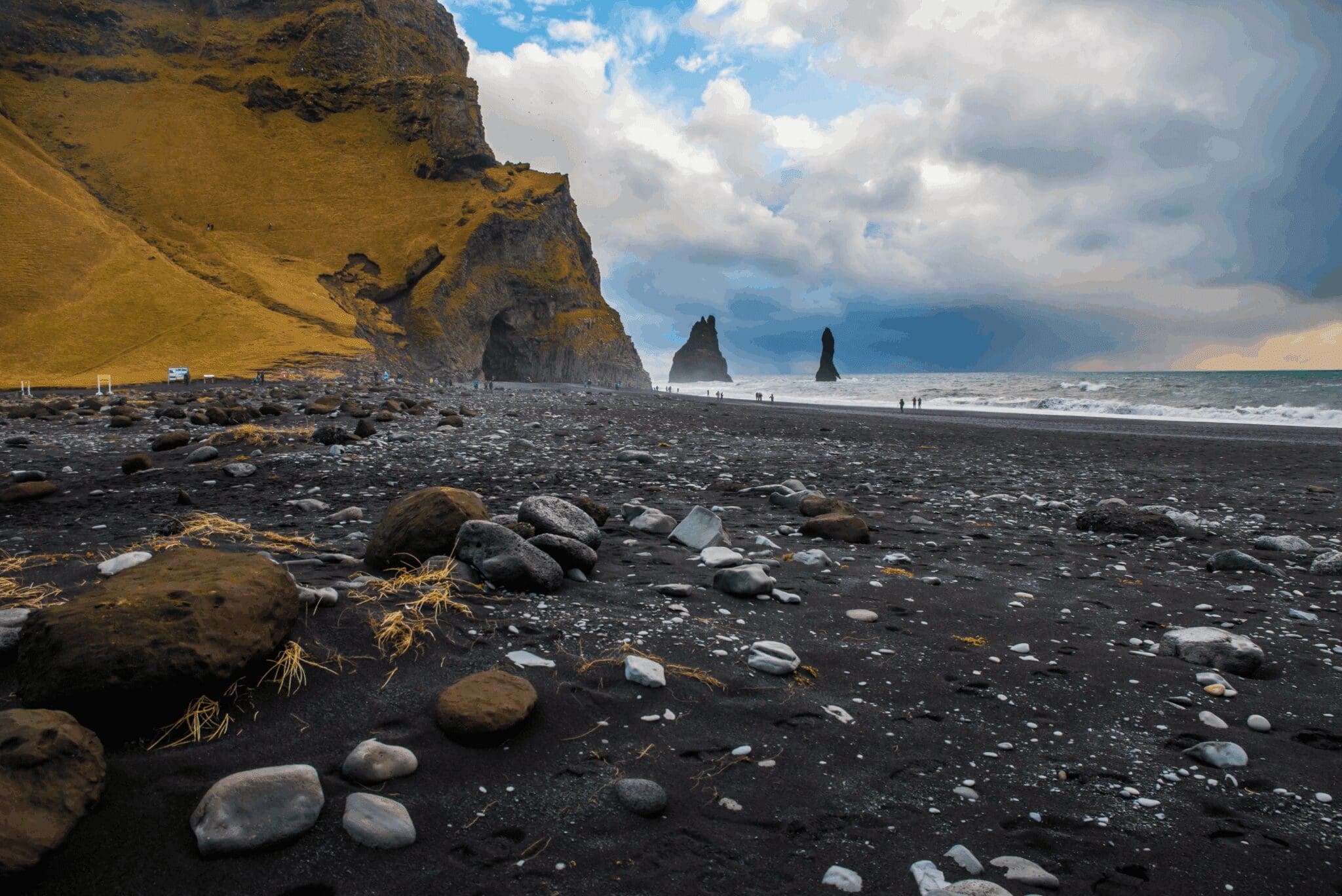
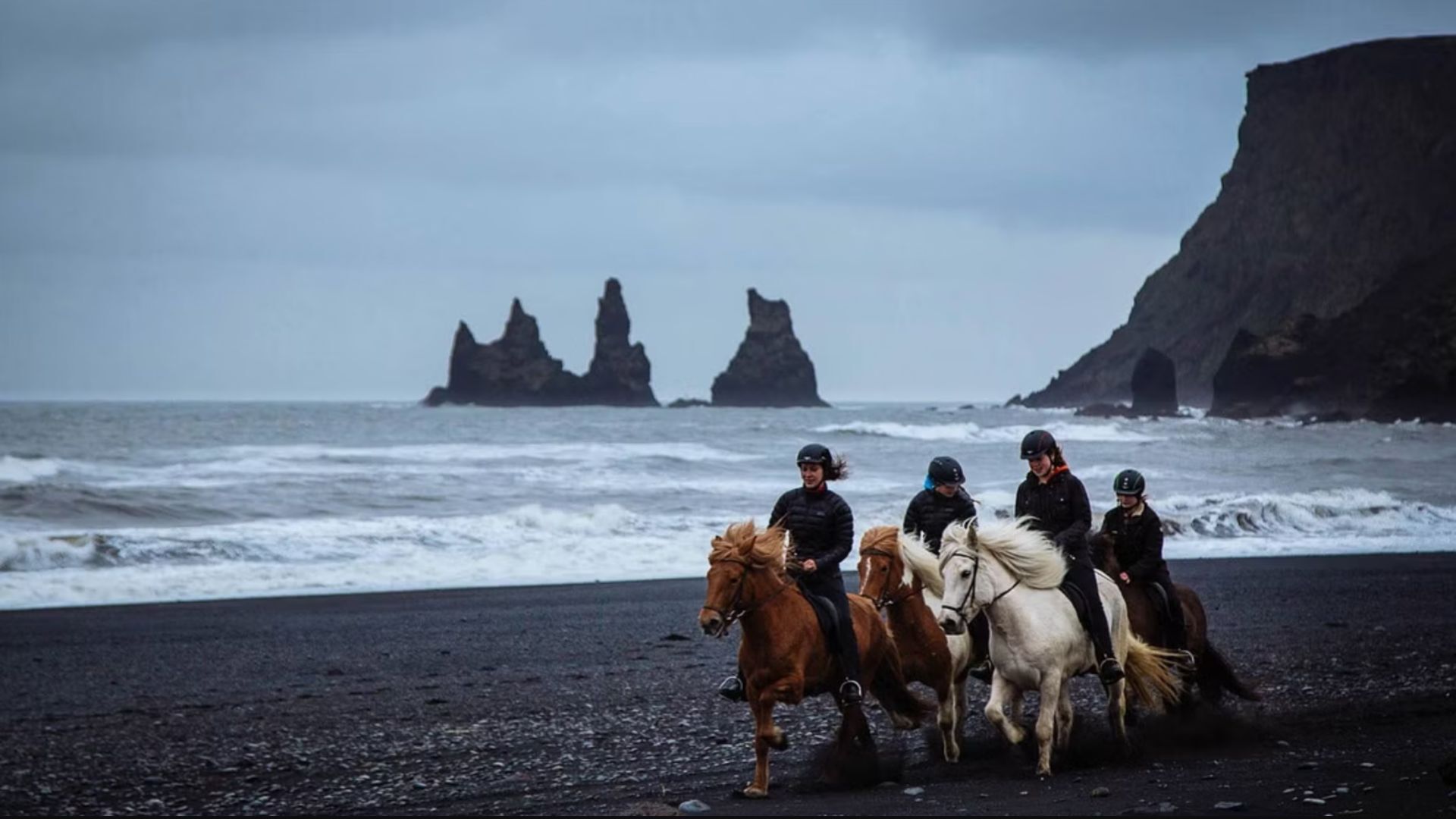
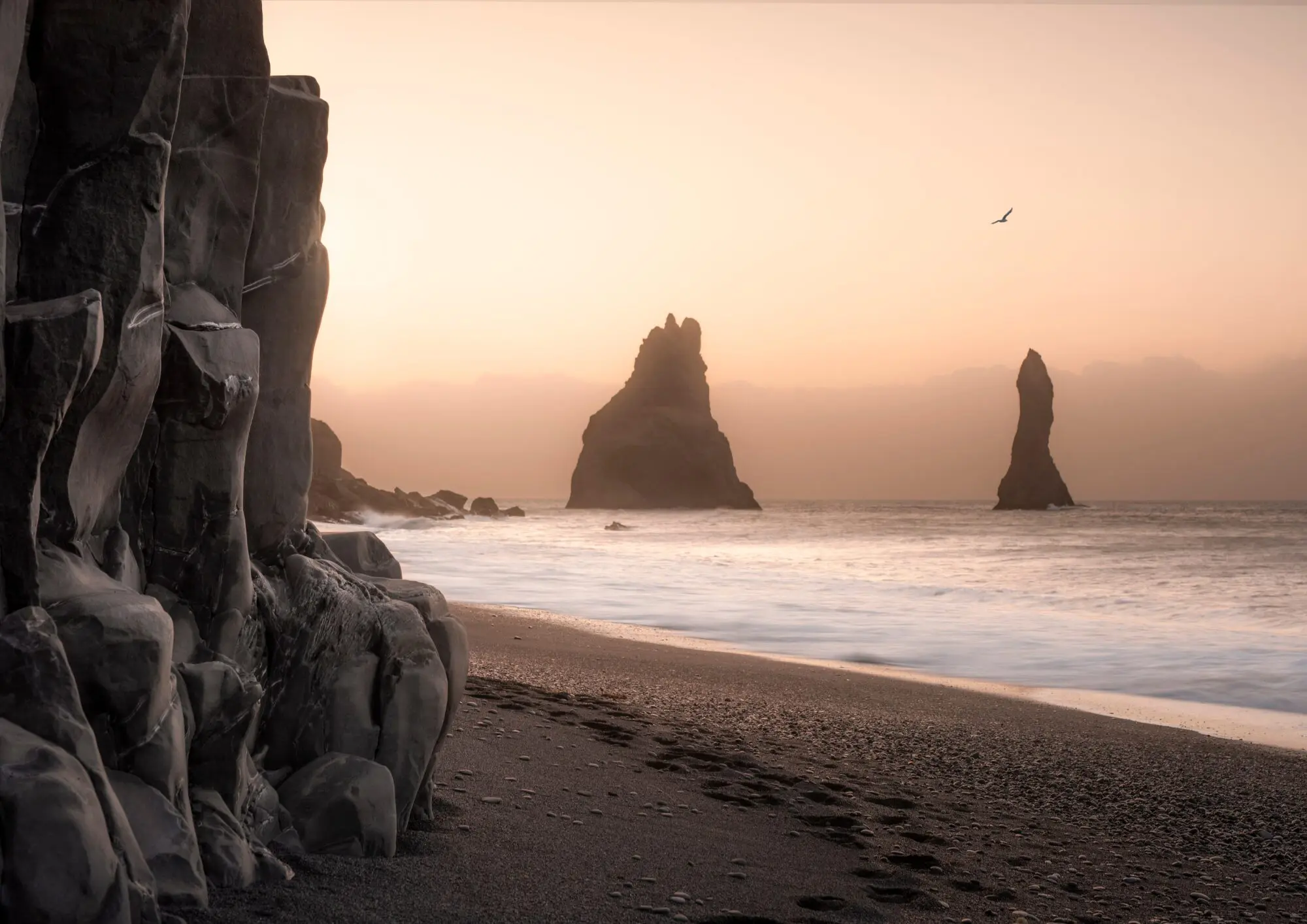
No journey along the South Coast would be complete without a visit to the Reynisfjara black sand beach. Step onto the dark volcanic sands and let the crashing waves serenade your senses. Marvel at the towering basalt columns that rise from the shoreline, creating a surreal and otherworldly atmosphere. But exercise caution, as the waves here can be powerful and unpredictable.
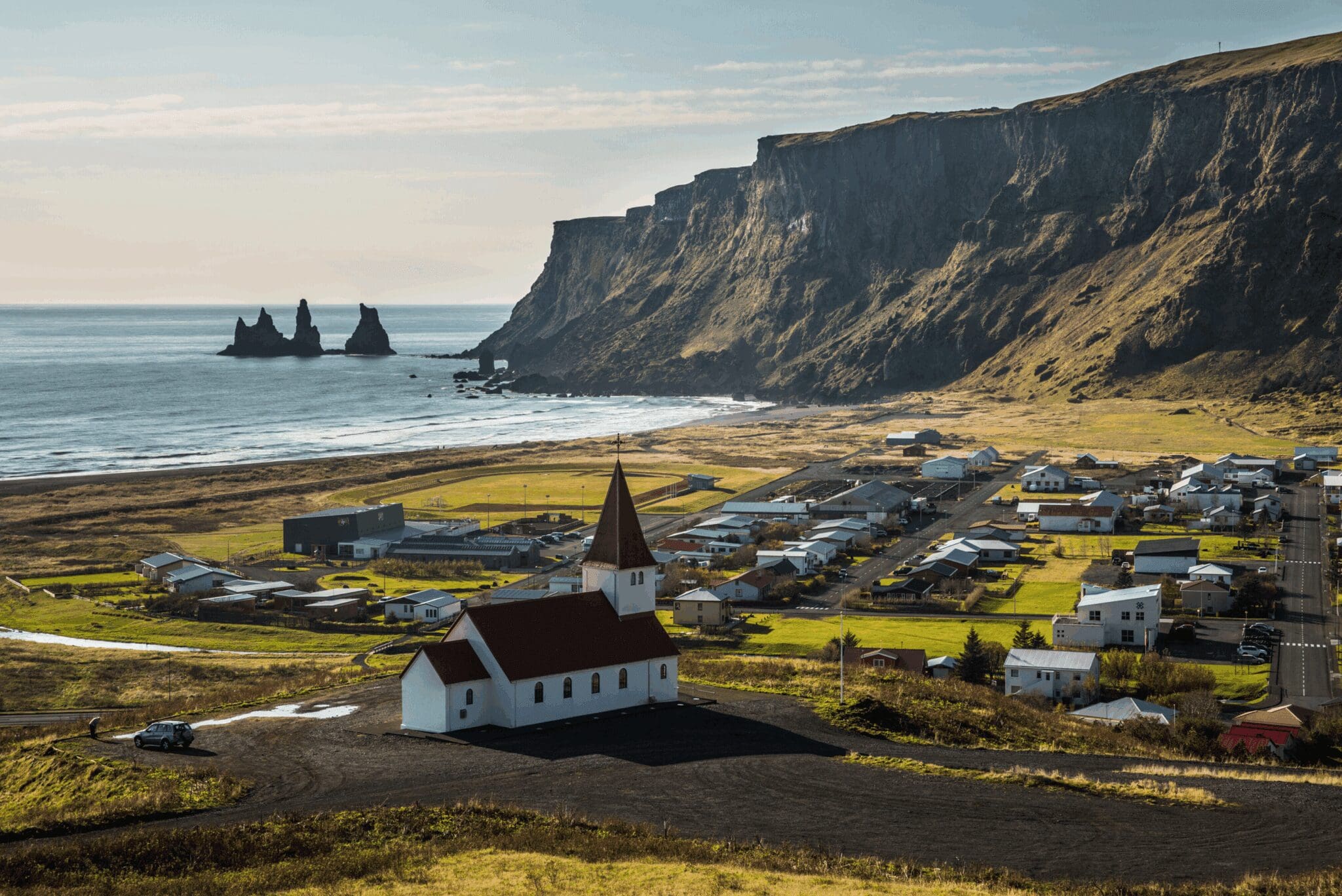
We wrap up our journey in the picturesque village of Vík, nestled in the breathtaking landscapes of the South Coast. Vík offers a harmonious combination of natural splendor and the quaint charm of a small town. One of the highlights in Vík is the enchanting Víkurkirkja, a charming church on top of a hill that attracts visitors with its timeless architecture and stunning surroundings. It's a beloved spot for capturing the beauty of the area.
With our private tour, you'll have the opportunity to fully immerse yourself in the wonders of the South Coast of Iceland. Let our experienced guides lead you on an unforgettable journey, where each stop unveils a new layer of natural beauty and leaves you with memories that will last a lifetime.
Seljalandsfoss è una splendida cascata che si erge a 62 metri (203 piedi) di altezza La cascata è una parte del fiume Seljalandsá ed è alimentata dall'acqua sorgiva proveniente dalla brughiera Hamragarðaheiði Molte persone credono che Seljalandsfoss sia alimentato dallo scioglimento dell'acqua del Eyjafjallajökull, un vulcano che notoriamente eruttò nel 2010 e che ha influenzato il traffico aereo in tutta Europa Tuttavia, l'acqua a Seljalandsfoss è luminosa e pulita grazie alla sua fonte d'acqua sorgiva.
La cascata precipita in un bellissimo prato, facendolo sembrare una cortina su un'alta scogliera che un tempo segnava una costa in riva all'oceano prima che le eruzioni estendessero il terreno Un sentiero dietro la cascata consente ai visitatori di vedere un angolo unico della cascata e dei suoi dintorni Questo sentiero continua da dietro la cascata e intorno ad essa.
Seljalandsfoss è tra le cascate più fotografate d'Islanda, e per una buona ragione È stata inserita nel video musicale di Justin Bieber “I'll Show You” ed è stata la prima tappa della sesta stagione della serie americana “The Amazing Race.”
Se avete intenzione di camminare dietro Seljalandsfoss, indossare scarpe con una buona presa, come il percorso può essere scivoloso Inoltre, indossare indumenti impermeabili a causa della spruzzatura dalla cascata.
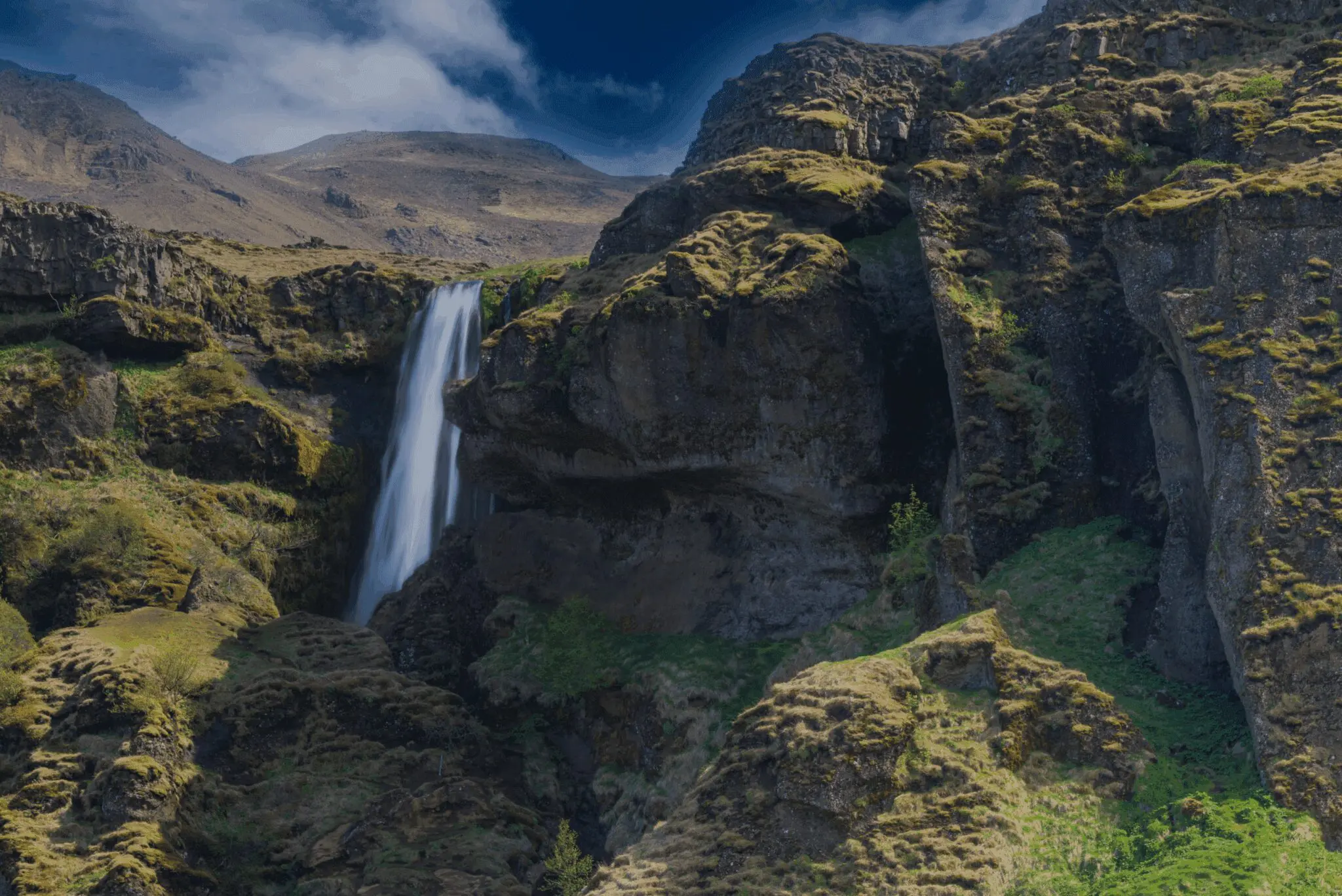
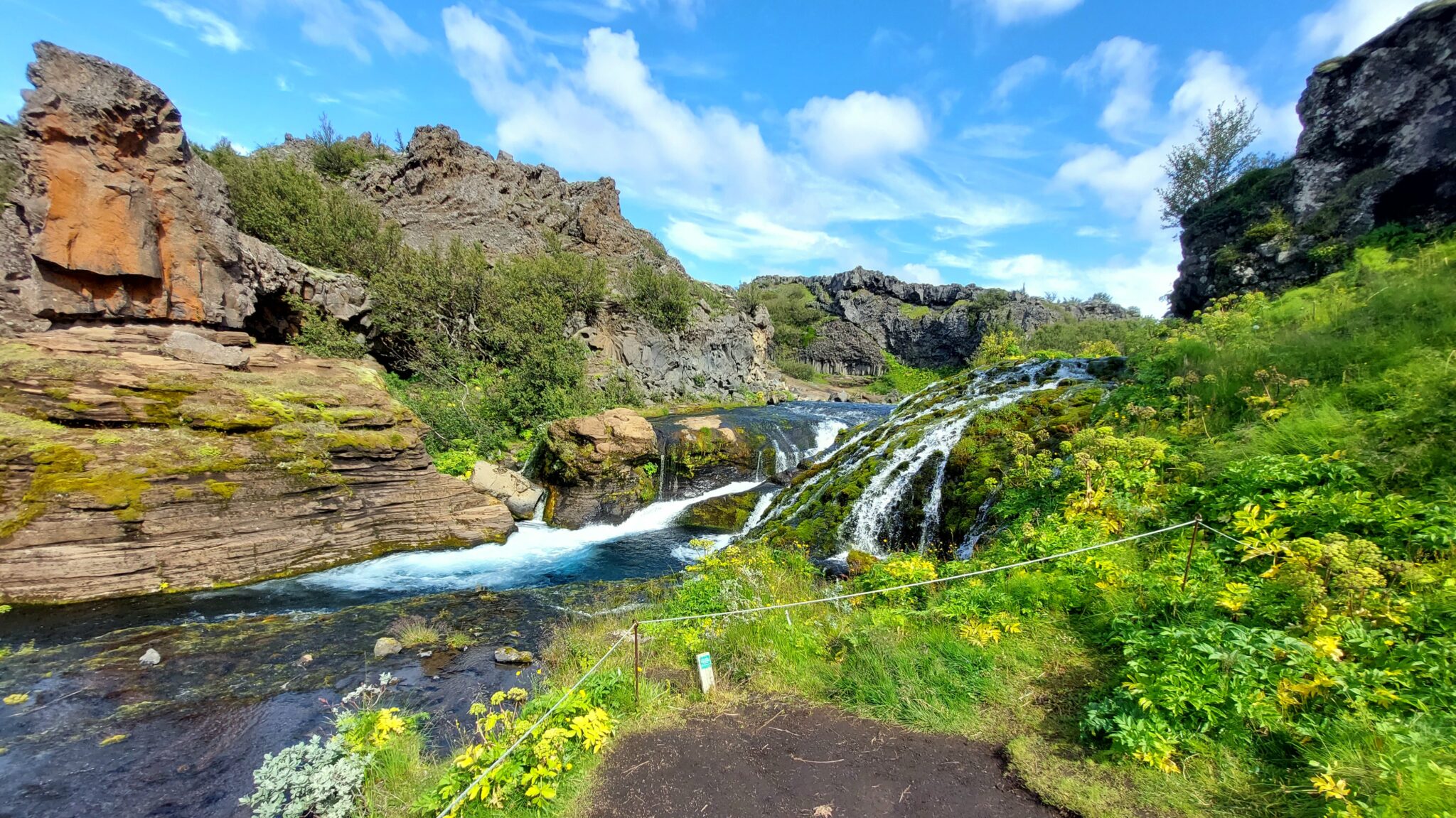
Gljúfrabúi is a hidden gem located near the magnificent Seljalandsfoss waterfall in Iceland. As you enter the enchanting canyon of the Gljúfursá river, you will be greeted by the awe-inspiring sight of Gljúfrabúi. This stunning waterfall stands at 40 meters (131 feet), making it one of the tallest waterfalls in Iceland. The canyon is a true marvel of nature, with its walls adorned in lush moss, creating a vibrant and colorful backdrop for this captivating natural wonder. The combination of the roaring Gljúfursá river and picturesque surroundings makes Gljúfrabúi a must-visit destination for nature lovers and adventure seekers.
Visiting Gljúfrabúi is about witnessing its beauty from a distance and immersing yourself fully in the experience. Be prepared to get wet as you venture into the canyon and get up close to the majestic waterfall. The sound of the cascading water and the spray that fills the air will awaken your senses and leave you in awe of the power and grandeur of nature.
To make the most of your visit, it is recommended to wear waterproof shoes and clothing, as you will be walking through streams and getting close to the waterfall. The feeling of the cool water on your skin and the misty air surrounding you will make for a truly unforgettable experience. Don’t forget to bring your camera to capture the beauty of Gljúfrabúi and create lasting memories of your time in Iceland.
Gljúfrabúi is not just a place to visit but also a place to connect with nature and appreciate the wonders of the world. It serves as a reminder of the beauty and power in our natural surroundings and is a testament to Iceland’s incredible landscapes. So, when you find yourself in Iceland, be sure to include Gljúfrabúi in your itinerary and prepare to be amazed by its mesmerizing beauty.
Skógafoss è una splendida cascata in Islanda, situata nel minuscolo villaggio di Skógar, con una popolazione di circa 25. scende di 60 m (197 piedi) da una scogliera che è stata erosa nel tempo La cascata è larga 25 m (82 piedi) e può crescere fino a 30 m (98 piedi) di larghezza dopo forti piogge Skógafoss si trova sul fiume Skógá, che scorre da sotto Eyjafjallajökull, un vulcano ricoperto di ghiacciai che ha eruttato l'ultima volta nel 2010. Skógafoss è diventato grigio da tutta la cenere che soffiava nel fiume Skógá durante quell'eruzione.
Nelle giornate soleggiate, si può vedere un arcobaleno che si forma, e talvolta anche un doppio arcobaleno, a causa della notevole quantità di spruzzi prodotti dalla cascata L'area sotto la cascata è piatta, rendendo facile camminare fino ad essa, ma essere consapevoli che si può bagnare dalla spruzzatura Se ti senti avventuroso, è possibile salire una scala di 527 gradini fino a una piattaforma di osservazione sopra la cascata, offrendo una fantastica vista sulla costa.
La scogliera su cui si getta Skógafoss segna l'ex costa della costa sud Questa magnifica cascata è stata descritta in varie culture popolari: i video musicali Fjara di Sólstafir nel 2012 e I'll Show You di Justin Bieber nel 2015, i film del 2013 Thor: The Dark World e The Secret Life of Walter Mitty, e le serie TV Vikings (stagione 5) e Game of Thrones (stagione 8).
Il museo popolare ha un notevole manico dorato che si dice sia da una cassa piena d'oro, di proprietà del colono OCCUPAsi ≤órolfsson, che nascose la cassa dietro Skógafoss prima della sua morte intorno al 900 d.C. Molti tentativi furono fatti per recuperarla fino a quando una corda fu fissata al manico per tirare fuori la cassa un giorno, ma il manico si staccò, lasciando la cassa piena d'oro persa per sempre. Quella maniglia servì come maniglia della porta sulla chiesa di Skógakirkja fino al 1890.
Nestled in the breathtaking gorge of Kvernugil, near the Skógafoss waterfall, the Kvernufoss waterfall is a hidden gem that will take your breath away. This stunning waterfall uniquely blends two of Iceland’s most famous waterfalls – Seljalandsfoss and Gljúfrabúi, making it a must-visit attraction for anyone who loves nature. With a towering height of 30 meters (98 feet), Kvernufoss is a majestic sight often overlooked by tourists.
One of the most fascinating things about Kvernufoss is that it is situated inside a canyon covered in lush green moss, creating a stunning natural wonderland that is truly captivating. The moss-covered walls of the canyon are a sight to behold, and the way they contrast with the crystal-clear water of the waterfall is simply breathtaking.
But that’s not all – behind the waterfall is a cave that allows visitors to walk behind the cascading water, providing an unforgettable experience you won’t find anywhere else. Walking behind the waterfall is an adventure that is both exhilarating and awe-inspiring. The sound of the water crashing down, the mist in the air, and the feeling of being surrounded by nature is a memory that will stay with you forever.
Overall, Kvernufoss is a hidden treasure waiting to be discovered by anyone who loves nature, adventure, and stunning scenery. Whether you’re an avid hiker or just looking for a unique experience, this majestic waterfall is worth a visit.
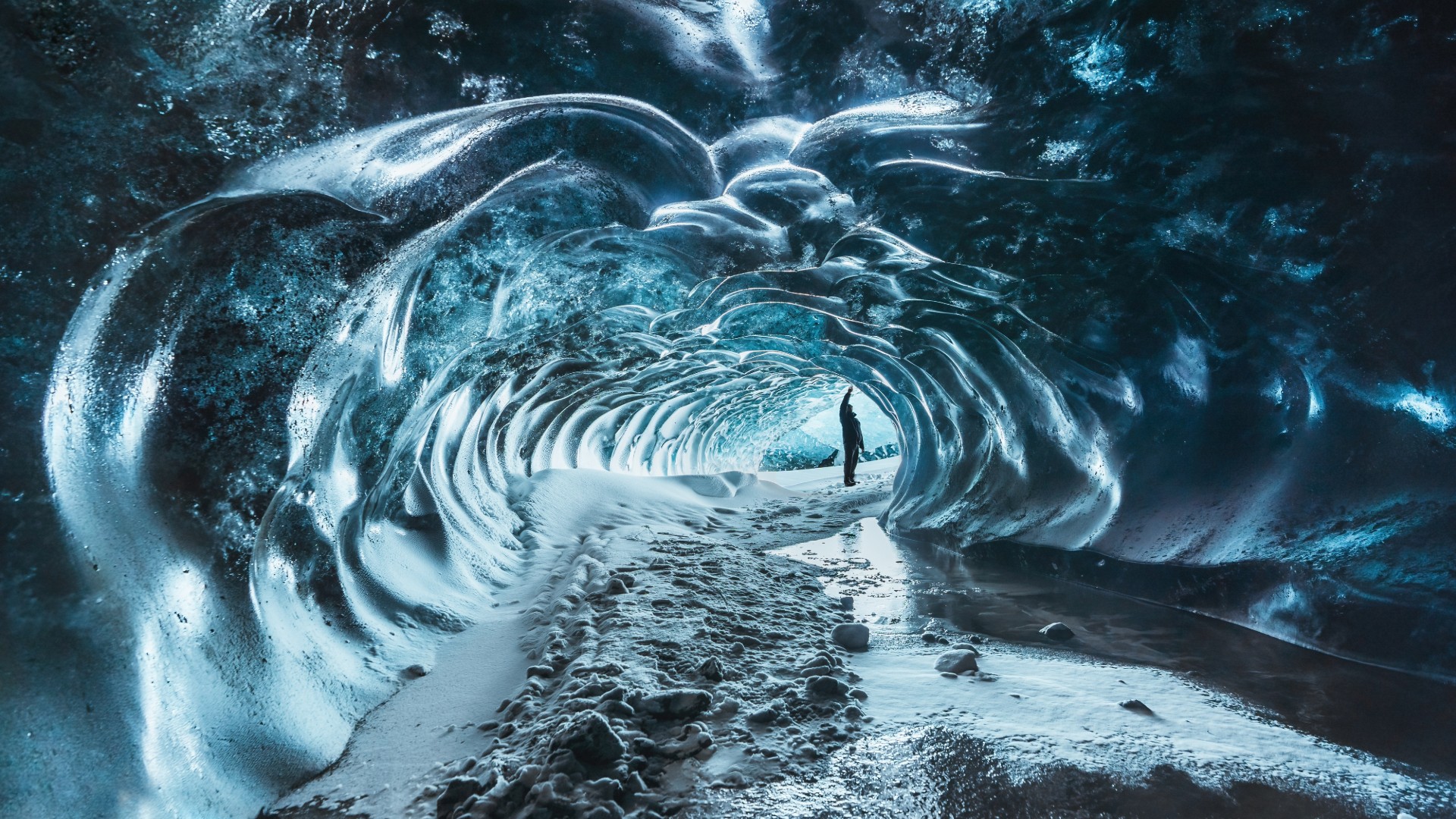
The Sólheimajökull outlet glacier is situated in the southwestern part of the Mýrdalsjökull ice cap, stretching for 11 km (6.8 mi) in length. This glacier is easily accessible; a 15-minute walk leads to a viewpoint towards its edge. The ice is bluish-white and covered in black ash bands from the nearby volcanic eruptions. Most of the ash comes from the Hekla volcano, which stands at an elevation of 1,491 m (4,892 ft), and the Katla volcano, which is the most active volcano in Iceland and lies beneath Mýrdalsjökull. Katla usually erupts twice every century, so it is expected to erupt soon.
Over the past 100 years, Sólheimajökull has been retreating and advancing, and since 1930, its snout’s location has been measured yearly. The measurements and aerial photos depict the glacier’s rapid melting caused by global warming. In 2011, a lagoon began forming in front of Sólheimajökull, which has grown in diameter and depth due to the glacier retreating as much as 50 m (164 ft) per year. Studies reveal that within the next 100-200 years, all glaciers in Iceland will become extinct.
Sólheimajökull is the most popular outlet glacier for glacier hiking, offering a spectacular view of the vast black sand desert, Sólheimasandur. It was formed in a glacier outburst flood from the Katla volcano system lying underneath Mýrdalsjökull. The desert also houses the wreckage of a DC-3 plane from the US Navy, which ran out of fuel and landed there in 1973. All aboard survived the landing; the wreckage was left there, making it a popular attraction. However, it is forbidden to drive to the wreckage, and it’s strongly advised against trying to walk to it since people can get lost or, even worse, lose their lives, as some have.
Dyrhólaey is a promontory in Iceland that used to be the southernmost point until the Kötlutangi spit formed during the 1918 eruption of the Katla volcano. It is 120 m (390 ft) high and was formerly an island that originated from an underwater eruption over 100,000 years ago. The promontory features a gigantic black archway of lava that has eroded over centuries, forming a hole big enough for boats to pass through, hence the name Dyrhólaey (e. Door Hill Island). The archway stands in front of the promontory, similar to the famous Surtsey eruption in 1963, southwest of the Westman Islands.
Dyrhólaey is divided into two sides: the western and higher side, called Háey, is made of tuff, while the lower and eastern side, called Lágey, is mainly made of basalt. The southern end of Dyrhólaey forms a 100 m (328 ft) high narrow strip with vertical cliffs facing out to sea on either side.
On top of Dyrhólaey is the square concrete Dyrhólaeyjarviti lighthouse, designed by the renowned Icelandic architect Guðjón Samúelsson and built in 1927. The lighthouse has a red-painted lantern tower that shines a bright light and has the most powerful lens of all lighthouses in Iceland. The view from Dyrhólaey over to the Reynisfjara black sand beach is quite spectacular, and on clear days, the view extends even further.
Dyrhólaey is an important nesting site for seabirds, and from May to September, puffin colonies reside on its cliffs. Since it is a nature reserve, access to Dyrhólaey is sometimes limited from the beginning of May until late June during the daytime to protect the birds during nesting season.
La spiaggia di sabbia nera di Reynisfjara è una destinazione popolare nel sud dell'Islanda Ha pareti color sabbia nera e basalto che creano un'attrazione spettacolare Nel 2021, è stata valutata come la 6a migliore spiaggia del mondo da Big 7 Travel nella loro lista annuale delle 50 migliori spiagge del mondo Tuttavia, può essere pericoloso a causa delle possenti onde oceaniche e delle cadute di massi dalle scogliere causate dall'erosione costiera Tragicamente, incidenti mortali vi sono accaduti nel corso degli anni Salire sulle colonne di basalto per una foto può essere allettante, ma non è consigliabile in quanto le persone sono state sorprese da improvvise “sneaker waves” che possono strapparle e tirarle fuori verso il mare Il controlavaggio è potente a causa della ripidezza della spiaggia, e le onde possono apparire calme ma sono quasi ininterrotte quando raggiungono la riva È essenziale mantenere una distanza di sicurezza dalle onde e ammirare le forze della natura da lontano.
Reynisdrangar è una collezione di pinnacoli marini di basalto che sorgono dal mare da Reynisfjara Secondo un vecchio racconto, sono stati creati quando due troll hanno cercato di trascinare una nave a tre alberi per atterrare di notte Quando la luce del giorno si è rotta, loro e la nave sono diventati pile di pinnacoli in piedi nel mare Reynisdrangar è la stessa formazione geologica del Reynisfjall di 340 m (1.115 piedi) di alta montagna, fatto di tufo vulcanico da un'eruzione sotto un ghiacciaio nella penultima era glaciale La montagna ha strati irregolari di tufo, lava a cuscino, vene e anelli di basalto colonnari Sulla spiaggia, si possono vedere le bellissime formazioni di colonne di basalto, ed è il sito di nidificazione di pulcinelle e altri uccelli marini Salire fino a loro non è raccomandato in quanto potrebbe disturbarli Le colonne di basalto sono anche l'ispirazione per la chiesa Hallgrímsóirkja, 1jðleikhúikhúsi (Il Teatro Nazionale d'Islanda, e la conferenza di Harfir e si dovrebbe solo essere esplorato da Reynfalles con la bassa marea meridionale.
Reynisfjara è una località ben nota ed è apparsa in diversi film e serie, in particolare la serie Netflix islandese Katla, la settima stagione di Game of Thrones, il film del 2013 Star Trek: Into Darkness e il film del 2014 Noah.
Vík í Mýrdal è un villaggio situato sulla punta più meridionale dell'Islanda, ha una popolazione di circa 750 persone ed è l'unico villaggio sul mare senza porto, invece di un porto, gli abitanti del villaggio usano barche da pesca con ruote per spostare il pescato in una piccola fabbrica di pesce Il villaggio è relativamente giovane e fu fondato nel 1833 quando due agricoltori iniziarono a importare merci dall'Inghilterra per venderle agli abitanti vicini, in seguito nel 1916 fu fondata una società per trasportare merci tra l'Inghilterra e Vík utilizzando la nave Skaftfellingur.
Nel 2010, il villaggio è stato colpito dalla cenere vulcanica durante l'eruzione dell'Eyjafjallajökull, inoltre, la sabbia nera della vicina spiaggia, Víkurfjara, viene talvolta soffiata attraverso il villaggio durante il tempo tempestoso Tuttavia, visitare la spiaggia durante l'estate ti consente di vedere vari uccelli marini come fulmari, gabbiani, urie e pulcinelle di mare nidificare. Potresti anche avvistare le foche in riva alla spiaggia.
Vík si trova vicino alla calotta del ghiacciaio Mýrdalsjökull, dove si trova sotto il vulcano dormiente Katla Il vulcano non erutta dal 1918, quindi è prevista presto un'eruzione Se erutta, potrebbe sciogliere abbastanza ghiaccio glaciale da innescare un'inondazione improvvisa che potrebbe distruggere l'intero villaggio di Vík A causa di questa possibilità, gli abitanti del villaggio praticano periodicamente esercitazioni dove si precipitano alla chiesa Víkurkirkja in alto su una collina Si ritiene che questa chiesa sia l'unico edificio in grado di resistere a una tale inondazione.
Il villaggio di Vík e la sua chiesa, Víkurkirkja, sono le ambientazioni principali della serie Netflix islandese Katla La serie segue un gruppo di persone a Vík che lottano all'indomani dell'eruzione di Katla.
314.890 ISK
299.734 ISK
323.400 ISK
211.230 ISK
360.639 ISK
250.000 ISK
224.900 ISK
255.355 ISK
229.900 ISK
253.084 ISK
Consigli di viaggio, nuove guide e un heads-up quando le previsioni dell'aurora sembrano buone Niente spam.