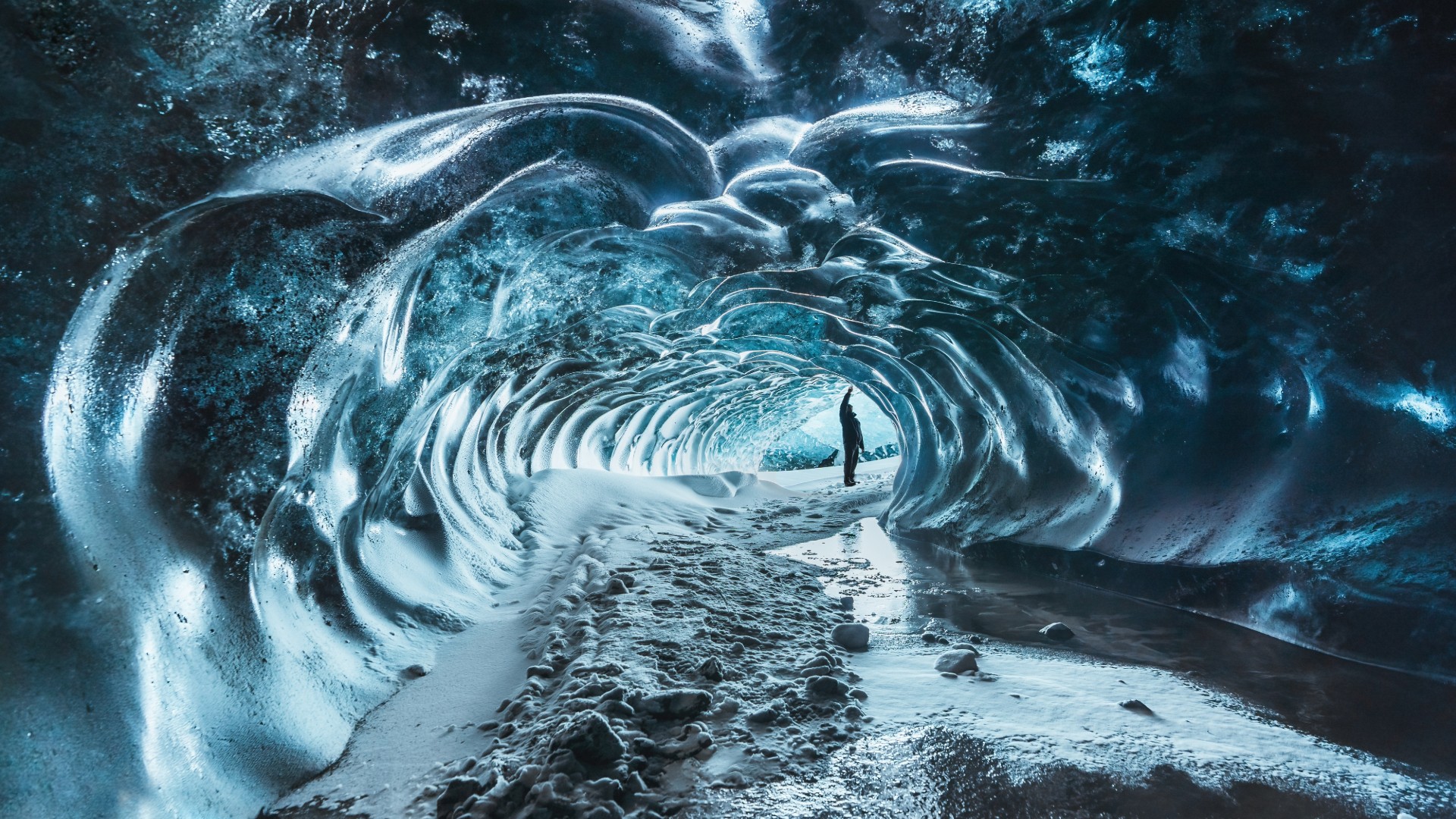
Private Bespoke South Coast & Katla Ice Cave Tour
314.890 ISK
12 Stunden

Einfach
260.000 ISK
Embark on an unforgettable journey through the captivating landscapes of the Südküste of Iceland with our exclusive private tour. This extended adventure allows you to discover hidden gems and iconic landmarks that make this region a must-visit destination.
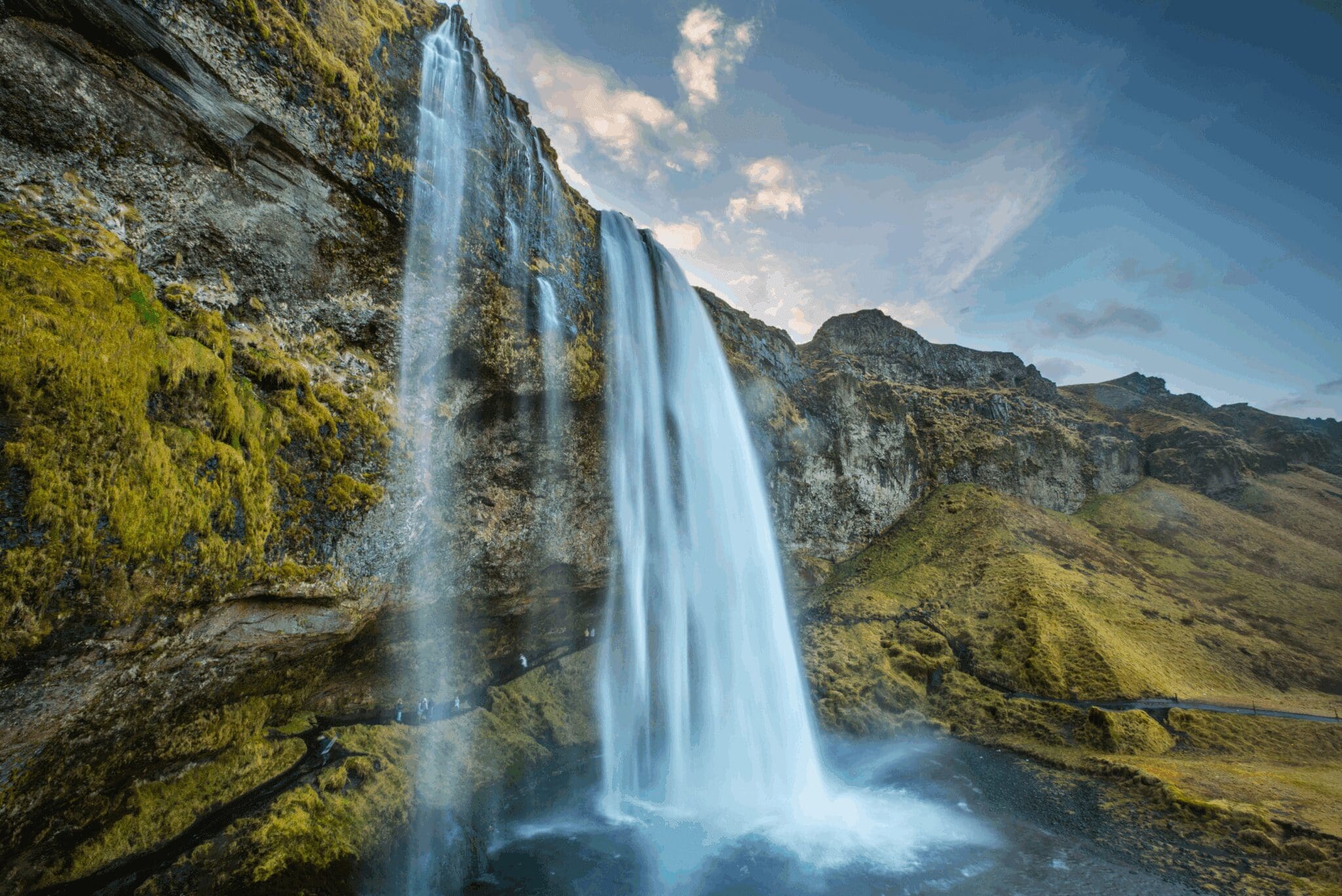
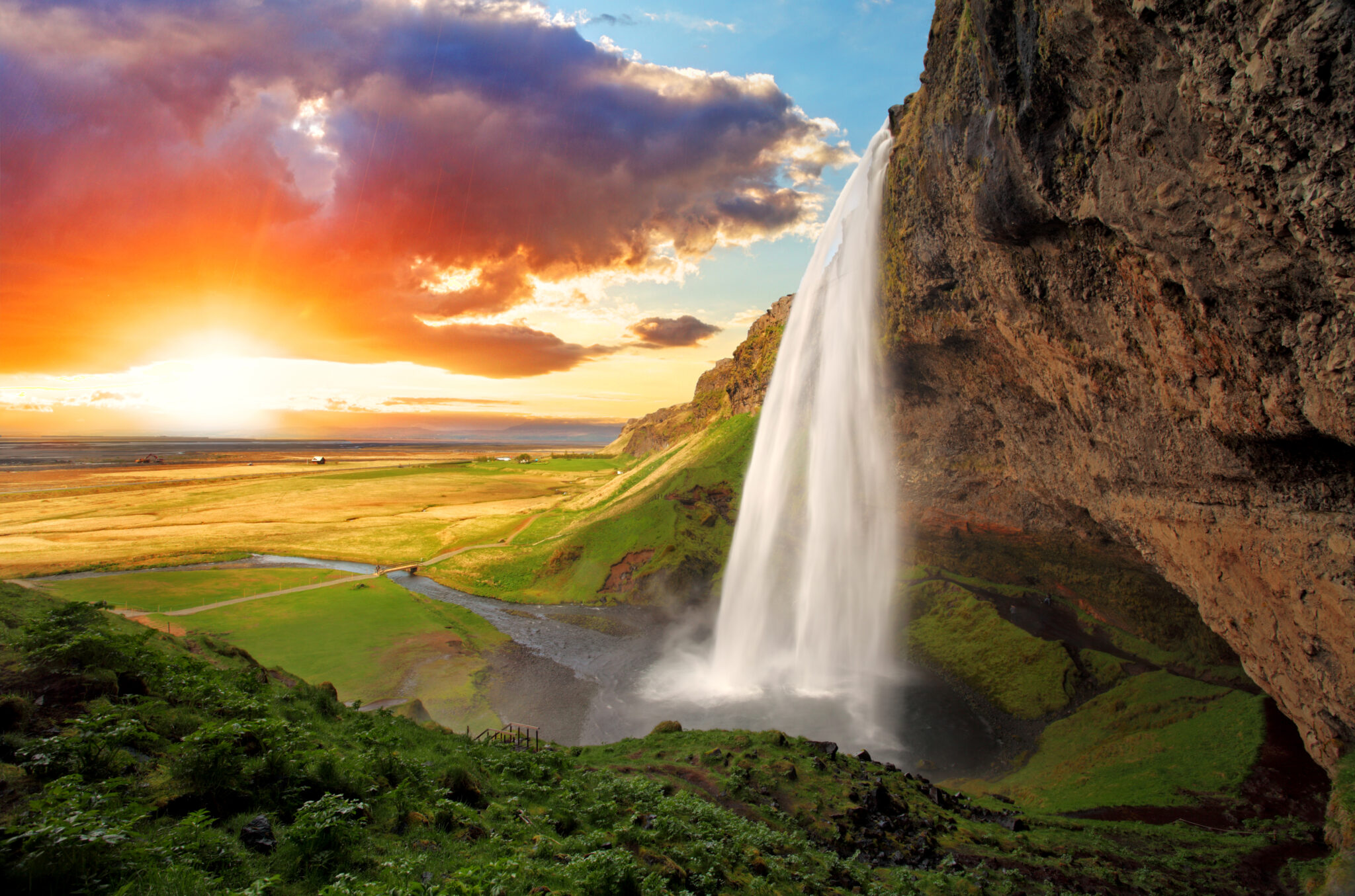
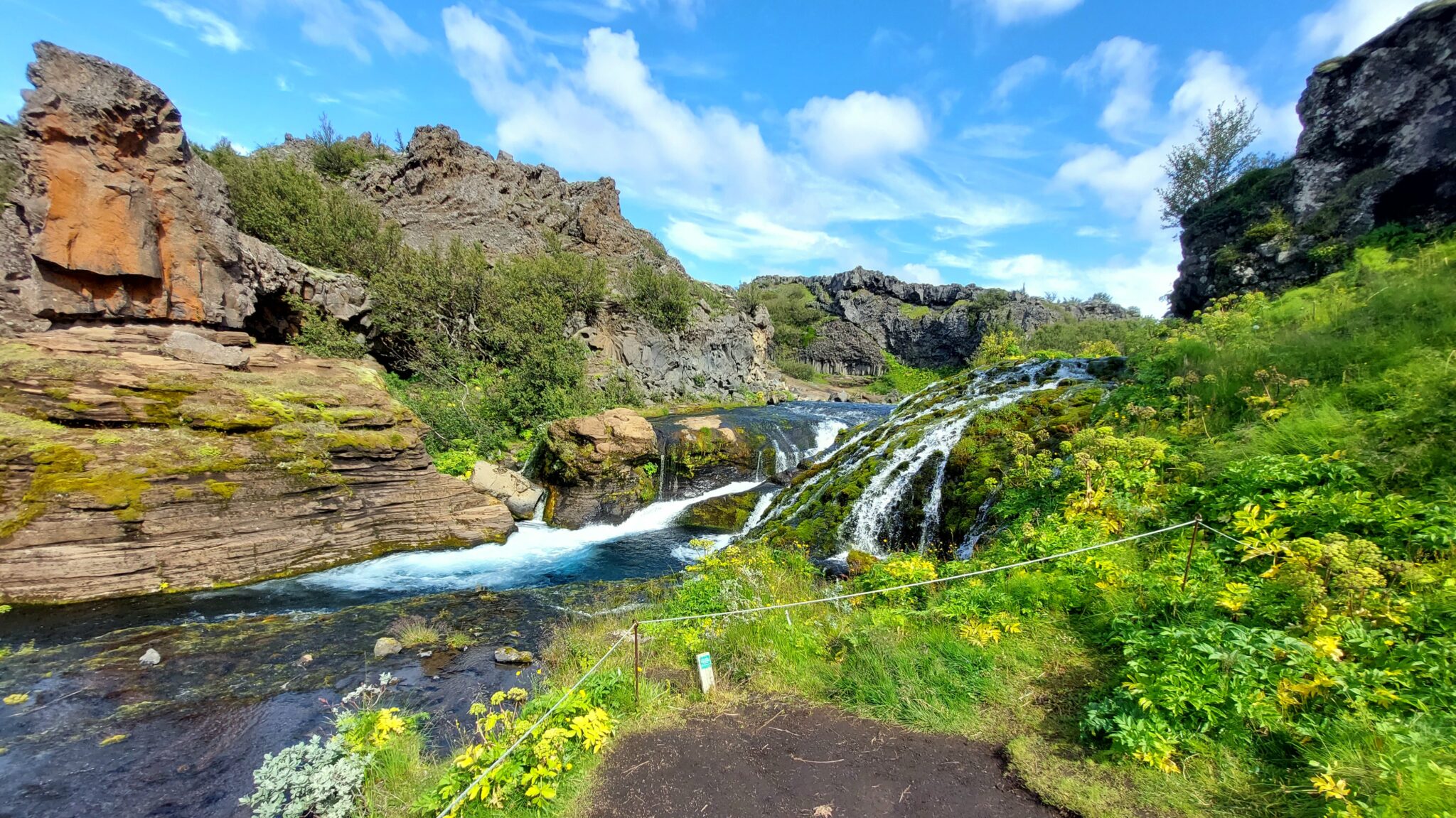
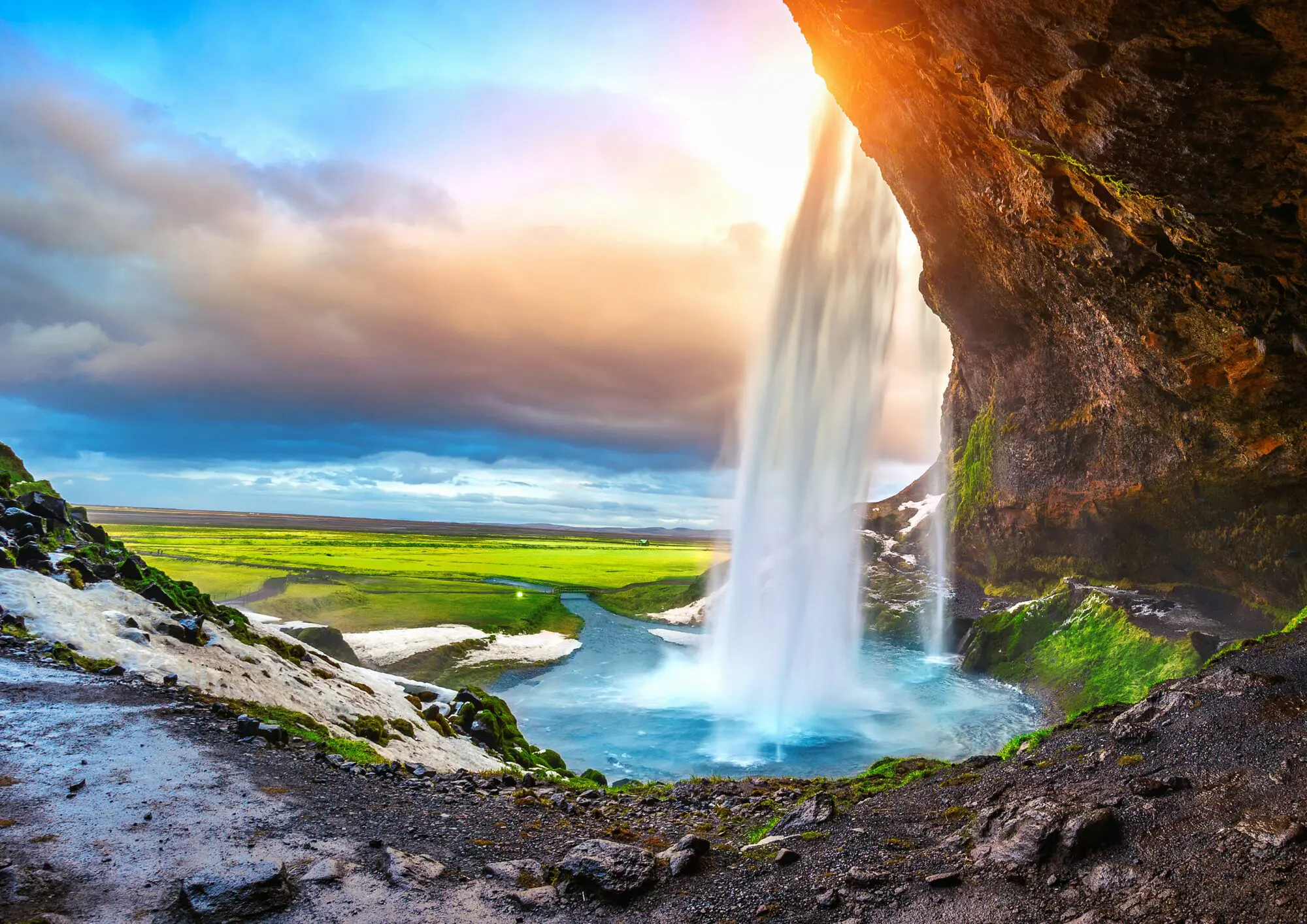
Our expedition begins at the majestic Seljalandsfoss waterfall, a true marvel of nature. Witness the cascading water gracefully plunging from a towering cliff and be awed. But the adventure doesn't end there! We'll also explore the enchanting Gljúfrabúi waterfall in a hidden canyon. Step into a magical world surrounded by mist and the soothing sound of falling water.
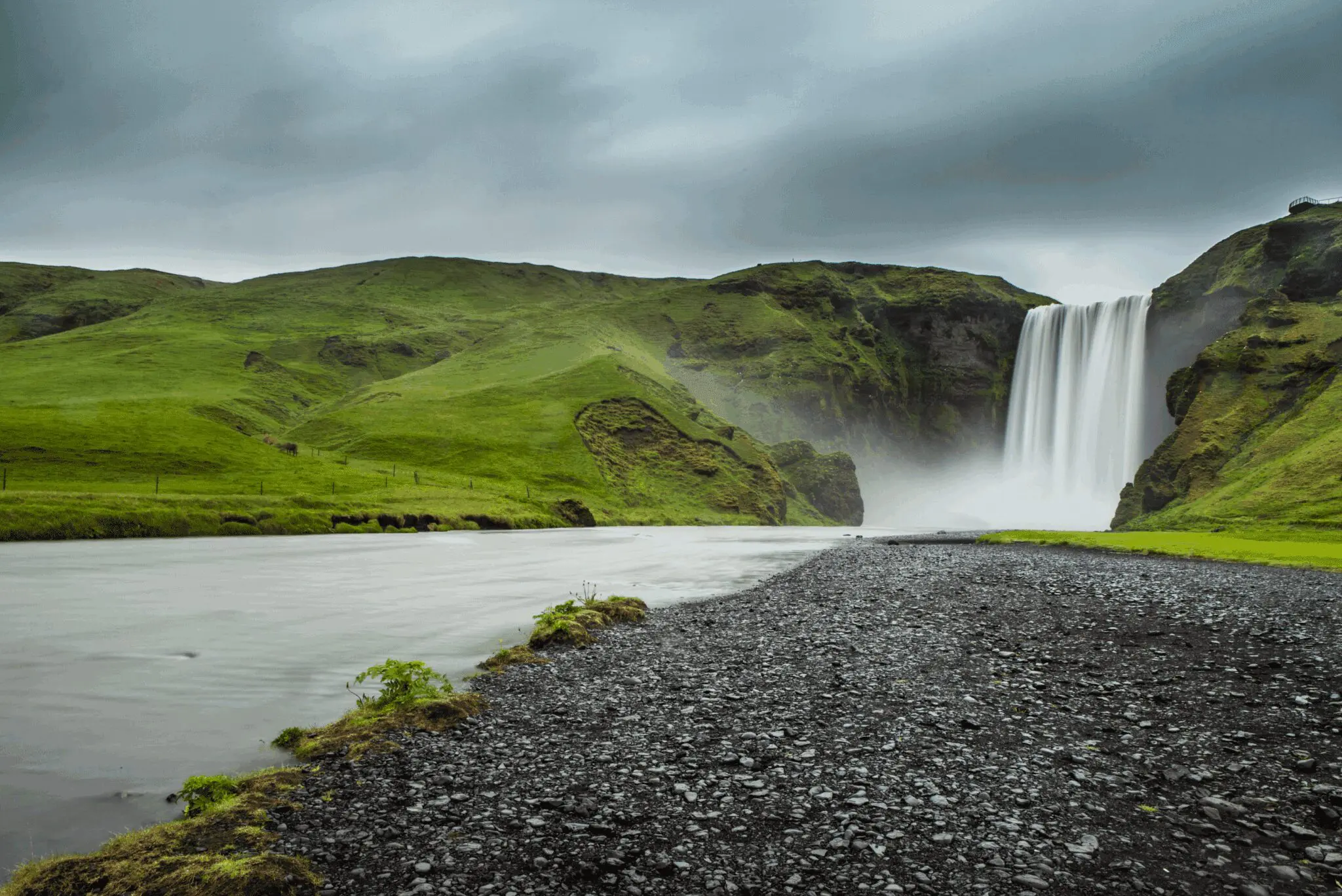
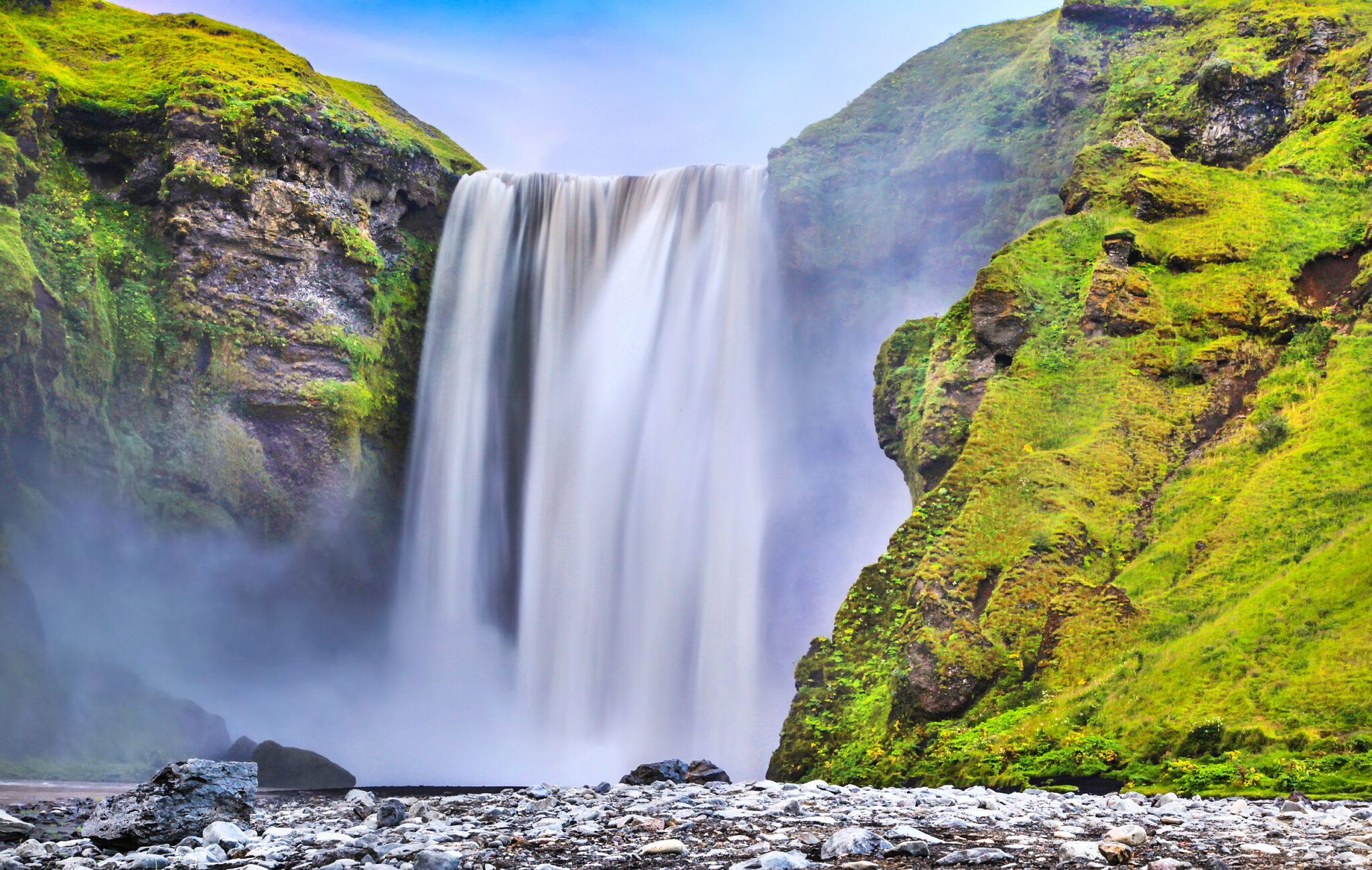
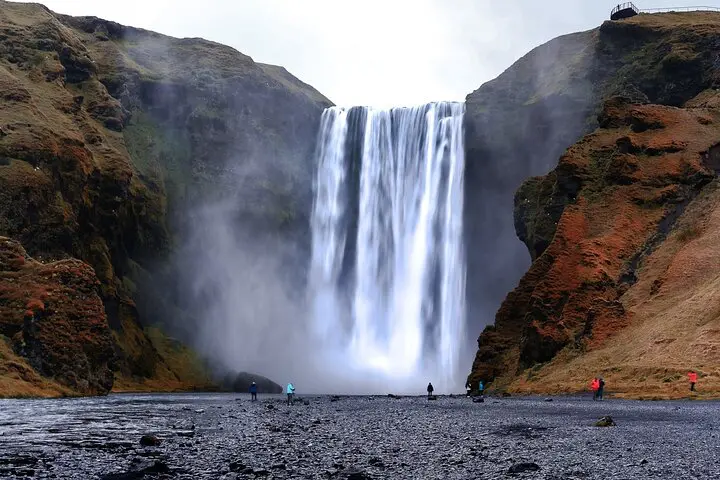
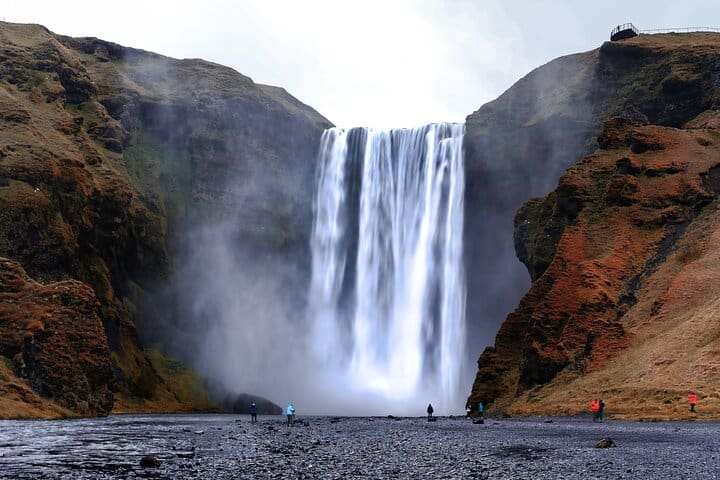
Next, we venture to the renowned Skógafoss waterfall, an imposing cascade that never fails to impress. Feel the mist on your face and the ground shaking beneath your feet as you approach. Take a moment to absorb this natural wonder's sheer power and beauty.
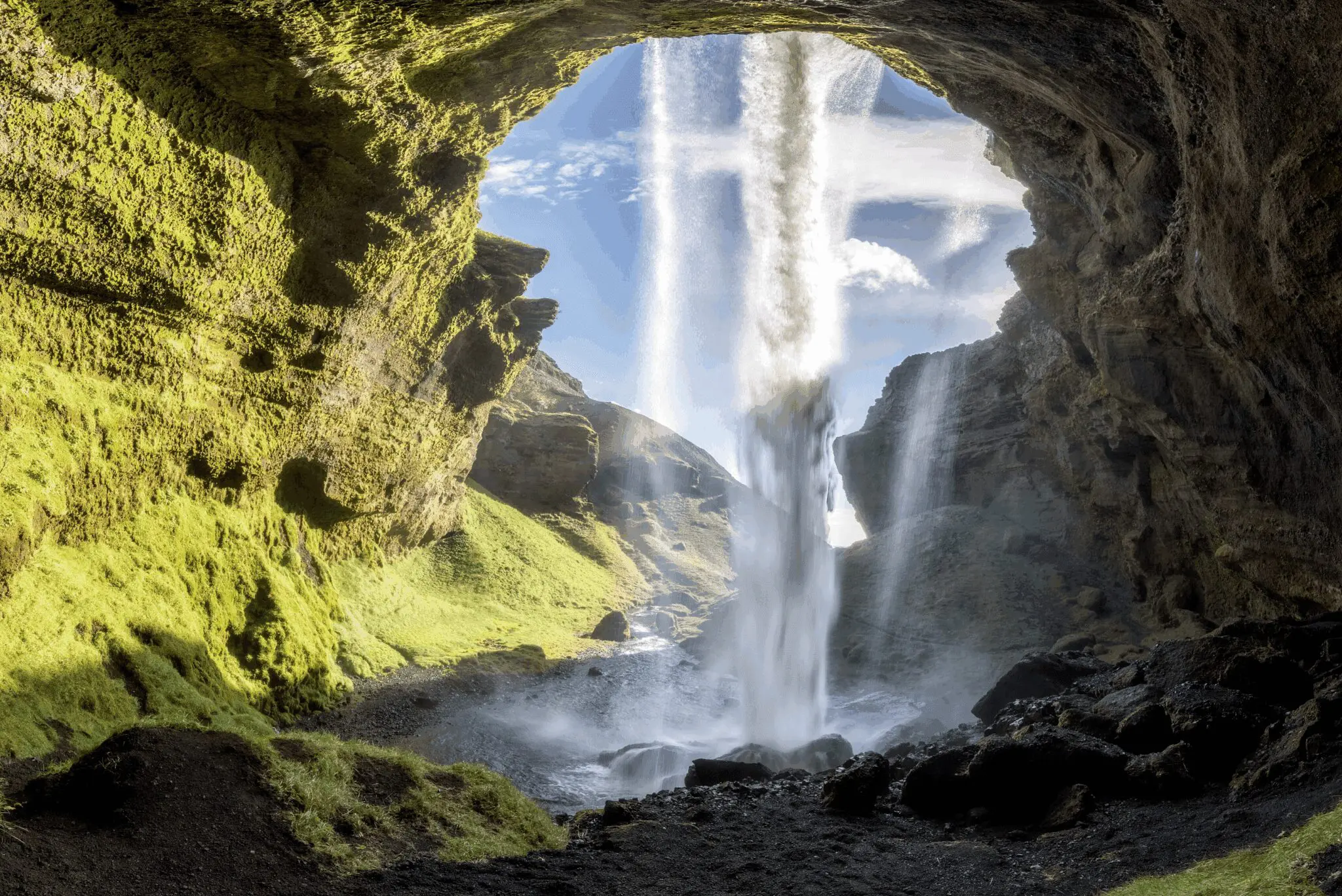
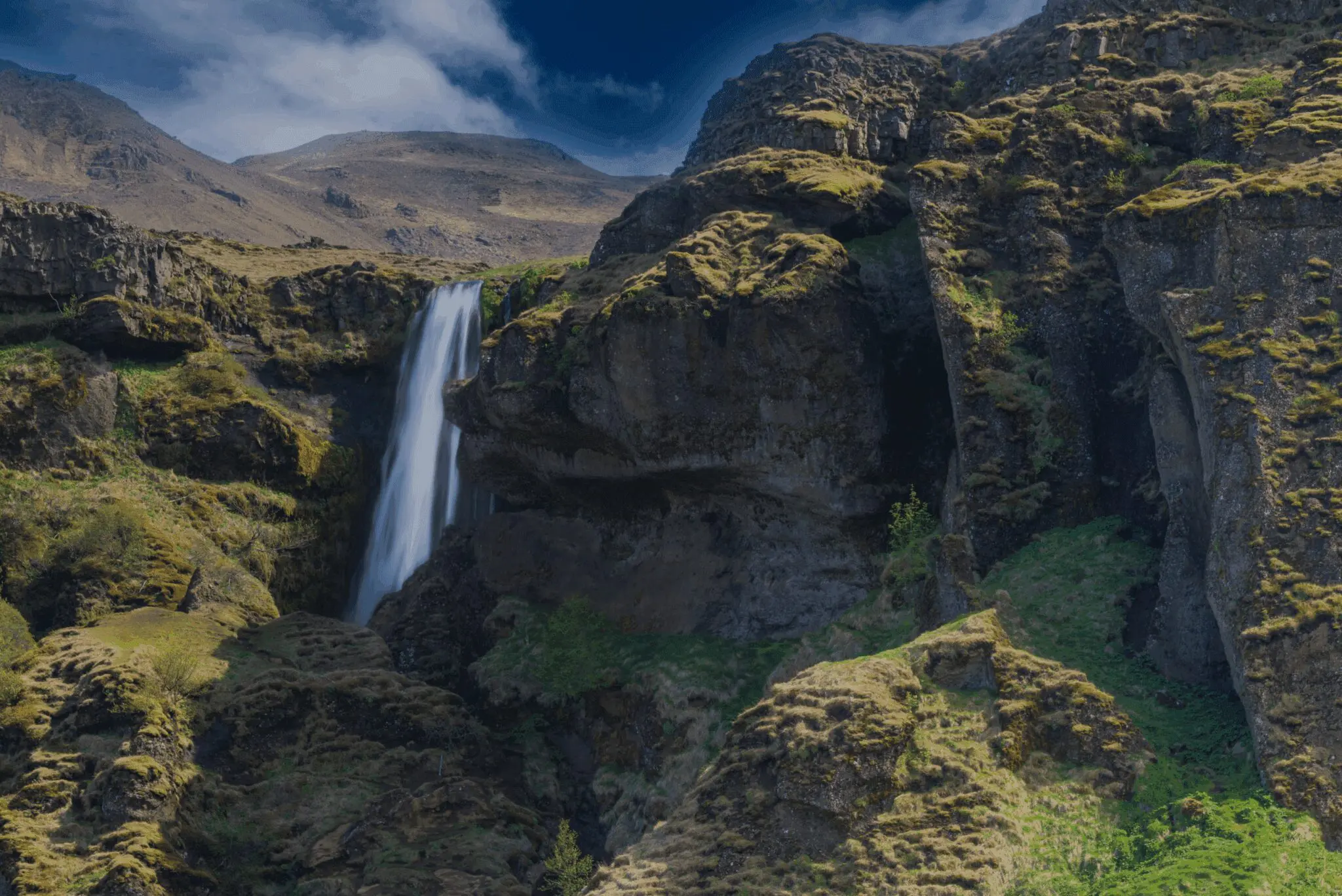
Continuing our expedition, we visit the lesser-known but equally captivating Kvernufoss waterfall. This hidden gem rewards those who seek solitude and tranquility. Stand before this picturesque waterfall, surrounded by lush greenery, and feel a sense of serenity wash over you.
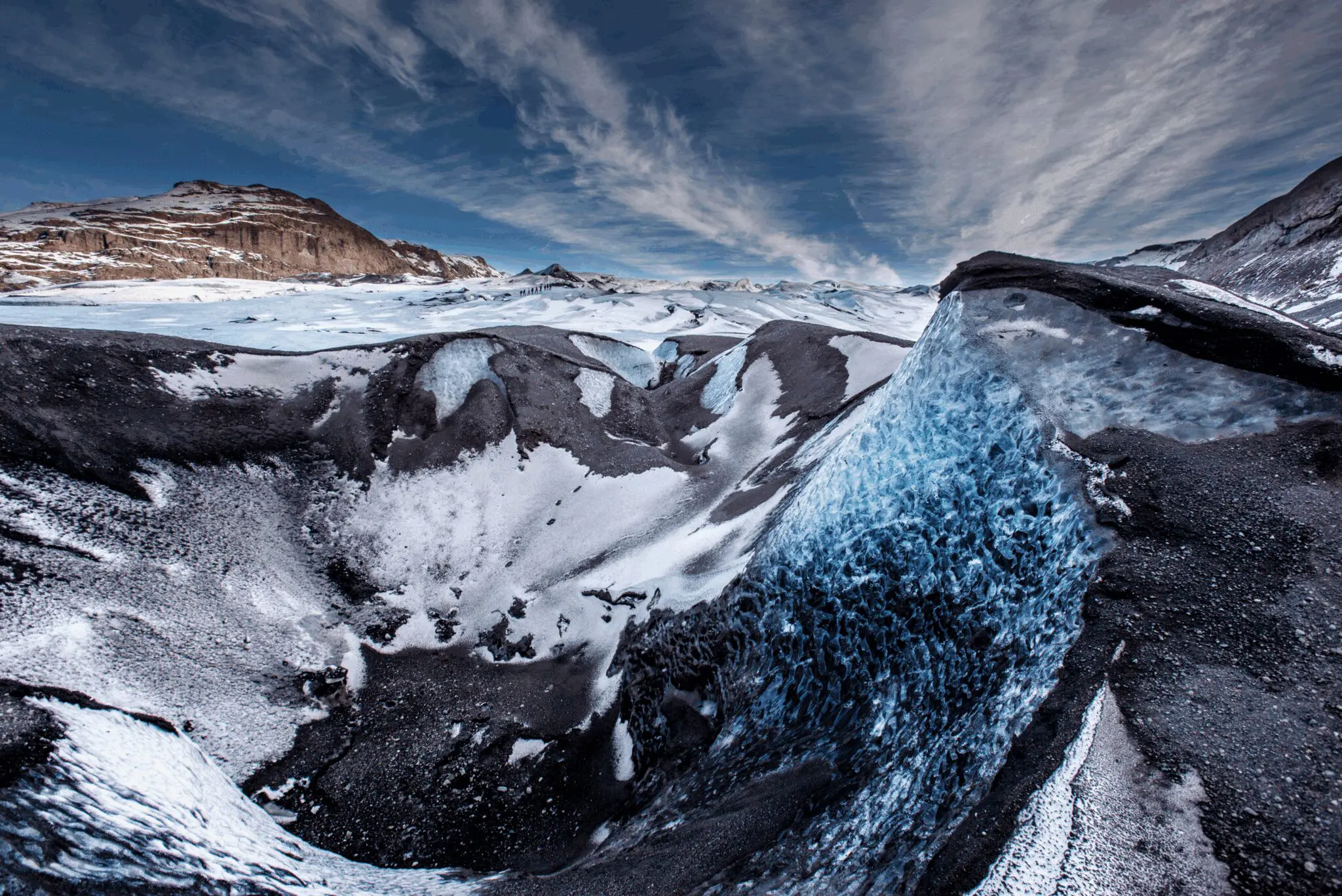
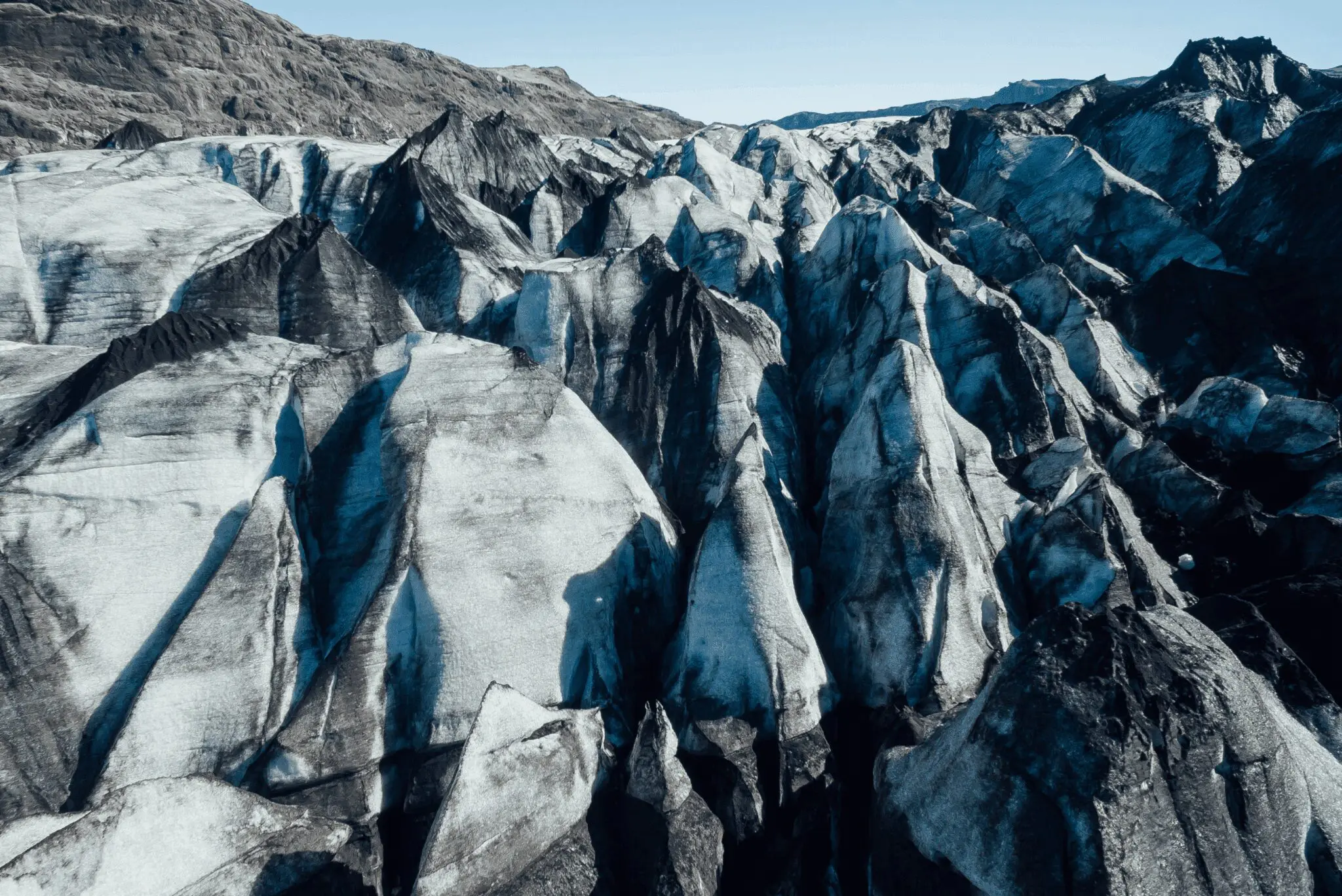
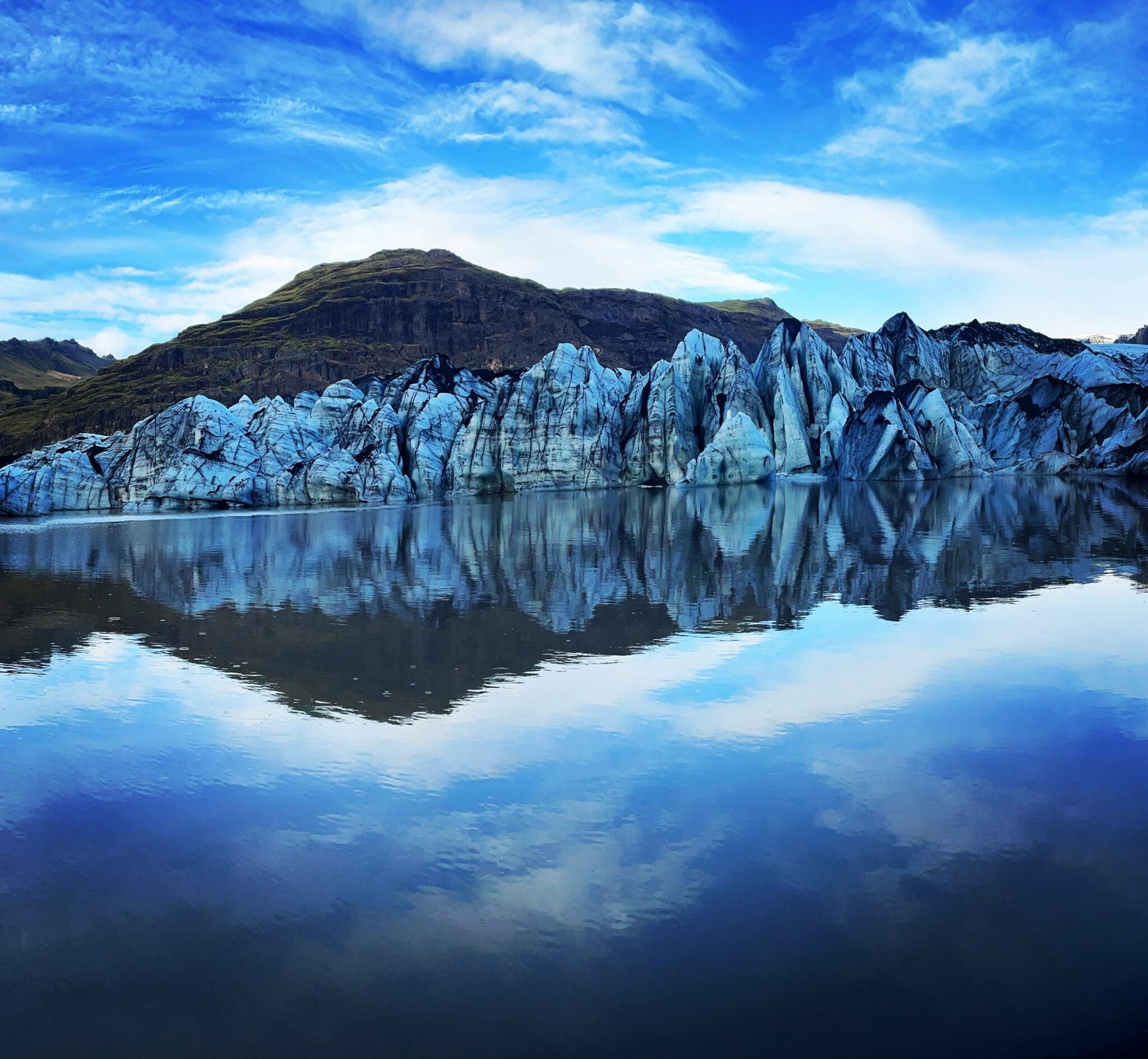
Prepare to be amazed as we journey to the Sólheimajökull glacier valley. Witness the awe-inspiring beauty of a glacier up close. Marvel at the glistening ice formations and learn about the fascinating geological history of this icy wonderland. Your knowledgeable guide will provide insights into the effects of climate change on these magnificent glaciers, leaving you with a deeper appreciation for our fragile environment.
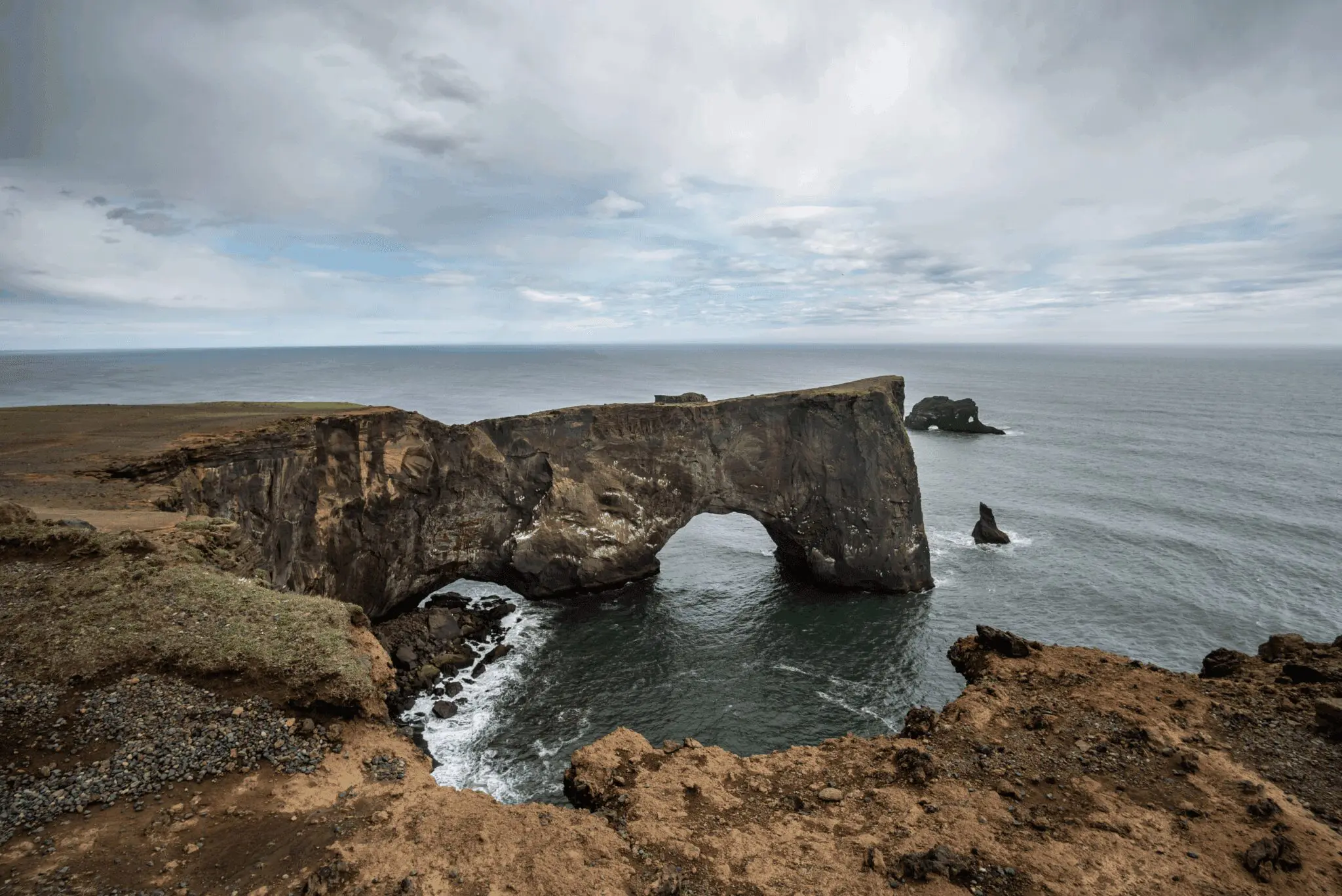
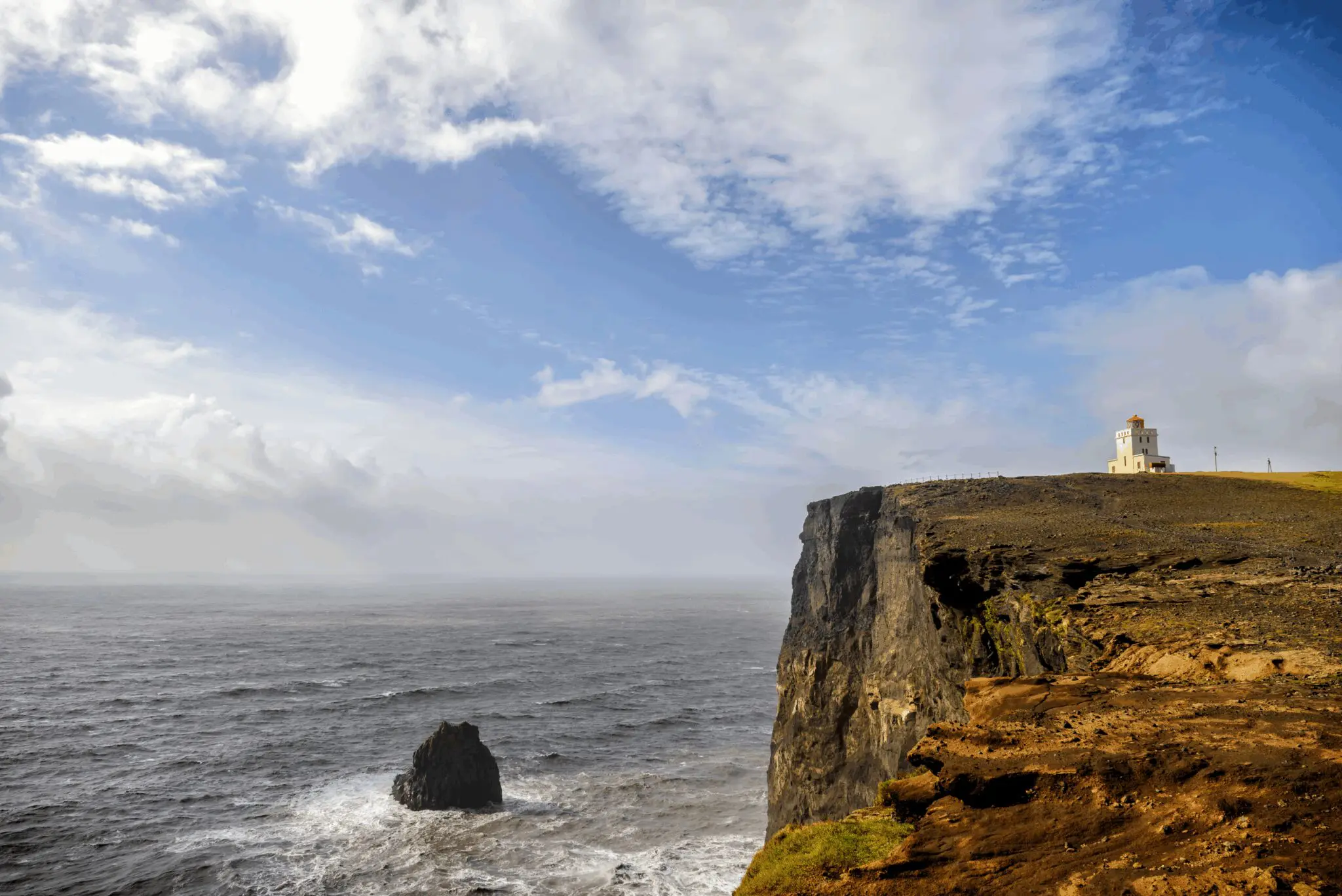
As we continue our exploration, we reach the iconic Dyrhólaey promontory. This dramatic cliff formation offers breathtaking panoramic views of the rugged coastline and the vast expanse of the Atlantic Ocean. Keep your eyes peeled for the graceful flight of seabirds and the playful antics of puffins, which call this place home during summer.
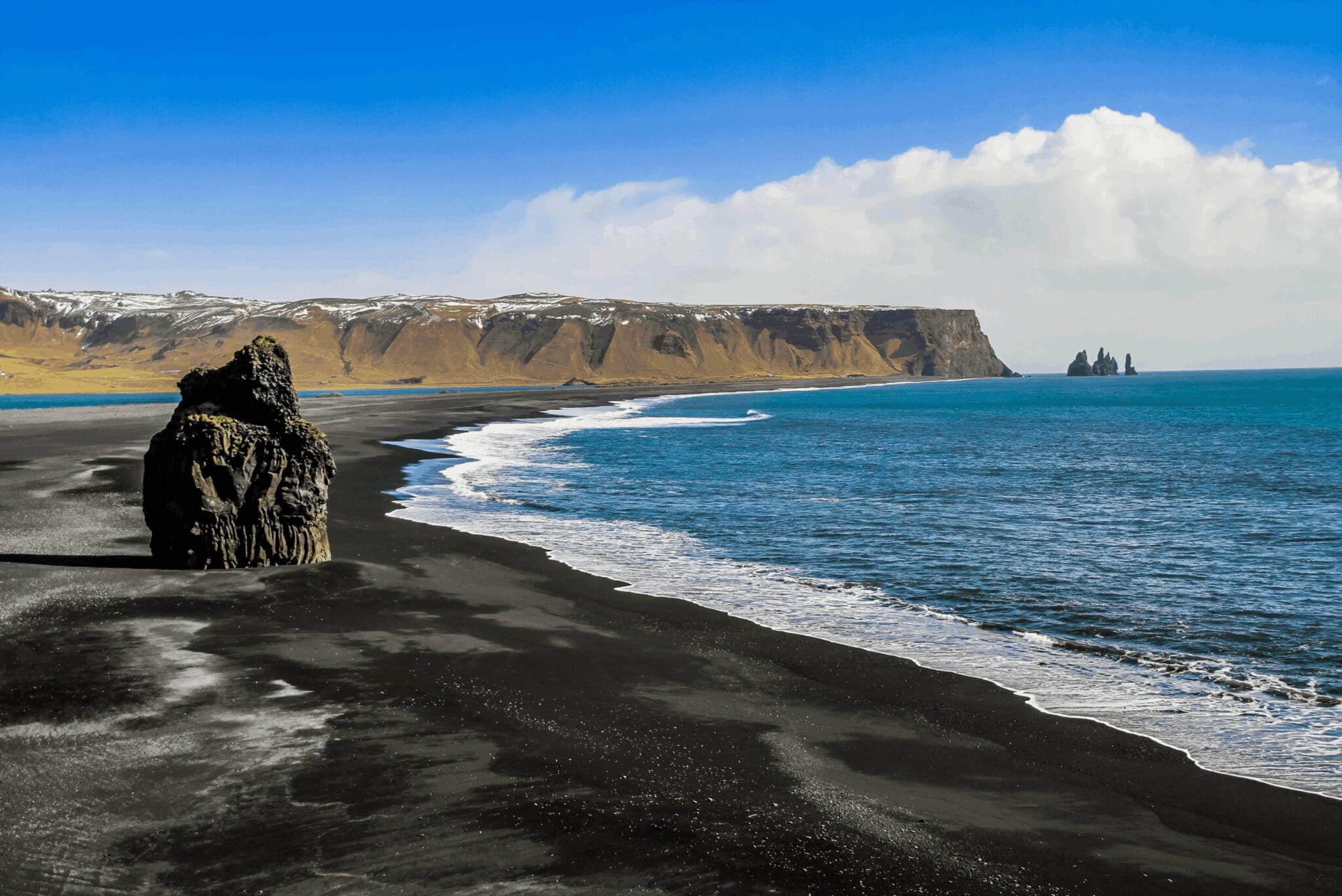
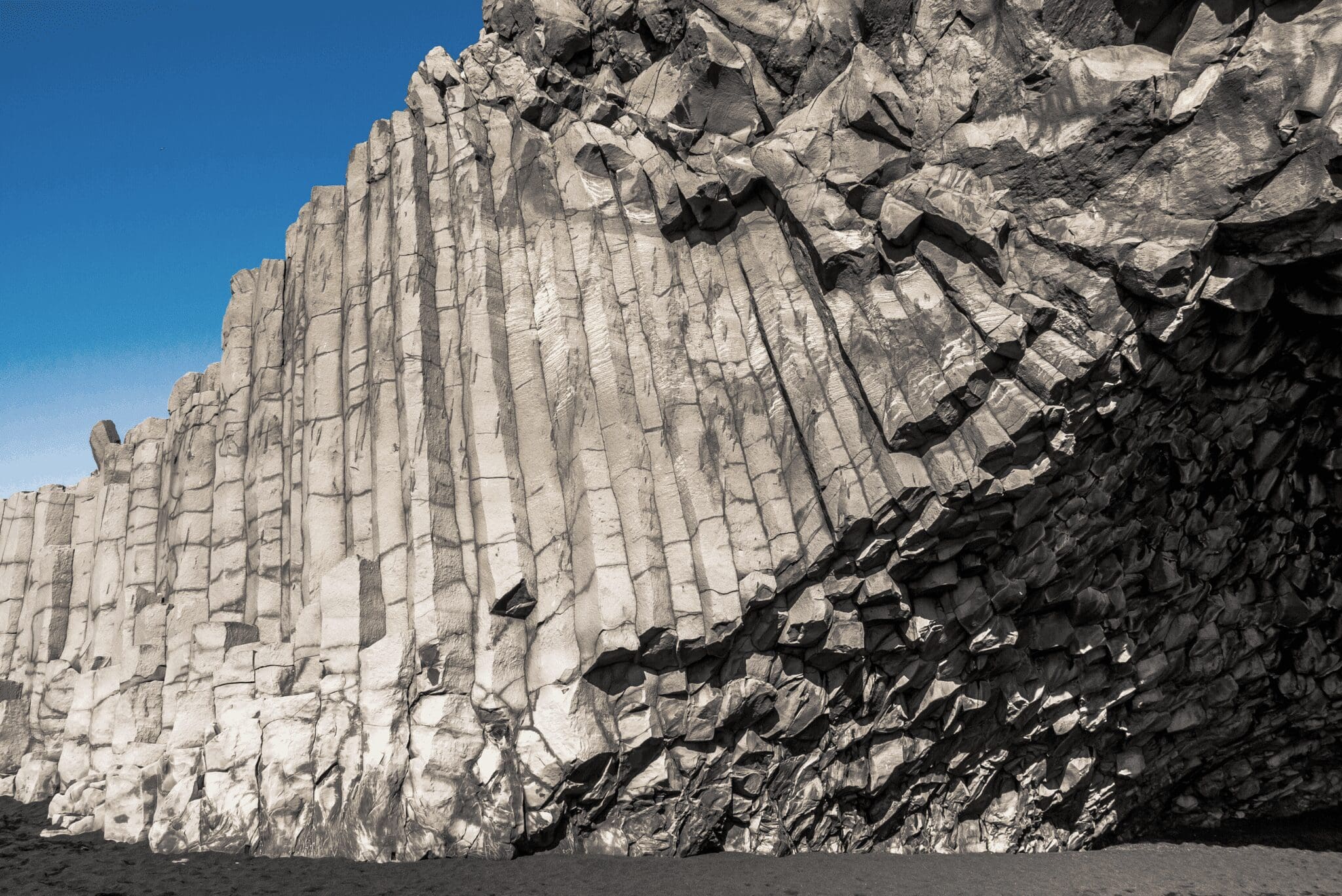
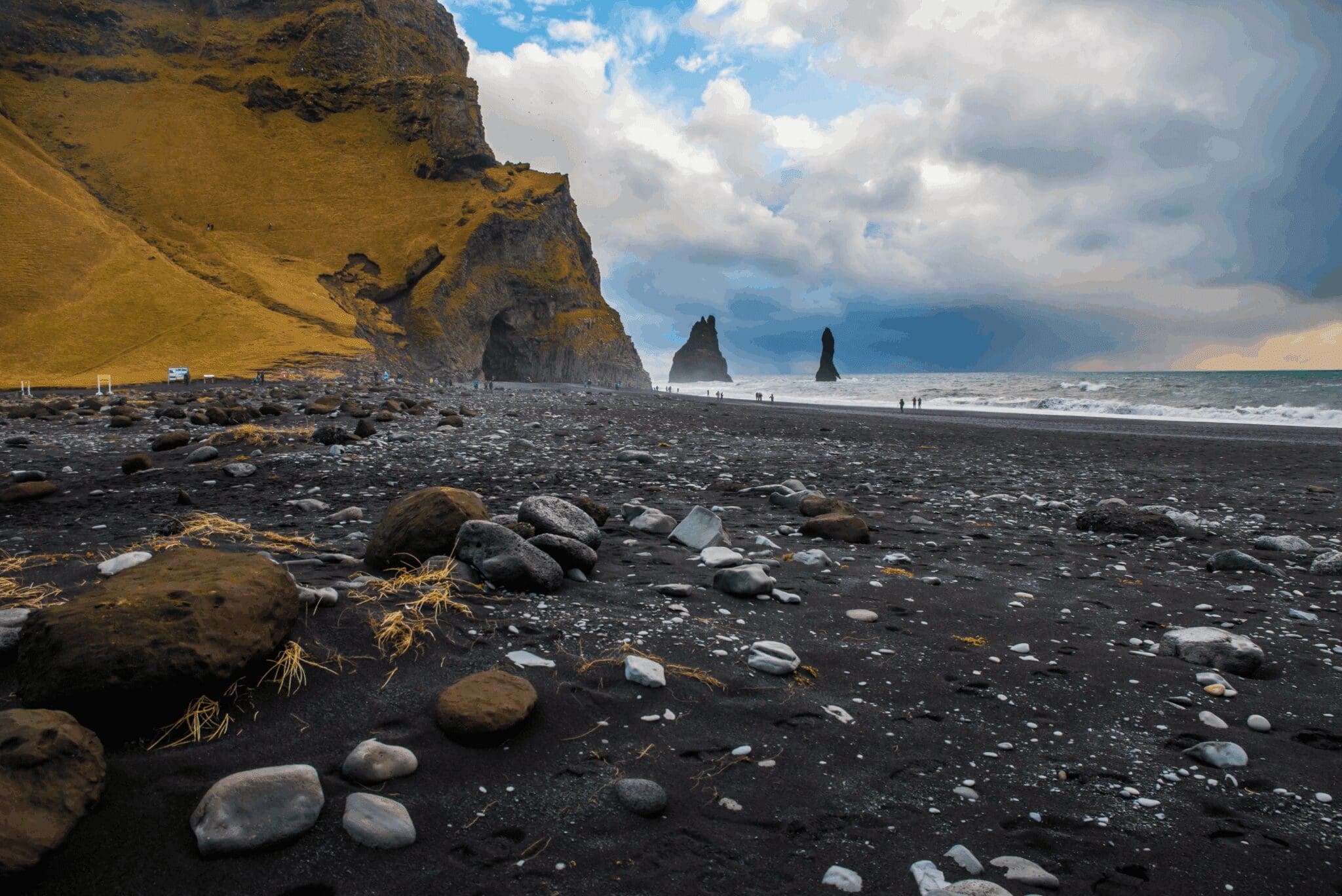
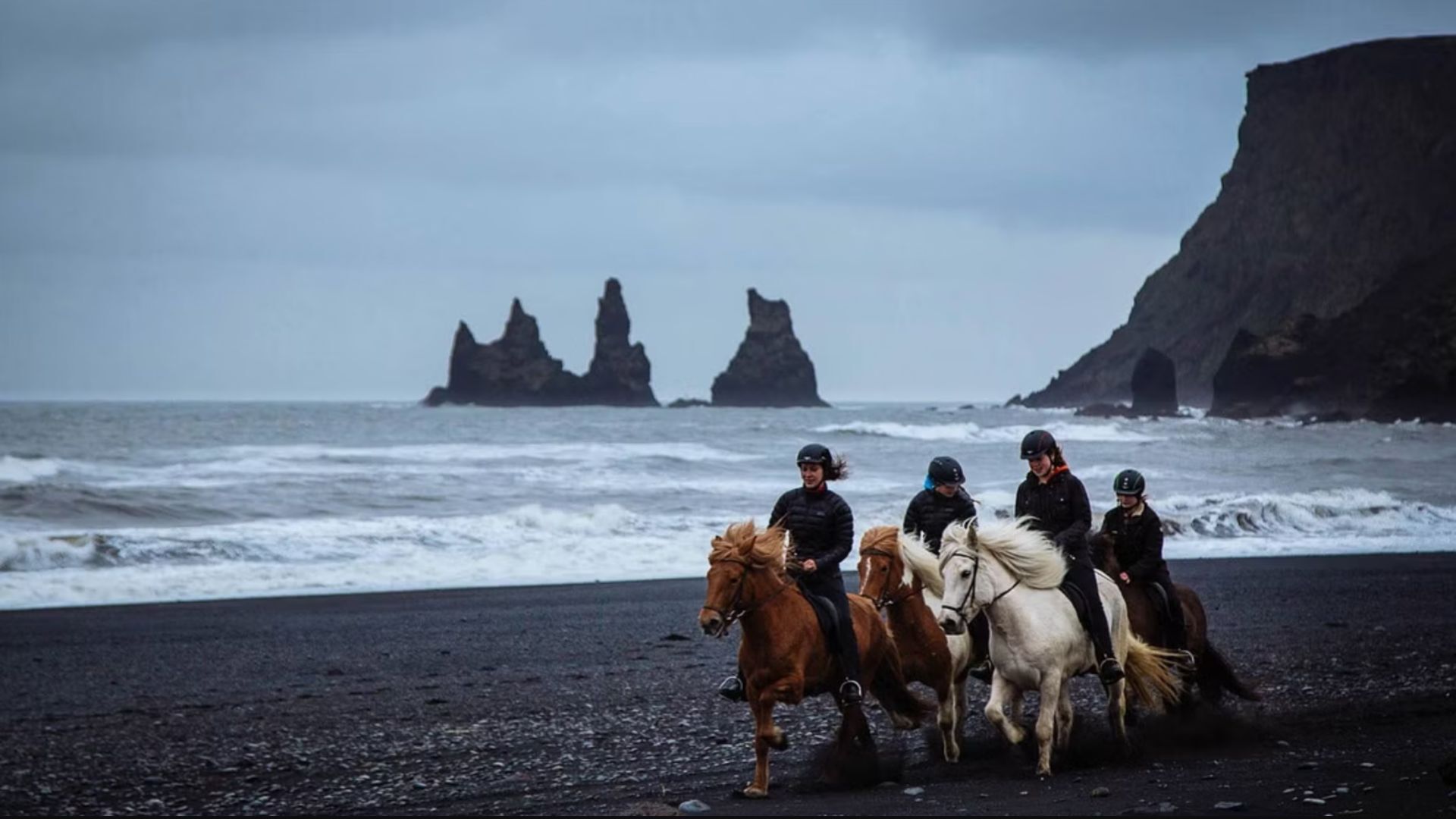
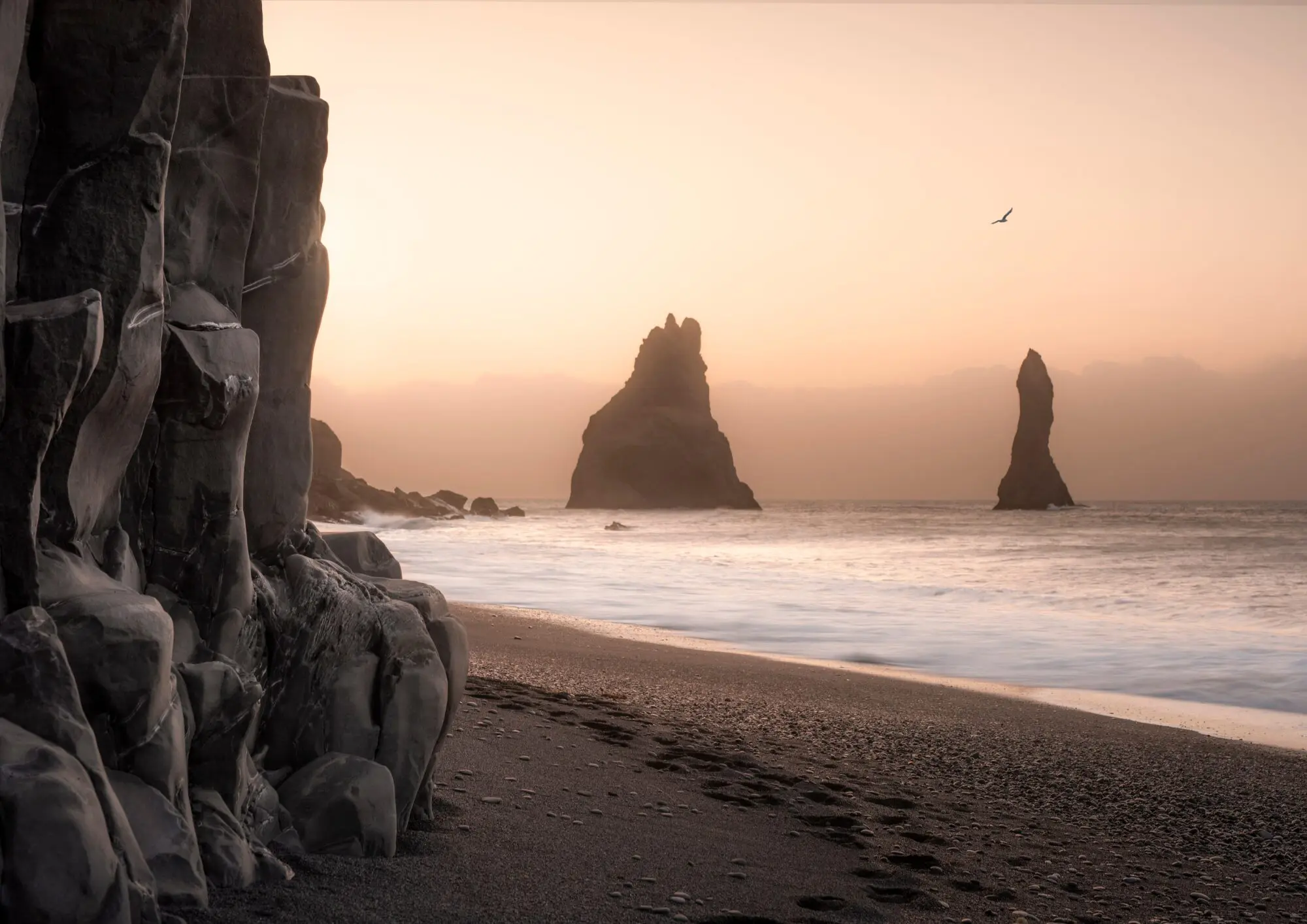
No journey along the South Coast would be complete without a visit to the Reynisfjara black sand beach. Step onto the dark volcanic sands and let the crashing waves serenade your senses. Marvel at the towering basalt columns that rise from the shoreline, creating a surreal and otherworldly atmosphere. But exercise caution, as the waves here can be powerful and unpredictable.
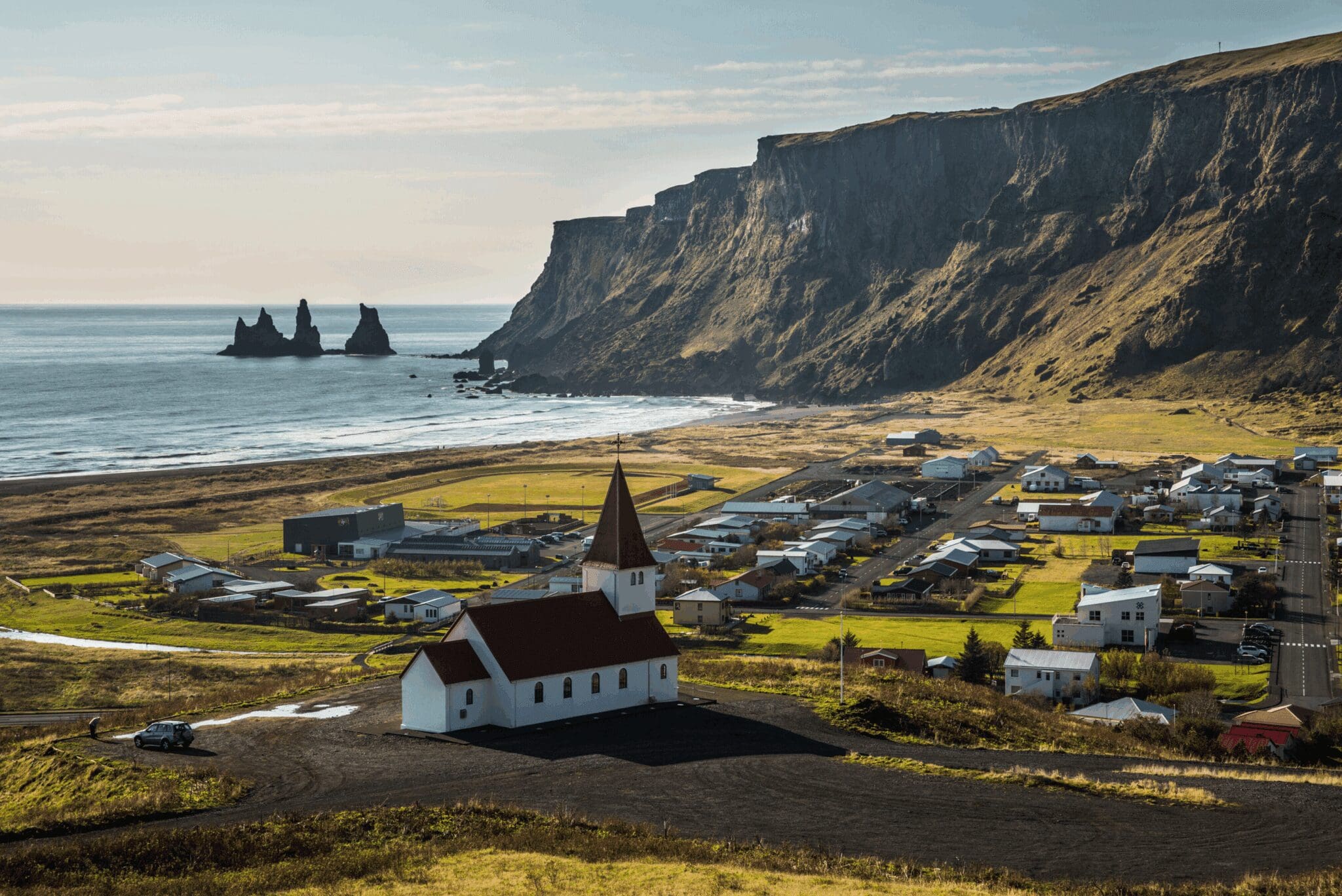
We wrap up our journey in the picturesque village of Vík, nestled in the breathtaking landscapes of the South Coast. Vík offers a harmonious combination of natural splendor and the quaint charm of a small town. One of the highlights in Vík is the enchanting Víkurkirkja, a charming church on top of a hill that attracts visitors with its timeless architecture and stunning surroundings. It's a beloved spot for capturing the beauty of the area.
With our private tour, you'll have the opportunity to fully immerse yourself in the wonders of the South Coast of Iceland. Let our experienced guides lead you on an unforgettable journey, where each stop unveils a new layer of natural beauty and leaves you with memories that will last a lifetime.
Seljalandsfoss ist ein atemberaubender Wasserfall, der 62 Meter (203 Fuß) hoch ist Der Wasserfall ist ein Teil des Flusses Seljalandsá und wird von Quellwasser gespeist, das aus dem Moor HamragarMPahei1i stammt Viele Menschen glauben, dass Seljalandsfoss durch Schmelzwasser des gletscherbedeckten Eyjafjallajökull gespeist wird, einem Vulkan, der 2010 berühmt ausgebrochen ist und den Flugverkehr in ganz Europa beeinträchtigt hat Das Wasser in Seljalandsfoss ist jedoch aufgrund seiner Quellwasserquelle hell und sauber.
Der Wasserfall stürzt in eine wunderschöne Wiese, so dass er wie ein Vorhang über einer hohen Klippe aussieht, die einst eine Küste am Ozean markierte, bevor Eruptionen das Land verlängerten Ein Spazierweg hinter dem Wasserfall ermöglicht es den Besuchern, einen einzigartigen Winkel des Wasserfalls und seiner Umgebung zu sehen Dieser Weg führt hinter dem Wasserfall und um ihn herum weiter.
Seljalandsfoss gehört zu den meistfotografierten Wasserfällen Islands, und das aus gutem Grund, er war in Justin Biebers Musikvideo “I'll Show You” zu sehen und war das Hinspiel der sechsten Staffel der US-amerikanischen Serie “The Amazing Race”
Wenn Sie vorhaben, hinter Seljalandsfoss zu gehen, tragen Sie Schuhe mit gutem Halt, da der Weg rutschig sein kann. Tragen Sie außerdem wasserdichte Kleidung aufgrund der Sprühungen des Wasserfalls.
Gljúfrabúi is a hidden gem located near the magnificent Seljalandsfoss waterfall in Iceland. As you enter the enchanting canyon of the Gljúfursá river, you will be greeted by the awe-inspiring sight of Gljúfrabúi. This stunning waterfall stands at 40 meters (131 feet), making it one of the tallest waterfalls in Iceland. The canyon is a true marvel of nature, with its walls adorned in lush moss, creating a vibrant and colorful backdrop for this captivating natural wonder. The combination of the roaring Gljúfursá river and picturesque surroundings makes Gljúfrabúi a must-visit destination for nature lovers and adventure seekers.
Visiting Gljúfrabúi is about witnessing its beauty from a distance and immersing yourself fully in the experience. Be prepared to get wet as you venture into the canyon and get up close to the majestic waterfall. The sound of the cascading water and the spray that fills the air will awaken your senses and leave you in awe of the power and grandeur of nature.
To make the most of your visit, it is recommended to wear waterproof shoes and clothing, as you will be walking through streams and getting close to the waterfall. The feeling of the cool water on your skin and the misty air surrounding you will make for a truly unforgettable experience. Don’t forget to bring your camera to capture the beauty of Gljúfrabúi and create lasting memories of your time in Iceland.
Gljúfrabúi is not just a place to visit but also a place to connect with nature and appreciate the wonders of the world. It serves as a reminder of the beauty and power in our natural surroundings and is a testament to Iceland’s incredible landscapes. So, when you find yourself in Iceland, be sure to include Gljúfrabúi in your itinerary and prepare to be amazed by its mesmerizing beauty.
Skógafoss ist ein atemberaubender Wasserfall in Island, der im winzigen Dorf Skógar liegt und etwa 25 Einwohner hat. Nach starken Regenfällen fällt er 60 m (197 Fuß) von einer im Laufe der Zeit erodierten Klippe ab. Der Wasserfall ist 25 m (82 Fuß) breit und kann nach starken Regenfällen bis zu 30 m (98 Fuß) breit werden. Skógafoss liegt am Skógá-Fluss, der unter dem Eyjafjallajökull, einem gletscherbedeckten Vulkan, der zuletzt im Jahr 2010 ausbrach, entspringt Skógafoss wurde durch die gesamte Asche, die während des Skágógógógóg-Flusses in den Fluss wehte.
An sonnigen Tagen kann man aufgrund der erheblichen Sprühmenge, die der Wasserfall erzeugt, sehen, wie sich ein Regenbogen bildet, manchmal sogar ein doppelter Regenbogen. Der Bereich unter dem Wasserfall ist flach, was das Gehen bis dorthin erleichtert. Beachten Sie jedoch, dass Sie durch das Sprühen nass werden können Wenn Sie sich abenteuerlustig fühlen, können Sie eine 527-stufige Treppe zu einer Beobachtungsplattform über dem Wasserfall hinaufsteigen und so einen fantastischen Blick auf die Küste bieten.
Die Klippe, auf der Skógafoss kaskadiert, markiert die ehemalige Küstenlinie der Südküste. Dieser prächtige Wasserfall wurde in verschiedenen Populärkulturen gezeigt: die Musikvideos Fjara von Sólstafir im Jahr 2012 und I'll Show You von Justin Bieber im Jahr 2015, die Filme Thor: The Dark World und The Secret Life of Walter Mitty aus dem Jahr 2013 sowie die TV-Serien Vikings (Staffel 5) und Game of Thrones (Staffel 8).
Das Volksmuseum besitzt einen bemerkenswerten goldenen Griff, der aus einer mit Gold gefüllten Truhe stammen soll, die dem Siedler órolfsson gehört, der die Truhe vor seinem Tod um 900 n. Chr. hinter Skógafoss versteckte. Es wurden viele Versuche unternommen, sie zurückzuholen, bis ein Seil am Griff befestigt war, um eines Tages die Truhe herauszuziehen, aber der Griff brach ab und die mit Gold gefüllte Truhe blieb für immer verloren. Dieser Griff diente bis 1890 als Türgriff an der Kirche von Skógakirkja.
Nestled in the breathtaking gorge of Kvernugil, near the Skógafoss waterfall, the Kvernufoss waterfall is a hidden gem that will take your breath away. This stunning waterfall uniquely blends two of Iceland’s most famous waterfalls – Seljalandsfoss and Gljúfrabúi, making it a must-visit attraction for anyone who loves nature. With a towering height of 30 meters (98 feet), Kvernufoss is a majestic sight often overlooked by tourists.
One of the most fascinating things about Kvernufoss is that it is situated inside a canyon covered in lush green moss, creating a stunning natural wonderland that is truly captivating. The moss-covered walls of the canyon are a sight to behold, and the way they contrast with the crystal-clear water of the waterfall is simply breathtaking.
But that’s not all – behind the waterfall is a cave that allows visitors to walk behind the cascading water, providing an unforgettable experience you won’t find anywhere else. Walking behind the waterfall is an adventure that is both exhilarating and awe-inspiring. The sound of the water crashing down, the mist in the air, and the feeling of being surrounded by nature is a memory that will stay with you forever.
Overall, Kvernufoss is a hidden treasure waiting to be discovered by anyone who loves nature, adventure, and stunning scenery. Whether you’re an avid hiker or just looking for a unique experience, this majestic waterfall is worth a visit.
The Sólheimajökull outlet glacier is situated in the southwestern part of the Mýrdalsjökull ice cap, stretching for 11 km (6.8 mi) in length. This glacier is easily accessible; a 15-minute walk leads to a viewpoint towards its edge. The ice is bluish-white and covered in black ash bands from the nearby volcanic eruptions. Most of the ash comes from the Hekla volcano, which stands at an elevation of 1,491 m (4,892 ft), and the Katla volcano, which is the most active volcano in Iceland and lies beneath Mýrdalsjökull. Katla usually erupts twice every century, so it is expected to erupt soon.
Over the past 100 years, Sólheimajökull has been retreating and advancing, and since 1930, its snout’s location has been measured yearly. The measurements and aerial photos depict the glacier’s rapid melting caused by global warming. In 2011, a lagoon began forming in front of Sólheimajökull, which has grown in diameter and depth due to the glacier retreating as much as 50 m (164 ft) per year. Studies reveal that within the next 100-200 years, all glaciers in Iceland will become extinct.
Sólheimajökull is the most popular outlet glacier for glacier hiking, offering a spectacular view of the vast black sand desert, Sólheimasandur. It was formed in a glacier outburst flood from the Katla volcano system lying underneath Mýrdalsjökull. The desert also houses the wreckage of a DC-3 plane from the US Navy, which ran out of fuel and landed there in 1973. All aboard survived the landing; the wreckage was left there, making it a popular attraction. However, it is forbidden to drive to the wreckage, and it’s strongly advised against trying to walk to it since people can get lost or, even worse, lose their lives, as some have.
Dyrhólaey is a promontory in Iceland that used to be the southernmost point until the Kötlutangi spit formed during the 1918 eruption of the Katla volcano. It is 120 m (390 ft) high and was formerly an island that originated from an underwater eruption over 100,000 years ago. The promontory features a gigantic black archway of lava that has eroded over centuries, forming a hole big enough for boats to pass through, hence the name Dyrhólaey (e. Door Hill Island). The archway stands in front of the promontory, similar to the famous Surtsey eruption in 1963, southwest of the Westman Islands.
Dyrhólaey is divided into two sides: the western and higher side, called Háey, is made of tuff, while the lower and eastern side, called Lágey, is mainly made of basalt. The southern end of Dyrhólaey forms a 100 m (328 ft) high narrow strip with vertical cliffs facing out to sea on either side.
On top of Dyrhólaey is the square concrete Dyrhólaeyjarviti lighthouse, designed by the renowned Icelandic architect Guðjón Samúelsson and built in 1927. The lighthouse has a red-painted lantern tower that shines a bright light and has the most powerful lens of all lighthouses in Iceland. The view from Dyrhólaey over to the Reynisfjara black sand beach is quite spectacular, and on clear days, the view extends even further.
Dyrhólaey is an important nesting site for seabirds, and from May to September, puffin colonies reside on its cliffs. Since it is a nature reserve, access to Dyrhólaey is sometimes limited from the beginning of May until late June during the daytime to protect the birds during nesting season.
Der schwarze Sandstrand Reynisfjara ist ein beliebtes Ziel im Süden Islands, er hat schwarzen Sand und Basaltsäulenwände, die eine spektakuläre Attraktion schaffen.2021 wurde er von Big 7 Travel auf ihrer jährlichen Liste der 50 besten Strände der Welt als der 6. beste Strand der Welt eingestuft, allerdings kann es gefährlich sein, aufgrund der mächtigen Meereswellen und Steinschläge von den Klippen, die durch die Küstenerosion verursacht wurden Tragischerweise ereigneten sich dort im Laufe der Jahre tödliche Unfälle Das Klettern auf die Basaltsäulen für ein Foto mag zwar gefährlich sein, aber es ist nicht empfehlenswert, die Strandwellen plötzlich zu überraschen, von denen sie fast die steile Wogen bergen und aus dem steilen Meer herausziehen können.
Reynisdrangar ist eine Ansammlung von Basalt-Meereszinnen, die von Reynisfjara aus dem Meer emporragen, einer alten Erzählung zufolge entstanden sie, als zwei Trolle versuchten, ein Dreimastschiff nachts zur Landung zu ziehen Als das Tageslicht brach, wurden sie und das Schiff zu Stapeln von Zinnen, die im Meer standen Reynisdrangar ist dieselbe geologische Formation wie die 340 m (1.115 ft) hohen Berg Reynisfjall, die unerwartet von einem Ausbruch unter einem Gletscher in der letzten Eiszeit stammen, sollte der Berg unregelmäßige Schichten aus Tuffstein, Kissen, Vorgebirgen und Schleifen aus dem Island-Kasten sehen.
Reynisfjara ist ein bekannter Ort und hat in mehreren Filmen und Serien mitgewirkt, insbesondere in der isländischen Netflix-Serie Katla, der 7. Staffel von Game of Thrones, dem Film Star Trek: Into Darkness aus dem Jahr 2013 und dem Film Noah aus dem Jahr 2014.
Vík í Maurdal ist ein Dorf, das an der südlichsten Spitze Islands liegt, es hat eine Bevölkerung von etwa 750 Menschen und ist das einzige Dorf am Meer ohne Hafen Statt eines Hafens nutzen die Dorfbewohner Fischerboote mit Rädern, um ihren Fang in eine kleine Fischfabrik zu bringen, das Dorf ist relativ jung und wurde 1833 gegründet, als zwei Bauern begannen, Waren aus England zu importieren, um sie an die umliegenden Einwohner zu verkaufen Später wurde 1916 ein Unternehmen gegründet, um Waren zwischen England und Vík mit dem Schiff Skaftfellingur zu transportieren.
Im Jahr 2010 wurde das Dorf während des Ausbruchs des Eyjafjallajökull von Vulkanasche betroffen Außerdem wird bei stürmischem Wetter manchmal schwarzer Sand vom nahegelegenen Strand Víkurfjara durch das Dorf geblasen, wenn man im Sommer den Strand besucht, kann man jedoch verschiedene Seevögel wie Eissturmvögel, Möwen, Trottellummen und Papageientaucher beim Nisten beobachten. Möglicherweise entdeckt man auch Robben am Strand.
Vík liegt nahe der Gletscherkappe des Maudrdalsjökull, wo darunter der ruhende Vulkan Katla liegt, der Vulkan ist seit 1918 nicht mehr ausgebrochen, so dass bald mit einem Ausbruch zu rechnen ist, der bei einem Ausbruch genügend Gletschereis schmelzen könnte, um eine Sturzflut auszulösen, die das ganze Dorf Vík zerstören könnte Aufgrund dieser Möglichkeit üben die Dorfbewohner periodisch Bohrer, bei denen sie hoch oben auf einem Hügel zur Kirche Víkurkirkja eilen. Diese Kirche wird als einziges Gebäude angenommen, das einer solchen Flut standhält.
Das Dorf Vík und seine Kirche Víkurkirkja sind die Hauptschauplätze der isländischen Netflix-Serie Katla. Die Serie folgt einer Gruppe von Menschen in Vík, die nach Katlas Ausbruch zu kämpfen haben.
314.890 ISK
299.734 ISK
323.400 ISK
211.230 ISK
360.639 ISK
250.000 ISK
224.900 ISK
255.355 ISK
229.900 ISK
253.084 ISK
Reisetipps, neue Guides und ein Heads-up, wenn die Polarlichter-Prognose gut aussieht Kein Spam.