Recommended tour
Visitor Centre General Admission
40 minuti
From ISK

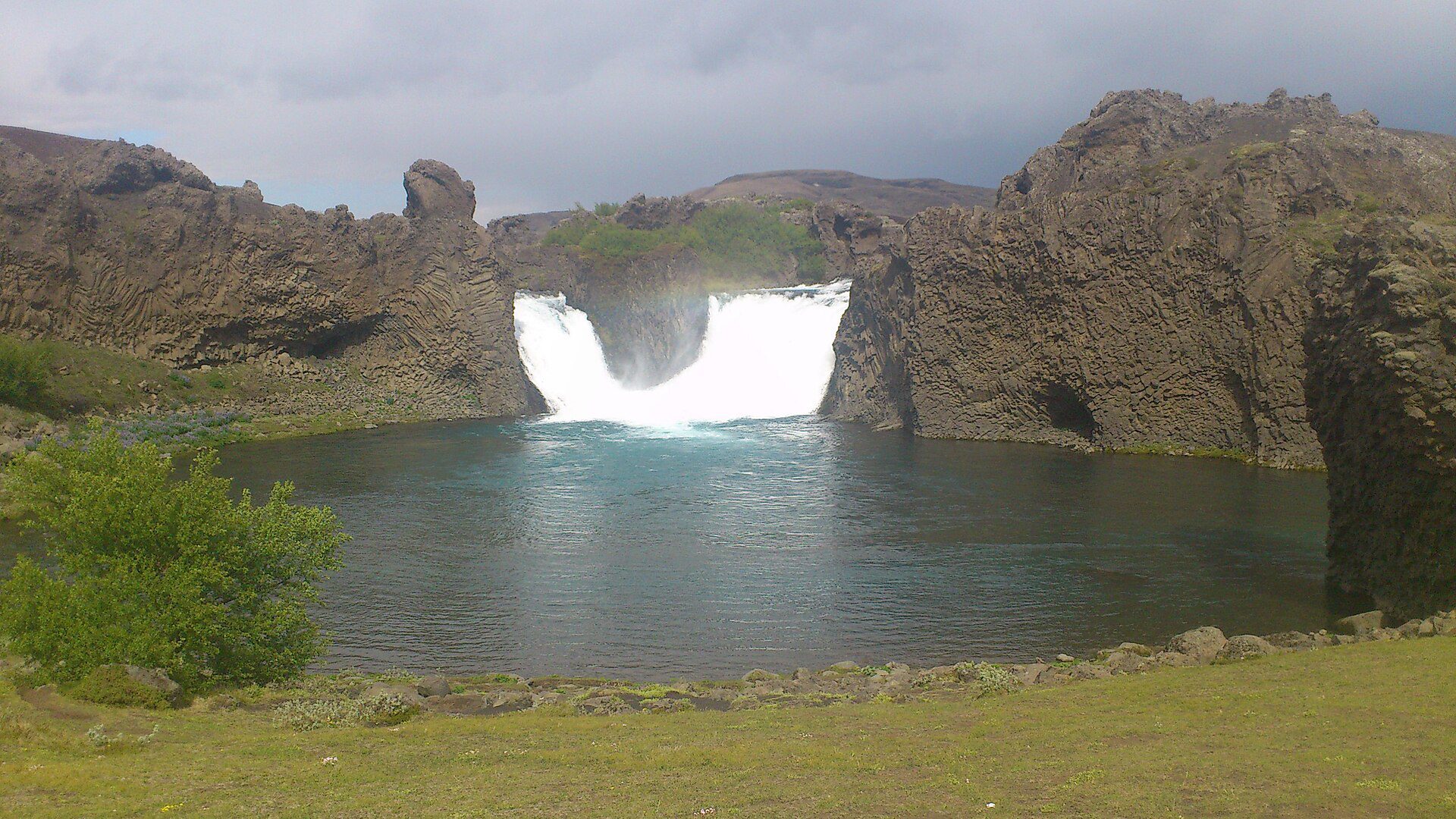
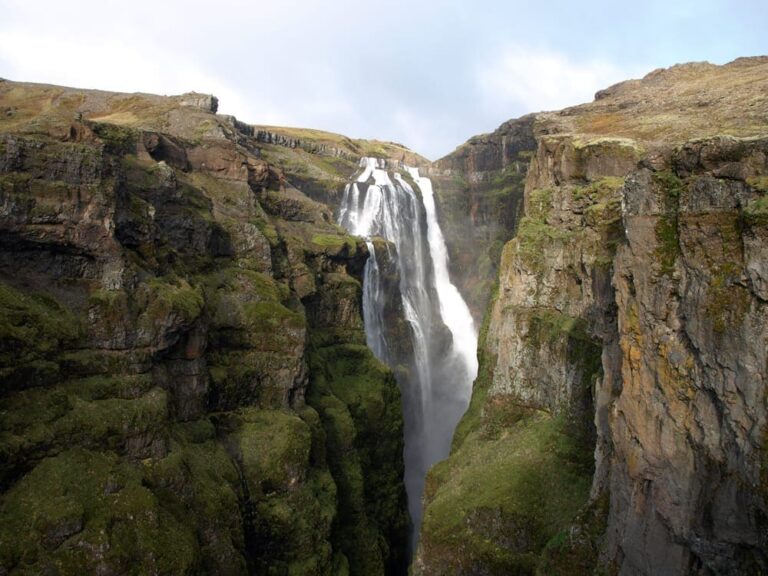
Iceland is renowned for its dramatic landscape, and few natural features capture the raw power and beauty of the island quite like its waterfalls. From thundering torrents that plunge hundreds of metres into misty gorges to delicate cascades framed by golden cliffs, Iceland’s waterfalls are among the most spectacular in the world. Whether you’re planning a short visit to Reykjavik or embarking on a comprehensive tour of the country, experiencing these natural wonders should be high on your itinerary. This guide explores the most impressive waterfalls across Iceland, helping you understand what makes each unique and how to visit them safely and responsibly.
Gullfoss, meaning “Golden Falls” in Icelandic, is one of Iceland’s most iconic and visited waterfalls. Located in southwest Iceland on the Hvítá River, this two-tiered waterfall drops approximately 32 metres in the first stage and a further 21 metres in the second, creating a spectacular display of water and mist. The waterfall earned its name from the way sunlight reflects off the mist, creating a golden glow on clear days.
The sheer power of Gullfoss is awe-inspiring. During spring and early summer, when glacial meltwater swells the river, the volume of water thundering over the falls is truly remarkable. Visitors can access viewing platforms at multiple levels, allowing you to experience the waterfall from different perspectives and distances. The lower platform places you close to the base where the mist rises dramatically, whilst higher vantage points offer sweeping views of the entire cascade and the surrounding canyon.
Gullfoss is a key attraction on the Golden Circle route, making it accessible for day trips from Reykjavik. The site is popular year-round, though visiting during off-peak seasons or early in the day helps you experience this natural wonder with fewer crowds.
Skógafoss is another of Iceland’s most renowned waterfalls, situated on the South Coast near the village of Skógar. This waterfall plunges approximately 60 metres over a cliff face, with a width of around 25 metres, making it one of Iceland’s most voluminous falls. The thunderous roar and towering spray are unmistakable from a considerable distance away.
What makes Skógafoss particularly special is its impressive volume of water combined with its accessibility. A well-maintained path leads directly to the base of the waterfall, and on misty days, the spray can be so intense that it feels almost like rain. On sunny days, the mist often creates perfect rainbow displays, making Skógafoss one of the most photogenic waterfalls in Iceland.
The waterfall is located in an area rich with hiking opportunities. From the base of Skógafoss, an excellent hiking trail extends inland, following a river past numerous smaller waterfalls and cascades. This trail eventually connects to other attractions in the region, offering adventurous visitors extended exploration opportunities beyond the main waterfall.
Seljalandsfoss is unique among Iceland’s major waterfalls for one distinctive feature: visitors can walk behind the curtain of water. Located on the South Coast, this waterfall drops approximately 60 metres from the cliff edge where a glacial river flows over the escarpment. The waterfall emerges from a stream that originates from the highlands, making it fed by glacial meltwater rather than a major river system.
The opportunity to experience a waterfall from behind is genuinely remarkable and provides a perspective impossible at most other sites. A well-trodden path allows visitors to venture behind the cascade, where you’ll find yourself enveloped in mist with the roar of falling water all around. Be prepared for wet conditions—even if you’re not standing directly under the water, the spray can thoroughly dampen clothing and waterproof gear is highly recommended.
Seljalandsfoss is situated conveniently along the main South Coast route, making it easy to include in an itinerary that also features other South Coast attractions. The site becomes increasingly challenging to visit during winter months when snow and ice accumulation can make the path hazardous, though summer access is straightforward.
Southeast Iceland’s Skaftafell region, within Vatnajökull National Park, features several spectacular waterfalls that rival more famous cascades in terms of natural beauty and dramatic setting. Svartifoss, meaning “Black Falls,” is the area’s most distinctive waterfall, surrounded by distinctive columnar basalt formations that frame the cascade in striking geometric patterns. The waterfall drops approximately 20 metres, and the contrast between the dark basalt columns and white falling water creates a uniquely photogenic scene.
Reaching Svartifoss requires a moderate hiking effort—approximately a two to three-hour round trip walk—which means fewer visitors experience this wonder compared to more accessible falls. However, the hike itself is rewarding, passing through varied Icelandic landscape and offering views of glaciers and mountains.
Nearby Hundafoss (Dog Falls) and Magnúsarfoss are smaller cascades that offer quieter alternatives and additional waterfall experiences in this glacial region. The varied terrain and multiple water features make the Skaftafell area invaluable for visitors seeking to experience Iceland’s waterfalls beyond the most heavily visited sites.
Dettifoss, located in northeast Iceland near Lake Mývatn, is often cited as Europe’s most powerful waterfall by volume. This immense cascade on the Jökulská á Fjöllum river is fed by glacial meltwater and can be quite overwhelming in its raw power. The waterfall drops approximately 45 metres and produces an almost deafening roar as millions of litres of water plunge into the gorge below.
Visiting Dettifoss requires travelling further from Reykjavik than other major waterfalls, making it less convenient for short-stay visitors. However, for those exploring Iceland more thoroughly, the journey to northeast Iceland offers the opportunity to experience this magnificent waterfall alongside other regional attractions, including nearby Selfoss, a more gentle cascade on the same river that offers a contrasting perspective on the river’s power.
Iceland’s waterfalls are breathtaking but demand respect. The rocks surrounding falls can be extremely slippery, particularly when wet or icy. Fatal accidents occur each year when visitors lose their footing on slick surfaces or venture into dangerous areas for photographs. Always remain on marked pathways, wear appropriate footwear with good grip, and never attempt to climb on rocks or cross barriers placed for your protection.
The power of falling water is deceptive. Water that appears calm at a distance can sweep people away with terrifying speed. Never wade into pools at the base of waterfalls, and keep children under close supervision at all times. Weather in Iceland changes rapidly, and conditions can deteriorate suddenly—always check forecasts and be prepared to abandon visits or alter plans based on dangerous conditions.
During winter months, many waterfall sites become genuinely hazardous due to ice formation. Some facilities close seasonally, and pathways can become impassable without specialist equipment. Research current conditions before visiting, and consider hiring local guides for winter waterfall exploration.
Photographing waterfalls effectively requires specific techniques and equipment. A polarising filter helps cut reflections in the mist and enhances colours in surrounding landscape elements. Consider bringing waterproof bags to protect your camera gear—the spray from major waterfalls can damage sensitive electronics.
Slow shutter speeds create the ethereal, silky-water effect seen in professional waterfall photographs. Using neutral density filters allows you to employ longer exposures even in bright daylight conditions. However, the most important element is positioning—spend time exploring different viewpoints before taking photographs, as slight adjustments in your stance can dramatically change the composition.
The best lighting typically occurs during the golden hours of early morning and late evening, when lower-angle sunlight enhances texture and creates potential for rainbow formation in mist. However, Icelandic midday light, though harsher, still produces stunning results due to the dramatic landscape and water contrasts.
Seasonal variations significantly affect the waterfall experience. Summer offers longest daylight hours, warmest temperatures, and fully accessible pathways. However, this season also brings the largest crowds. Spring and autumn provide moderate visitor numbers with reasonable accessibility, though conditions can be unpredictable.
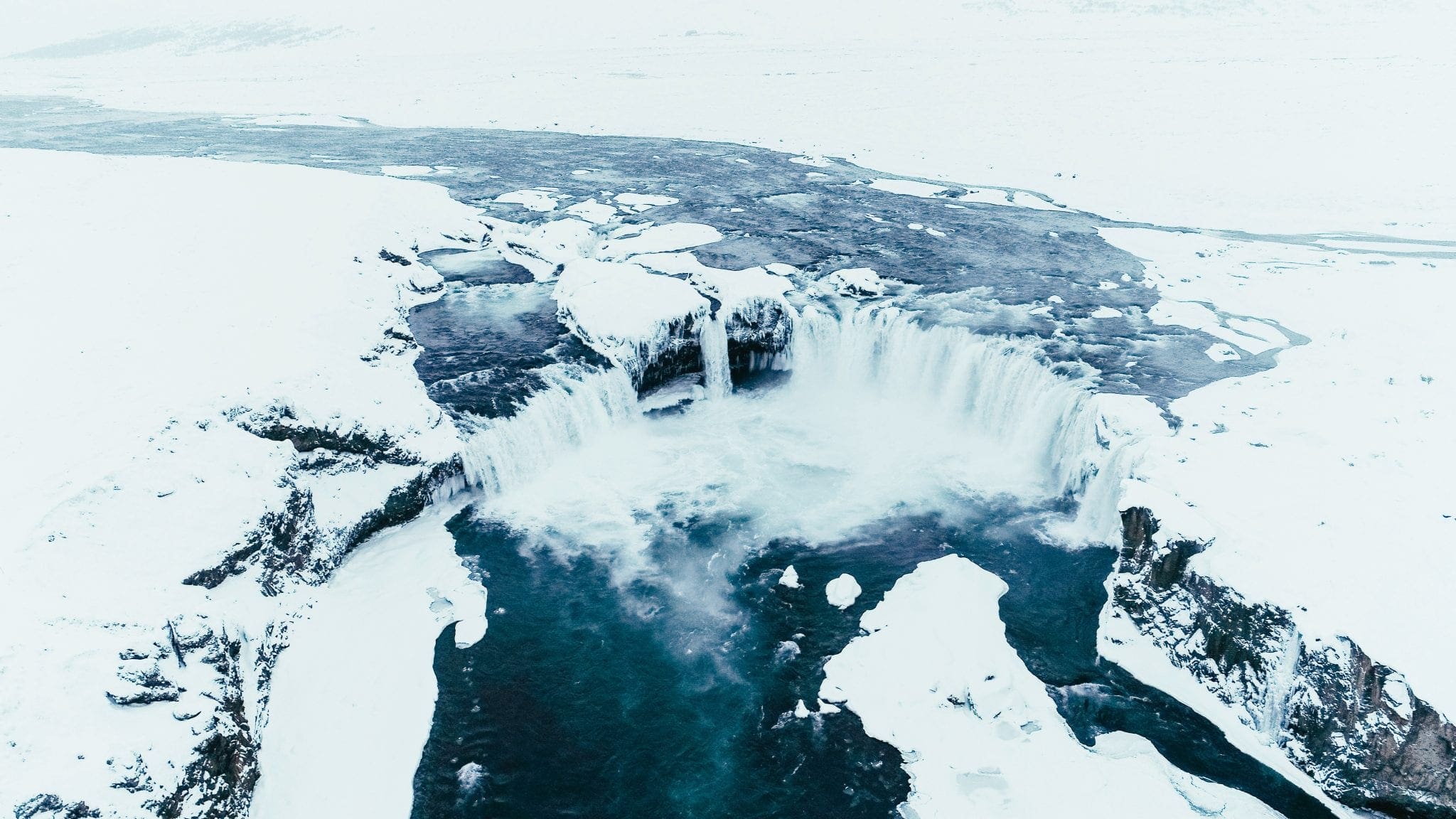
Winter visiting is challenging but offers unique rewards—frozen waterfalls create otherworldly landscapes, and snow-covered surroundings enhance photographic contrast. However, safety hazards increase significantly, and many pathways become treacherous or impassable without specialist equipment. Spring snowmelt increases water volume dramatically, creating the most powerful displays.
For most visitors, late spring through early autumn offers the optimal balance of accessibility, safety, favourable weather, and substantial water flow.
Most of Iceland’s major waterfalls are located on public land or in national parks and are free to visit. You may need to pay for parking at popular sites, though fees are modest. Guided tours to waterfall destinations vary in price depending on the tour operator and inclusions, but visiting independently requires only a vehicle rental and fuel costs.
Yes, several waterfalls are situated relatively close together, particularly along the South Coast and Golden Circle routes. A day trip from Reykjavik can reasonably include Gullfoss and Skógafoss with other Golden Circle attractions. However, avoid rushing—each waterfall merits time for safe exploration and photography rather than brief stops between locations.
Waterproof jackets and trousers are essential, along with sturdy hiking boots with good grip and ankle support. Layered clothing allows adjustment as conditions change throughout the day. Waterproof bags protect cameras and valuables. In winter, insulated waterproof gear, gloves, and thermal layers become necessary. Sunscreen and sunglasses help protect against intense UV reflection from water and light-coloured rocks.
Accessibility varies considerably between sites. Gullfoss has accessible viewing platforms, though reaching them involves some walking on uneven ground. Seljalandsfoss is reasonably accessible to the lower viewing area. Other sites, particularly Skaftafell waterfalls, require hiking on trails with significant elevation changes and uneven terrain. Contact site operators directly for detailed accessibility information about specific locations.
Gullfoss or Skógafoss are typically recommended for first-time visitors due to their impressive size, relative accessibility, and dramatic appearance. Gullfoss offers unique perspectives from multiple viewpoints, whilst Skógafoss provides a shorter walk to a spectacular cascade. Your choice depends on your fitness level, photography interests, and how much time you can dedicate to the experience.
Unisciti a Iceland Insider per nuove guide più un heads-up quando le previsioni dell'aurora sembrano buone Niente spam.



Consigli di viaggio, nuove guide e un heads-up quando le previsioni dell'aurora sembrano buone Niente spam.