Golden Circle with 6 stops & Sky Lagoon with Farm Visit (Private)
213.405 ISK
10 Klukkustundir og 30 mínútur

Hófsamur
300.000 ISK
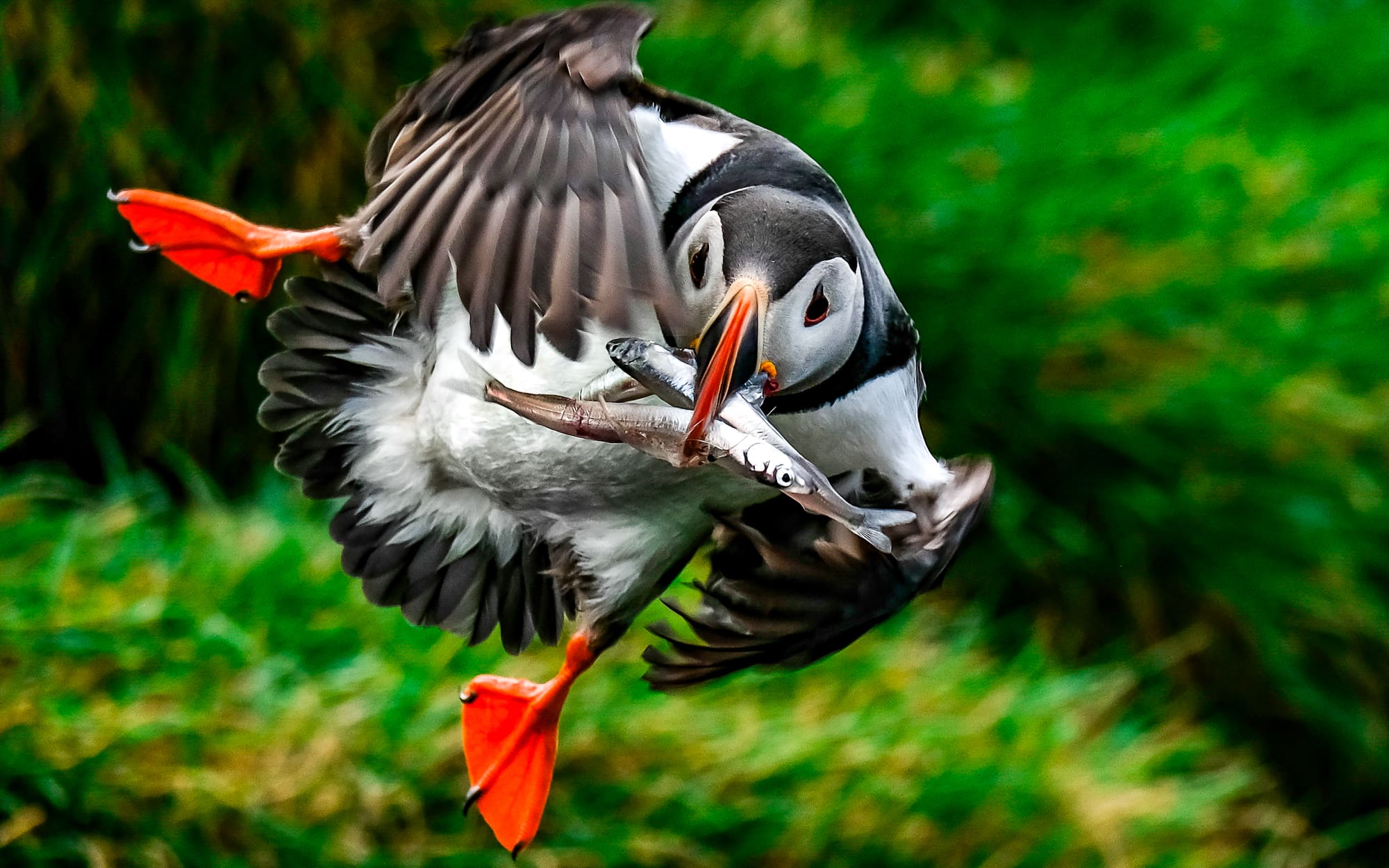
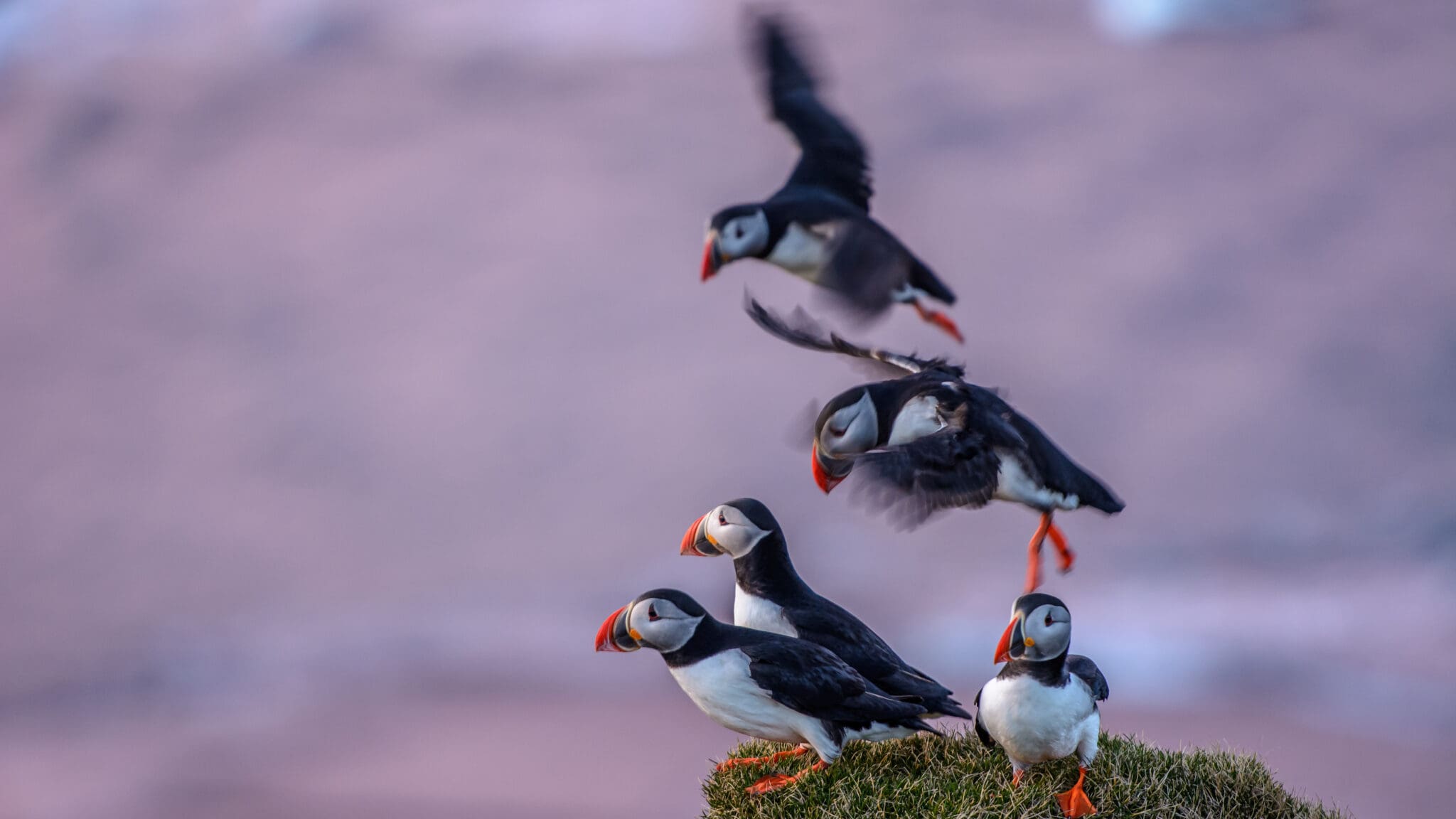
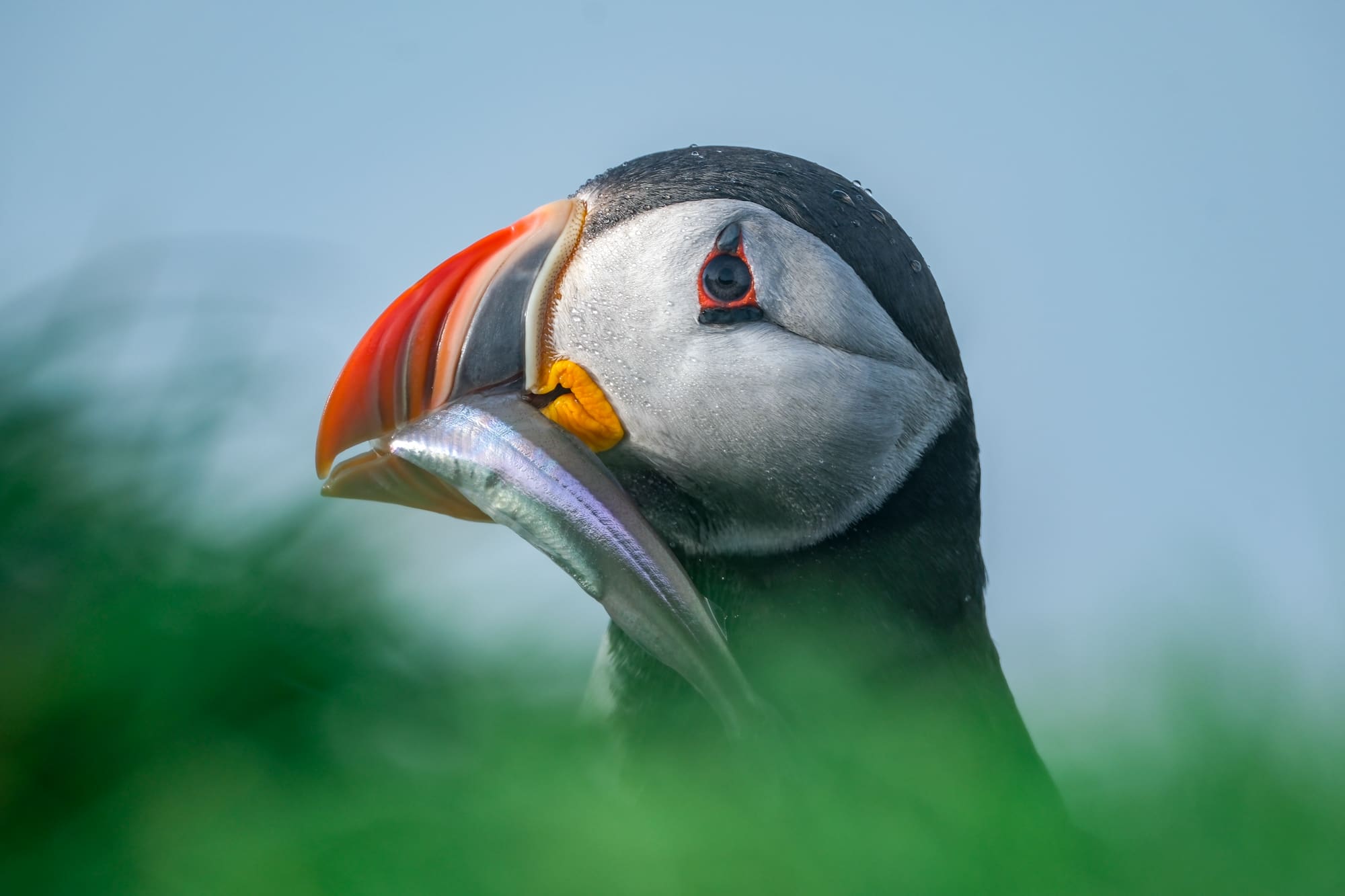
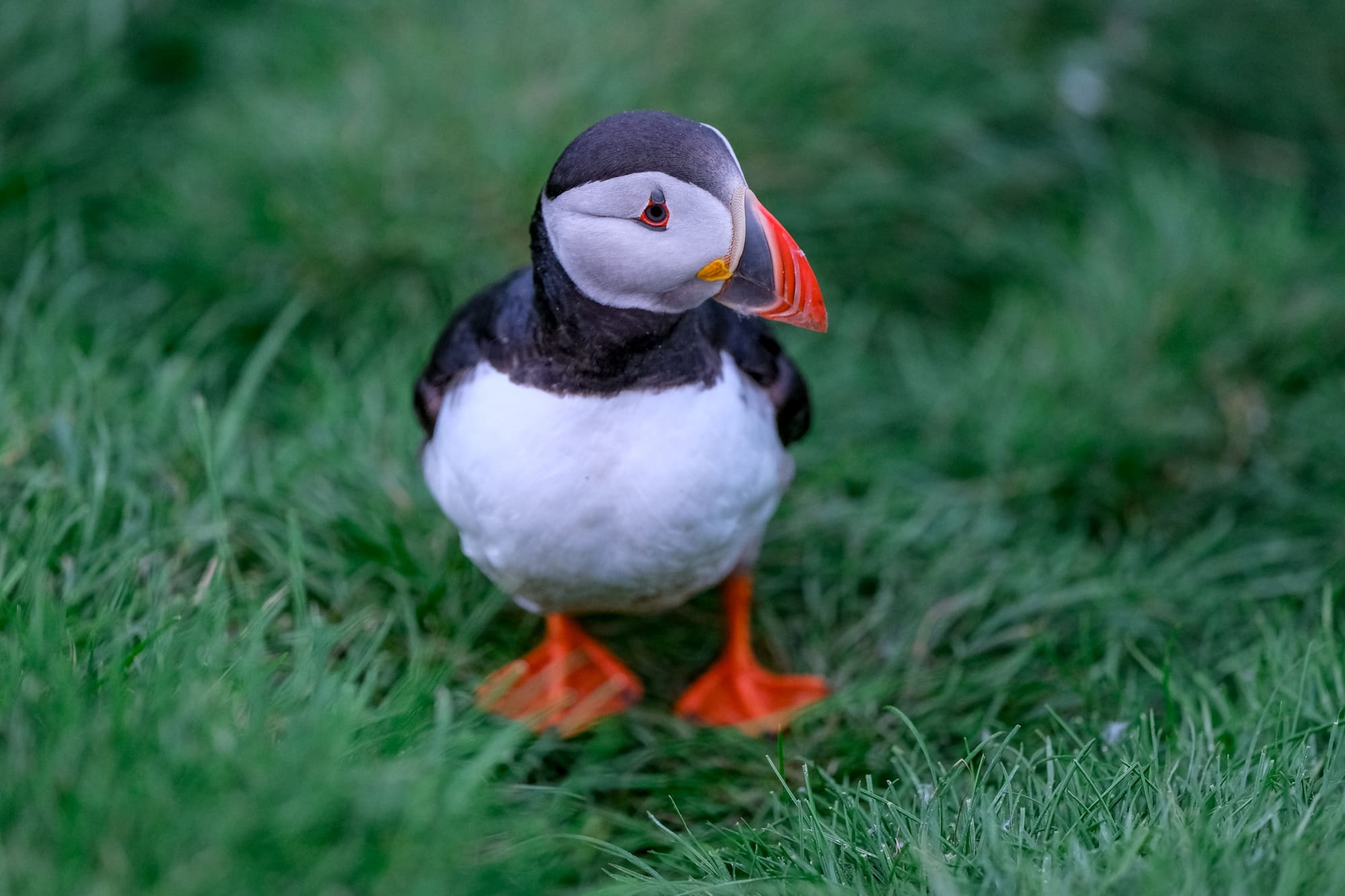
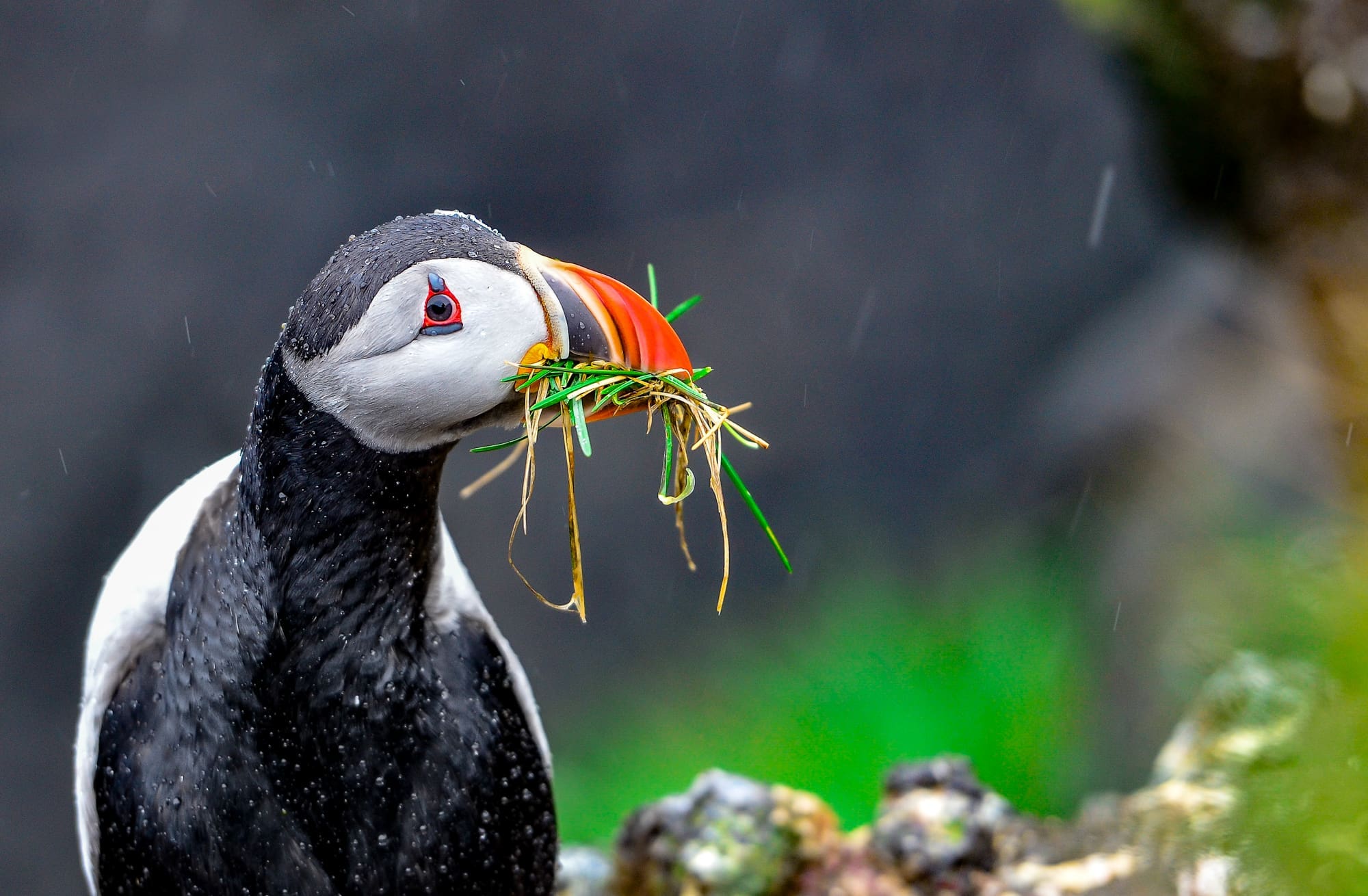
During all of our excursions to Ingólfshöfði, guests have the opportunity to observe and photograph the diverse birdlife. Recognizing that some photographers require additional time to work with advanced and heavy camera equipment, we offer exclusive private departures tailored for photography enthusiasts. These private tours are available by request at 6:45 AM on select mornings during puffin season.
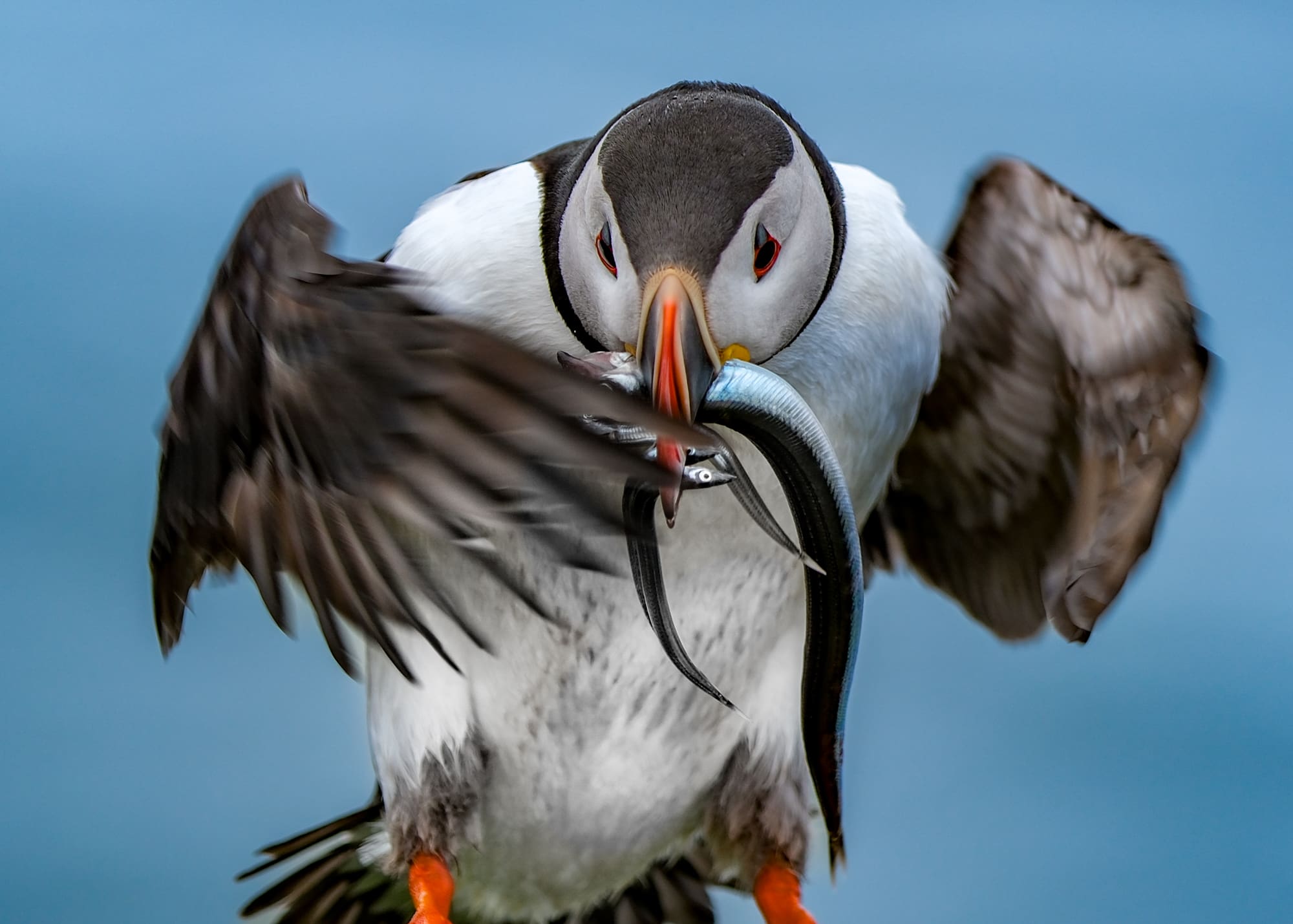
We recommend scheduling your visit between mid-June and early August, when puffins return from their first fishing trips of the day, often carrying sand eels to feed their chicks in the burrows. This period offers optimal conditions for capturing dynamic images of these remarkable birds.
We provide two pricing categories based on group size: for 1-6 participants, transportation is arranged via Land Rover Defender, while groups of 7-35 are transported with a tractor-pulled hay wagon. The focus of this tour is exclusively on photography, and we do not include historical commentary or general sightseeing as featured in our standard Ingólfshöfði Puffin Tour. Participation is recommended for those with a dedicated interest in photography.
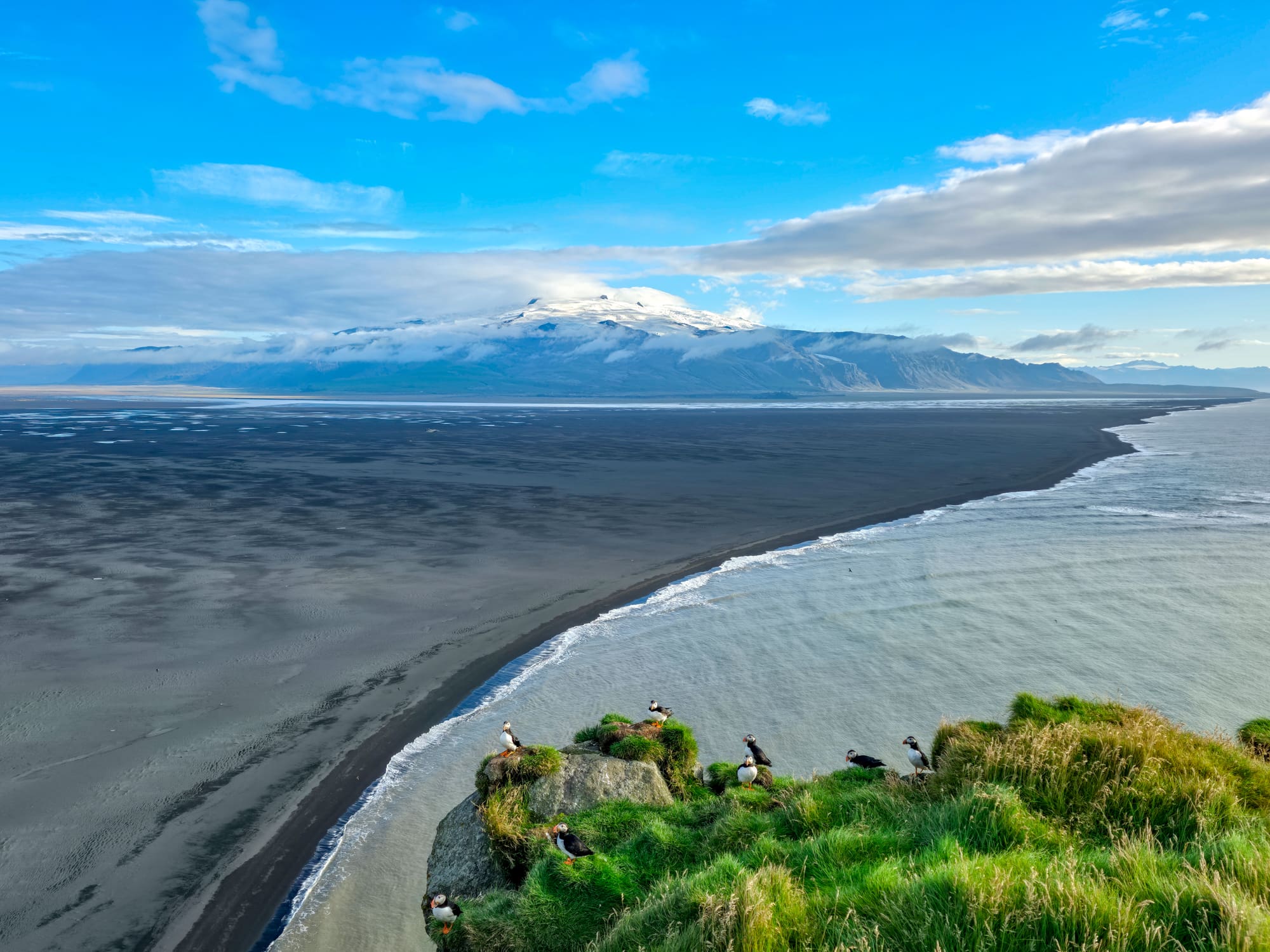
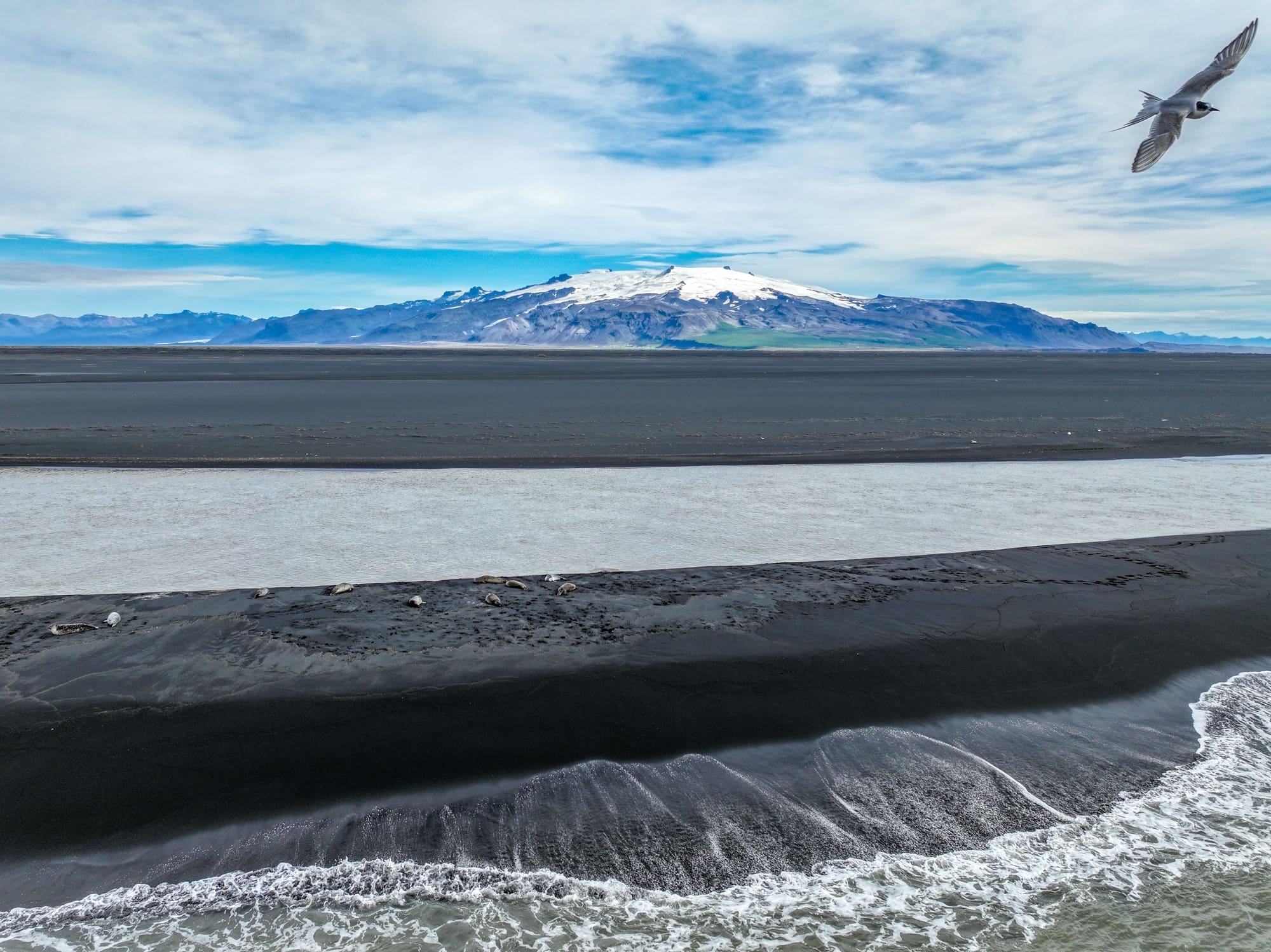
Upon request, private tours can also include time for drone photography on the beaches of Hofsnes and the Hofsnes Sand Flats. Please note that drone usage is strictly prohibited within the Ingólfshöfði nature reserve during bird season.
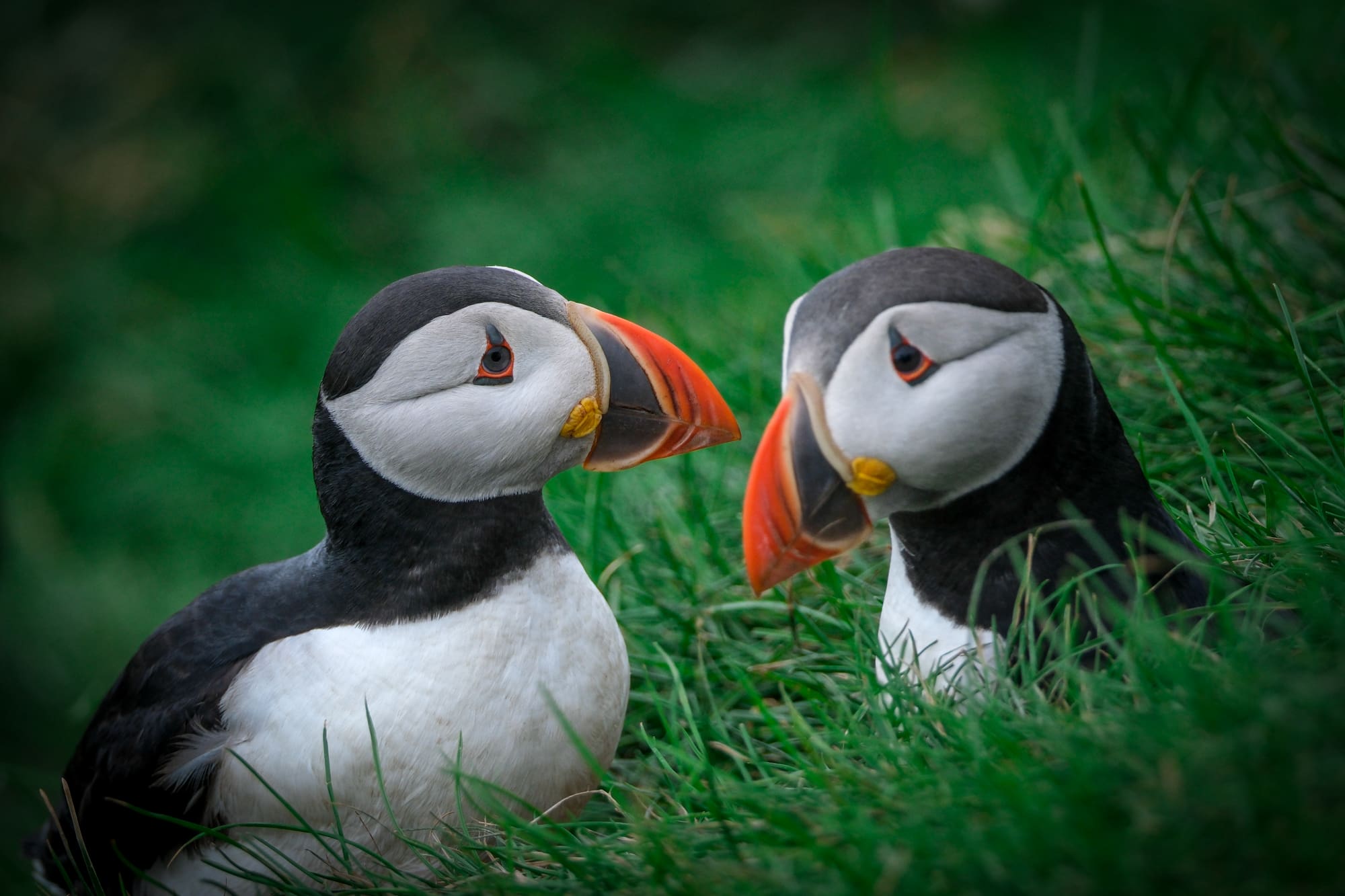
The peak period for early morning puffin photography aligns with the time when puffins begin bringing fish back to their burrows. Pufflings typically hatch from early to mid-June, leading to increased puffin activity through July and into early August. During this time, parent puffins work diligently for approximately six weeks to provide enough food for their chicks before they are ready to fledge and head out to sea.
A ride with the tractor pulled haycart to the cape, (or Land Rover Defender for 1-6 clients) and guidance around the cape to the best photo locations.
Our clients can park for free on Ingólfshöfði Parking.
Long lens and plenty of battery for your camera. Be careful that we will go in all kind of weather so be equipped for rain and wind just in case. In some cases a normal lens or even wide angle is nice, for landscape. Tripod are usually not used, but if you want, of course you are welcome to bring one. If you have a drone we have possibility to organise time to use it, on our own private land of Hofsnes farm. The farm covers the area all the way from 5 km north of the main road and reaches the sea on both sides of Ingólfshöfði. But the nature reserve Ingólfshöfði is off limits for drone photography. It is possible to get permission from the national park to fly drone there off bird season though, but such licence is highly unlikely to get during summer months while thousands of seabirds are nesting on top of the cape and in the vertical cliffs all around it.
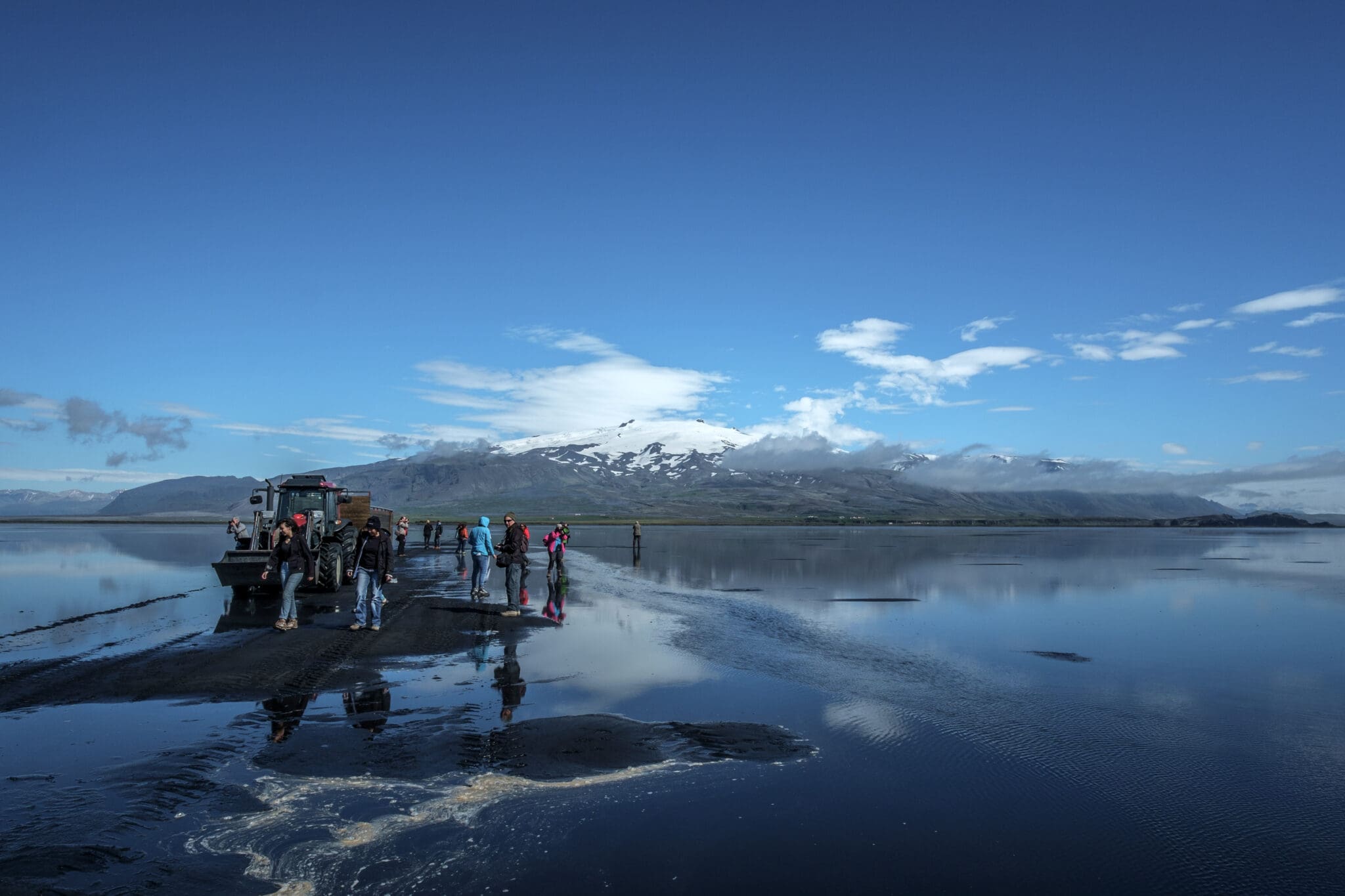
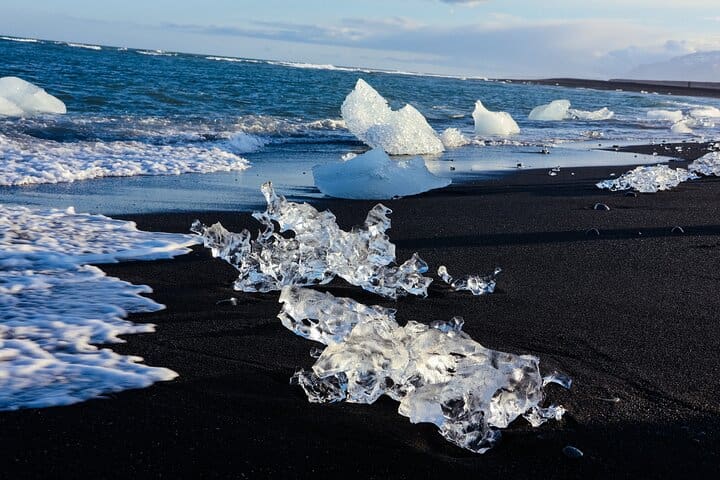
On the way to Ingólfshöfði we will be driving over the endless sand flats of the farm Hofsnes. These sand flats are mostly created since 1861 by giant glacier floods that came down from Skeiðarárjökull, from the caldera of Grímsvötn that is in the west side of the middle of Vatnajökull ice cap.
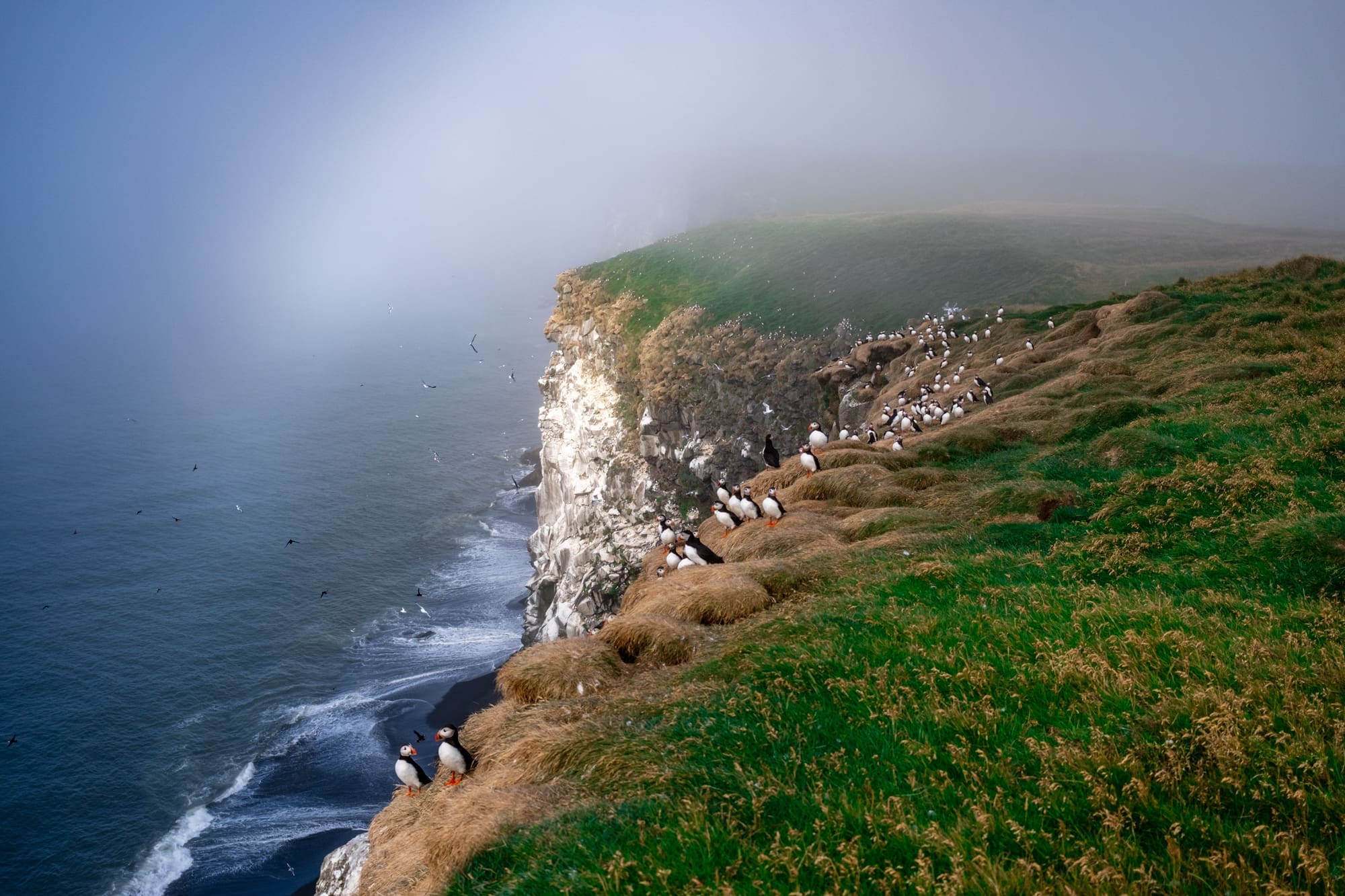
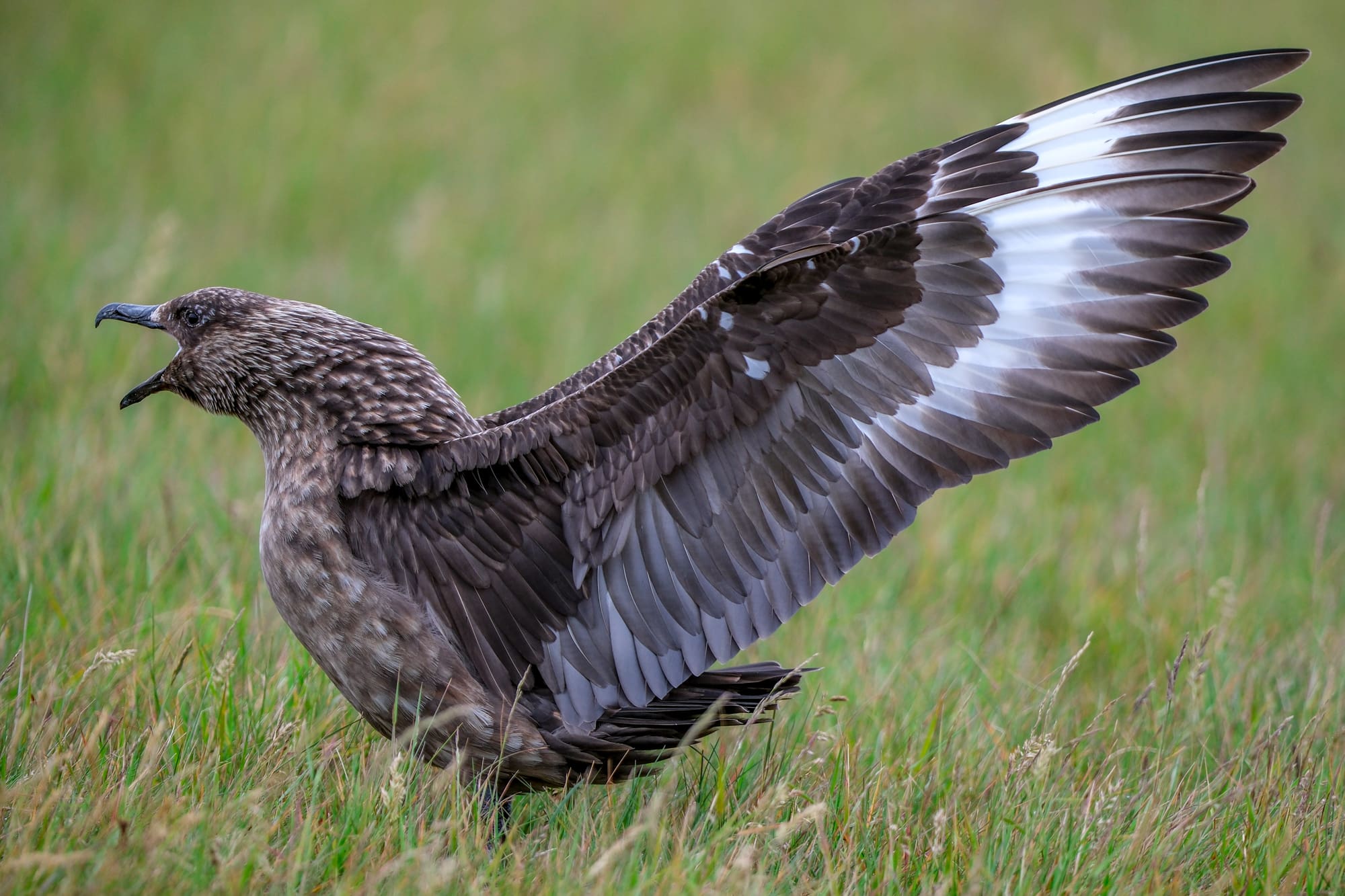
Please note: in all our trips to Ingólfshöfði we are careful not to disturb the birds for too long time, and to make sure that the birds can continue to tend to their chicks or eggs, we never spend long time close to their nests. It is easy to forget the time when you are making beautiful photographs, so we ask for good cooperation of every member of the group. The rule we use is that all the photographers stay in view of our guide the whole time, and when we ask the group to move from one side of the cape to the other, every one comes with us. In earlier part of the summer there are about 100 pairs of great skuas and some pairs of great black-backed gulls nesting on the cape, and they need to keep their eggs warm (or their small chicks) so it is not good to stay to long in one place if there are nests near by.
On the other hand, the puffins nests inside the ground so we can spend more time there without affecting their nesting. But be aware of if you are photographing a puffin with fish, and he stands there for multiple minutes, you are probably standing on or too close to the entrance of his burrow and he can not get inside to feed his puffling. So back away 20 meters or so if you have been photographing the same fish bringing puffin for many minutes.
213.405 ISK
216.038 ISK
180.960 ISK
293.629 ISK
199.288 ISK
377.800 ISK
15.000 ISK
13.700 ISK
174.554 ISK
180.000 ISK
Ferðalög ábendingar, nýjar leiðsögumenn og heads-up þegar norðurljósaspáin lítur vel út. Engin ruslpóstur.