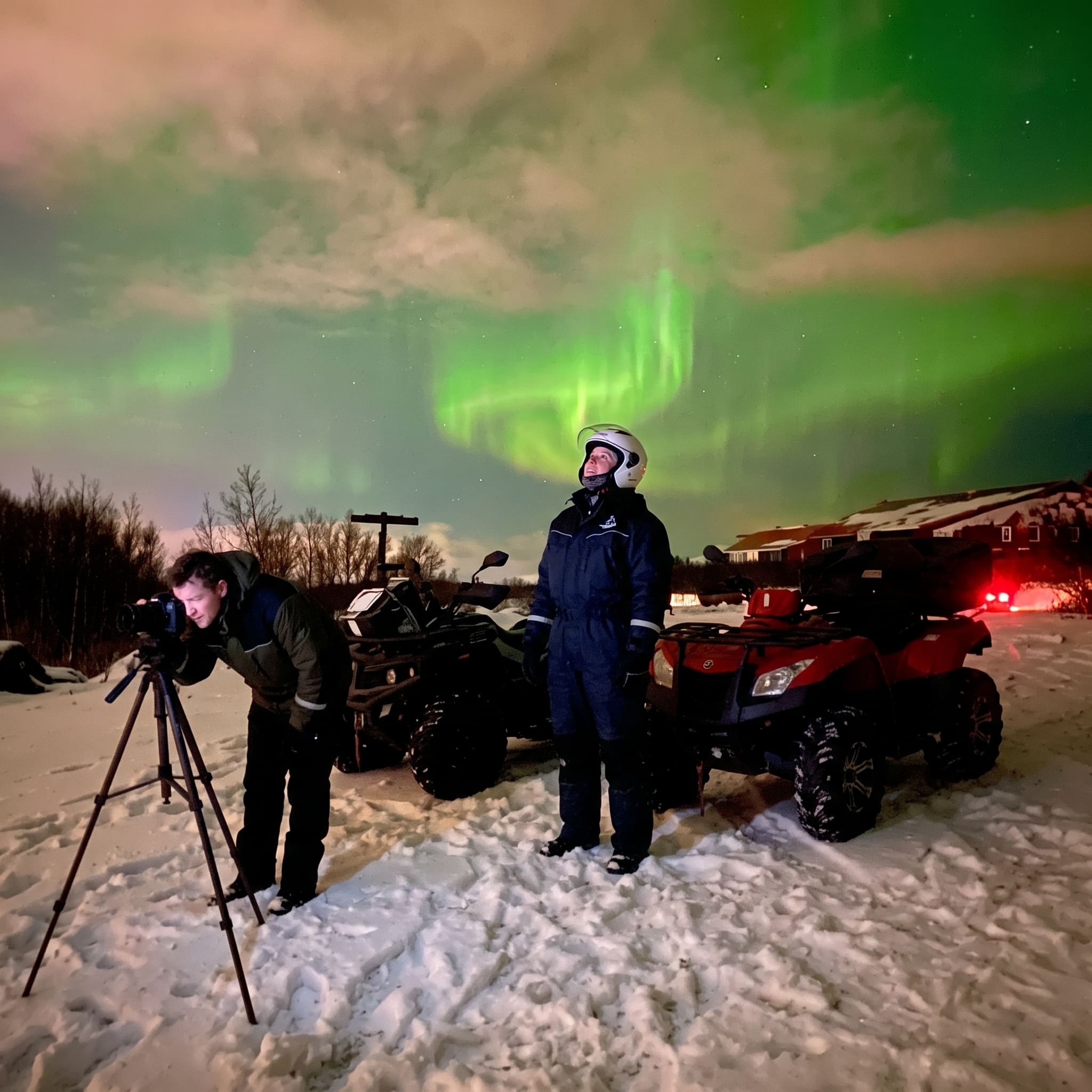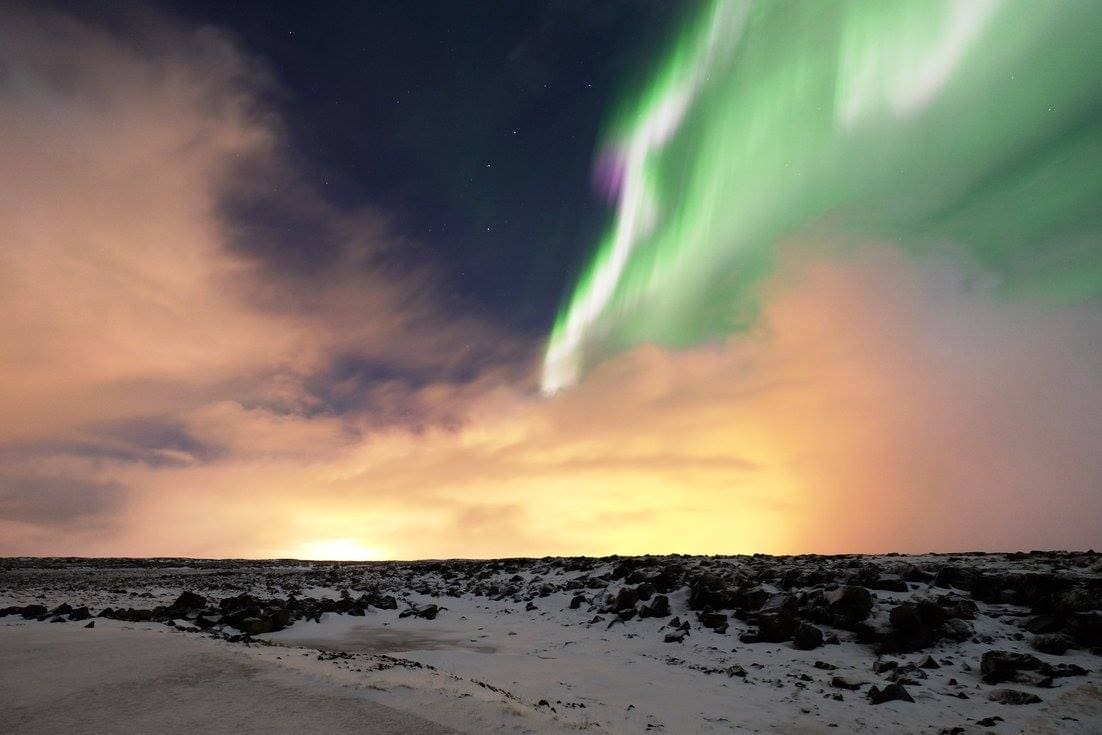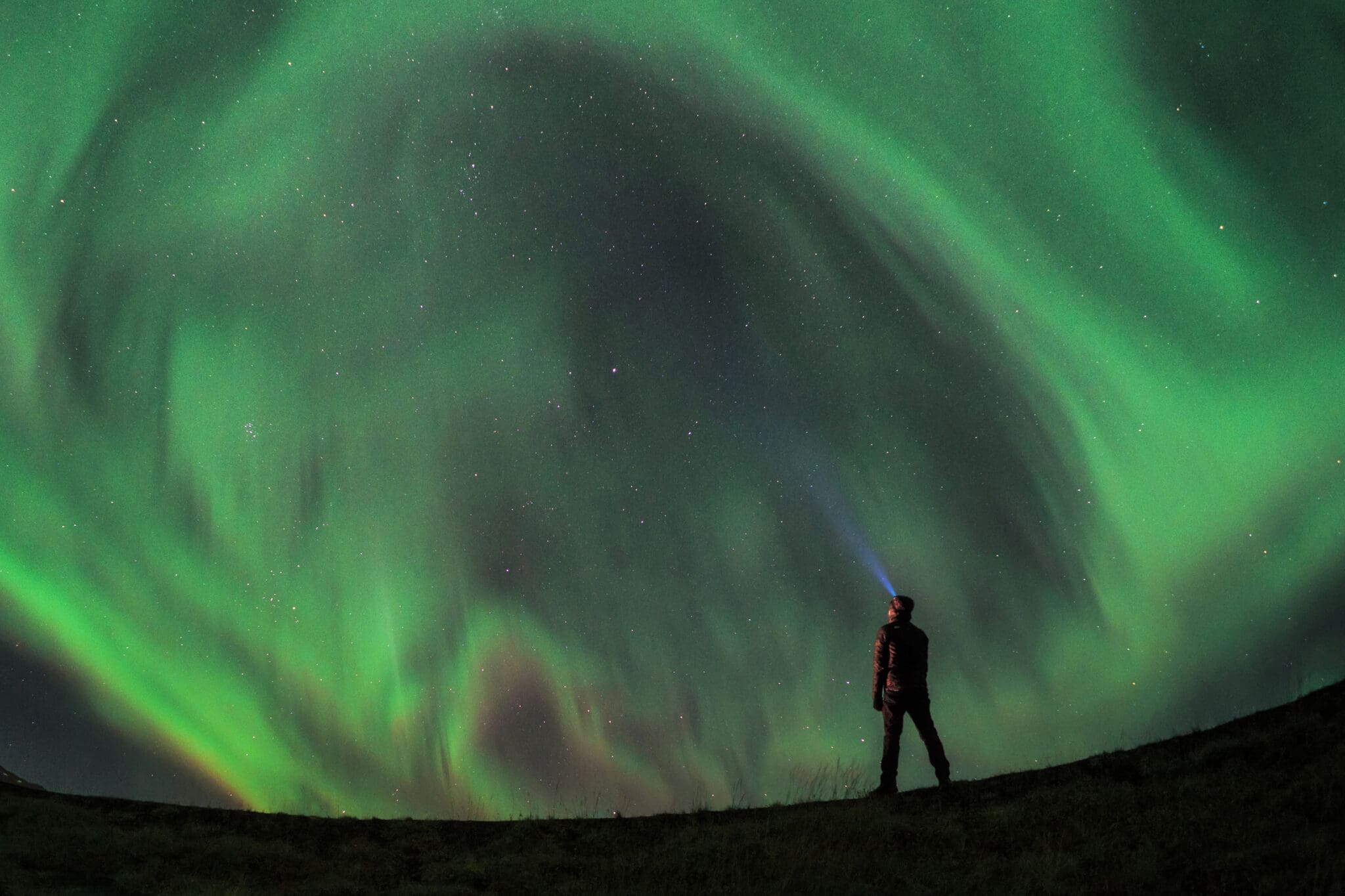
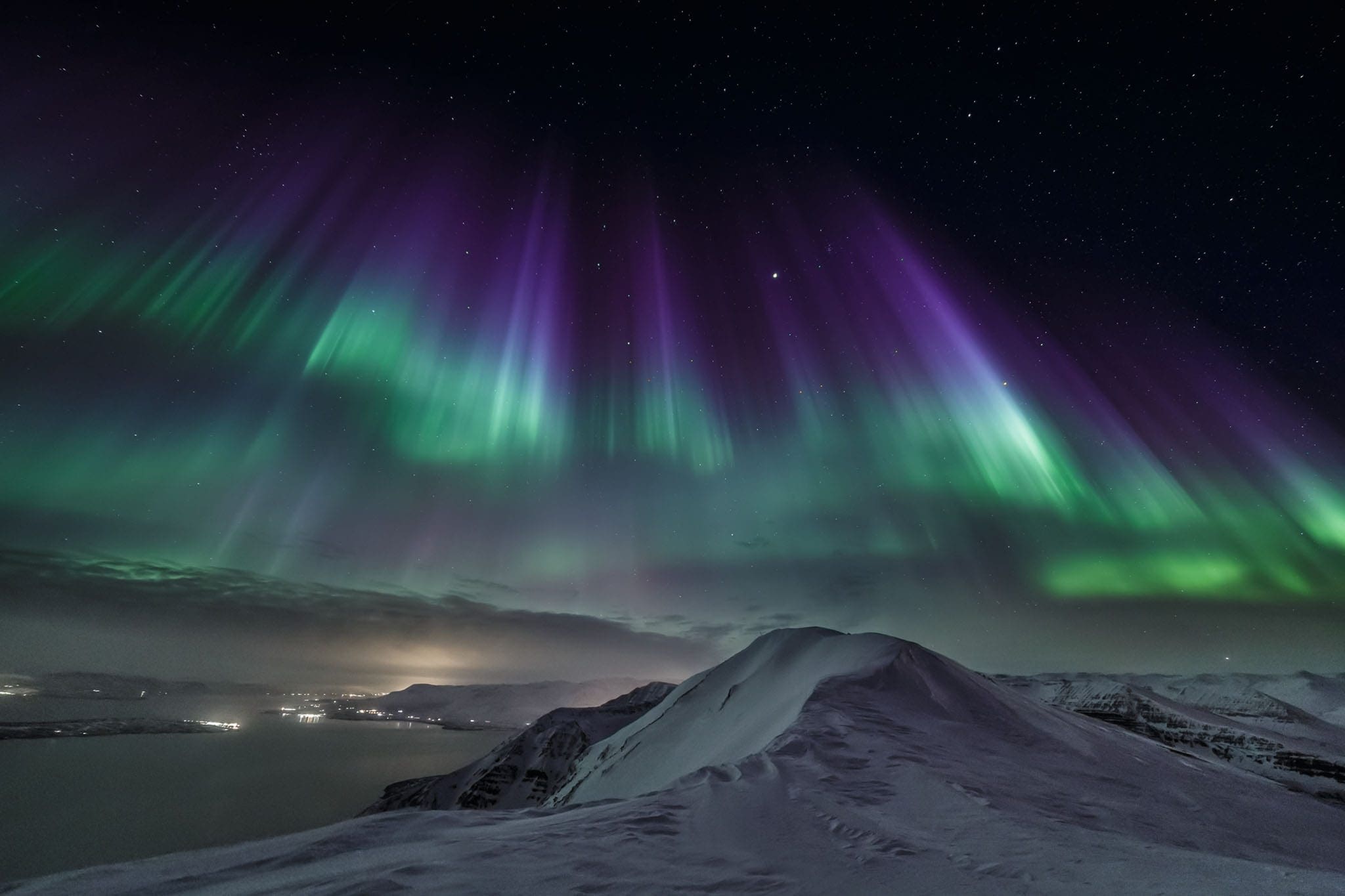
Munu norðurljósin birtast yfir Íslandi í kvöld? Þessi norðurljósaspá í beinni sameinar það þrennt sem skiptir máli (jarðsegulvirkni), skýjahula yfir Reykjavík og hvort það sé nógu dimmt á þessum árstíma 1. dag, auk þriggja daga horfs. Athugaðu það áður en þú ferð út og mundu: norðurljósið er óútreiknanlegt, svo skýrt, dimmt himinn og smá þolinmæði fara langt.
Fáðu tölvupóst á kvöldin þegar norðurljósaspáin yfir Reykjavík lítur vel út.
Hámarka möguleika þína með leiðsögn 'Leiðsögumenn okkar elta bjartasta himininn.
Virknigögn frá NOAA SWPC · skýjahula frá MET Norway (yr.no) · uppfærð á klukkutíma fresti.
Aurora sést aðeins þegar himinninn er dimmur, þannig að árstíðin er frá u.þ.b lok ágúst fram í miðjan apríl, sem nær hámarki á löngum nætur hausts og vetrar. Milli miðjan maí og lok júlí heldur miðnætursólin himninum of björtum, svo ljósin sjást ekki sama hversu hátt Kp vísitalan klifrar. Virkni er oft sterkust á milli u.þ.b 21:00 og 02:00, en norðurljósin geta birst hvenær sem það er dimmt.
Fá burt frá borgarljós mengun og finna opið útsýni til norðurs. Góð val í kringum höfuðborgina eru sveit í kringum Þjóðvellir og Gullna Hringinn, Reykjanes Peninsula og dreifbýli suðurströnd. Á nætur sterkrar starfsemi er jafnvel hægt að ná ljós frá dekkri brúnum Reykjavík. Hvar sem þú ferð, láta augun aðlagast myrkri í 1520 mínútur og forðast að horfa á björt skjái símans.
The Kp vísitala (09) mælir alþjóðlega jarðsegulvirkni (hærri tölur þýða sterkari og útbreiddari norðurljós. En á mikilli breiddargráðu Íslands getur jafnvel hóflegur Kp af 23 framleitt fallega sýningu á dimmri, skýrri nótt. Skýjahula er oft raunverulegur ákvörðunarþáttur: sterk norðurljós er ósýnileg á bak við þykkt ský, svo vertu tilbúinn til að keyra á skýrari blettur af himni. Sameina öll þrjú 'myrkrið, heiðskýrt himinn og virkni 'fyrir bestu líkurnar.
Fyrir allan bakgrunn, sjá okkar heill norðurljós leiðarvísir og leiðbeiningar okkar um besti tíminn til að heimsækja Ísland. Tilbúinn til að elta norðurljósin? Skoðaðu okkar norðurljósaferðir.
Það fer eftir þremur þáttum sem sýndir eru í spánni hér að ofan: hvort það er norðurljósatímabil (lok ágúst til miðjan apríl), hversu tær himinninn er yfir staðsetningu þinni og hversu jarðsegulvirkni (Kp) er. Þegar allir þrír stilla sér upp eru líkurnar á því góðar.
Vegna þess að Ísland situr á mikilli breiddargráðu getur jafnvel Kp af 23 framleitt sýnilega norðurljós á dimmri, skýrri nótt. Hærri Kp gildi þýða bjartari, virkari skjái, en bjartur himinn og myrkur skipta jafn miklu máli.
Virkni er oft sterkust á milli um 21:00 og 02:00, þó norðurljósin geti birst hvenær sem himinninn er dimmur. Það er þess virði að skoða himininn ítrekað yfir kvöldið.
Frá miðjum maí til loka júlí heldur miðnætursól Íslands himninum of björtum á nóttunni, þannig að norðurljósin sjást ekki jafnvel þegar jarðsegulvirkni er mikil. Tímabilið kemur aftur frá lok ágúst.
Já ský er oft stærsta hindrunin. Sterk norðurljós er algjörlega falin á bak við þykkt ský, þannig að besta aðferðin er að vera hreyfanlegur og fara í átt að skýrari himni þegar þörf krefur.
Ferðalög ábendingar, nýjar leiðsögumenn og heads-up þegar norðurljósaspáin lítur vel út. Engin ruslpóstur.