Exclusive East Iceland: Vök Baths, Reindeer & Waterfalls
180.960 ISK
5 heures




Très facile
320 000 ISK
Attention:
Le temps peut être imprévisible en Islande, donc en hiver, vous pouvez vous attendre à ce que nous devions occasionnellement modifier l'itinéraire de la visite si les conditions météorologiques et routières sont défavorables.
Disponible: Toute l'année
Durée: Approx. 14hrs, depending on your time spent at each stop and the duration of any activity added.
Ramassage : Depuis votre hôtel/hébergement dans la région de la capitale Reykjavik.
Faits marquants
Description
Driving out of the Zone de la capitale Reykjavik we head over the Hellisheiði plateau through moss-grown lava fields surrounded by rows of mountains towards the popular Côte Sud. The most recent lava in the field is believed to have flowed from a 6 km (3.7 mi) long volcanic fissure around AD 1000. On the way, we pass Ingólfsfjall mountain where the settler of Iceland Ingólfur Arnarsson is believed to be buried. Driving further south we get closer to the coastline with the Atlantic Ocean on one side and volcanoes and glaciers on the other side, and even the famous Hekla volcano can be seen from the road.
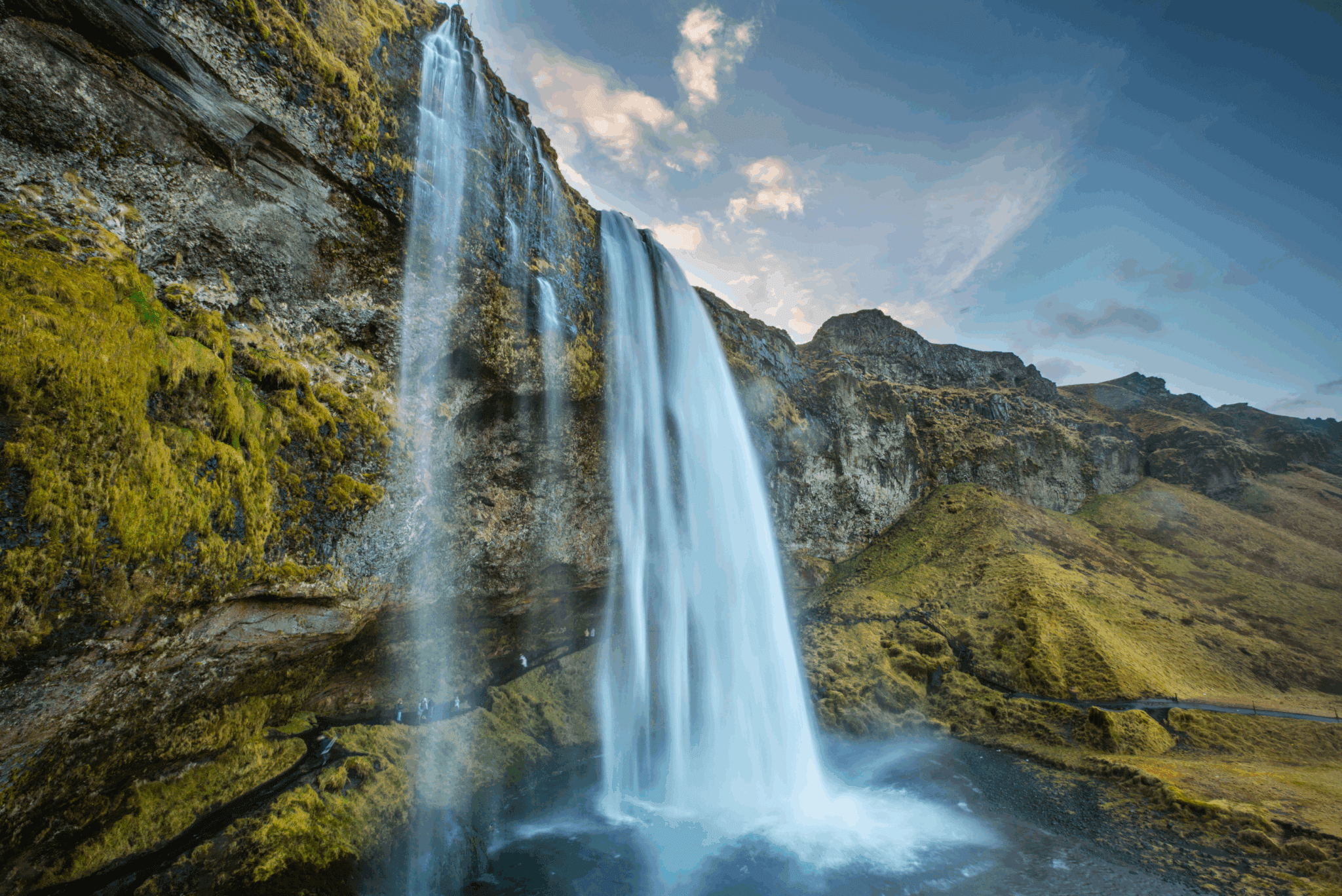
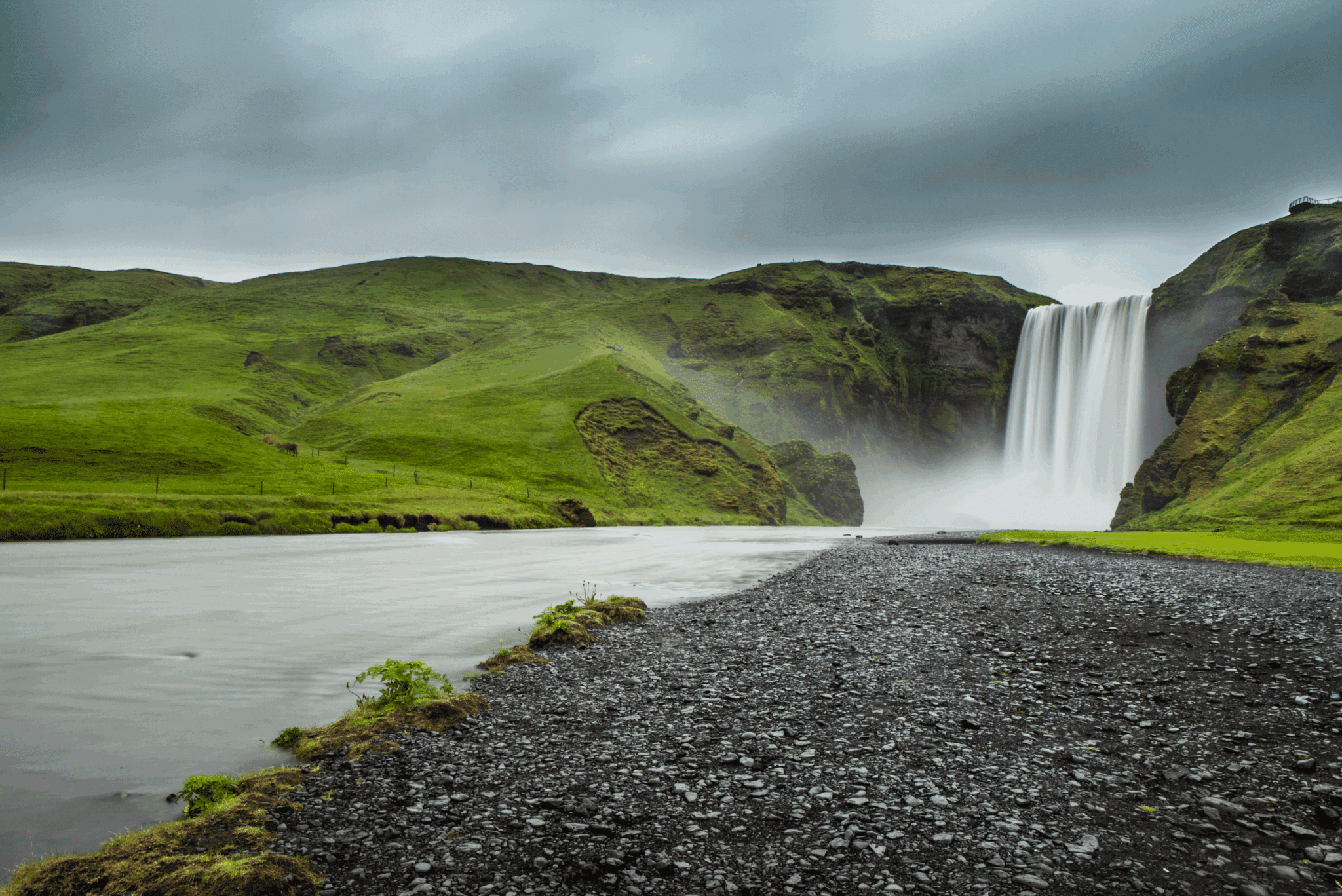
We make our first stop at the unique waterfall Seljalandsfoss, which drops like a curtain off a cliff into a beautiful meadow. Behind is a small cave and a walking path extending around the waterfall. This makes for a great angle to photograph this very picturesque waterfall and its surroundings, but be sure to wear good shoes and waterproof clothing before going behind it. We head on and drive past the ice cap Eyjafjallajökull which covers the caldera of a volcano that last erupted in 2010, memorably affecting air traffic throughout Europe. From the road, you will immediately spot the mesmerizing Skógafoss in the tiny Skógar village. It is one of the most beautiful waterfalls in Iceland dropping wide from a cliff that formerly marked the coastline. If the sun is out, the spraying from Skógafoss will form a rainbow and sometimes two. A staircase next to it leads up to a platform above this waterfall, giving you a great view over farmsteads to the ocean and on-site museums give you insight into how Icelanders lived throughout history.
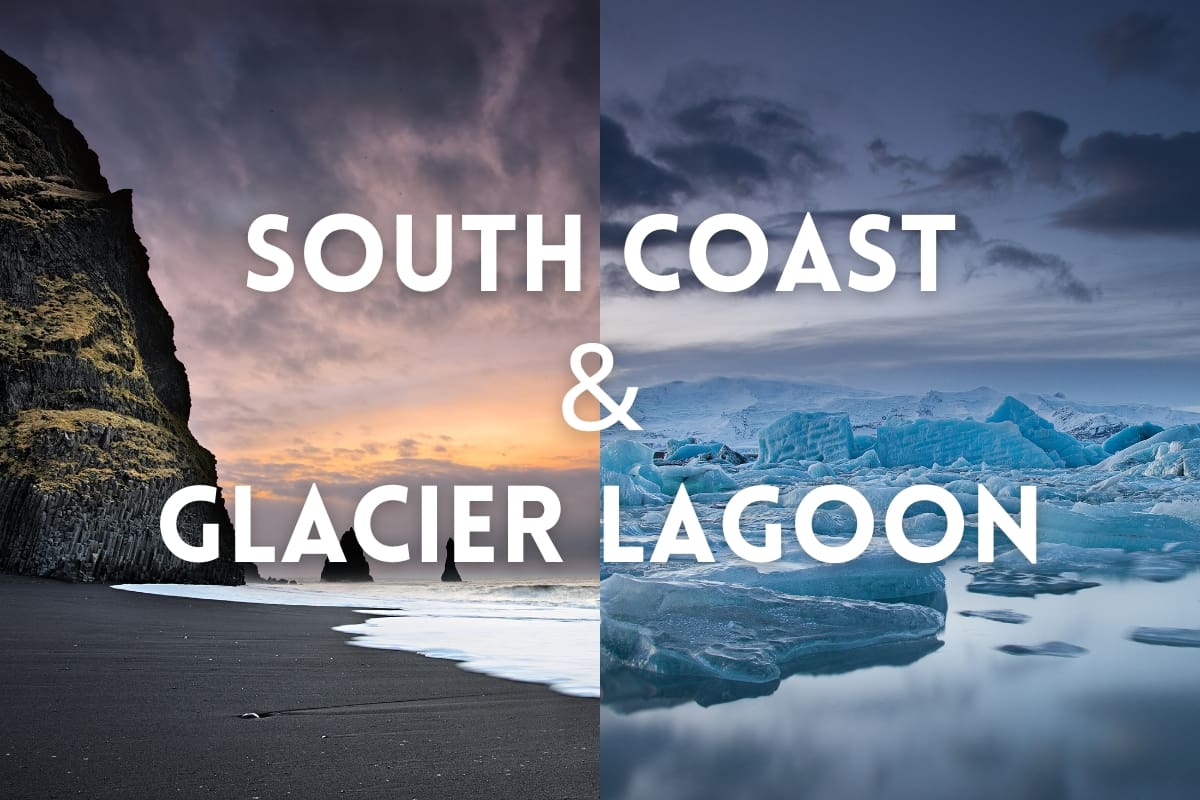
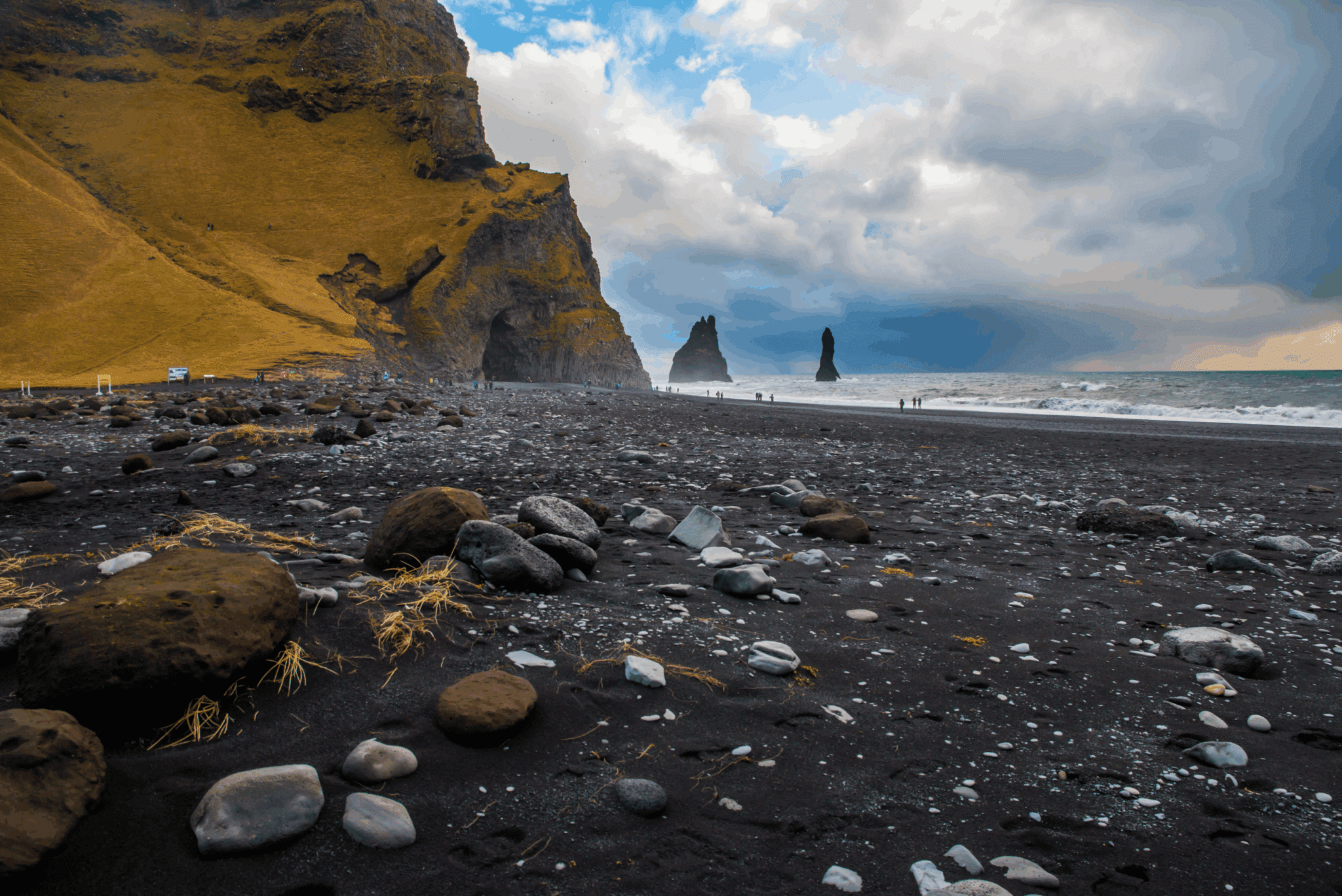
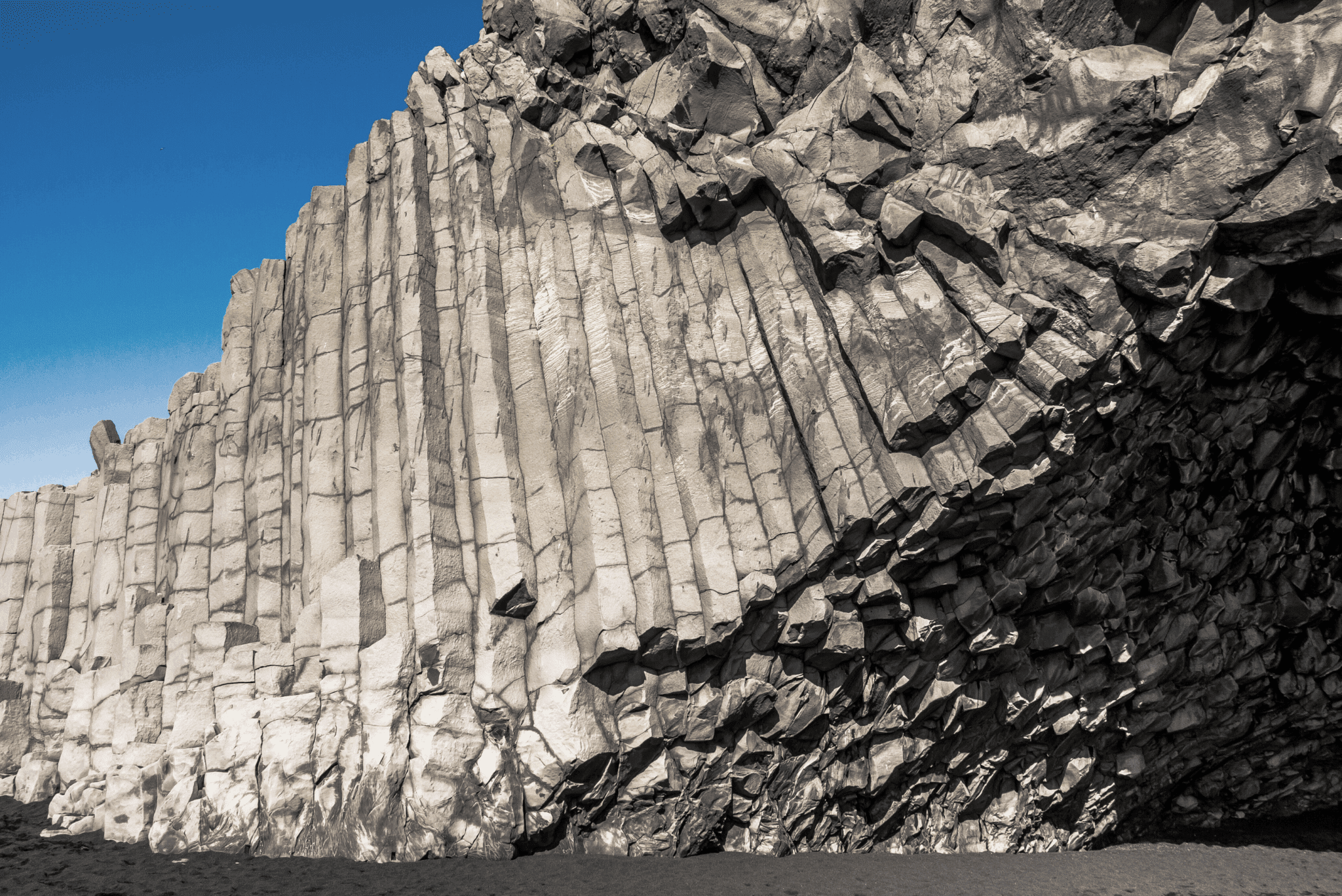
Our next stop is the Reynisfjara black sand beach. This is among the most popular visits on the South Coast, with the high basalt pinnacles Reynisdrangar rising out of the sea, and extremely powerful ocean waves crashing against the basalt-columned wall of mountain Reynisfjall and steadily eroding the Hálsanefhellir basalt cave by the beach. Reynisfjara has been ranked as one of the top 10 non-tropical beaches in the world by National Geographic. Here you need to be extra cautious, as these waves are known as "sneaker waves". Though they may sometimes look calm and harmless, they have snuck up on people and pulled them into the sea, causing fatal tragedies throughout the years when people have gotten too close to the sea. Be careful while admiring this breathtaking area and please respect the puffins and other seabirds nesting in the basalt columns.
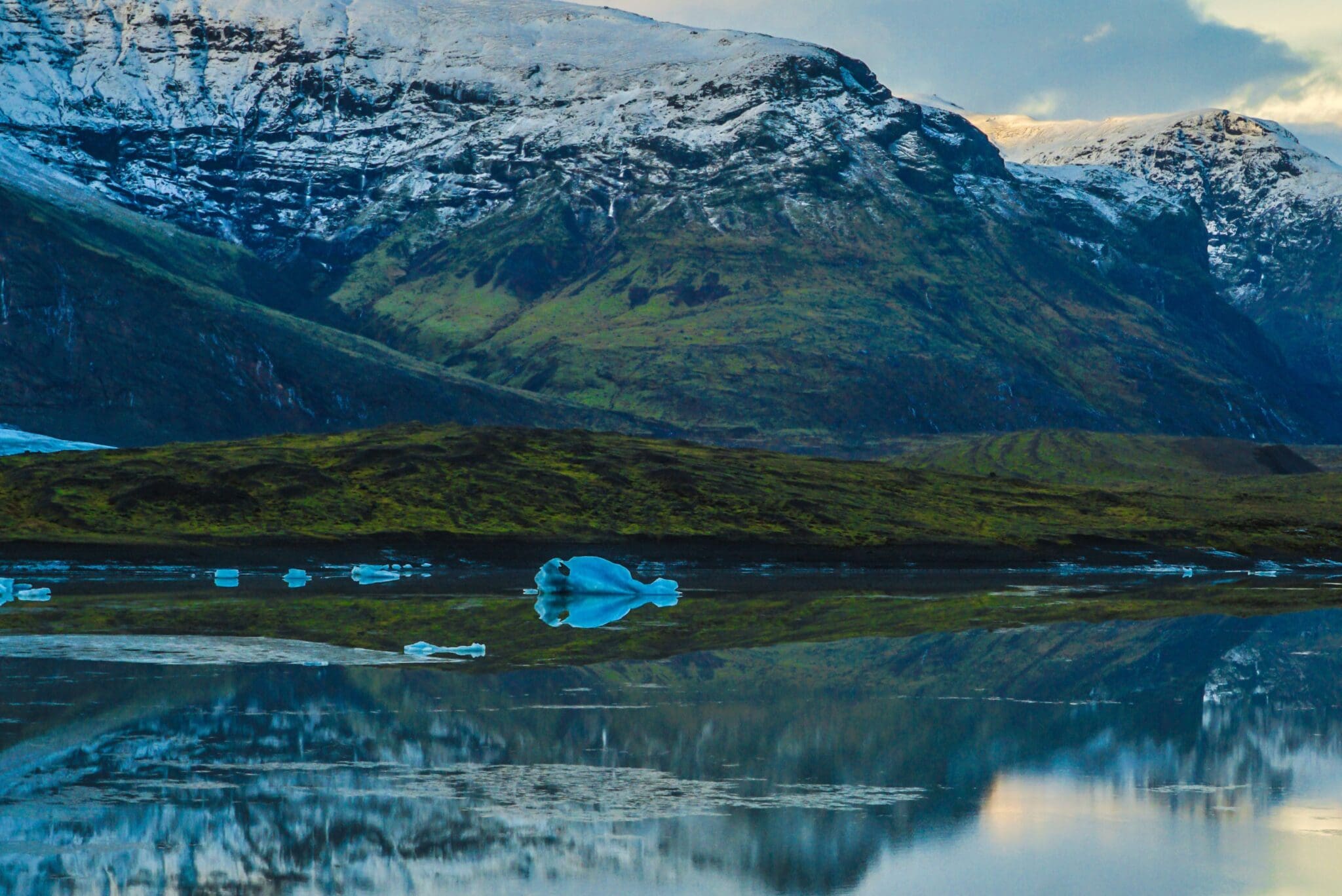
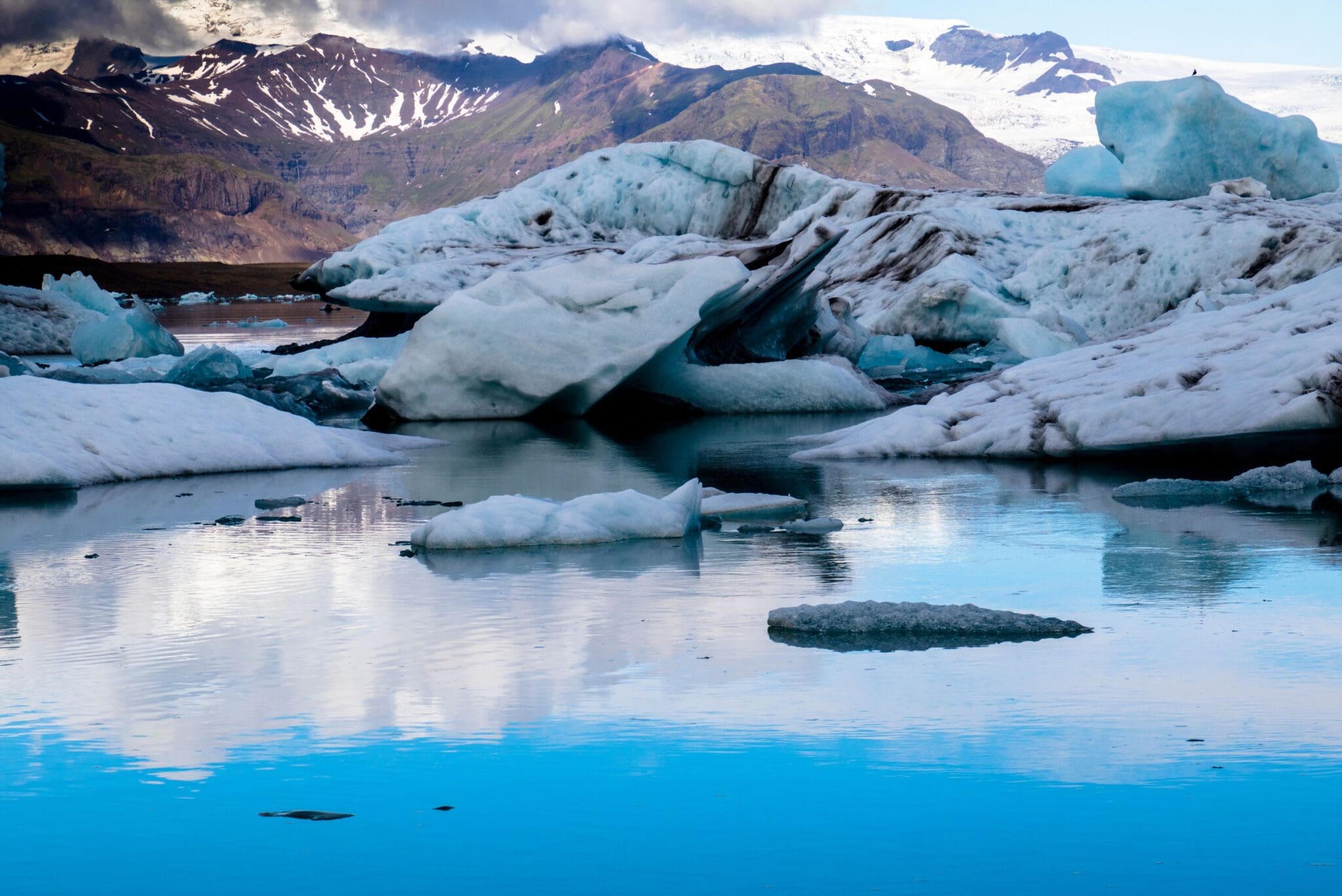
After taking in the beauty of the beach, you'll head to Fjallsárlón, a lesser-known glacier lagoon that is equally stunning. The glacier lagoon is surrounded by mountains and glaciers, and you can take a boat ride on the lagoon to see the icebergs up close. The boat ride is a unique experience that allows you to get close to the icebergs and see the different shades of blue in the ice.
Finally, you'll arrive at Jökulsárlón, the crown jewel of Iceland's glacier lagoons. Here, you can take a boat or kayak tour, depending on your preference, to get up close and personal with the stunning glaciers. The lagoon is filled with floating icebergs that have broken off from the glacier, and you'll see them in all shapes and sizes. You'll also see the Vatnajökull glacier, Europe's largest glacier, which covers about 8% of Iceland's landmass.
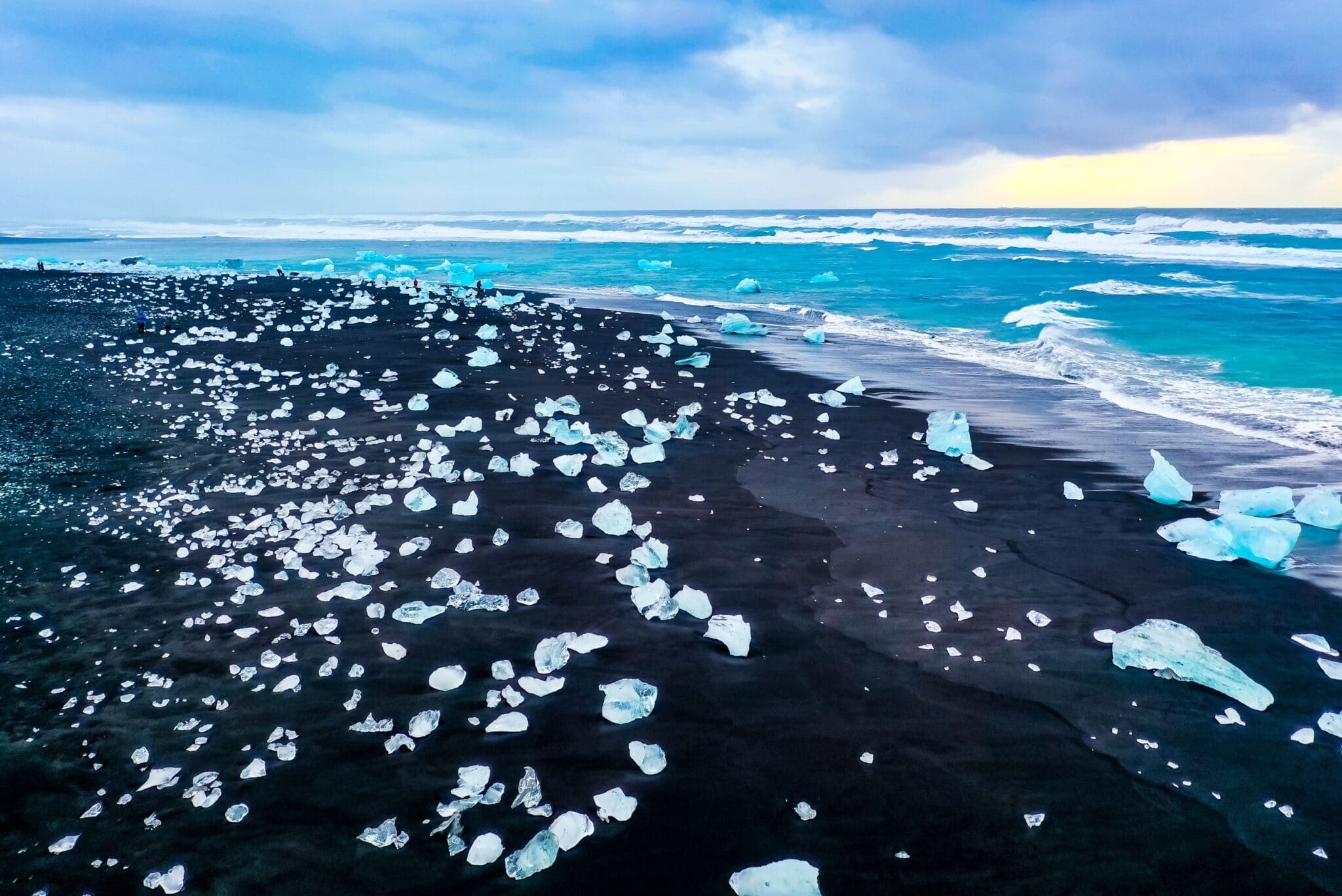
From the lagoon, you can walk to the Plage de diamant, where you can see icebergs that have washed up on the black sand beach. The name of this beach comes from the icebergs that sparkle like diamonds in the sunlight. The contrast between the black sand and the icebergs makes for a unique and stunning sight.
This tour is perfect for anyone who wants to experience Iceland's natural beauty up close and personal. With a knowledgeable and experienced English-speaking driver-guide, you'll be in good hands throughout the tour. Your guide will share fascinating information about Iceland's geology, history, and culture, making this tour an educational and unforgettable experience.
After this long day of exceptional landscapes and scenery, we make our way back to the buzzing city life of the Reykjavik Capital Area.
La cascade majestueuse de 62 m (203 pi) de haut Seljalandsfoss est alimenté par l'eau de source provenant de la lande Hamragarðaheiði et fait partie de la rivière Seljalandsá. Beaucoup pensent qu'il est alimenté par l'eau fondante provenant du glacier coiffé Eyjafjallajökull, (en), un volcan qui est entré en éruption en 2010 et a affecté le trafic aérien partout Europe, [traduction], mais l'eau de Seljalandsfoss est lumineuse et propre du fait qu'il s'agit d'eau de source Elle tombe en cascade dans une belle prairie, comme un rideau sur une haute falaise qui marquait autrefois un littoral par l'océan avant que les éruptions n'étendent la terre, et derrière la cascade se trouve un sentier pédestre pour un angle unique de la cascade et de ses environs Ce sentier continue de derrière la cascade et autour de celle-ci La pittoresque Seljalandsfoss est parmi les cascades les plus photographiées d'Islande pour une raison Par exemple, elle a été présentée dans Justin Bieber‘s clip vidéo Je vais te montrer et c'était la première étape de la sixième saison de la série américaine La course incroyable.
Assurez-vous de porter des chaussures avec une bonne adhérence si vous prévoyez de marcher derrière Seljalandsfoss car il peut être glissant, et portez des vêtements imperméables en raison de la pulvérisation de la cascade.
We’ll also make a short walk to Seljalandsfoss’ neighbor Gljufrabúi, a 40 m (131 ft) high partially hidden waterfall in the river Gljúfursá within a canyon with mossy walls, which is a great addition to the spectacular visits on the south coast of Iceland. You will however need waterproof shoes to get to Gljúfrabúi.
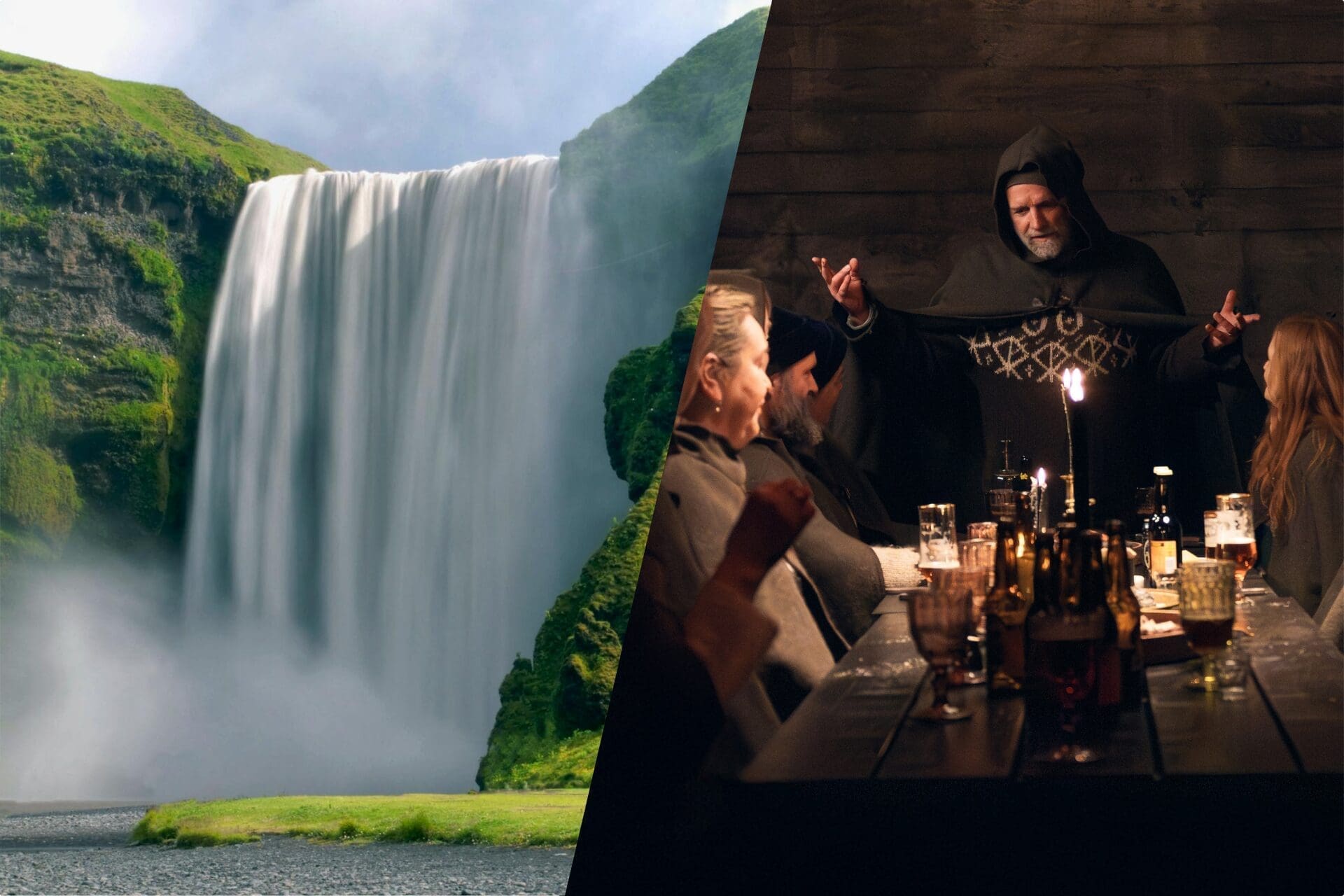
Skógafoss est l'une des plus belles cascades d'Islande tombant à 60 m (197 ft) d'une falaise érodée avec une largeur étonnante de 25 m (82 ft) et jusqu'à 30 m (98 ft) après de fortes pluies Elle est située sur la rivière Skógá qui coule de dessous Eyjafjallajökull, [TRADUCTION] ?Un volcan coiffé d'un glacier qui a éclaté pour la dernière fois en 2010. lors de cette éruption, Skógafoss est devenu gris à cause de toutes les cendres qui soufflaient dans la rivière Skógá Skógafoss produit une grande quantité de pulvérisation donc les jours ensoleillés, vous pouvez voir un arc-en-ciel se former, certains jours même un double arc-en-ciel Sous la cascade, la terre est plate, ce qui rend facile de marcher jusqu'à elle, mais notez que vous pouvez être mouillé à cause de la pulvérisation Si vous êtes prêt pour cela, vous pouvez également voir Skógafoss depuis le sommet puisqu'un escalier à marches de 527 mène à une plate-forme d'observation au-dessus avec une vue imprenue sur la côte populaire avec une vue sur la côte de Skaf et des vidéos de la côte populaire. Fjara par Solstafir en 2012 et Je vais te montrer par Justin Bieber en 2015, les films de 2013 Thor : Le monde sombre et La vie secrète de Walter Mitty, « , et la série télévisée » Vikings (saison 5) et Jeu de trônes (saison 8).
Skógafoss se trouve dans le petit village de Skógar avec une population d'environ 25 personnes, et le Musée régional de Skógar est proche de la cascade, avec plus de 18 000 artefacts régionaux dans six bâtiments historiques C'est trois musées dans un qui montrent comment les Islandais ont vécu tout au long de l'histoire ; un musée en plein air avec de vieilles maisons en bois et des maisons en gazon, un musée folklorique avec une collection du patrimoine culturel, et un musée technique montrant l'évolution des transports, de la communication, et de la technologie en Islande Dans le musée folklorique est un manche doré remarquable qui est dit être d'un coffre rempli d'or, appartenant au colon ̄rasi uférolfsson qui a caché la poitrine derrière Skógafoss avant sa mort vers 900 après JC. Beaucoup ont tenté de la récupérer jusqu'au jour où une corde a été fixée à la poignée pour retirer la poitrine, mais la poignée s'est cassée, laissant la poitrine remplie d'or perdue à jamais. Cette poignée servait de poignée de porte sur le Skógakirkja église jusqu'en 1890.
Resting in the gorge Kvernugil close to Skógafoss is the 30 m (98 ft) high waterfall Kvernufoss which is considered a hidden gem. It is like a counterpart mix of the waterfalls Seljalandsfoss et Gljufrabúi, being inside a mossy walled canyon with a cave behind it that provides walking behind it.
La belle Reynisfjara la plage de sable noir est l'une des visites les plus populaires du sud de l'Islande. La plage poncée inhabituellement noire avec des vagues océaniques agitées frappant le mur aux colonnes de basalte constitue une attraction spectaculaire et en 2021, elle a été classée par Grand 7 Voyage en tant que 6ème meilleure plage à visiter sur leur liste annuelle de Les 50 meilleures plages du monde, [TRADUCTION], mettre en valeur les plages incontournables Reynisfjara peut être très dangereux avec ses puissantes vagues océaniques et ses chutes de pierres provenant des falaises en raison de l'érosion côtière Les deux peuvent souvent être très inattendues et tragiquement mortelles des accidents s'y sont produits au fil des ans Il peut être tentant de se faire prendre en photo après avoir grimpé sur les colonnes de basalte, mais les gens ont été surpris par un subitement “neaker wave” les arrachant et le ressac les forces qui les tirent vers la mer. Rien ne peut être fait si cela se produit donc il n'y a pas de retour en arrière après cela Les vagues peuvent paraître calmes, mais près du rivage l'océan est extrêmement prudent.
Reynisdrangar est une collection de pinacles de mer basaltiques de 66 m (216 pi) de haut s'élevant hors de la mer par Reynisfjara Un vieux conte dit qu'ils proviennent du moment où deux trolls ont essayé de traîner un trois-mâts pour atterrir la nuit, mais quand la lumière du jour s'est brisée ils sont devenus avec le navire ces piles de pinacles qui se détachent dans la mer Reynisdrangar est la même formation géologique que la haute montagne de 340 m (1 115 pi) Reynisfjall planant au-dessus d'eux Cette montagne est faite de tuf volcanique d'une éruption sous un glacier à l'avant-dernière période glaciaire, avec des couches irrégulières de tuf, de lave en oreiller, et des veines et boucles de basalte en colonnes Les flancs des montagnes sont escarpés et près de la plage, on peut voir ces belles formations de colonnes de basalte C'est le site de nidification des macareux et autres oiseaux marins, alors s'il vous plaît ne pas essayer de grimper jusqu'à eux pour ne pas les déranger Les colonnes de basalte sont une grande inspiration pour Hallgrimskirkja église, ouséjóðleikhúsið (e. Le Théâtre national d'Islande), et Salle de concert et centre de conférence Harpa. Dans la partie sud de Reynisfjara, près de la plage, se trouve Hálsanefshellir, [TRADUCTION], une grotte de basalte extrêmement belle, S'il vous plaît, n'essayez d'y entrer que lorsqu'il y a une marée basse pour que les vagues ne vous en sortent pas, et sachez que des rochers peuvent soudainement tomber.
Vous reconnaîtrez peut-être cette zone à l'islandais Netflix série Katla, la 7 e saison de la série Jeu de trônes, le film de 2013 Star Trek : Dans les ténèbres, & le film de 2014 Noé.
Fjallsárlón is a glacier lagoon located in southern Iceland, close to the more famous Jökulsárlón. Though it may be smaller, it is certainly no less impressive. The lagoon is a breathtaking sight, surrounded by towering mountains and a glacier tongue that feeds into the lagoon. Visitors can enjoy stunning views of the glacier and the surrounding landscape, as well as the sight of icebergs floating in the lagoon.
One of the best ways to experience the beauty of Fjallsárlón is by taking a boat tour. These tours provide visitors with an up-close look at the icebergs, which vary in shape and size and are often a stunning shade of blue. The boat tours are typically accompanied by an expert guide, who will share fascinating information about the glacier and the surrounding area.
Fjallsárlón is a must-see destination for anyone visiting Iceland. Its beauty and serenity are truly awe-inspiring, and it is a testament to the natural wonders that can be found in this incredible country.
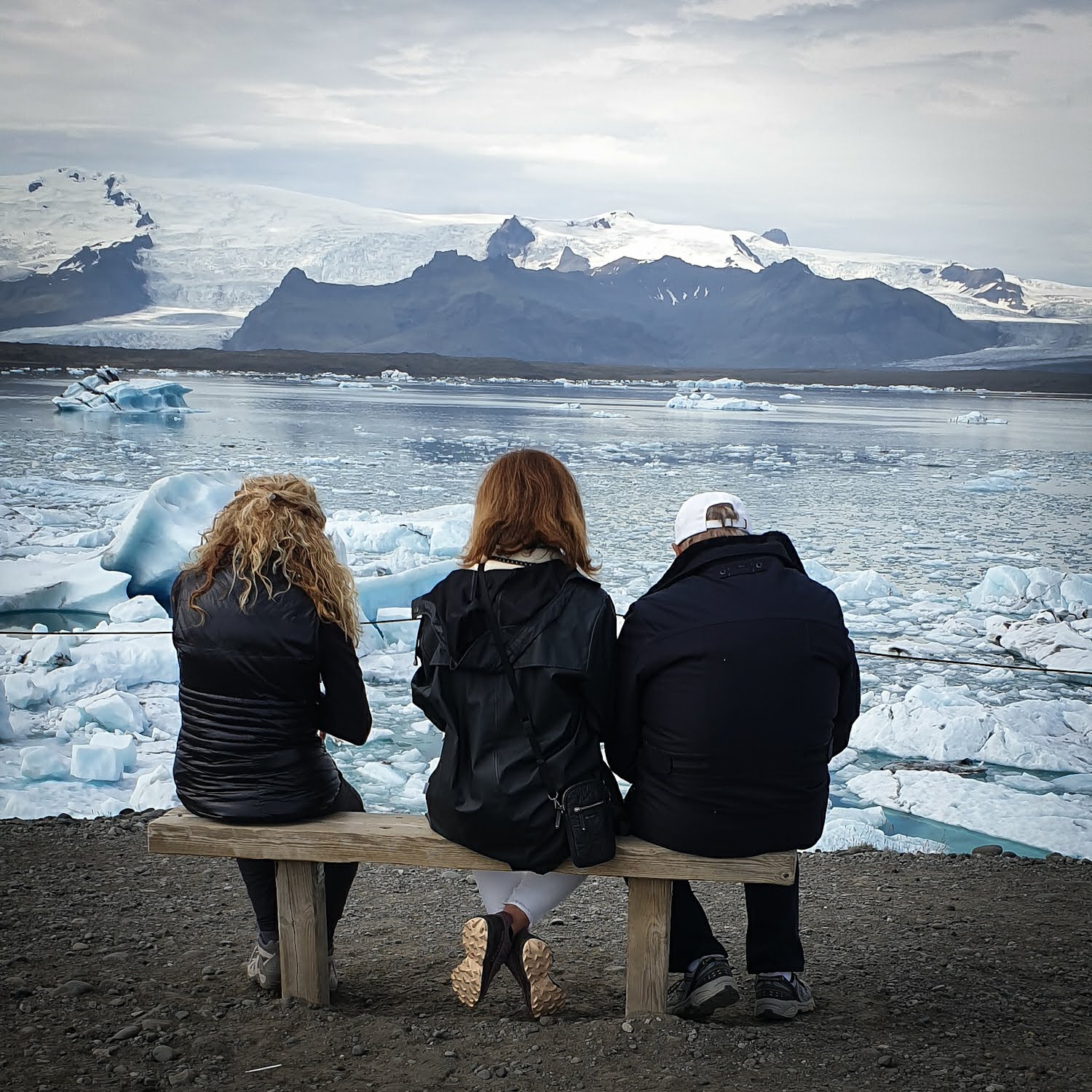
Jökulsárlón glacier lagoon is a true marvel of nature that captures the essence and grandeur of Iceland’s awe-inspiring landscape. It is situated in the southeastern part of Iceland, near the Parc national de Vatnajökull, and is one of the country’s most visited attractions. The lagoon itself is a result of the Breiðamerkurjökull glacier, which has been constantly melting over the years and has given birth to this magnificent sight.
The lagoon is filled with icebergs of various shapes and sizes that have broken off from the glacier. The icebergs are a mesmerizing sight to behold, with their dazzling shades of blue, white, and black, and their intricate patterns and shapes. The lagoon is also home to an array of wildlife, including seals that can be seen lounging on the icebergs or swimming in the lagoon’s crystal-clear waters.
Visitors to Jökulsárlón can take a boat tour that will take them through the lagoon, allowing them to get up close and personal with the icebergs. The boat ride is an experience of a lifetime, with the ice formations towering over the boat and the sound of cracking ice filling the air. The boat tour is also an excellent opportunity to learn about the history and geology of the lagoon from knowledgeable guides.
Alternatively, visitors can simply stand on the shore and take in the breathtaking scenery. The lagoon is surrounded by majestic mountains that form a stunning backdrop to the already stunning sight of the icebergs. The scenery is so picturesque that it has become a popular spot for photographers and filmmakers, with several movies and TV shows having been shot here.
Overall, Jökulsárlón is a stunning natural wonder that showcases the beauty and power of nature and is a testament to the resilience of the human spirit in the face of adversity. A visit to Jökulsárlón is an experience that will stay with you forever and one that you will cherish for a lifetime.
Le Plage de diamant is a world-renowned destination located on the south coast of Iceland, near the Jökulsárlón glacier lagoon. Known for its stunning beauty and unique characteristics, the beach attracts visitors from all over the world. The black sand and sparkling icebergs that wash ashore create a breathtaking contrast that leaves visitors in awe.
The icebergs that make up the Plage de diamant originate from the nearby glacier and have broken off to float in the lagoon. The icebergs eventually make their way to the ocean, where they are washed up on the beach. The icebergs come in various shapes and sizes, some of which are transparent and blue, making for a truly mesmerizing sight. The contrast between the black sand and the sparkling icebergs creates a one-of-a-kind landscape that is truly unforgettable.
Visitors can walk along the beach, taking in the incredible views of the icebergs and the surrounding natural beauty. The beach is a popular spot for photographers, who come to capture the stunning scenery. The Plage de diamant is also a great place to spot wildlife, including seals that can be seen sunbathing on the icebergs.
Le Plage de diamant’s unique beauty and natural wonder make it a truly unforgettable experience that will leave a lasting impression on all who visit.
180.960 ISK
293.629 ISK
199.288 ISK
377.800 ISK
27.999 ISK
23.002 ISK
129.990 ISK
40 000 ISK
179.350 ISK
19.999 ISK