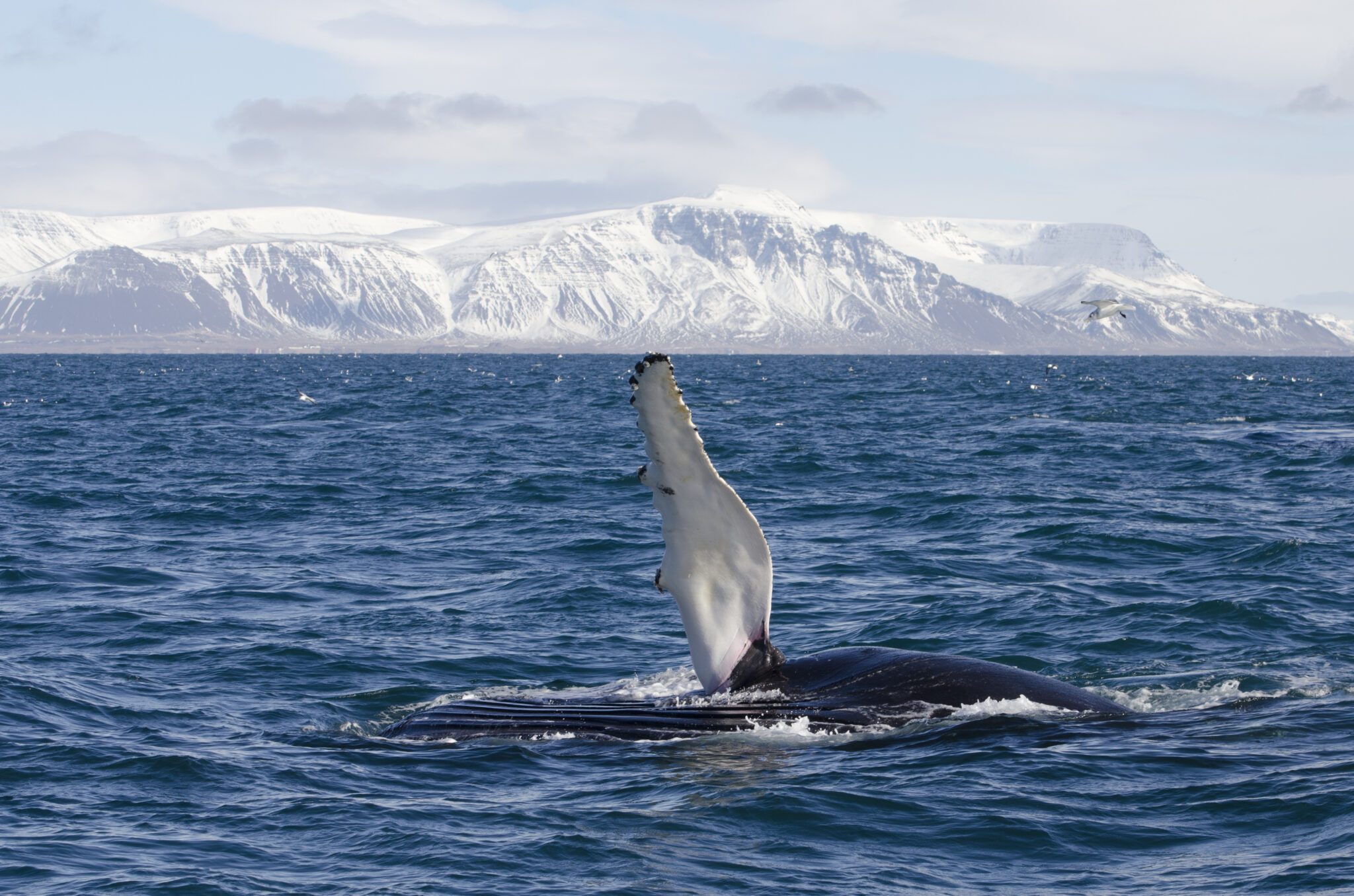
Goðafoss Waterfall & Whale Watching Tour from Akureyri
26.990 ISK
7 heures

Facile
25.300 ISK
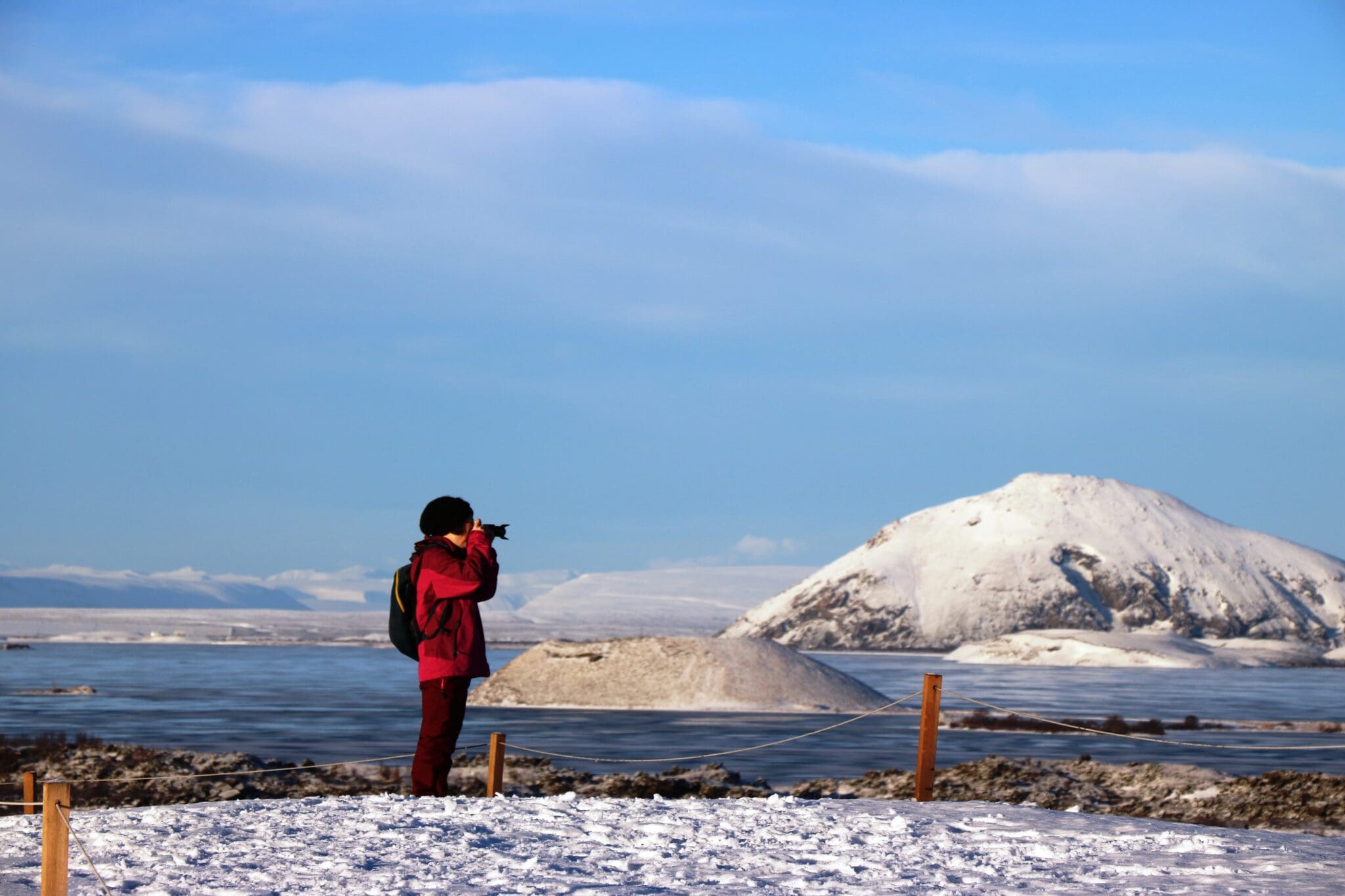
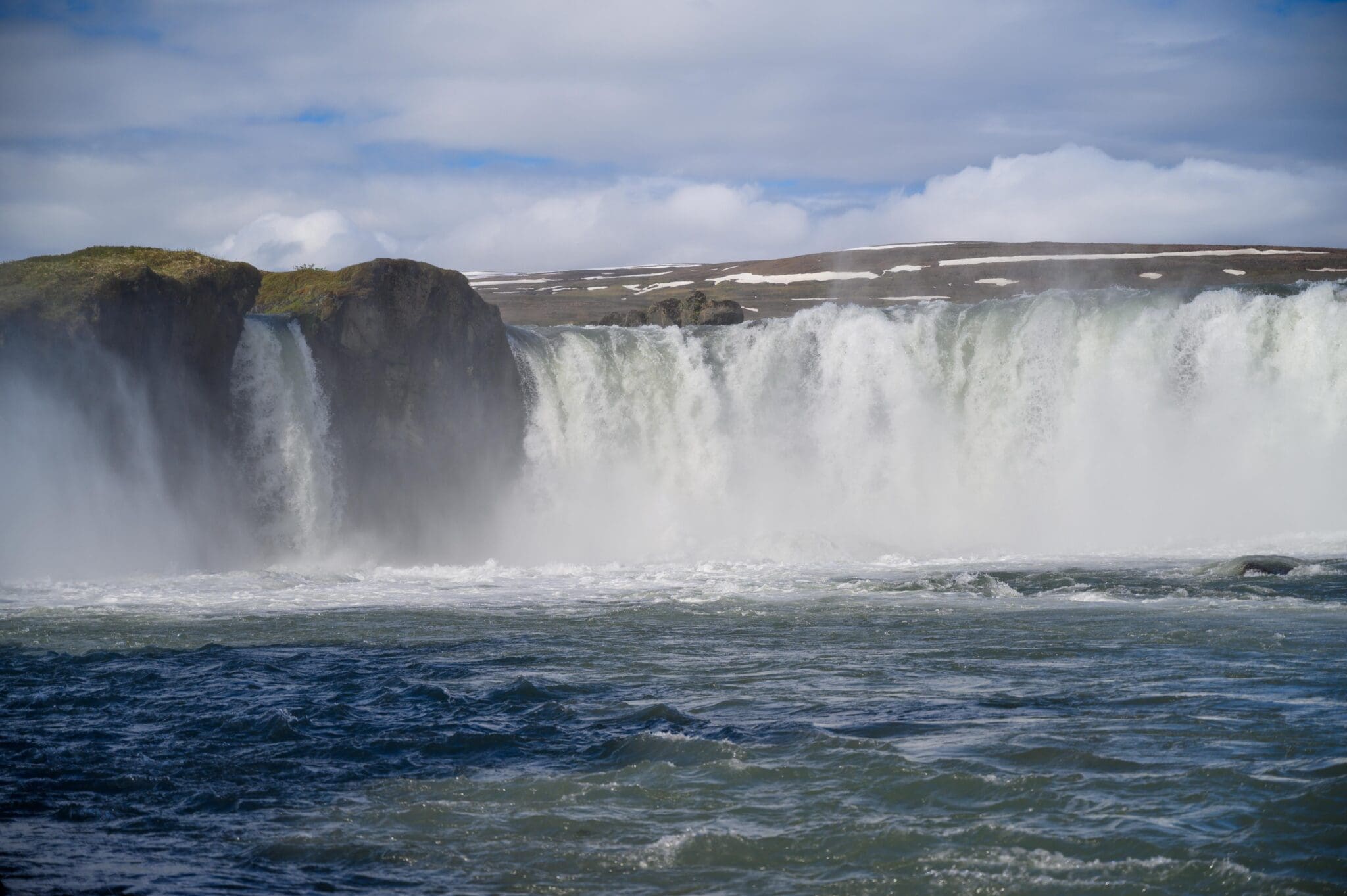
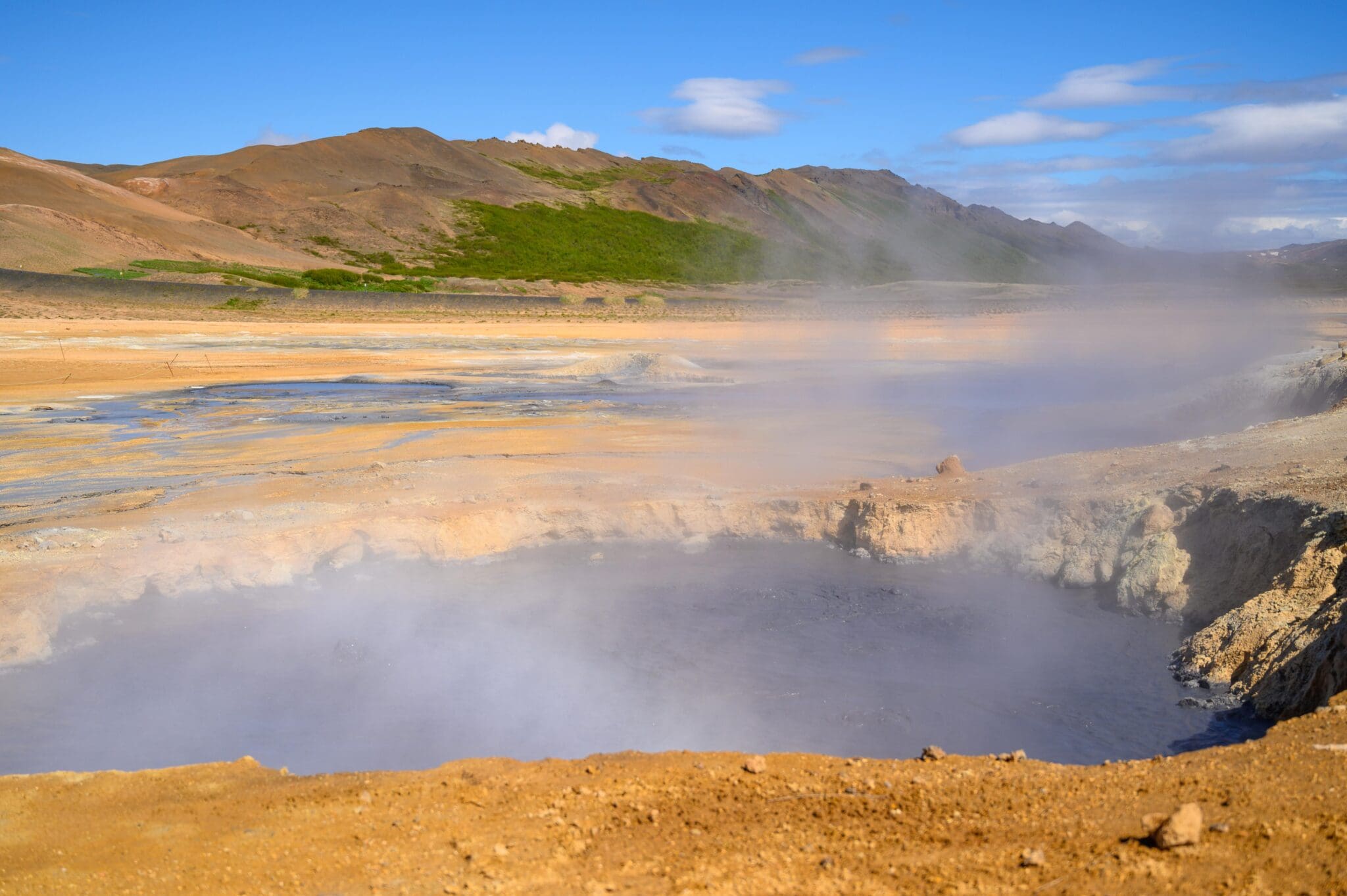
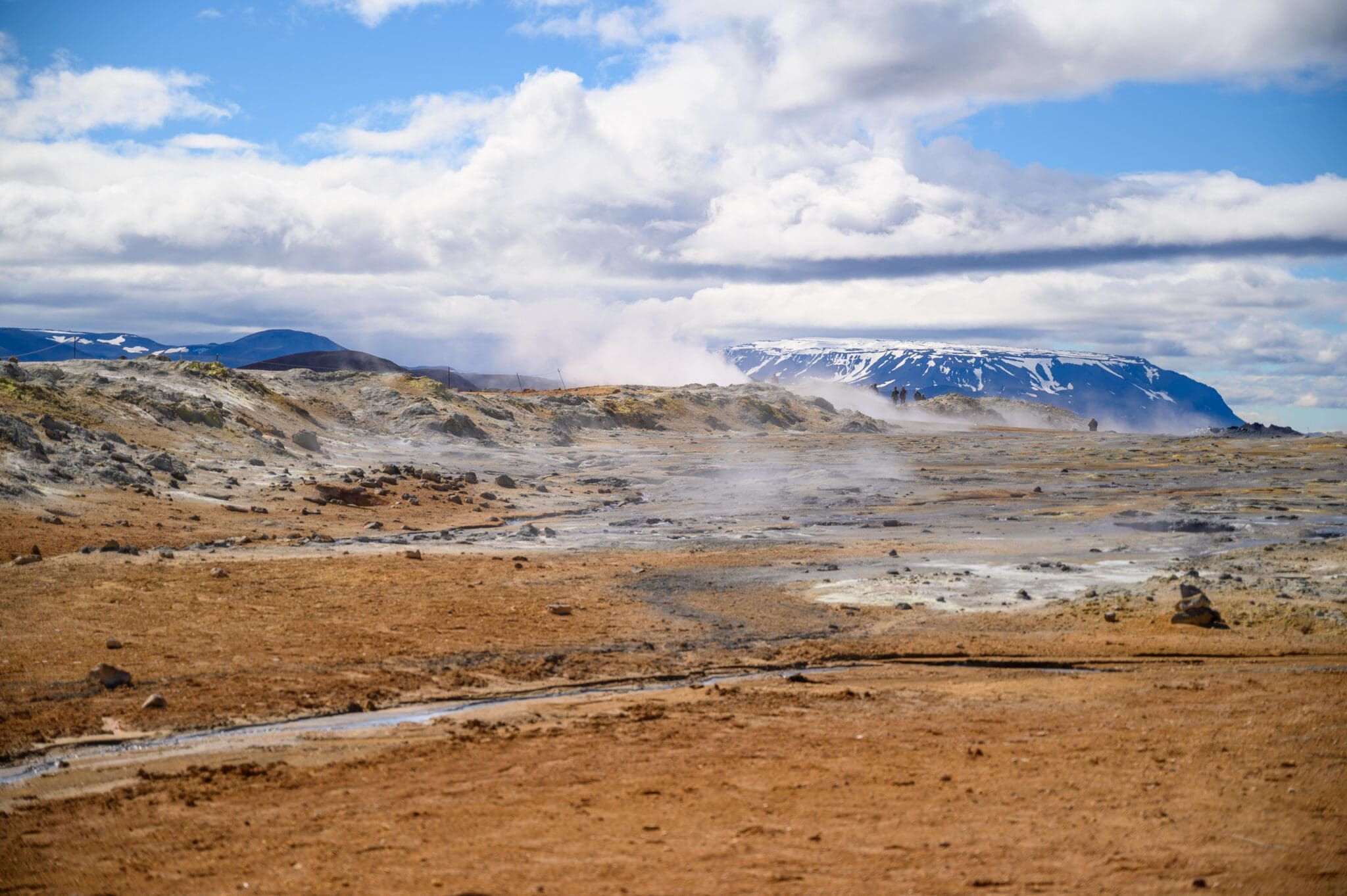
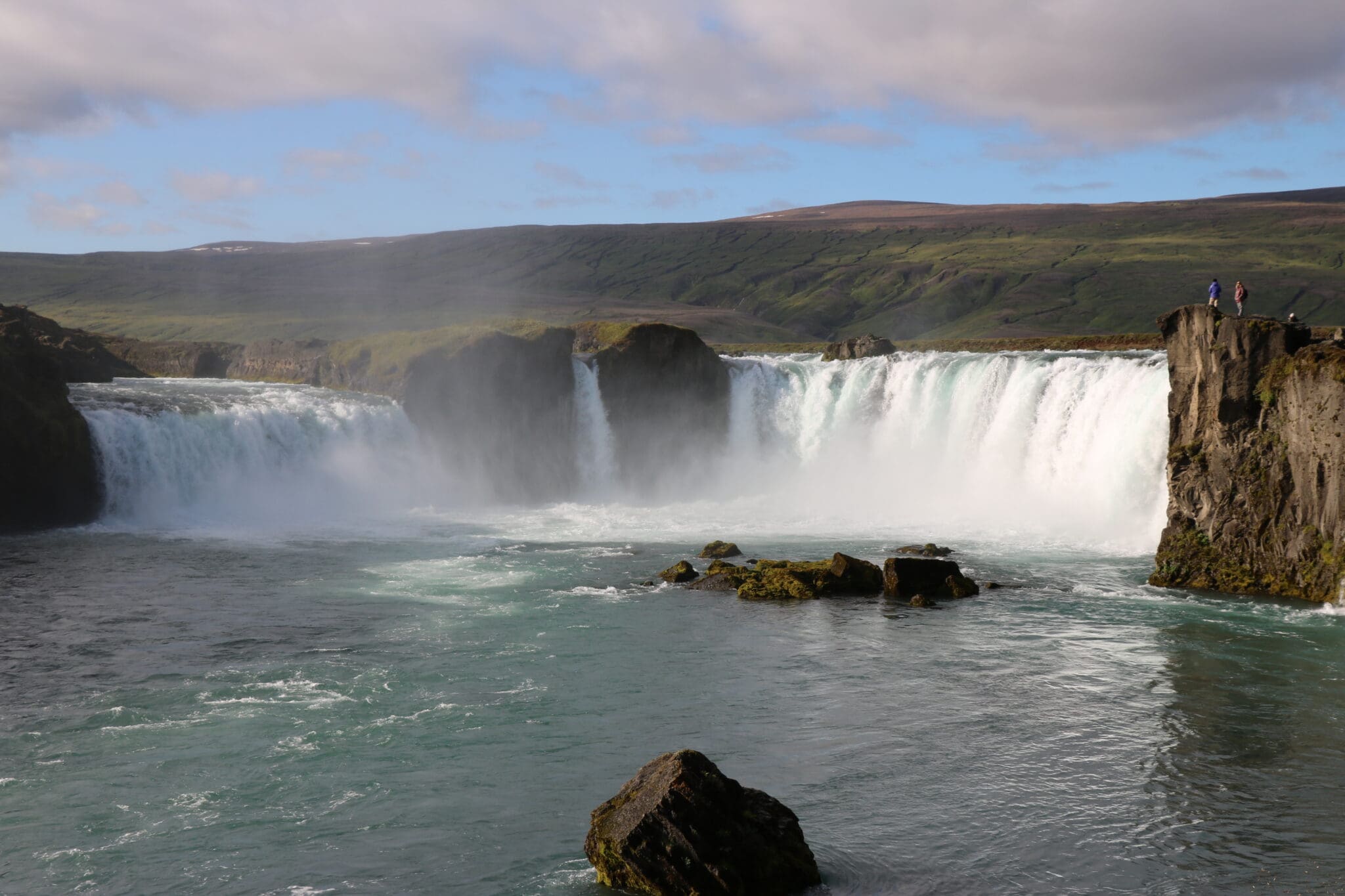
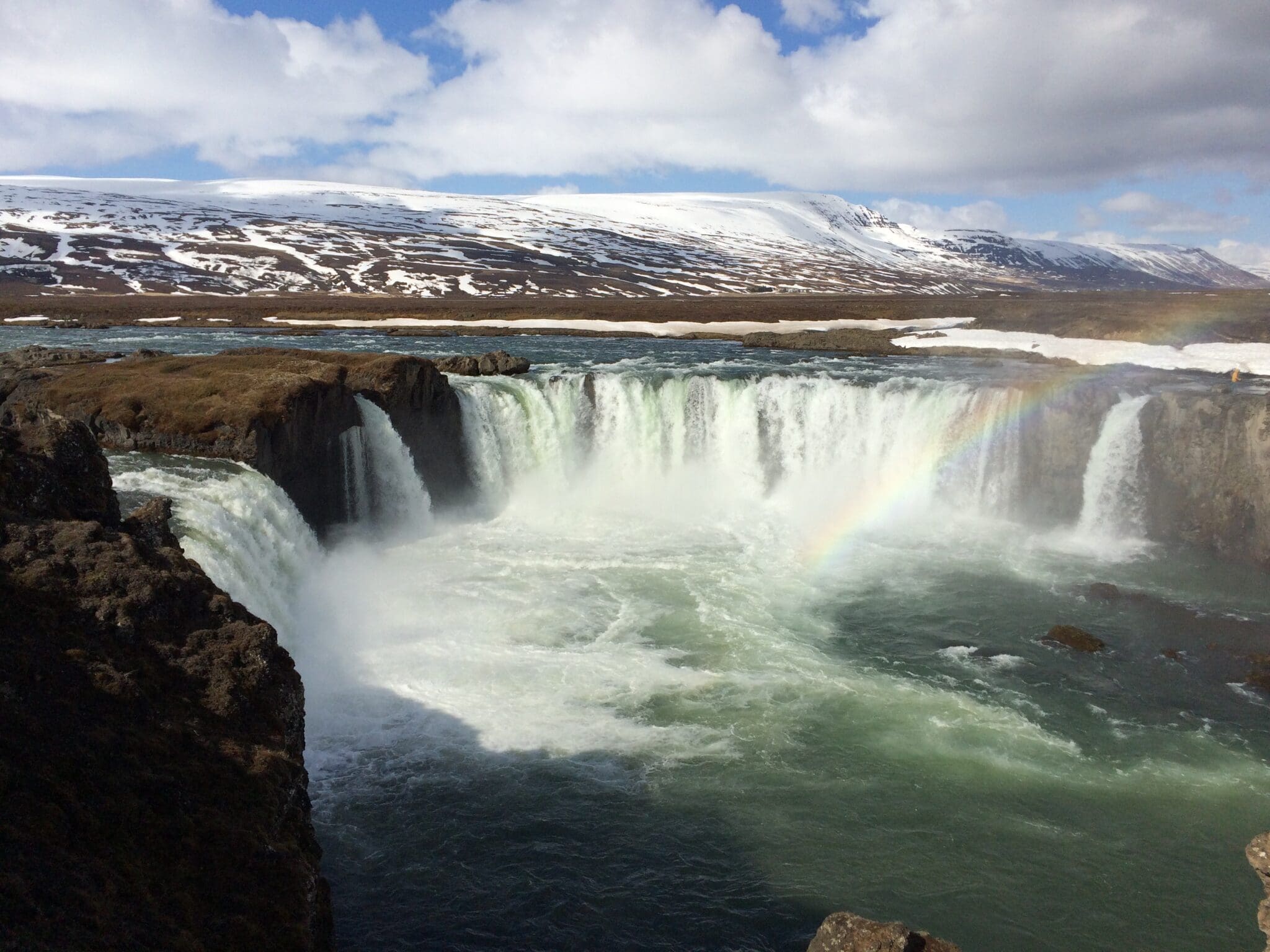
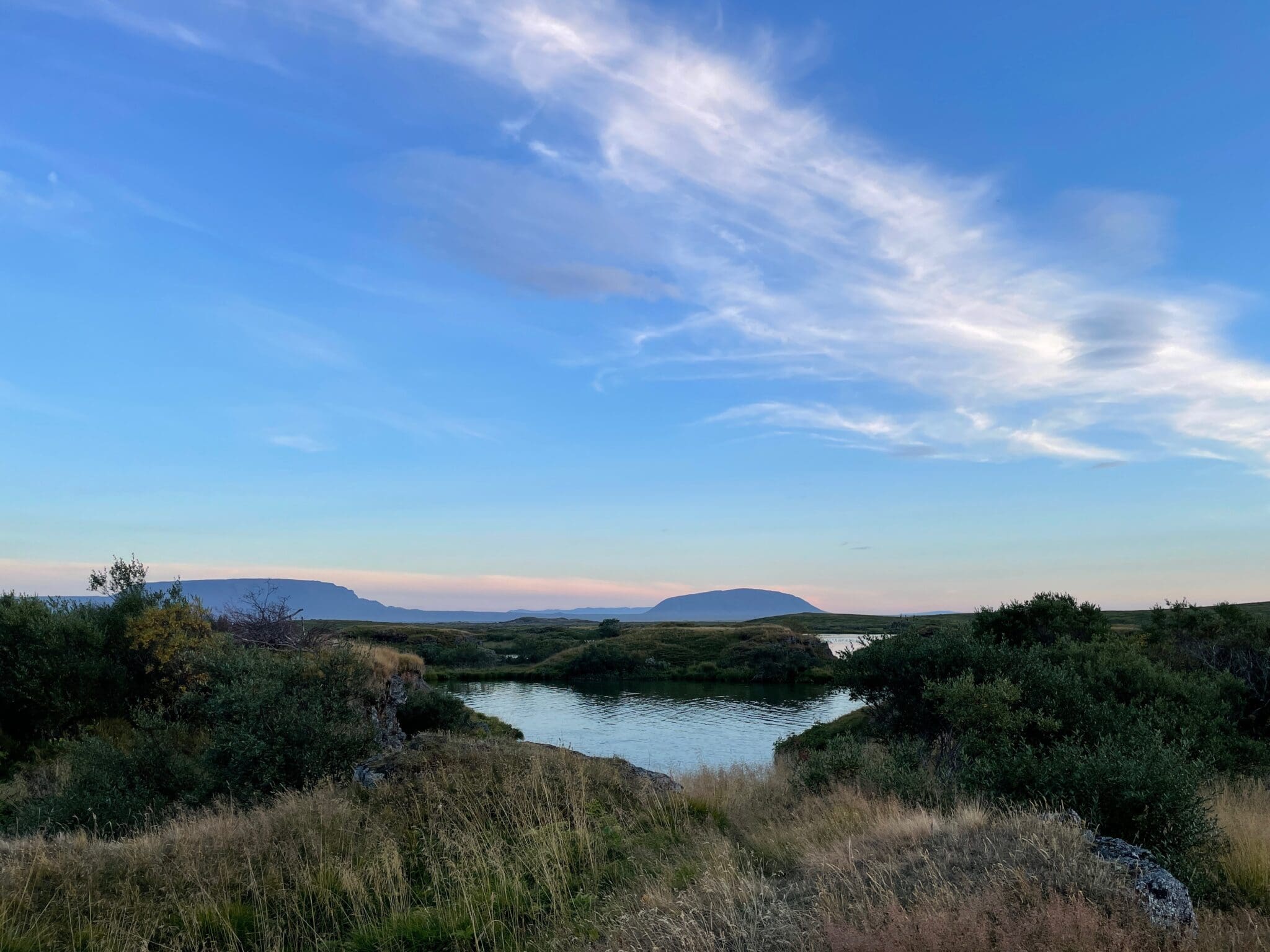
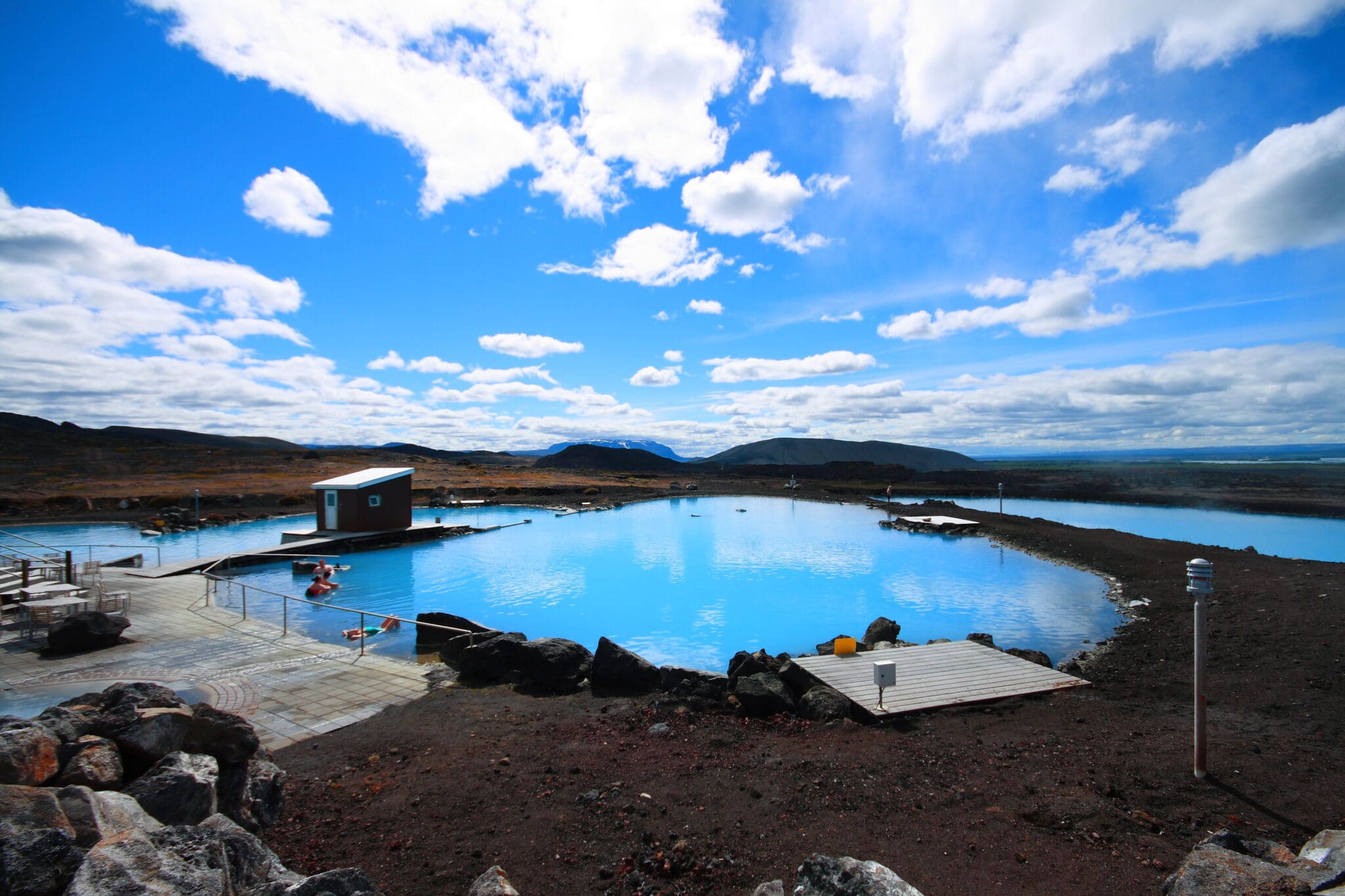
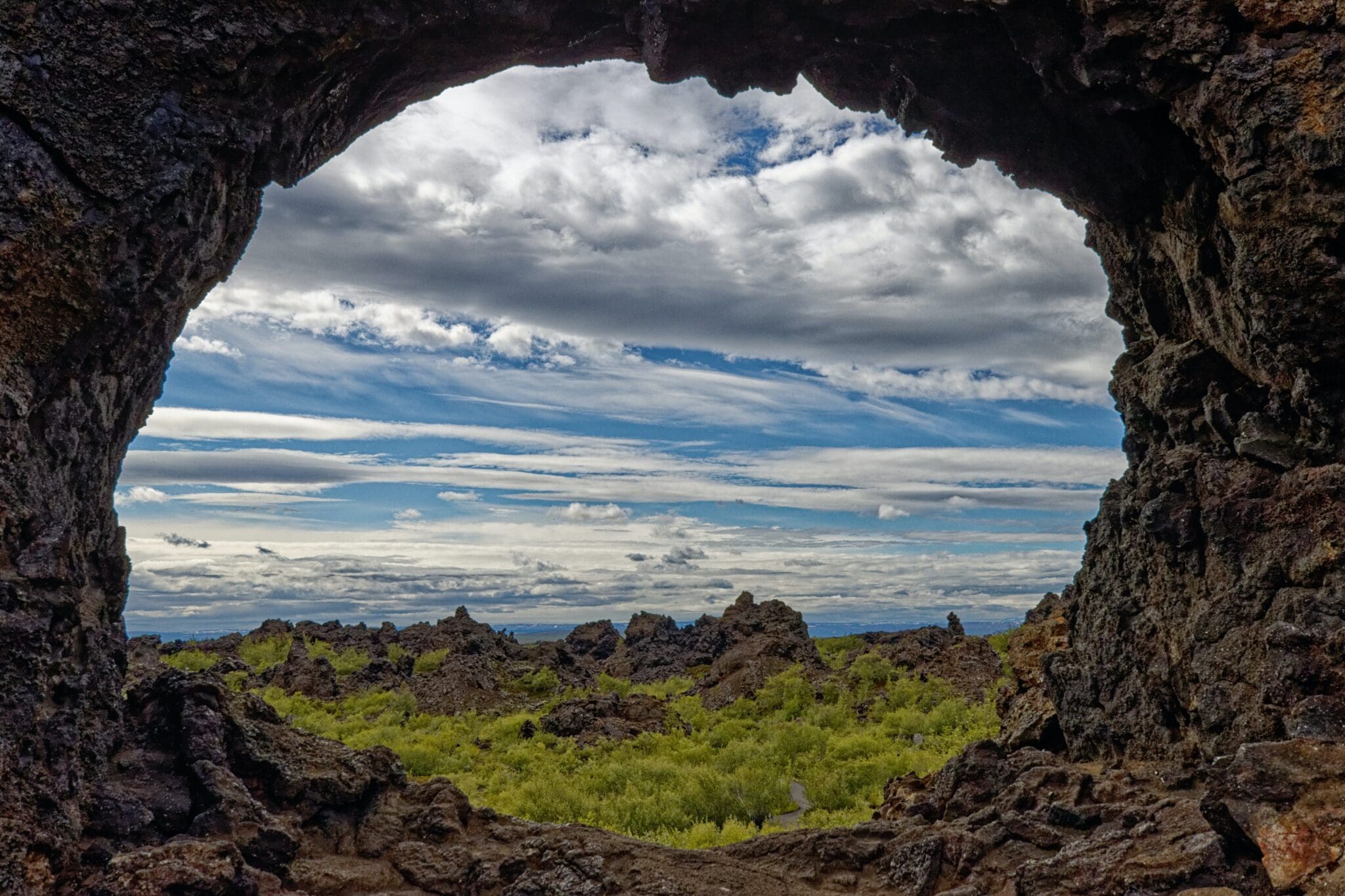
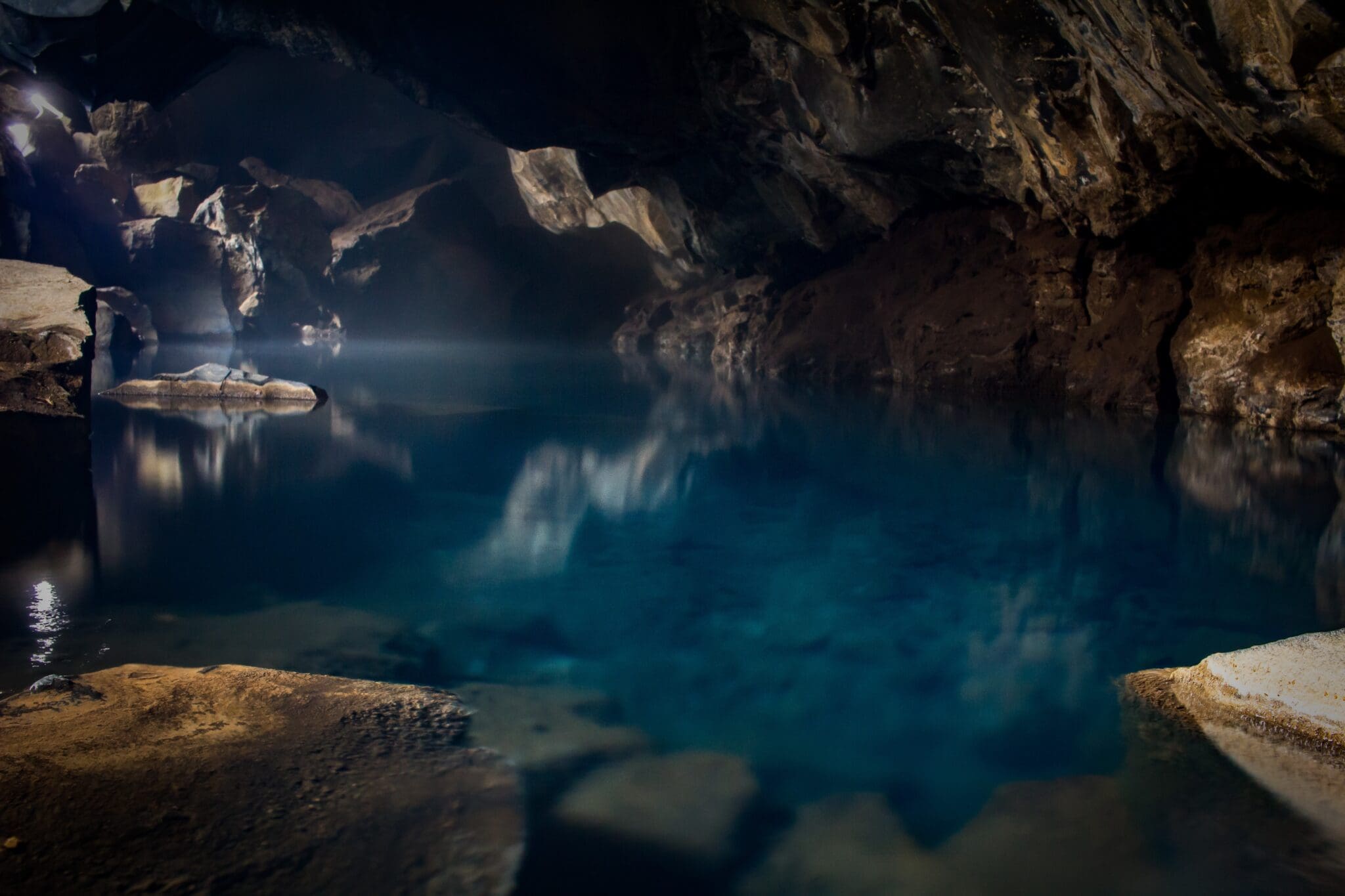
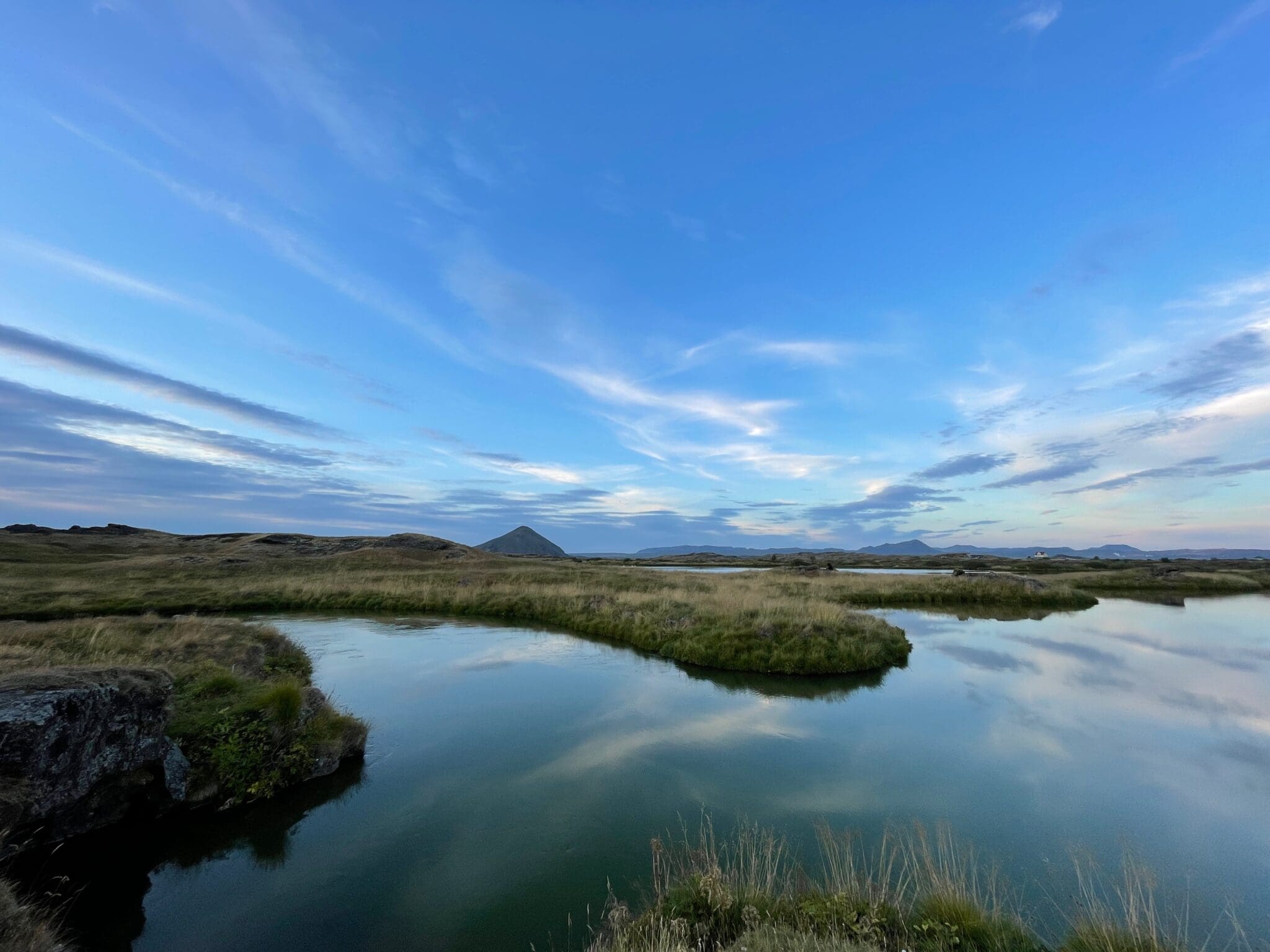
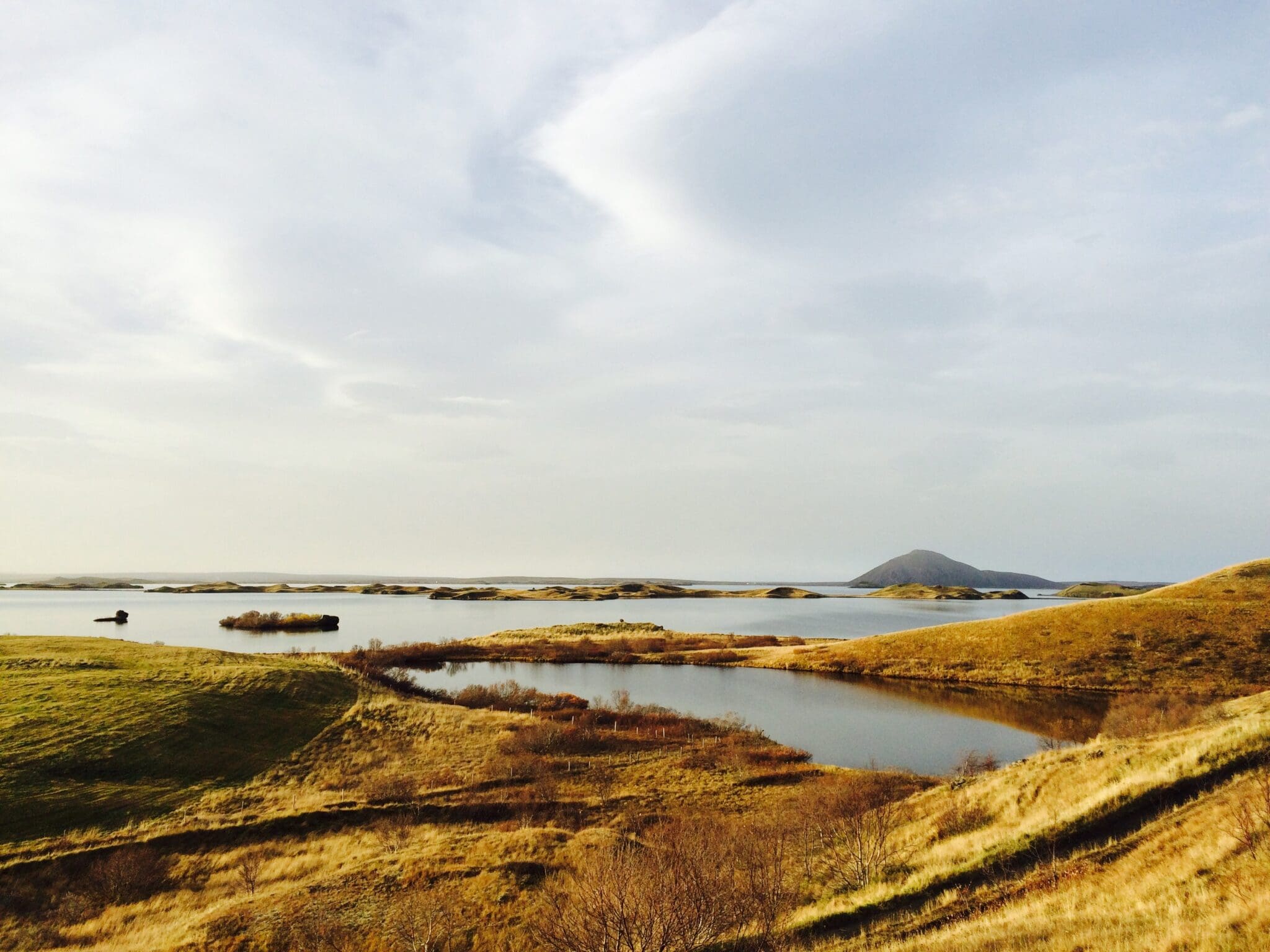
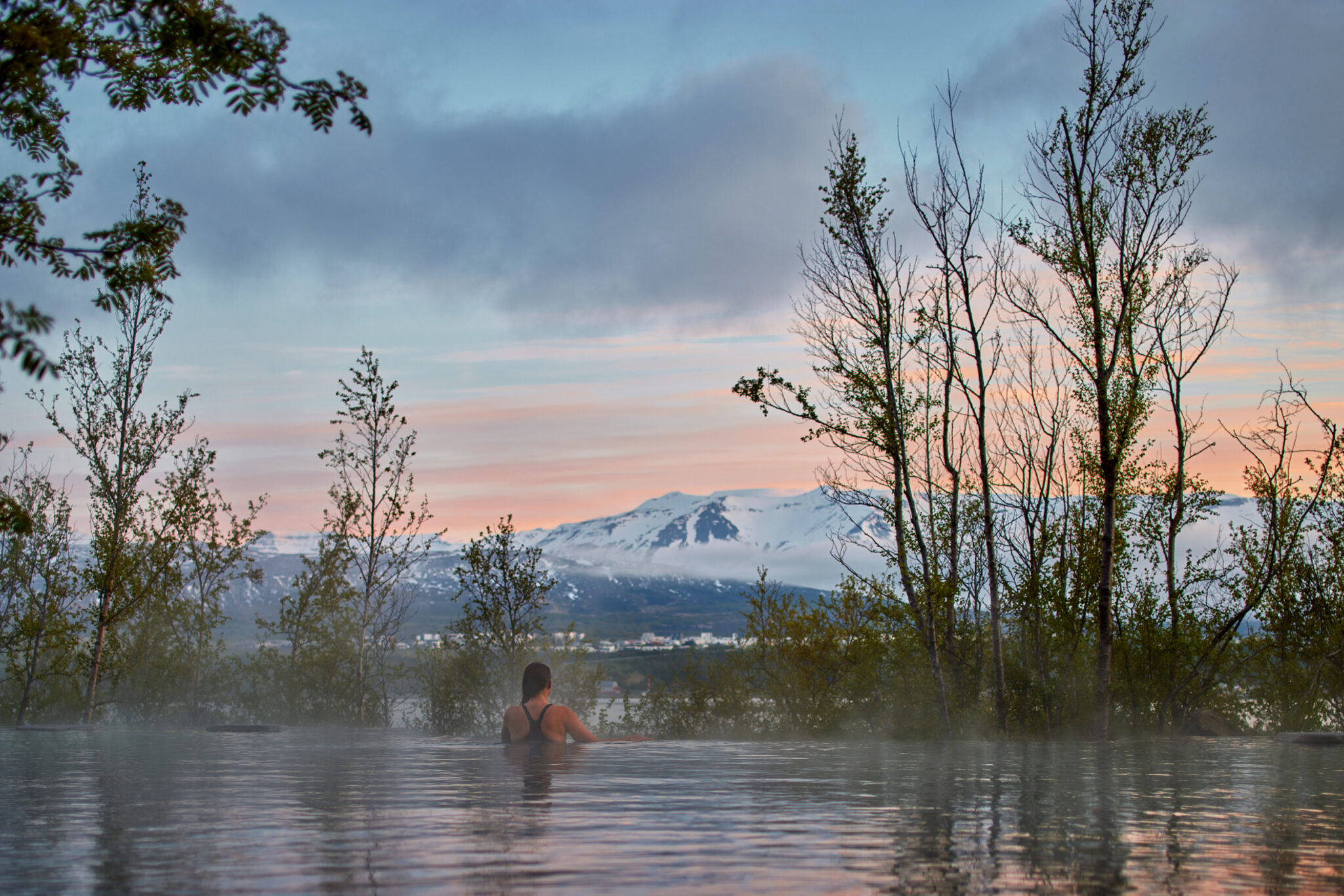
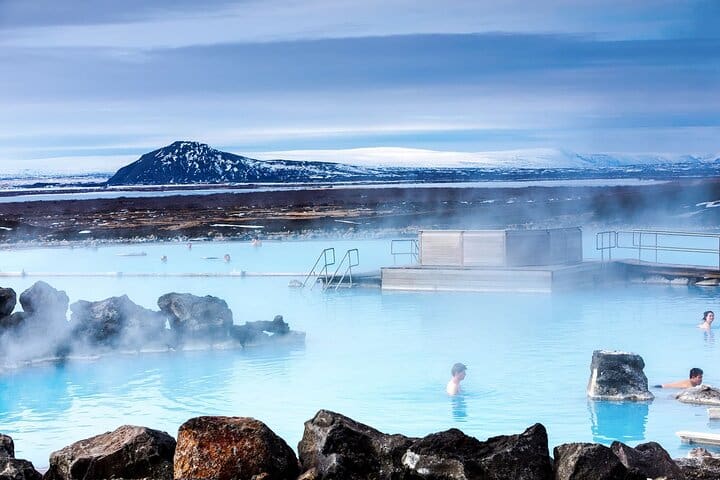
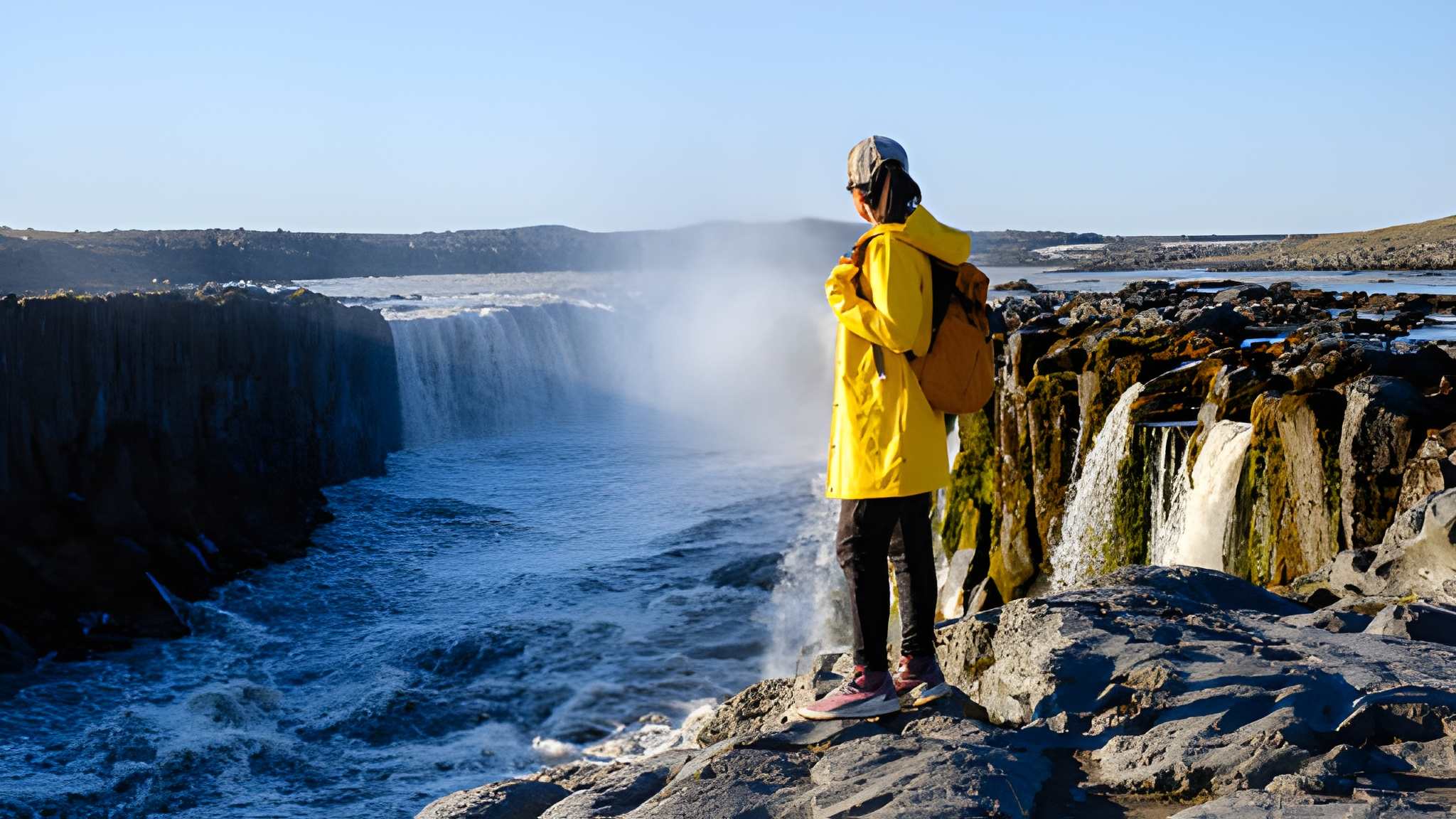
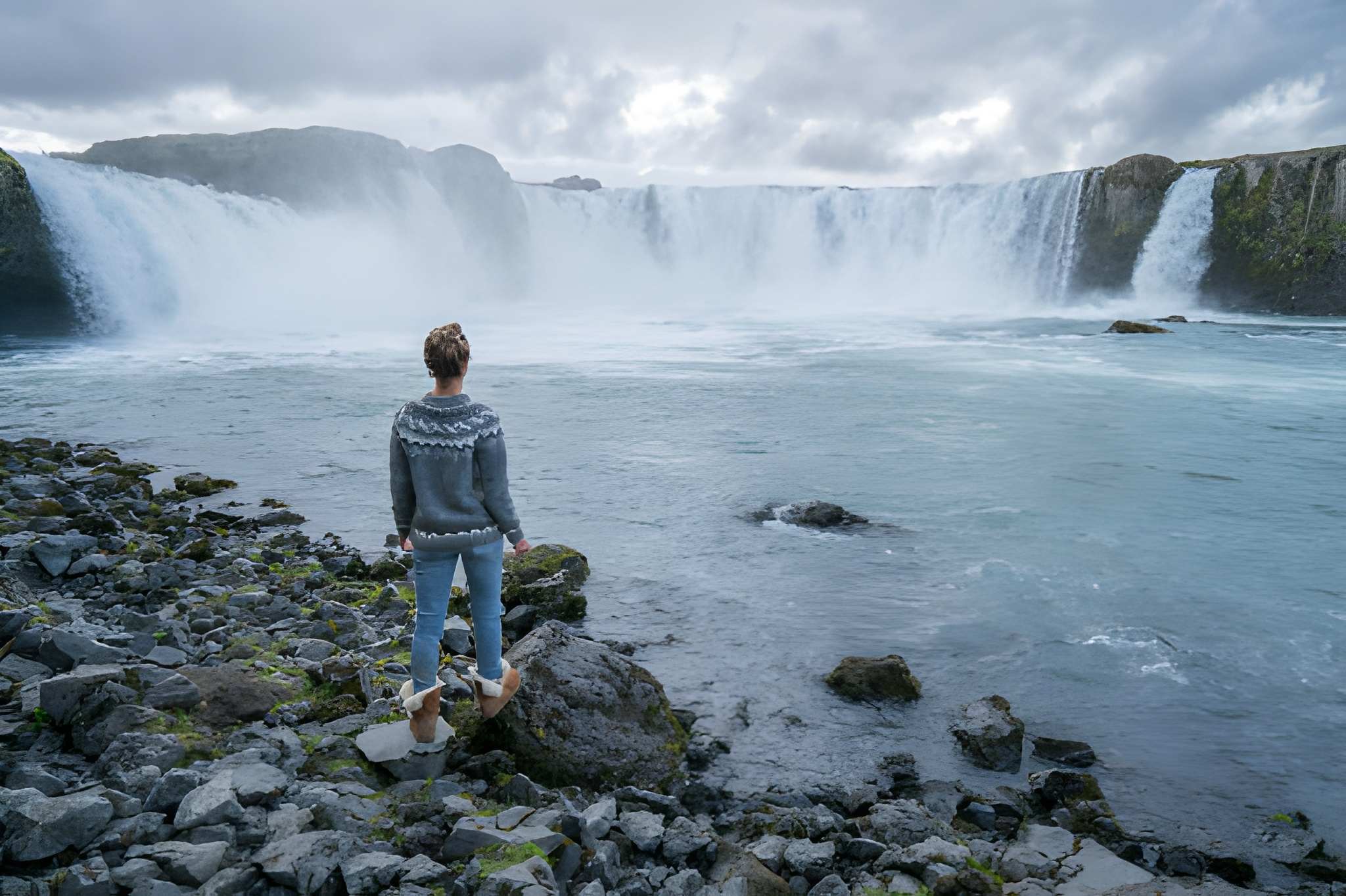
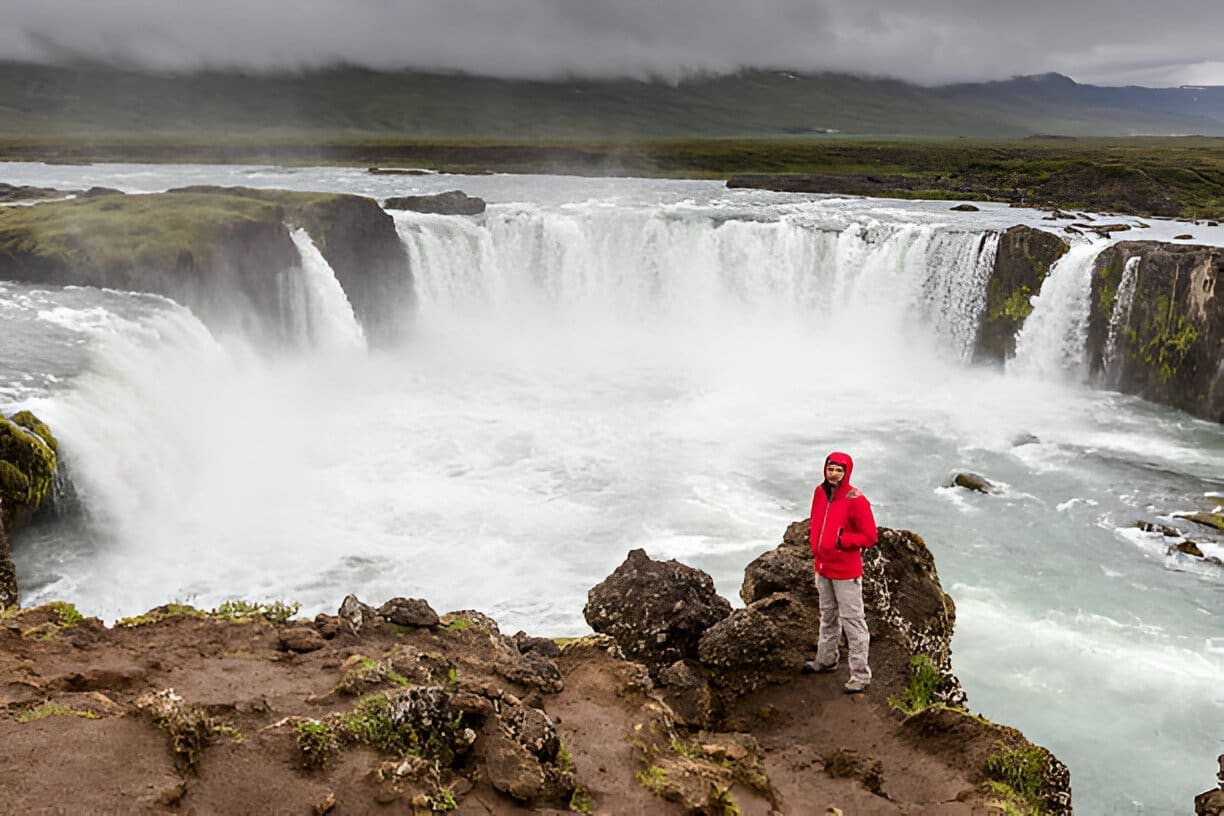
Lake Mývatn and the surrounding area are an absolute must if you're exploring the North! First, we'll cruise along the coast of Eyjafjörður, which is actually one of the longest fjords in Iceland. Our first stop is Goðafoss waterfall – seriously, it's one of the most stunning waterfalls you'll ever see. Then we're off to Lake Mývatn, which was formed by a massive lava eruption about 2300 years ago. The whole area is packed with wild volcanic landscapes, lava pillars, and these really cool rootless vents. We'll also check out Grjótagjá cave and make a stop at the steamy hot springs at Hverarönd in Námaskarð. On our way back, we'll swing by the unique lava formations at Dimmuborgir – they're super popular and for good reason! We'll also stop at Skútustaðagígar, which is this awesome area full of pseudocraters. Our last stop is back in Eyjafjörður, where you'll get an amazing view over the fjord to Akureyri – perfect for snapping some photos. If you're up for it, you can also join us for a visit to geothermal springs. At the moment we visit Forest Lagoon until Earth lagoon is reopend again. You'll have about an hour and a half to chill and soak before we head back to town. You can add the admission at checkout. It's going to be an awesome day!
This tour includes comfortable transportation in a minibus and English-speaking guide to enhance your experience.
Remember to bring your towel and swimsuit. If you forget, don’t worry—you also have the option to rent them on-site.
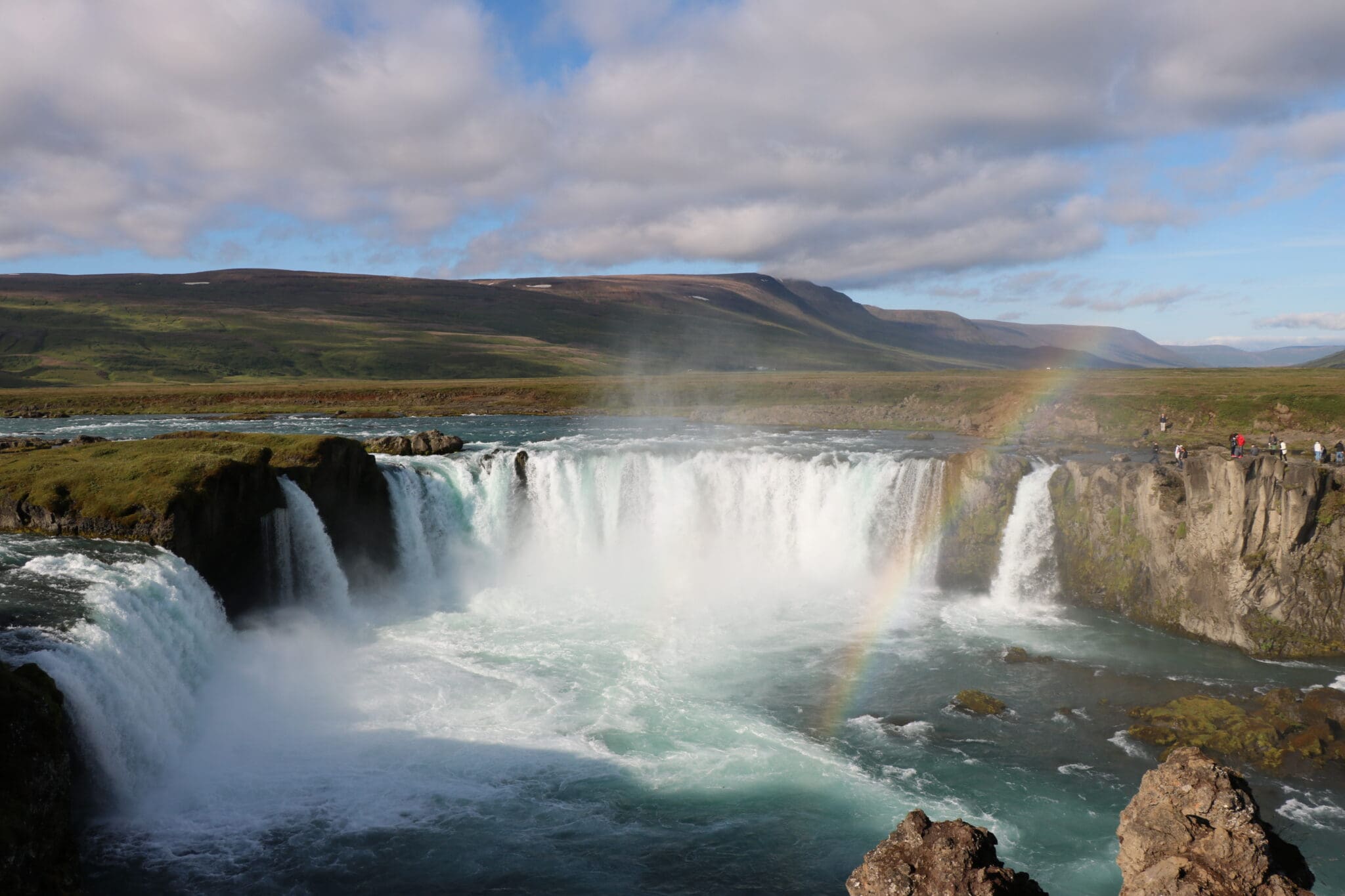
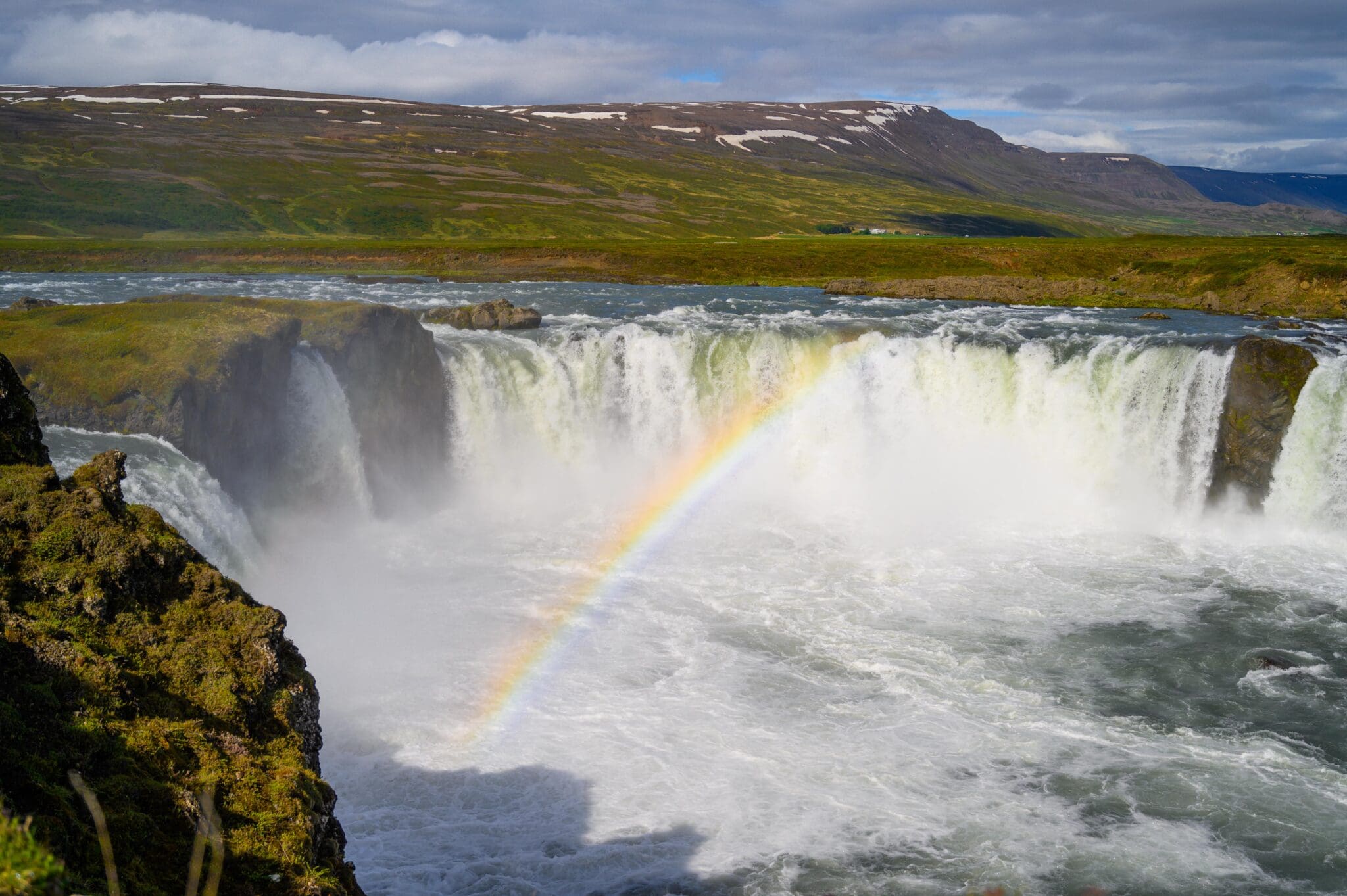
La cascade de Goðafoss est l'une des plus belles cascades d'Islande Surnommée la cascade des dieux en raison de son histoire En l'an 1000, ̄oir Ljósvetningagoði fait du christianisme la religion officielle de l'Islande et procède au lancement de ses statues de dieux dans la cascade.
L'eau tombe d'une hauteur de 12 mètres sur une largeur de 30 mètres.
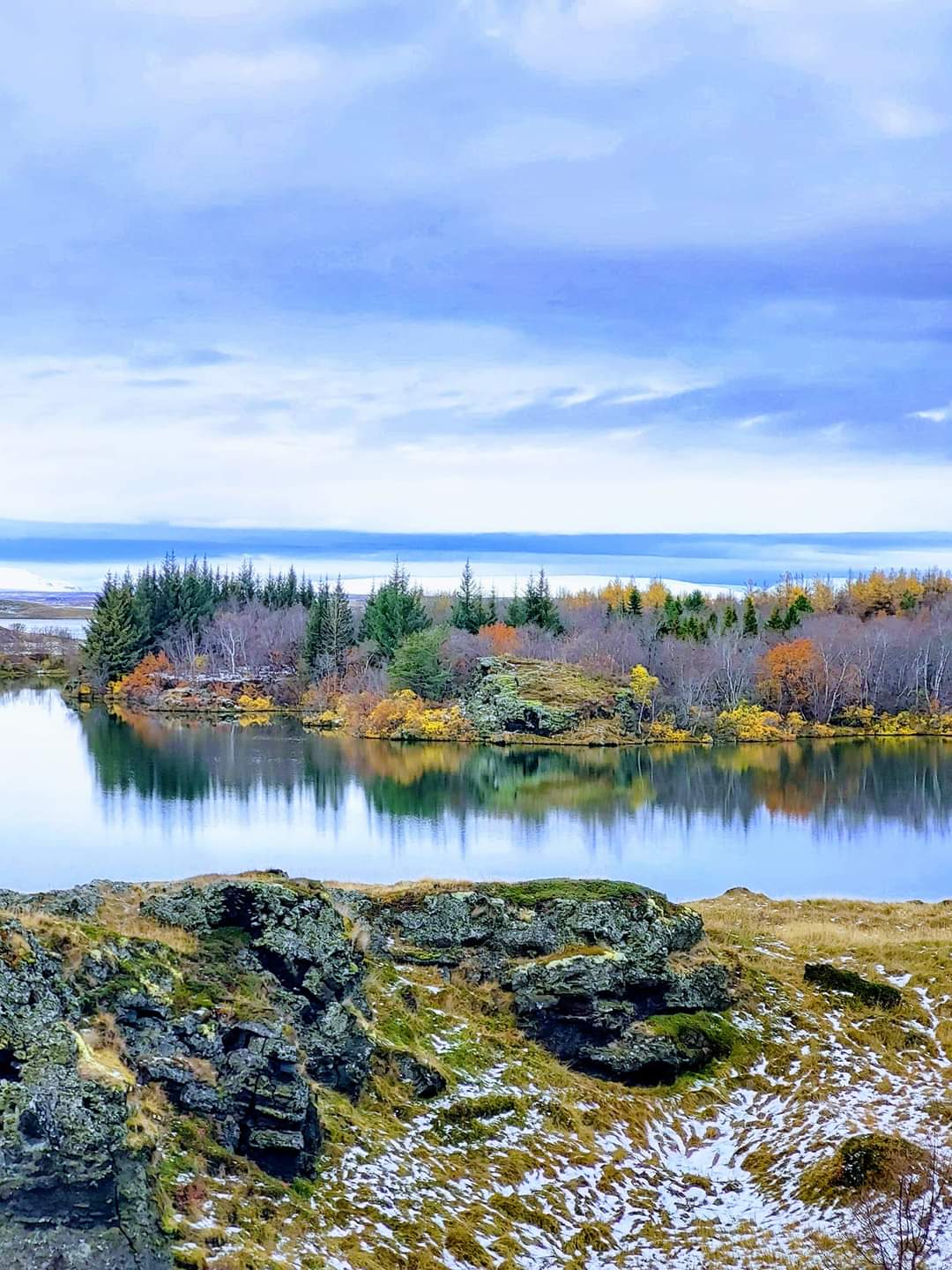
Les pseudo cratères sont des formations géologiques rares au niveau national comme mondial Les pseudo cratères sont des formations de lave rares formées par des explosions de vapeur où la lave à faible débit coule sur les lacs et les marécages Les cratères comptent parmi les monuments naturels les plus importants d'Islande et par le lac Mývatn ils sont particulièrement beaux en forme et forment la charpente du lac.
Le dimmuborgir s'est formé lors d'une éruption survenue
dans la région il y a 2 300 ans.
Alors que la lave coulait à travers la région, elle passait sur un lac, la faisant bouillir Cela a à la fois accéléré le refroidissement de la lave et provoqué des piliers de vapeur pour en briser certaines parties Après sa solidification, la région de Dimmuborgir est devenue définie par de grands empilements de roches et de nombreuses grottes et cavernes, causés par des bulles de vapeur intense.
A ce titre, beaucoup ont comparé Dimmuborgir à un château médiéval, avec ses nombreuses chambres cachées et ses tours montantes.
Grjótagjá est une petite grotte de lave près du lac Mývatn en Islande Elle a une source thermale à l'intérieur Au début du XVIIIe siècle, le hors-la-loi Jón Markússon y vivait et utilisait la grotte pour se baigner Jusqu'aux années 1970, Grjótagjá était un site de baignade populaire.
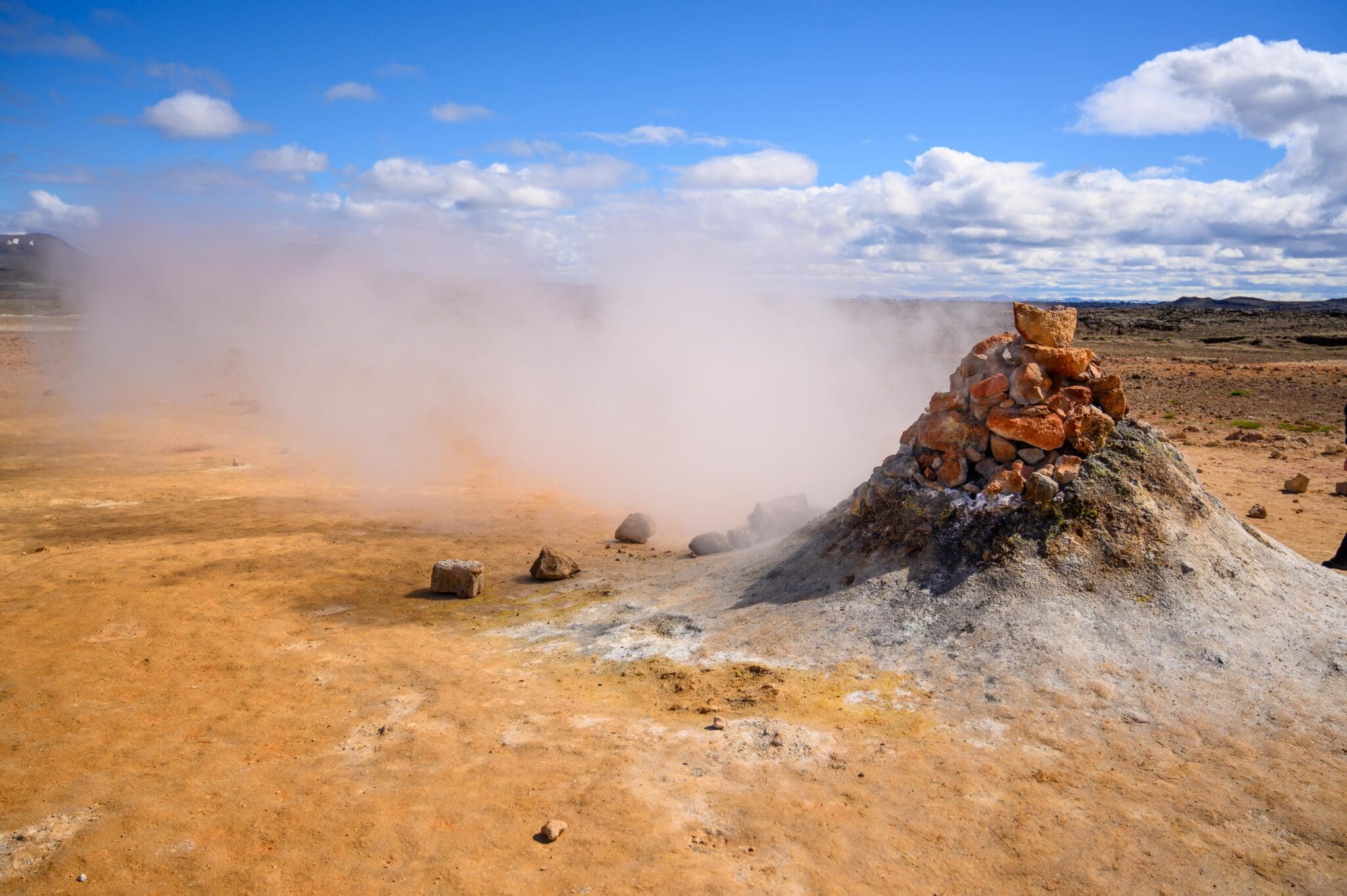
La zone géothermique de Hverir est située au nord-est de l'Islande.
Vous pouvez voir de nombreuses fumerolles et des marmites de boue bouillante, entourées de cristaux de soufre de nombreuses couleurs différentes. Le soufre donne à la région une odeur écrasante.
Please note that the tour schedule may vary depending on your cruise ship's docking times. For some cruise arrivals, there may not be sufficient time to include a visit to Forest Lagoon.
The tour is scheduled according to your ship's docking and departure times.
If you choose to visit Forest Lagoon, you will typically have approximately 1.5 hours to enjoy the lagoon, although this may vary depending on docking times. Guests who prefer not to bathe will be transferred to Akureyri earlier, allowing additional time to explore the town at their leisure.
26.990 ISK
20.990 ISK
2.650 ISK
5.900 ISK
357.563 ISK
13.490 ISK
30.150 ISK
20.100 ISK
40 000 ISK
260 000 ISK
Conseils de voyage, nouveaux guides et un heads-up quand les prévisions aurores se présentent bien Pas de spam.