Private Siglufjörður & Skagafjörður Day Tour from Akureyri
274.990 ISK
10 horas

Fácil
25.300 ISK
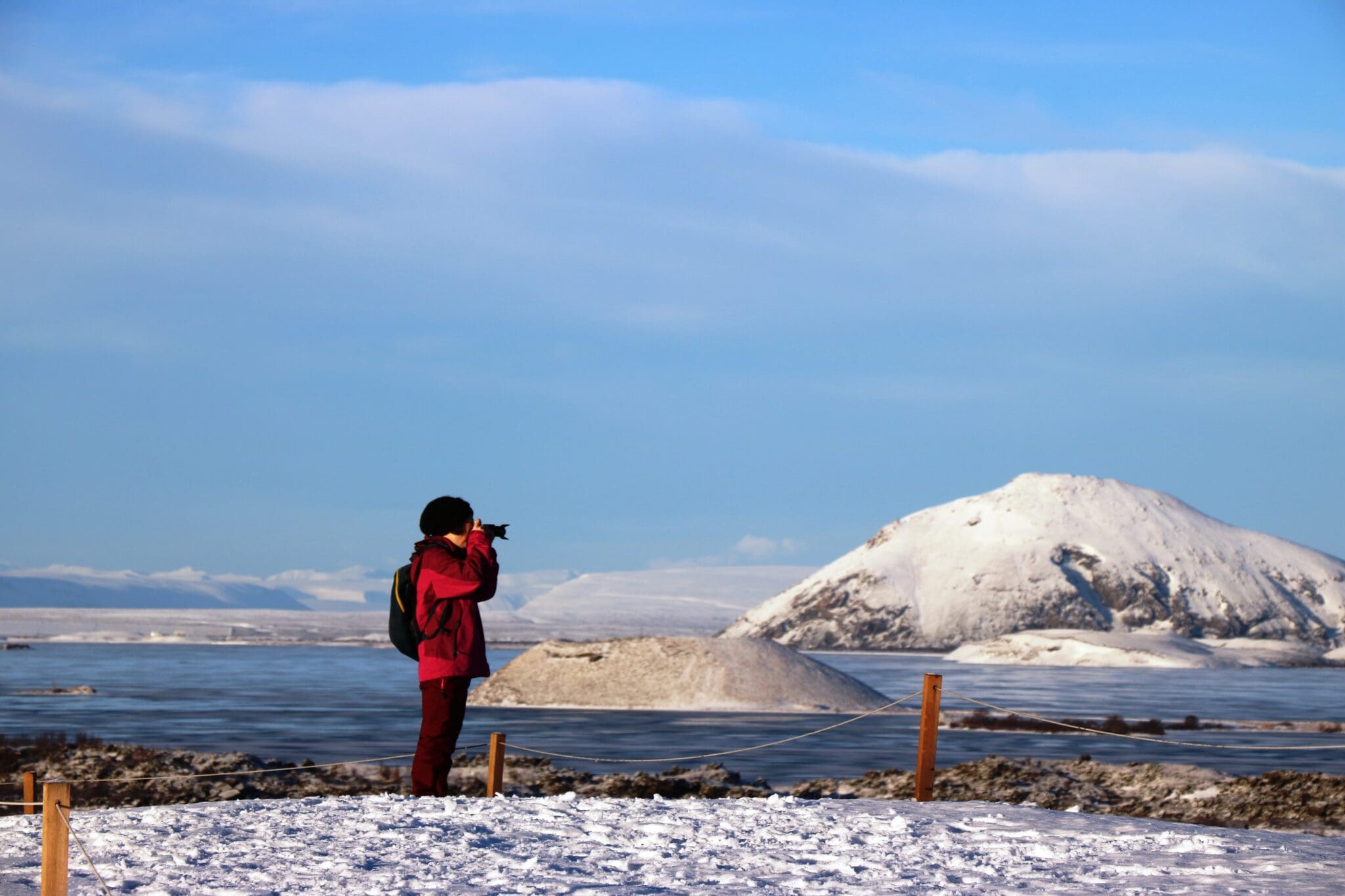
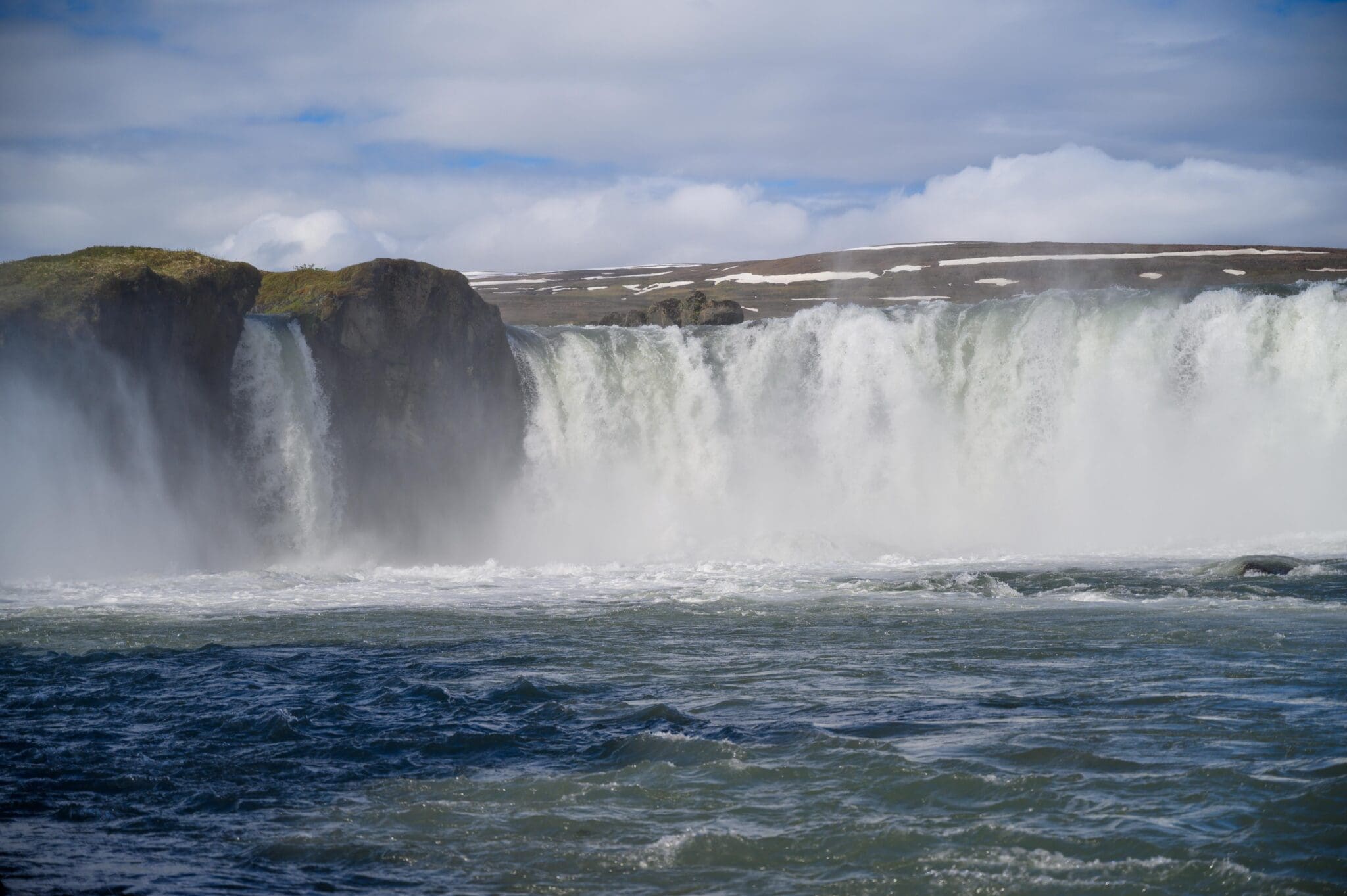
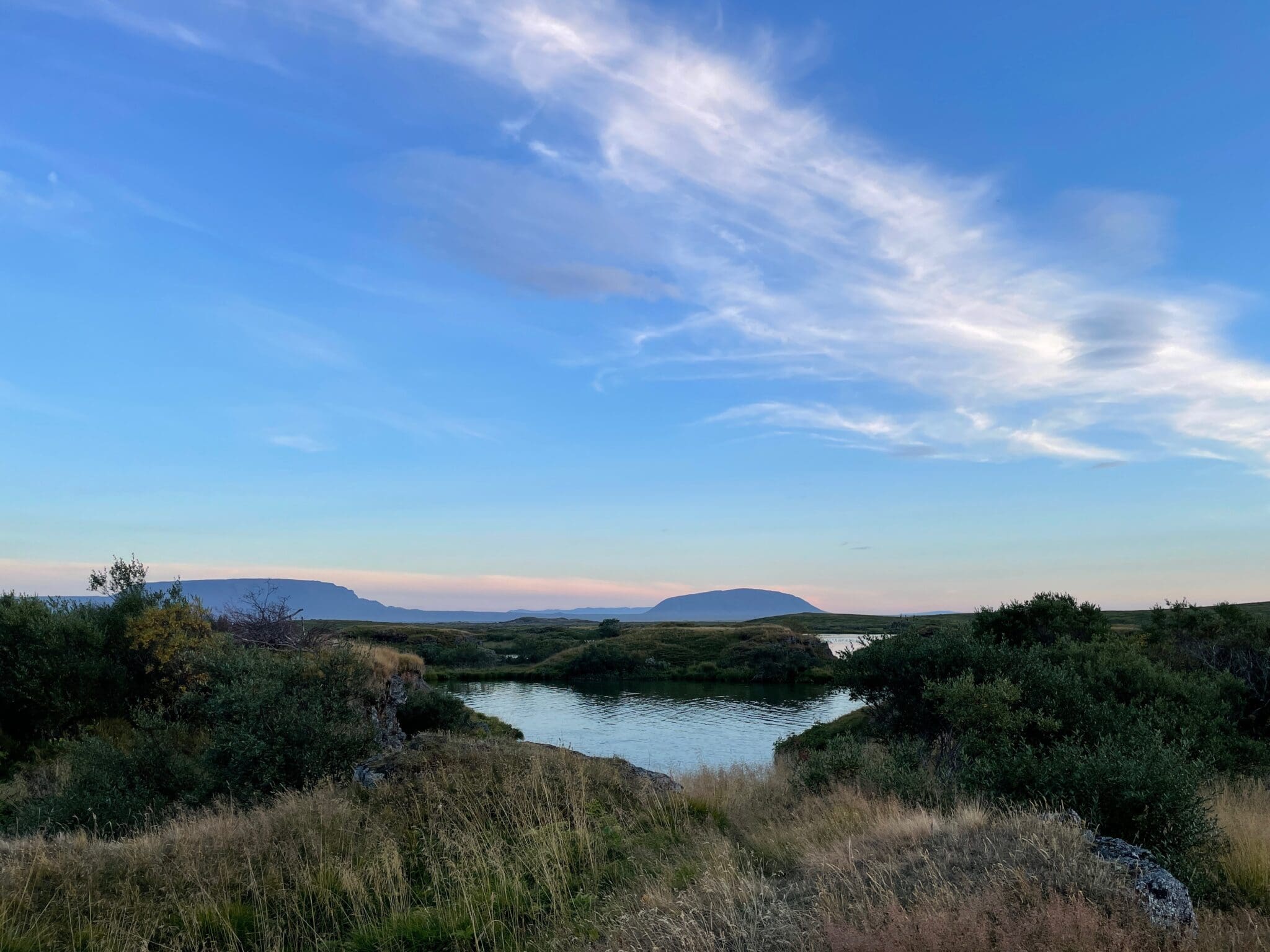
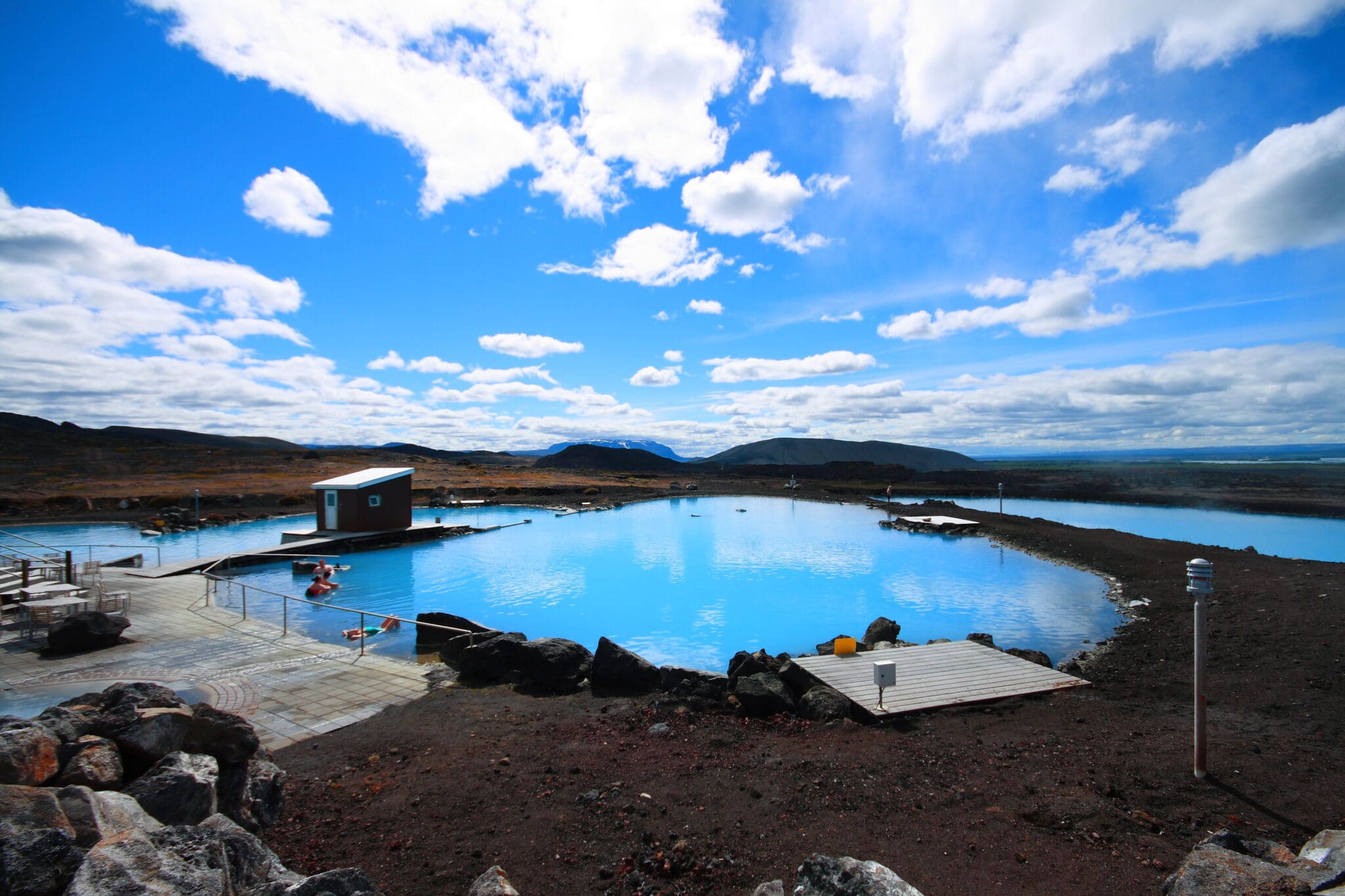
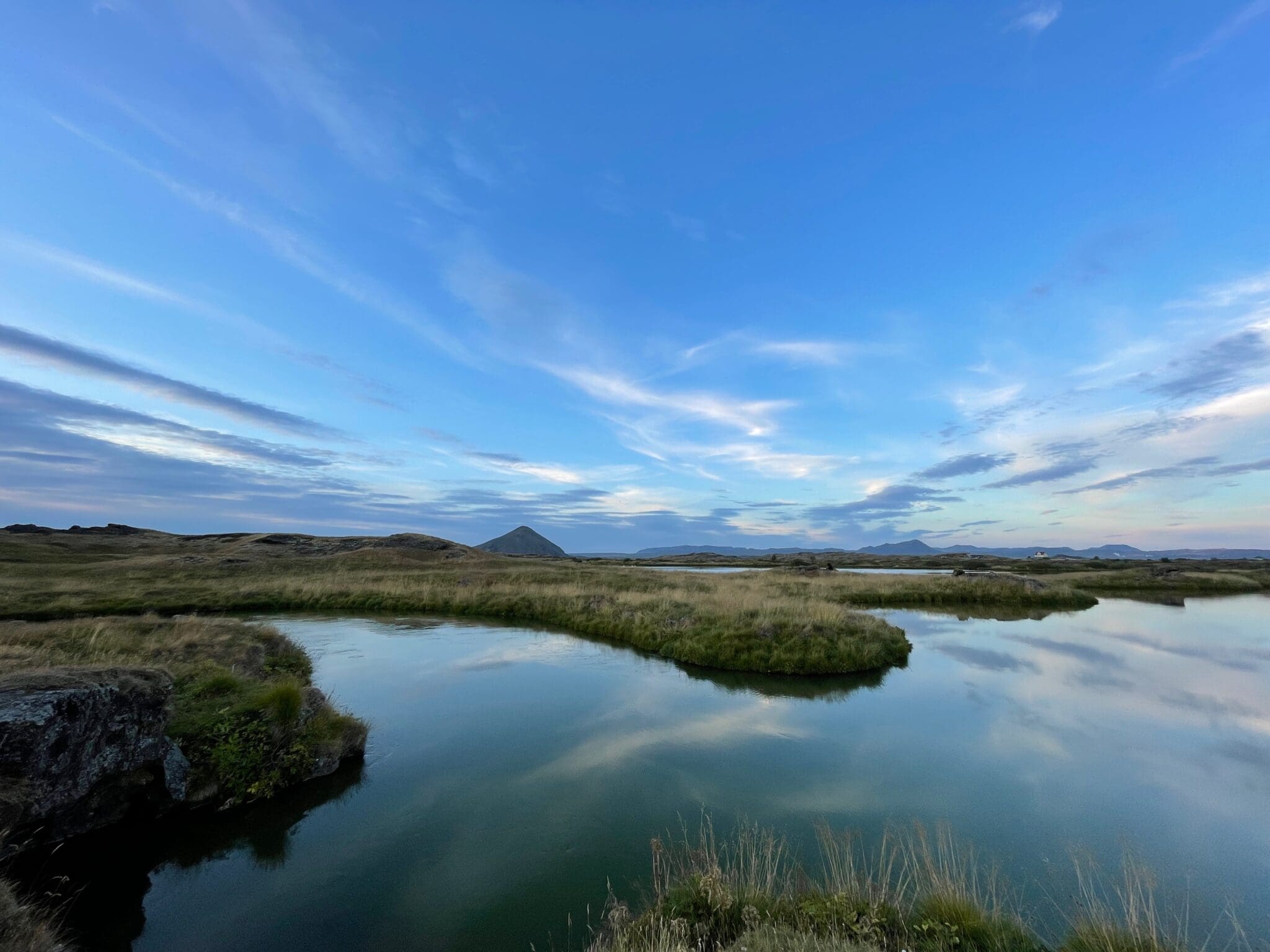
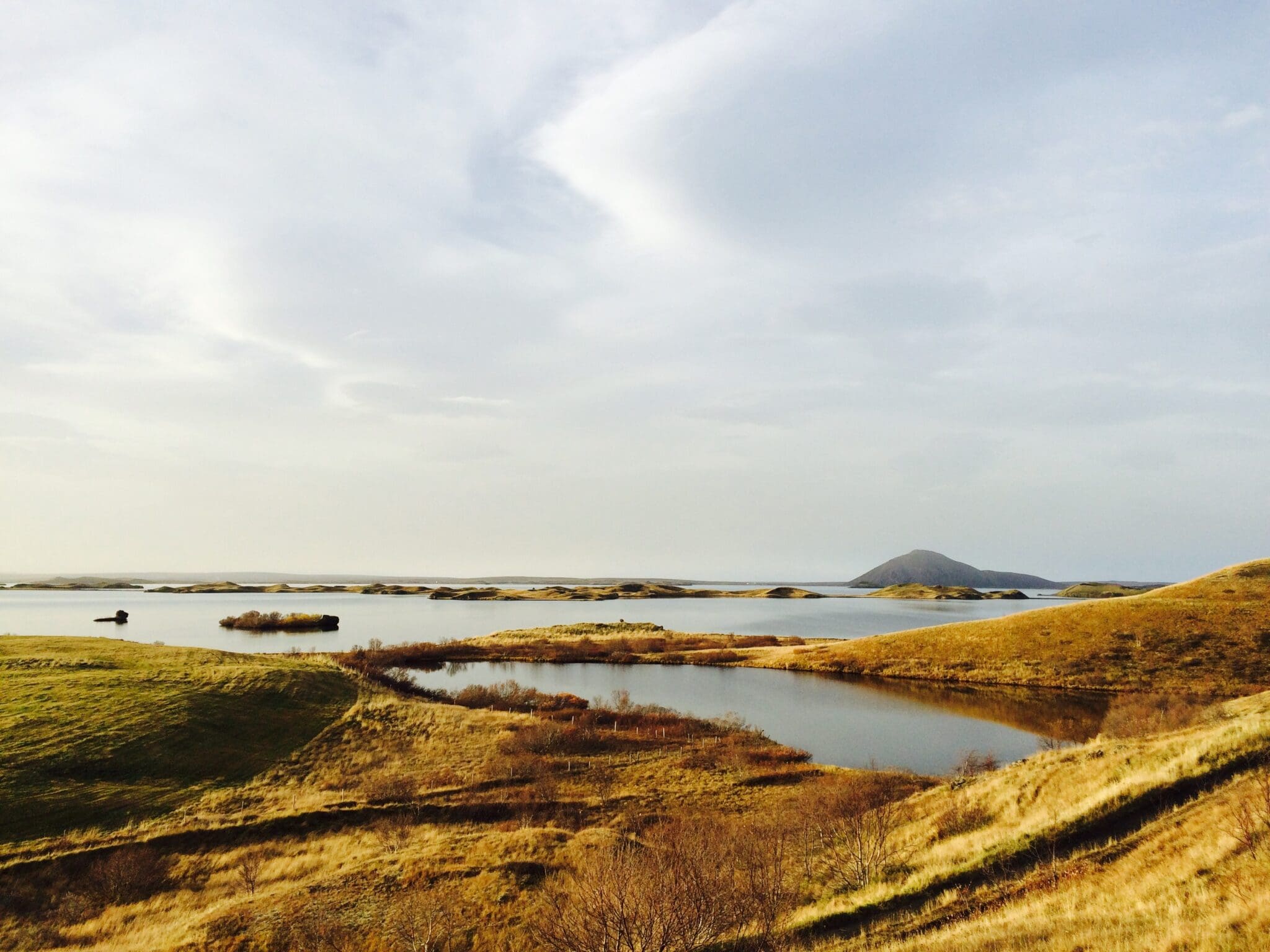
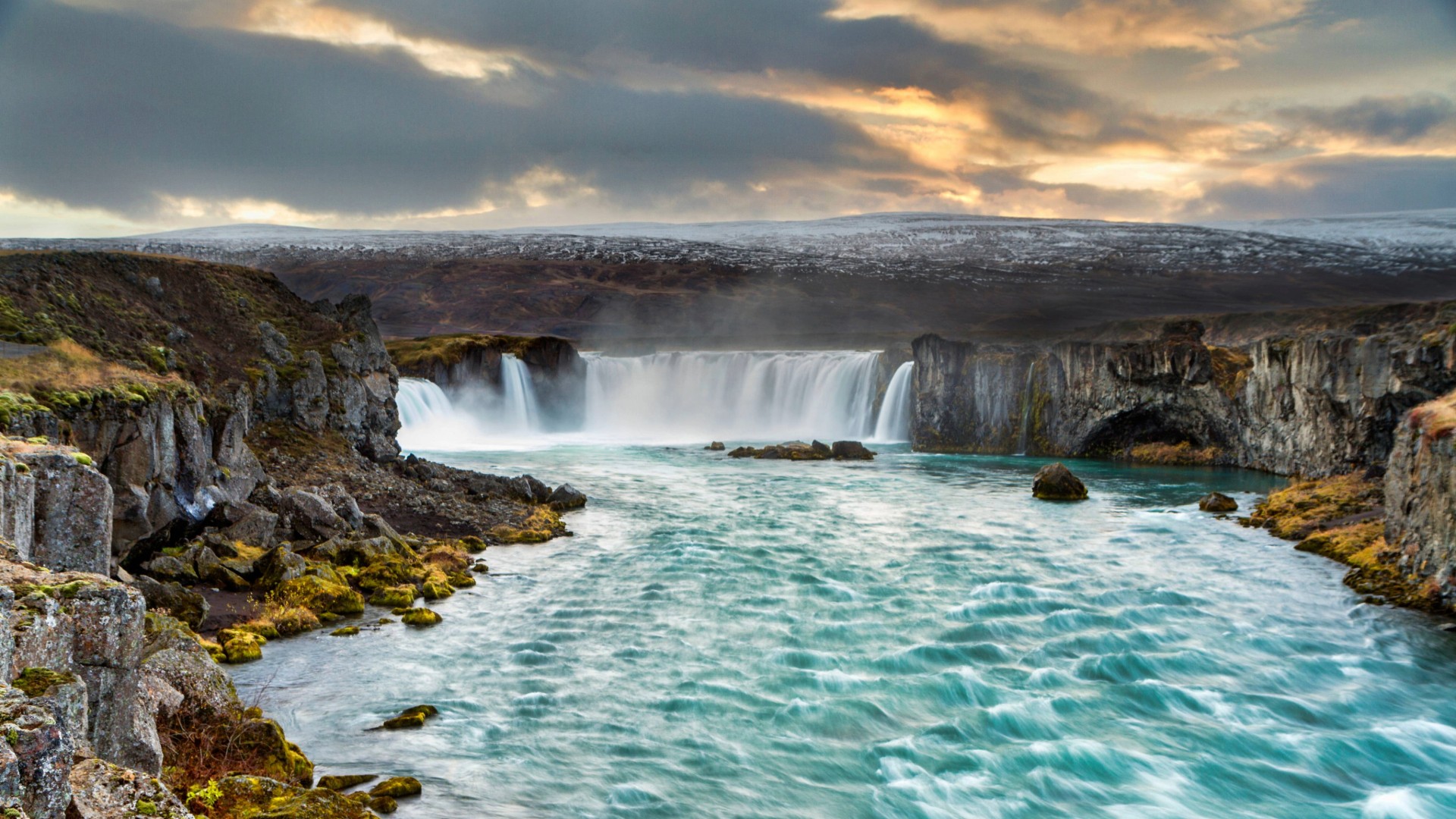
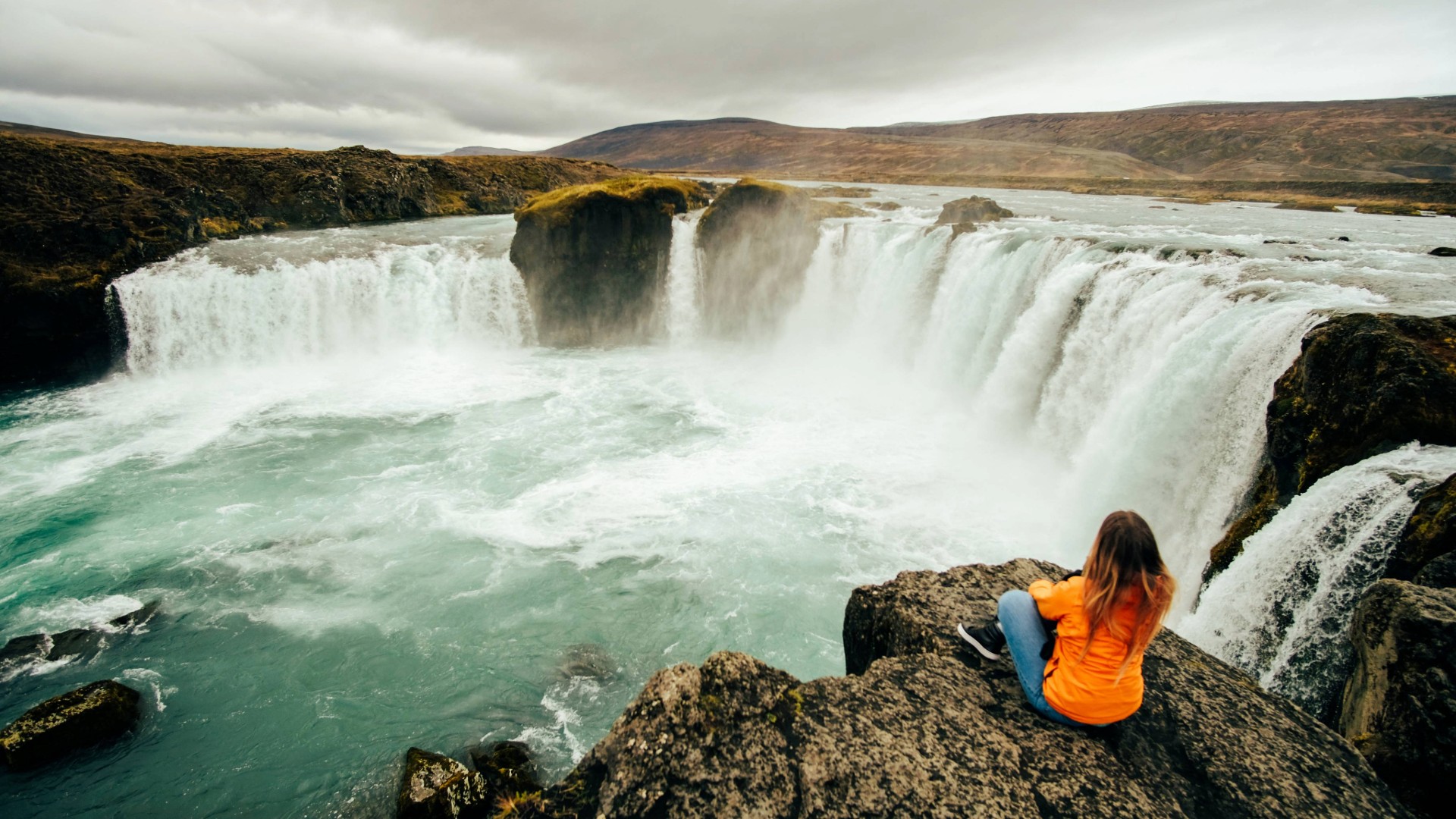
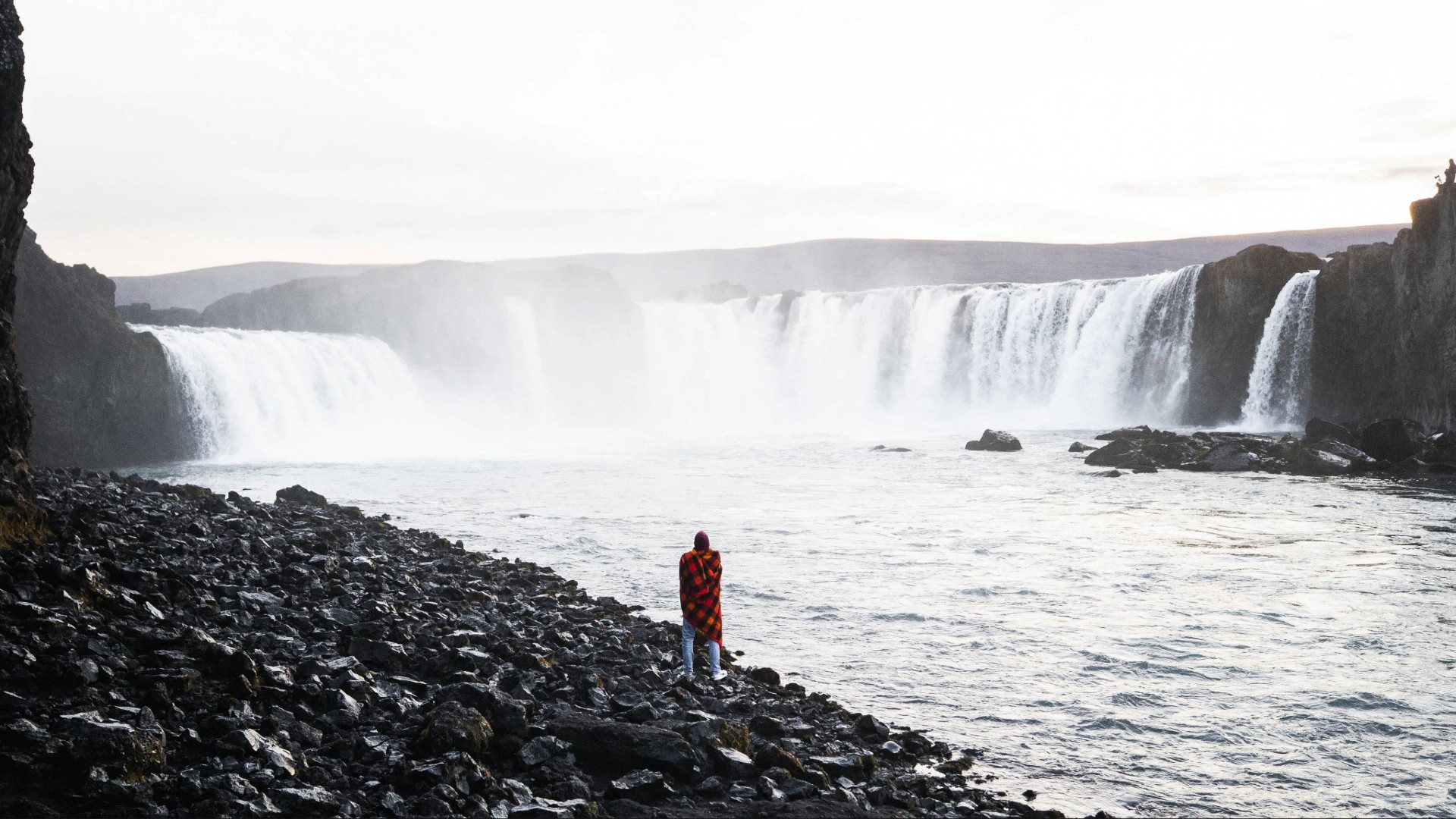
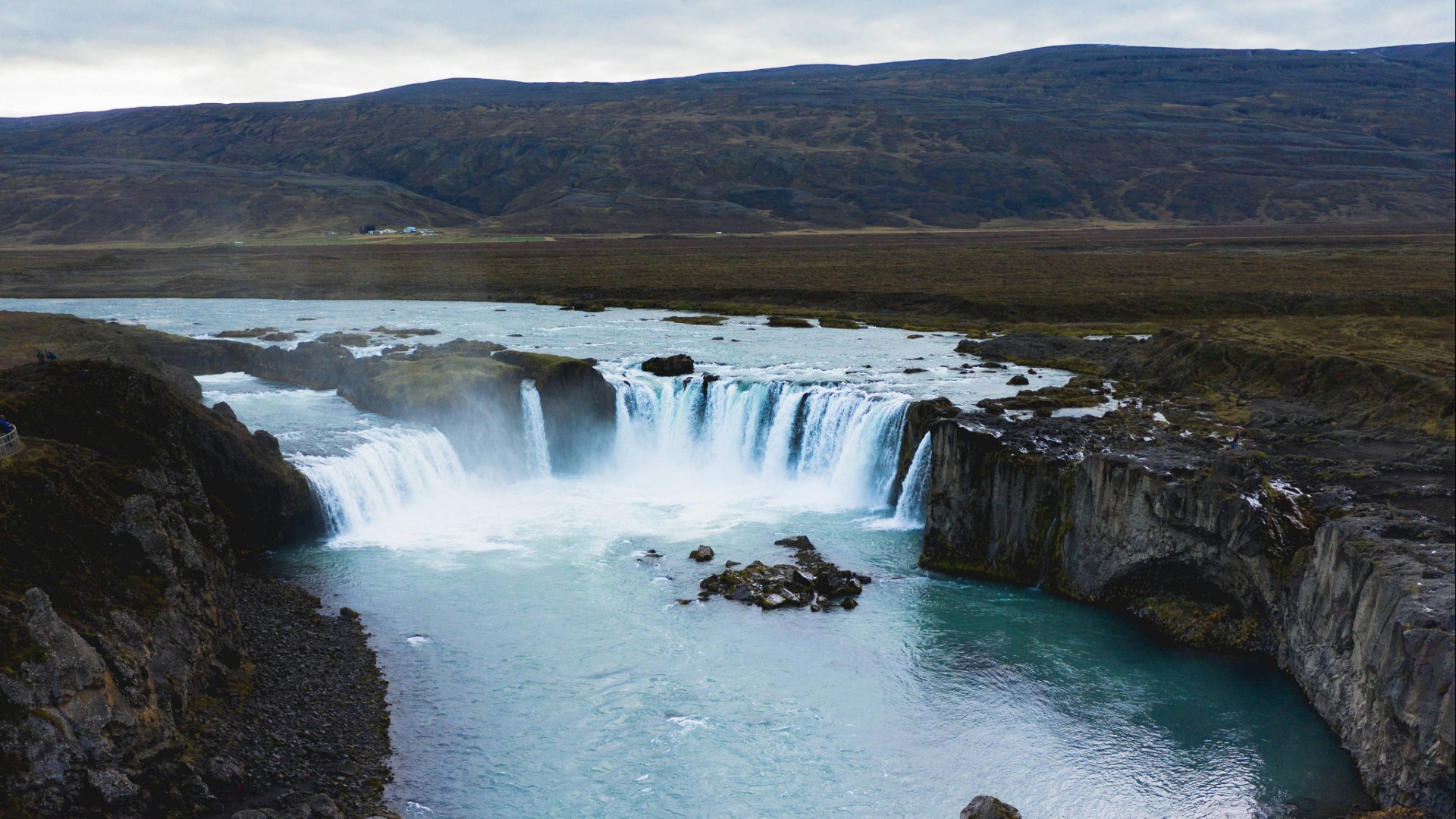
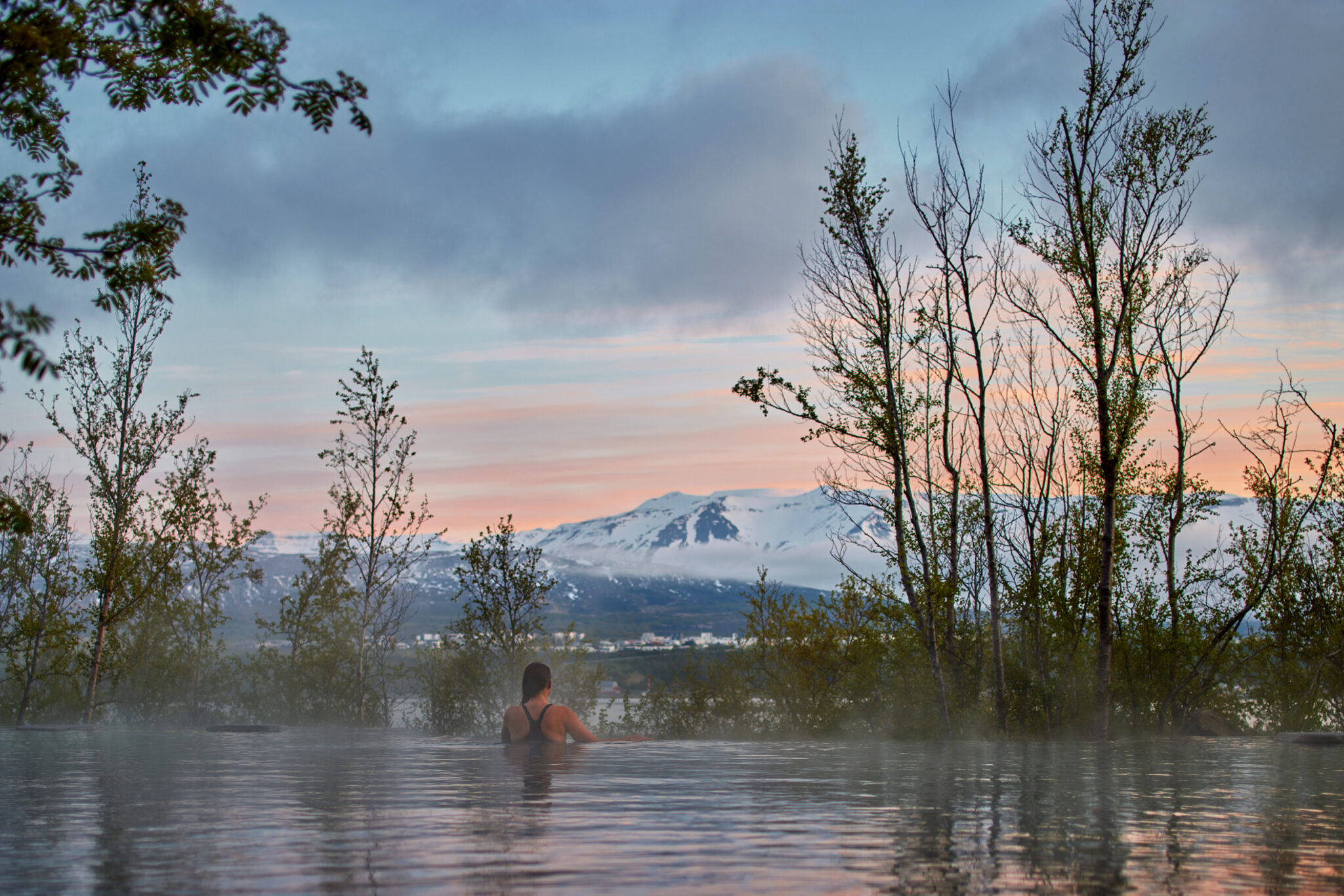
Lake Mývatn and the surrounding area are an absolute must if you're exploring the North! First, we'll cruise along the coast of Eyjafjörður, which is actually one of the longest fjords in Iceland. Our first stop is Goðafoss waterfall – seriously, it's one of the most stunning waterfalls you'll ever see. Then we're off to Lake Mývatn, which was formed by a massive lava eruption about 2300 years ago. The whole area is packed with wild volcanic landscapes, lava pillars, and these really cool rootless vents. We'll also check out Grjótagjá cave and make a stop at the steamy hot springs at Hverarönd in Námaskarð. On our way back, we'll swing by the unique lava formations at Dimmuborgir – they're super popular and for good reason! We'll also stop at Skútustaðagígar, which is this awesome area full of pseudocraters. Our last stop is back in Eyjafjörður, where you'll get an amazing view over the fjord to Akureyri – perfect for snapping some photos. If you're up for it, you can also join us for a visit to geothermal springs. At the moment we visit Forest Lagoon until Earth lagoon is reopend again. You'll have about an hour and a half to chill and soak before we head back to town. You can add the admission at checkout. It's going to be an awesome day!
This tour includes comfortable transportation in a minibus and English-speaking guide to enhance your experience.
Remember to bring your towel and swimsuit. If you forget, don’t worry—you also have the option to rent them on-site.
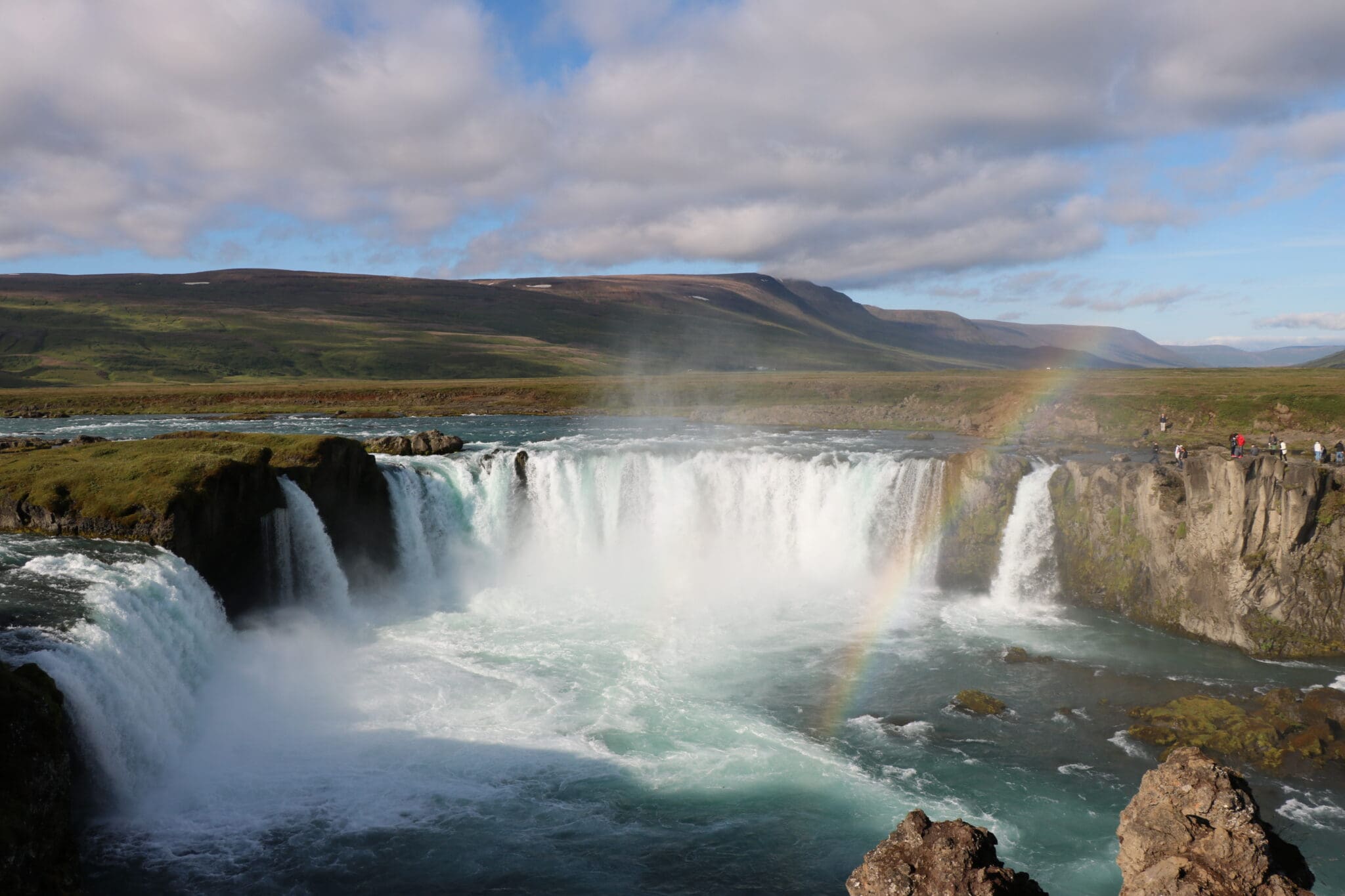
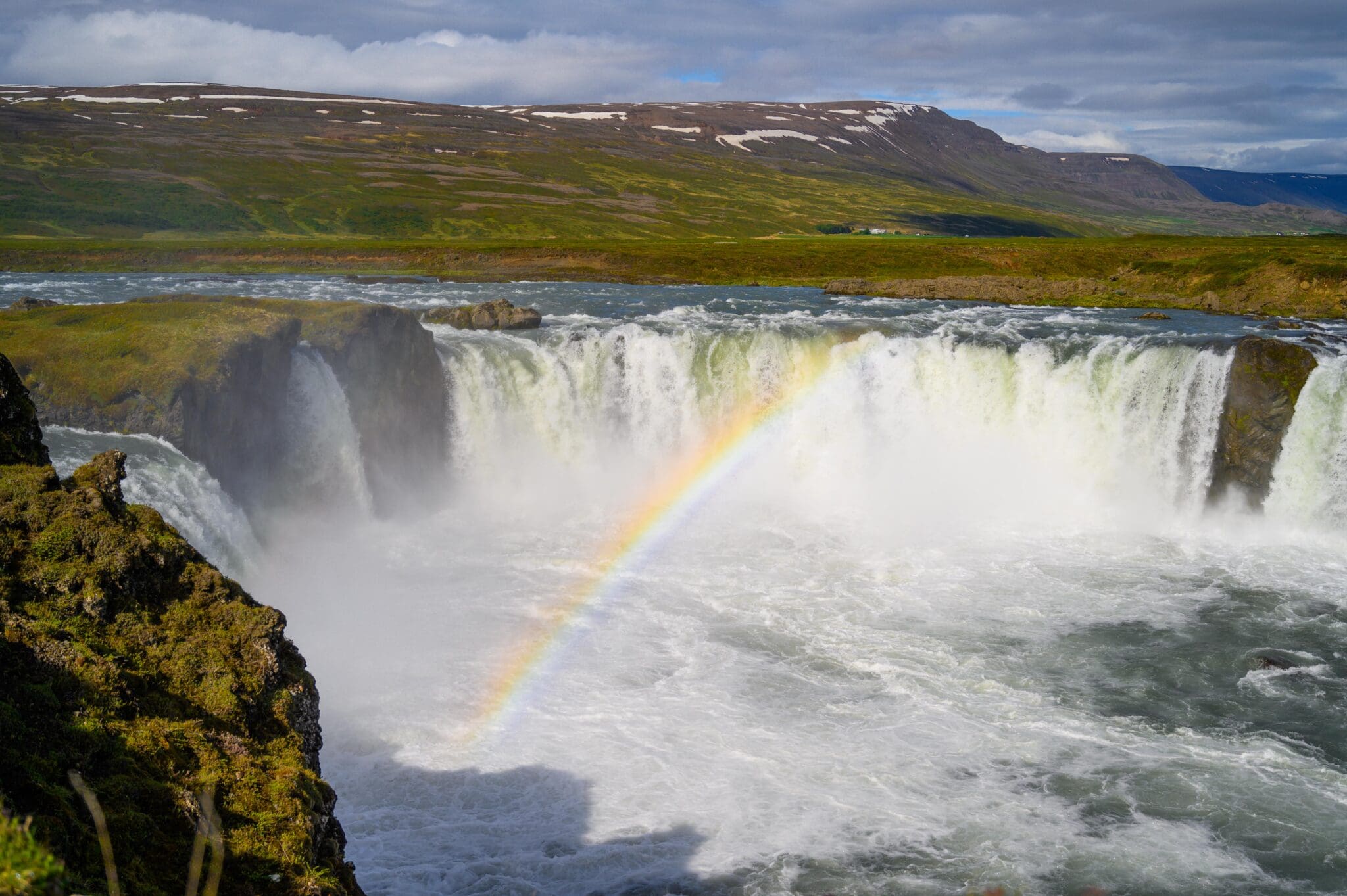
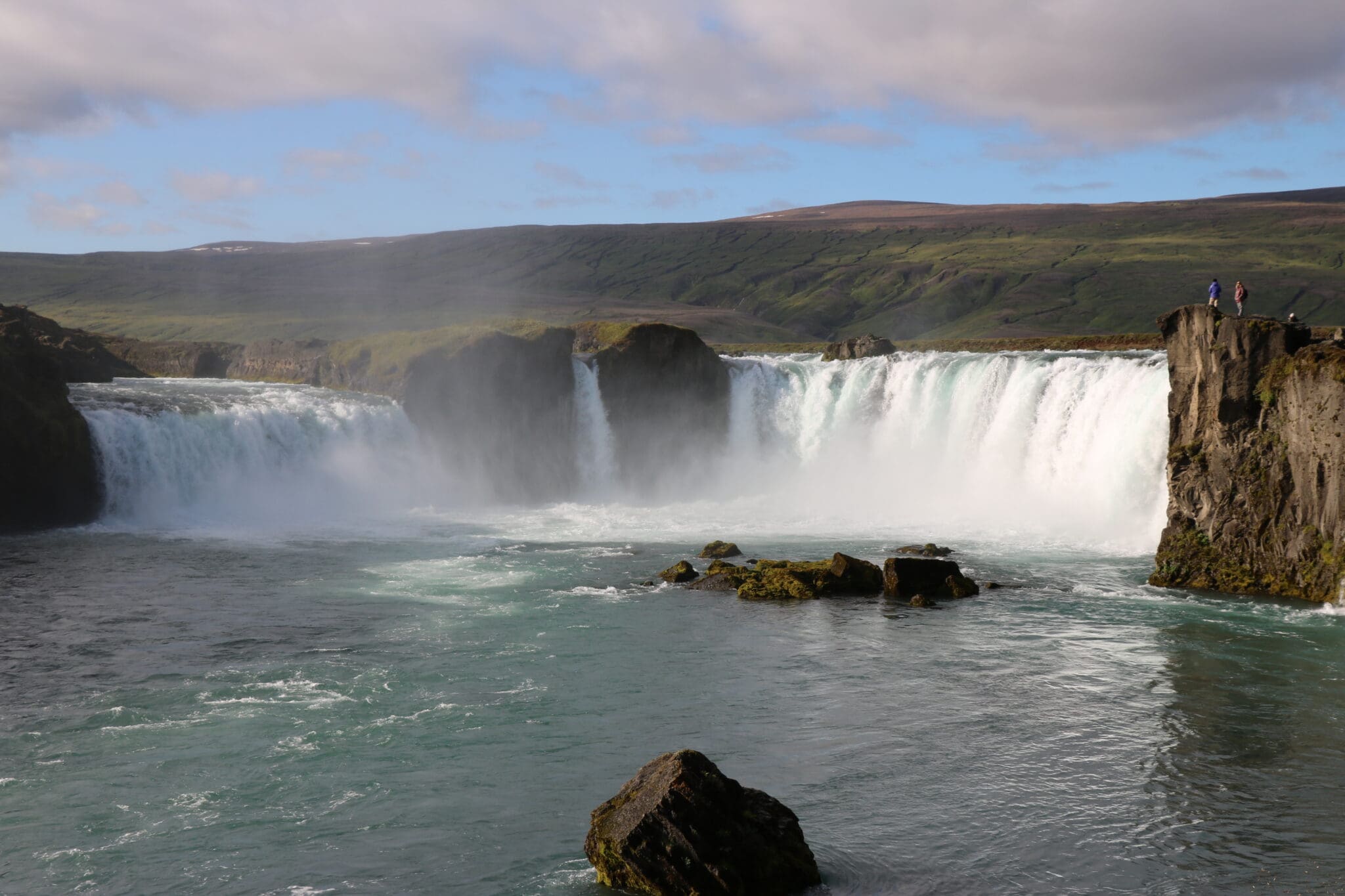
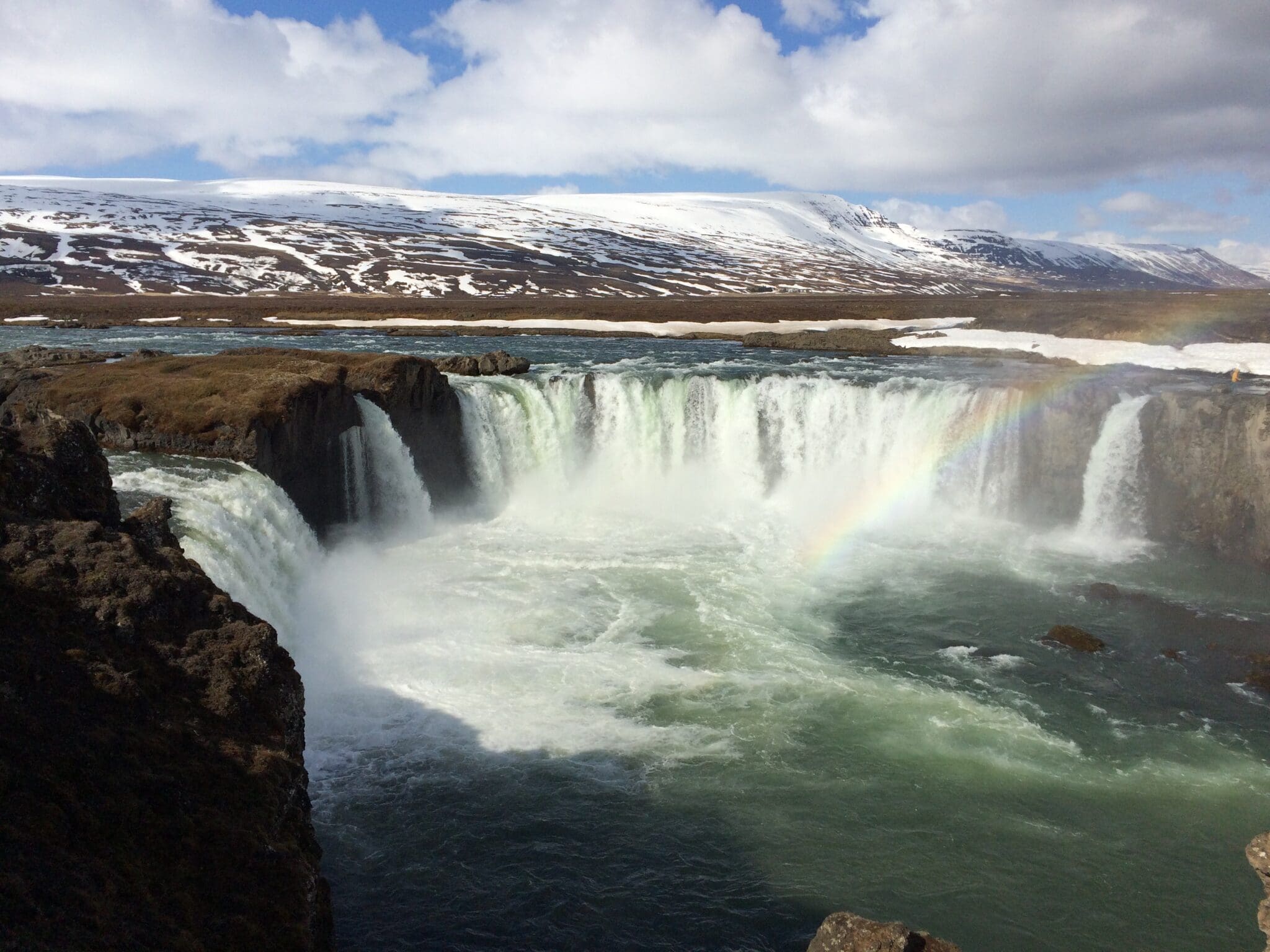
La cascada Goðafoss es una de las cascadas más bellas de Islandia. Apodada la Cascada de los Dioses por su historia. En el año 1000, «orgeir Ljósvetningagoði hizo del cristianismo la religión oficial de Islandia y procedió a arrojar sus estatuas de dioses a la cascada.
El agua cae desde una altura de 12 metros sobre un ancho de 30 metros.
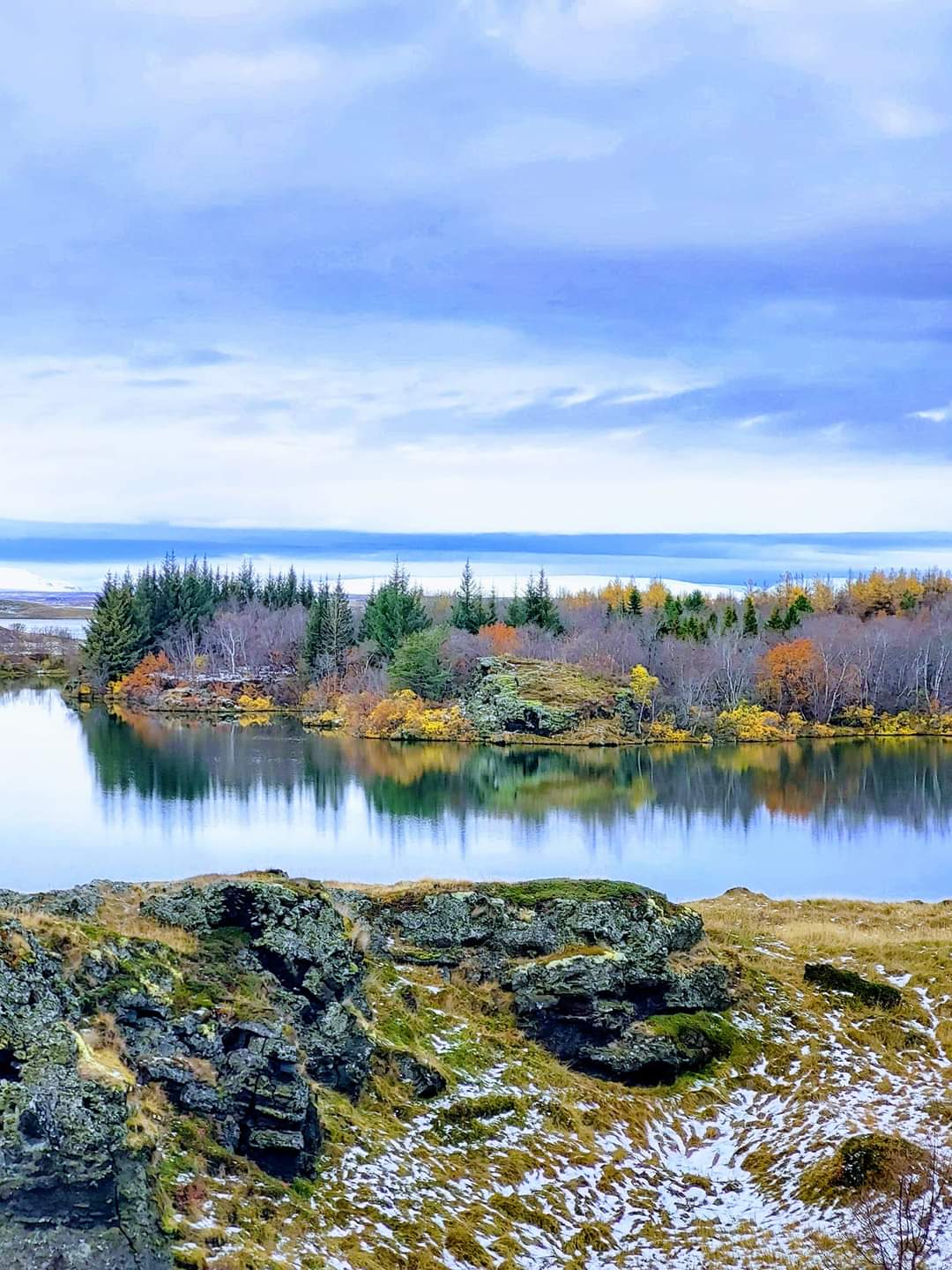
Los pseudocráteres son formaciones geológicas raras tanto a nivel nacional como mundial. Los pseudocráteres son raras formaciones de lava formadas por explosiones de vapor donde fluye lava de flujo fino sobre lagos y pantanos. Los cráteres se encuentran entre los monumentos naturales más importantes de Islandia y, junto al lago Mývatn, tienen una forma particularmente hermosa y forman la estructura del lago.
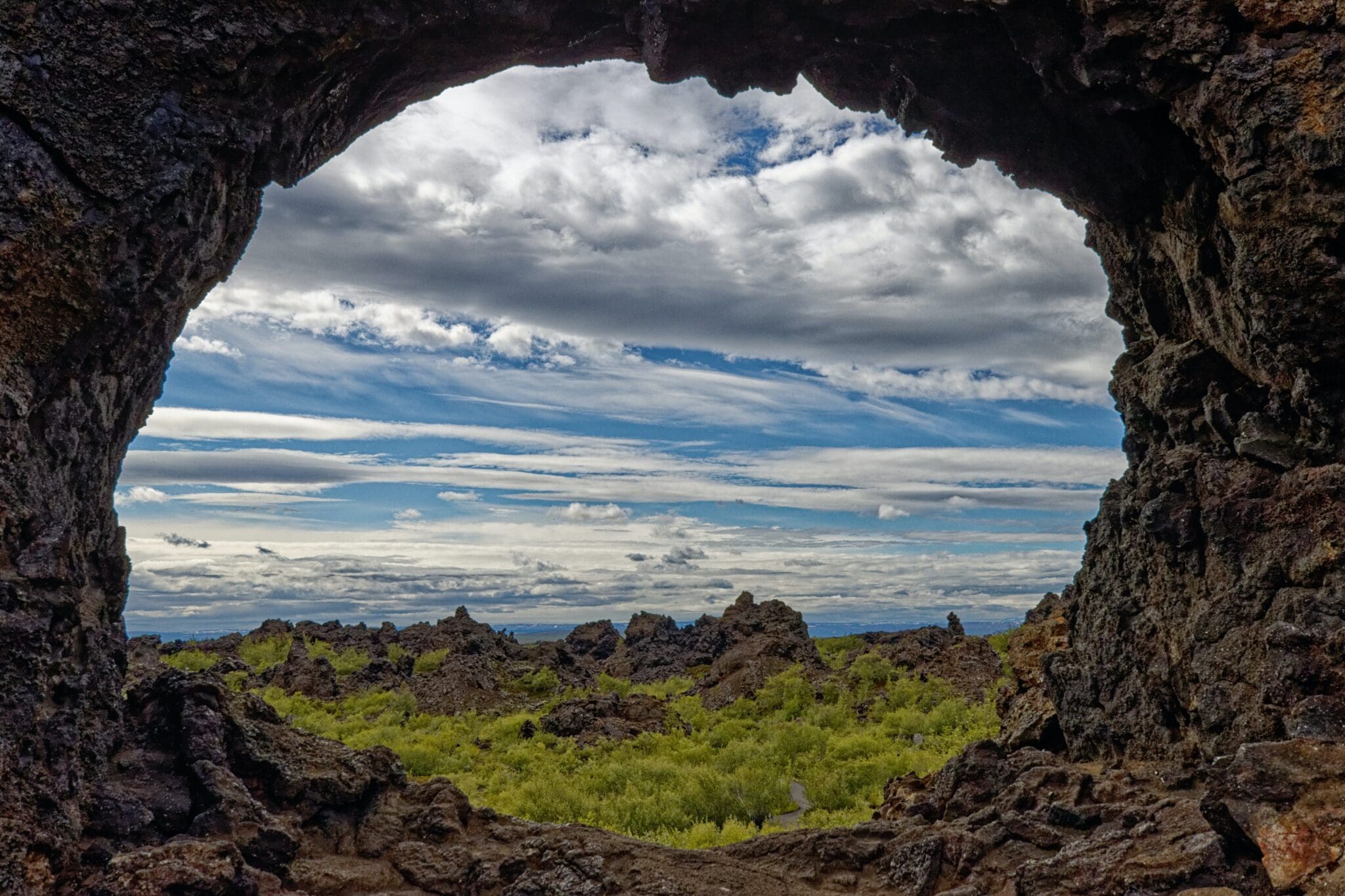
Dimmuborgir se formó en una erupción que ocurrió
en la zona hace 2.300 años.
A medida que la lava fluía por la zona, pasaba sobre un lago, provocando que hiriera. Esto aceleró el enfriamiento de la lava y provocó que pilares de vapor destrozaran partes de ella. Después de solidificarse, el área de Dimmuborgir quedó definida por grandes pilas de rocas y muchas cuevas y cavernas, causadas por burbujas de vapor intenso.
Como tal, muchos han comparado Dimmuborgir con un castillo medieval, con sus numerosas cámaras ocultas y sus torres en ascenso.
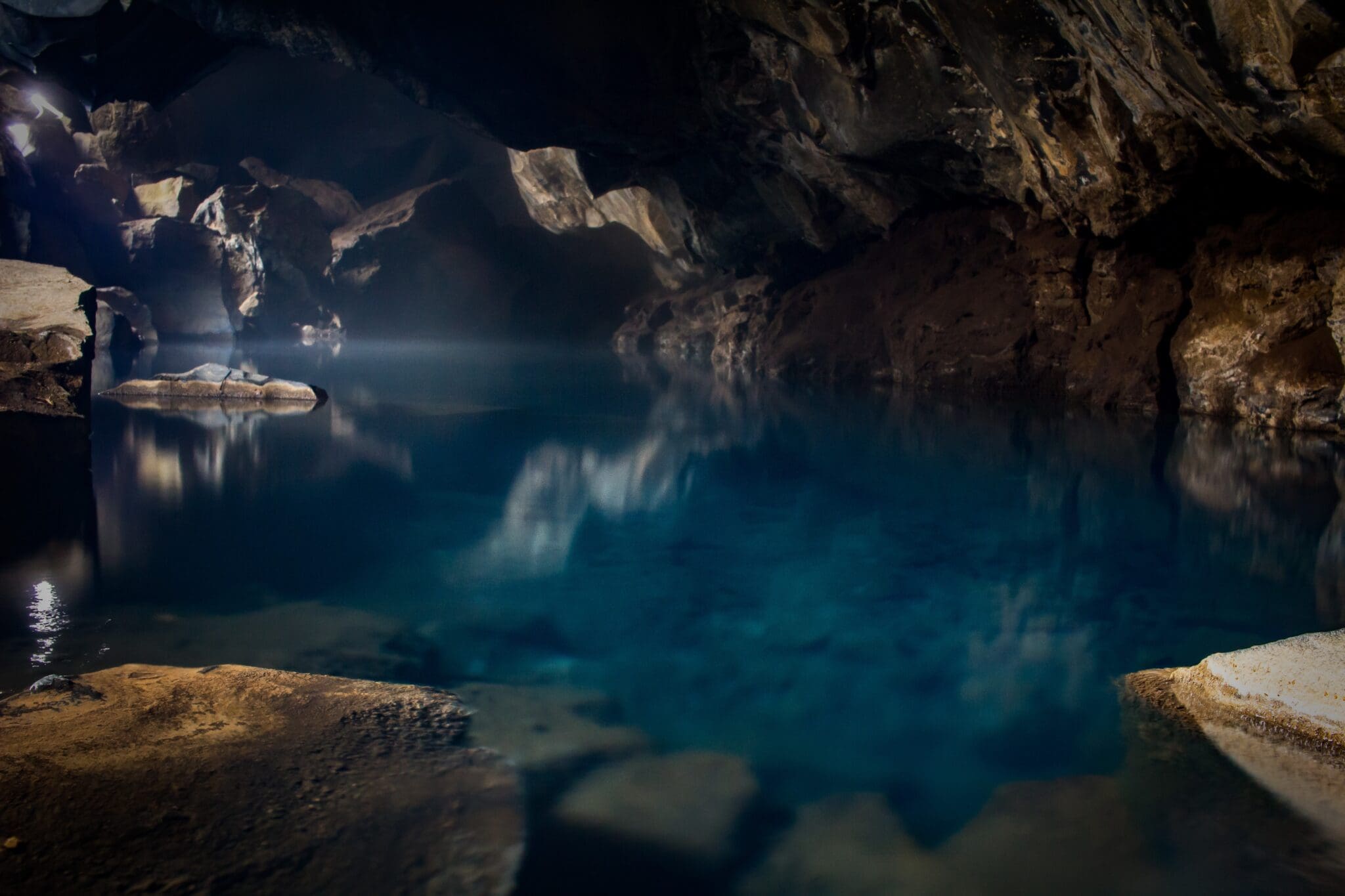
Grjótagjá es una pequeña cueva de lava cerca del lago Mývatn en Islandia. Tiene una fuente termal en su interior. A principios del siglo XVIII vivía allí el forajido Jón Markússon y utilizaba la cueva para bañarse. Hasta los años 70 Grjotagjá era un popular lugar de baño.
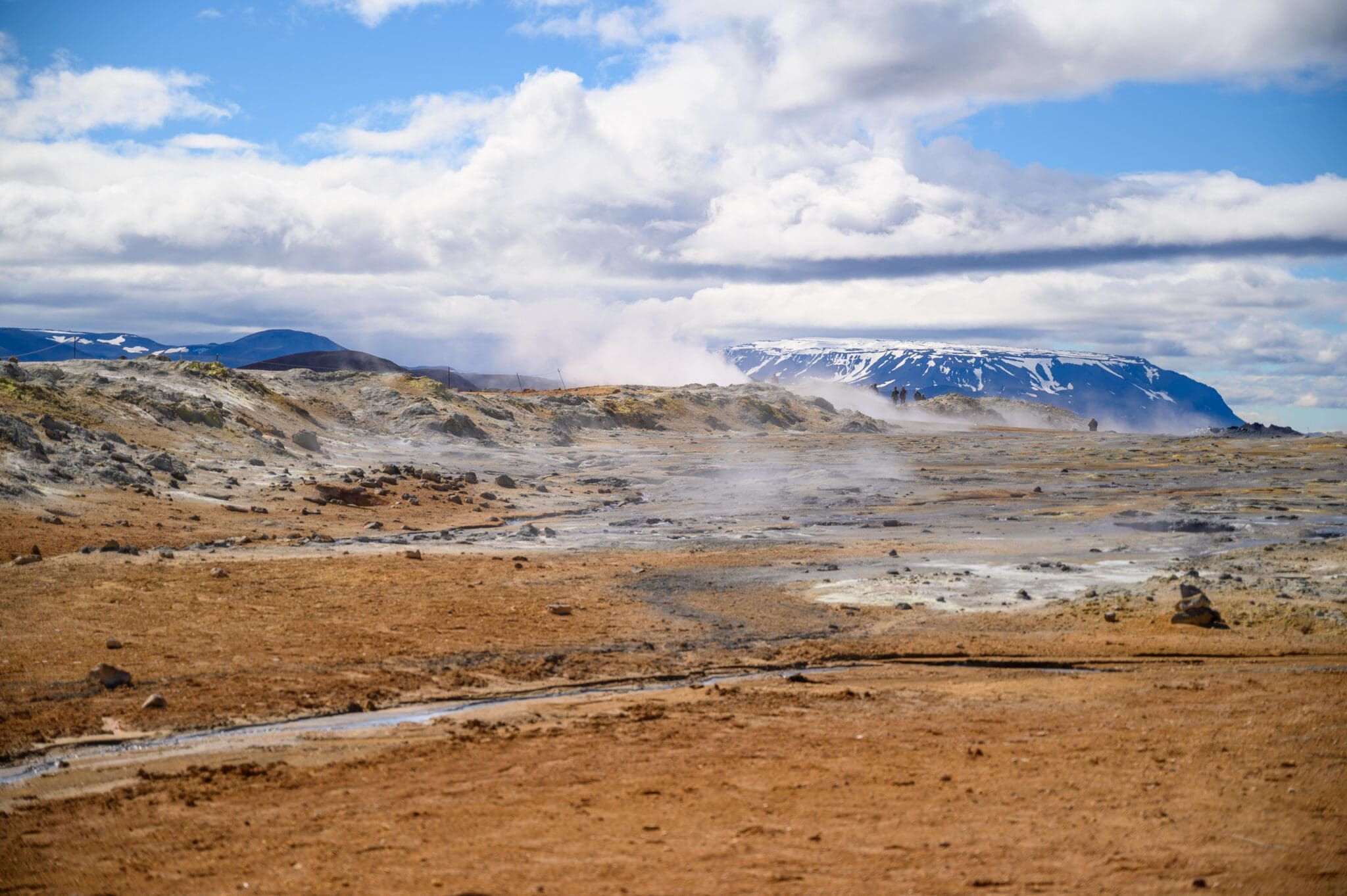
El área geotérmica de Hverir se encuentra en el noreste de Islandia.
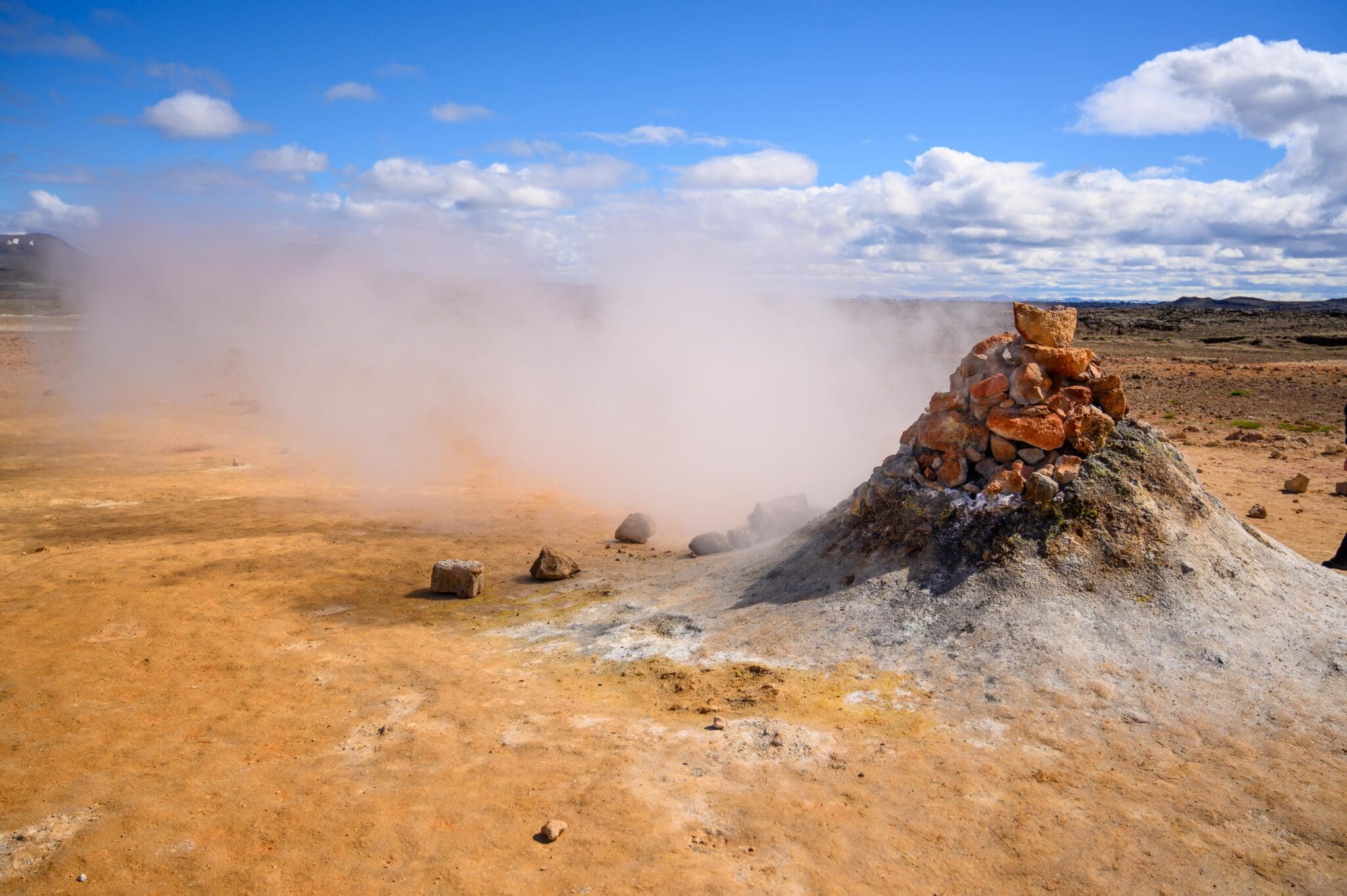
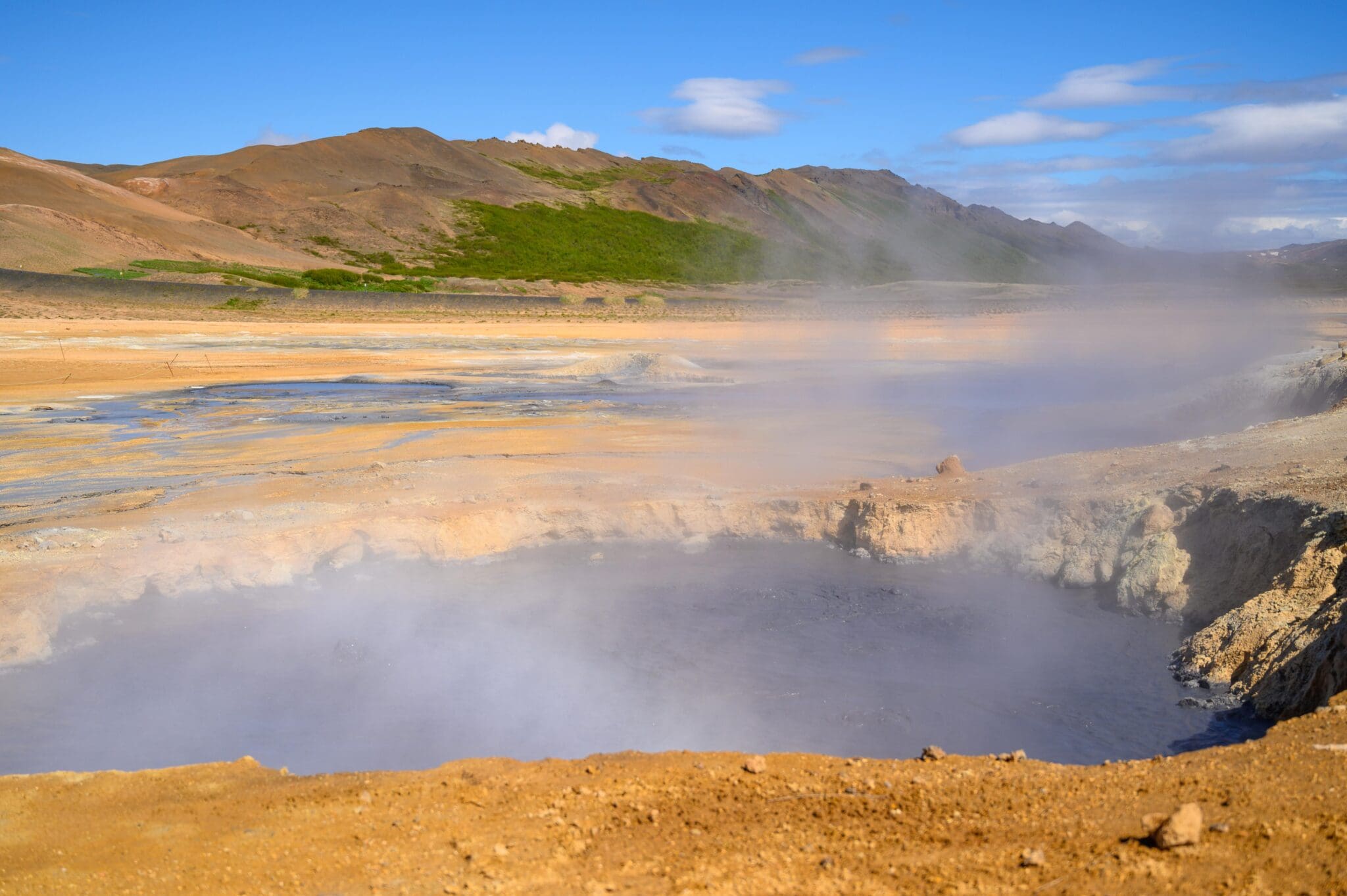
Puedes ver muchas fumarolas y ollas de barro hirviendo, rodeadas de cristales de azufre de muchos colores diferentes. El azufre le da a la zona un olor abrumador.
Please note that the tour schedule may vary depending on your cruise ship's docking times. For some cruise arrivals, there may not be sufficient time to include a visit to Forest Lagoon.
The tour is scheduled according to your ship's docking and departure times.
If you choose to visit Forest Lagoon, you will typically have approximately 1.5 hours to enjoy the lagoon, although this may vary depending on docking times. Guests who prefer not to bathe will be transferred to Akureyri earlier, allowing additional time to explore the town at their leisure.
274.990 ISK
200.990 ISK
223.978 ISK
125.990 ISK
103.990 ISK
210.990 ISK
179.990 ISK
26.990 ISK
20.990 ISK
2.650 ISK
Consejos de viaje, nuevas guías y aviso cuando el pronóstico de auroras se vea bien. Sin spam.