
Recommended tour
Bus Transfer from Thórsmörk to Hvolsvöllur / Hella / Reykjavík
4个小时
From ISK 12600

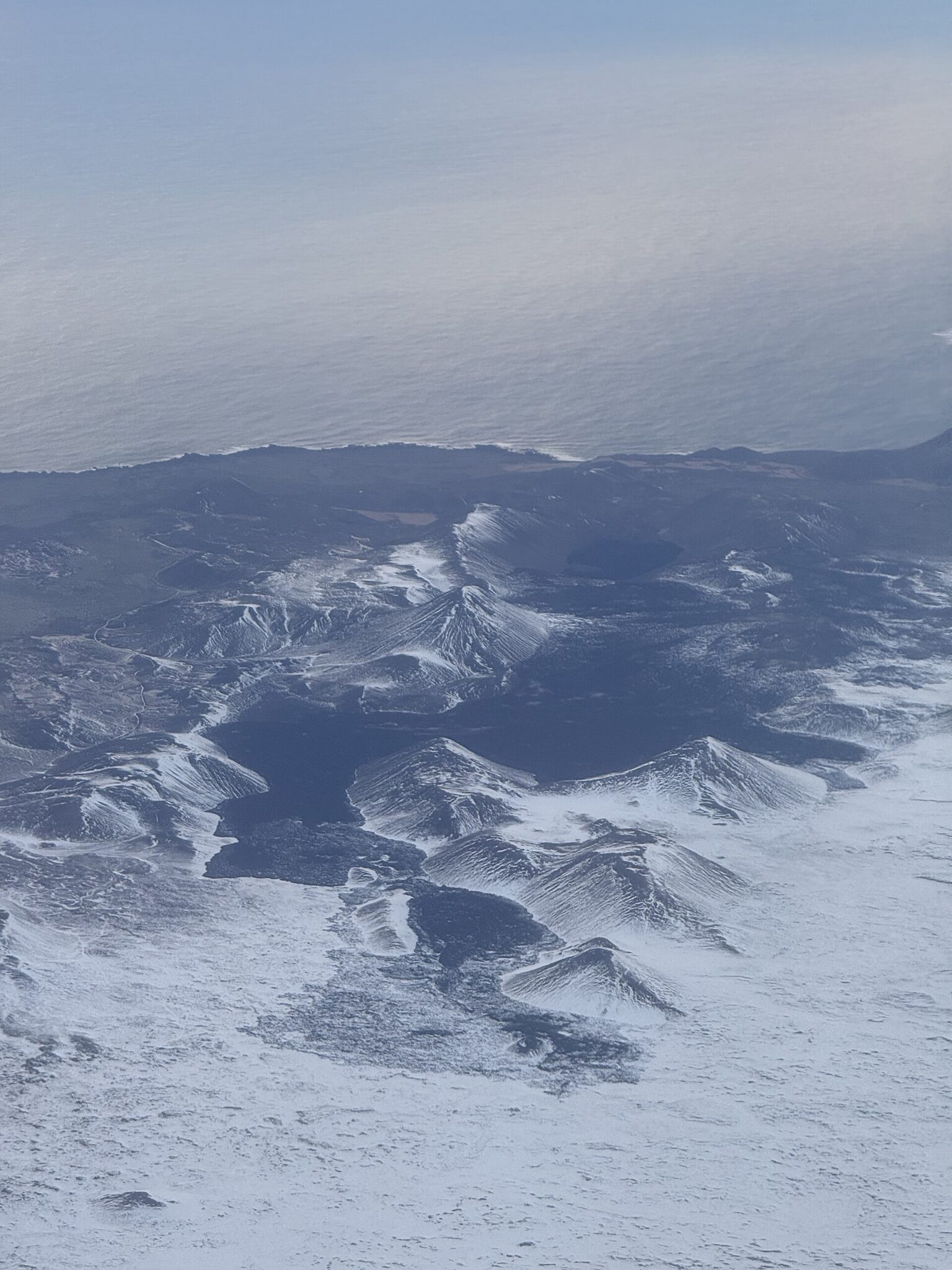
Iceland is a land shaped by fire and ice, where volcanic activity has sculpted the landscape into some of the world’s most dramatic and otherworldly terrain. From vast lava fields stretching across the horizon to active volcanic systems that continue to remind us of the planet’s raw power, Iceland’s volcanoes offer unforgettable experiences for adventurers and nature enthusiasts alike. Whether you’re trekking across moss-covered lava or standing on the rim of a crater, these geological wonders provide insight into the forces that have built and continue to build this remarkable island nation.
Iceland sits on the Mid-Atlantic Ridge, placing it in one of the world’s most geologically active regions. This unique position means the island experiences frequent volcanic and seismic activity, creating an ever-changing landscape. The country has around 30 active volcanic systems, with eruptions occurring regularly—sometimes several times per decade. This constant geological activity has created Iceland’s distinctive terrain of lava fields, crater lakes, geothermal areas, and dramatic mountain ranges.
The lava fields, or ‘lavaflöt’ in Icelandic, are particularly striking features. Some are ancient, covered in soft moss and lichen that creates a haunting, almost lunar appearance. Others are relatively young and raw, with dark, jagged rock formations that seem almost hostile in their barrenness. These landscapes are not merely beautiful; they’re outdoor classrooms where you can literally see the geological processes that shape our planet.
Mount Hekla stands as one of Iceland’s most famous and historically significant volcanoes. Rising to approximately 1,490 metres, this stratovolcano has erupted roughly every decade for centuries, making it one of the most active volcanic systems in the country. During medieval times, Hekla was so feared that some Europeans believed it to be the entrance to hell itself.
The mountain is located in southern Iceland and is accessible for hiking, though the terrain can be challenging. The summit offers panoramic views across Iceland’s southern landscape when weather permits. The ascent takes experienced hikers several hours, and the volcanic terrain around Hekla’s slopes displays distinct layers of lava flows from different eruptions. The area around the volcano is also geothermally active, with hot springs and steam vents visible in certain locations.
Visitors should be aware that climbing conditions vary significantly with the season. Winter climbs require mountaineering experience and proper equipment, while summer months offer more accessible conditions, though weather can still change rapidly. The volcanic terrain also demands proper footwear and respect for the potentially unstable ground.
Fagradalsfjall represents Iceland’s most recent volcanic frontier. Located on the Reykjanes Peninsula, relatively close to the capital region, this volcanic system captured international attention when it began erupting in 2021 after nearly 800 years of dormancy. The eruptions have continued intermittently, creating one of Iceland’s most accessible windows into active volcanism.
What makes Fagradalsfjall particularly special for visitors is its proximity to Reykjavik and its relative accessibility compared to more remote volcanic sites. The lava fields created by recent eruptions are still fresh, with colours ranging from deep black to vibrant orange-red where newer lava flows have not yet oxidised. The raw, dramatic landscape here shows volcanic processes in near-real time, with cooled lava formations that are just years old.
Several guided volcano and lava field tours include visits to this area, allowing visitors to safely explore the terrain with expert guides who can explain the geological significance of what they’re seeing. The site has become increasingly popular, so visiting with an organised tour often provides better insight and ensures you’re following recommended safety protocols.
The Mývatn region in northern Iceland is a geological wonderland where volcanic landscapes meet pristine water ecosystems. Lake Mývatn itself sits in a caldera created by volcanic activity, surrounded by multiple volcanic features including crater rows, lava formations, and geothermal areas. The lake is also Iceland’s second-largest, creating a striking contrast between the barren volcanic terrain and the life-filled freshwater system.
The Dimmuborgir lava field, located near Mývatn, features massive basalt rock formations that rise dramatically from the landscape, creating a maze-like terrain that’s both beautiful and easy to explore. The name means ‘dark castles,’ which perfectly describes the towering, castle-like formations. Despite the rugged appearance, trails wind through the area, making it accessible to most visitors.
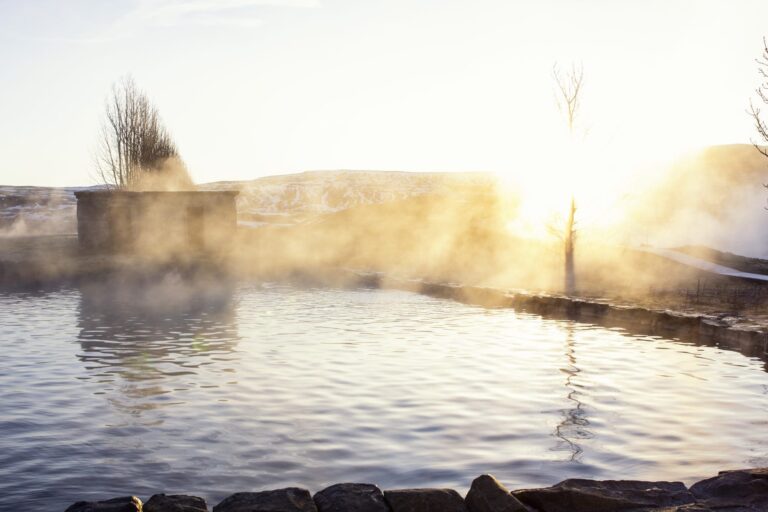
Nearby, the Krafla volcanic system includes several crater lakes with striking turquoise waters. The Víti crater at Krafla holds a crater lake where visitors can hike to the rim and take in views across the geothermal landscape. The area is also home to numerous hot springs and mud pots, with the Mývatn Nature Baths offering a geothermally heated bathing experience in this volcanically active region.
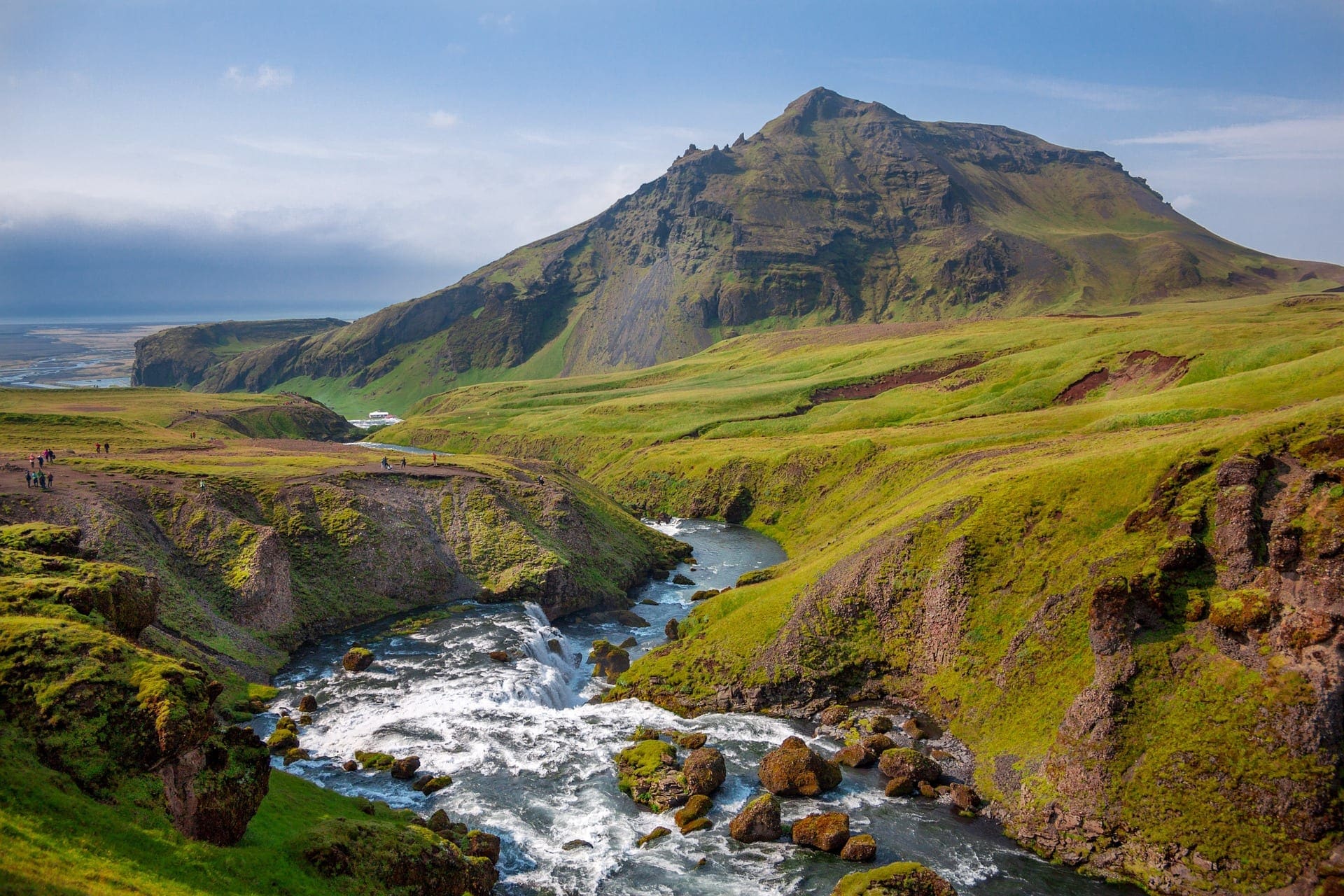
Eldhraun holds the distinction of being Europe’s largest lava field, created by the catastrophic Laki eruption of 1783-1784. This massive lava expanse covers an area roughly equivalent to several cities and was formed by one of the most significant volcanic events in Iceland’s recorded history. What makes Eldhraun particularly special is how nature has reclaimed it: the lava field is now covered in soft, vibrant moss that creates a surreal, alien-like landscape.
The moss-covered lava of Eldhraun looks almost unreal in person, with shades of green and grey creating a landscape that seems more fantasy than geology. Walking across the moss can feel like trekking across the surface of another planet. The soft moss conceals sharp lava rocks beneath, so proper footwear remains essential, but the otherworldly beauty makes the effort worthwhile.
Eldhraun is located in southern Iceland along Route 1, making it accessible to those with rental vehicles or organised tours. The Laki eruption that created this field had massive environmental consequences, including famine in Iceland and notable climate impacts across Europe, making this landscape not just beautiful but historically significant as well.
Landmannalaugar, located in the highlands of south-central Iceland, represents a unique combination of geothermal and volcanic features. The area is famous for its multicoloured mountains, where minerals in the lava and ash create striking patterns of red, orange, yellow, green, and blue. These colours come from different minerals oxidising over time, with rhyolite rocks and sulfur creating the most vivid hues.
The region is home to numerous hot springs, with the geothermal area providing naturally heated water that feeds into pools and streams. The landscape features lava fields, obsidian deposits, and dramatic mountain ridges. Several well-marked hiking trails range from gentle day walks to multi-day treks that take visitors through the varied terrain.
Landmannalaugar is most easily accessed during summer months, when the mountain roads are passable. The area sits at elevation and can experience rapid weather changes, so visitors should prepare accordingly. The combination of volcanic landscape, geothermal features, and the colourful mineral-rich terrain makes Landmannalaugar one of Iceland’s most visually spectacular natural areas.
For visitors seeking a more remote and challenging volcanic experience, Askja offers an adventure into Iceland’s highlands. This large volcanic caldera in the central highlands contains a crater lake with striking turquoise waters, the result of glacial melt in a relatively recent volcanic depression. The volcano’s most recent significant eruption occurred in 1961, making it geologically young and dynamically interesting.
Reaching Askja requires driving across rough highland roads, typically only accessible during summer months with suitable four-wheel-drive vehicles. The remote location means fewer visitors than more accessible sites, providing a sense of wilderness and discovery. The crater lake itself is the main attraction, with visitors able to hike to the rim and take in the dramatic views across the volcanic landscape.
The journey to Askja is as much part of the experience as the destination itself, with the drive crossing multiple lava fields and providing views across Iceland’s wild interior. This is not an excursion for casual visitors, but those with time and appropriate vehicles will find the experience deeply rewarding.
Visiting Iceland’s volcanoes and lava fields requires practical preparation. Weather in Iceland can be unpredictable, with conditions changing rapidly, so bringing multiple layers and waterproof clothing is essential regardless of the season. Proper hiking boots with good grip are necessary for navigating lava terrain, which is often sharp and unforgiving underfoot.
Many volcanic sites are best visited with organised tours led by experienced guides who can provide geological context and ensure visitor safety. Guides can also access sites that might be difficult for independent travellers to locate and navigate safely. During winter, many highland volcanic sites become inaccessible due to snow and harsh weather, so summer typically offers more options and easier access.
It’s worth noting that volcanic activity can affect access and safety. The Icelandic authorities monitor volcanic systems closely, and access to certain areas may be restricted if there’s heightened activity. Checking current conditions with local tourism services before planning your itinerary is always advisable.
While Iceland’s volcanic landscapes are designed for tourism, they remain active geological sites that demand respect. Lava fields are sharp and unforgiving—running or jumping on the rocks risks serious injury. Geothermal areas can have extremely hot water and steam, and approaching such features without guidance can be dangerous. Always stay on marked trails where they exist, and if exploring independently, inform someone of your planned route and expected return time.
The Icelandic environment can be harsh, and rescue services, while professional and dedicated, may take considerable time to reach remote locations. Being properly equipped, prepared, and cautious isn’t just about compliance; it’s about ensuring you return home safely to share your volcanic adventure stories.
Summer months, typically June through August, offer the most accessible conditions for volcanic tourism. The weather is milder, highland roads are open, and daylight hours are extended. However, volcanic sites can be visited year-round. Winter presents more challenging conditions, with snow, ice, and reduced daylight, but offers fewer crowds and dramatic seasonal contrasts. Spring and autumn provide intermediate conditions with fewer visitors than summer.
Basic volcanic site visits require good hiking boots and weather-appropriate clothing. Many sites have established trails suitable for people of moderate fitness. However, more challenging climbs like Mount Hekla or remote sites like Askja require better fitness, mountaineering experience, or guidance from qualified tour operators. Geothermal areas demand careful attention to safety warnings and adherence to marked routes.
Iceland has experienced several eruptions in recent years, and occasionally molten lava is visible during active volcanic events. However, eruption activity is unpredictable, and access to actively erupting areas is typically restricted for safety reasons. Visitors should check current conditions with local authorities and tour operators before planning a trip specifically to see active lava.
Fagradalsfjall on the Reykjanes Peninsula is within driving distance of Reykjavik, roughly an hour or less depending on exact location and traffic. The Mývatn area in the north requires several hours of travel but is still accessible as part of a multi-day itinerary. More remote volcanic sites in the highlands require longer journeys and are typically visited as part of extended tours or road trips.
Many volcanic sites and lava field tours are family-friendly, with well-maintained trails and manageable difficulty levels. The Mývatn area, Eldhraun, and easily accessible lava fields work well for families. However, safety requires supervision, as lava rock is sharp and can cause injury. Parents should assess their children’s fitness and comfort levels, and consider starting with more accessible sites before attempting challenging climbs or remote locations.
加入 Iceland Insider,获取新指南,并在极光预报看起来不错时进行单挑。没有垃圾邮件。.


7天环游冰岛东部,走访了22个神奇的地方,这里查列表。.
旅行提示、新指南和极光预报看起来不错时的单挑。没有垃圾邮件。.
