Recommended tour
Visitor Centre General Admission
40分钟
From ISK

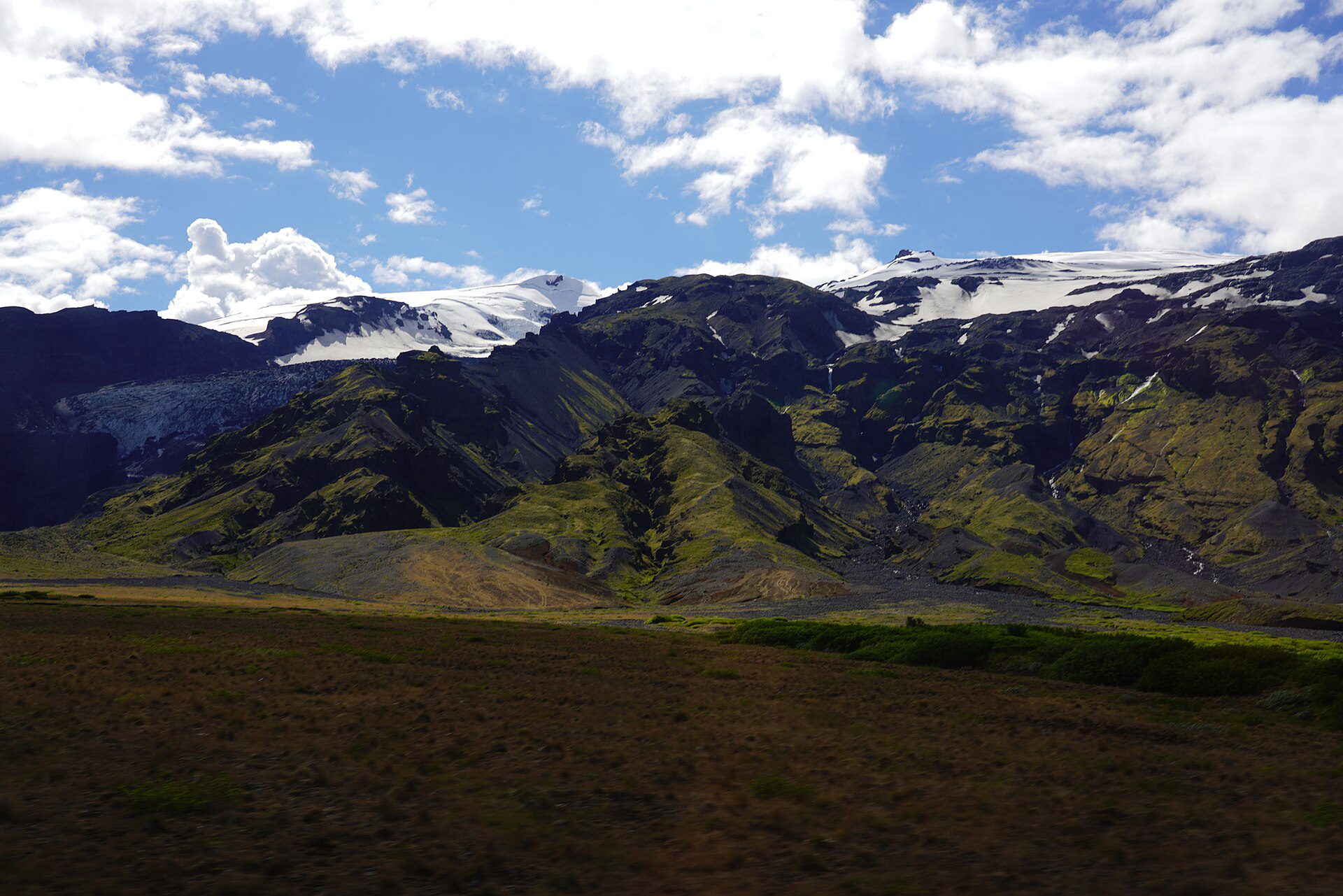
Iceland’s glaciers are among the most awe-inspiring natural wonders on Earth. These vast expanses of ice shape the landscape, carve dramatic valleys, and create otherworldly environments that draw visitors from around the globe. Whether you’re seeking adventure on ice, exploring hidden ice caves, or simply marvelling at pristine white peaks against dark volcanic rock, Iceland’s glaciers offer unforgettable experiences. This guide explores the best glaciers to visit, what makes each unique, and practical information to help you plan your glacier adventure.
Glaciers cover roughly 11% of Iceland’s total land area, making it one of Europe’s most glacier-rich regions. These ice masses formed during previous ice ages and have persisted due to Iceland’s cool climate and significant precipitation. The country’s glaciers are not static; they’re dynamic systems that advance and retreat seasonally and over longer timescales. Climate change has accelerated the retreat of many Icelandic glaciers over recent decades, making it increasingly important to experience them whilst they remain accessible.
The largest glaciers tend to be located in the interior of Iceland, often sitting atop volcanic plateaux. Many are accessible via guided tours that range from gentle walks to challenging ice climbing expeditions. Understanding glacier safety and selecting reputable tour operators is essential before venturing onto these frozen landscapes.
Vatnajökull holds the distinction of being Europe’s largest glacier by volume, covering an area roughly equivalent to a small country. Located in southeastern Iceland, this enormous ice cap sprawls across the Vatnajökull National Park and conceals several active volcanoes beneath its frozen surface. The glacier is so vast that it has spawned numerous outlet glaciers—smaller glaciers that flow from the main ice mass—each with its own character and access points.
The most visited section of Vatnajökull is Skaftafell, renowned for its accessible hiking trails and stunning mountain scenery. Visitors can trek to Skaftafellsjökull glacier without specialised equipment, making it ideal for those seeking glacier views without technical climbing experience. Alternatively, Svinafellsjökull offers a more adventurous experience for those interested in ice climbing or glacier walks that require crampons and experienced guides.
The Jökulsárlón glacier lagoon, fed by meltwater from Vatnajökull’s Breiðamerkurjökull outlet glacier, is perhaps the most photographed glacial feature in Iceland. Icebergs calve from the glacier and float in the lagoon’s milky-blue waters, creating a surreal landscape that seems almost otherworldly. The adjacent Diamond Beach, where icebergs wash ashore, offers equally striking photographic opportunities.
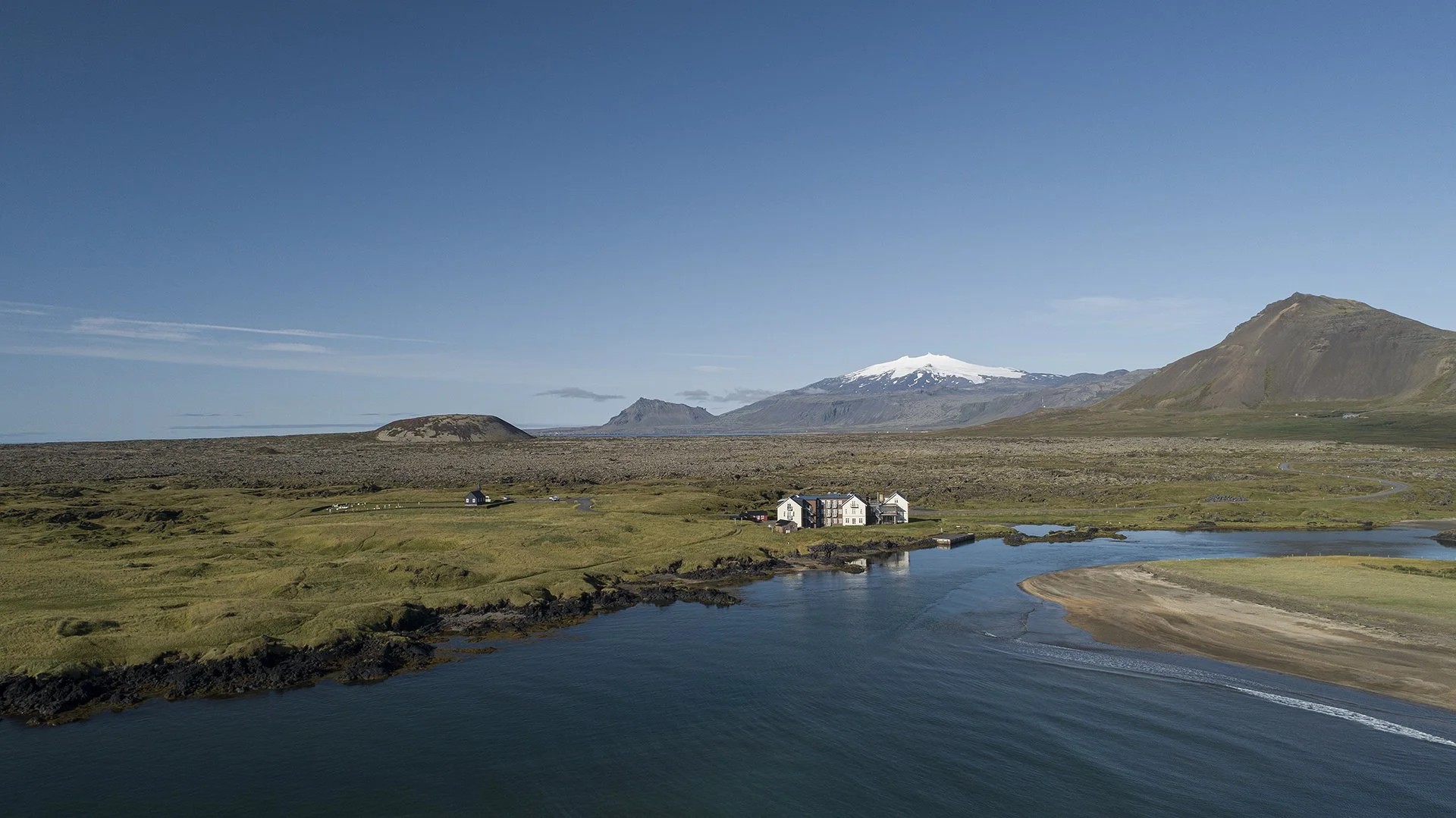
Perched atop a dormant stratovolcano on Iceland’s Snæfellnes Peninsula, Snæfellsjökull carries profound cultural and historical significance. Jules Verne featured this glacier in his classic novel ‘A Journey to the Centre of the Earth’, inspiring generations of adventurers. The glacier sits within Snæfellsjökull National Park and dominates the landscape, visible on clear days from considerable distances.
Reaching the glacier’s summit requires a full day of hiking and proper equipment, as the terrain is challenging and weather conditions can change rapidly. Guided expeditions typically depart from nearby towns and provide crampons, ice axes, and expert guidance necessary for safe travel across the ice. The reward for your effort is panoramic views across the peninsula and the Atlantic Ocean, weather permitting.
The Snæfellnes Peninsula offers more than glacier access; it’s one of Iceland’s most scenic regions, featuring dramatic coastal cliffs, black sand beaches, and charming fishing villages. Many visitors combine a glacier expedition with exploration of the wider peninsula’s attractions.
In northern Iceland, the Mývatn region provides access to several smaller but equally impressive glaciers. Ódáðahraun, Europe’s largest lava field, borders glacier systems that create stark contrasts between black lava and white ice. This remote region offers a different glacier experience compared to southern Iceland’s more accessible options.
The Mývatn area is less crowded than popular southern attractions, appealing to visitors seeking solitude and raw natural beauty. However, the remote location means fewer developed infrastructure and tour services. Independent travel requires careful planning and appropriate vehicles, particularly during winter months when mountain roads become impassable.
Central Iceland’s Langjökull and Hofsjökull glaciers offer distinct experiences for those venturing into Iceland’s interior. Langjökull, Iceland’s second-largest glacier, is accessible via snowmobile tours departing from nearby settlements. These exhilarating rides across the glacier’s surface appeal to thrill-seekers and those without ice climbing experience.
Interestingly, Langjökull is home to an artificial ice cave carved into the glacier specifically for tourist access. This modern attraction allows visitors to descend into the glacier’s interior and experience its blue-hued chambers without requiring specialist mountaineering skills. Whilst some debate the authenticity of a man-made ice tunnel, it remains a popular and accessible glacier experience.
Hofsjökull, positioned between Langjökull and Vatnajökull, remains less visited but equally impressive. Its remote location and challenging access mean fewer guided options exist, making it primarily attractive to experienced mountaineers and glacier experts.
For those seeking a manageable glacier experience without extreme technical demands, Solheimajökull in southern Iceland presents an excellent option. Located between Vik and Skaftafell, this outlet glacier of Mýrdalsjökull provides direct access to glacier ice via relatively straightforward walking. Numerous tour operators offer guided glacier walks on Solheimajökull, with experiences ranging from approximately two hours to full-day expeditions.
The glacier has retreated significantly in recent decades, and the hike to reach the glacier terminus has lengthened accordingly. However, this retreat reveals spectacular features, including glacial valleys and streams formed by meltwater. Visitors witness firsthand the dramatic environmental changes occurring in Iceland’s landscape.
Visiting Iceland’s glaciers requires careful consideration of weather, physical fitness, and appropriate gear. Most glacier experiences are only available during warmer months when daylight extends and ice conditions stabilise, though some operations continue year-round with enhanced safety precautions.
Weather in glacial regions is notoriously unpredictable, with conditions changing within minutes. Proper clothing in layers is essential, along with weatherproof outer garments. Tours provide specialist equipment like crampons and ice axes, but participants must be physically capable of sustained hiking and capable of following safety instructions precisely.
Booking with certified tour operators is strongly recommended. Experienced guides possess essential knowledge about ice conditions, crevasse navigation, and emergency procedures. Professional operators maintain safety standards and provide adequate insurance coverage, protecting both participants and guides.
Those interested in comprehensive glacier experiences should explore organised glacier tours and ice cave experiences, which combine access to multiple glacier features with expert guidance and logistical support.
Summer months, roughly June through September, offer the safest and most accessible glacier conditions. Daylight extends well into evening hours, temperatures moderate, and mountain roads remain passable. However, summer also brings peak tourist numbers and higher prices.
Spring and autumn provide shoulder-season opportunities with fewer visitors but less stable weather and shorter daylight hours. Winter glacier access is possible but demands advanced mountaineering experience and specialised winter equipment. Many tours suspend operations during winter, and those continuing face significantly increased risks and costs.
Regardless of season, always check current conditions and tour availability before planning visits. Glacier conditions change rapidly, and tour operators frequently adjust operations based on safety assessments.
Iceland’s glaciers offer extraordinary photographic opportunities, from the brilliant blues of glacier ice to the contrasts between white glaciers and black lava fields. Jökulsárlón’s floating icebergs provide some of Iceland’s most iconic images, whilst Solheimajökull’s crevasses and seracs create dramatic close-up compositions.
Photographers should arrive early for optimal lighting, particularly during summer when the sun barely sets. Cloudy days sometimes produce better glacier photography than sunny ones, as diffuse light reveals subtle ice textures without harsh shadows. Bring protective gear for cameras, as glacier environments are cold and often wet.
Visiting glaciers carries environmental responsibilities. Modern glacier tourism must balance access with conservation, as increased traffic accelerates ice melting and disturbs fragile ecosystems. Visitors should follow all guide instructions regarding footfall placement, stay on designated routes, and avoid collecting ice samples or leaving rubbish.
Understanding that many Icelandic glaciers are retreating rapidly due to climate change adds poignancy to glacier visits. The glaciers you see today may not exist in their current form for future generations, making conscious, respectful visitation even more important.
Whilst some glacier viewpoints and lower-risk areas can be accessed independently, walking on glacier ice without professional guidance is extremely dangerous. Crevasses can be hidden beneath thin ice bridges, avalanche risks exist, and weather conditions change rapidly. Professional guides possess training, equipment, and insurance necessary for safe glacier access. Choosing a certified tour operator dramatically reduces risks and enhances your experience through expert knowledge and appropriate safety protocols.
Physical requirements vary significantly depending on the specific glacier tour. Gentle glacier walks on Solheimajökull require basic fitness levels and can accommodate most adults. More challenging experiences like Snæfellsjökull summits or full-day Vatnajökull expeditions demand substantial endurance and mountain experience. Tour descriptions specify difficulty levels and physical requirements. When booking, honestly assess your fitness and communicate any concerns to tour operators, who can recommend appropriate options or provide guidance for preparation.
Natural ice caves form primarily during winter and early spring when water percolation and refreezing create stable cave structures. Accessing these caves requires advanced mountaineering skills and carries significant risks, as cave conditions change rapidly and collapse risks are substantial. Artificial ice caves, like those at Langjökull, operate during warmer months and provide safer, more accessible cave experiences. Tour operators provide current information about natural ice cave availability and safety conditions.
Yes, absolutely. Iceland’s glacier locations are distributed across the country, allowing multi-glacier itineraries. A typical Iceland trip might combine Vatnajökull region glaciers (including Skaftafell and Jökulsárlón) with Solheimajökull or Snæfellsjökull. Alternatively, northern itineraries can include Mývatn region glaciers. Tour companies often operate multi-day packages visiting several glaciers, or independent travellers can arrange multiple single-day tours. This flexibility allows you to experience Iceland’s diverse glacier landscapes during a single visit.
Layer clothing is essential, starting with moisture-wicking base layers, adding insulating mid-layers, and finishing with waterproof outer layers. Glaciers are significantly colder than surrounding lowlands, and weather changes rapidly. Tour operators recommend bringing warm socks, waterproof gloves, and a warm hat, as extremities lose heat quickly. Avoid cotton, which retains moisture and offers poor insulation. Tour operators typically provide specialised equipment like crampons and ice axes, but confirm what gear they supply before booking, as some tours require participants to provide certain items.
加入 Iceland Insider,获取新指南,并在极光预报看起来不错时进行单挑。没有垃圾邮件。.

旅行提示、新指南和极光预报看起来不错时的单挑。没有垃圾邮件。.
