Private Silver Circle: Into the Glacier & Krauma — The Full Day
284.900 ISK
12 hours

Easy
22.900 ISK
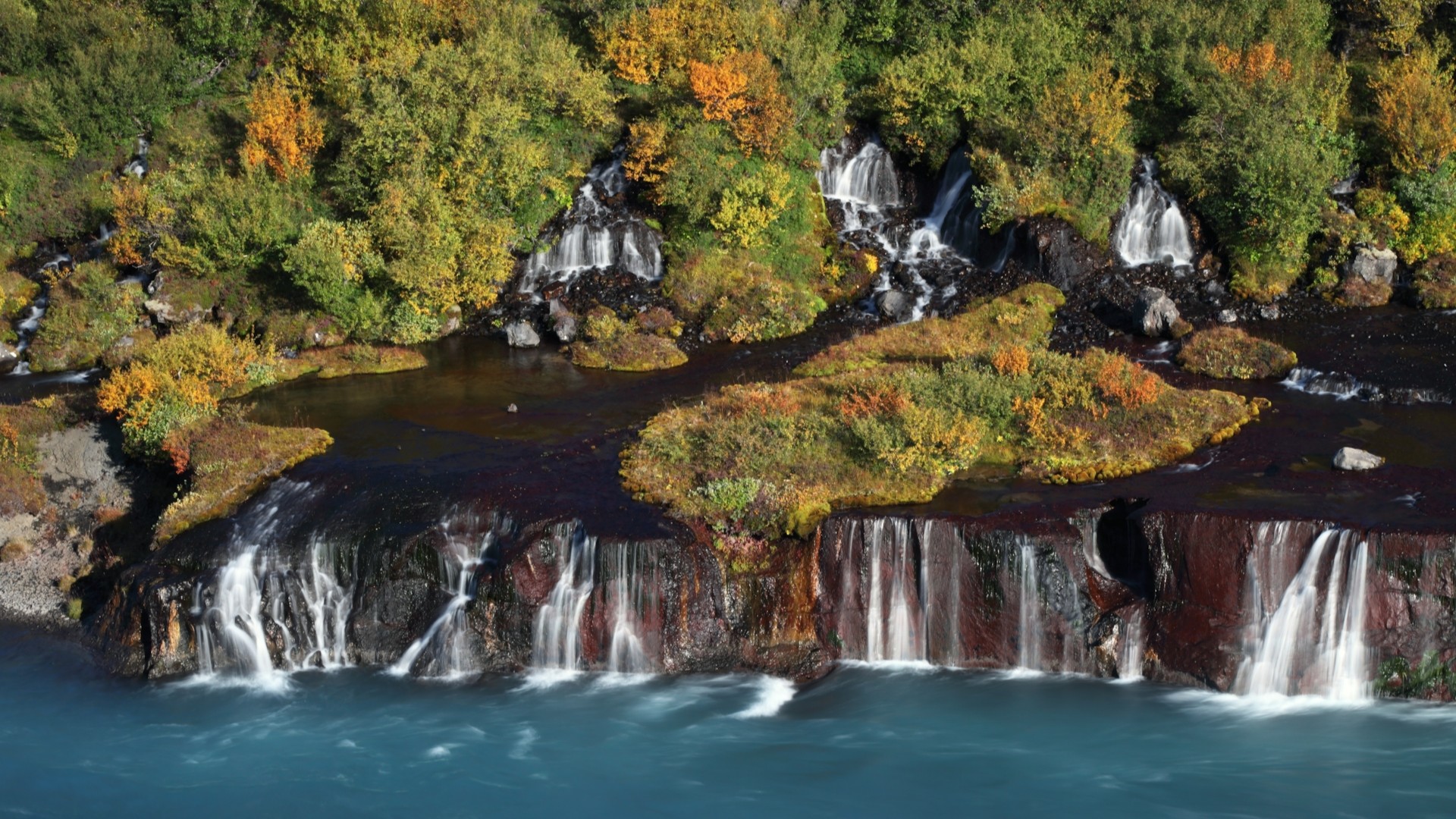
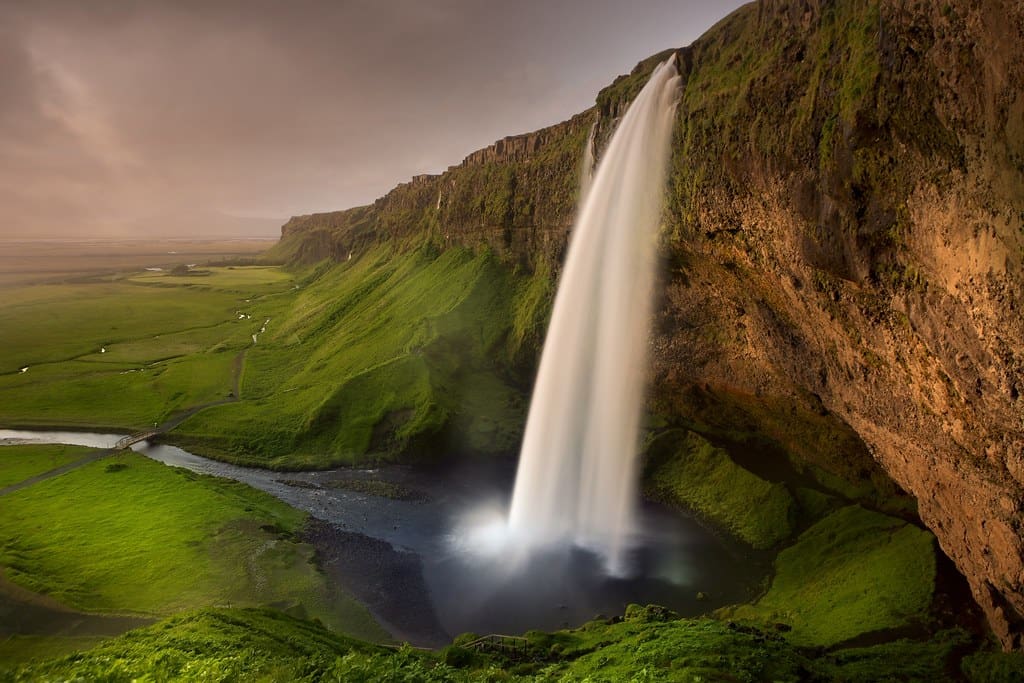
Seljalandsfoss
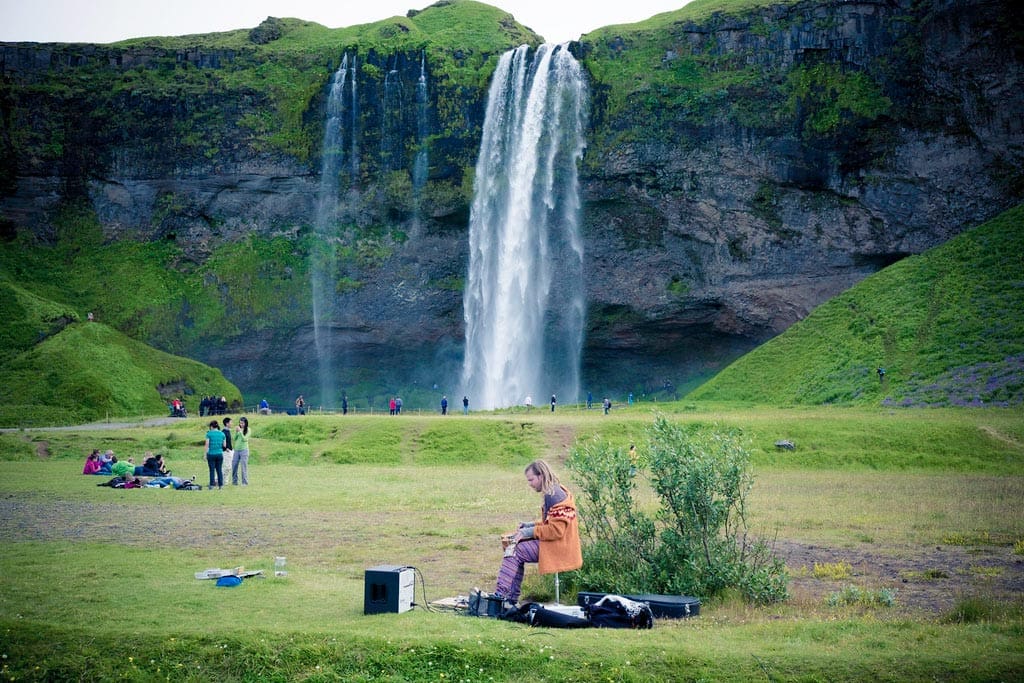
This waterfall of the river Seljalandsá drops 60 meters over the cliffs of the former coastline. It is possible to walk behind the waterfall. 500 meters to the North West there is a another beautiful waterfall, Gljúfurbúi, that is worth the walk.
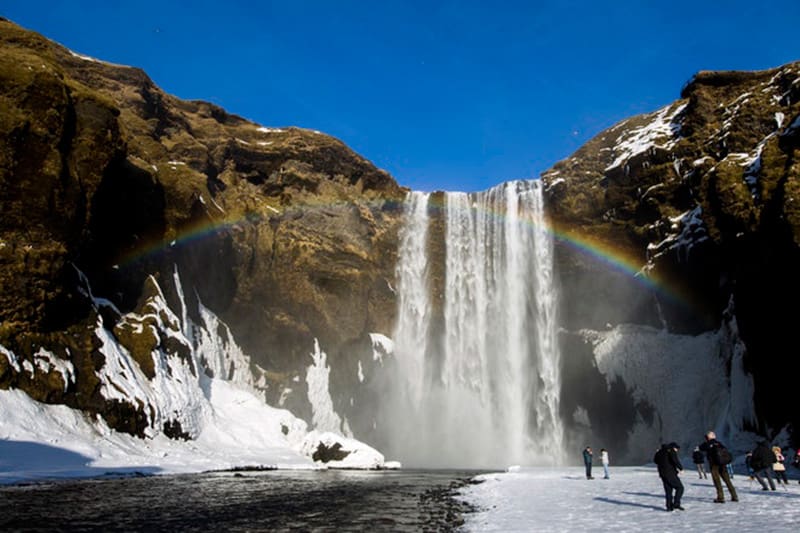
Skogafoss
Is one of the biggest waterfalls in the country with a width of 25 meters and a drop of 60 m. Due to the amount of spray the waterfall consistently produces, a single or double rainbow is normally visible on sunny days.
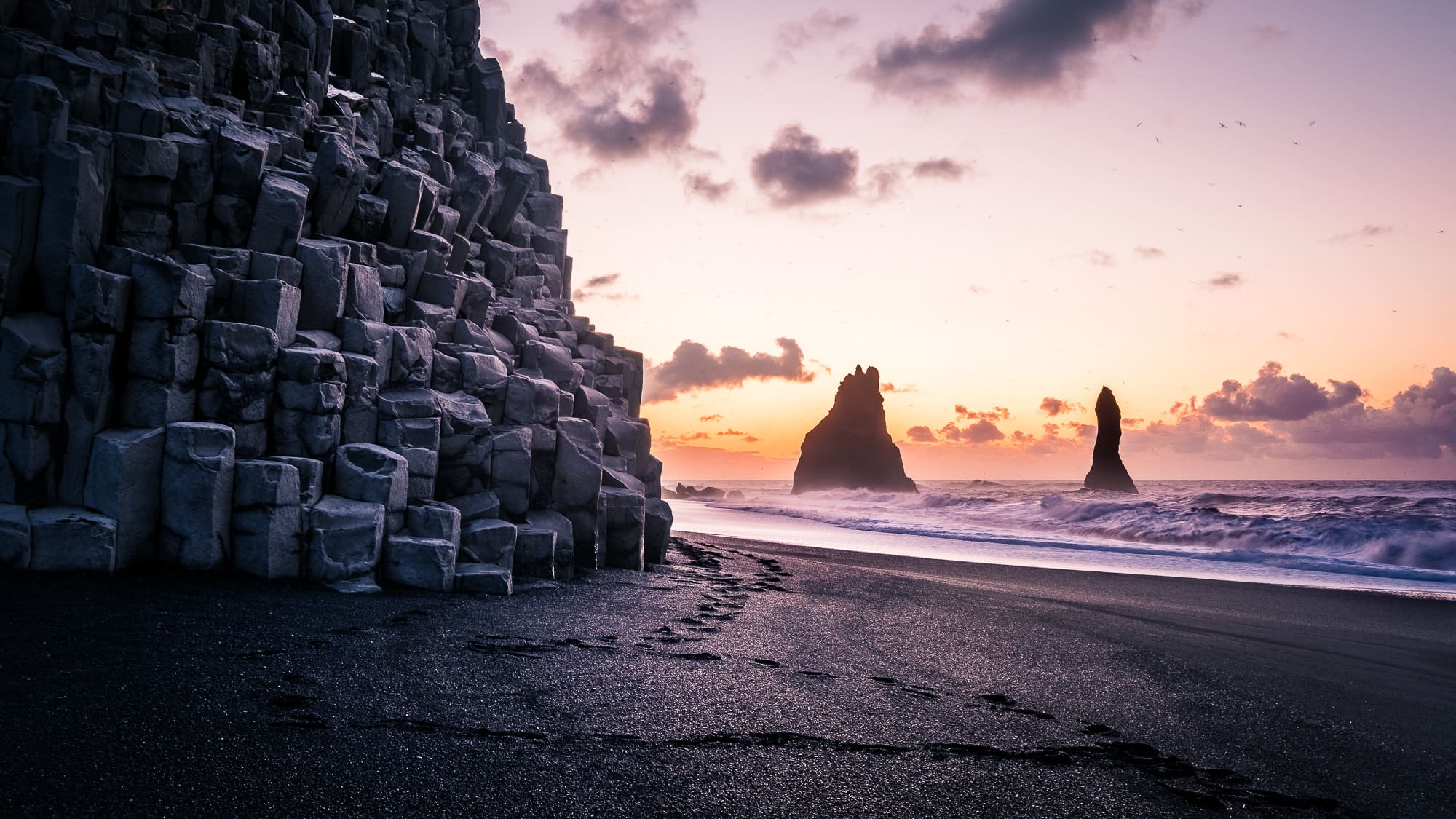
Reynisfjara
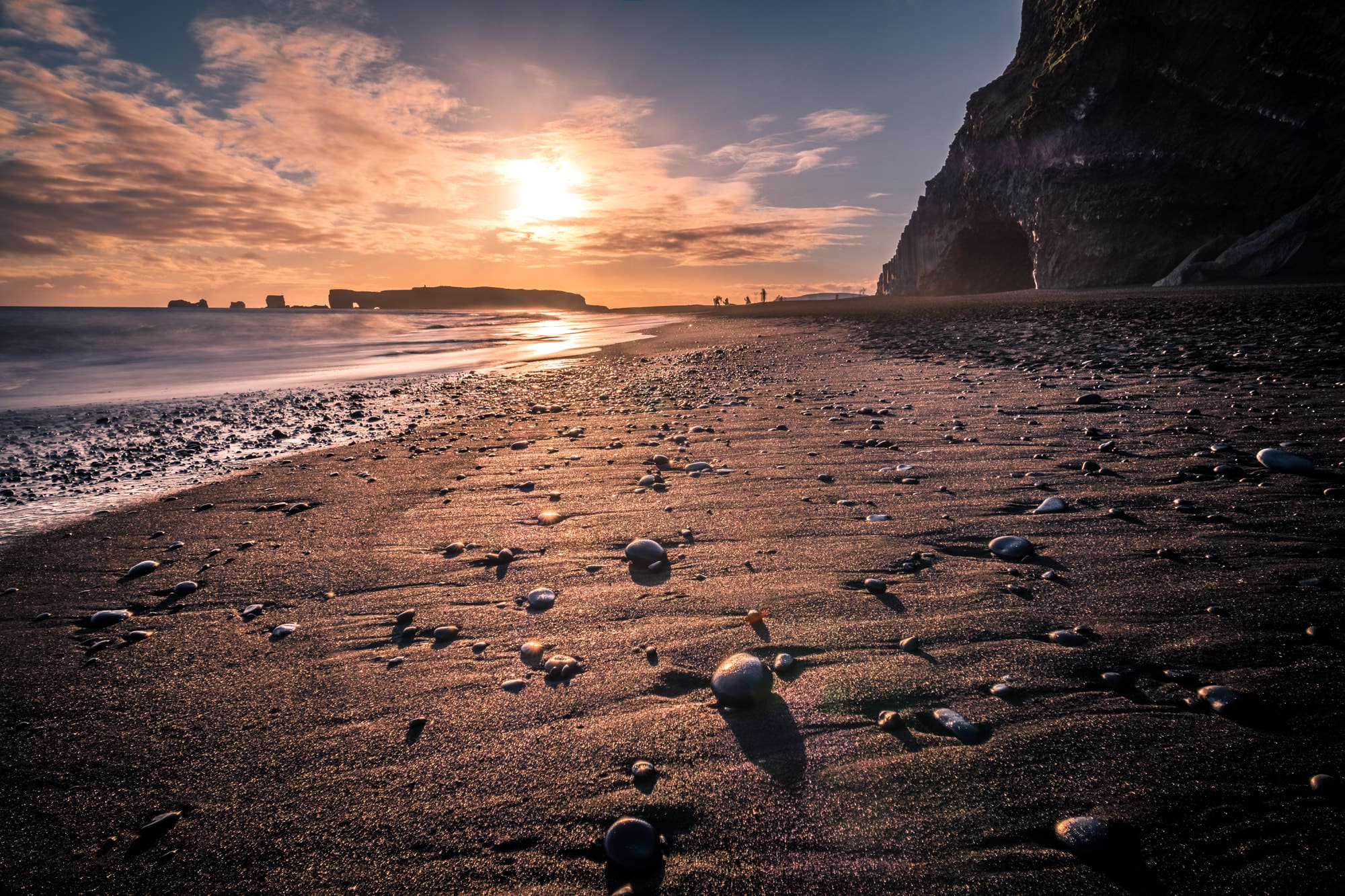
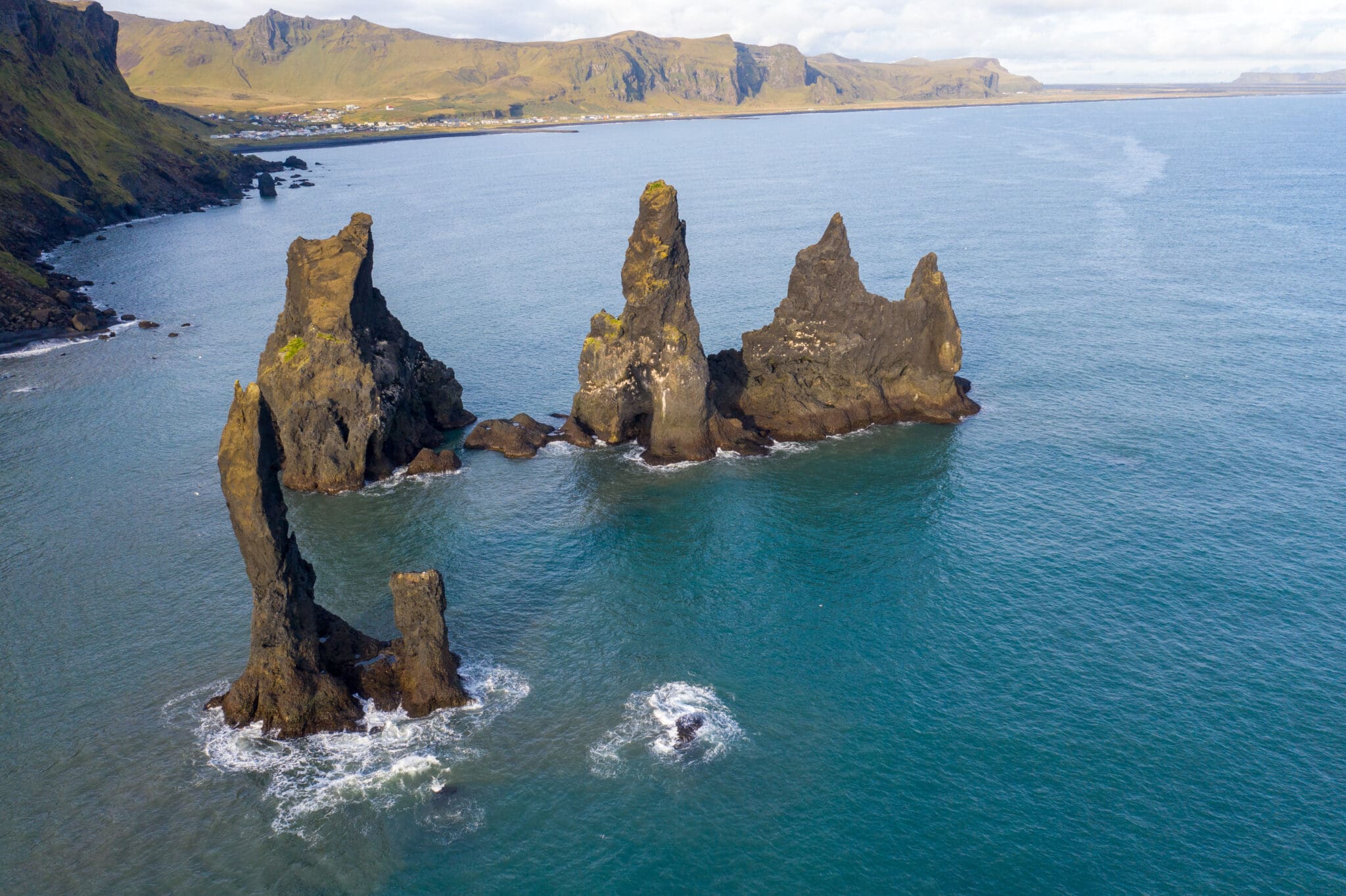
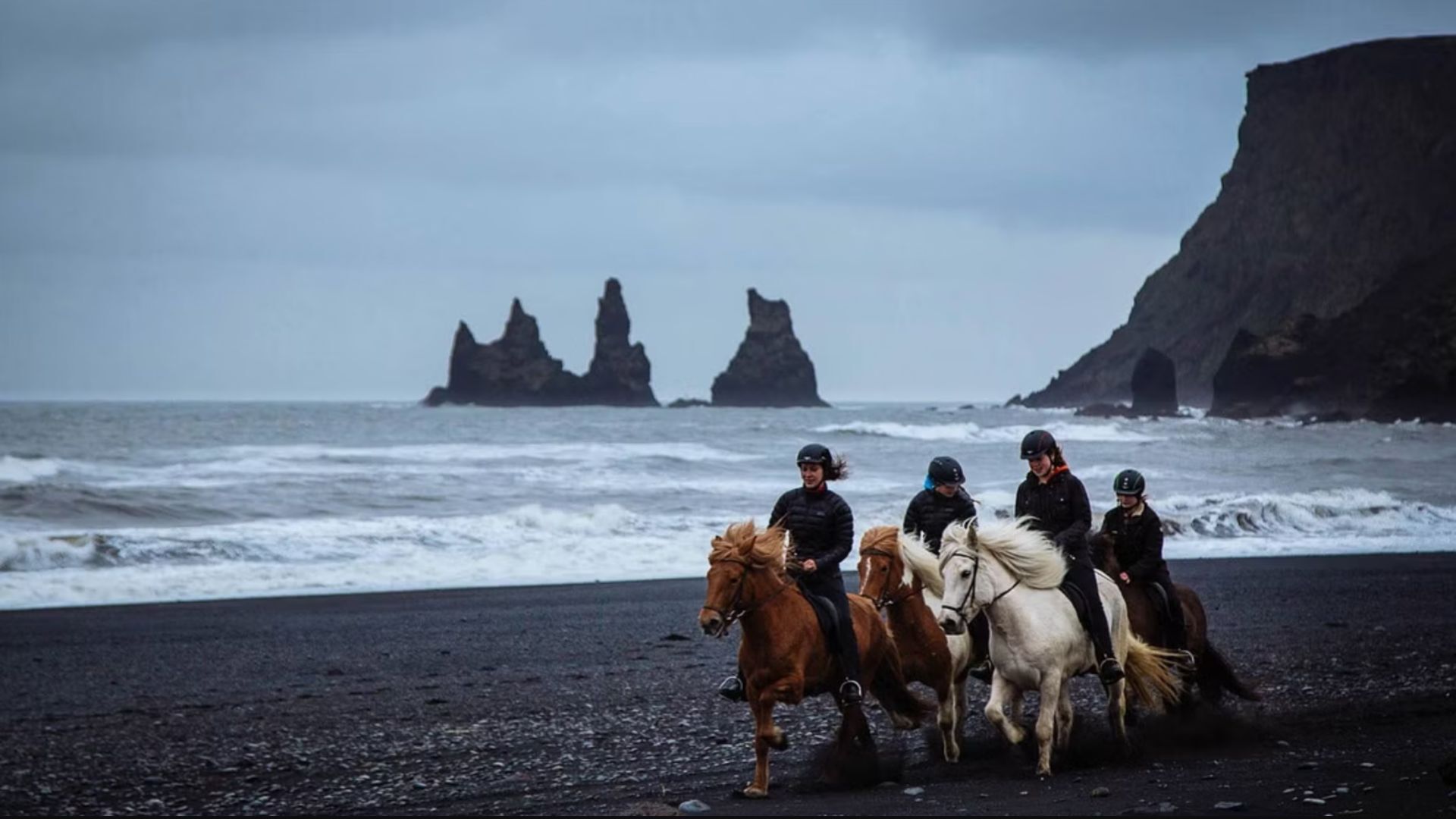
The Black Beach – Reynisfjara is a black pebble beach and features an amazing cliff of regular basalt columns resembling a rocky step pyramid. Out in the sea are the spectaculary shaped basalt sea stacks.
Reynisdrangar
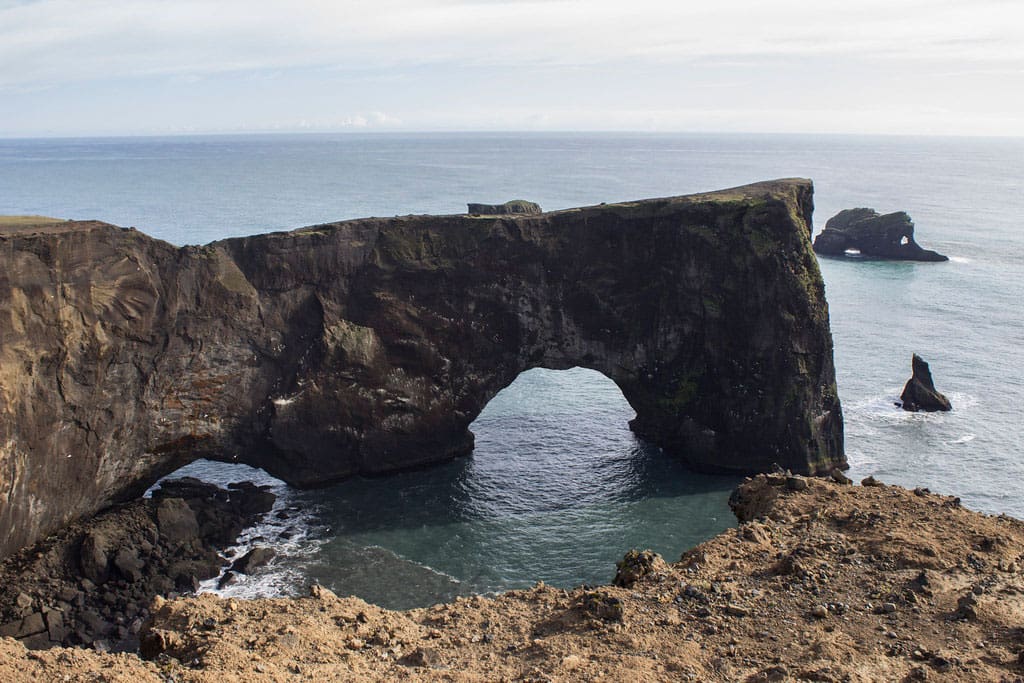
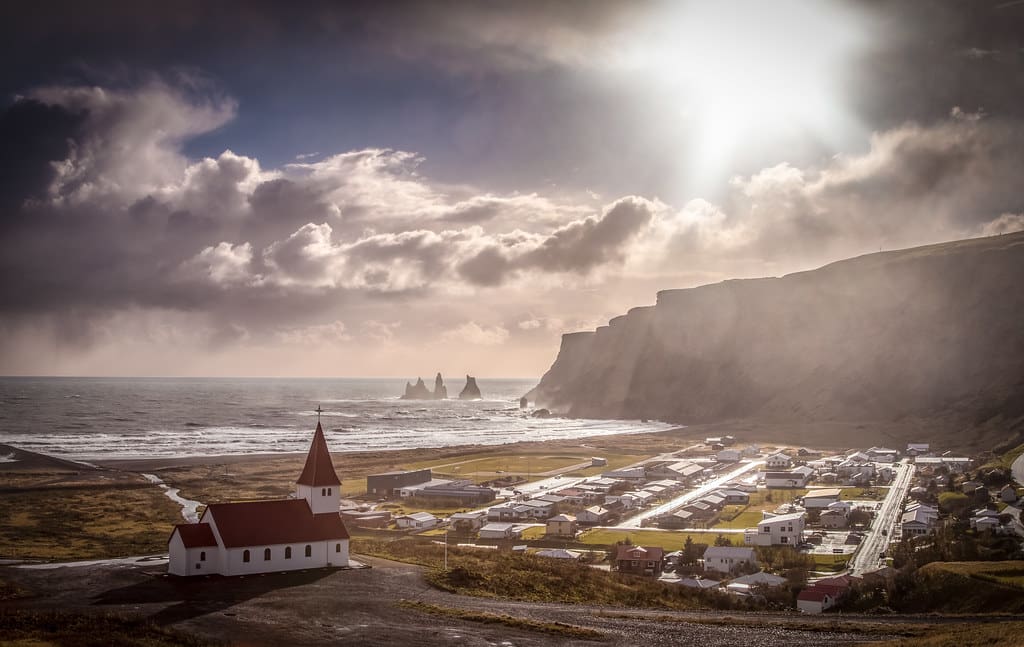
The area is rich in birdlife, including puffins, fulmars and guillemots.
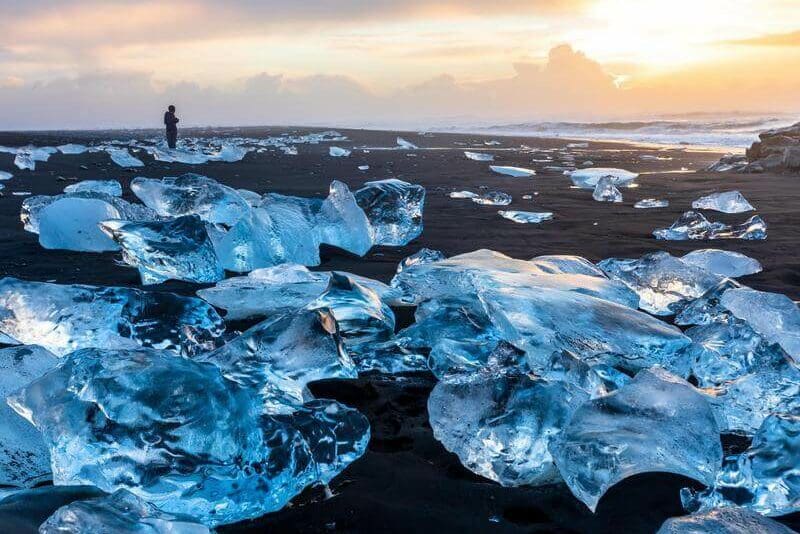
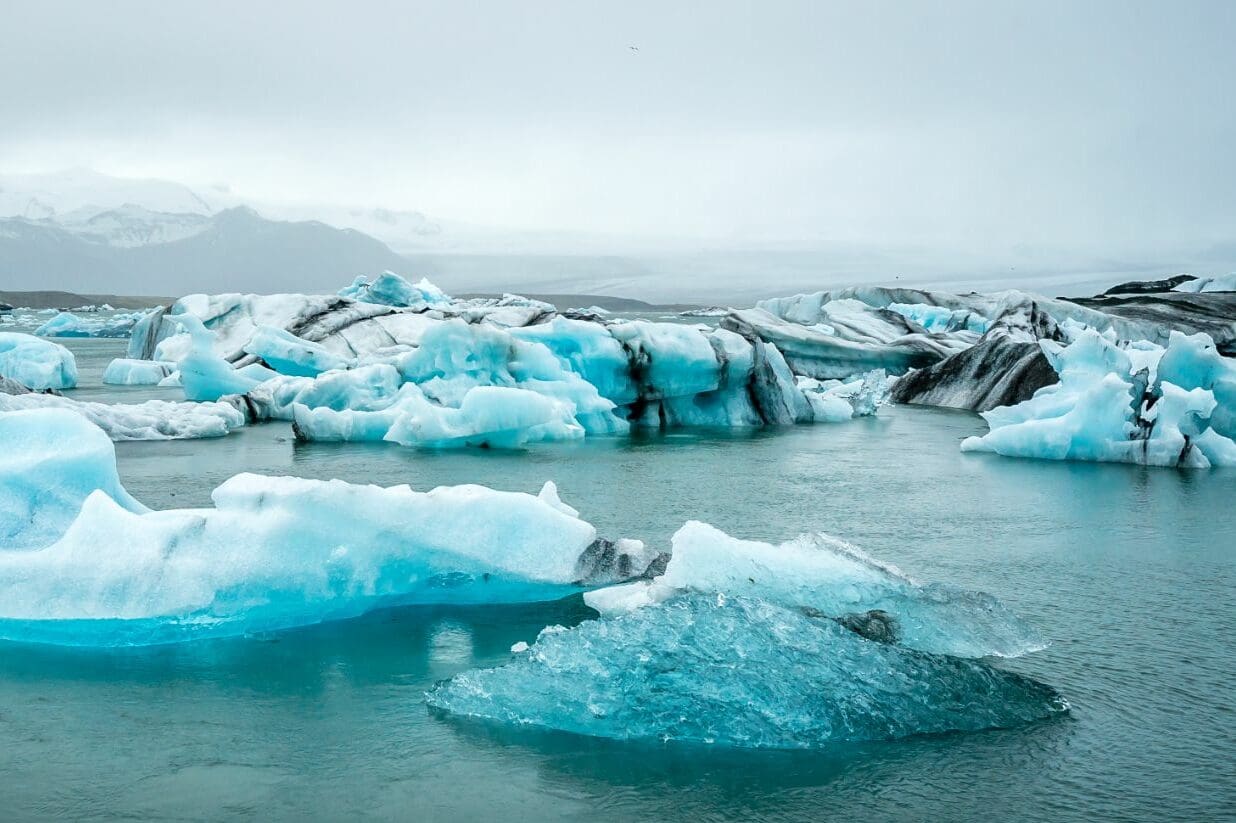
Jökulsárlón
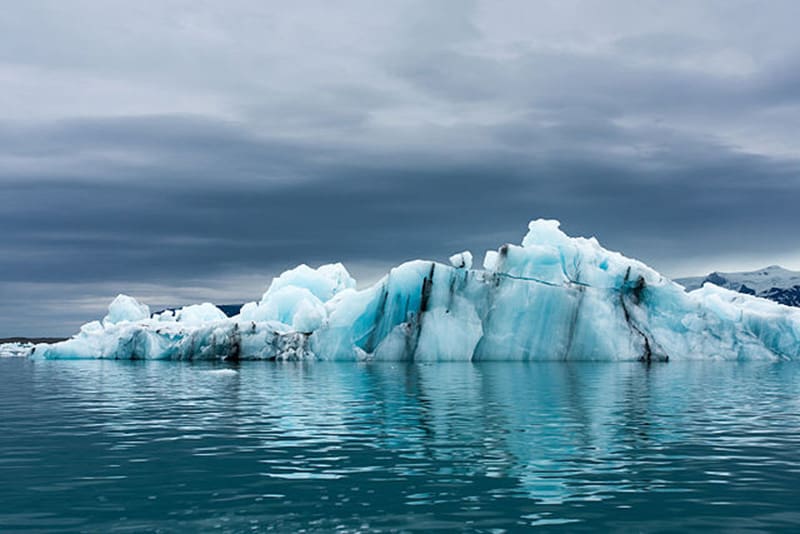
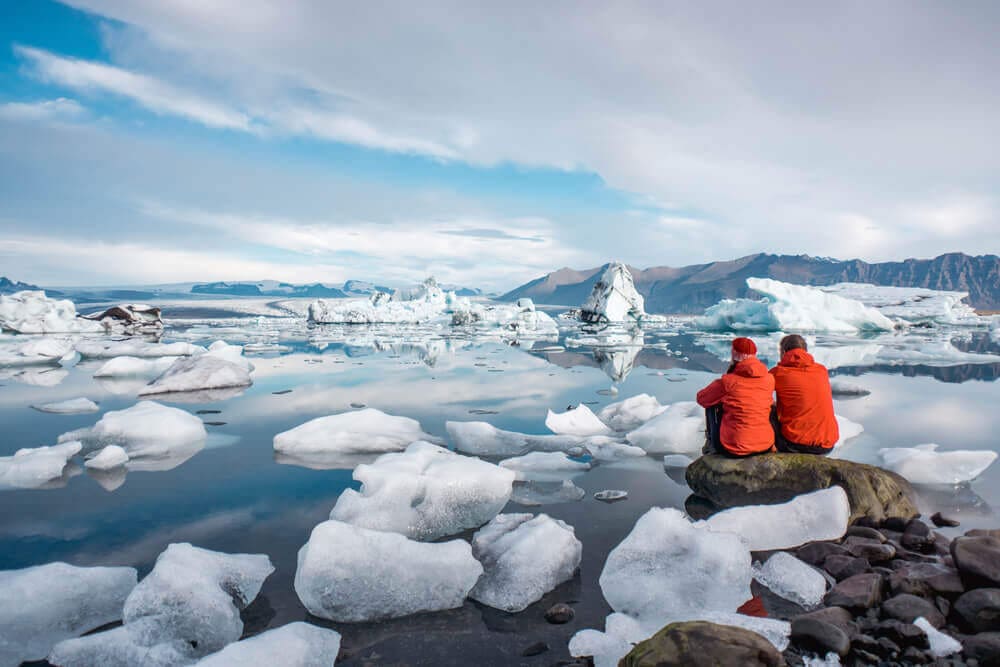
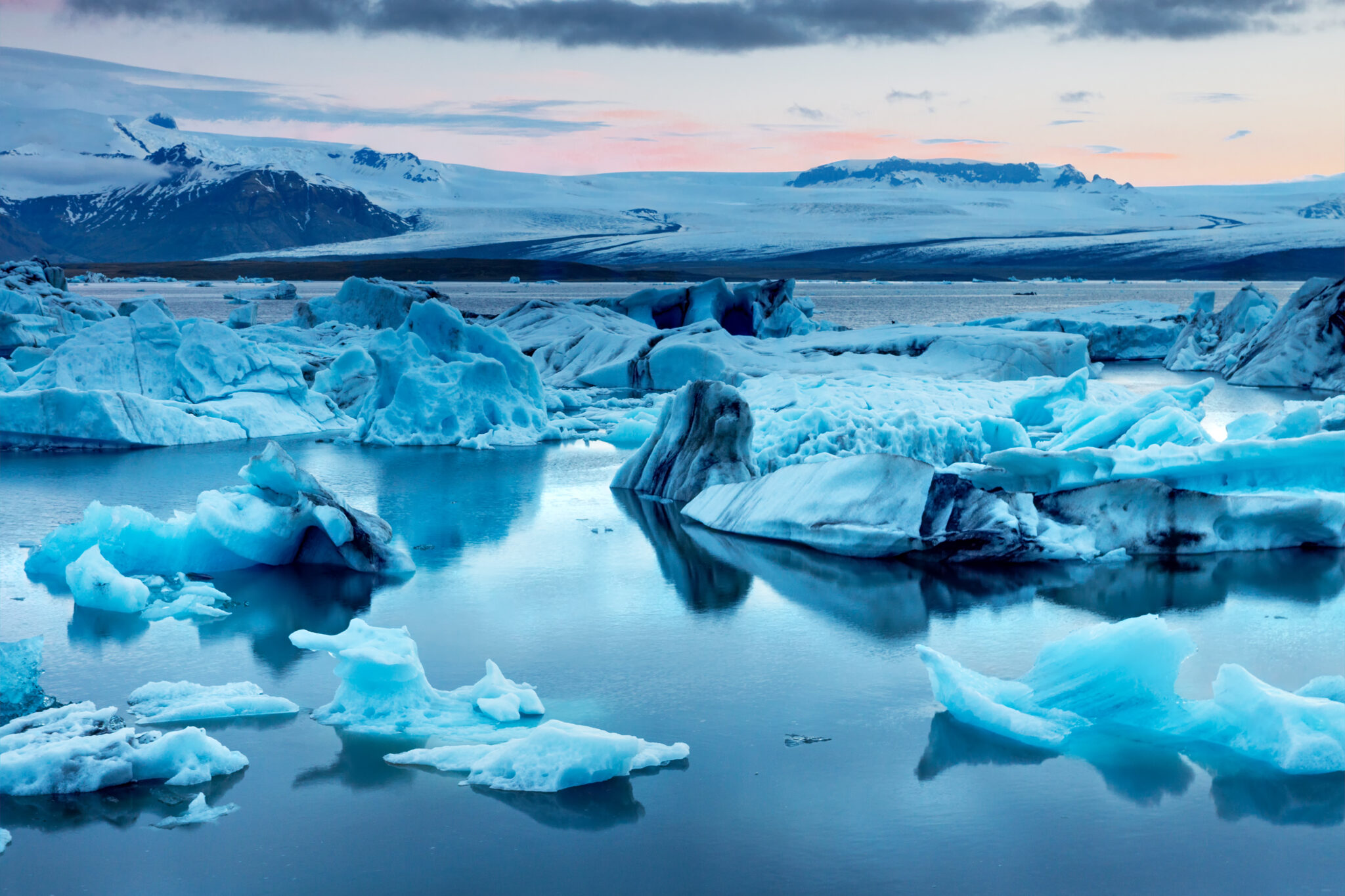
Jökulsárlón is a large glacial lake, on the edge of Vatnajökull National Park, it developed into a lake after the glacier started receding from the edge of the Atlantic Ocean. It is now 1.5 kilometres away from the ocean’s edge and covers an area of about 18 km2. It recently became the deepest lake in Iceland, at over 248 metres. It is considered as one of the natural wonders of Iceland.
Little Extra Touch
We will add some local touch and different places to visit depending on time, weather and mood.
This waterfall of the river Seljalandsá drops 60 meters over the cliffs of the former coastline. It is possible to walk behind the waterfall. 500 meters to the North West there is a another beautiful waterfall, Gljúfurbúi, that is worth the walk.
Is one of the biggest waterfalls in the country with a width of 25 meters and a drop of 60 m. Due to the amount of spray the waterfall consistently produces, a single or double rainbow is normally visible on sunny days.
The Black Beach – Reynisfjara is a black pebble beach and features an amazing cliff of regular basalt columns resembling a rocky step pyramid. Out in the sea are the spectaculary shaped basalt sea stacks.
The area is rich in birdlife, including puffins, fulmars and guillemots.
Jökulsárlón is a large glacial lake, on the edge of Vatnajökull National Park, it developed into a lake after the glacier started receding from the edge of the Atlantic Ocean. It is now 1.5 kilometres away from the ocean’s edge and covers an area of about 18 km2. It recently became the deepest lake in Iceland, at over 248 metres. It is considered as one of the natural wonders of Iceland.
We will add some local touch and different places to visit depending on time, weather and mood.
This waterfall of the river Seljalandsá drops 60 meters over the cliffs of the former coastline. It is possible to walk behind the waterfall. 500 meters to the North West there is a another beautiful waterfall, Gljúfurbúi, that is worth the walk.
Is one of the biggest waterfalls in the country with a width of 25 meters and a drop of 60 m. Due to the amount of spray the waterfall consistently produces, a single or double rainbow is normally visible on sunny days.
The Black Beach – Reynisfjara is a black pebble beach and features an amazing cliff of regular basalt columns resembling a rocky step pyramid. Out in the sea are the spectaculary shaped basalt sea stacks.
The area is rich in birdlife, including puffins, fulmars and guillemots.
Jökulsárlón is a large glacial lake, on the edge of Vatnajökull National Park, it developed into a lake after the glacier started receding from the edge of the Atlantic Ocean. It is now 1.5 kilometres away from the ocean’s edge and covers an area of about
We will add some local touch and different places to visit depending on time, weather and mood.
284.900 ISK
284.900 ISK
290.292 ISK
314.890 ISK
299.734 ISK
9.990 ISK
290.384 ISK
266.490 ISK
290.000 ISK
399.000 ISK
Travel tips, new guides and a heads-up when the aurora forecast looks good. No spam.