Golden Circle, Secret Lagoon & Northern Lights Tour
From ISK 21990




Iceland is a year-round destination, but the “best” time to visit depends entirely on what you want to see and do. The country transforms dramatically with the seasons — from the endless daylight of the midnight sun in summer to the dancing northern lights of the long winter nights. This guide breaks down exactly what each season offers, so you can plan a trip around the experiences that matter most to you.
If you want our quick recommendation:
There is no genuinely “bad” time to come — only trade-offs between daylight, weather, crowds and the specific sights on your list.
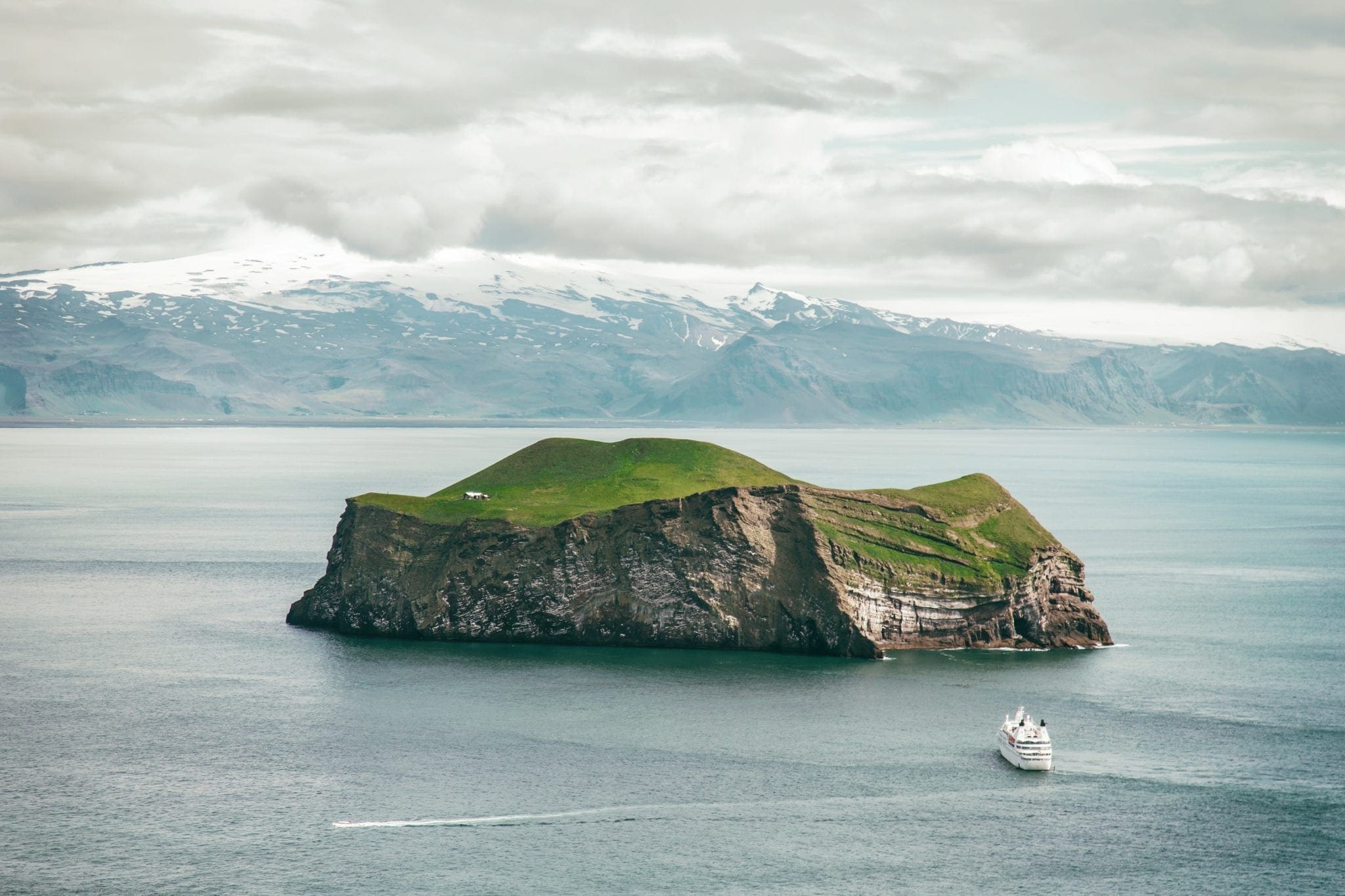
Summer is the most popular time to visit, and for good reason. Around the summer solstice in late June, the sun barely sets — Reykjavík gets around 21 hours of daylight, and the far north enjoys the famous midnight sun. Long days mean you can pack an enormous amount into each visit, with golden light lingering late into the evening.
Temperatures are at their mildest, typically 10–15°C (50–59°F), and occasionally warmer on a still, sunny day. This is the only season when the interior Highlands roads (the “F-roads”) reliably open, unlocking remote areas like Landmannalaugar and Þórsmörk. It’s also the best window for walvis spotten, with sightings at their most reliable, and the only time you’ll see Iceland’s beloved papegaaiduikers, which nest along the coast from roughly mid-May to early August.
The trade-offs: summer brings the largest crowds and the highest prices for flights, accommodation and car rentals. And because the nights never get fully dark, the northern lights are not visible — the sky simply isn’t black enough.
Beste voor: midnight sun, road trips and the Ring Road, puffins, whale watching, hiking and the Highlands.
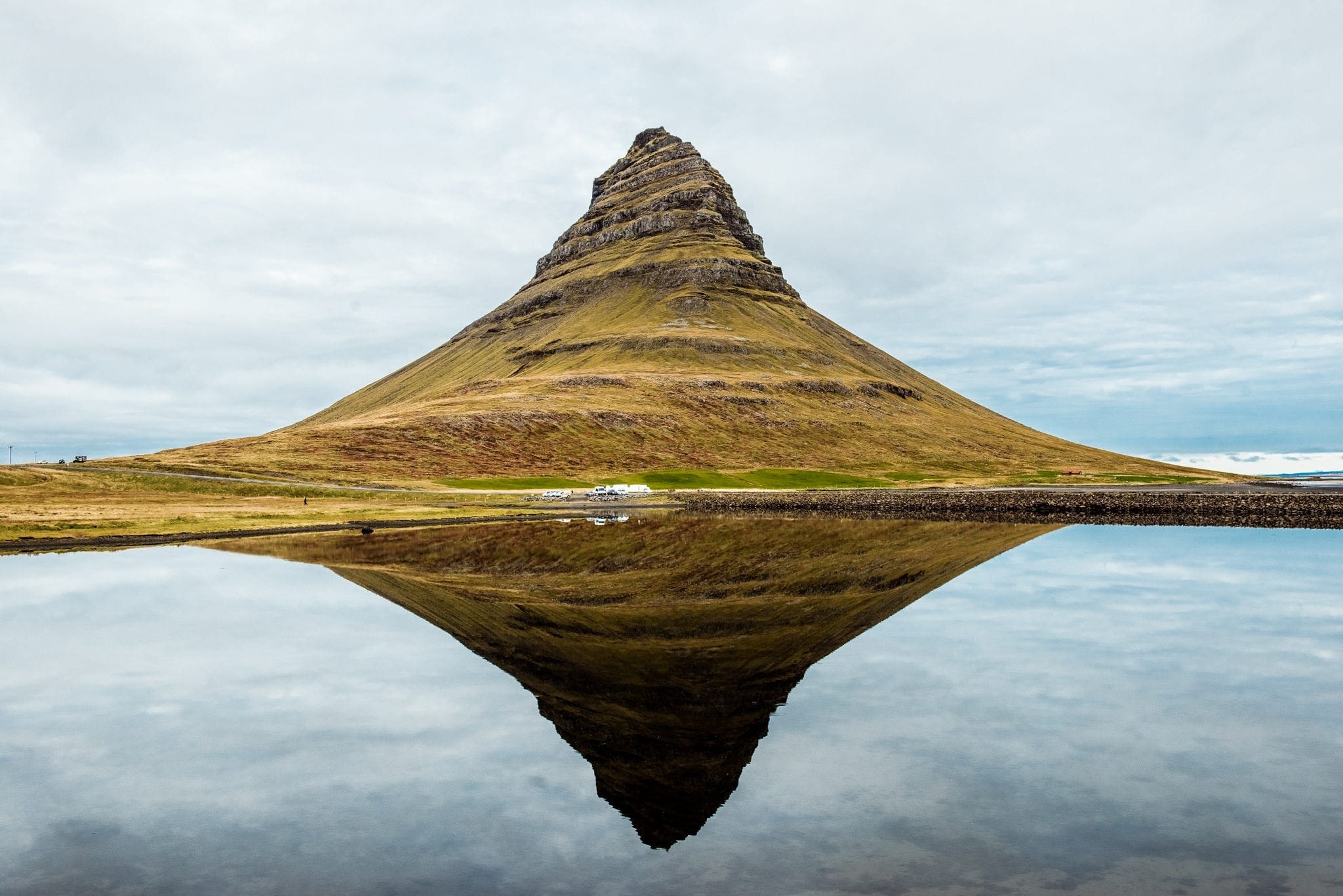
Autumn is one of Iceland’s most underrated seasons. The summer crowds thin out, prices ease, and the landscape turns gold and russet. Crucially, the nights grow dark enough again for the northern lights to return — usually from early September — while the weather is still relatively gentle and most roads remain open.
September often delivers the best of both worlds: you can chase the aurora at night and still enjoy reasonably long days, accessible waterfalls and the Golden Circle without the peak-season bus queues. By October, daylight shortens noticeably and the first snows can dust the mountains.
Beste voor: northern lights with milder weather, autumn colours, fewer crowds, good value.
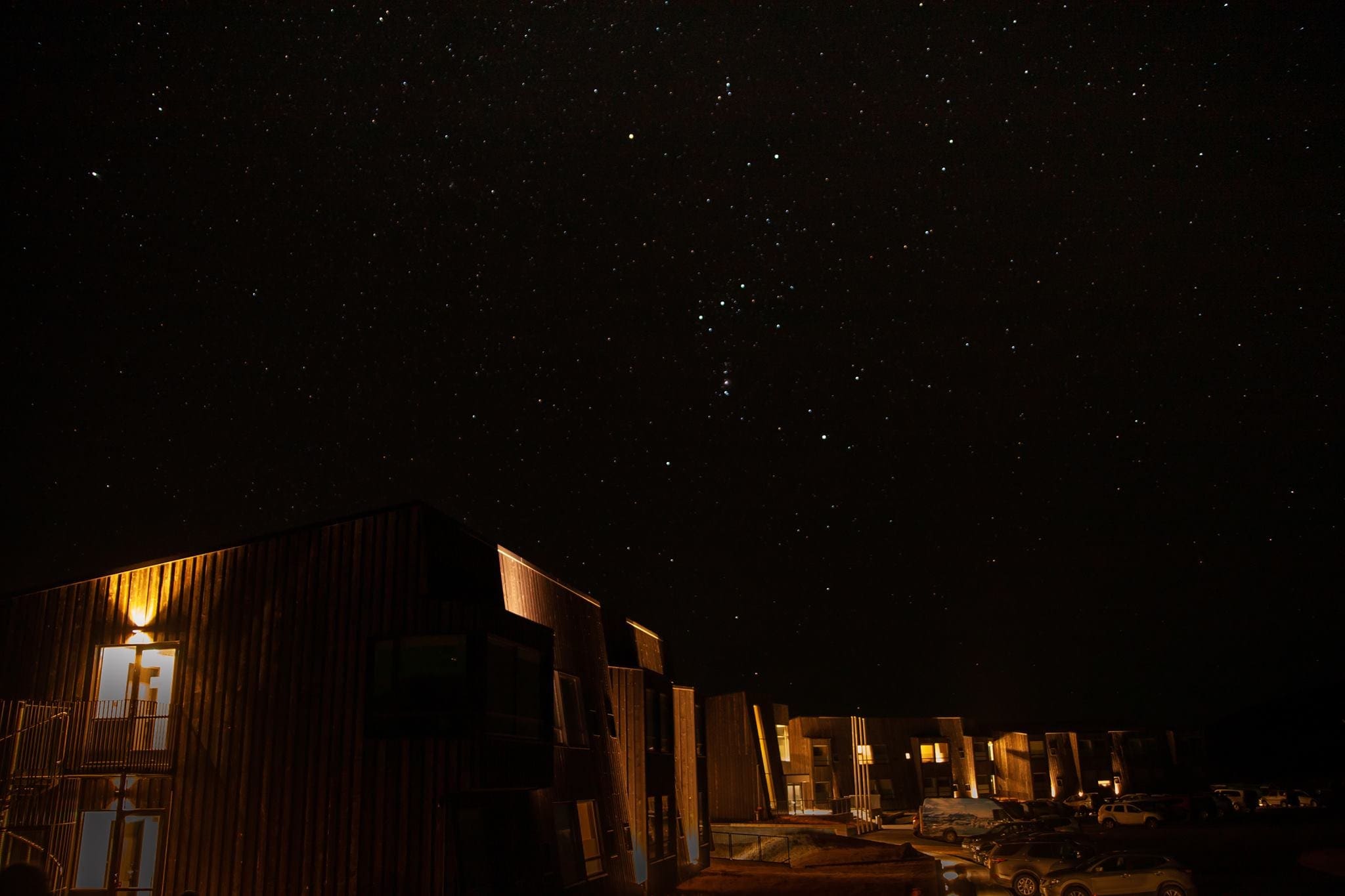
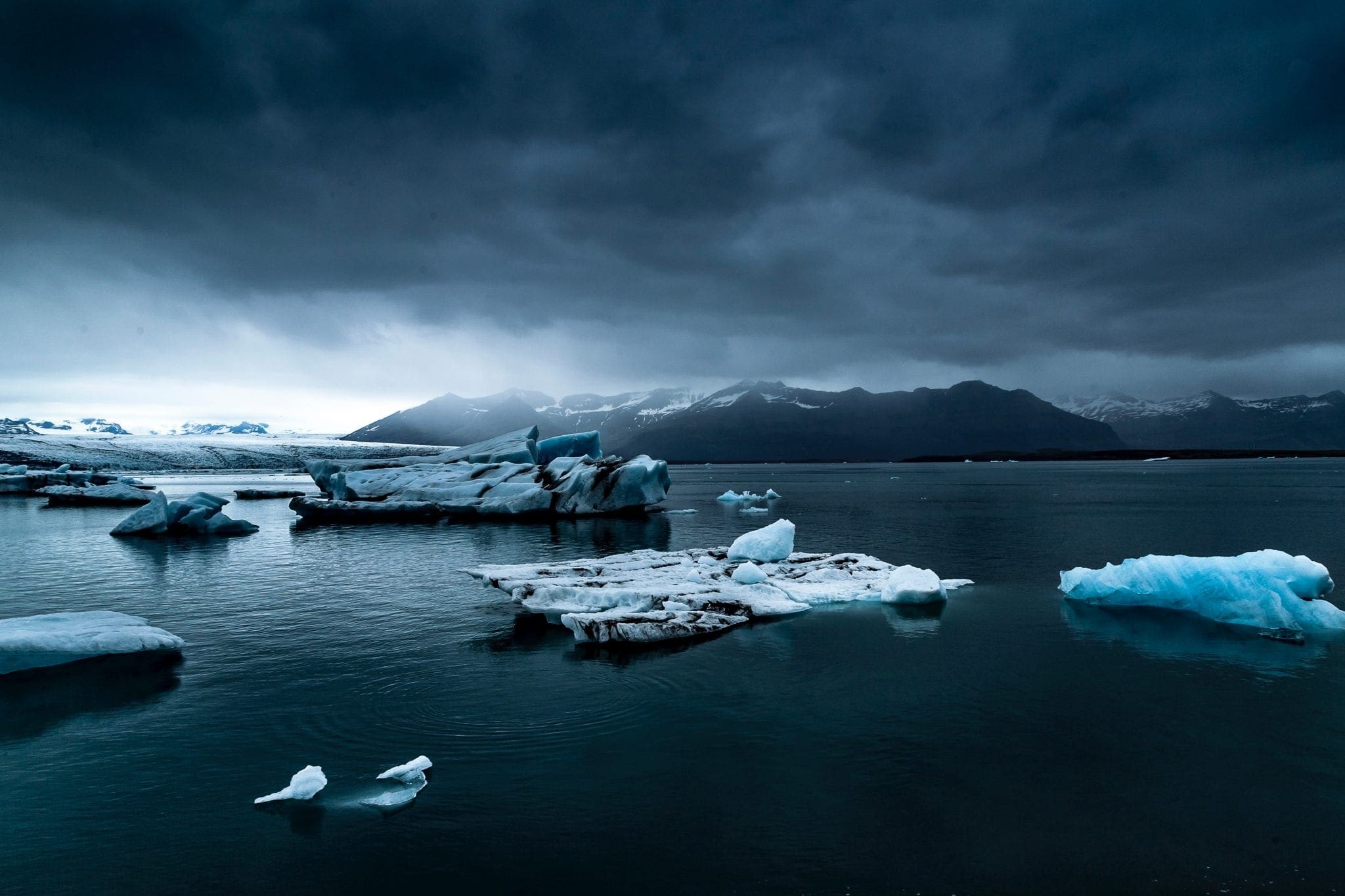
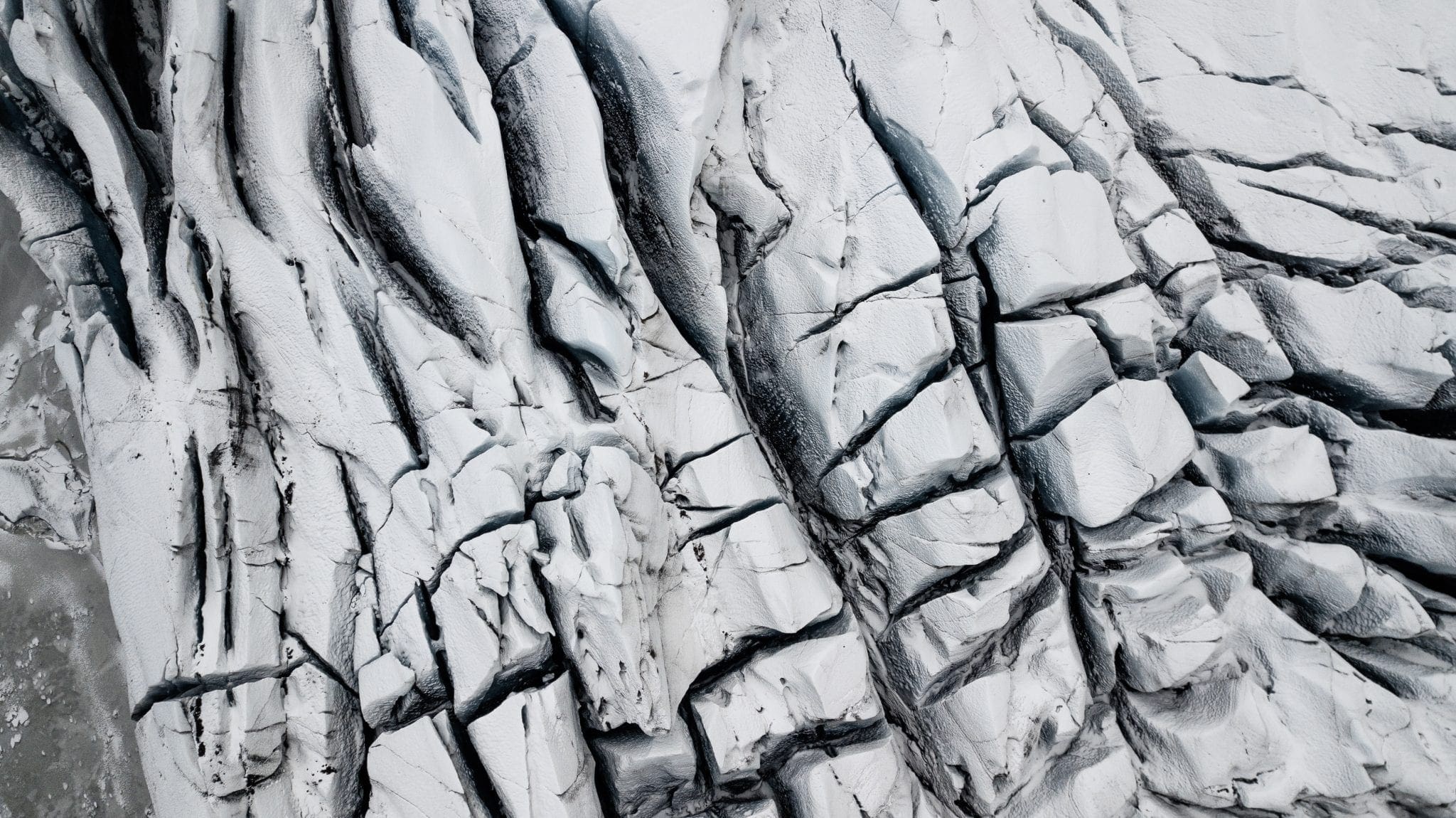
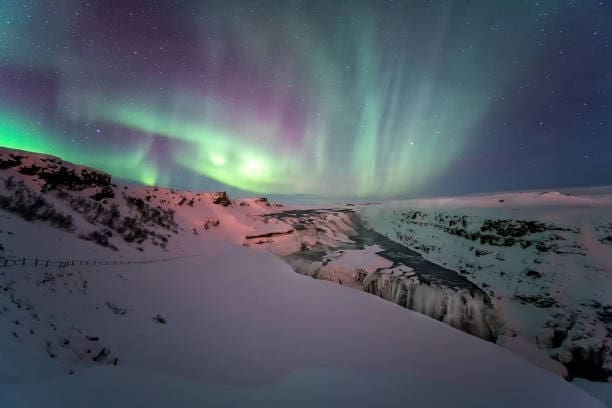
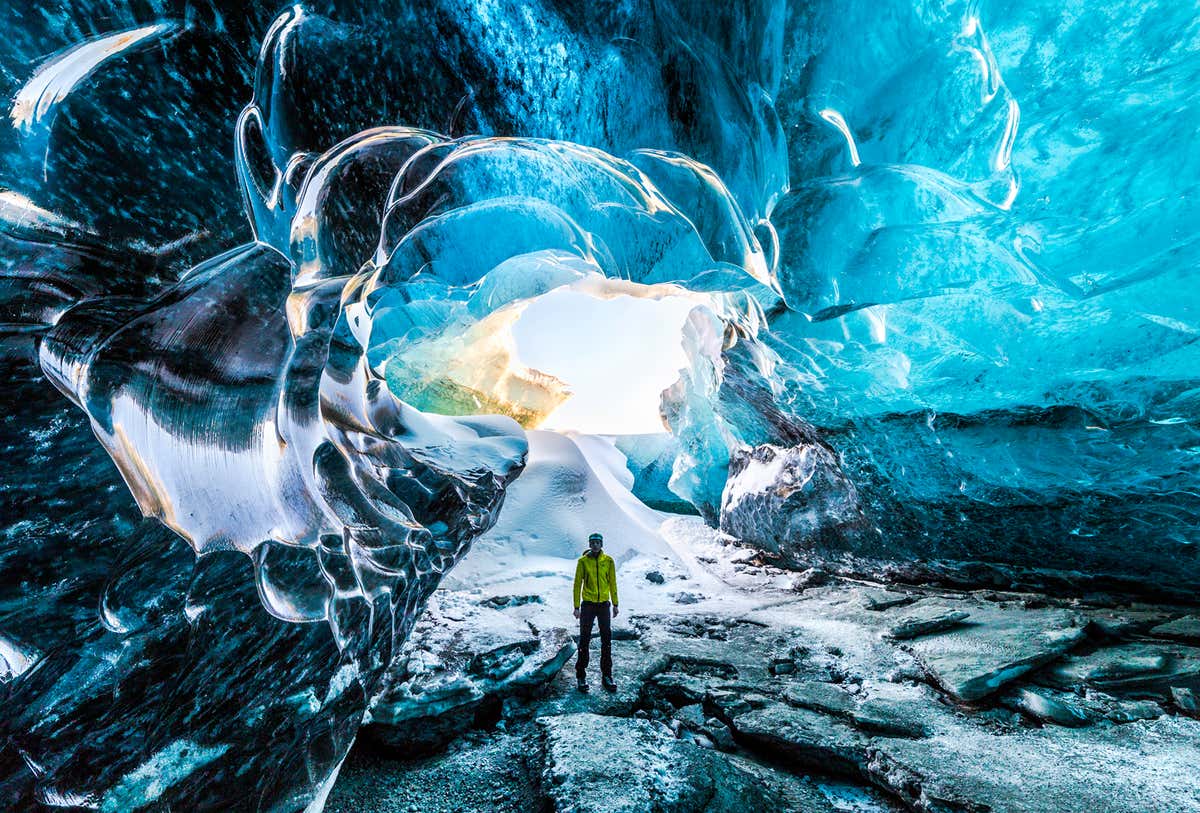
Winter is magical, atmospheric and the season many travellers now dream of. This is prime northern lights time, when the long nights give you the best chance of catching the aurora on a clear evening. It’s also the only season for exploring naturally formed blue ice caves, which form inside glaciers over winter and are accessible roughly from November to March.
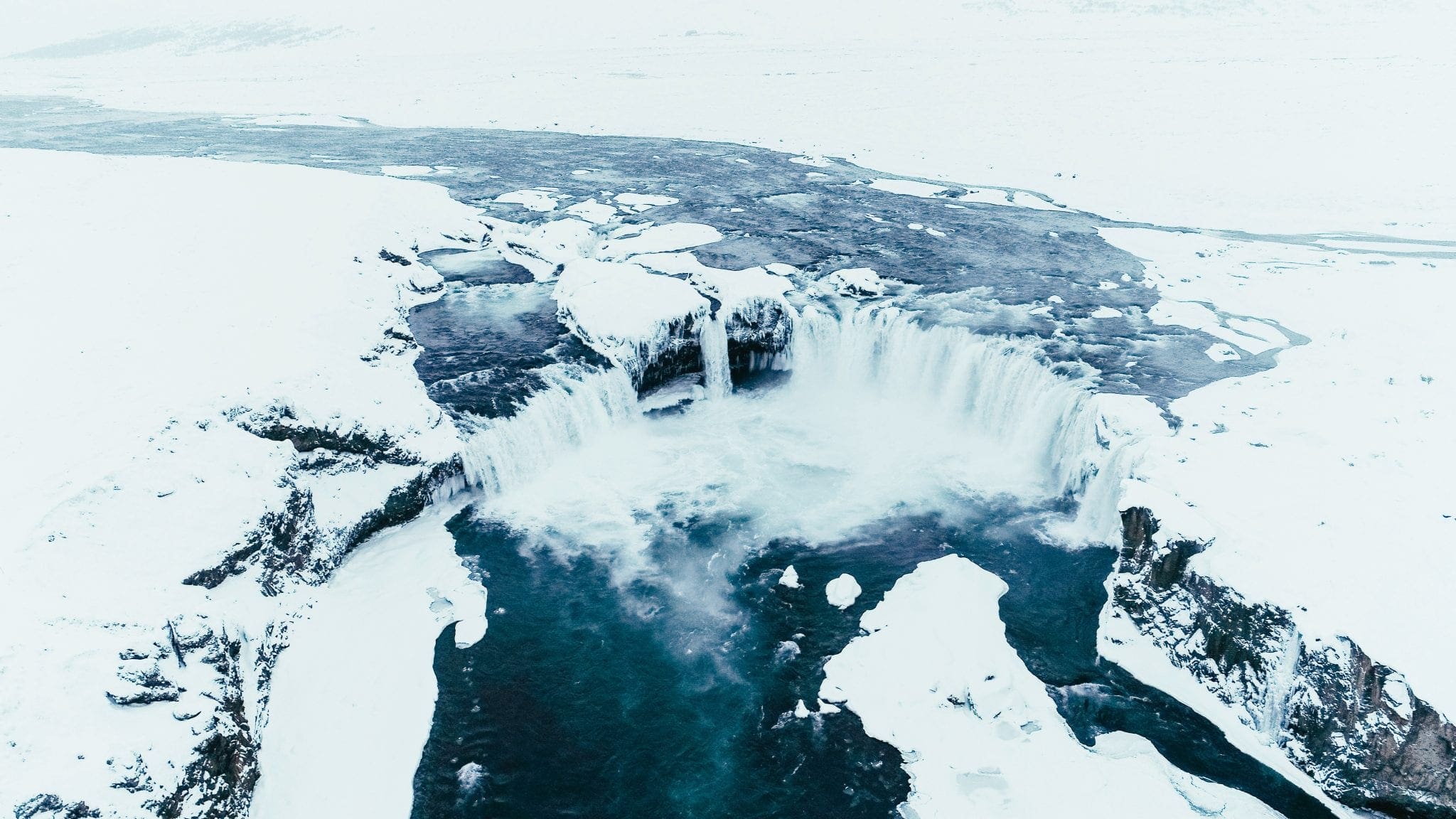
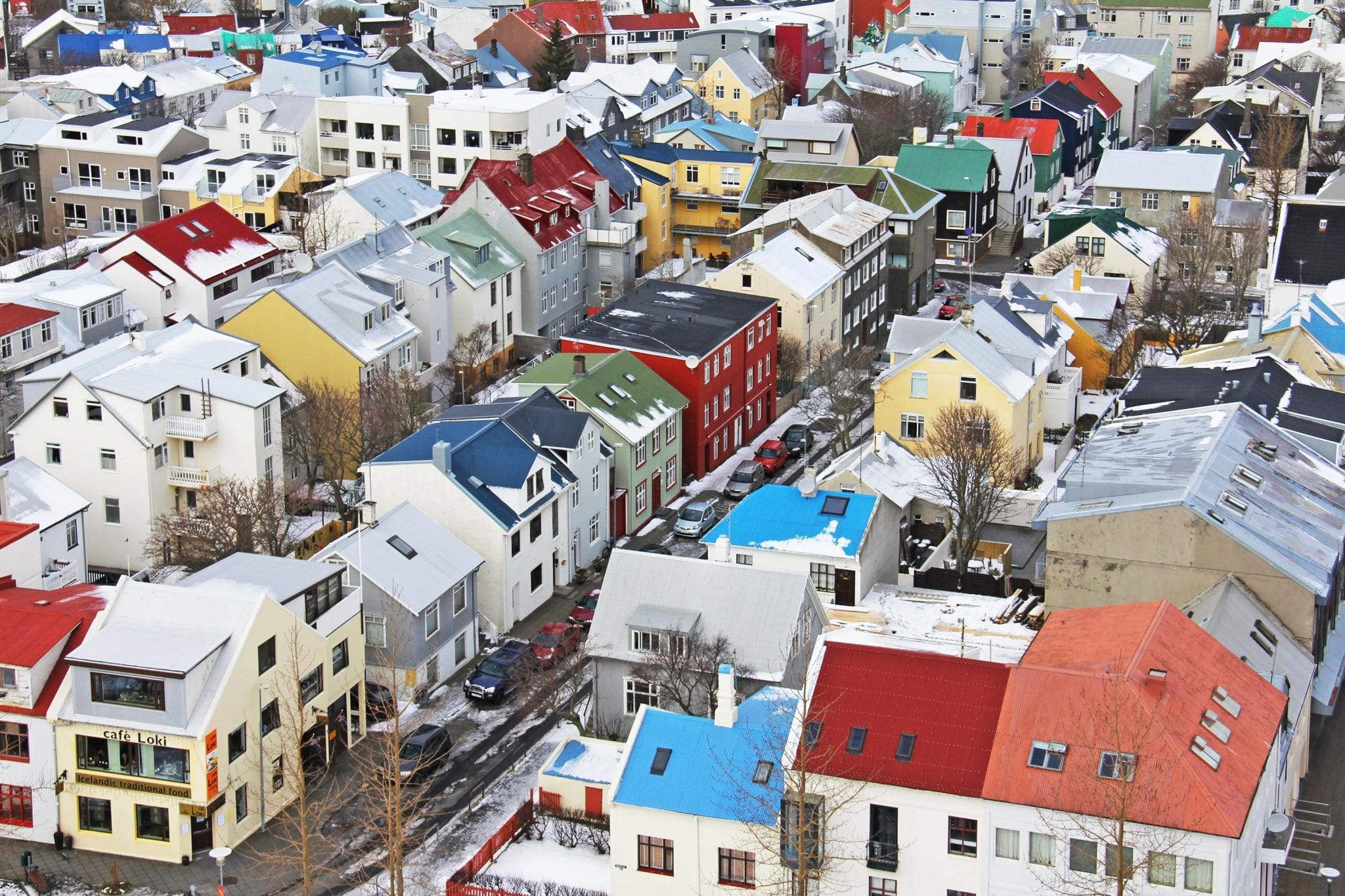
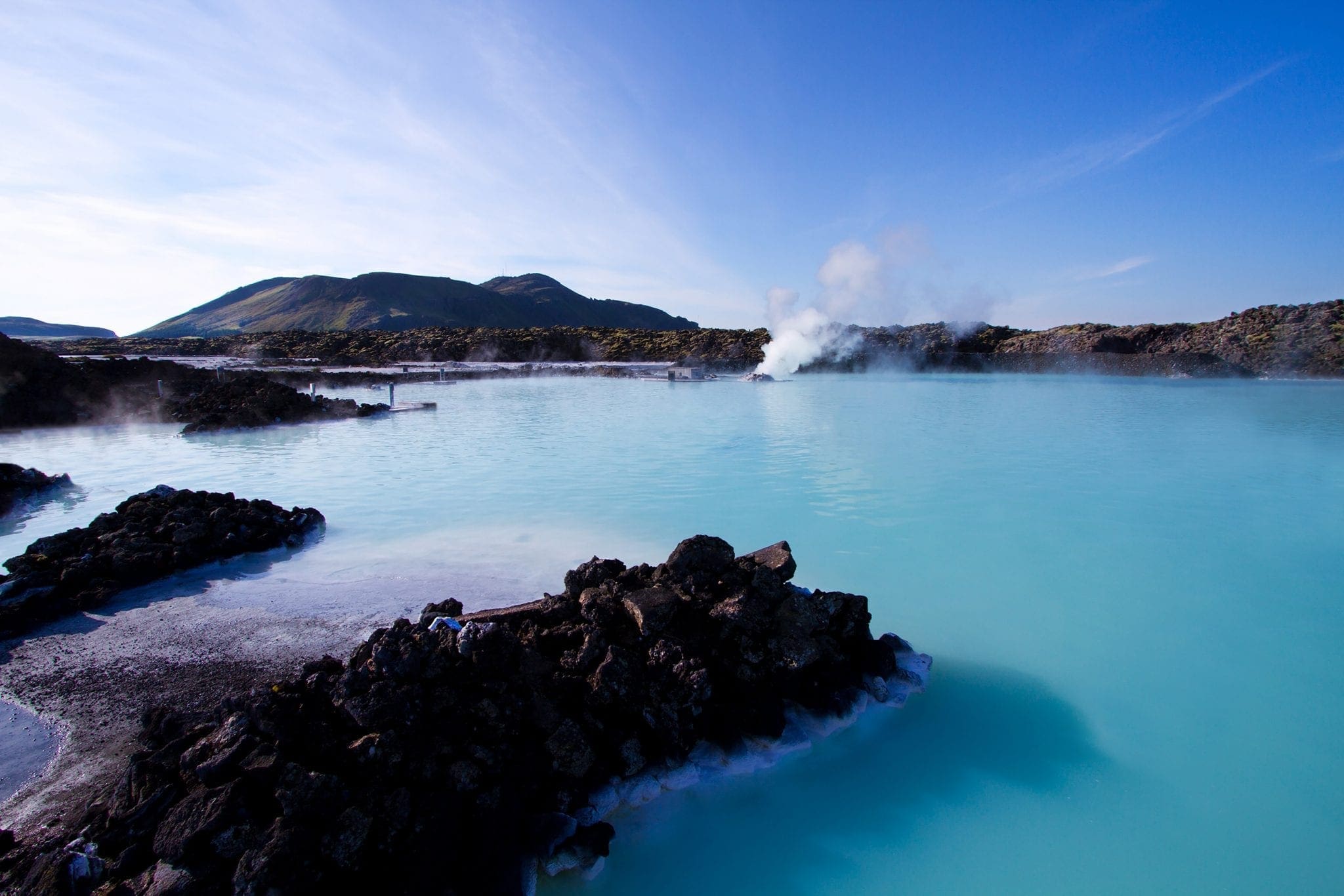
Days are short — around the December solstice, Reykjavík sees only about 4–5 hours of daylight — but that low winter sun creates beautiful, soft light for much of the “day.” Snow-dusted lava fields, frozen waterfalls and steaming geothermal pools make for unforgettable scenery, and there’s nothing quite like soaking in a warm geothermal lagoon while the air is crisp and cold.
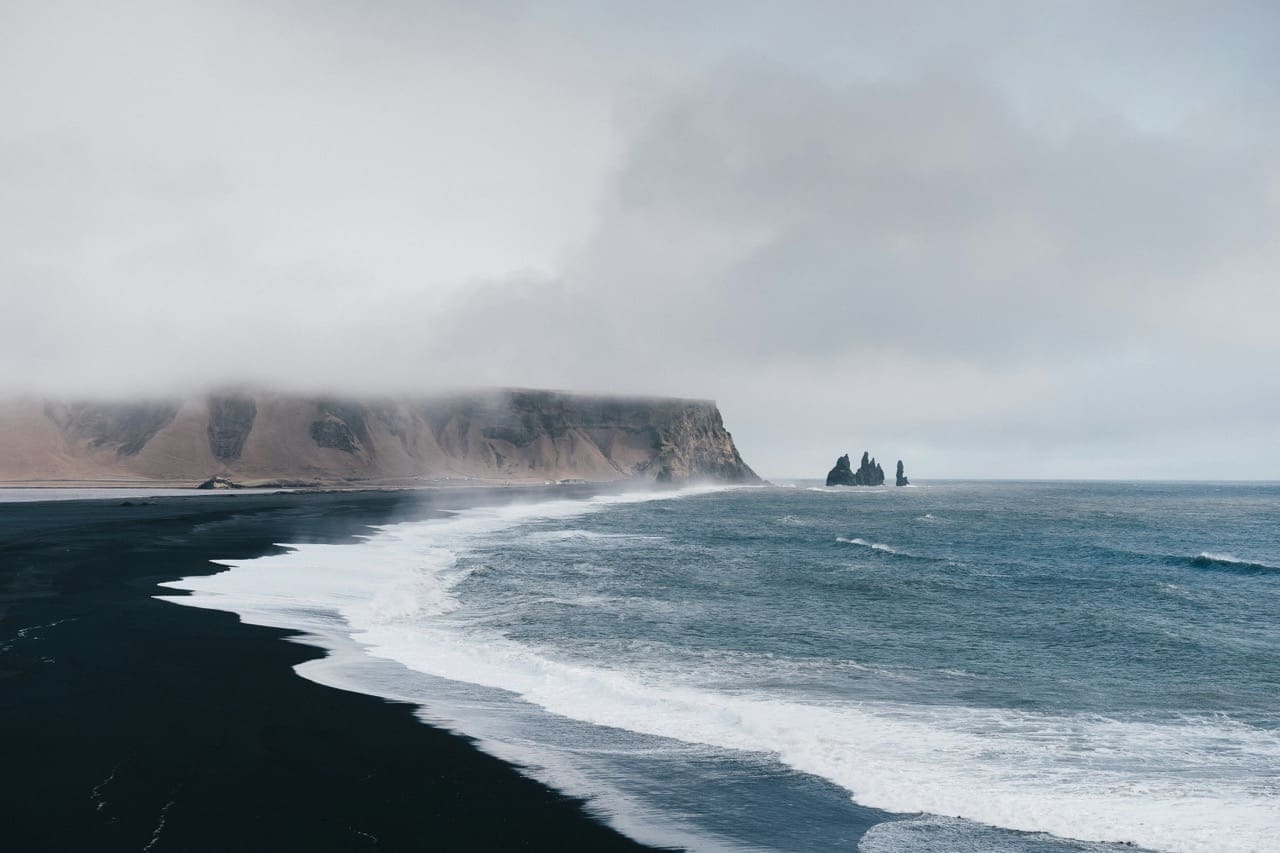
The trade-offs: weather is the most unpredictable, with wind, snow and occasional storms that can close roads or affect tours at short notice. Self-driving requires more caution, and some Highland and remote routes are closed entirely. Building flexibility into your itinerary pays off.
Beste voor: northern lights, ice caves, snowy landscapes, hot springs, a quieter and more dramatic Iceland.
Spring is a transitional, refreshing time to visit. Daylight increases rapidly, the weather begins to settle, and waterfalls swell with meltwater. Prices are generally lower than in summer, and the major sights are far less crowded. Late in the season the first puffins arrive and the countryside greens up, with lupines beginning to bloom by late spring.
Early April still offers a slim chance of late-season northern lights on dark, clear nights, while May feels increasingly like a gentler version of summer. Some Highland roads remain closed until June, so spring is better suited to the south coast, the Golden Circle and coastal regions.
Beste voor: value, fewer crowds, rushing waterfalls, lengthening days and early-season wildlife.
If your trip is built around one bucket-list experience, here’s when to come:
The lowest prices generally fall outside the summer peak and away from the Christmas and New Year holidays — think mid-January through March, and again in the shoulder weeks of late April to mid-May and late September to October. Flights and accommodation are typically most expensive from mid-June through August. Booking tours and rental cars well in advance also helps, as the best-value options sell out first in high season.
For a focused trip around Reykjavík, the Golden Circle, the south coast and a lagoon, 4–5 days is a comfortable minimum. To drive the full Ring Road around the island, allow at least 7–10 days so you’re not rushing. Winter itineraries benefit from a spare day or two of flexibility in case weather reshuffles your plans.
Iceland’s weather is famously changeable — locals joke that if you don’t like it, just wait five minutes. Conditions can shift several times in a single day in any season, so the golden rule is to dress in layers regardless of when you visit. Even in summer, a windproof and waterproof outer layer, a warm mid-layer and sturdy walking shoes are essential. In winter, add thermal base layers, a hat, gloves, a proper insulated coat and traction cleats for icy paths.
Daylight is the other big variable. Summer’s near-endless light lets you sightsee late into the evening, while December’s short days mean planning your outdoor activities around a roughly 11am–3pm window of good light. Whatever the month, always check the official forecast and road conditions before setting out, especially if you’re self-driving — the weather, not the calendar, ultimately dictates the day in Iceland.
A swimsuit deserves a spot in your bag year-round: geothermal pools and lagoons are a way of life here, and a warm soak is just as wonderful under the summer midnight sun as it is surrounded by winter snow.
There’s no single best month — it depends on your priorities. For long days and warm weather, choose June or July. For the northern lights with relatively mild conditions, September is hard to beat. For the lowest prices and snowy winter scenery, aim for January to March.
The northern lights are typically visible from late September to early April, when nights are long and dark. You’ll need clear skies and ideally a spot away from city lights. They cannot be seen in summer because the sky never gets dark enough.
Absolutely. Winter offers the northern lights, naturally formed blue ice caves, snow-covered landscapes and a cosy, less-crowded atmosphere. The main trade-offs are short daylight hours and more changeable weather, so flexible planning is recommended.
The cheapest period is generally mid-January through March, along with the shoulder weeks of late April–May and late September–October. Summer (mid-June to August) and the Christmas and New Year period are the most expensive.
Plan on 4–5 days for Reykjavík, the Golden Circle, the south coast and a lagoon. To drive the full Ring Road, allow 7–10 days. In winter, add a day or two of buffer for weather.
Around the June solstice it nearly does. Reykjavík gets roughly 21 hours of daylight, and the sun only dips briefly below the horizon, creating the famous midnight sun. In the far north, the sun may not fully set at all.
Ready to start planning? Browse all our Rondleidingen en ervaringen door IJsland to build your perfect trip, whatever the season.