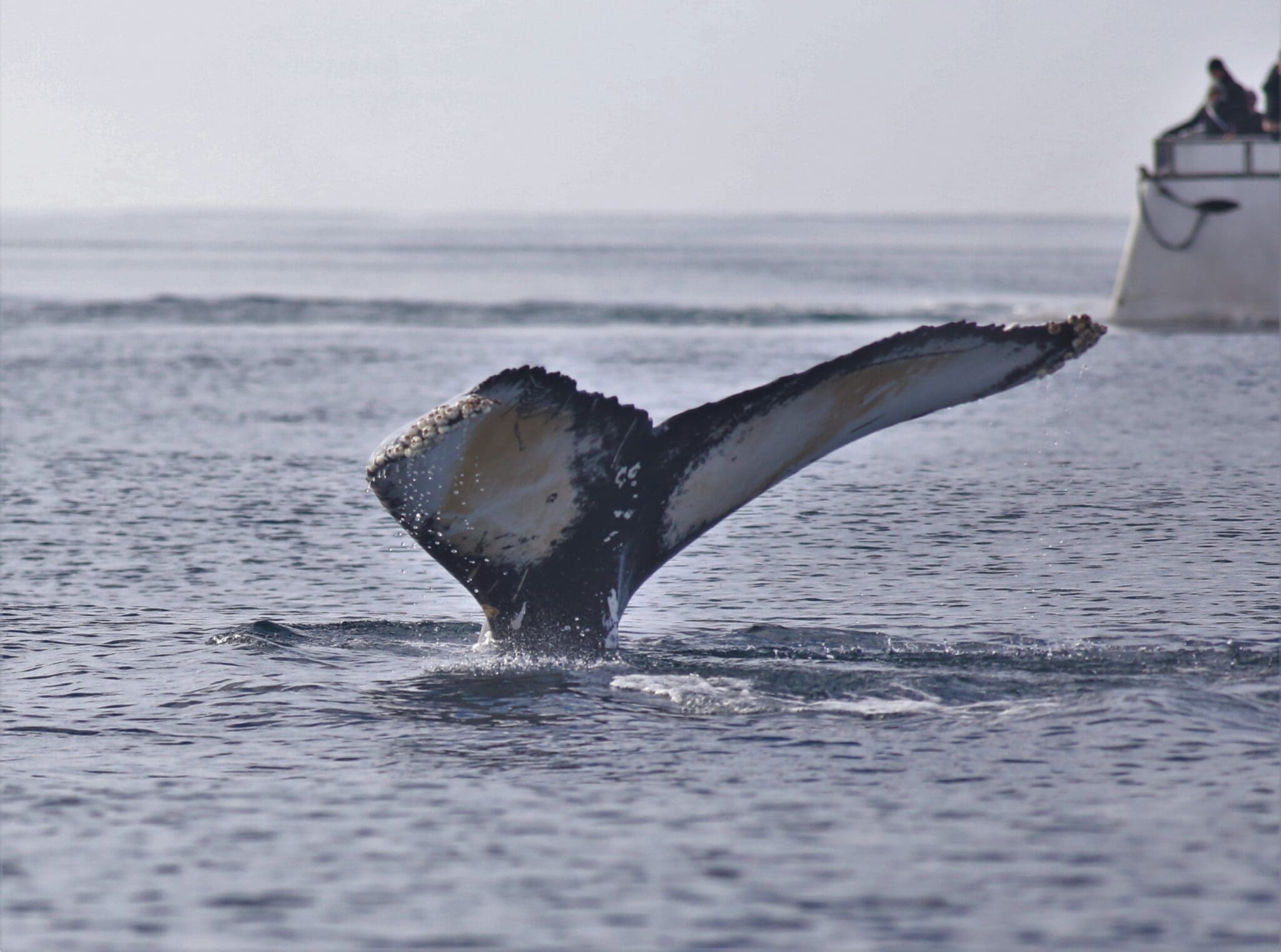
Avistamiento de ballenas Akureyri: descubra las maravillas oceánicas
13.990 ISK
2 horas y 30 minutos


Moderado
265.500 ISK
Visit Lake Mývatn, Waterfall Dettifoss, Ásbyrgi and Húsavík
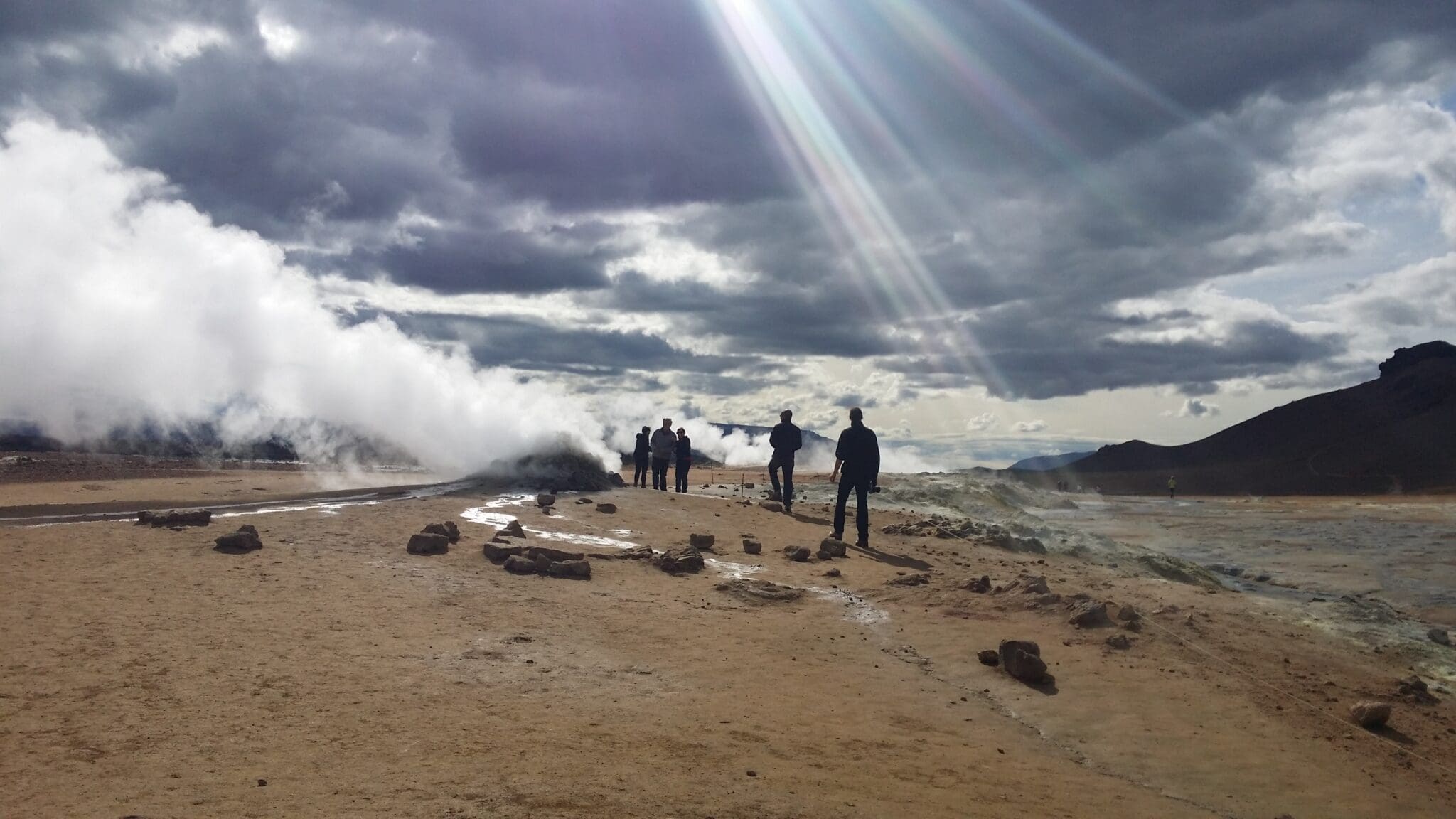
First stop is by Waterfall Goðafoss and from there to Lake Mývatn area and stop at Hverir, boiling mud pits, by Mt. Námafjall. That area is considered by many the most beautiful and at the same time the most catastrophic place in Iceland. We will take a short stop in Víti crater near Krafla Volcano.
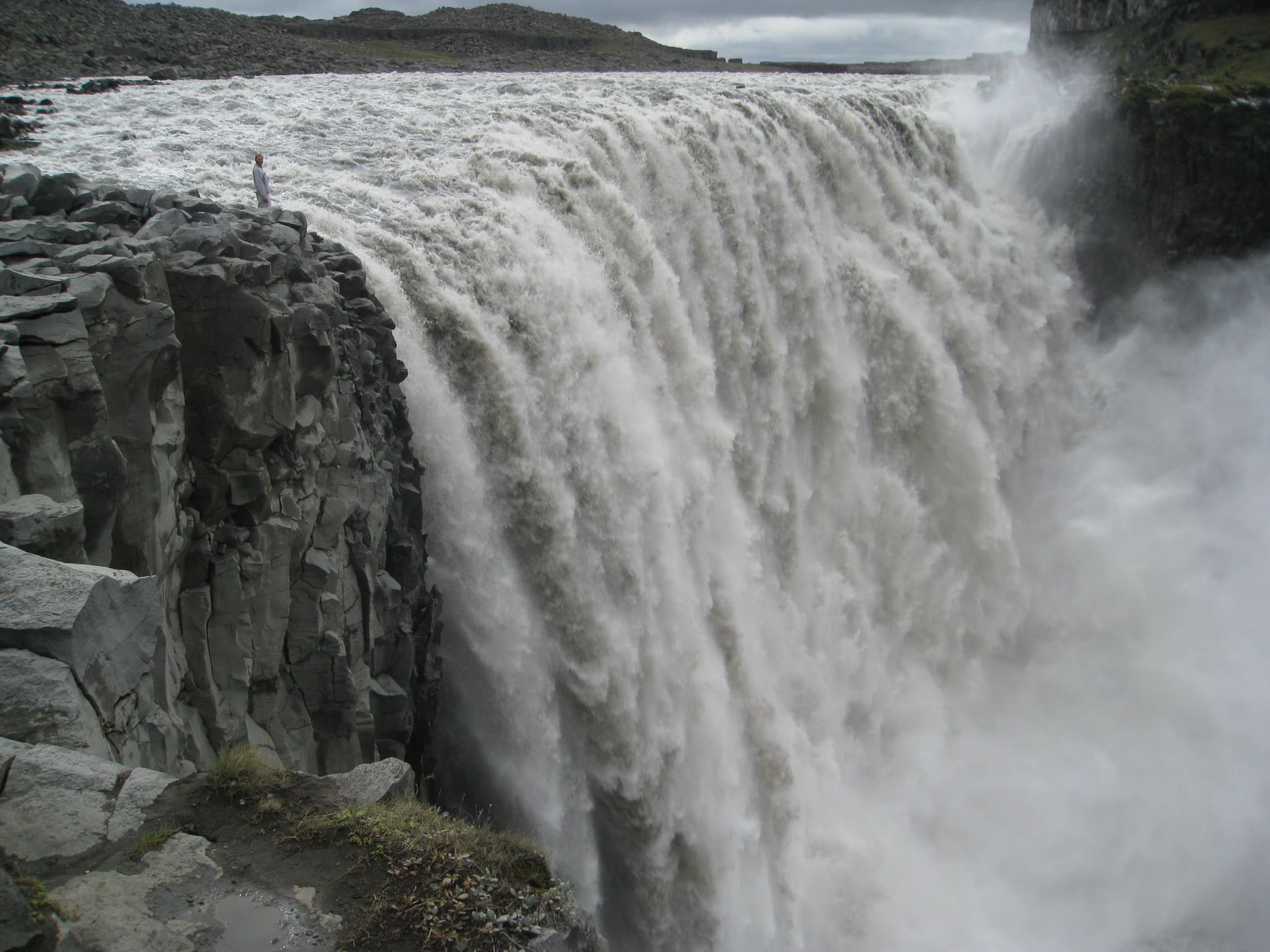
Next stop is by Waterfall Dettifoss 45m high and 100m wide, where a mass of water, mud and sand rumbles into Iceland’s most impressive canyon.
After Dettifoss we travel alongside the Jökulsárgljúfur glacial canyon to Vesturdalur valley and to Hljóðaklettar, the echoing cliffs. They are world known for their basalt columns that characterize the ancient crater remains.
Next we come down to the imposing horseshoe-shaped canyon Ásbyrgi, surrounded by precipitous cliffs. This place is known to be the meeting place of the pagan Gods.
We then take our time to stop at a café when we drive through Húsavík village on our way back to Akureyri.
This tour includes comfortable private transportation, a complimentary pickup service, and an English-speaking guide to enhance your experience.
Warm clothes, Good hiking shoes, Water bottle, Lunch pack
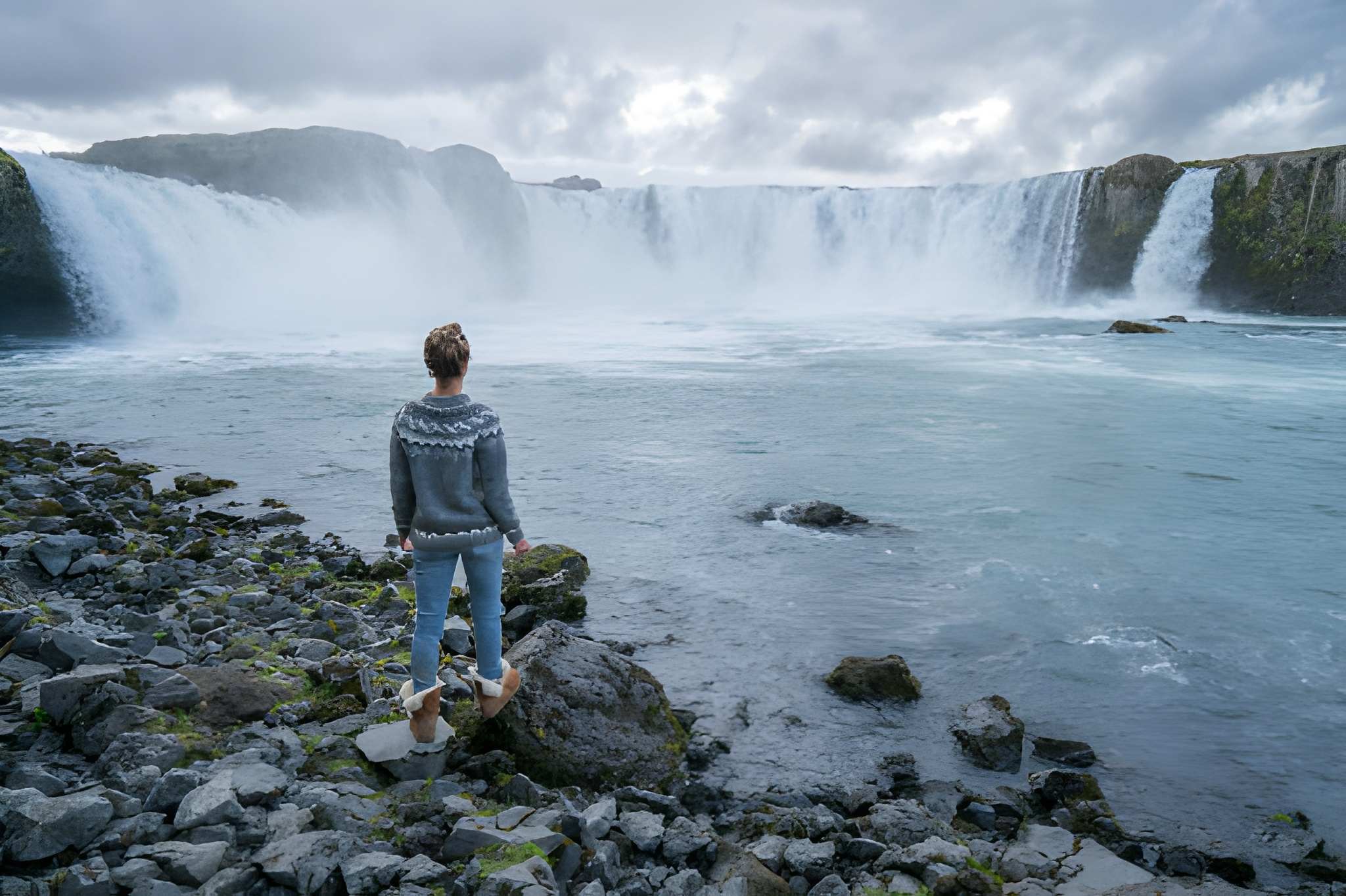
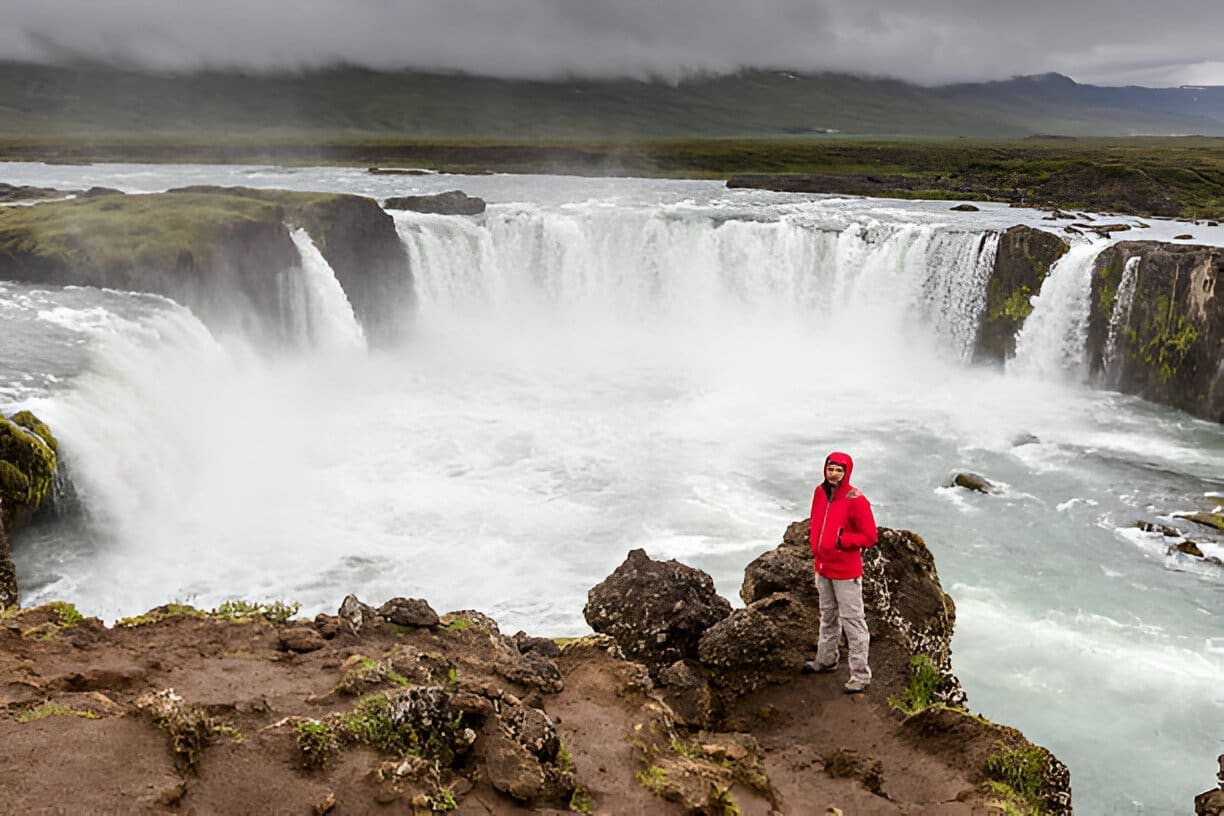
La cascada Goðafoss es una de las cascadas más bellas de Islandia. Apodada la Cascada de los Dioses por su historia. En el año 1000, «orgeir Ljósvetningagoði hizo del cristianismo la religión oficial de Islandia y procedió a arrojar sus estatuas de dioses a la cascada.
El agua cae desde una altura de 12 metros sobre un ancho de 30 metros.
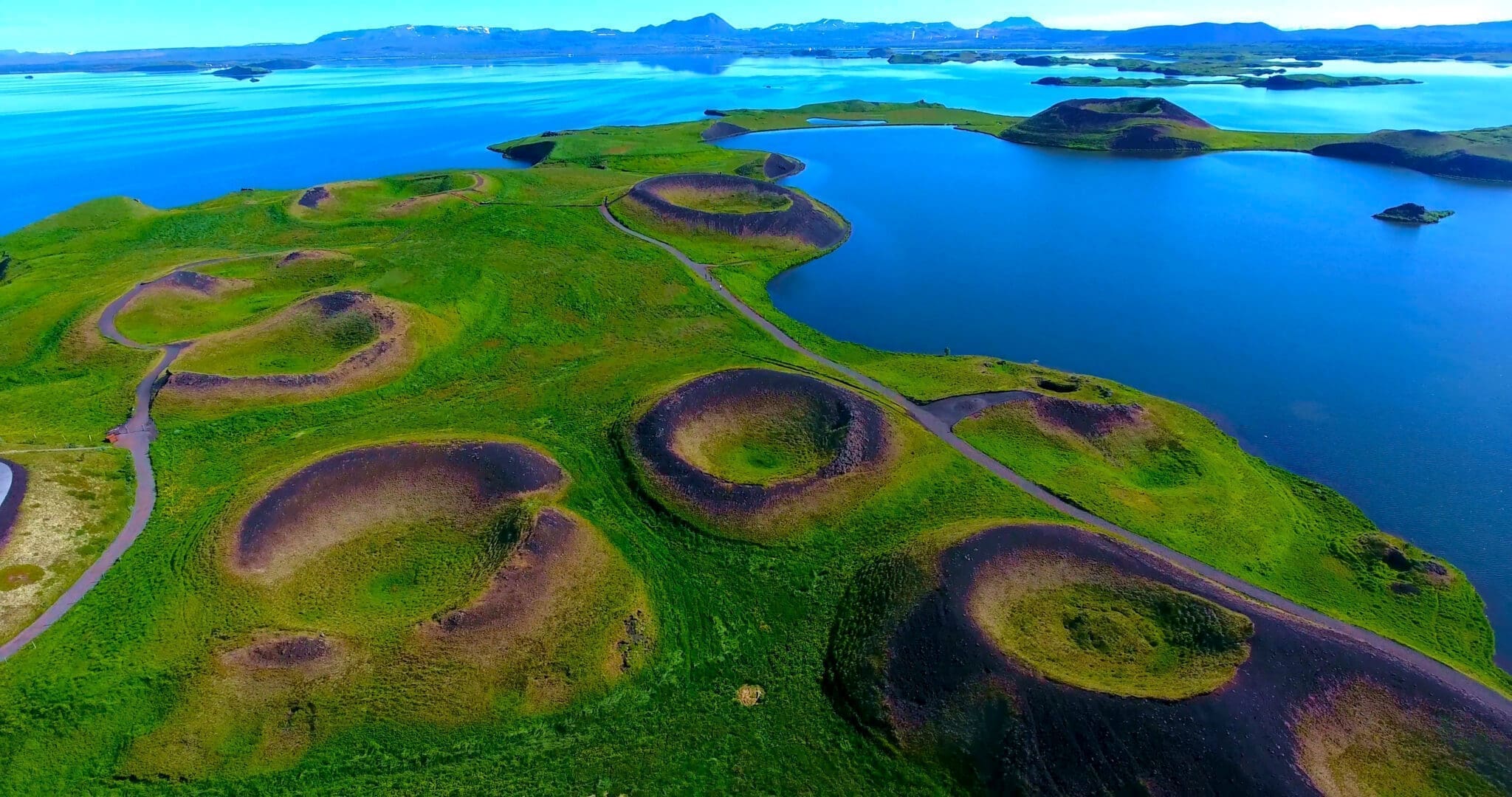
Beautiful lake region Mývatn is located in North of Iceland. Mývatn is Iceland’s fourth-largest lake with an area of 36.5 square kilometres.
The area around Lake Mývatn is unbelievably diverse. There you will find pseudo craters, lava formations, colourful mountains and geothermal area.
Dettifoss funciona con un río glaciar que fluye desde el glaciar más grande de Islandia, Vatnajökull.
Dettifoss tiene unos 100 metros (300 pies) de ancho y el agua cae unos 45 metros (150 pies) hacia el cañón.
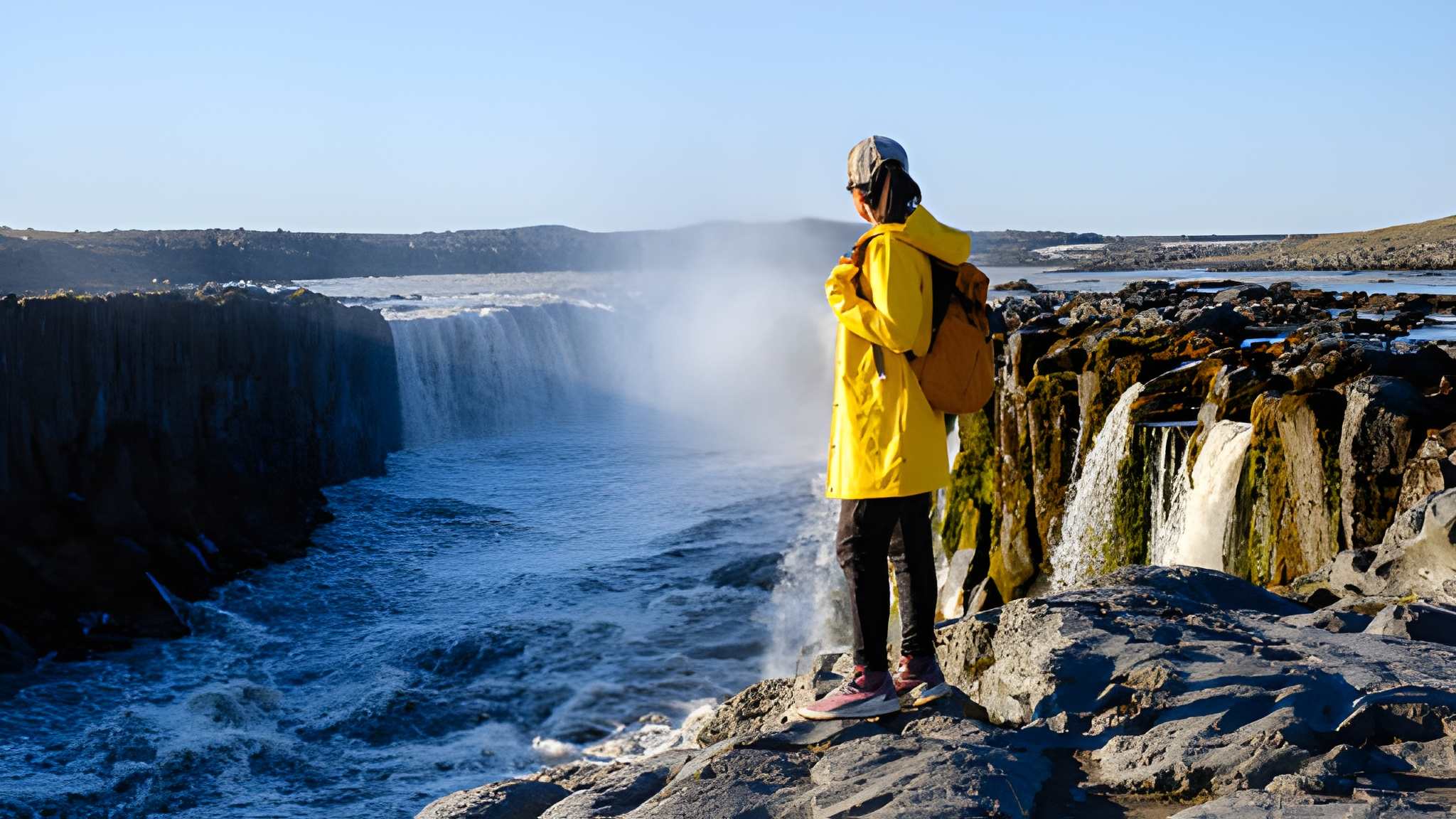
Selfoss es una cascada en el río Jökulsá á Fjöllum en el norte de Islandia. El río cae sobre varias cascadas a lo largo de unos 30 km antes de desembocar en Öxarfjörður, una bahía del Mar Ártico.
These extraordinary rock formations, some of them standing in the middle of Jökulsá á Fjöllum glacial river, are the remains of an ancient row of craters that have been eroded for centuries after centuries by the strong currents and floods of the river.
Rauðhólar scoria cone and Hljóðaklettar are a part of a long row of craters, which erupted approximately 9,000 years ago.
Only the volcanic plugs are now remaining, but a catastrophic flood in the glacial river 2,500-3,000 years washed the volcanic material away.
Ásbyrgi is a glacial canyon and forest in the North of Iceland, located approximately 38 km east of Húsavík on the Diamond Circle road. The horseshoe-shaped depression is part of the Vatnajökull National Park and measures approximately 3.5 km in length and over 1 km wide.
Húsavík is a town in Norðurþing municipality on the north coast of Iceland, on the shores of Skjálfandi bay, with 2,307 inhabitants. The most famous landmark of the town is the wooden church, Húsavíkurkirkja, built in 1907.
Meeting point: Hof culture house, Strandgata 12
13.990 ISK
30.150 ISK
20.100 ISK
40.000 ISK
260.000 ISK
16.990 ISK
13.990 ISK
17.000 ISK
9.900 ISK
52.000 ISK