Private Siglufjörður & Skagafjörður Day Tour from Akureyri
274.990 ISK
10 horas

Fácil
274.990 ISK
Embark on an unforgettable journey through North Iceland’s breathtaking Diamond Circle from Akureyri. Discover the geothermal wonders of Lake Mývatn, with its bubbling mud pools, lava formations, and rich birdlife. Witness the sheer power of Dettifoss, Europe’s most powerful waterfall, and take in the serene beauty of Ásbyrgi Canyon, a horseshoe-shaped glacial valley steeped in legend. Visit Húsavík, the whale-watching capital of Iceland, where you can enjoy charming coastal scenery. Conclude the adventure at Goðafoss, the majestic “Waterfall of the Gods,” before returning to Akureyri.
Please note: Any extra activities not listed in this description may incur additional fees.
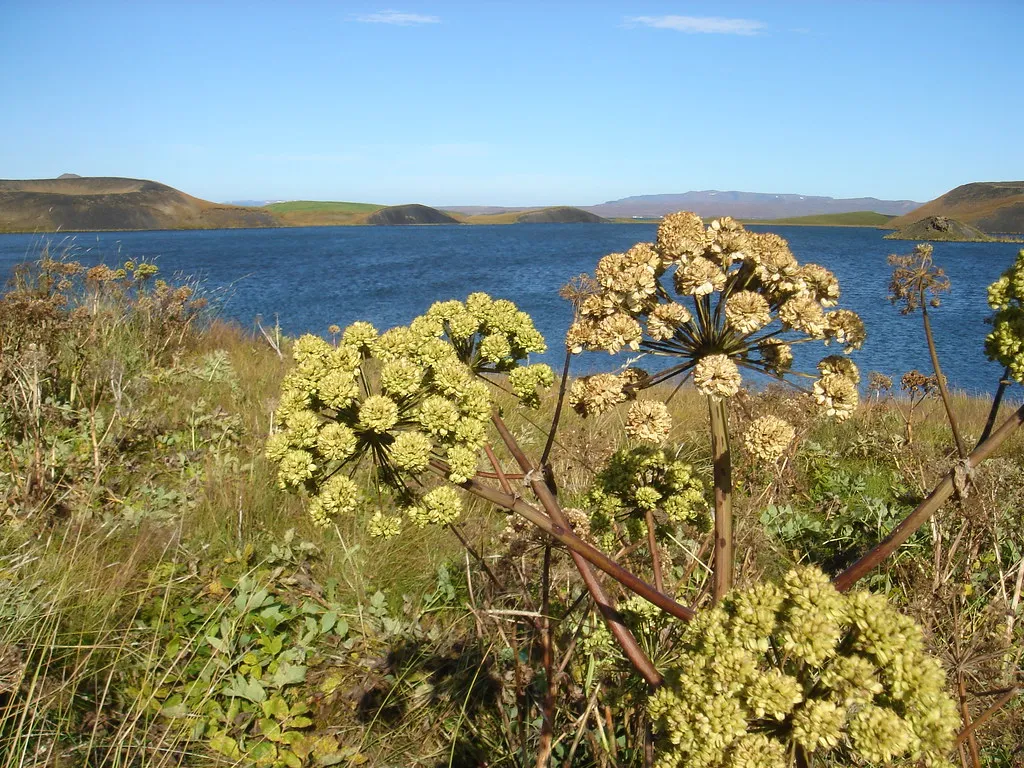
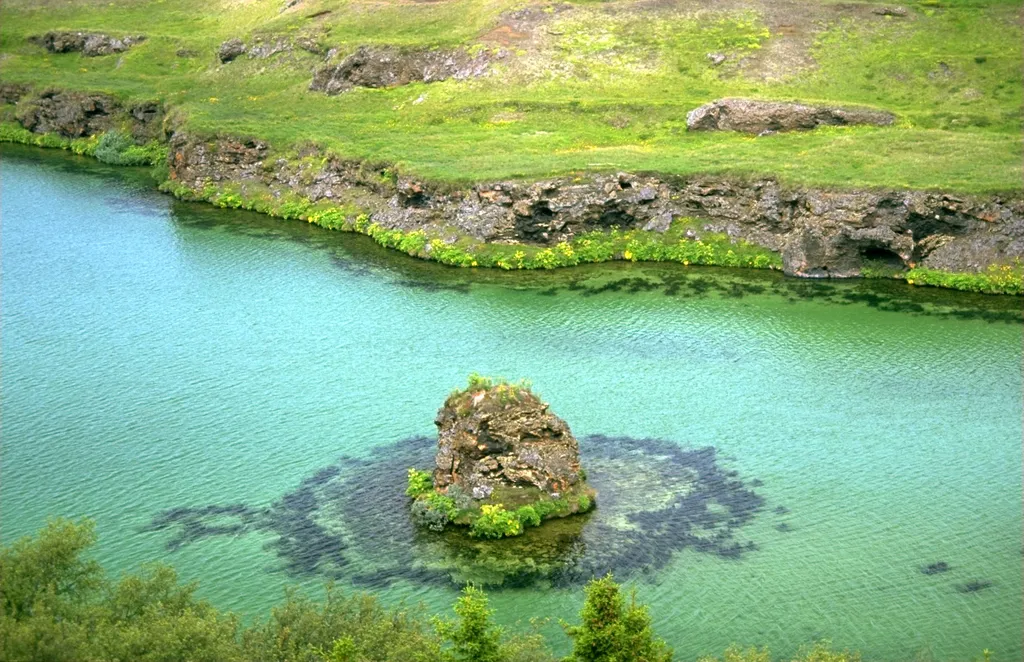
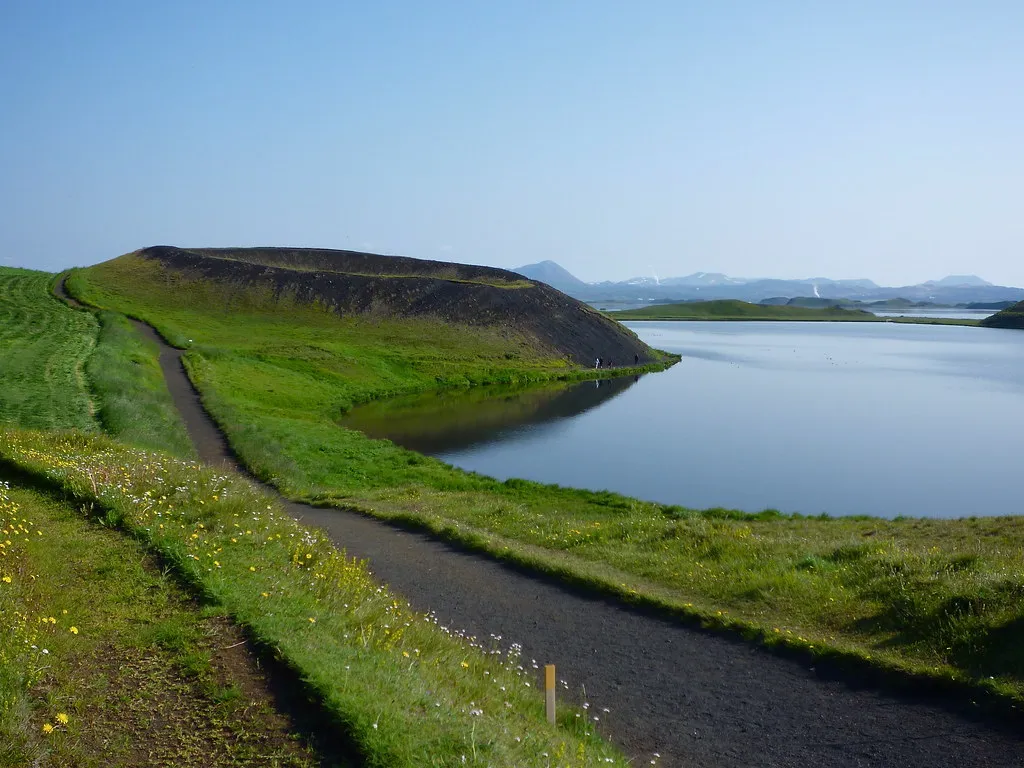
Mývatn es un lago eutrófico poco profundo en una zona de vulcanismo activo en el norte de Islandia, no lejos del volcán Krafla. El lago y los humedales circundantes tienen una vibrante fauna de aves acuáticas, especialmente patos. El lago fue creado por una gran erupción de lava basáltica hace 2300 años, y el paisaje circundante está dominado por accidentes geográficos volcánicos, incluidos pilares de lava y respiraderos desarraigados (pseudocráteres). El efluente río Laxá es conocido por su rica pesca de trucha marrón y salmón del Atlántico.
El nombre del lago (mild islandés (“mosquito”) y vatn (“lago”); el lago de los mosquitos) proviene de la enorme cantidad de mosquitos que se encuentran allí en verano.
El nombre Mývatn se utiliza a veces no sólo para el lago sino también para toda la zona habitada circundante. El río Laxá, el lago Mývatn y los humedales circundantes están protegidos como reserva natural (el Área de Conservación Natural Mývatn-Laxá).
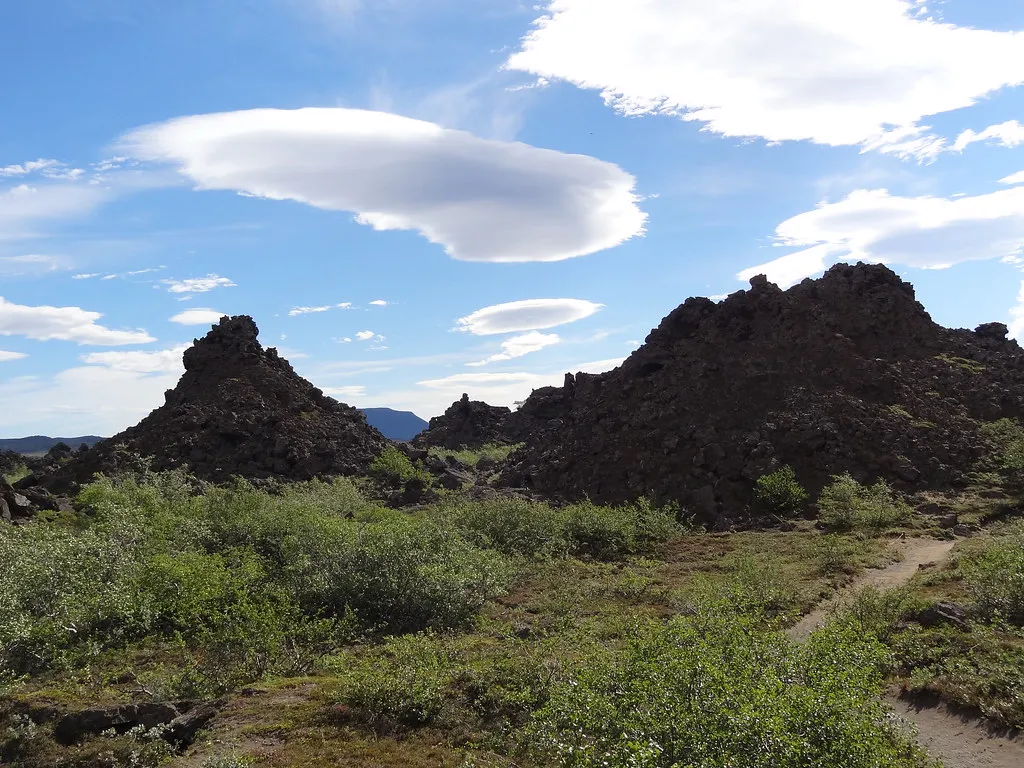
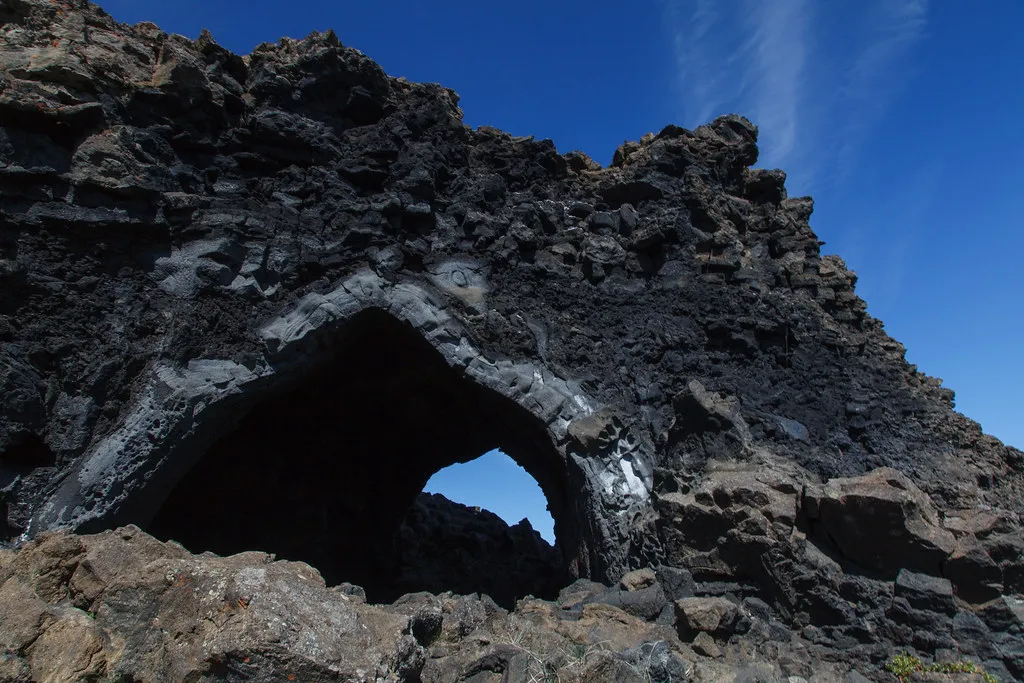
The Dimmuborgir (meaning dark cities, forts, or castles) Lava Field, located in the heart of the Mývatn Geothermal Area, is about 100 kilometers east of Akureyri.
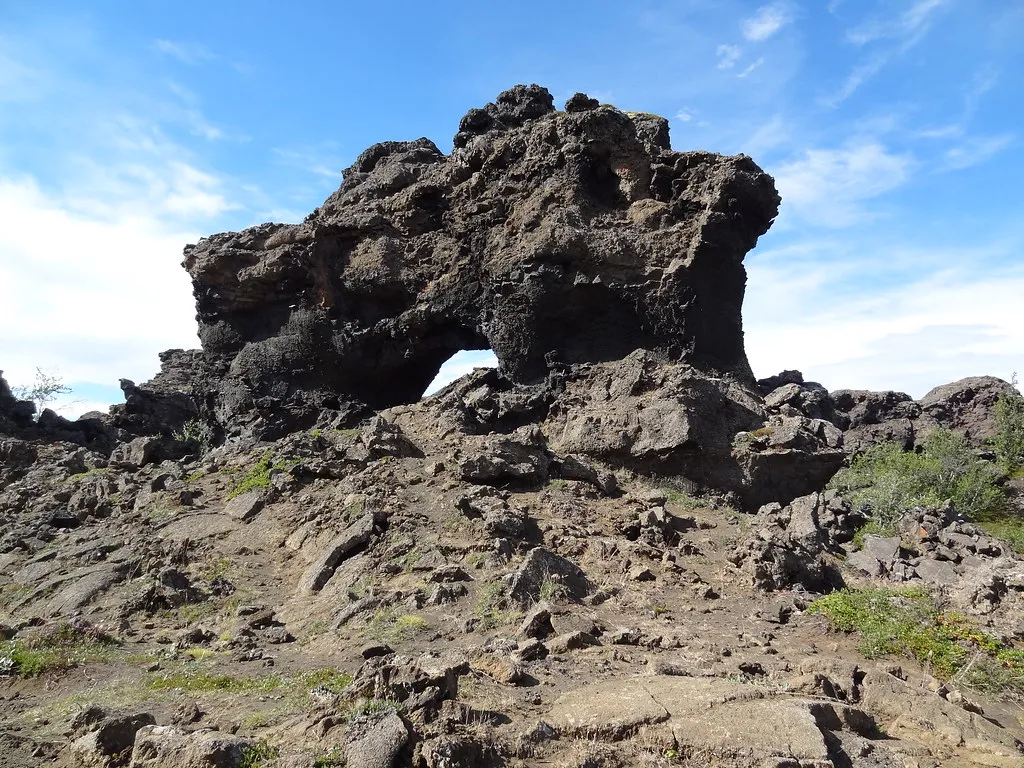
The Dimmuborgir area, as the name suggests, is an unusually shaped lava field consisting of peculiar volcanic caves and rock formations. These dramatic structures are a favorite stop for tourists.
This natural phenomenon dates back some 2300 years to a massive eruption in a nearby crater. The lava seems to have flowed over a small lake that once existed; water below the lava was trapped and boiled, and the steam rose, forming lava pillars from drainpipes up to several meters in diameter. As the lava continued flowing toward the lower ground in the Mývatn Lake area, the top crust collapsed, leaving behind hollow pillars of solidified lava. The lake must have been at least 10 meters deep, as estimated by the tallest structures still standing.
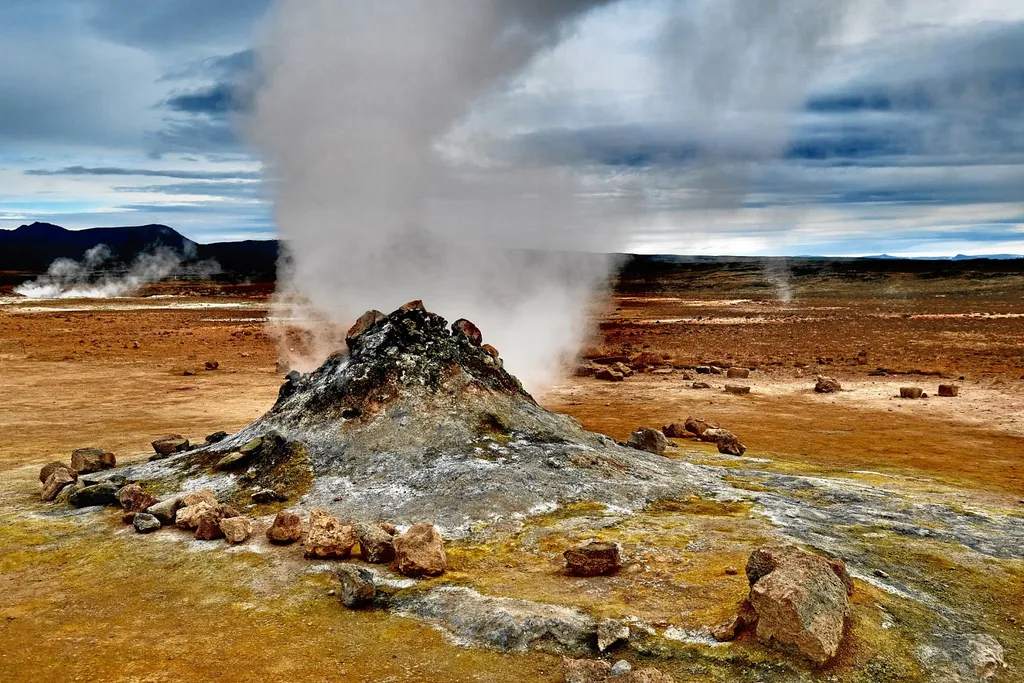
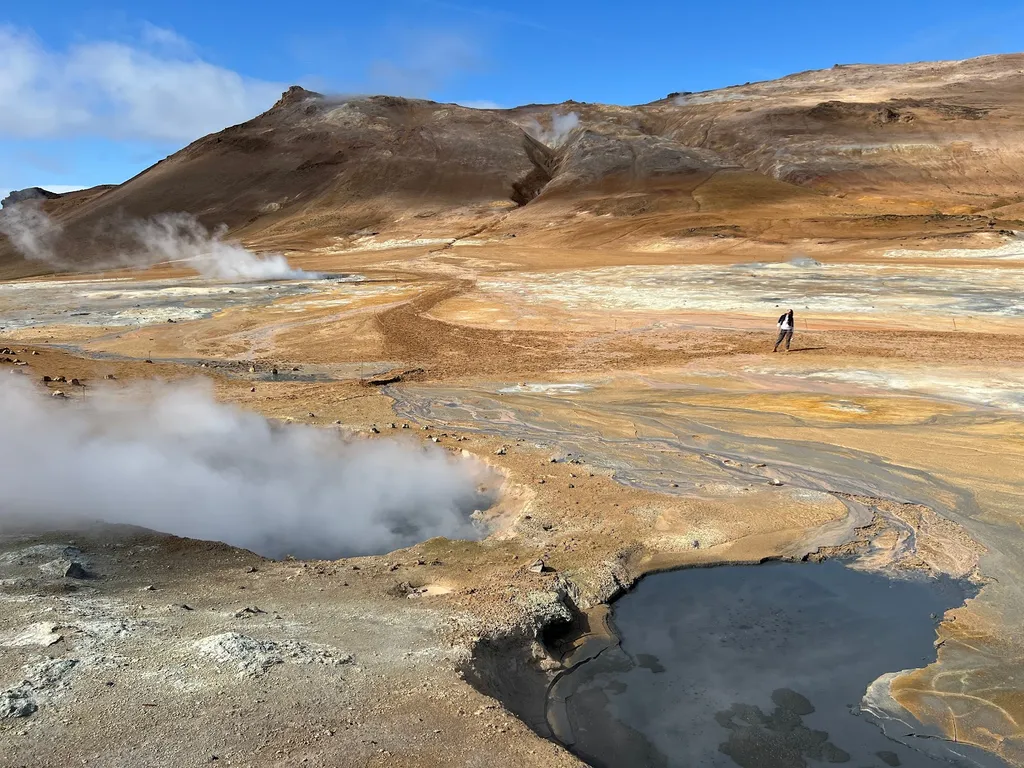
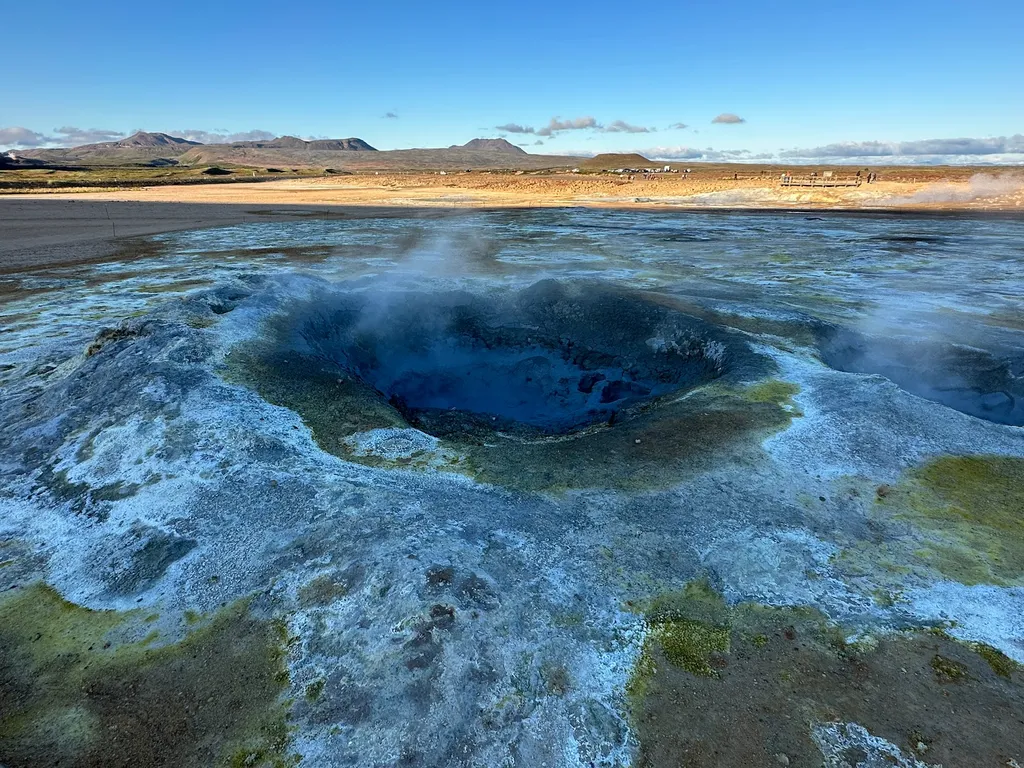
Hverir, también conocida como Hverarond o Namafjall, es una zona geotérmica en el noreste de Islandia, cerca del lago Myvatn. Este paisaje de otro mundo se caracteriza por pozos de lodo burbujeantes, fumarolas humeantes y vibrantes depósitos de azufre amarillo.
La naturaleza sobrenatural del paisaje llama inmediatamente la atención de los visitantes de Hverir. El suelo está agrietado y árido, emitiendo un olor acre a azufre que llena el aire. Los pozos de barro burbujeantes y las fumarolas silbantes crean una atmósfera surrealista al entrar en otro planeta.
Una de las características más llamativas de Hverir son los depósitos de azufre de color amarillo brillante que se pueden ver adheridos al suelo rocoso. Estas coloridas formaciones añaden un toque de color al paisaje, que de otro modo sería desolado, y contrastan marcadamente con las rocas volcánicas negras circundantes.
Hverir también alberga varias aguas termales calentadas por la actividad geotérmica debajo de la superficie. Los visitantes pueden ver vapor saliendo de estos charcos de agua, creando un efecto hipnótico y casi místico.
Visitar Hverir es una experiencia verdaderamente única que ofrece una visión del poder puro de la naturaleza.
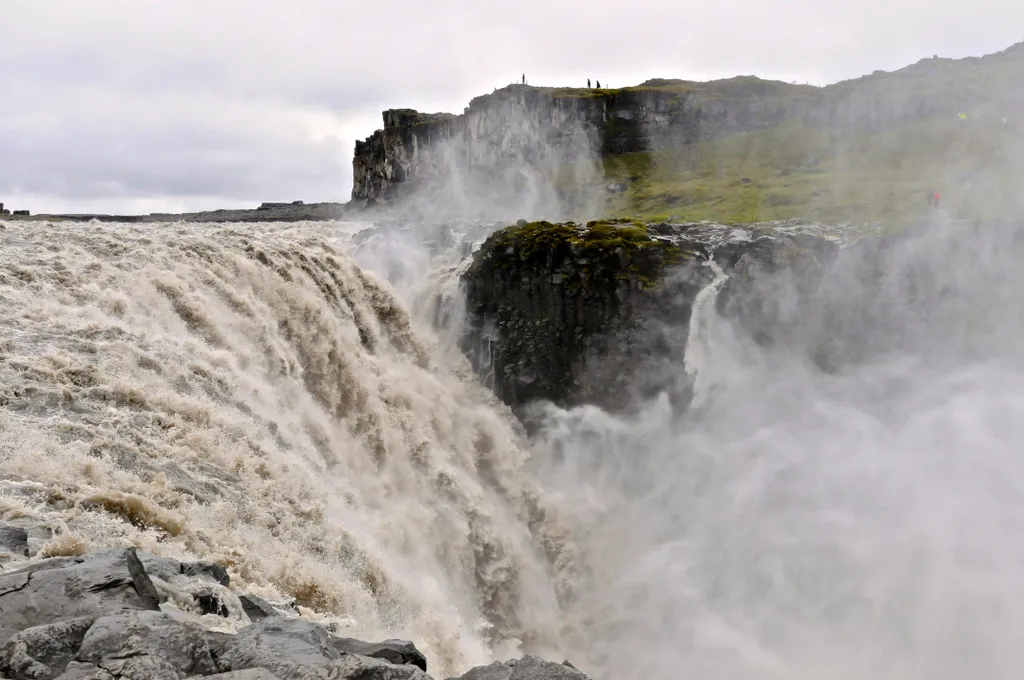
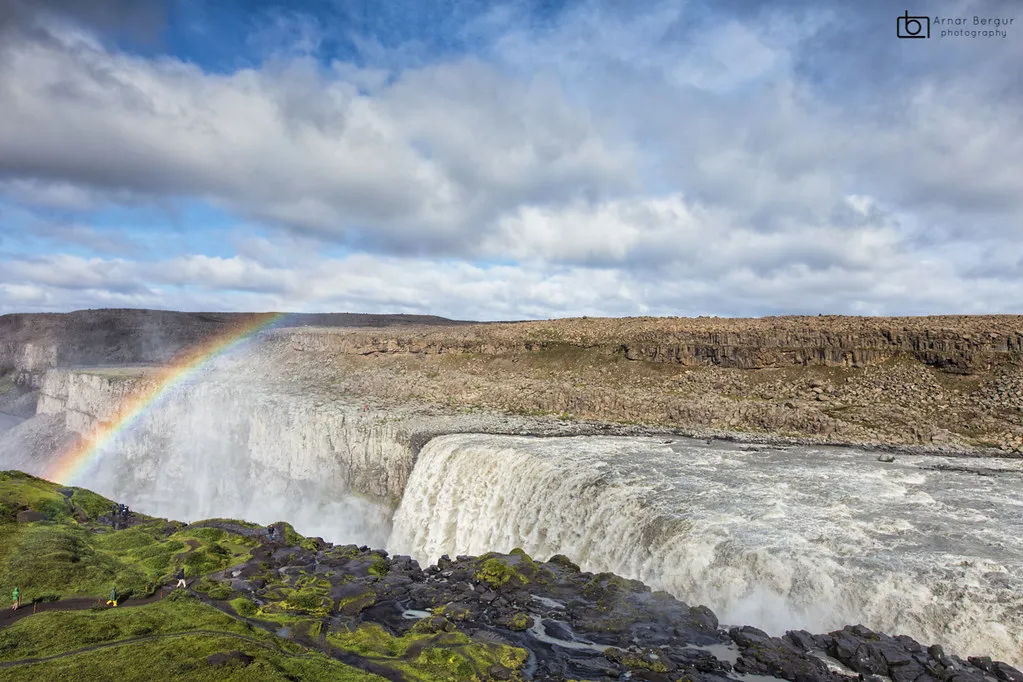
Dettifoss Waterfall, located in Jökulsárgljúfur Canyon, is south of Ásbyrgi Canyon in Northeast Iceland.
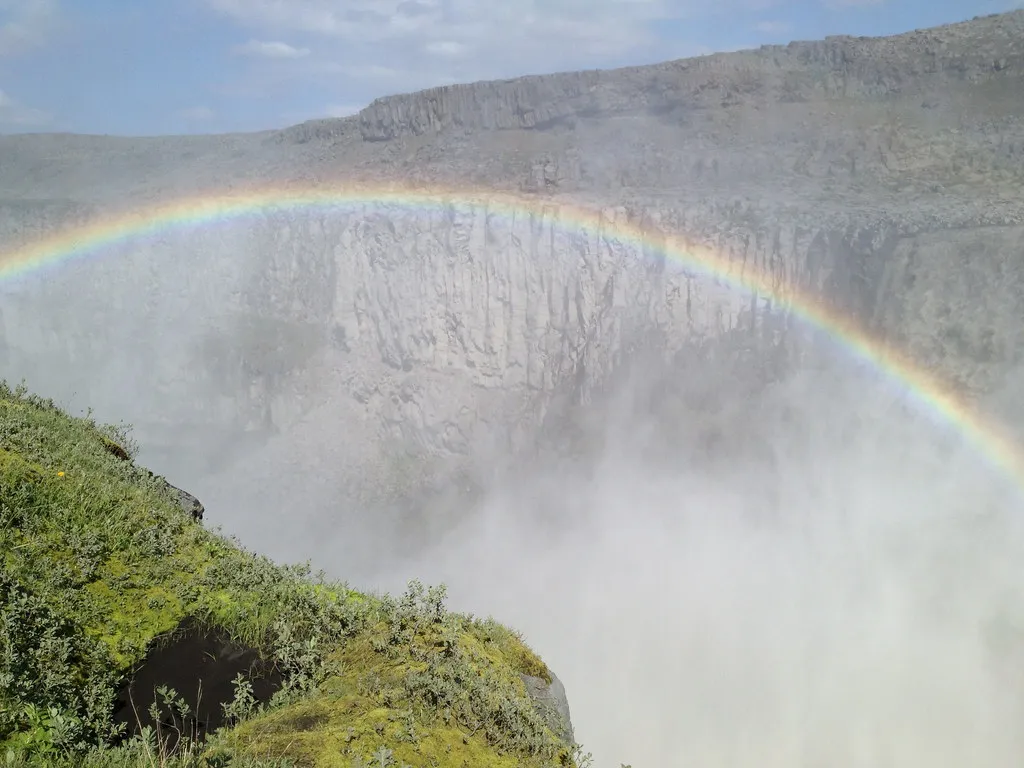
Seeing Dettifoss Waterfall, Europe’s most powerful cascade of water rushing over the falls, is an overwhelming experience. From the car park, there is an 800-meter path to the falls, an easy hike for most people.
Dettifoss Waterfall is in the Jökulsá á Fjöllum River that originates in Vatnajökull Glacier, the world’s largest glacier outside the Arctic. It runs through the Jökulsárgljúfur Canyon, thought to be carved out by several megafloods lasting only a few days, each separated by thousands of years. In 1973, the whole canyon was declared a national park, from its origins to its estuary. In 2008, it became a part of the newly established Vatnajökull National Park.
Dettifoss is a must-see destination for anyone visiting Iceland, offering a unique and unforgettable natural experience showcasing the raw power and beauty of the Icelandic landscape
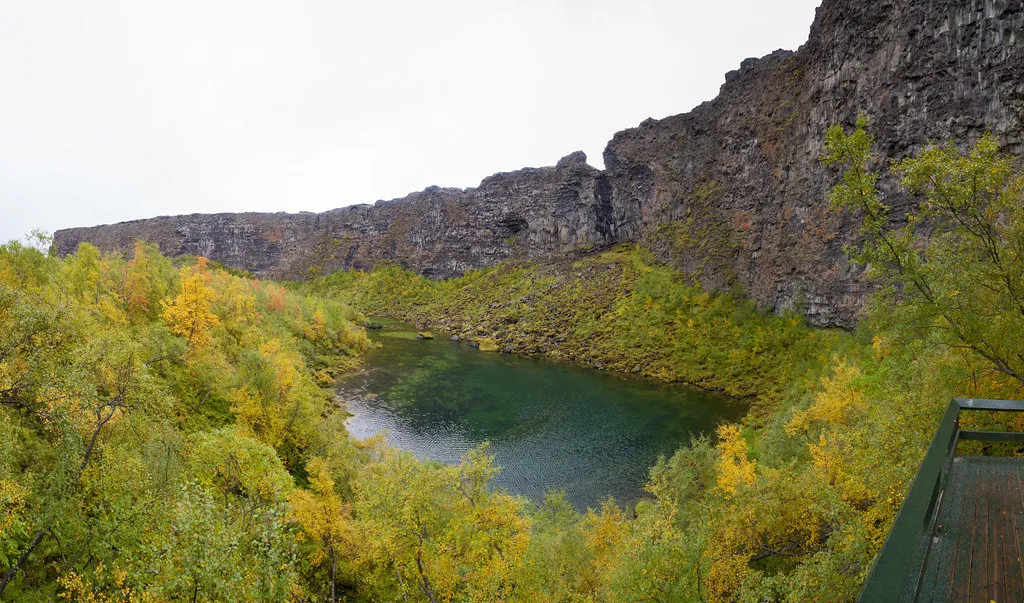
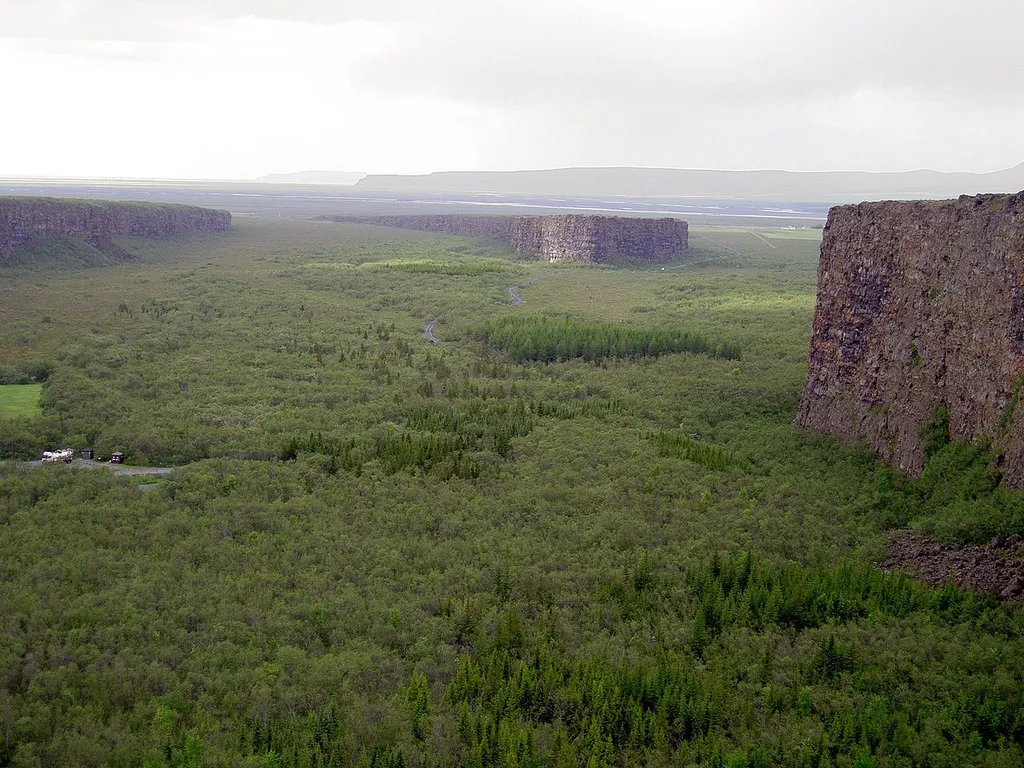
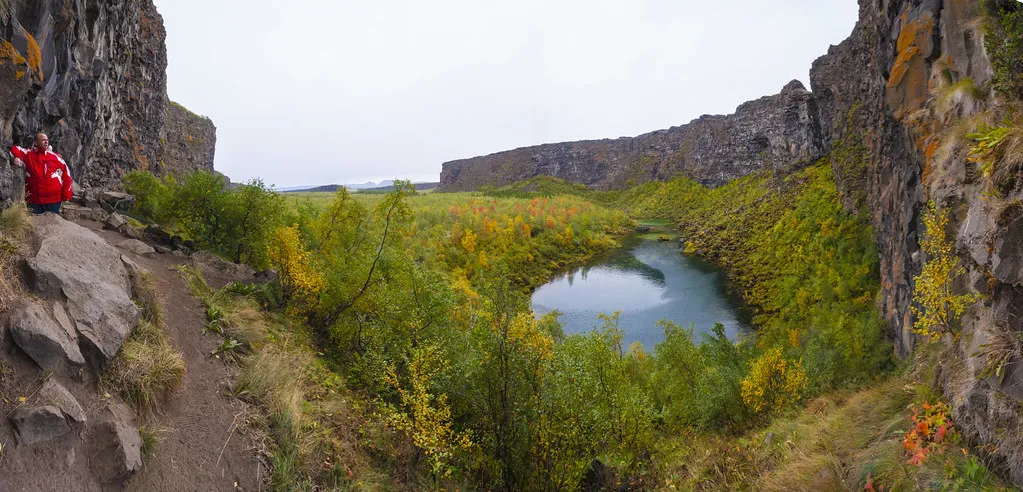
Ásbyrgi Canyon is regarded by many as the most beautiful place in Iceland.
This horseshoe-shaped canyon, measuring approximately 3.5 kilometers in length and up to 1 kilometer in width, is believed to have been formed by a catastrophic glacial flood caused by a volcanic eruption thousands of years ago.
Folklore says that Ásbyrgi was formed when Sleipnir, Norse God Óðinn’s eight-footed horse, put his hoof on the ground. Ásbyrgi, meaning the Shelter of Gods, is almost perfectly hoof-shaped.
The canyon is surrounded by cliffs up to 100 meters high, creating a unique and mesmerizing landscape. In the canyon’s center lies a lush green oasis, starkly contrasting the rugged and rocky terrain surrounding it.
One of the most spectacular features of Asbyrgi Canyon is the towering rock formations known as the “Church Floor” and the “Pillars of the Gods.” These natural formations result from volcanic activity and erosion over millions of years, creating a dramatic and otherworldly atmosphere.
Visitors to Asbyrgi Canyon can explore the network of hiking trails that wind through the canyon, offering breathtaking views of the surrounding landscape. The canyon is also home to diverse wildlife, including reindeer, Arctic foxes, and various bird species, making it a popular destination for nature enthusiasts and wildlife photographers.
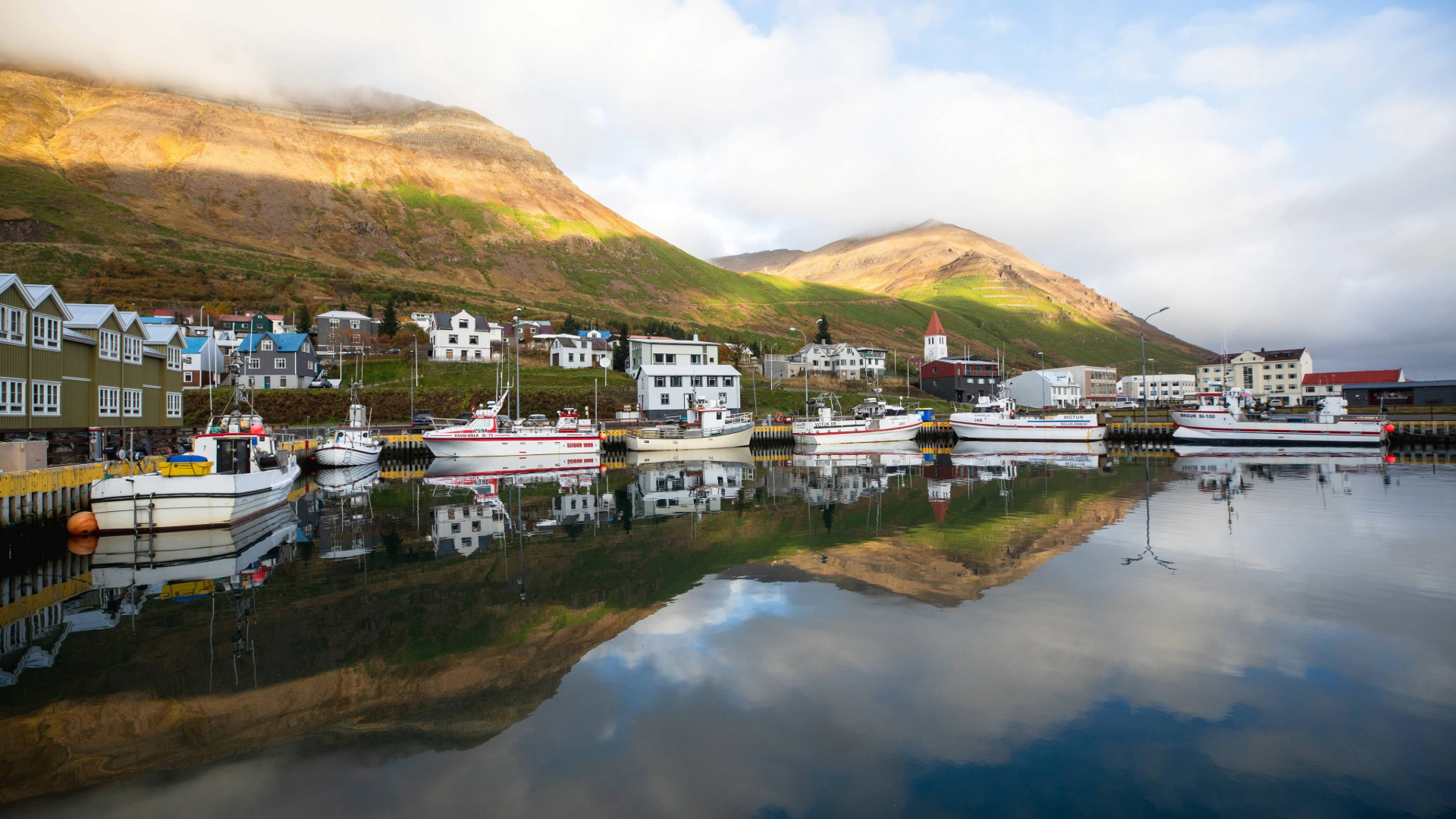
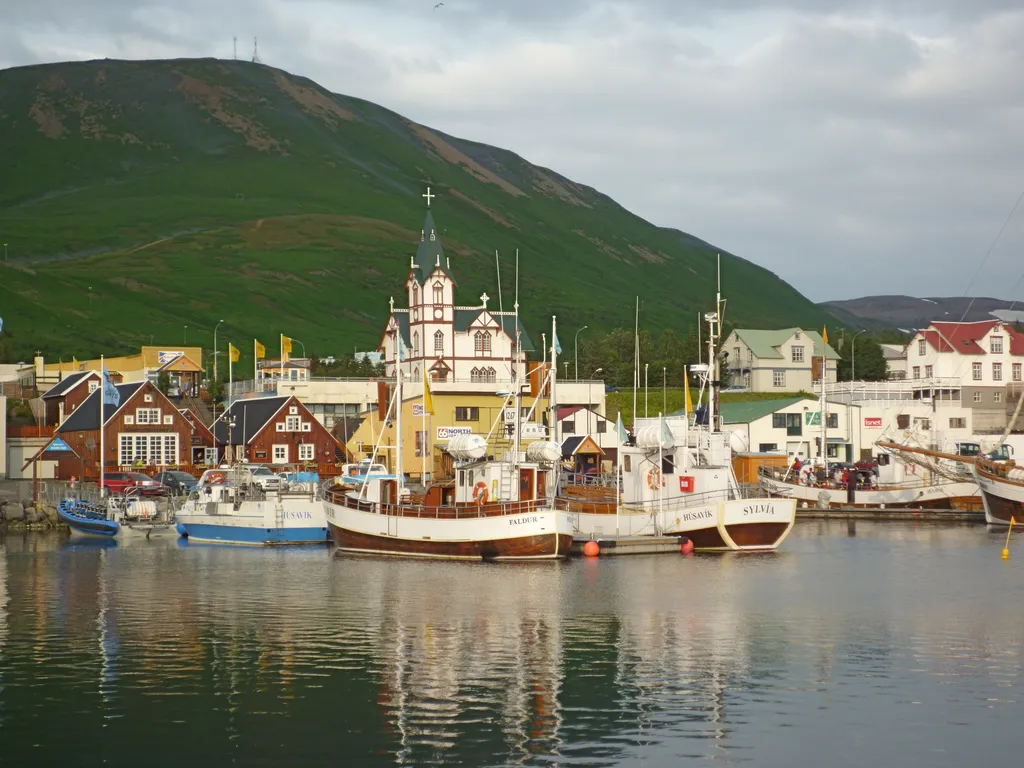
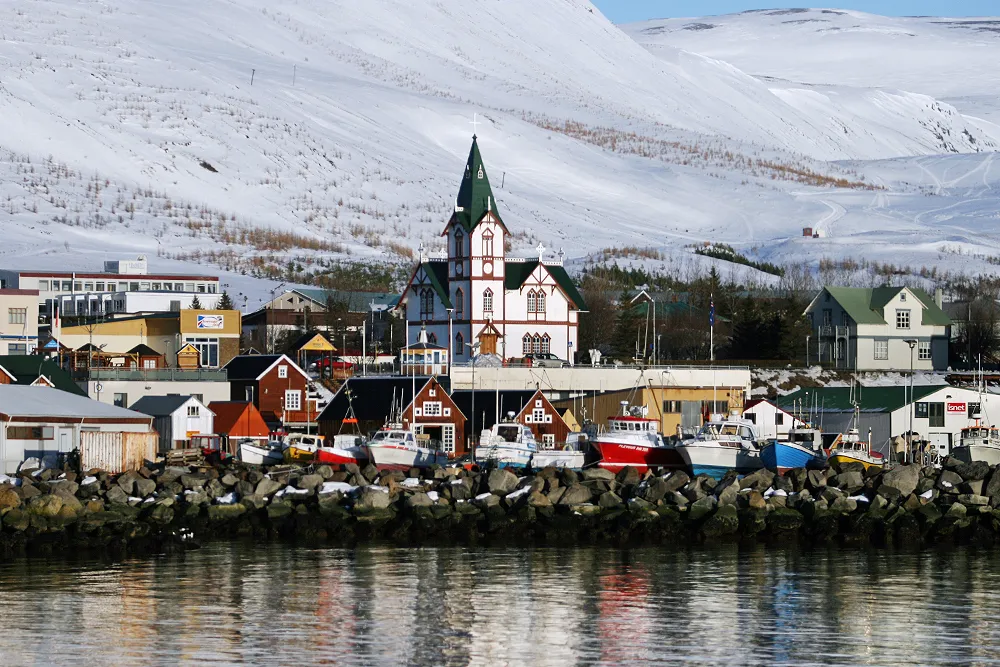
Húsavík is a town in Norðurþing municipality on the north coast of Iceland, on the shores of Skjálfandi Bay. It has 2,237 inhabitants. The town’s most famous landmark is the wooden church Húsavíkurkirkja, built in 1907.
Income is derived from tourism, fishing, retail, and small industry. Until recently, Húsavík was the export harbor for silica extracted from nearby Lake Mývatn.
According to the Landnámabók (“Book of Settlement”), Húsavík was the first place in Iceland to be settled by a Norse man. The Swedish Viking Garðar Svavarsson stayed there for one winter around 870 A.D. When he left the island in the spring of 870, after a winter’s stay, he left behind a man named Nattfari and two slaves, a man and a woman, and they established a farm here. The town’s name means “bay of houses,” probably referring to Garðar’s homestead, which may have been the only house in Iceland.
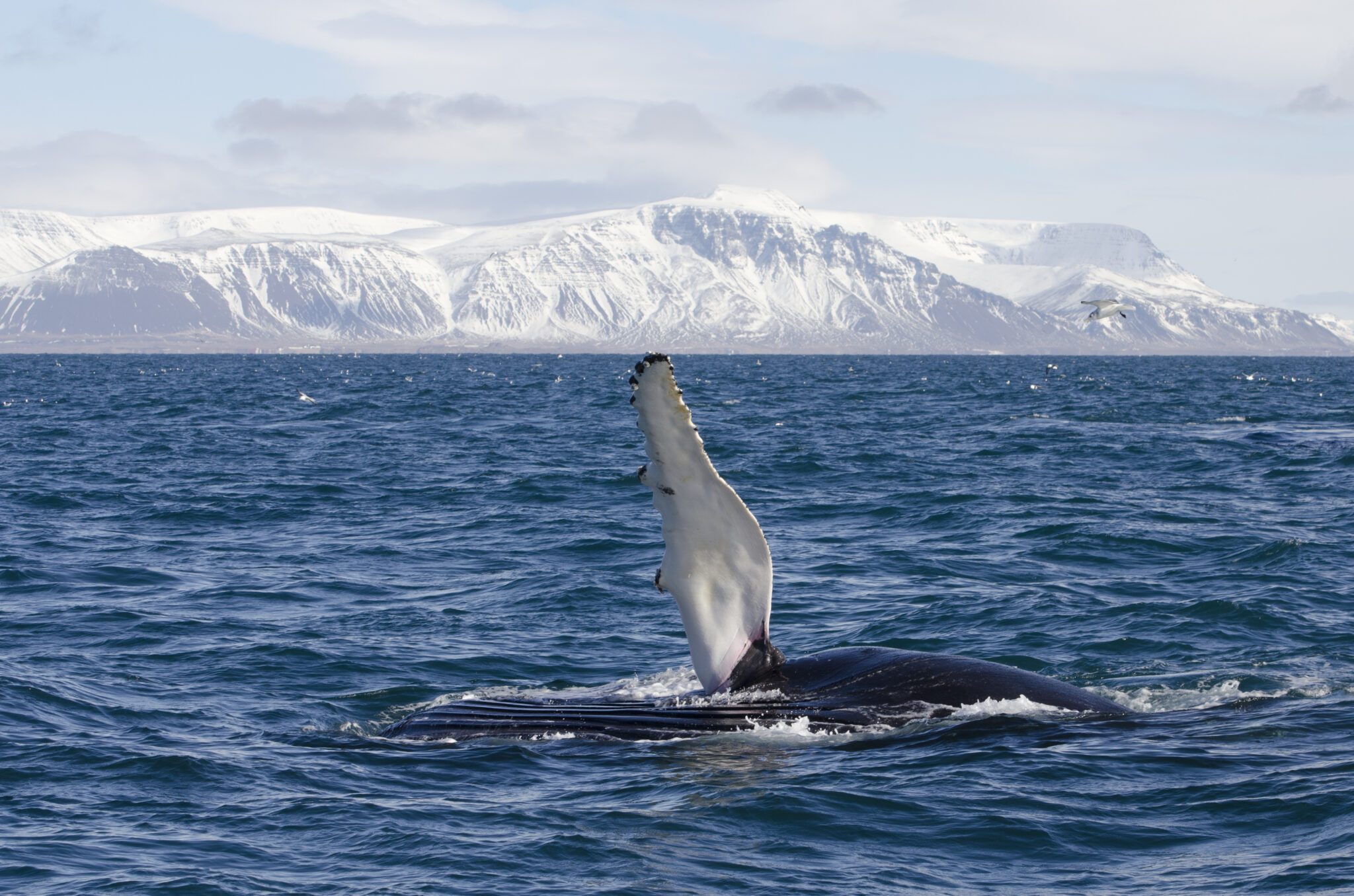
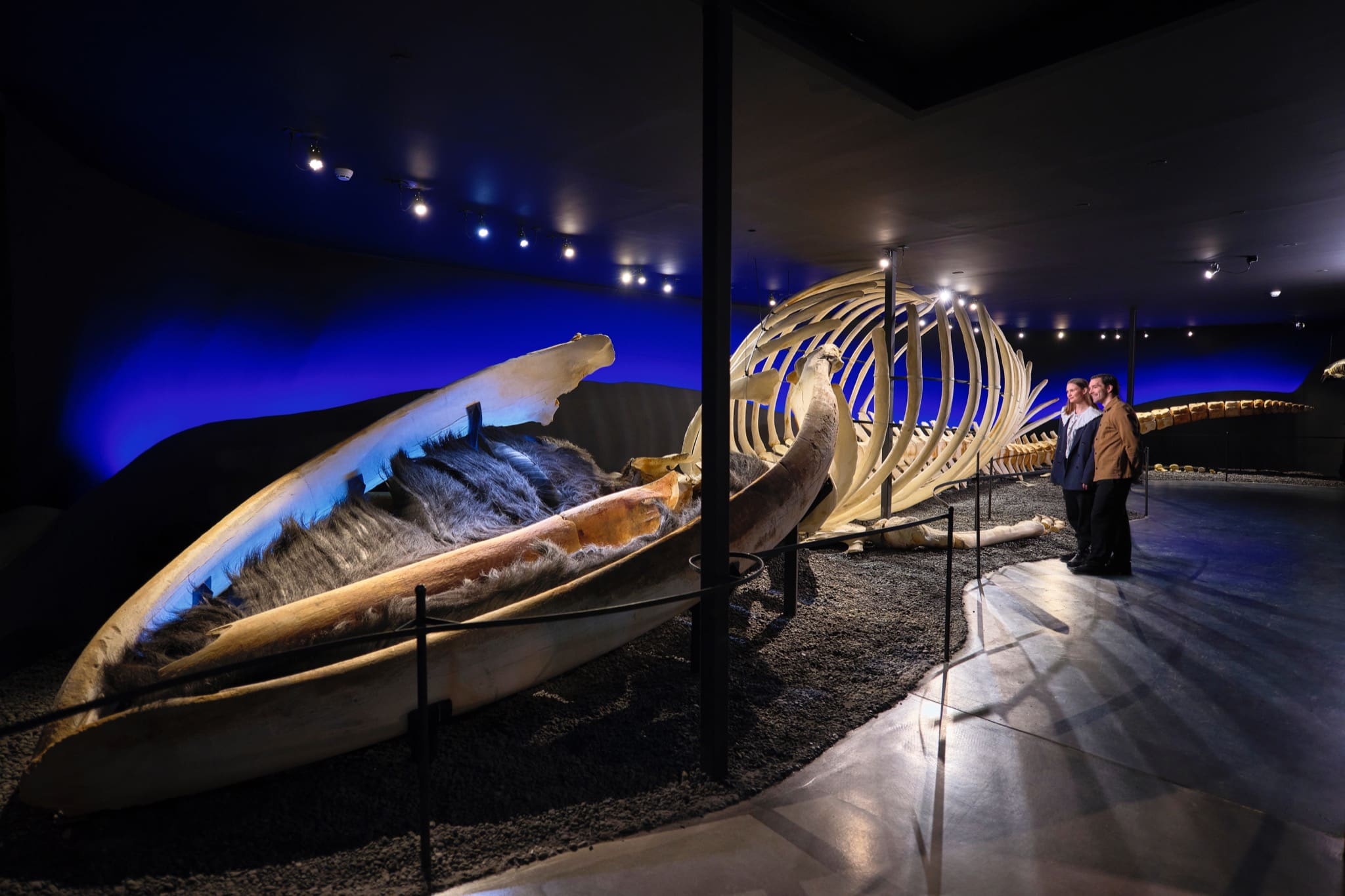
Húsavík is Iceland’s capital of whale watching, sighted on over 95% of trips during the summer.
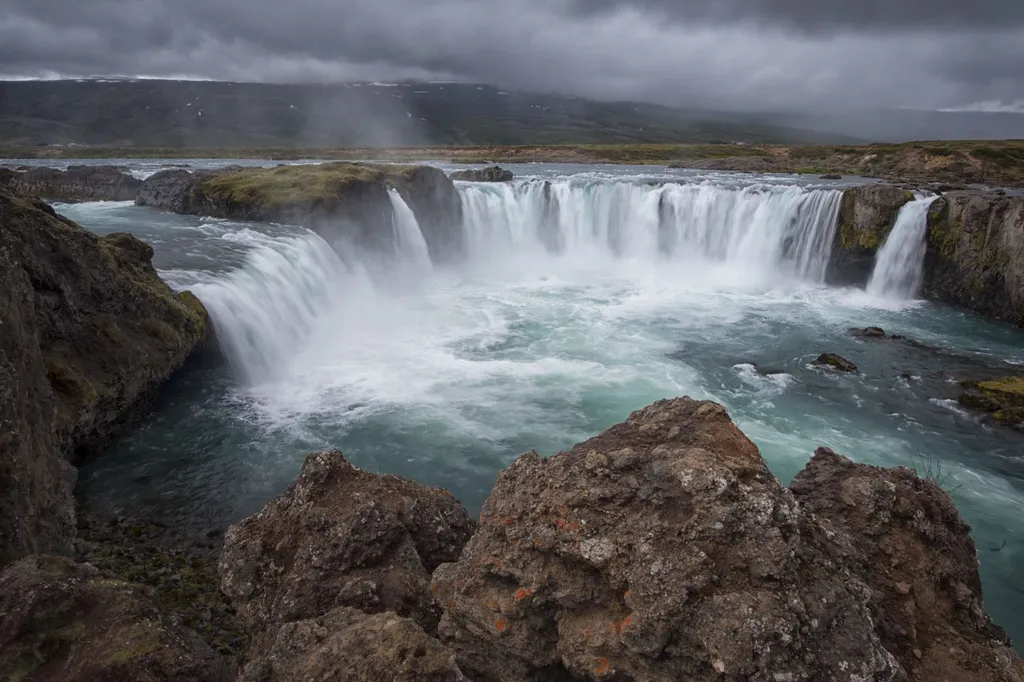
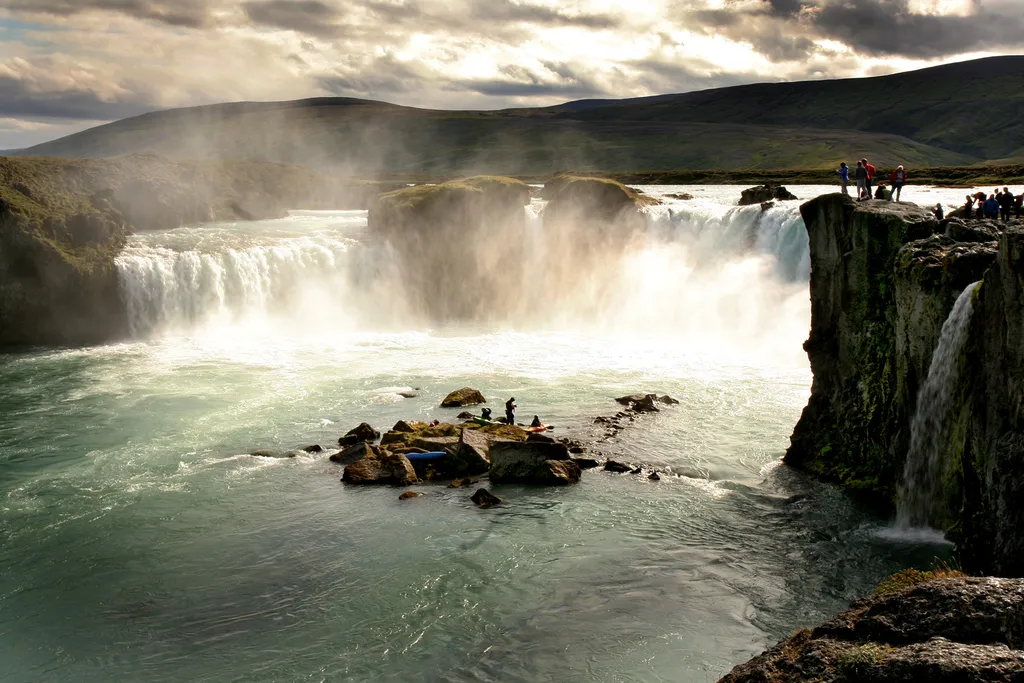
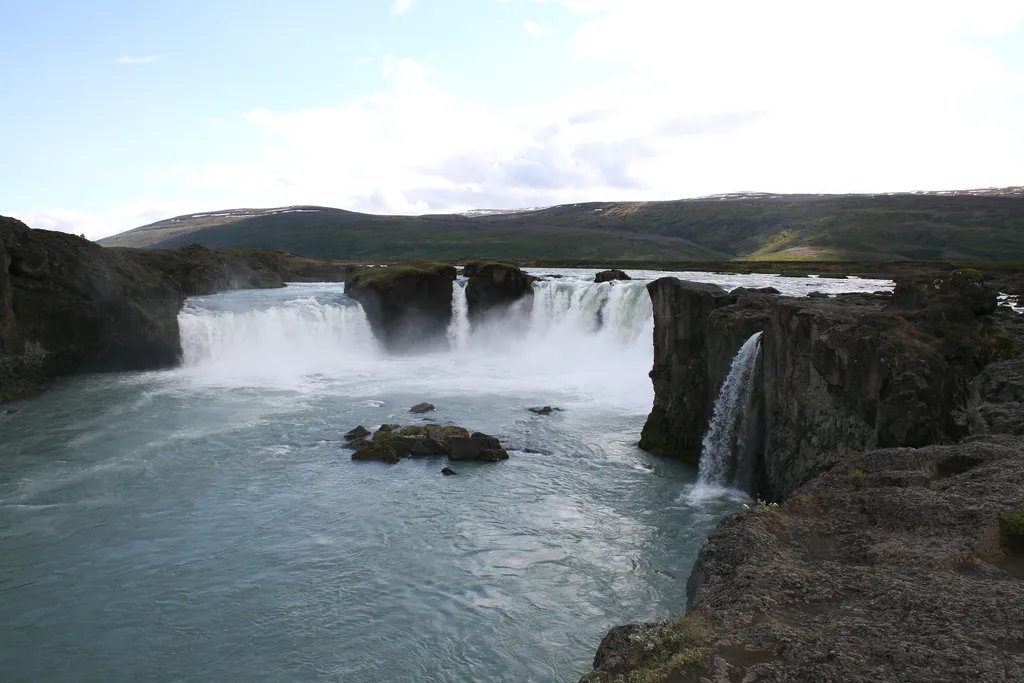
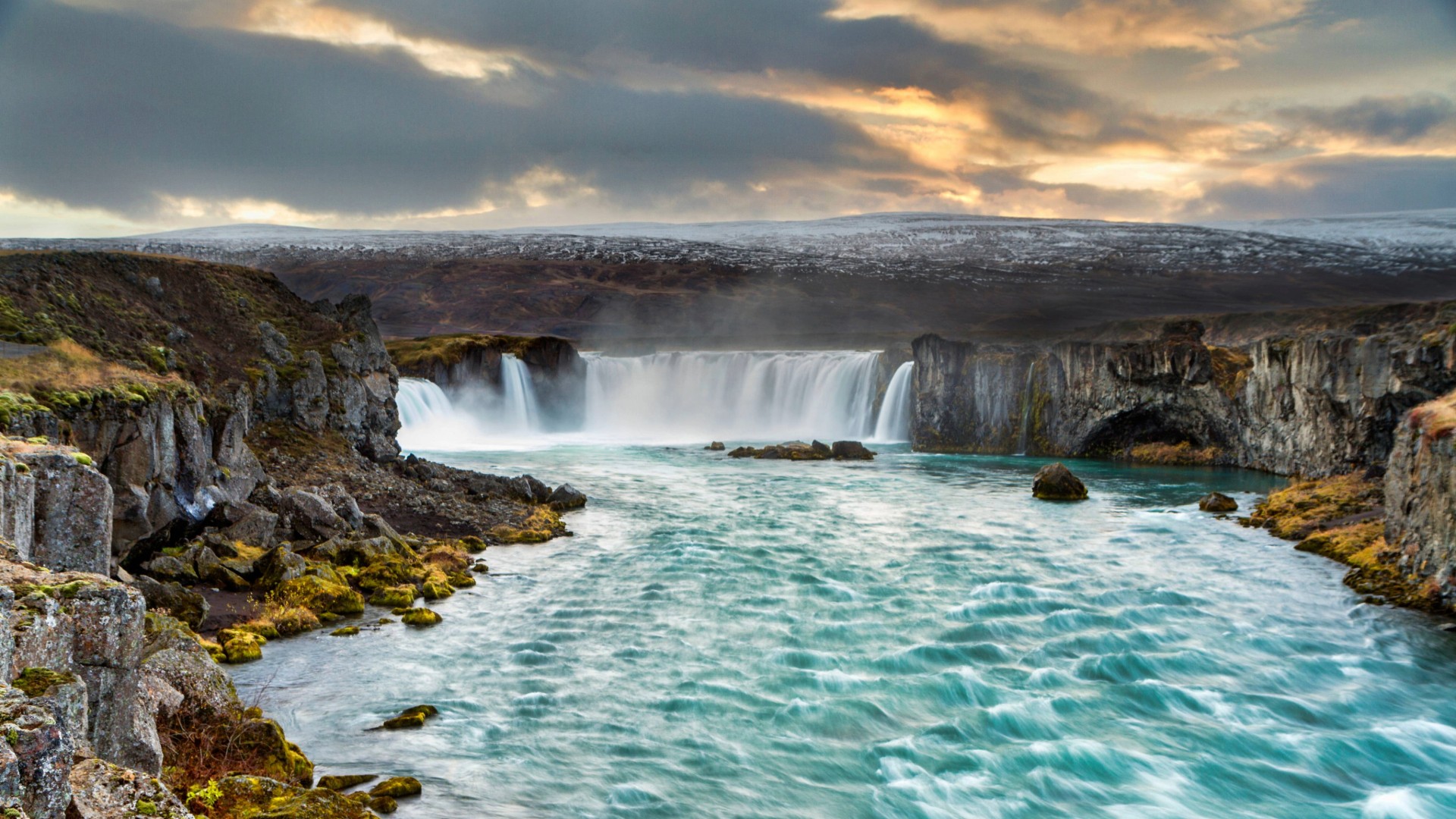
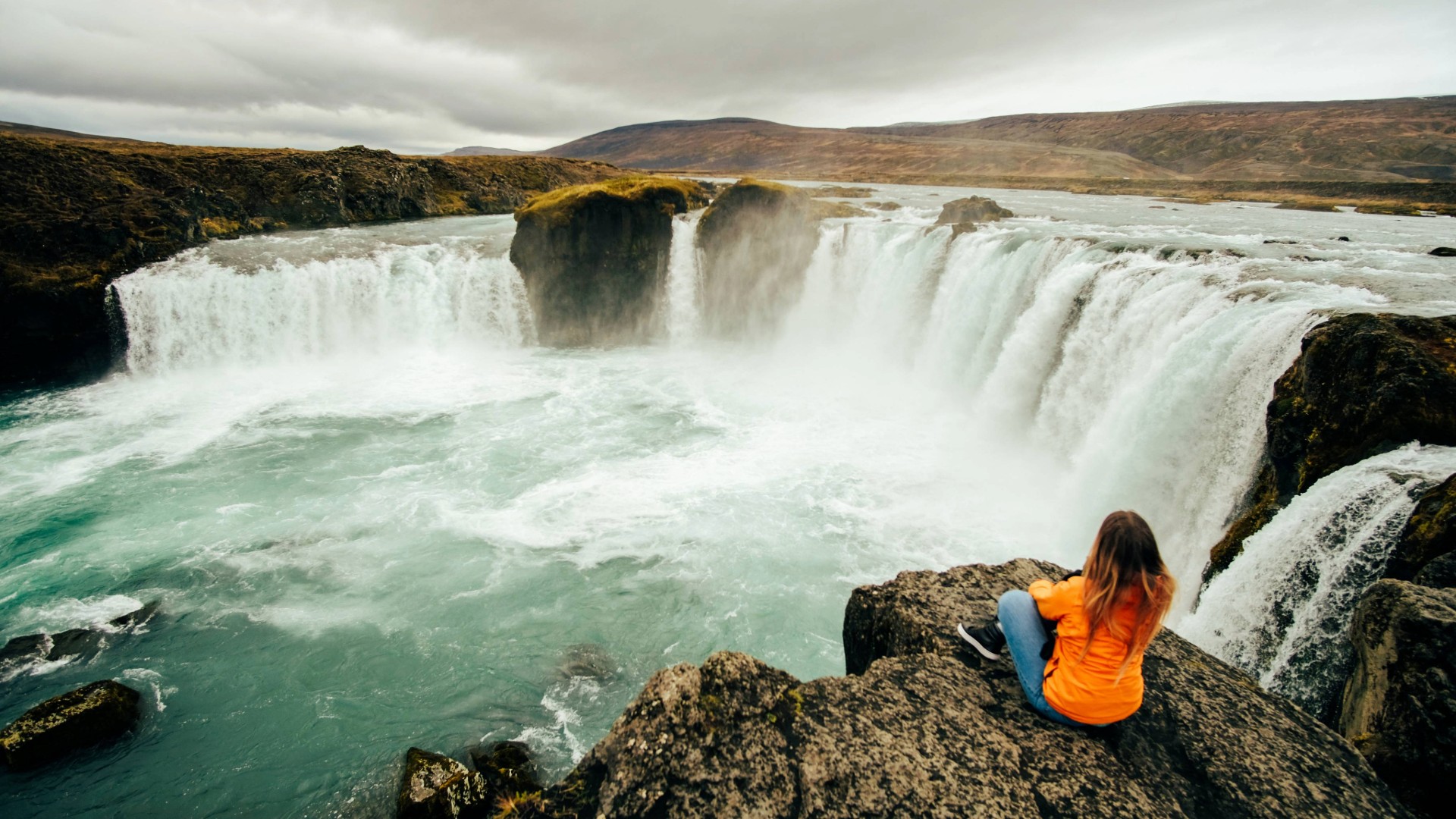
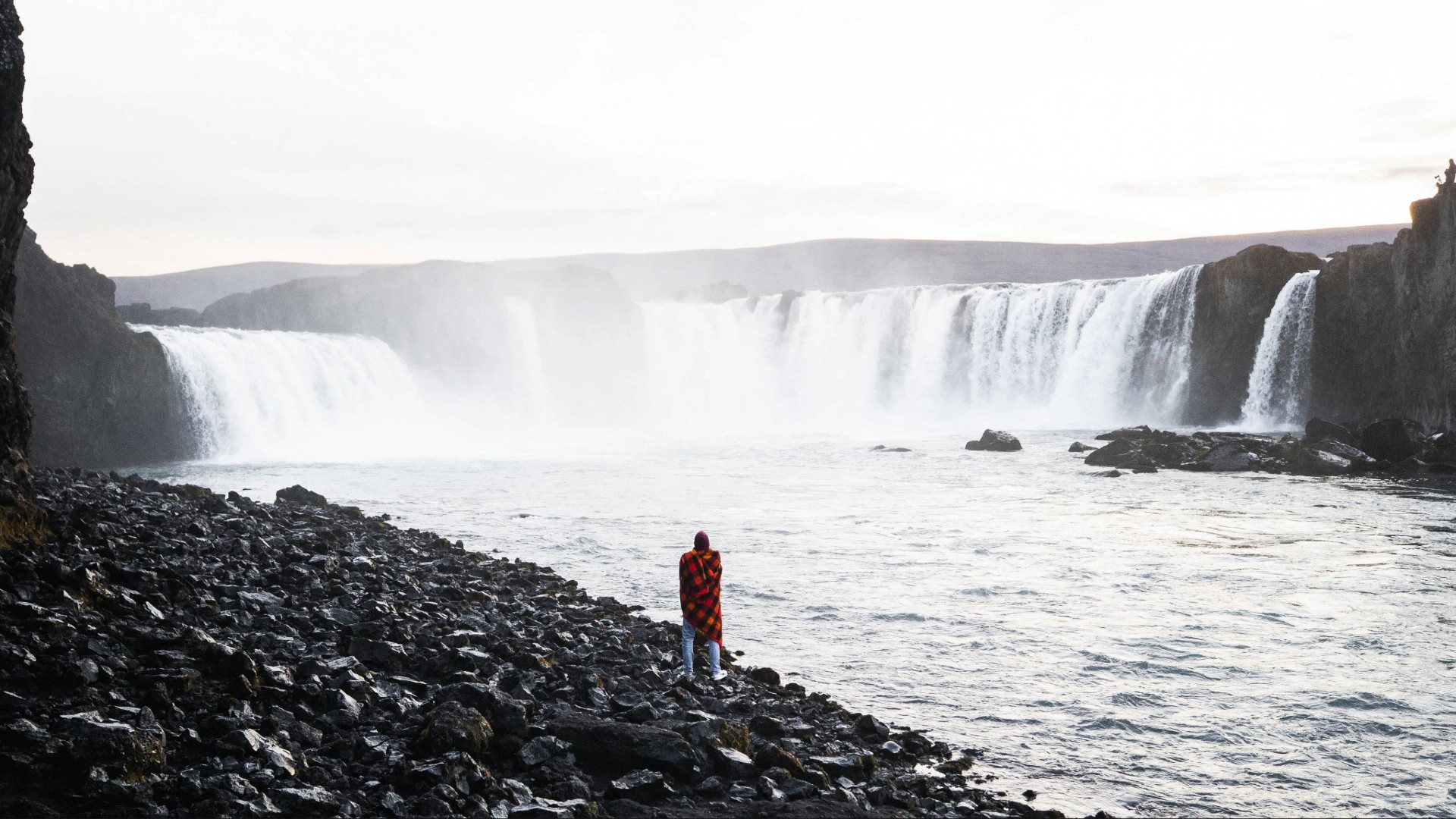
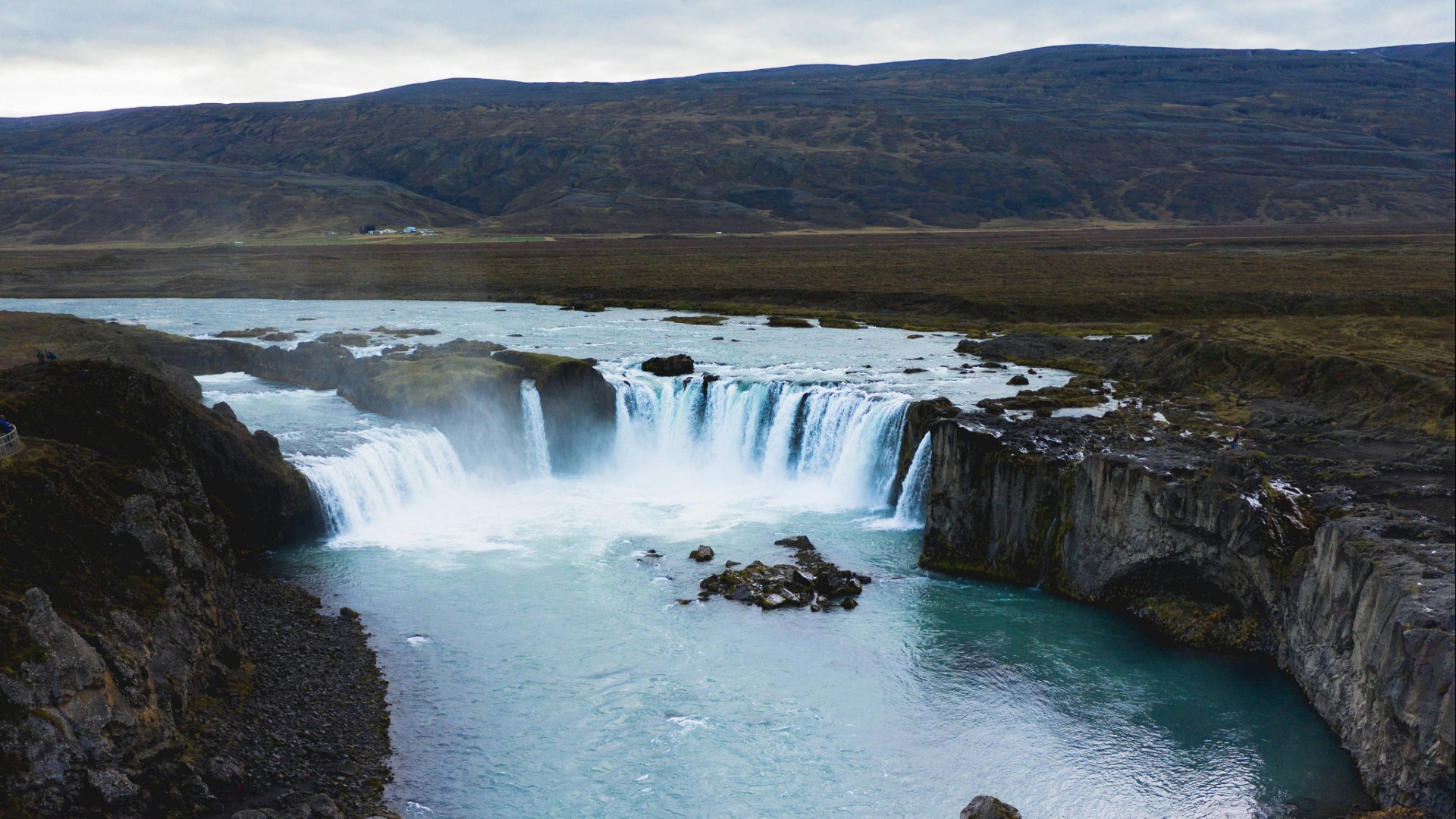
El pintoresco Goðafoss tiene 12 metros de alto y 30 metros de ancho. La cascada está ubicada en el caudaloso río Skjalfandafljót, que nace en el glaciar Vatnajökull.
Goðafoss significa “Cascada de los Dioses”, de donde recibe su nombre El libro de los islandeses, una historia en uno de los antiguos manuscritos islandeses sobre «orgeir, el hablante de derecho, que hizo del cristianismo la religión oficial en Islandia en el año 1000 d.C. Después de convertirse a la nueva religión y al llegar a casa, arrojó sus antiguas estatuas de los dioses nórdicos de su antigua religión a la cascada, de ahí el nombre Goðafoss.
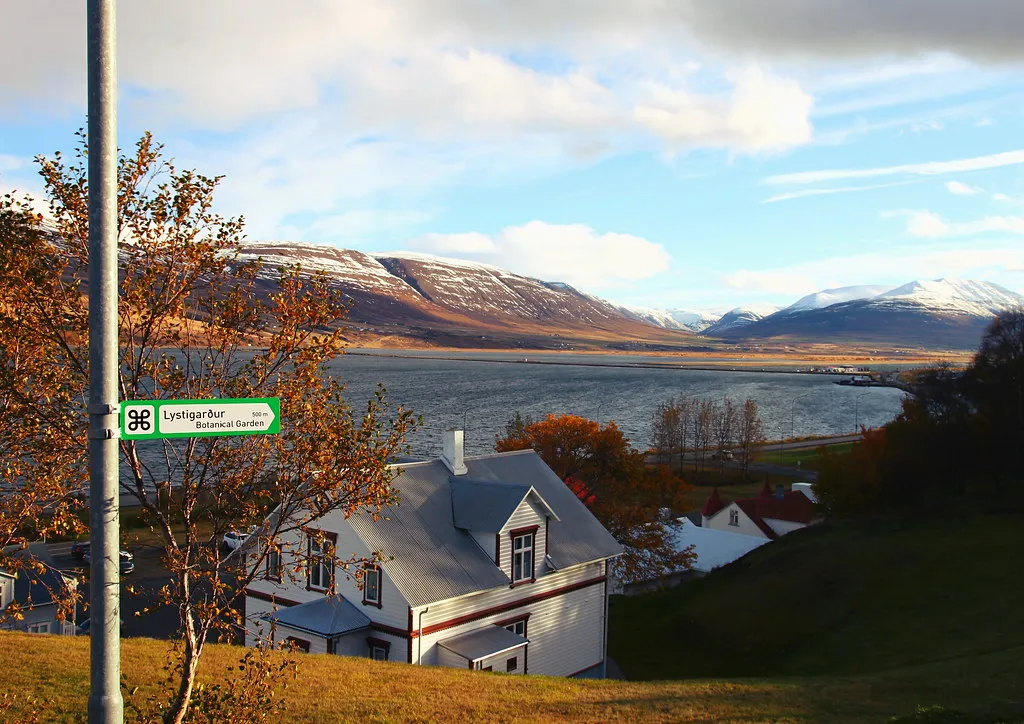
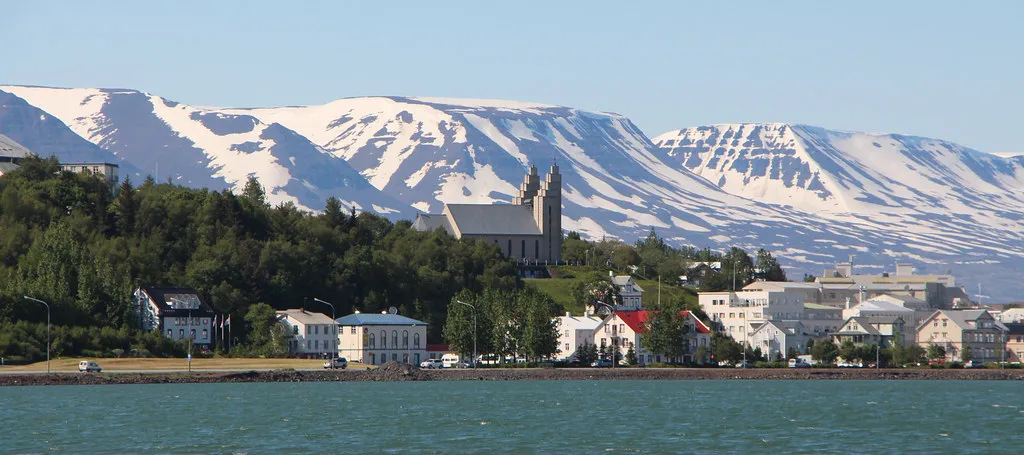
Akureyri se encuentra al pie del fiordo Eyjafjörður, en el corazón del norte de Islandia. Conocida como la “Capital del Norte”, es la ciudad más grande fuera del Área de la Capital. Protegida por montañas prominentes y ubicada junto al llamado “Estanque”, como se llama la parte más interna del fiordo Eyjafjörður, muchos islandeses consideran a Akureyri como la ciudad más hermosa de Islandia.
Debido a que la temperatura del verano en Akureyri suele ser favorable, es un destino turístico de moda entre los islandeses. Sin embargo, a menudo nieva mucho durante el invierno, pero como Akureyri es el centro de deportes de invierno en Islandia, es bienvenido. A sólo 5 km del centro de la ciudad se encuentra la montaña Hlíðarfjall, una zona de esquí privilegiada con excelentes instalaciones.
Akureyri es el centro de comercio y servicios de la región, y hay muchas atracciones en los alrededores, incluidos sitios históricos, museos, un jardín botánico y maravillas naturales.
274.990 ISK
200.990 ISK
223.978 ISK
125.990 ISK
103.990 ISK
210.990 ISK
179.990 ISK
26.990 ISK
20.990 ISK
2.650 ISK
Consejos de viaje, nuevas guías y aviso cuando el pronóstico de auroras se vea bien. Sin spam.