Walbeobachtungstour ab Reykjavik
Ab ISK 13490





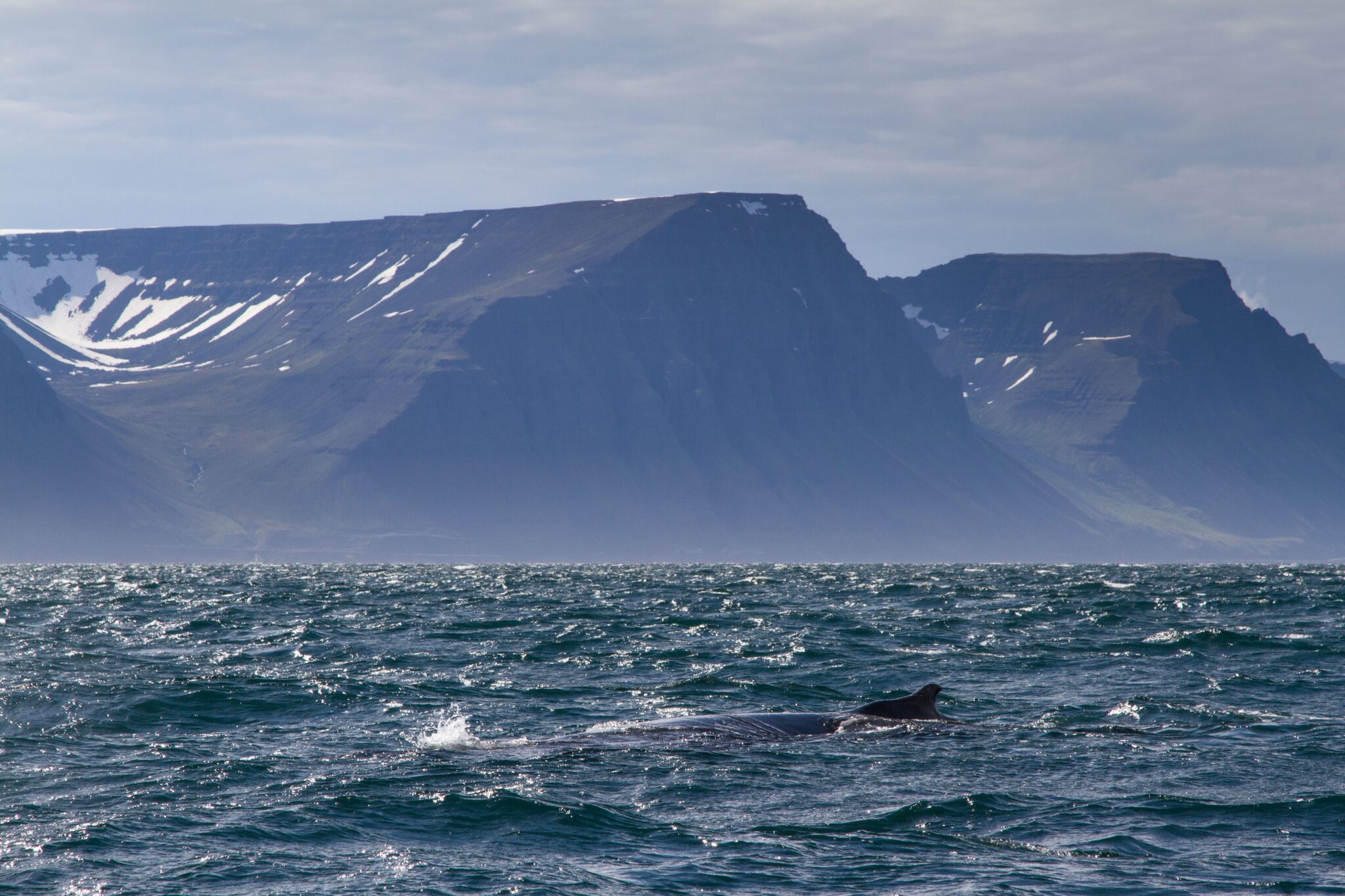
Island ist eines der weltweit führenden Walbeobachtungsziele. Das kalte, nährstoffreiche Wasser rund um die Insel zieht mehr als zwanzig Walarten an und die Touren starten direkt vom Herzen von Reykjavík sowie von Dörfern rund um die Küste. Ob Sie von einem Buckel neben dem Boot oder einer Gruppe Delfinen träumen, die neben dem Bug rasen, dieser komplette Reiseführer behandelt, wann Sie gehen, wohin Sie segeln können, was Sie sehen werden und wie Sie Ihre Reise optimal nutzen können.
In isländischen Gewässern leben über zwanzig Arten, die einem bei einer Tour am ehesten begegnen werden sind:
Mit Glück können Sie auch die Cas (Killerwale) entdecken, und in den tieferen nördlichen Gewässern sogar den kolossalen Blauwal, das größte Tier, das jemals gelebt hat. Die Vielfalt ist Teil dessen, was jede Reise anders macht.
Walbeobachtung ist möglich Ganzjährig In Island, aber die Saison läuft am stärksten von April bis Oktober, ‘s, Höchststand in den Sommermonaten Juni, Juli und August Während dieses Fensters sind die Meere ruhiger, das Tageslicht ist lang, die Sichtungsraten sind am höchsten, und viele Betreiber kombinieren die Reise mit Papageientaucher (Puffins sind etwa von Mitte Mai bis Anfang August vorhanden).
Wintertouren finden immer noch in Reykjaví statt, und die kalten Monate bringen ihre eigenen Belohnungen oder Aktivitäten rund um die Snæfellsnes-Halbinsel im Spätwinter mit sich, zum Beispiel. Einen vollständigen saisonalen Überblick finden Sie in unserem Reiseführer Beste Reisezeit für Island.
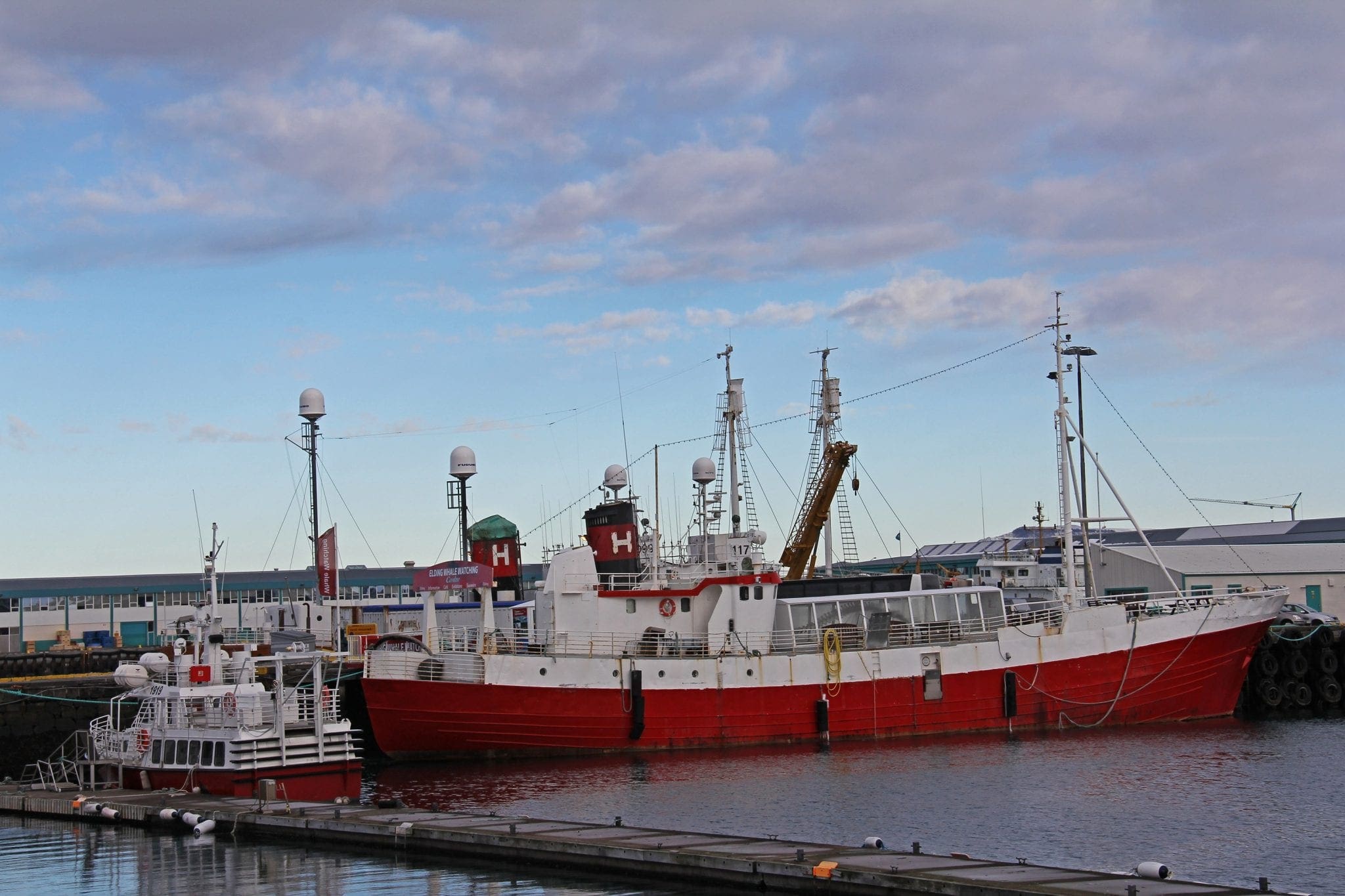
Reykjavík Ist die bequemste Basis-Boote verlassen Sie den Old Harbour, nur einen kurzen Spaziergang vom Stadtzentrum entfernt, so dass es ein einfacher halbtägiger Ausflug Jenseits der Hauptstadt, Húsavík Im Norden wird sie oft als Walbeobachtungshauptstadt Islands bezeichnet und weist einige der höchsten Sichtungsraten in Europa auf Akureyri und die Snæfellsnes-halbinsel Sind auch hervorragend Wenn Sie in oder in der Nähe der Stadt ansässig sind, stöbern Sie in unserem Walbeobachtungstouren Für Abfahrten, die zu Ihrem Zeitplan passen.
Eine Standardtour dauert ca 2,5 bis 3,5 Stunden, „einschließlich des Segels hinaus zu den Futterplätzen und zurück. Express-Touren mit schnelleren RIB-Booten können kürzer und abenteuerlicher sein, während einige Nordtouren etwas länger dauern. Die meisten Betreiber haben erfahrene Führer an Bord, die dabei helfen, die Tiere zu erkennen und ihr Verhalten zu erklären.
Wale sind wilde Tiere, daher ist nie garantiert, aber die Sichtungsraten sind hoch, insbesondere im Sommer, wenn viele Betreiber in Reykjavík Erfolgsraten über 901 TP3T melden. Aufgrund dieser Sicherheit bieten viele Touren eine große Anzahl an Kostenlose zweite Fahrt Wenn keine Wale gesichtet werden Um die eigenen Quoten zu verbessern, wählen Sie einen Sommerabflug und einen Tag mit ruhigem Wetter.
Island liegt dort, wo warme und kalte Meeresströmungen aufeinandertreffen, und die langen Sommertage treiben eine Explosion von Plankton in den umliegenden Meeren an, dass Plankton riesige Schwärme kleiner Fische wie Lodde und Hering speist, die wiederum Wale zum Schlemmen durch die produktiven Monate locken Diese natürliche Speisekammer, kombiniert mit relativ geschützten Buchten und Fjorden, ist der Grund, warum isländische Gewässer eine so bemerkenswerte Vielfalt und Dichte des Meereslebens unterstützen & warum Ihre Chancen auf eine unvergessliche Begegnung so gut sind, insbesondere im Sommer, wenn die Fraßwut ihren Höhepunkt erreicht.
Jede Basis hat ihren eigenen Charakter. Reykjavík Gewinne aus Bequemlichkeit: Touren starten vom Alten Hafen im Stadtzentrum, sodass Sie den Rest Ihres Tages ohne zusätzliche Anreise eine Reise unternehmen können. Húsavík, ’Ein paar Stunden nördlich ist die Wahl des Kenners. Die geschützte Skjálfandi-Bucht bietet einige der höchsten Sichtungsraten überhaupt und eine große Chance auf Buckelwale. Akureyri, am langen Eyjafjörapur-Fjord, bietet ruhiges Wasser, ideal für diejenigen, die anfällig für Seekrankheit sind, während die Snæfellsnes-halbinsel Ist bekannt für winterliche Orca-Sichtungen, wer wenig Zeit hat und in der Hauptstadt ansässig ist, ist Reykjavík die einfache und lohnende Wahl.
Die meisten Touren folgen einem Rhythmus. Nach dem Einchecken im Hafen besteigen Sie ein speziell gebautes Walbeobachtungsschiff, typischerweise ein ähnliches, stabiles, mittelgroßes Innenboot mit Sitzgelegenheiten, Außendecks und einem kleinen Café. Schnelleres RIB-Boot (aufblasbare Boote) bietet eine aufregendere Alternative “Spray-in-your-face”Wenn Sie zu den Futterplätzen segeln, informiert Sie ein Führer über die Arten, denen Sie begegnen könnten, und darüber, wie Sie die verräterischen Anzeichen erkennen können: ein nebliger „Blitz” am Horizont, ein dunkler Rücken, der die Oberfläche durchbricht, oder Vögel, die über einen Köderball schwenken, kann das Boot nur selten in kurzer Entfernung beobachten.
Walbeobachtung ist eines der familienfreundlichsten Abenteuer in Island. Es ist keine besondere Fitness oder Erfahrung erforderlich, die größeren Boote sind bequem und stabil und nur wenige Dinge erhellen das Gesicht eines Kindes wie ein Wal, der in der Nähe auftaucht. Viele Betreiber bieten ermäßigte Tarife für Kinder und kostenlose Durchfahrt für Kleinkinder an. Für Familien ist die ruhigere Sommersee am einfachsten, und die Kombination der Reise mit Papageientaucherbeobachtung verleiht dem Ausflug einen zweiten Publikumsliebling.
Die organisierte Walbeobachtung in Island begann in den 1990er Jahren und hat sich zu einem der charakteristischen Erlebnisse des Landes entwickelt, das jedes Jahr Hunderttausende Besucher willkommen heißt. Die Stadt Húsavík im Norden war Pionierarbeit und bleibt ein globaler Hotspot, aber der Alte Hafen von Reykjavík hat das Erlebnis für jeden zugänglich gemacht, der durch die Hauptstadt reist. Heute ist die Beobachtung dieser Tiere in freier Wildbahn nicht nur ein Highlight für Reisende, sondern auch ein starkes Argument für ihren Schutz. Ein lebender Wal, der aus nächster Nähe gesehen wird, vertritt seine eigenen Argumente für den Naturschutz.
Bei einer Walbeobachtung geht es selten nur um Wale, eine denkwürdige Perspektive bietet das Boot selbst auf Islands Küstenlinie, die Berge, Leuchttürme, von Reykjavík aus, die vom Berg Es umrahmte Stadtsilhouette Seabirds sind ständige Begleiter: Tölpel tauchen, Eissturmvögel gleiten tief über den Wellengang, und im Sommer komische Papageientaucher, die auf stummeligen Flügeln vorbeischwirren Möglicherweise entdeckt man auch Robben, die auf Felsen herausgeholt werden Bringen Sie Ferngläser und ein Gefühl der Geduld mit und genießen Sie jede Sichtung, „gefiederte oder finned „Als eines ruhigeren Tages für Wale ist die Zeit am Atlantik gut verbracht.
Seriöse isländische Betreiber befolgen Richtlinien, die einen respektvollen Abstand wahren und es vermeiden, die Tiere zu stören. Die Wahl einer verantwortungsvollen Tour trägt dazu bei, diese großartigen Kreaturen und die Meeresumwelt, auf die sie angewiesen sind, zu schützen und sicherzustellen, dass das Erlebnis auch in den kommenden Jahren nachhaltig bleibt.
Die Saison dauert von April bis Oktober und erreicht ihren Höhepunkt im Juni, Juli und August, wenn die See ruhig ist, die Tage lang sind und die Sichtungsraten am höchsten sind. Sommertouren können auch mit Papageientaucherbeobachtungen kombiniert werden.
Reykjavík ist am bequemsten, da Boote vom Alten Hafen abfahren. Húsavík im Norden ist für seine sehr hohen Sichtungsraten bekannt, und auch Akureyri und die Snæfellsnes-Halbinsel sind ausgezeichnet.
Die häufigsten Sichtungen sind Zwergwale, Buckelwale, Weißschnabeldelfine und Schweinswale, außerdem kann man Orcas und in nördlichen Gewässern sogar Blauwale sehen.
Die meisten Touren dauern ca. 2,5 bis 3,5 Stunden, inklusive Hin - und Rückfahrt, schnellere RIB-Bootstouren können kürzer sein, während einige Nordabfahrten etwas länger laufen.
Ja. Touren finden das ganze Jahr über statt, insbesondere von Reykjavík aus. Der Winter bringt weniger Menschenmengen und saisonale Höhepunkte wie Orca-Aktivitäten rund um Snæfellsnes mit sich, obwohl die See rauer sein kann und die Ausflüge wetterabhängiger sind.
Sichtungen mit Wildtieren sind garantiert hoch, aber die Erfolgsraten liegen im Sommer in der Nähe von Reyjavík oft über 901 TP3T. Viele Betreiber bieten eine kostenlose Wiederholungsreise an, wenn keine Wale gesehen werden.
Bereit, aufs Meer hinauszufahren? Entdecken Sie unsere Walbeobachtungstouren und Islands Riesen des Ozeans treffen.