Recommended tour
Grand Golden Circle Tour
8 Stunden und 30 Minuten
Ab ISK 11990

Der Golden Circle ist Islands berühmteste Besichtigungsroute. Drei der etwa 300 Kilometer langen Schleifen von Reykjavík aus packen drei natürliche Prunkstücke des Landes in einen einzigen Tag: ein Grabenbruch, in dem sich zwei Kontinente treffen, ein Feld ausbrechender heißer Quellen und ein donnernder zweistufiger Wasserfall Es ist der perfekte Einstieg in Island, das ganze Jahr über zugänglich und leicht mit anderen Abenteuern zu kombinieren. Hier finden Sie alles, was Sie wissen müssen, um es zu planen.
Der Golden Circle ist kein einziger Ort, sondern ein Rundweg östlich von Reykjavík, der drei Hauptattraktionen verbindet, den Geysir-Nationalpark, das Geysir-Gebiet und den Wasserfall Gulloss mit einer Reihe lohnenswerter Zwischenstopps. Da das Ganze an einem Tag gefahren werden kann und in der Nähe der Hauptstadt liegt, ist es der beliebteste Tagesausflug in Island.
Ein UNESCO-Weltkulturerbe, Island island's parlament one of the world's testing the 93 AD gegründet Es ist auch ein geologisches Wunderwerk: Das isländische Parlament, in dem sich die nordamerikanische und eurasische tektonische Platte langsam auseinanderzieht, und man kann direkt zwischen ihnen laufen Die kristallklare Silfra-Spalte ist hier ein weltbekannter Ort zum Schnorcheln und Tauchen zwischen den Kontinenten.
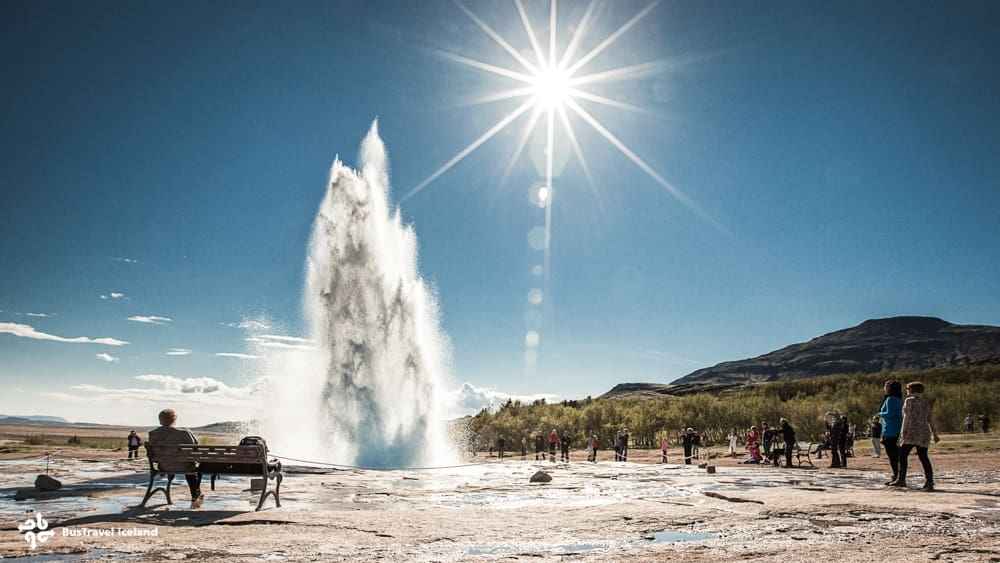
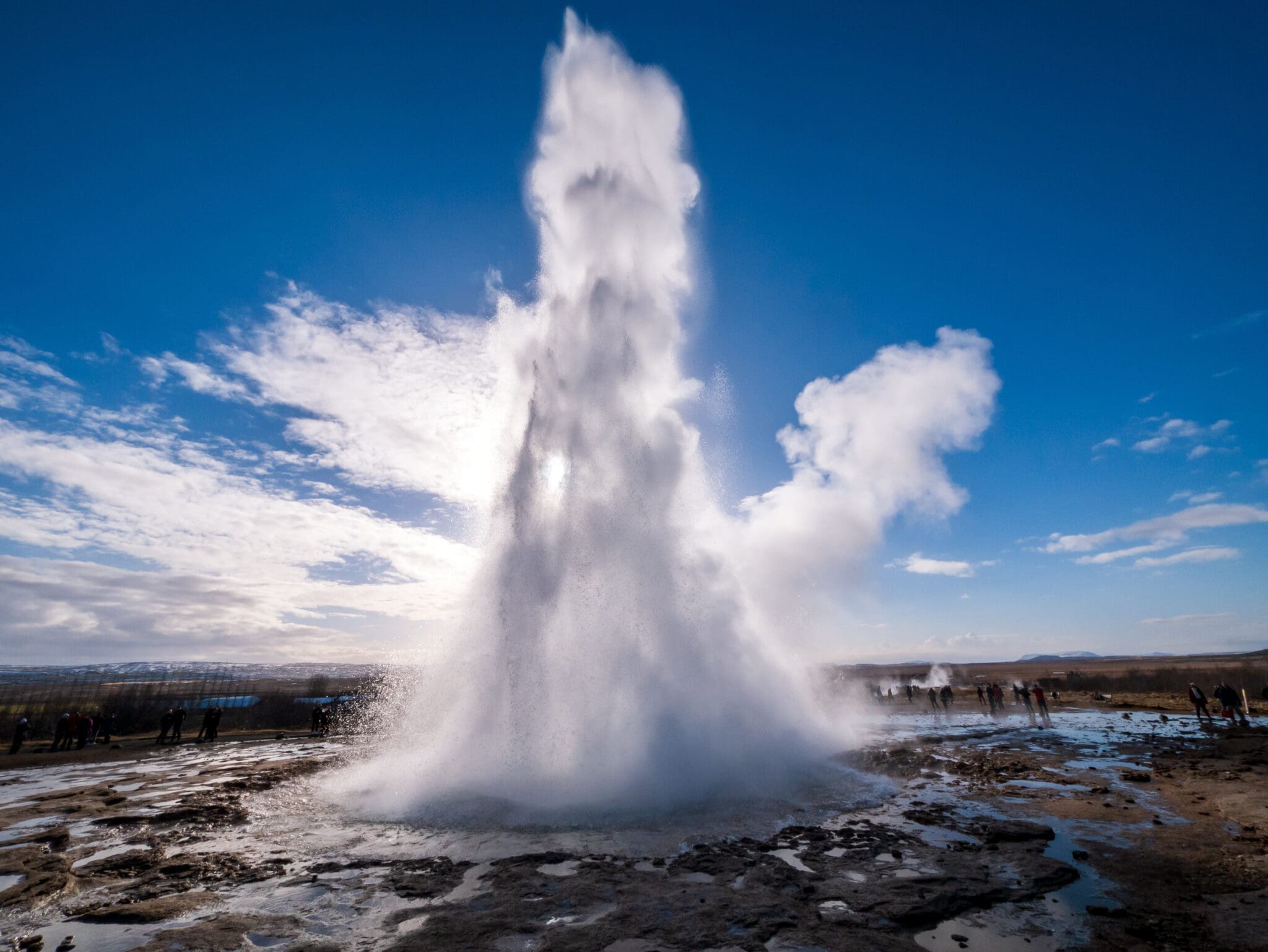
Dieses dampfende Tal gab der Welt das Wort “Geysir”Während der ursprüngliche Große Geysir heute größtenteils ruht, ist sein Nachbar Strokkur Alle 10 Minuten wird zuverlässig eine Säule mit 15 bis 20 Metern in die Luft geschleudert. 5 Minuten kochendes Wasser, leichtes und aufregendes Spektakel. Blubbernde Schlammtöpfe und lebhafte Mineralbecken umgeben die Spazierwege.
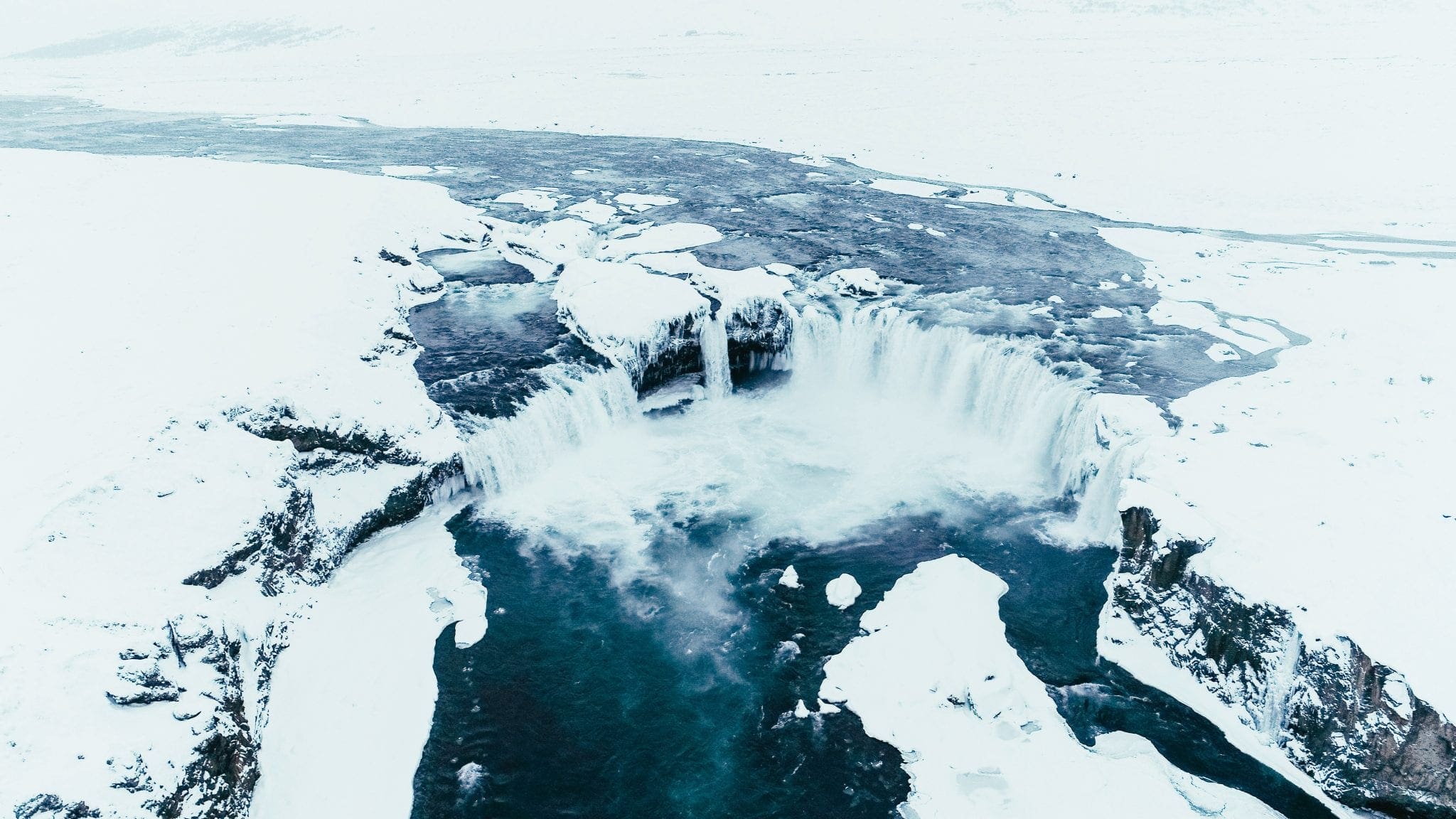
“Die Goldenen Fälle” ist einer der mächtigsten und schönsten Wasserfälle Islands, wo der glaziale Fluss Hvítá in zwei dramatischen Etappen in eine zerklüftete Schlucht stürzt An sonnigen Tagen biegen sich Regenbögen oft durch die Gischt; im Winter gefrieren die umliegenden Klippen zu einer glitzernden Eisskulptur.
Erlauben Sie a Ganztag. Allein die Fahrt beträgt rund 3,5 –4 Stunden Hin- und Rückfahrt von Reykjavík, und Sie möchten an jeder Haltestelle Zeit haben. Ein typischer Golden Circle-Tag dauert 6 68 Stunden, je nachdem, wie viele zusätzliche Sehenswürdigkeiten Sie hinzufügen und wie lange Sie verweilen.
Ein Teil des Reizes der Route besteht darin, wie einfach Sie sie anpassen können. Zu den beliebtesten Add-ons gehören:
Der Goldene Kreis ist ein wahrer Ganzjährig Route. Im Sommer lassen Sie lange Tageslichtstunden in entspanntem Tempo erkunden; im Winter verändert Schnee die Landschaft und Sie können den Tag mit einem Abend von Nordlichter Jagd. Jede Saison hat ihren eigenen Charakter für das vollständige Bild, lesen Sie in der Beste Reisezeit für Island.
Die gleiche Schleife fühlt sich an wie eine andere Reise, je nachdem, wann Sie hingehen In Sommer, „Bei nahezu endlosem Tageslicht können Sie spät beginnen oder bei jedem Stopp verweilen, und die Landschaft ist grün und üppig. Gullfoss brüllt in vollem Volumen. In Herbst, Die Menschenmassen werden dünner und Moos und Birke werden gold und rostig In Winter, Schnee bedeckt die Route und Gullfoss friert teilweise zu geformtem Eis ein, während die kurzen Tage es einfach machen, die Reise in eine abendliche Polarlichterjagd zu verwandeln. Frühling Bringt rauschendes Schmelzwasser, das Licht verstärkt. Es gibt wirklich keine falsche Jahreszeit und nur die unterschiedlichen Stimmungen der gleichen ikonischen Sehenswürdigkeiten.
Beides funktioniert gut Selbstfahren gibt einem totale Freiheit über Timing und Stopps, die Straßen sind asphaltiert und gepflegt A Geführte Golden Circle Tour, Andererseits können Sie sich entspannen, während ein Experte sich um das Fahren kümmert und die Wissenschaft hinter jedem Standort teilt. Geschichten und eine großartige Wahl im Winter, wenn die Bedingungen herausfordernd sein können oder wenn Sie einfach alles ohne Beobachtung aufnehmen möchten die Straße.
Wenn man den Tag selbst plant, sieht eine komfortable Bestellung, die der Schleife folgt, so aus:
Die Route wird umgekehrt oder neu angeordnet durchgeführt und ist flexibel. Drei Kernvisiere liegen nahe genug beieinander, sodass die Reihenfolge kaum eine Rolle spielt.
Am Golden Circle wird man nicht hungern Sowohl das Geysir-Gebiet als auch Gullfoss haben Besucherzentren mit Cafés und Toiletten, also machen sie natürliche Mittagspausen. Für etwas Einprägsameres serviert das Fri1heimar-Gewächshaus eine renommierte Tomatensuppe an Tischen zwischen den Weinreben, und das Dorf Flúnikir in der Nähe des Secret Lagoon hat eine Handvoll guter Restaurants. Tanken Sie, bevor Sie Reykjavík verlassen, oder an den größeren Haltestellen, da Tankstellen entlang der Strecke dünner werden. Toiletten an den Hauptstandorten verlangen manchmal eine kleine Gebühr, sodass es praktisch ist, eine Karte bereitzuhalten.
Der Goldene Kreis ist nicht nur landschaftlich reizvoll; er ist in Islands Identität verwoben. 930 n. Chr. wurde das Al’ingvellir, eines der ältesten noch existierenden Parlamente der Welt, gegründet, wodurch das Tal zum symbolischen Herzen der Nation wurde. Es ist kein Zufall, dass Island es 1944 für die Unabhängigkeitserklärung ausgewählt hat. Das Geysir-Gebiet hat unterdessen jeder Sprache auf der Erde sein Wort für eine sprudelnde heiße Quelle gegeben. Wenn man an diesen Orten steht, bewundert man nicht nur die Natur, sondern tritt in tausend Jahre isländischer Geschichte ein.
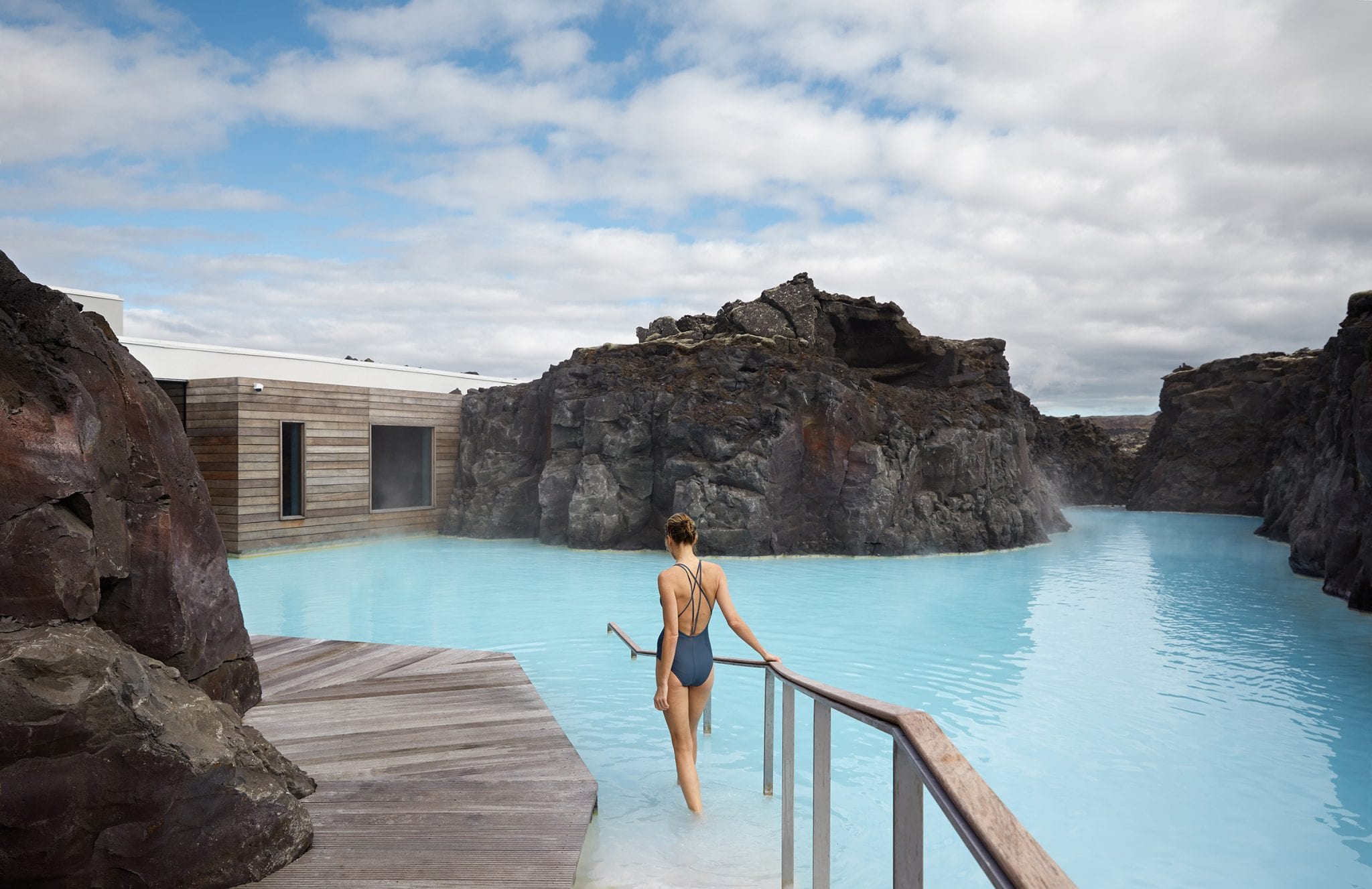
Eine der großen Stärken der Strecke ist, wie gut sie sich mit anderen Abenteuern paart Im Winter sitzt eine Golden Circle Loop tagsüber perfekt vor einem Abend von Nordlichter Jagd. Viele Reisende kombinieren es das ganze Jahr über mit einem geothermischen Einweichen, Schnorcheln in der Silfra-Spalte bei 'Vellir' oder einem Besuch auf einem bewirtschafteten Bauernhof. Da die Schleife so nah an Reykjavík liegt, lässt sie in Ihrer Reiseroute viel Platz für den Rest dessen, was Island ausmacht.
Alles ohne die Planung sehen? stöbern Sie in unserem Golden Circle Touren und lassen Sie einen ortskundigen Führer die Fahrt erledigen.
Schließen Sie sich Island Insider an, um neue Reiseführer und einen Vorlauf zu erhalten, wenn die Polarlichtvorhersage gut aussieht Kein Spam.
Der Golden Circle ist eine beliebte Besichtigungsroute von etwa 300 km östlich von Reykjavík, die drei große Sehenswürdigkeiten, den Gevellir-Nationalpark, das Geothermiegebiet und Gullfoss Waterfall sowie mehrere optionale Zwischenstopps entlang des Weges verbindet.
Planen Sie einen ganzen Tag Autofahren ist ungefähr 3,54 Stunden Hin - und Rückfahrt von Reykjavík, und die meisten Besucher verbringen 6 –8 Stunden insgesamt einschließlich der Zeit an jeder Haltestelle.
Die drei Haupthaltestellen sind der Nationalpark (ein Grabenbruch und UNESCO-Gelände), das Geothermiegebiet Geysir (Heimat des ausbrechenden Strokkur-Geysirs) und der Wasserfall Gullfoss.
Ja. Die Strecke ist ganzjährig geöffnet und bei Schnee besonders landschaftlich reizvoll, das Tageslicht ist im Winter kurz und die Bedingungen können eisig sein, also erlauben Sie zusätzliche Zeit, überprüfen Sie die Vorhersage und erwägen Sie eine Führung für einen stressfreien Tag.
Sie können entweder Die Straßen sind asphaltiert und leicht zu fahren, so dass Selbstfahren beliebt ist Eine geführte Tour ist ideal, wenn Sie lieber entspannen, die Geschichte und Geologie lernen oder im Winter reisen möchten, wenn die Fahrbedingungen knifflig sein können.
Häufige Ergänzungen sind der Keriampton-Krater, die Secret Lagoon at Flúisen, das Tomatengewächshaus FriKKeimar und der Faxi-Wasserfall, viele Besucher kombinieren die Route auch mit einem geothermischen Lagunenbesuch oder einer abendlichen Nordlichttour.
Reisetipps, neue Guides und ein Heads-up, wenn die Polarlichter-Prognose gut aussieht Kein Spam.