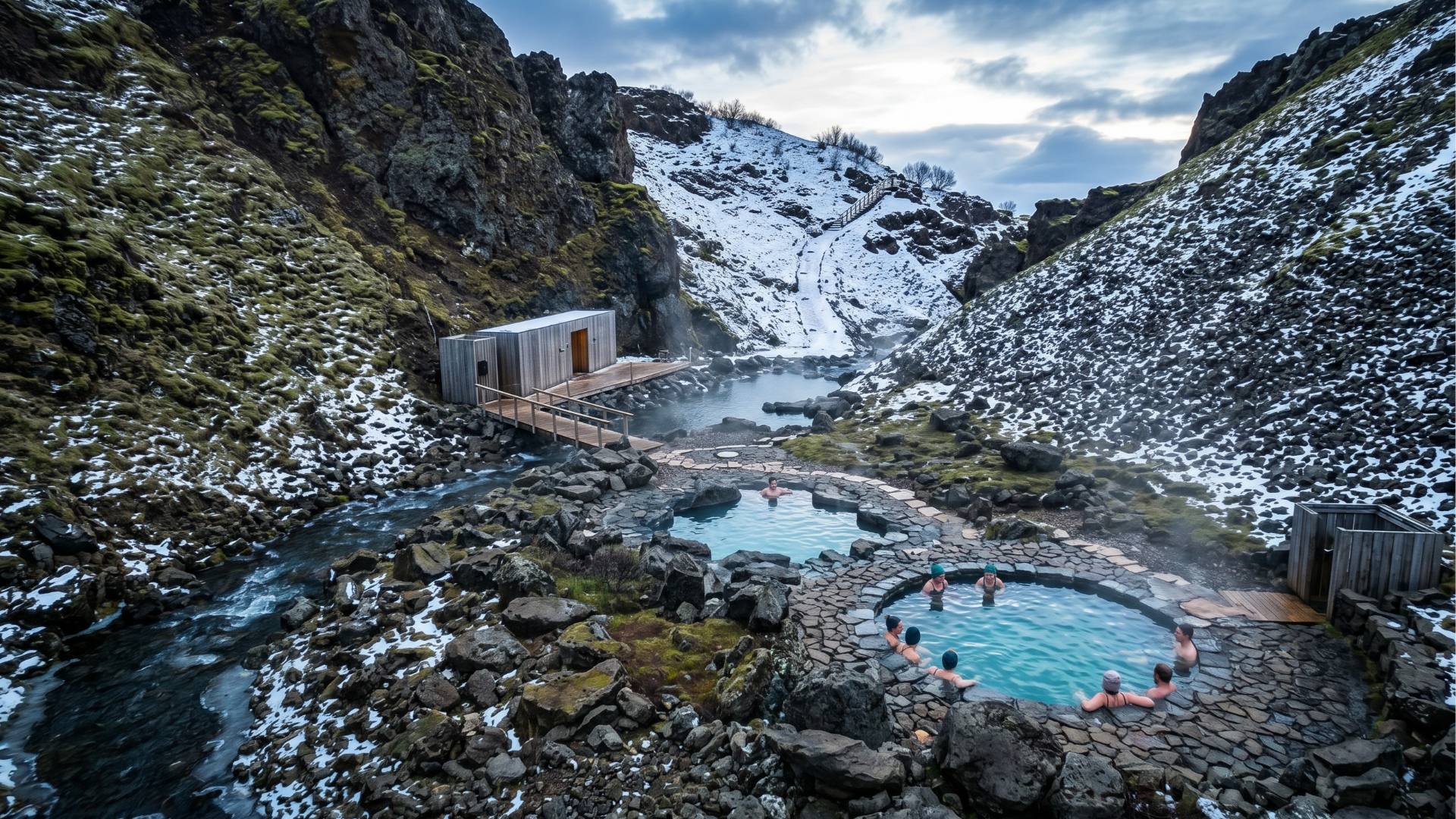
Private Silver Circle & Canyon Baths
254.900 ISK
10 Stunden

Einfach
240.990 ISK
Embark on an enchanting journey through Iceland's most iconic natural landmarks with the Goldener Kreis tour. This captivating tour takes you to three main stops: Thingvellir National Park, Geysir geothermal area, and Gullfoss waterfall.
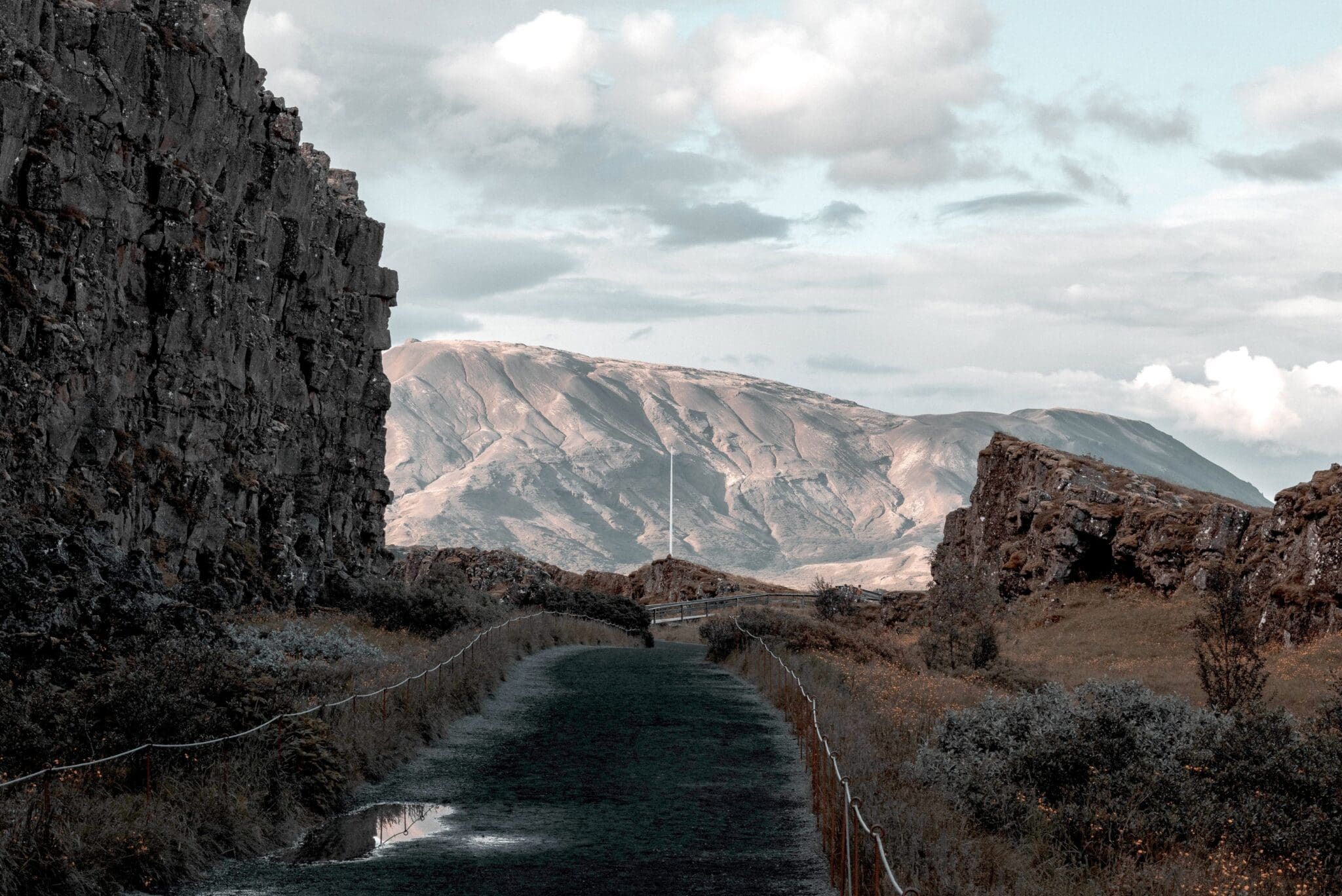
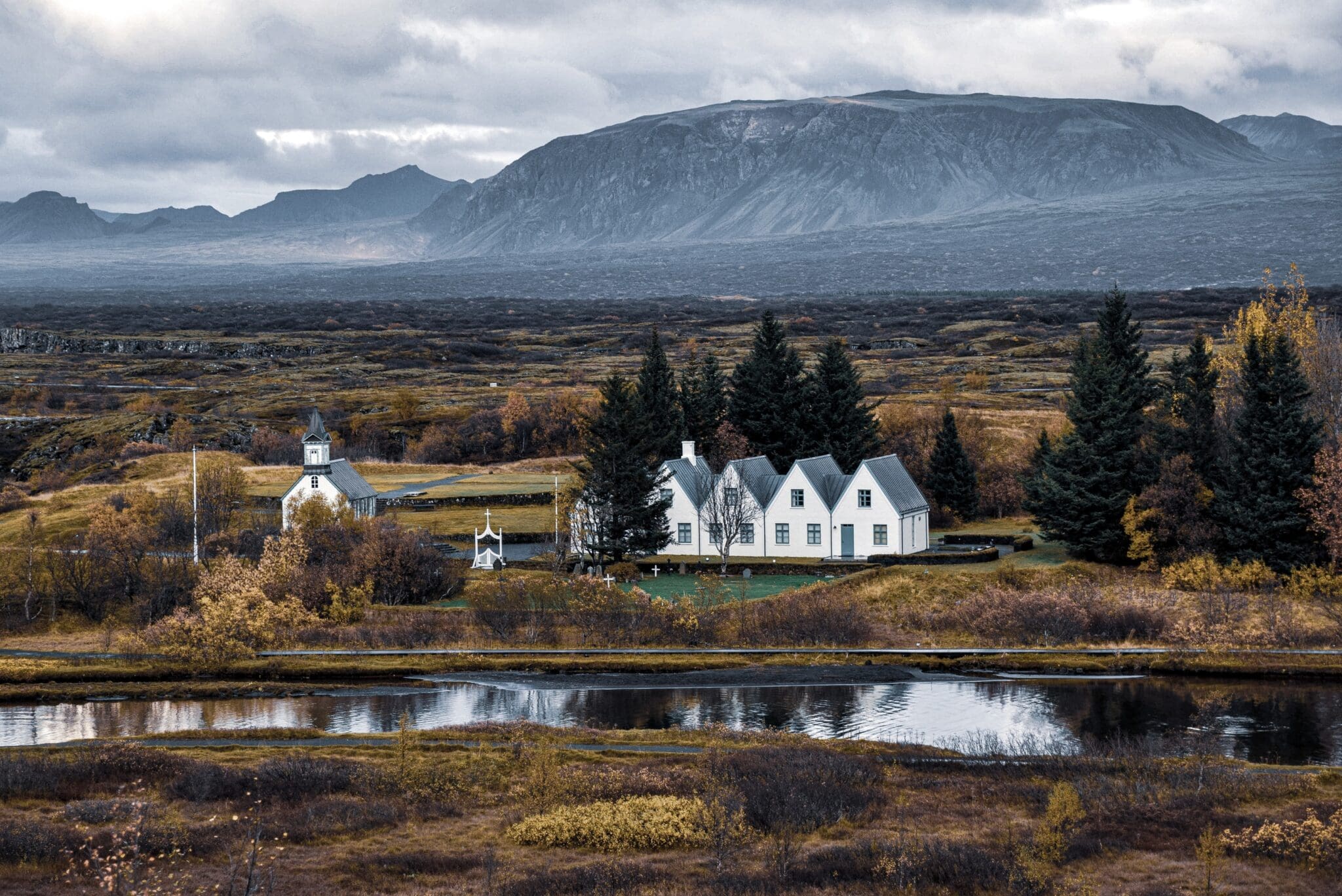
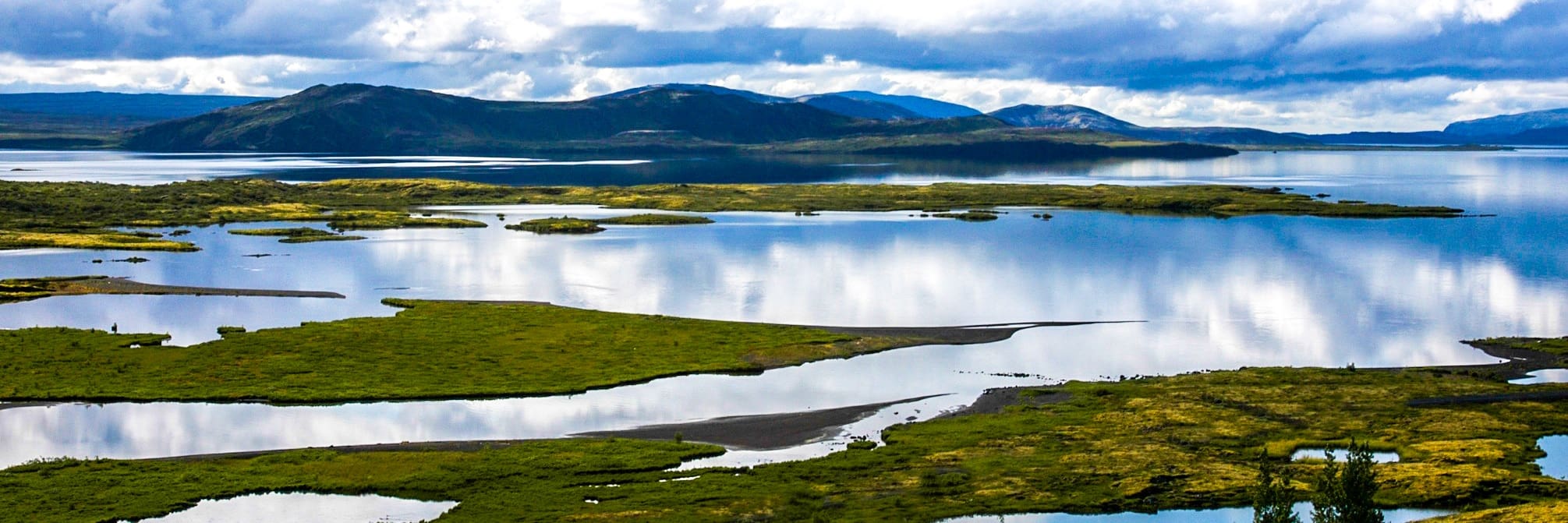
Die Thingvellir-Nationalpark ist ein UNESCO World Heritage site of immense historical and cultural significance, offering breathtaking natural beauty. Here, you can stroll between the tectonic plates of Europa und North America, immersing yourself in Iceland's geological history.
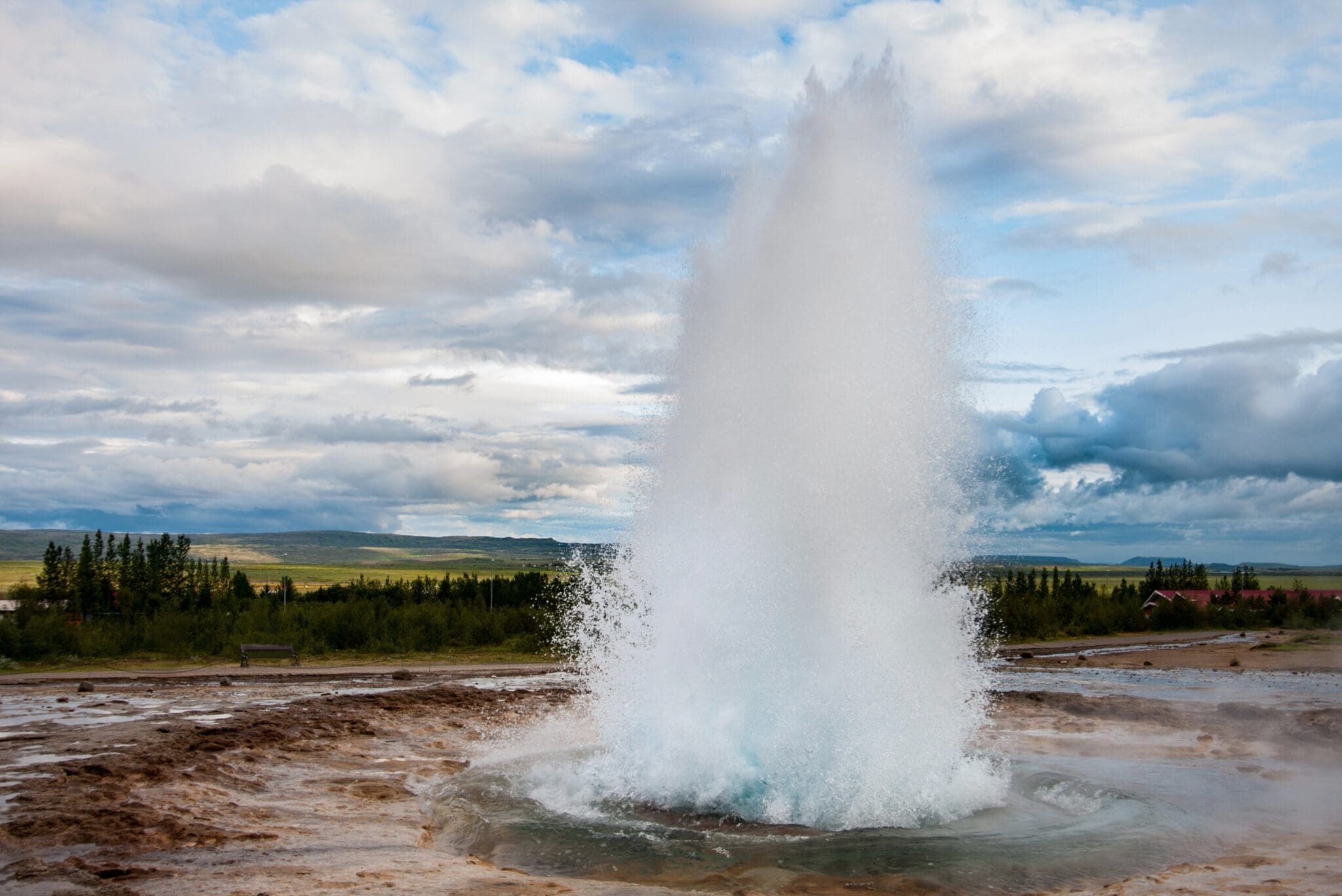
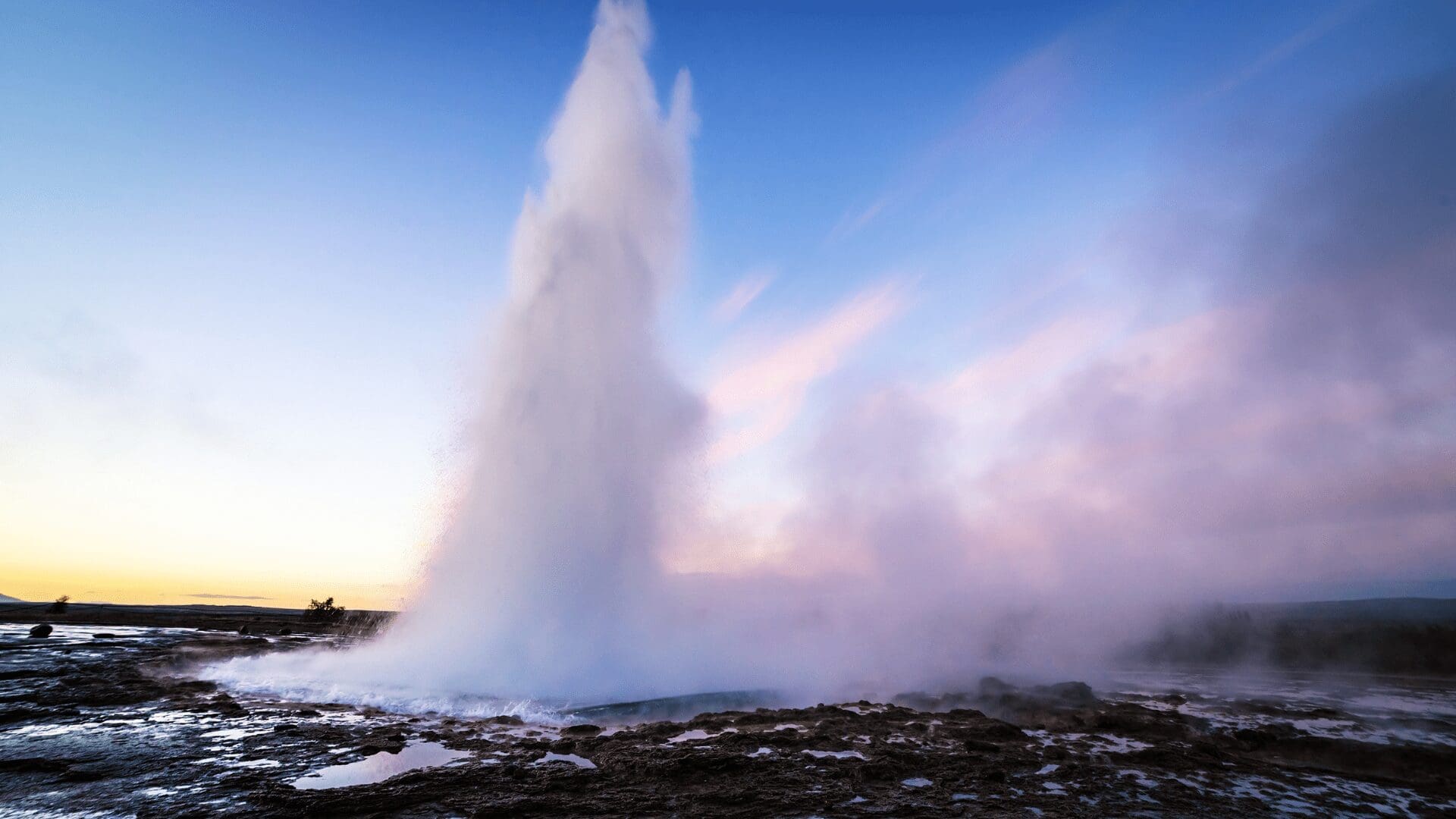
In the Geysir geothermal area, witness the awe-inspiring Strokkur geyser, shooting boiling water up to 30 meters high. Explore the geothermal landscape, filled with bubbling mud pots and steaming vents, creating a unique experience.
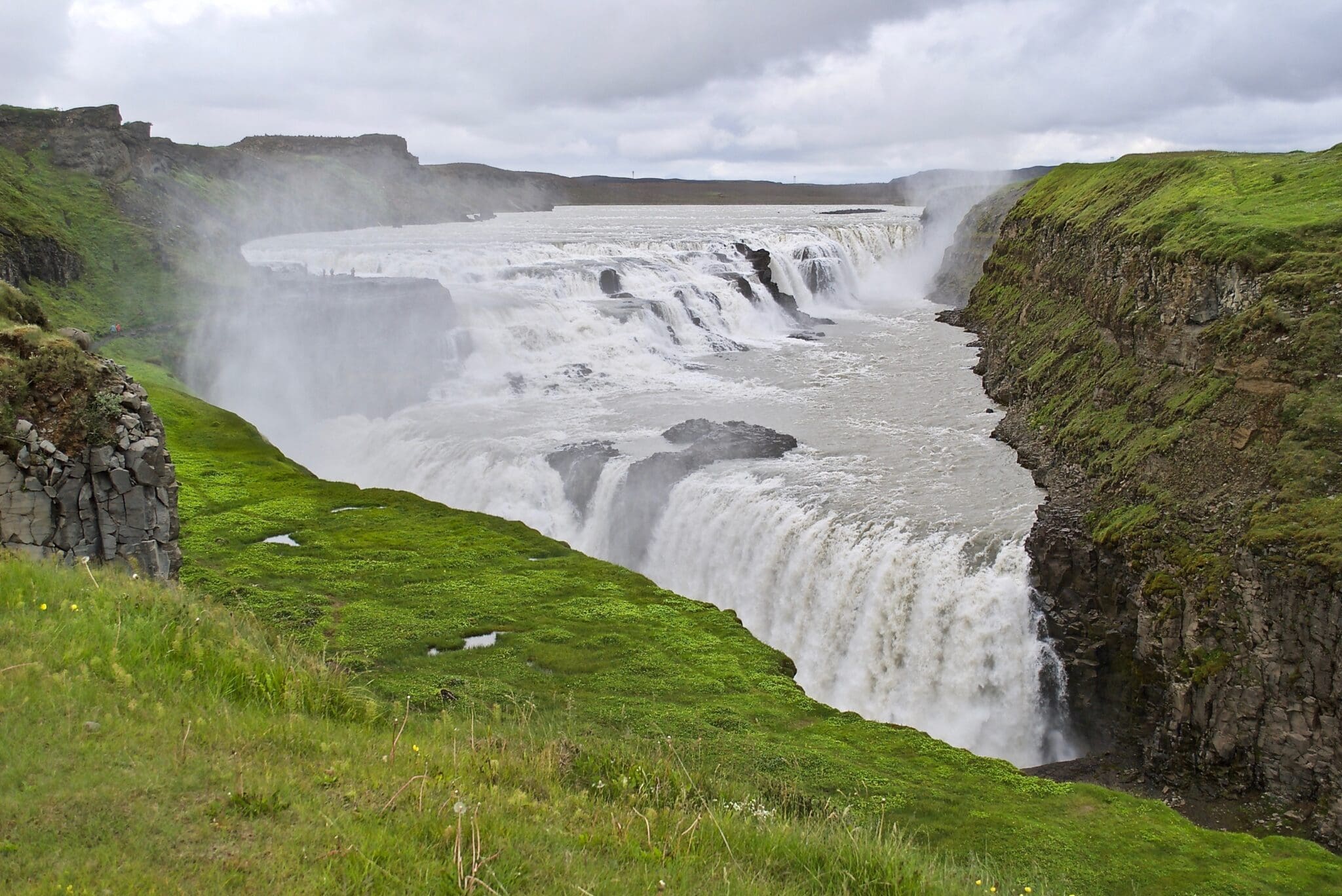
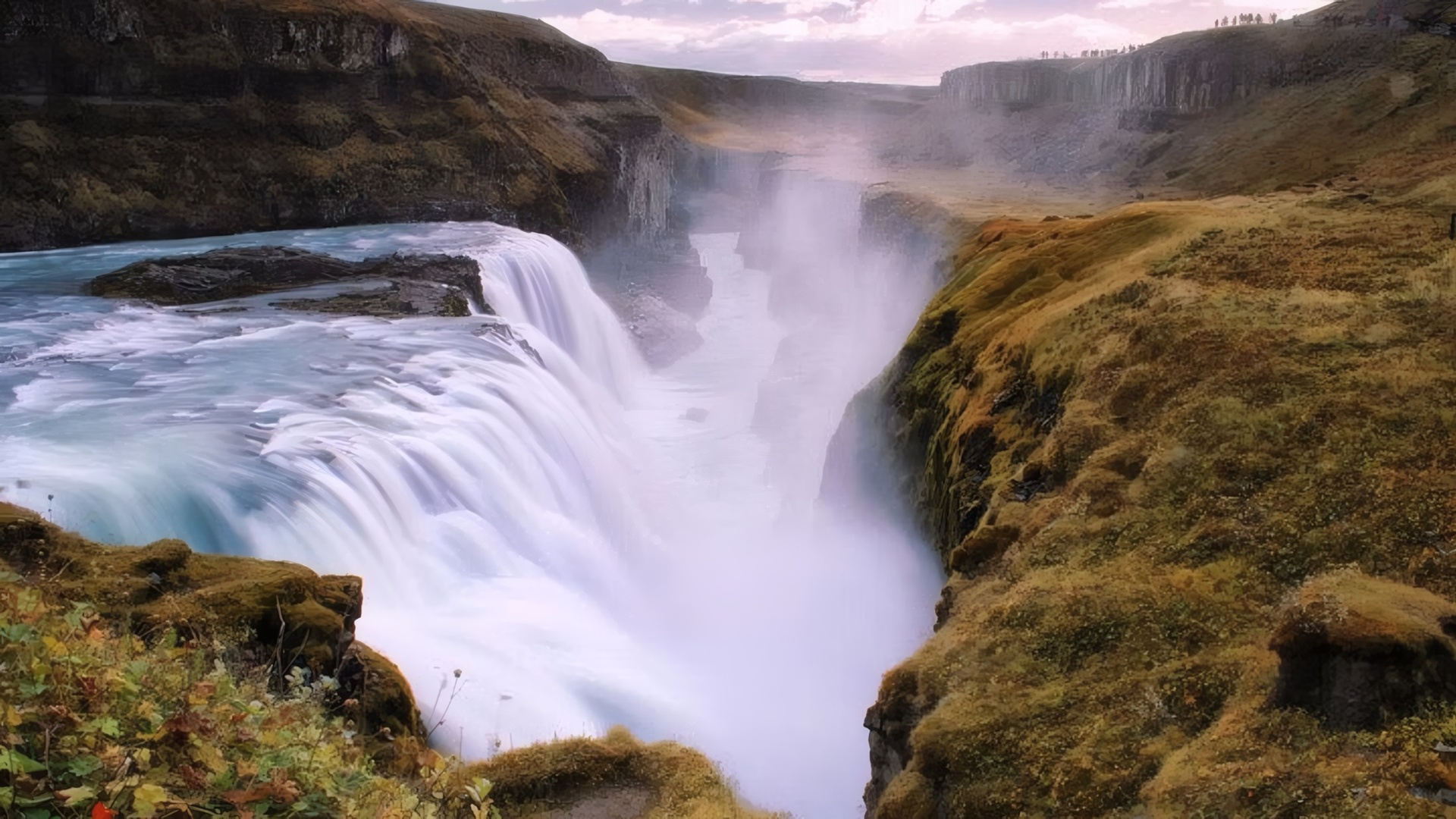
Prepare to be spellbound by the Gullfoss waterfall's sheer power and majestic beauty, one of Iceland's most spectacular waterfalls. Stand on the viewing platforms, feel the mist on your face, and listen to the thunderous roar of the cascading water.
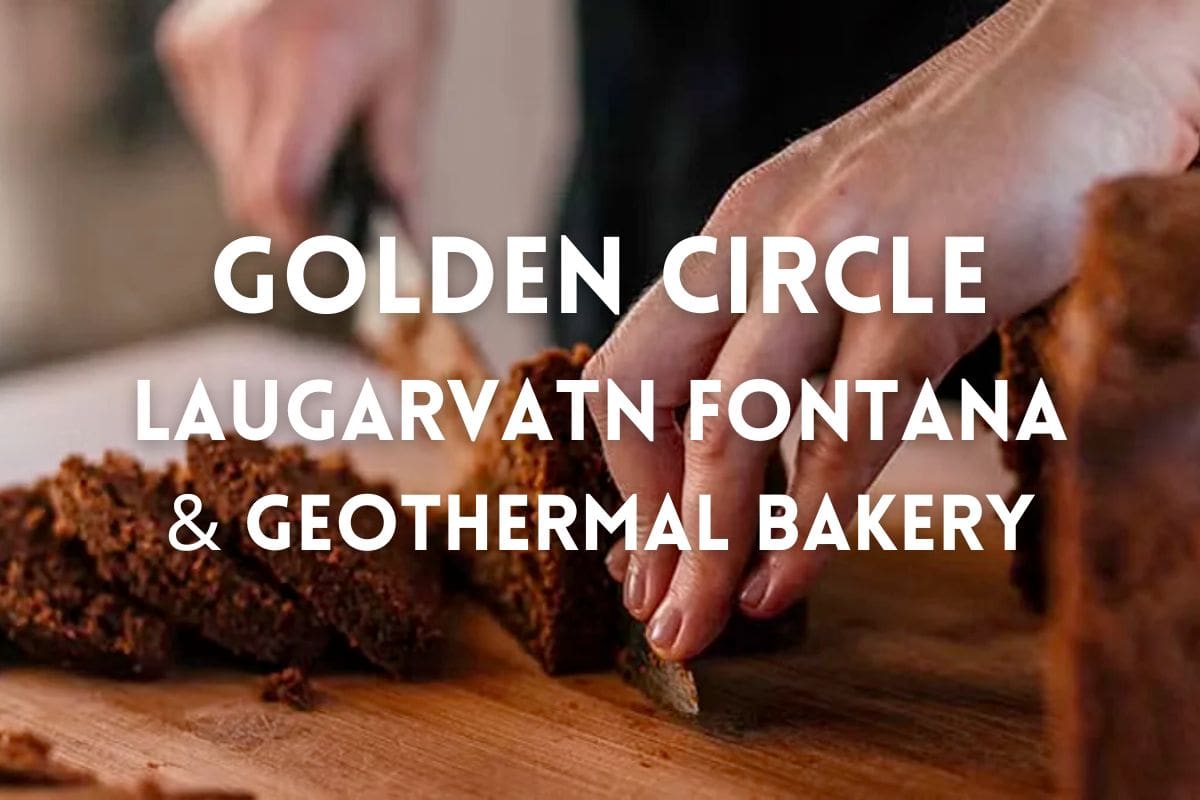
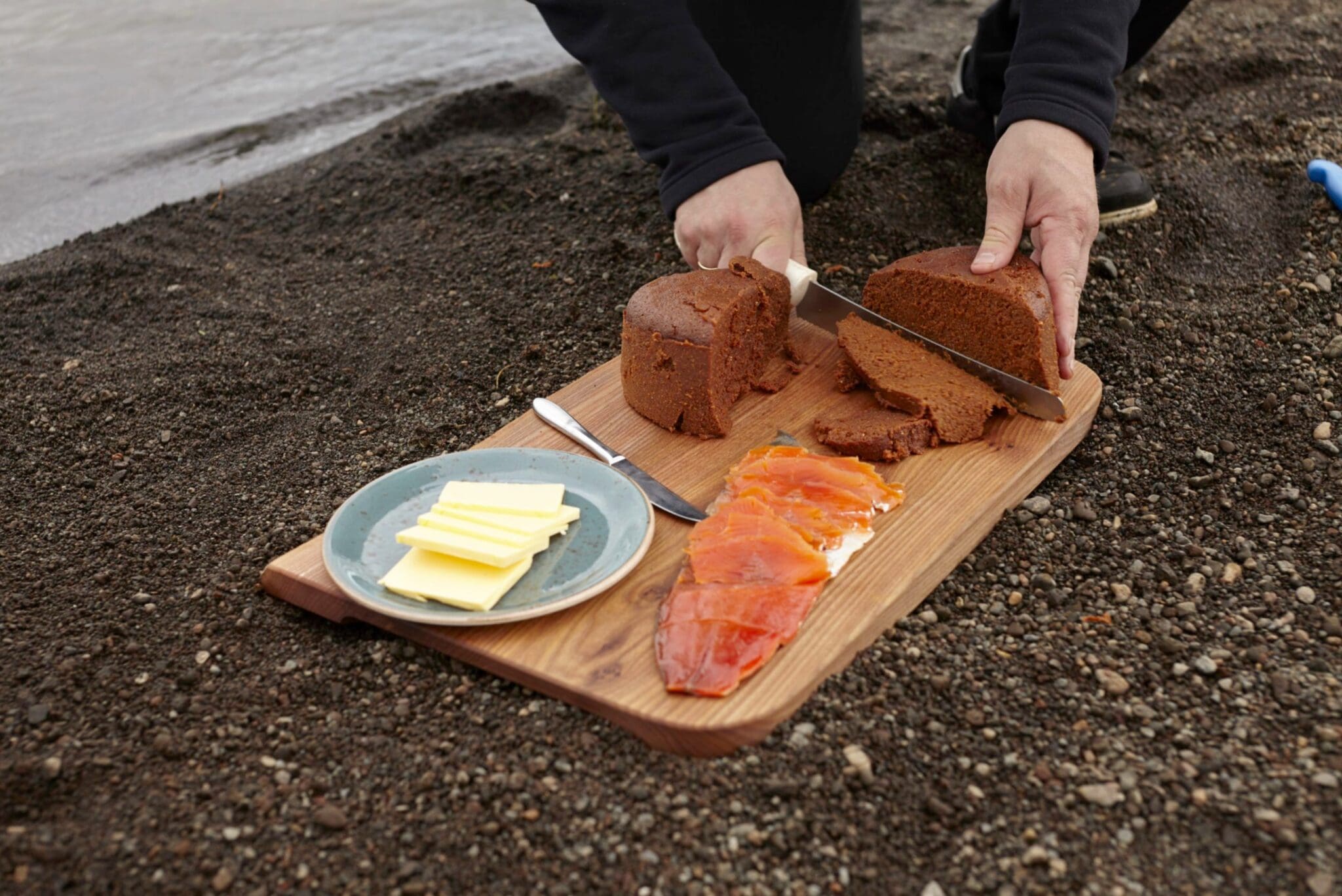
But the Golden Circle tour offers more than just natural wonders. You'll also visit the Geothermal Bakery, renowned for its traditional rye bread baked in hot black sand. Gain insight into the baking process and savor this unique bread's delightful aroma and taste.
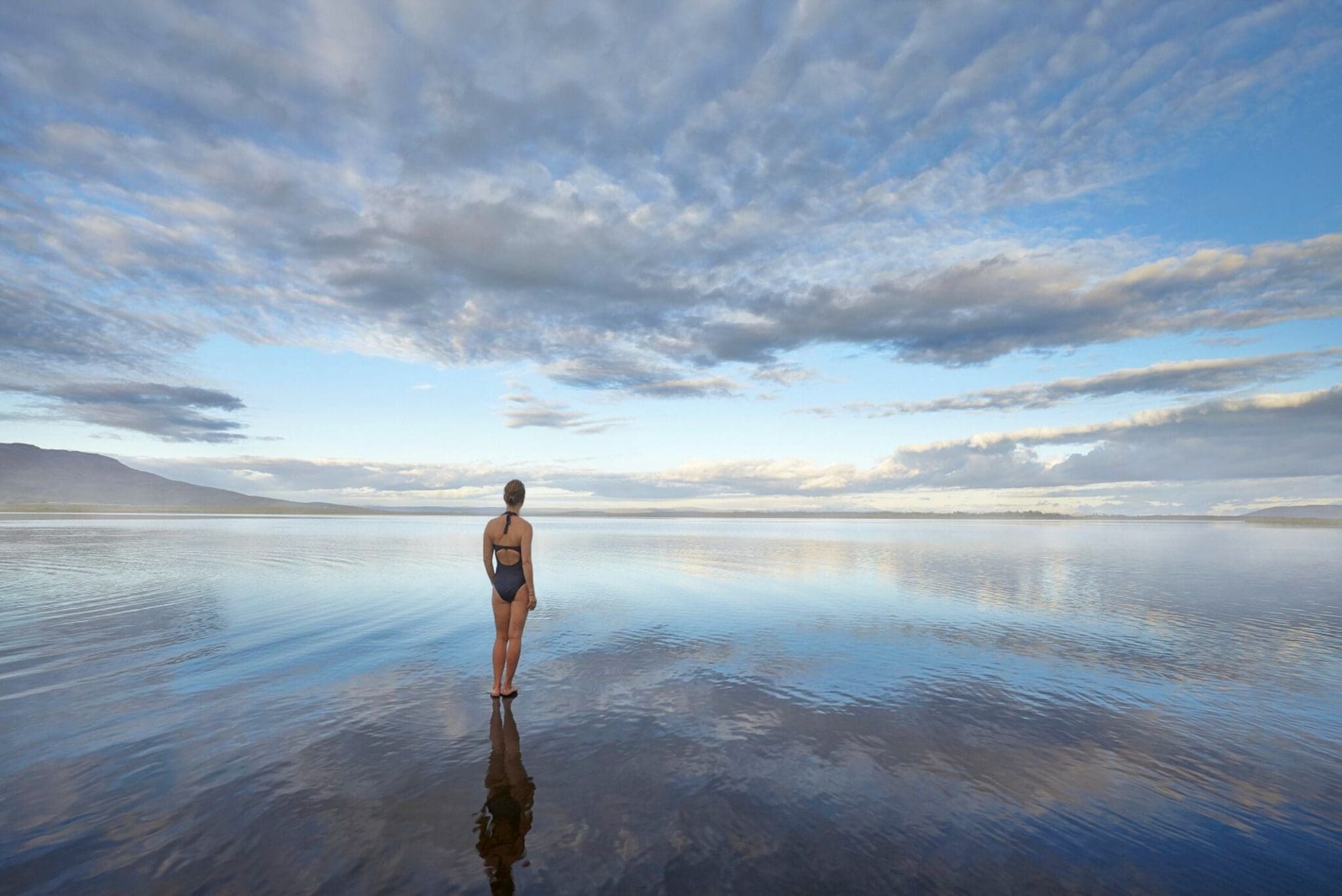
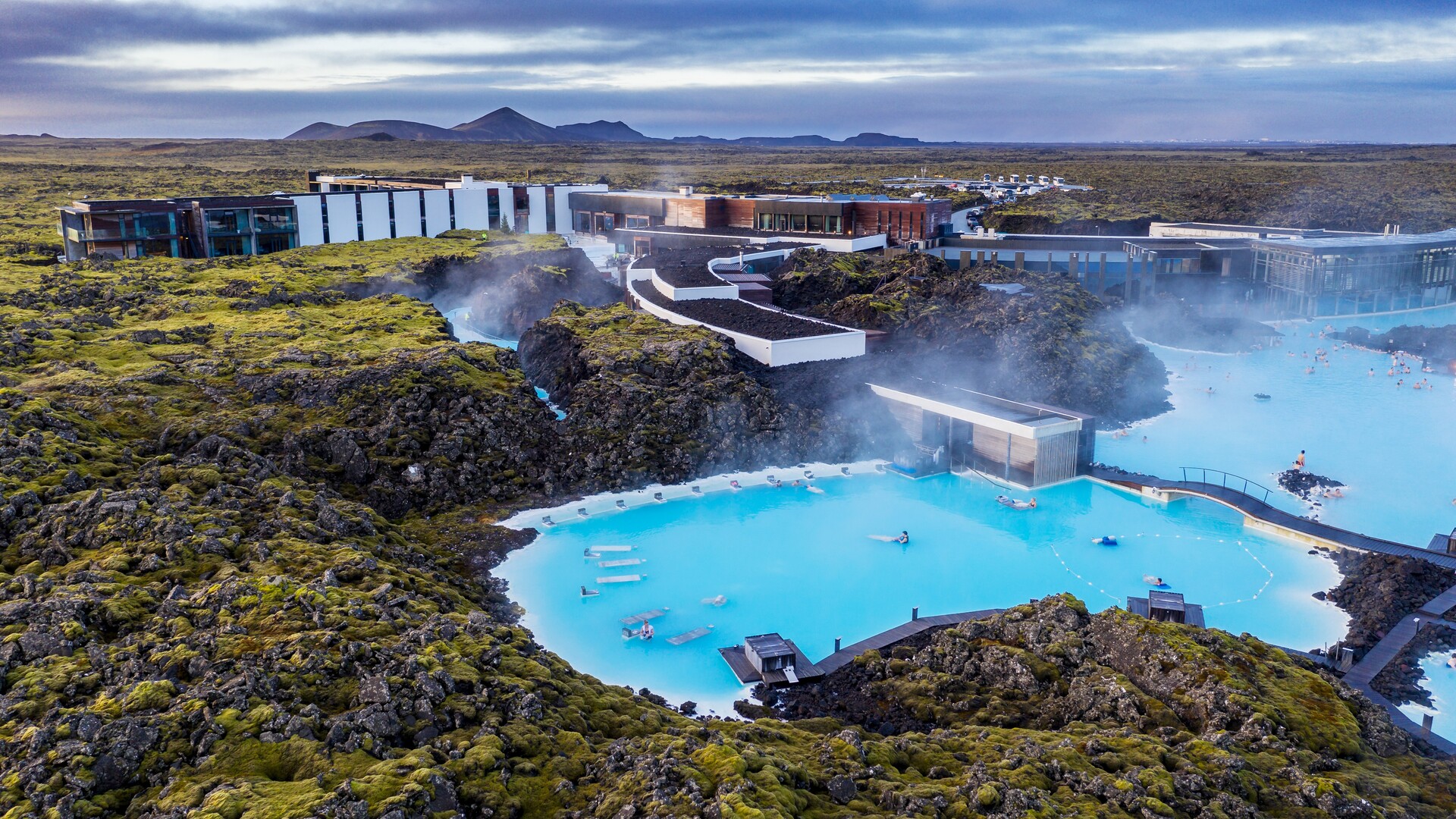
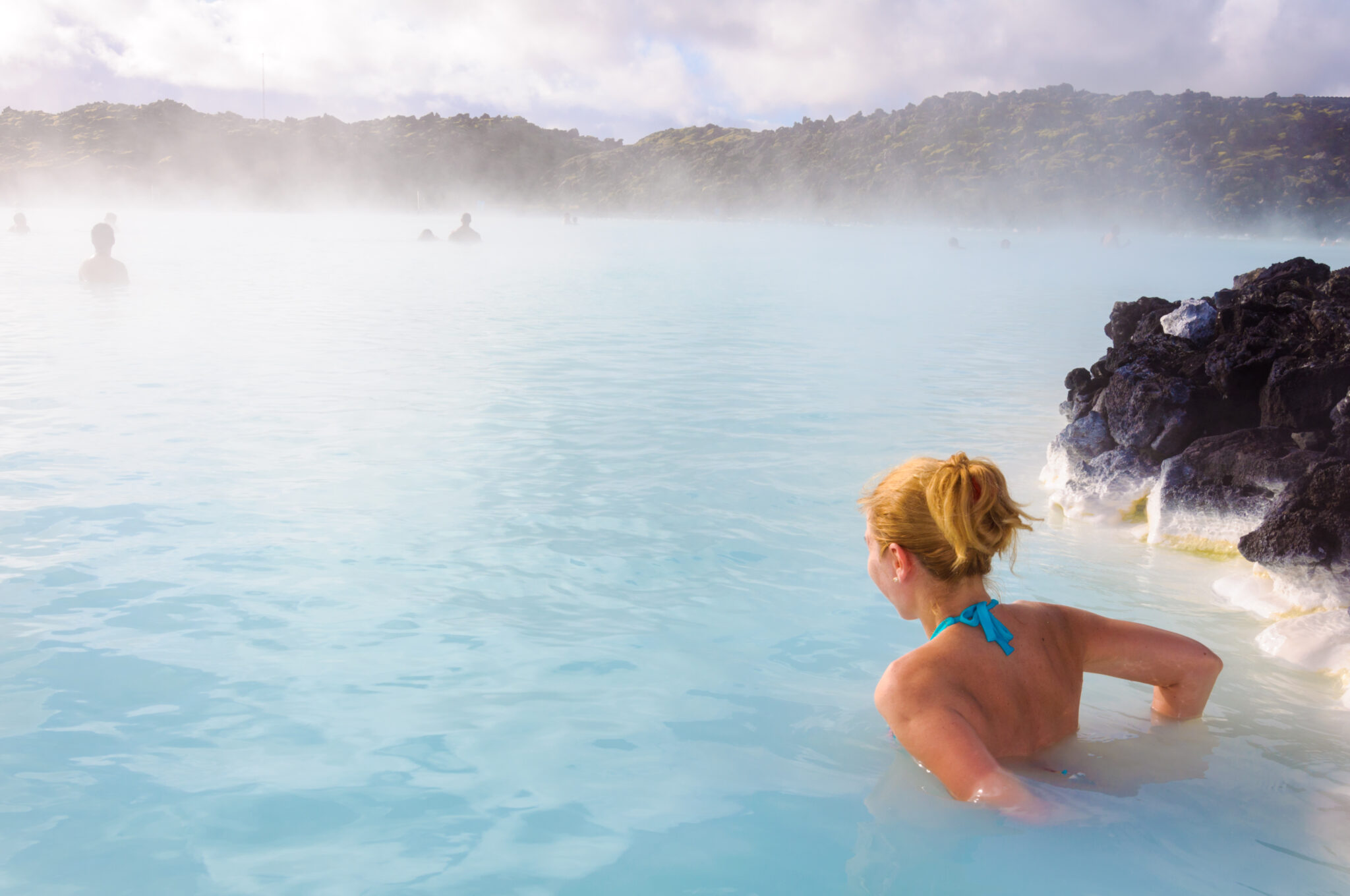
To complete your extraordinary experience, relax and rejuvenate at Laugarvatn Fontana, a geothermal bath and spa. Immerse yourself in the warm, mineral-rich waters, unwind in the saunas, and be captivated by the breathtaking views of nature.
Join us on this remarkable combo tour, where you'll discover the wonders of the Golden Circle, indulge in authentic Icelandic delicacies, and immerse yourself in the ultimate relaxation at Laugarvatn Fontana.
The Thingvellir National Park was established in 1930, the first national park in Iceland. Then, in 2004, it became the first UNESCO Weltkulturerbe In Island für sein kulturelles Erbe aus der Wikingerzeit und die Bedeutung seiner Geschichte und Natur.
– Vellir (e., Parlamentsgelände) ist eine Bruchzone, die sich auf den tektonischen Platten des befindet Mittelatlantischer Rücken, die North American and the Eurasian continents, which runs through Iceland from its NE corner to the SW corner, forming a significant depression of about 40 km in length and 10 km in width. These boundaries are only visible above ground in very few locations in Iceland. Almannagjá (e., Öffentlicher Graben) forms the eastern edges of the North American plate, while Hrafnagjá (e., Rabenriss) forms the western bounds of the Eurasian plate. The area between these two rifts slowly subsides, pulling apart by about 3-4 millimeters yearly.
Al Alingi (e., Generalversammlung) is the Icelandic parliament, established in AD 930 by the Vikings, and is the oldest parliament in the world. Every summer, Icelanders assembled there till 1798 to set laws, settle disputes, trade goods, and carry out punishments and executions. At Althingi, the Icelandic nation agreed to adopt Christianity in AD 1000, superseding the heathen religion Asatru. On 17 June 1944, the establishment of the Republic of Iceland was declared in force after centuries of being under the reigns of the Kingdoms of Norway and Denmark.
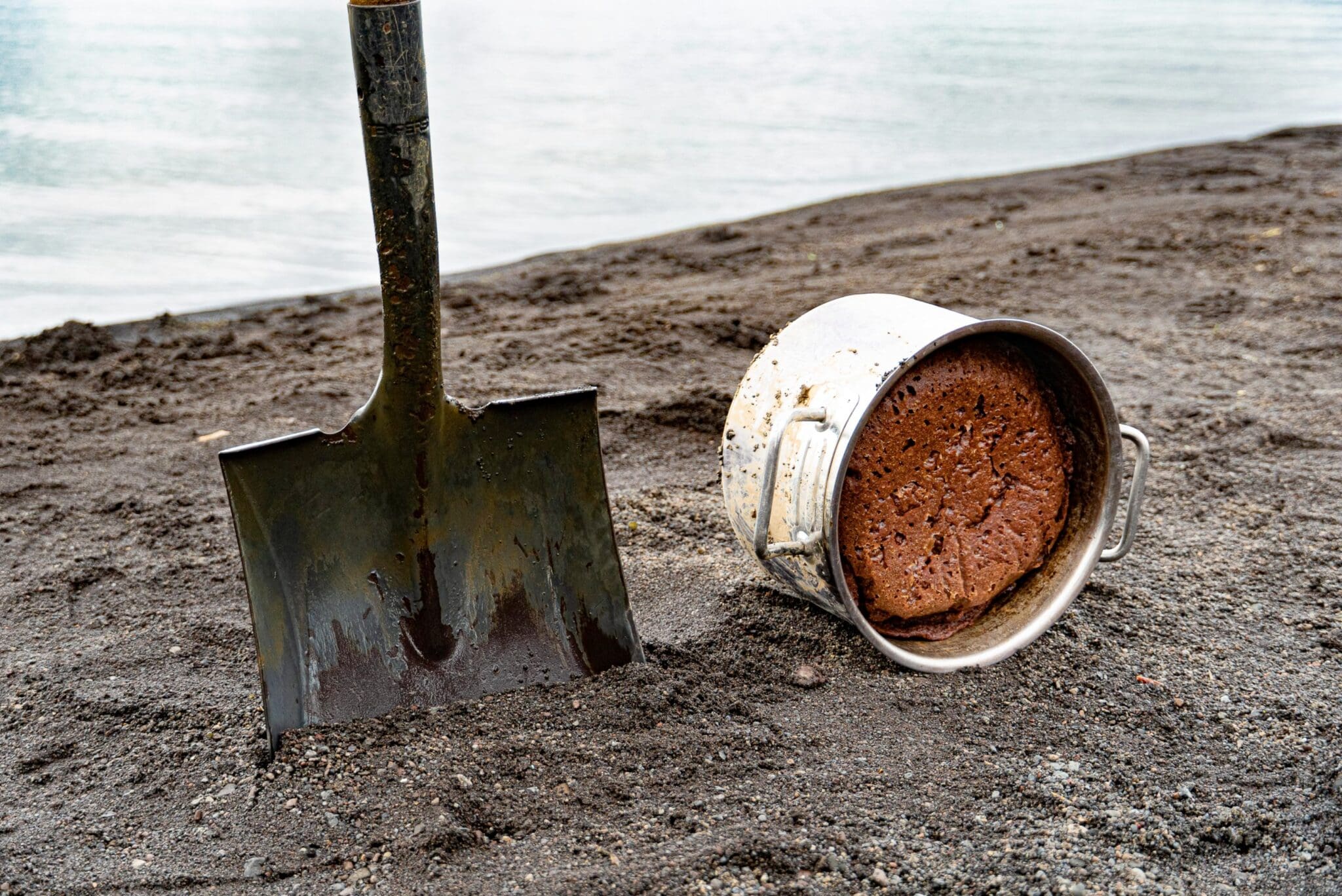
Guests can take a short walk to the nearby beach and witness the fascinating process of digging up rye bread. They are then invited to participate in a unique geothermal bakery experience, where bread is slow-cooked in the ground for 24 hours, resulting in delicious and memorable dark rye bread. After an informative walk and entertaining demonstration, guests can enjoy sampling the freshly baked bread, which pairs perfectly with geothermal bathing.
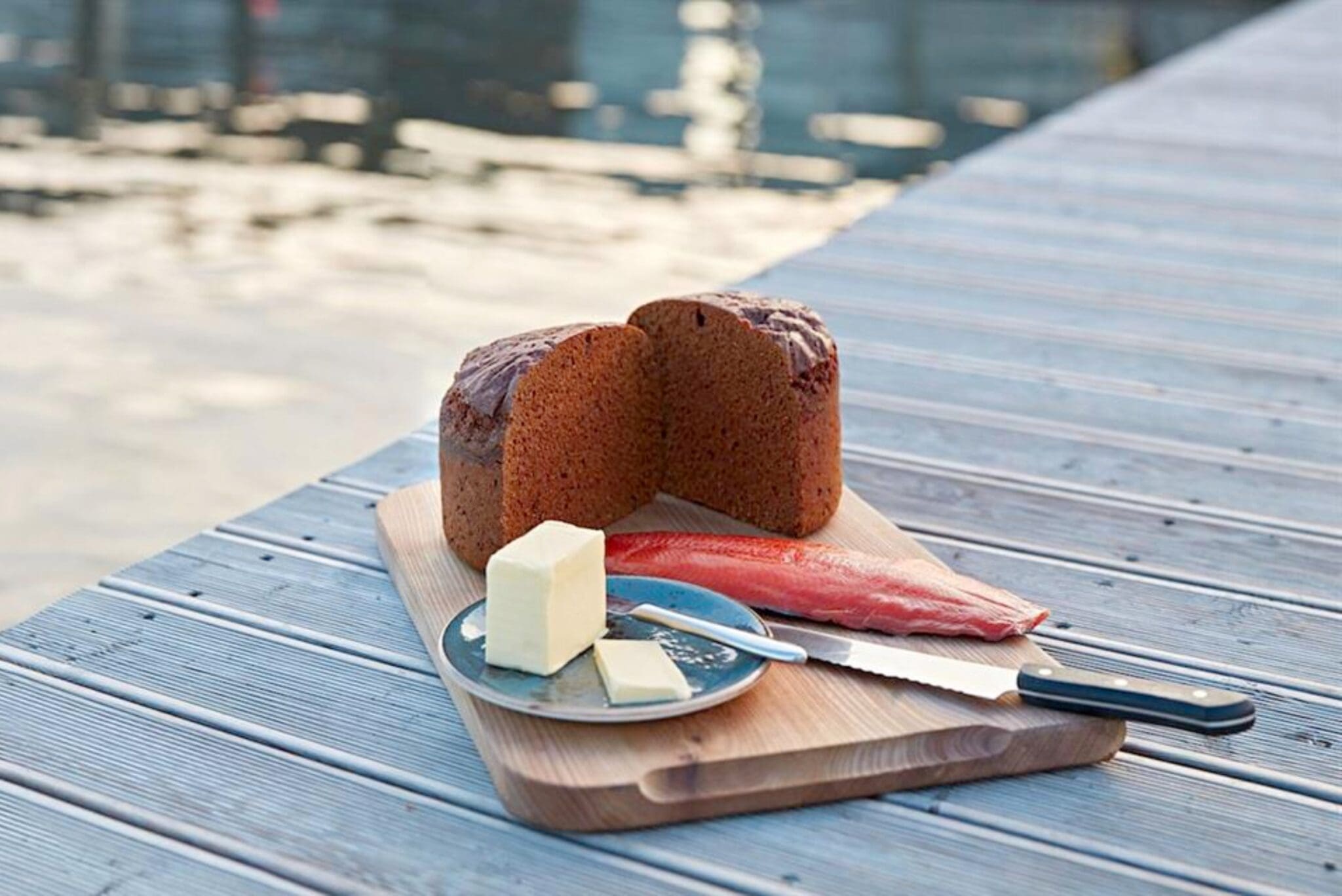
During the tour, guests can witness the bread being dug out from the hot black sand and savor it while it’s still hot from the ground. The bread is served with Icelandic butter. This geothermal energy experience is not to be missed.
The tour lasts between 30-40 minutes and takes place partly outdoors. Guests are advised to dress appropriately for the weather. The activity includes a half-hour demonstration and entertainment during a leisurely walk to the lakeshore, where the bread is baked in the ground. Afterward, guests can indulge in as much bread as they desire and a slice of smoked trout. Please note that the activity is partially outdoors, so suitable attire is recommended.
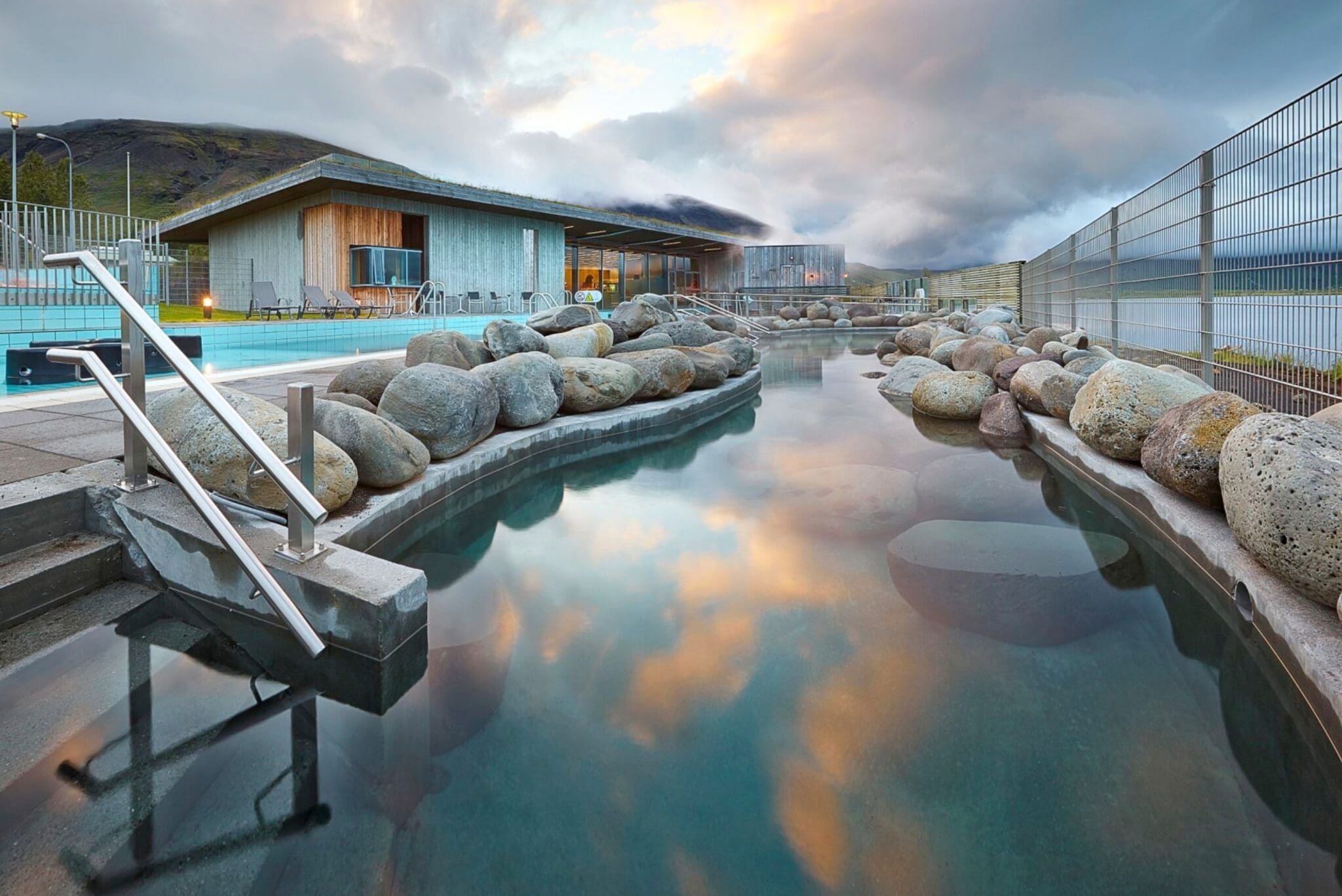
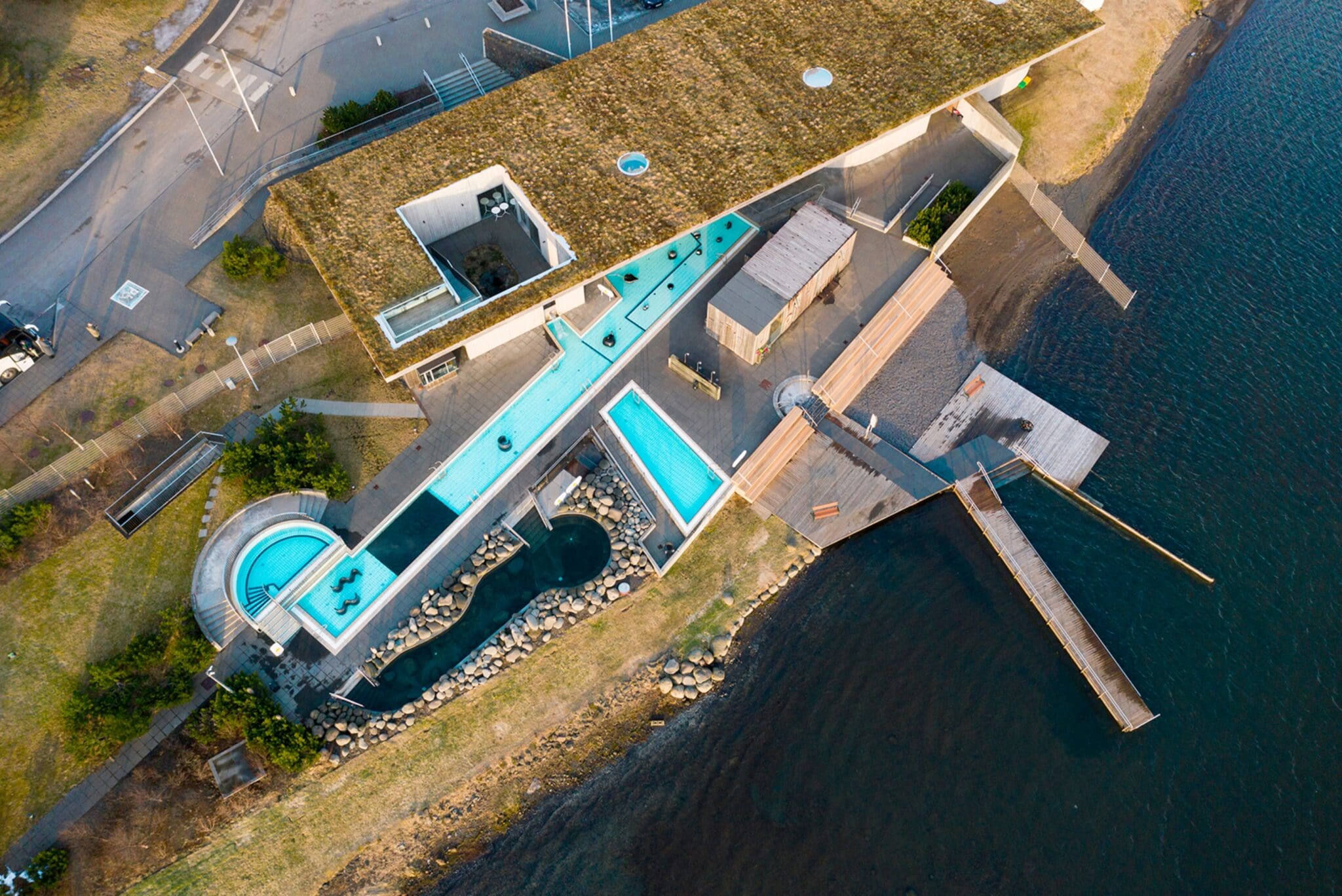
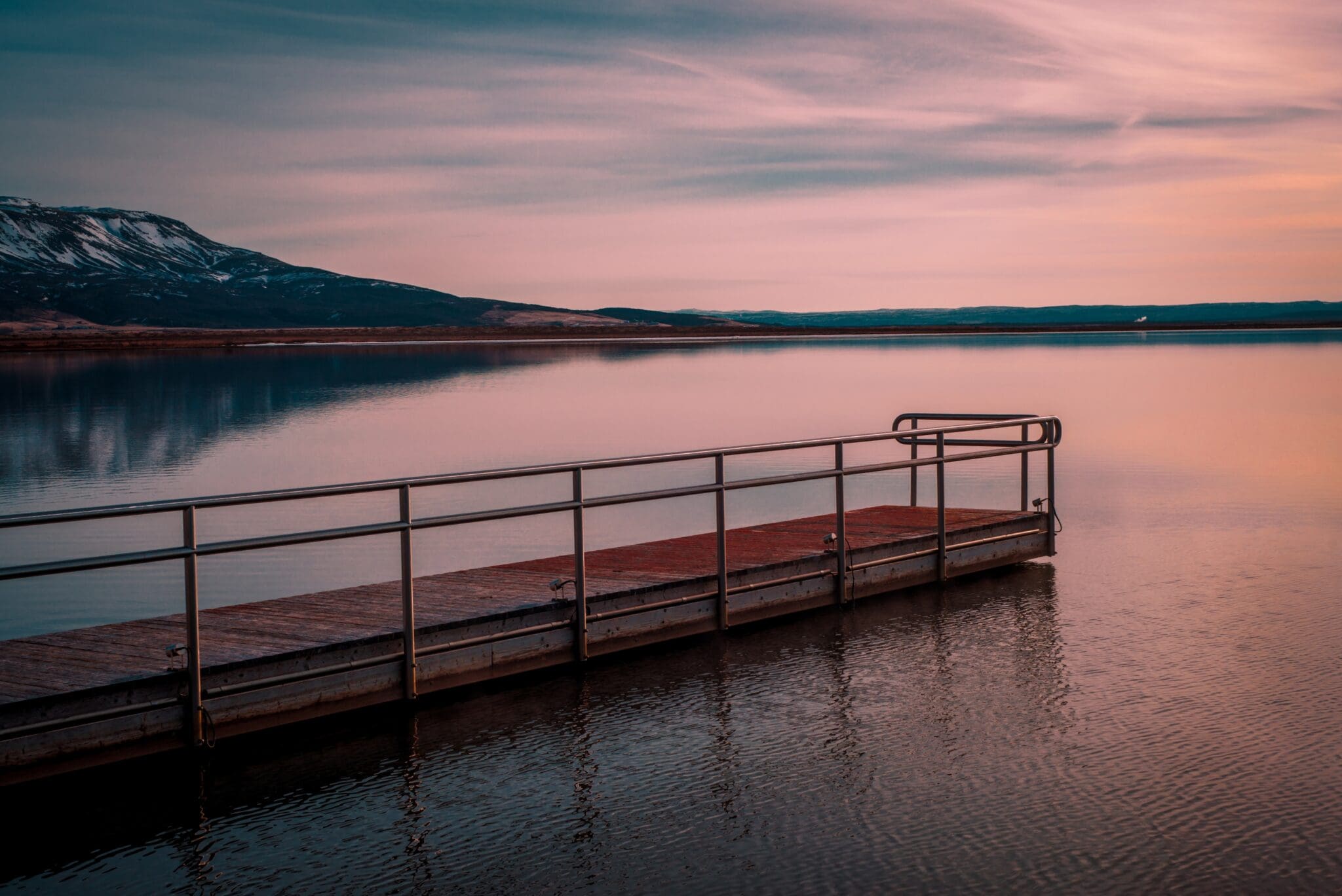
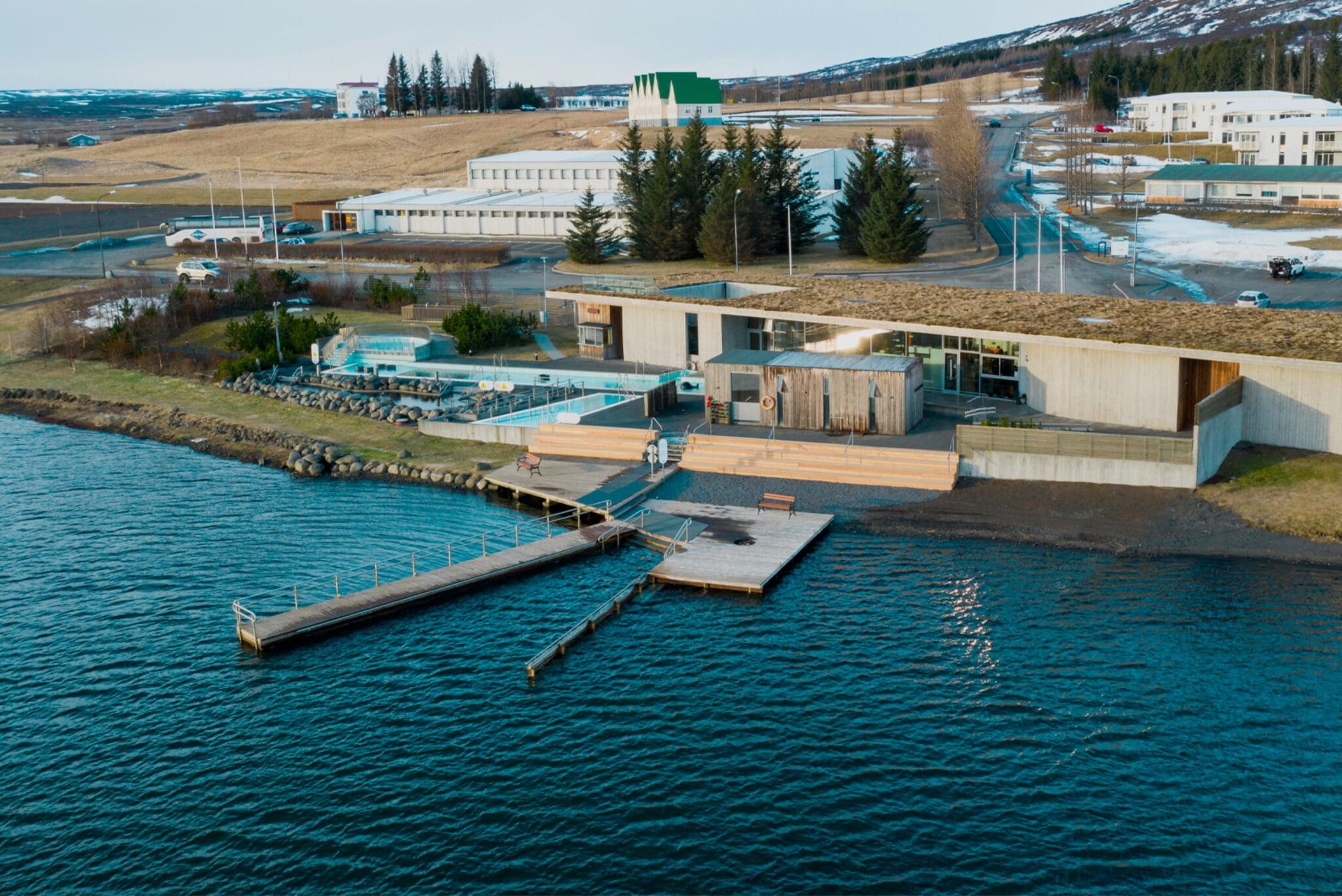
Laugarvatn Fontana Geothermal Baths, located in the heart of Iceland’s Golden Circle tourist route, provides a unique opportunity to experience the therapeutic properties of geothermal springs. Guests can enjoy a natural pool, steam rooms fueled by bubbling hot springs, and a refreshing lake dip.
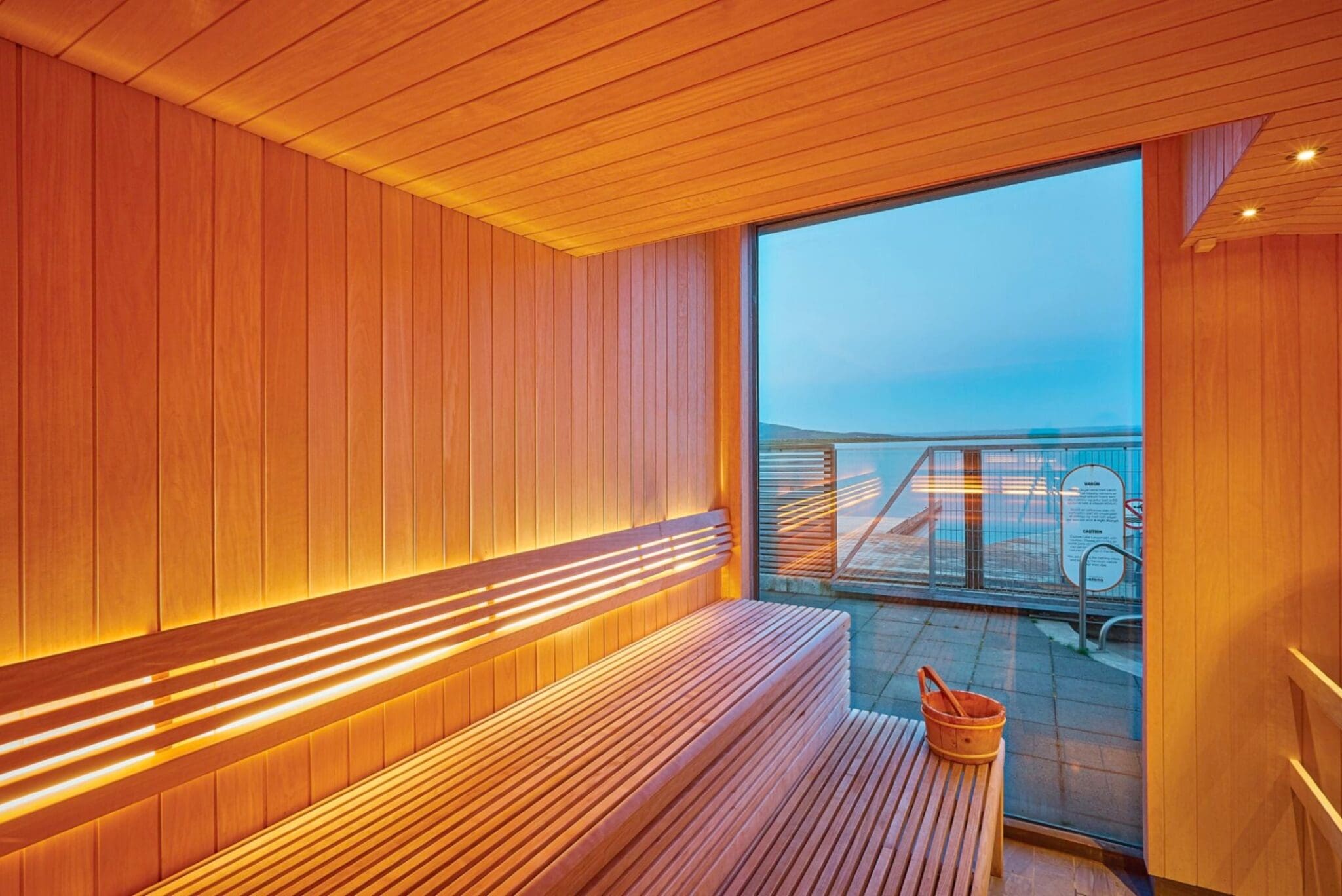
Since 1929, the baths have been a popular destination, harnessing the healing power of steam that emerges directly from the ground through grids in the cabin floors. The steam rooms offer an immersive and natural encounter, with temperatures typically ranging from 40°C (104°F) to 50°C (122°F). The outdoor mineral baths, including Lauga, Sæla, and Viska, offer relaxation and recreation with varying depths, sizes, and temperatures. Viska, the hot tub, provides a panoramic view of the stunning surroundings. Adjacent to the steam room is Ylur, a Finnish-style sauna with lower humidity and a breathtaking lake view. Cold bathing in the lake or on the beach is believed to have numerous health benefits, such as improved blood circulation and relief from muscle soreness.
Laugarvatn Fontana is a must-visit destination along the Golden Circle, where visitors can luxuriate in the mineral-rich healing waters amidst a serene environment. The baths are located on the shores of Lake Laugarvatn, further enhancing the natural charm of the experience. The region has a long-standing tradition of utilizing the geothermal waters for relaxation and rejuvenation. In summary, Laugarvatn Fontana offers a revitalizing experience with its geothermal pools, steam rooms, sauna, and tranquil lake.
Die Geysir Geothermiegebiet heiße Quellen in Haukadalur (e., Falkental) is a high-temperature area with colorful hot springs and mud pools. Its main attraction is Strokkur (e., Churner), the only currently spouting hot spring in this area, which makes this the only place in Europe with a spouting hot spring. Every 5-8 minutes, Strokkur spouts scald geothermal water up to 30 meters into the air, so try staying upwind to avoid the hot water and steam blowing over you when it spouts.
Geysir (e., Spouter) is Iceland’s most renowned geological phenomenon, giving its collective name, Geysir, to all other hot springs worldwide. It is currently dormant and has yet to spout since 2016. Still, earthquakes in the area and volcanic activity in our country may cause Geysir to awaken someday, and the other hot springs in this geothermal area show changes in behavior.
Weitere heiße Quellen in dieser Gegend sind zu nennen Blesi (e., Feuer) eine blaue heiße Quelle aufgrund des Kontakts gelöster Kieselsäure mit der Atmosphäre und Konungshver (e., Die heiße Quelle des Königs), die größte und attraktivste heiße Quelle der Gegend Konungshvers Name erinnerte an den Besuch von König Christian IX. im Jahr 1874, als die Isländer noch unter der Herrschaft des Königreichs Dänemark standen.
Eine kurze und einfache Wanderung hinauf zu einer Aussichtsplattform auf Laugarfell (e., Heißer Quellhügel) gives you a view over the geothermal area of these hot springs.
Gullfoss (e., Goldene Fälle) is a magnificent waterfall believed to have gotten its name from the golden hue shining in its glacial water. Located in a narrow gorge of basalt lava columns, Gullfoss is located in the third-longest river in Iceland, Hvítá (e., Weißer Fluss), ein weißer Gletscherfluss, der von seiner Quelle fließt Hvítárvatn (e. White River Lake), gespeist durch Gletscherwasser des zweitgrößten Gletschers Islands, Langjökull (e. Long-gletscher). Gullfoss consists of two cascades, forming a tiered three-step “staircase,” with white glacial water plunging 32m down into the 2.5km wide basalt gorge Gullfossgljúfur (e., Golden Falls Schlucht).
Next to Gullfoss is a walking trail that goes up to the 21-meter lower cascade and the 11-meter upper cascade. On sunny days, a rainbow forms from spraying water by Gullfoss, and sometimes even spectacular double rainbows. SigríMPur Tómasdóttir (b. 1871) was the daughter of the farmer Tómas Tómasson, (der auf dem Bauernhof lebte Brattholt. Gullfoss belonged to her father’s land, but at the beginning of the 20th century, Tómas was tricked into renting Gullfoss to foreign investors who planned to harness its power by building a hydroelectric powerplant to generate electricity. Sigríður loved Gullfoss more than anything else, and so she took the investors to court to annul their contract and protested their plans of harnessing Gullfoss by threatening to throw herself down this waterfall if it would come to be exploited and destroyed. Sigríður went barefoot on a 120 km protest march from Gullfoss to Reykjavik to draw attention to her protests. After her rally on unpaved mountain roads, Sigríður was bleeding from her soles and in terrible shape. She was 86 when she died in 1957, having lived all her life on the Brattholt farm. She is widely seen as Iceland’s first environmentalist and activist and one of the first guides for those visiting Gullfoss. Thanks to Sigríður, Gullfoss was saved, and today, Gullfoss is owned by the state of Iceland for preservation, becoming a permanent nature reserve in 1979. Gullfoss is among the most visited attractions in Iceland, giving its name to the Golden Circle. A memorial sculpture in honor of Sigríður is situated by the walking path leading up to Gullfoss.
254.900 ISK
284.900 ISK
254.900 ISK
223.978 ISK
280.300 ISK
174.900 ISK
112.890 ISK
18.990 ISK
282.800 ISK
72.700 ISK
Reisetipps, neue Guides und ein Heads-up, wenn die Polarlichter-Prognose gut aussieht Kein Spam.