Private Silver Circle & Canyon Baths
254.900 ISK
10 Stunden

Sehr einfach
25.300 ISK
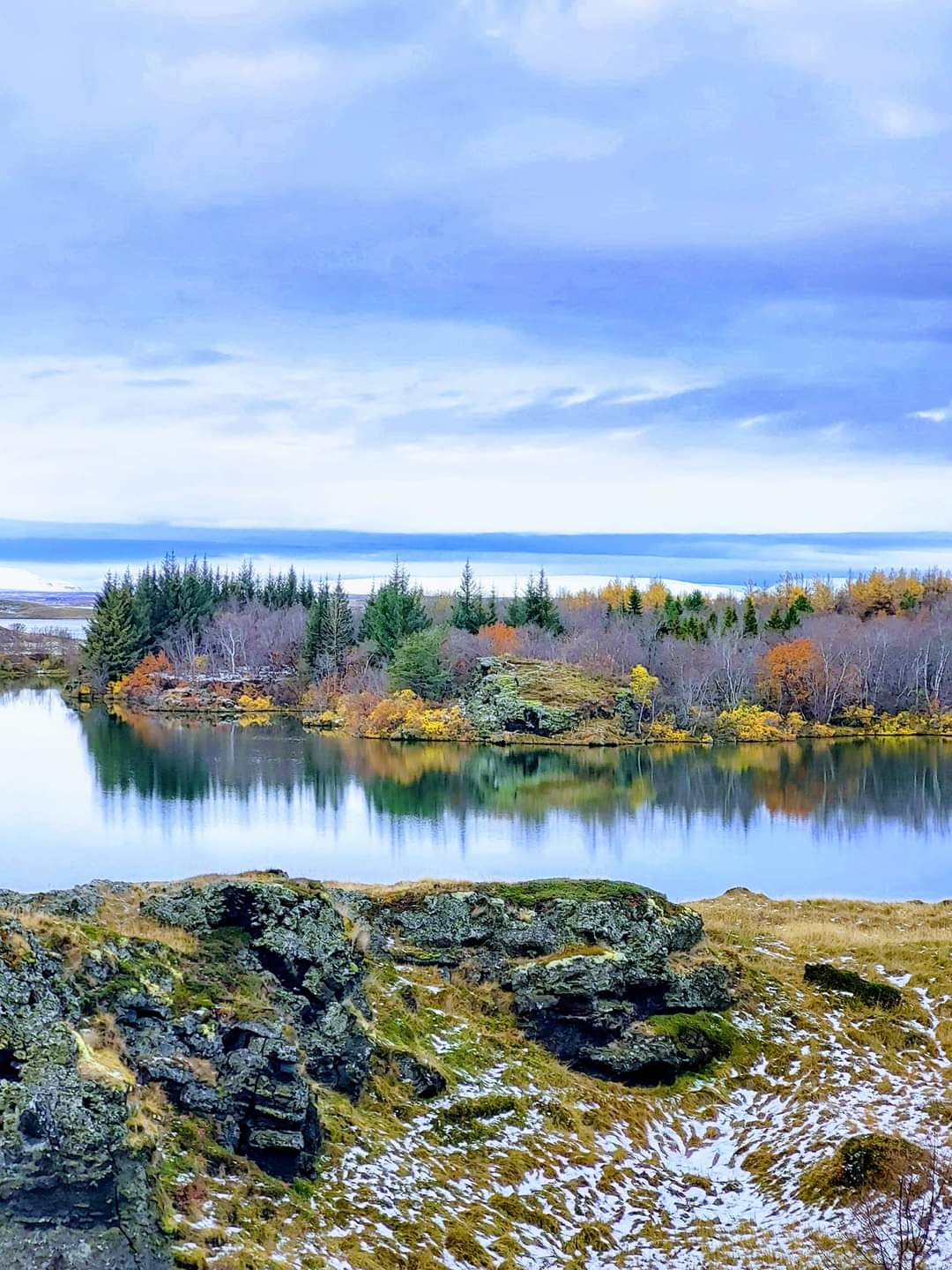
Der Mauersee und die Umgebung sind ein Muss bei der Erkundung des Nordens!
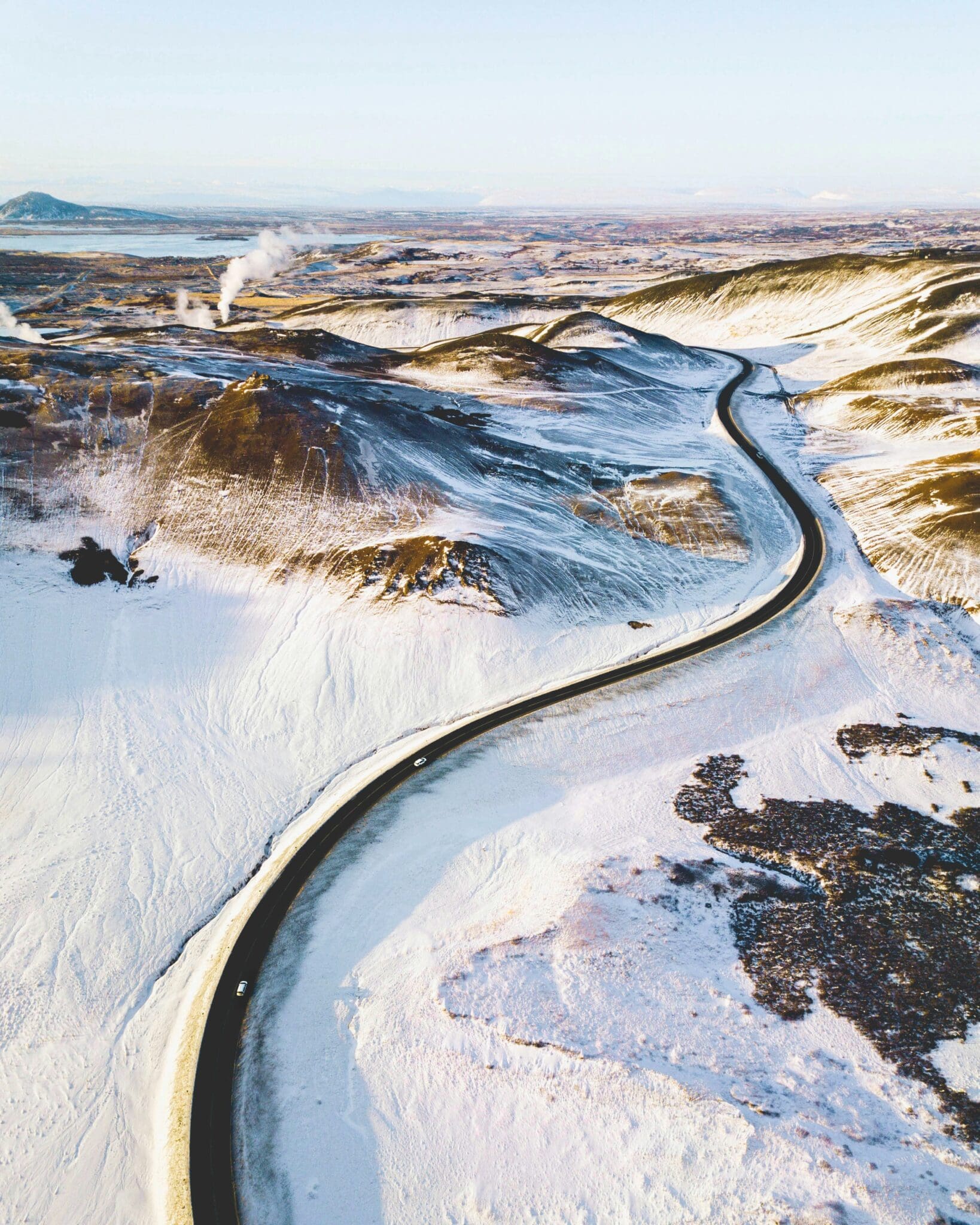
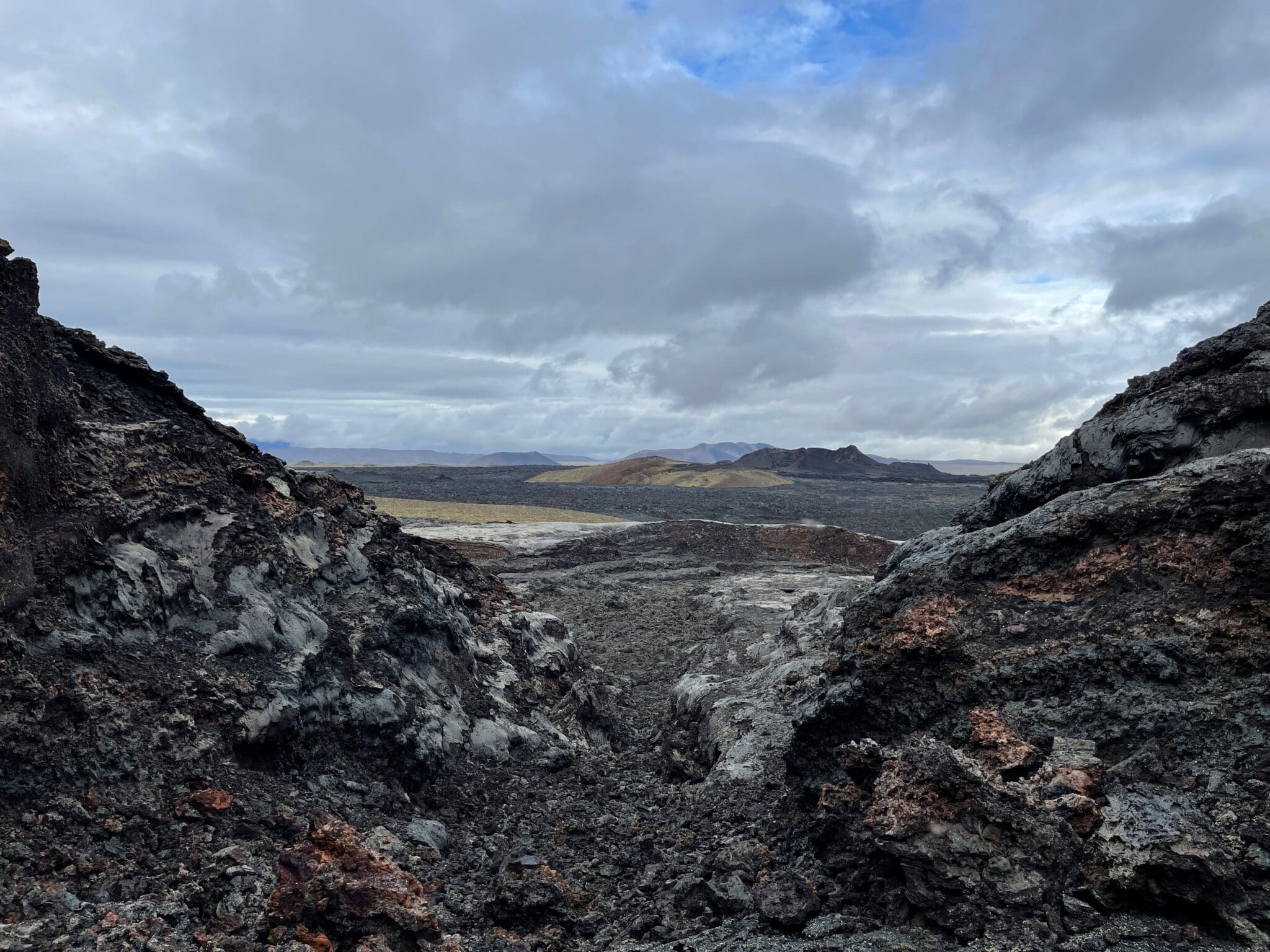
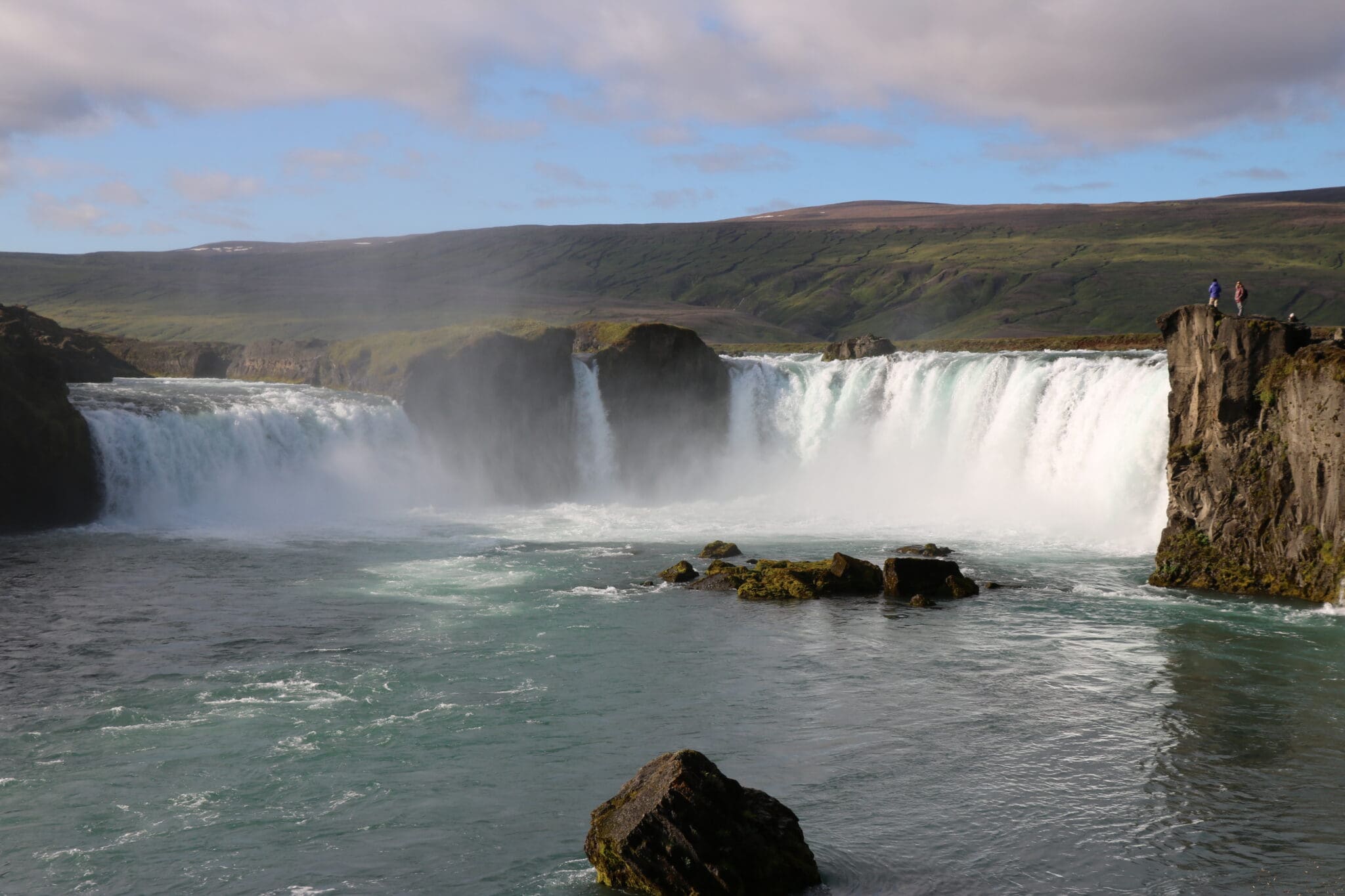
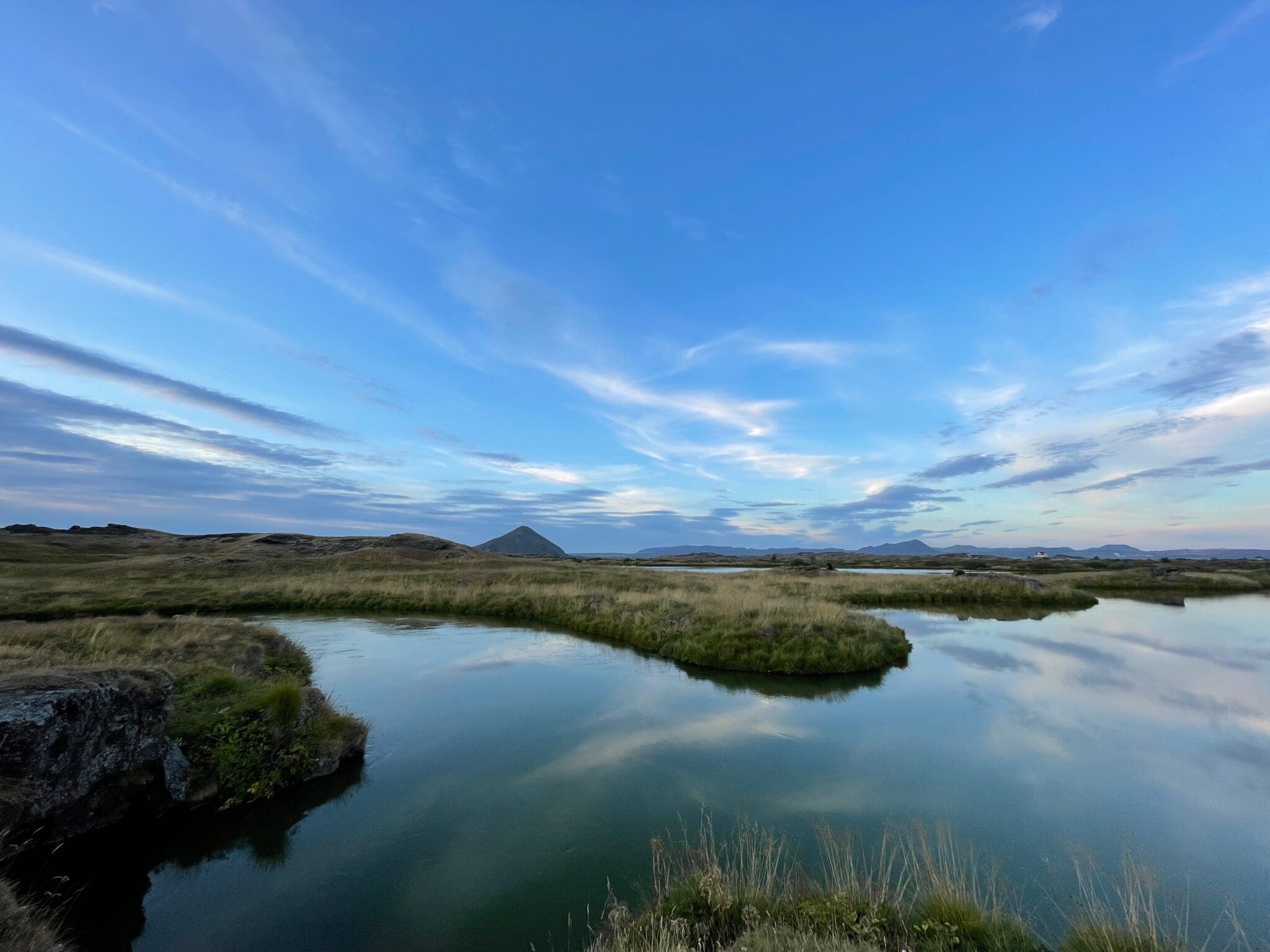
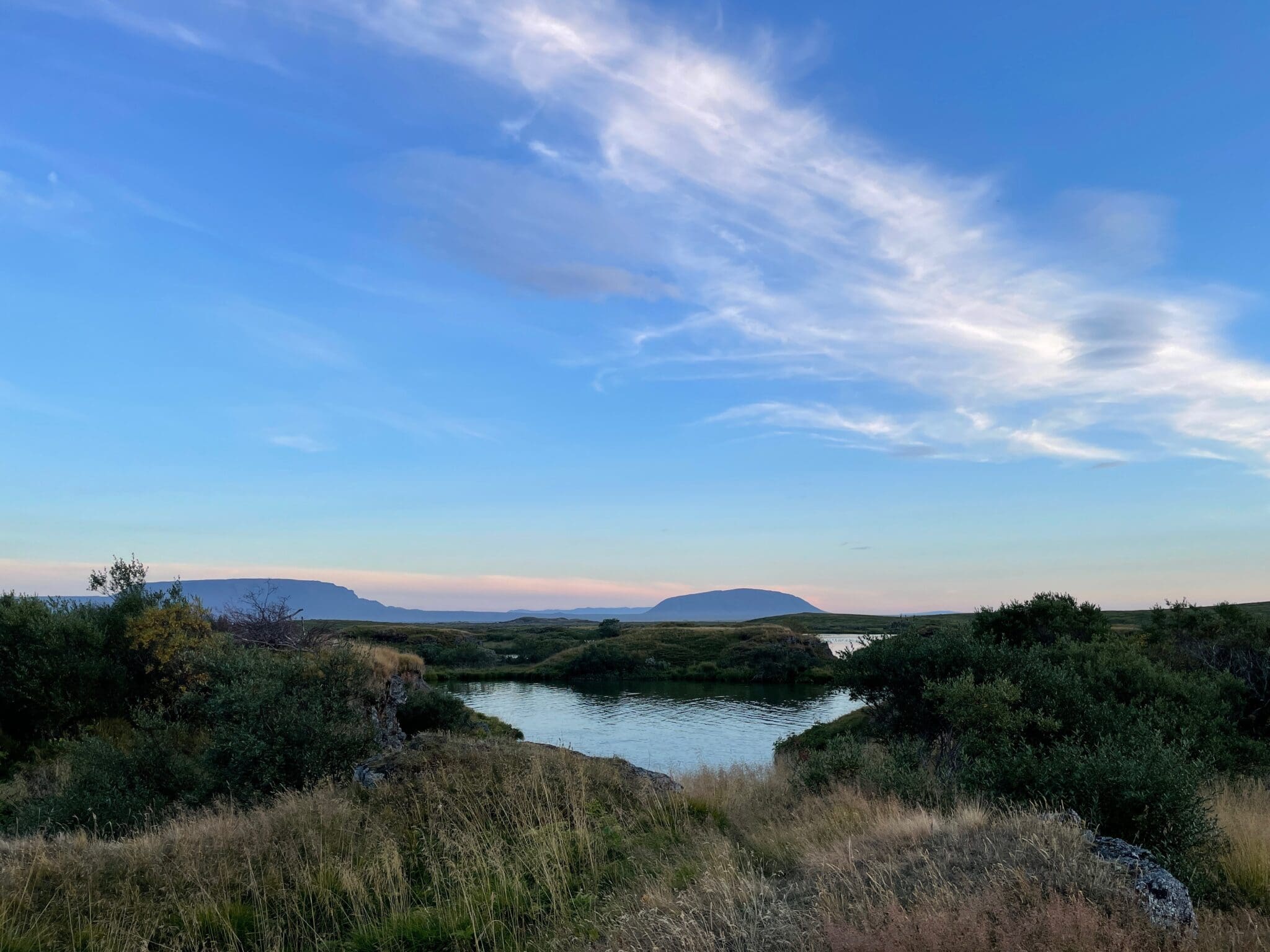
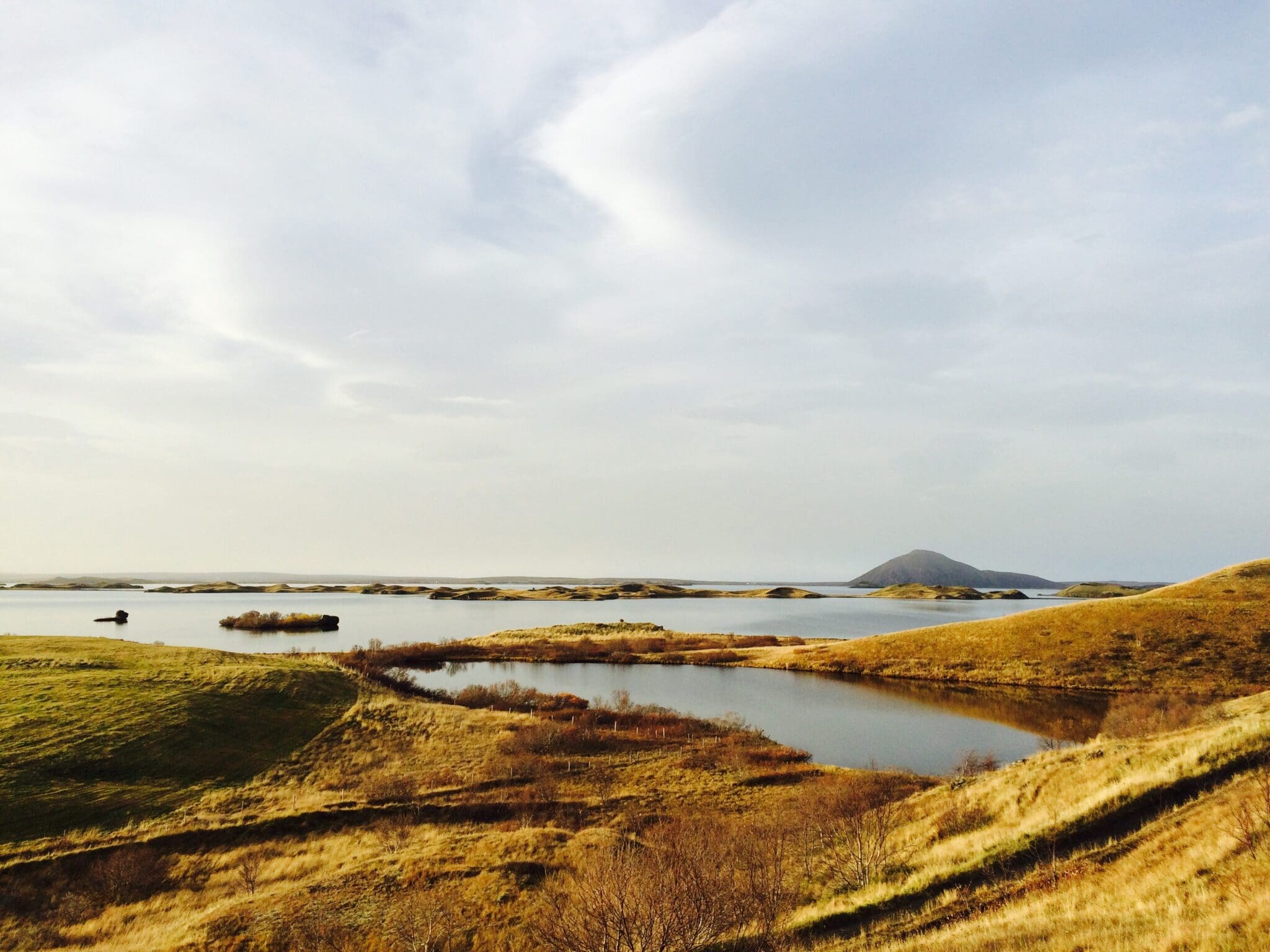
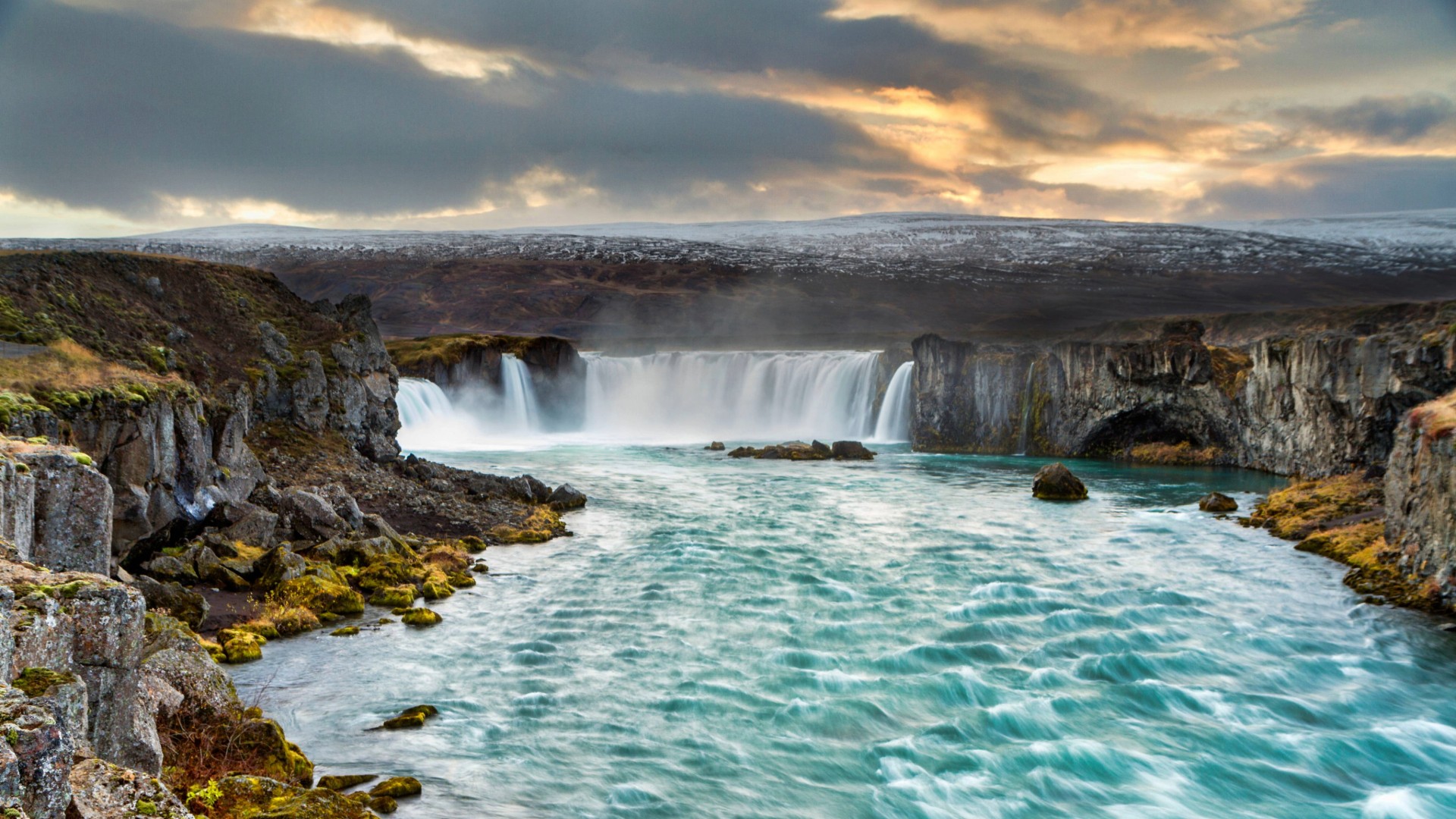
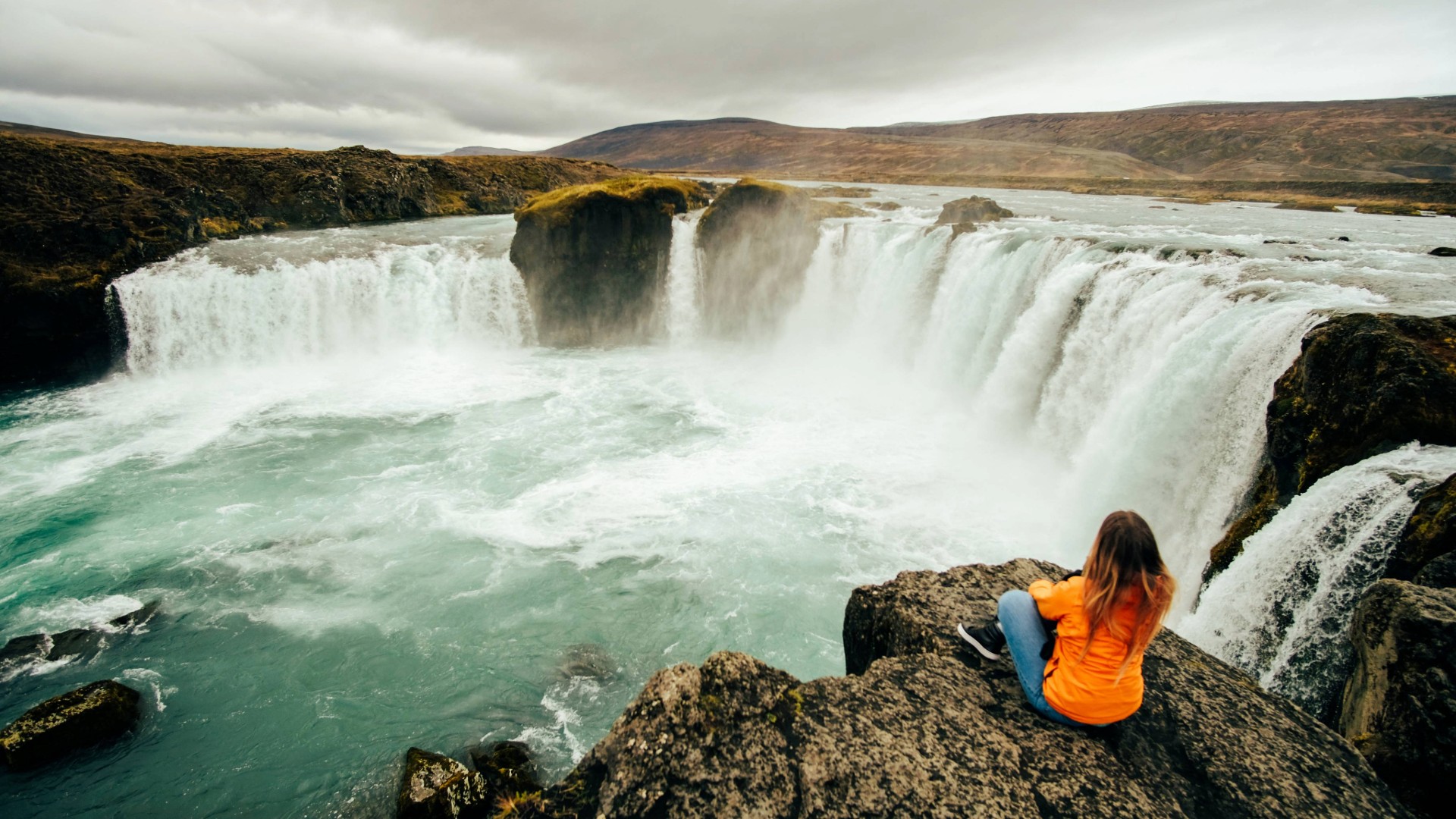
Zunächst fahren wir entlang der Küste von Eyjafjörapur, einer der längsten Fjorde Islands Wir beginnen mit einem Zwischenstopp bei GoPGafoss Wasserfall, einer der spektakulärsten Wasserfälle Islands, auf unserem Weg zum Mauurnsee, der See entstand vor 2300 Jahren durch einen großen basaltischen Lavagebruch, und die umliegende Landschaft wird von vulkanischen Landformen dominiert, darunter Lavasäulen und wurzellose Quellen.
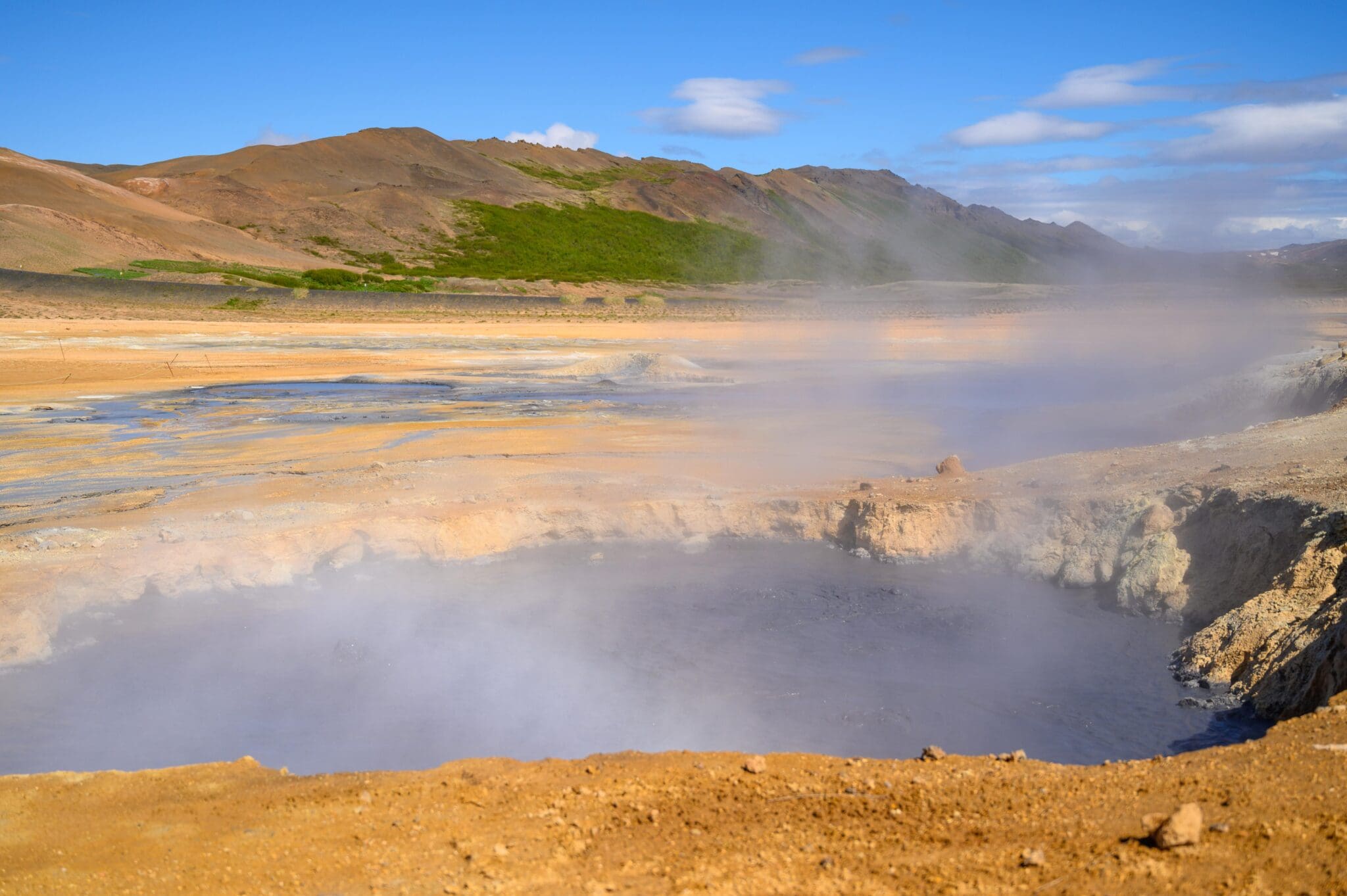
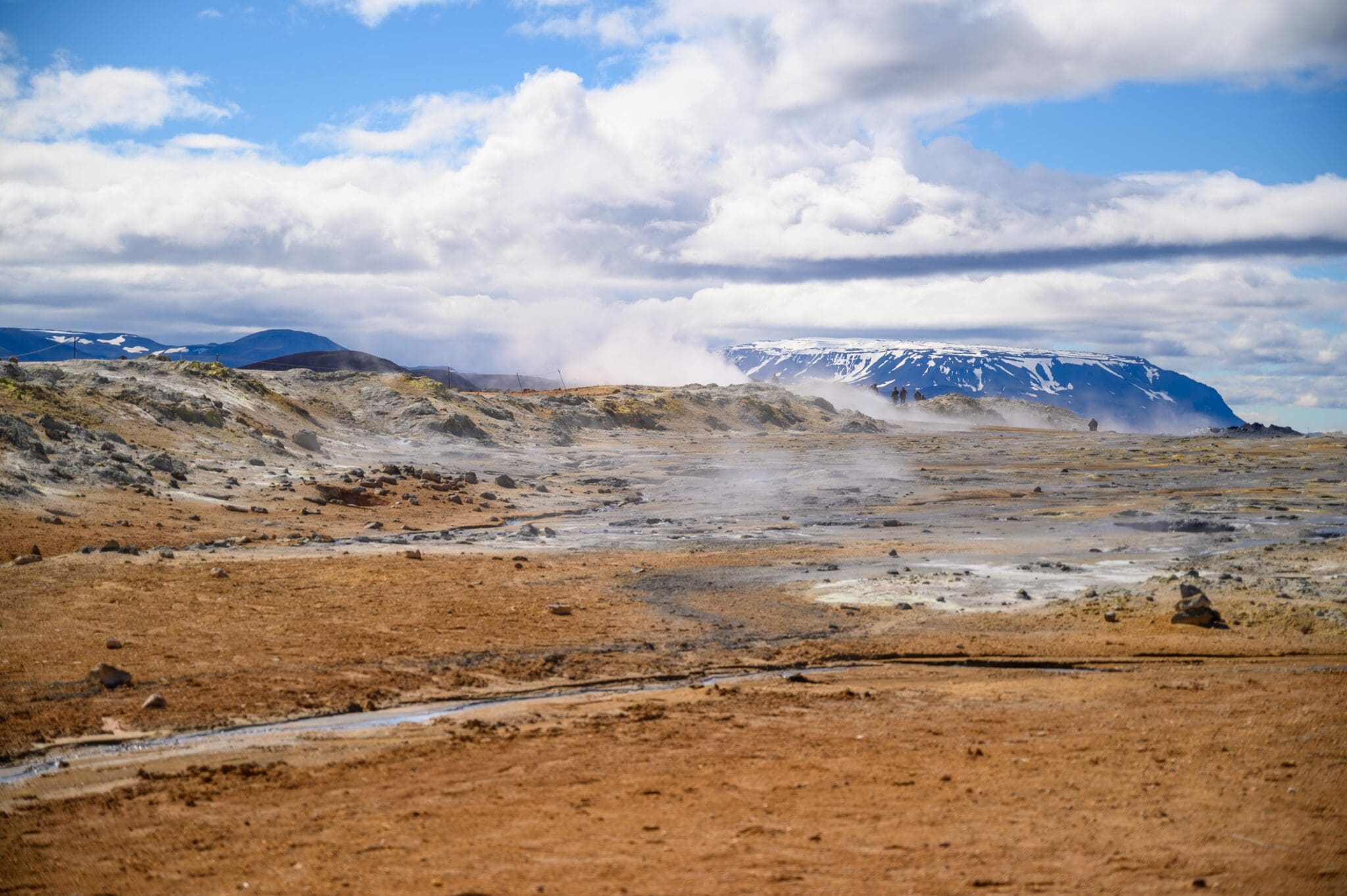
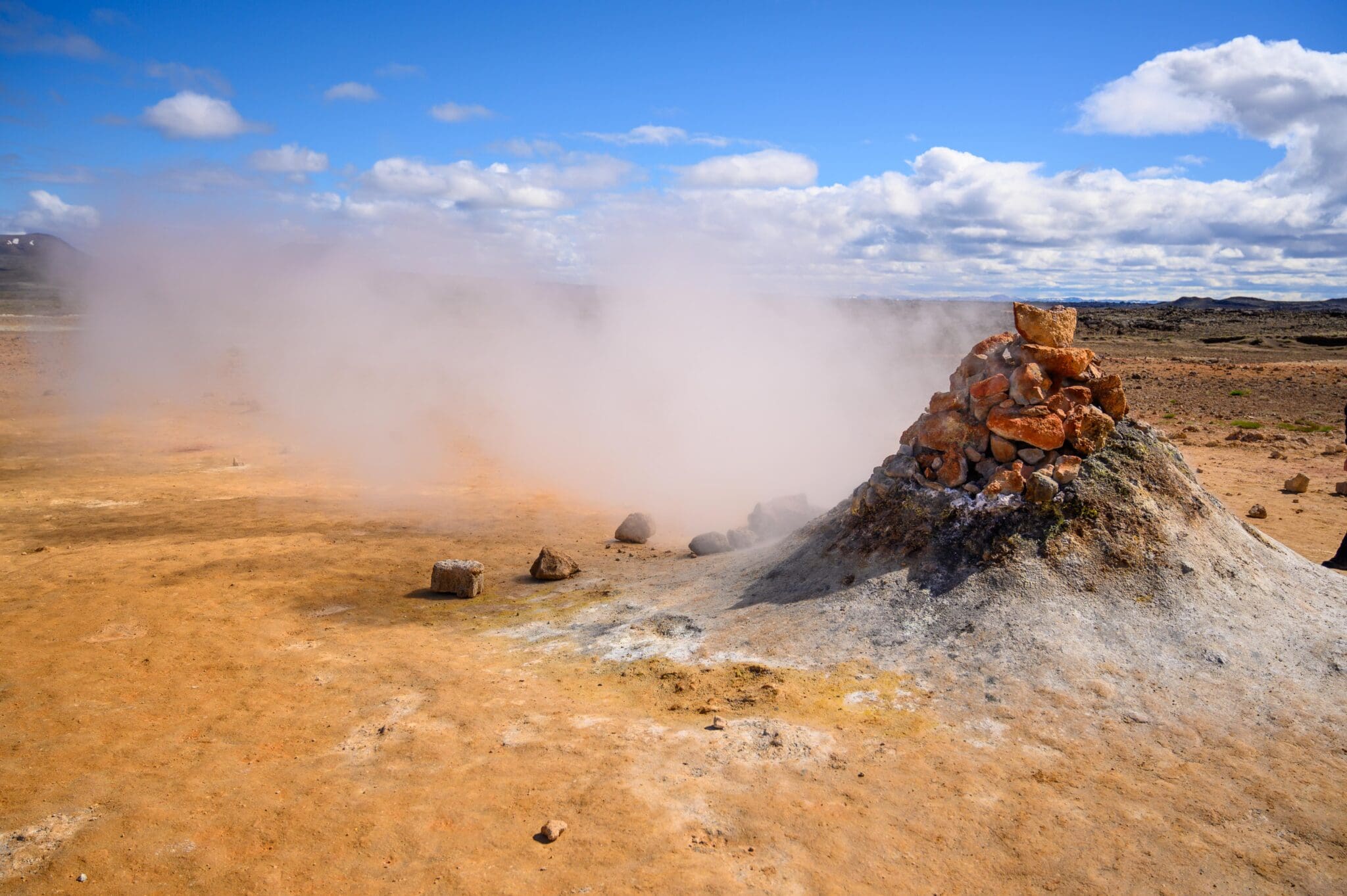
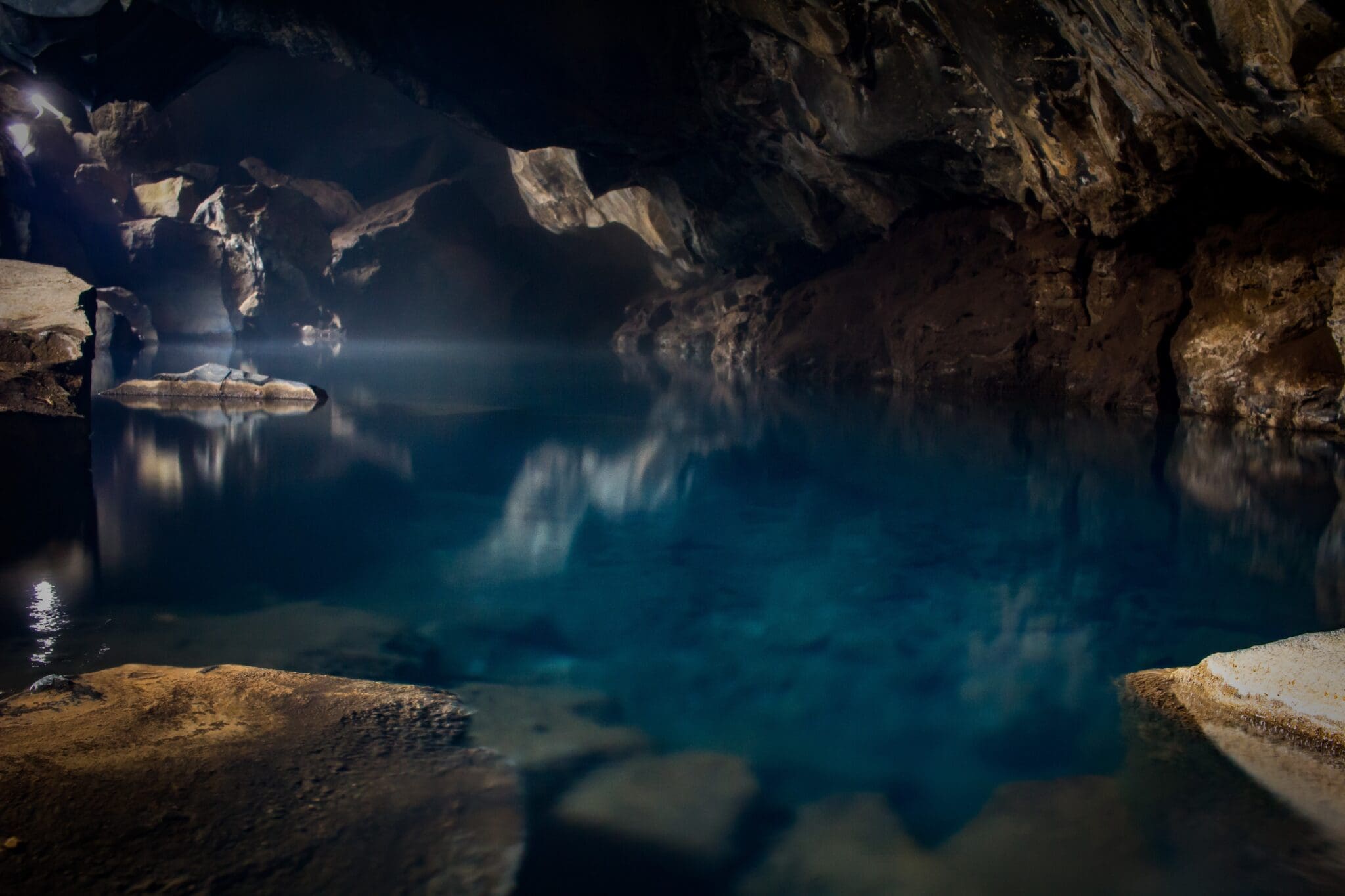
Wir werfen einen Blick auf Grjótagjá Höhle und einen Stopp im Thermalquellenbereich bei Hverarönd in Námaskar1.
Auf dem Rückweg kommen wir zu den einzigartigen Lavaformationen von Dimmuborgir Die zu den beliebtesten Touristenattraktionen im Gebiet des Mauersees gehören, machen wir auch Halt SkútustaIPPir (Pseudokraterbereich).
Unser letzter Stopp ist in EyjafjörPMapur wo man über den Fjord nach Akureyri sehen und ein tolles Foto machen kann.
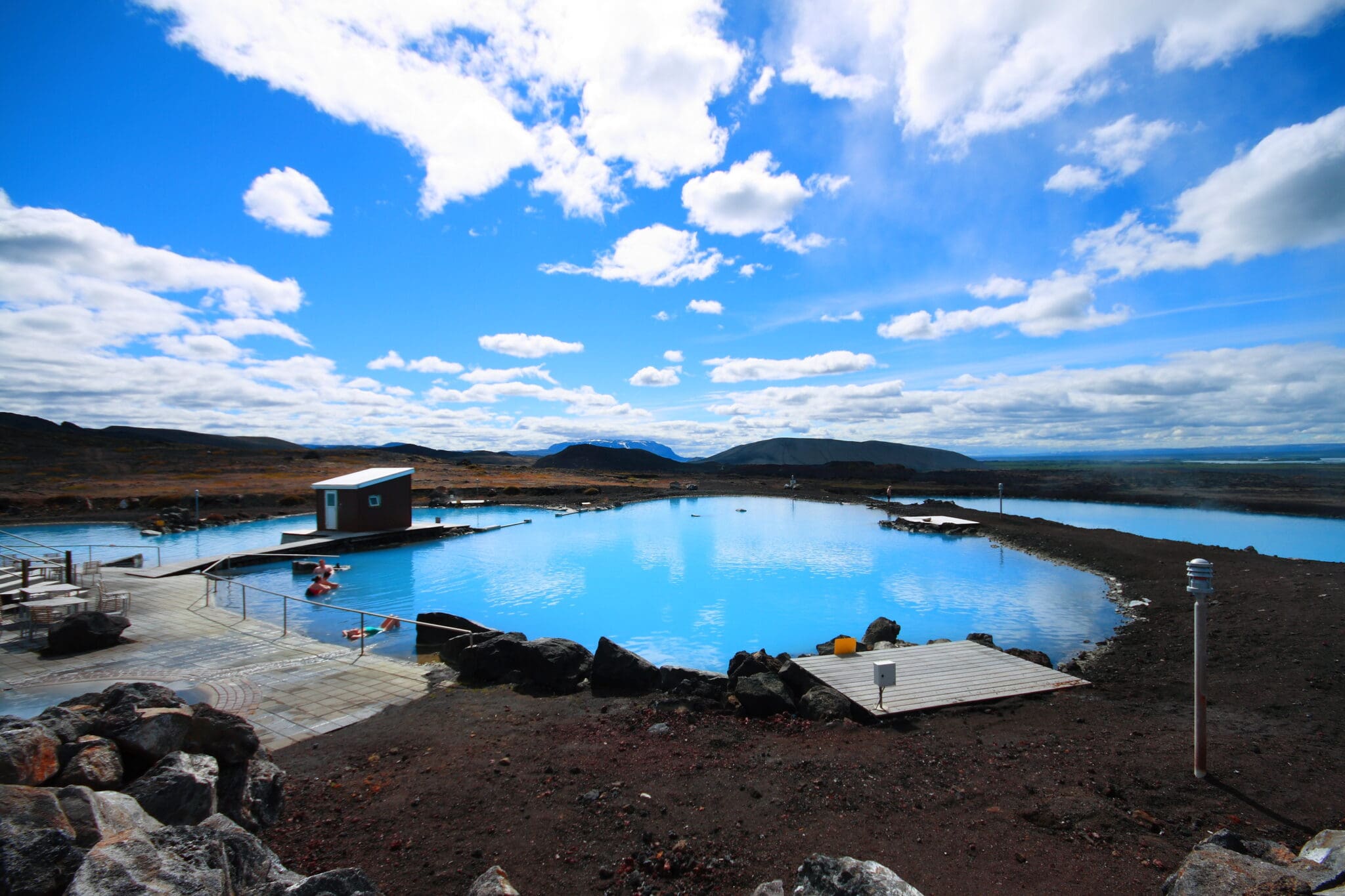
We are visiting Forest Lagoon until the Earth Lagoon will be reopened again.
Diese Tour beinhaltet einen komfortablen Transport in einem Kleinbus, einen kostenlosen Abholservice und einen englischsprachigen Reiseführer, um Ihr Erlebnis zu verbessern.
Denken Sie daran, Ihren Handtuch-Badeanzug mitzubringen. Wenn Sie es vergessen, haben Sie bei uns keine Sorge und haben auch die Möglichkeit, ihn vor Ort zu mieten.
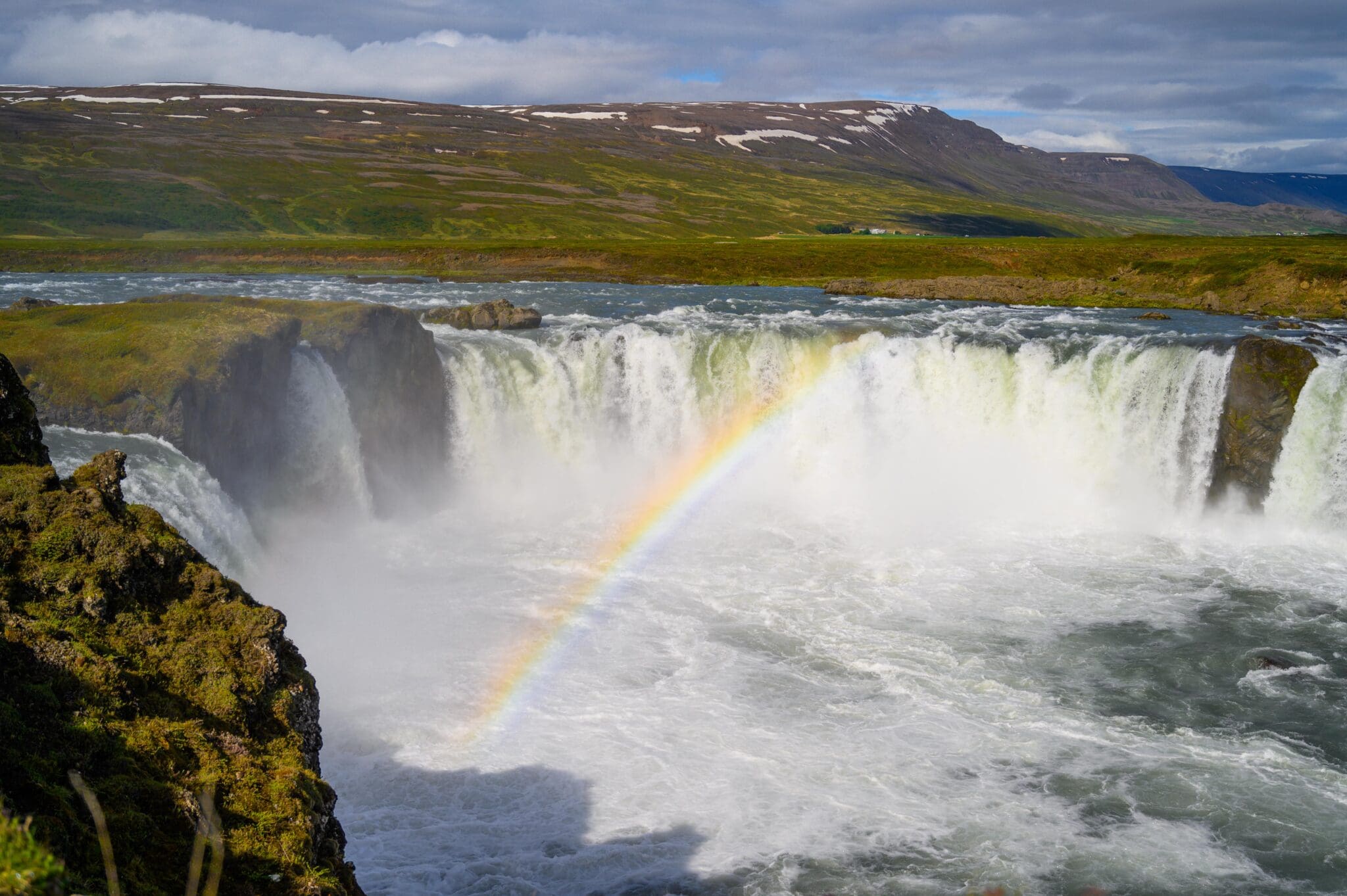
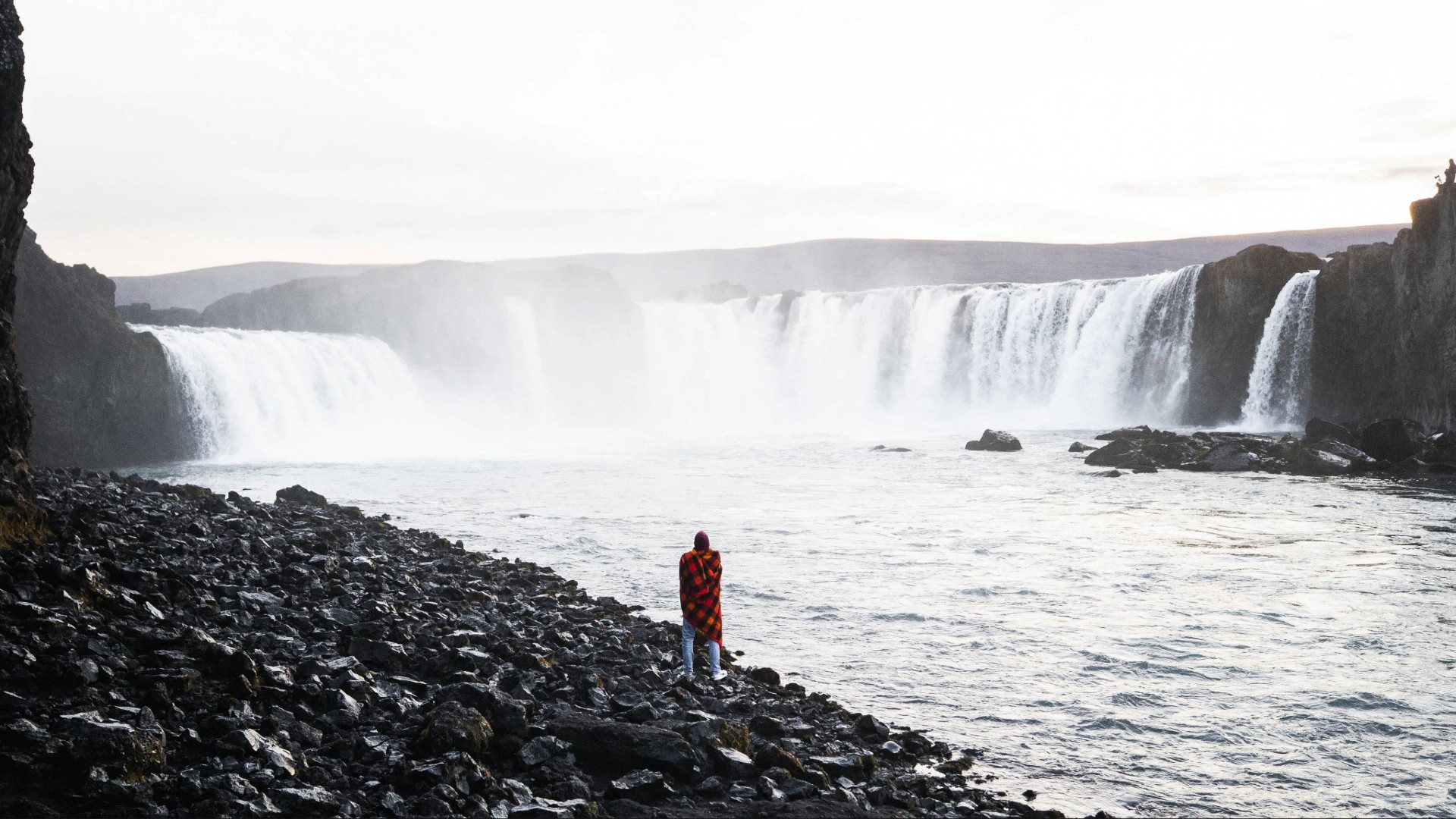
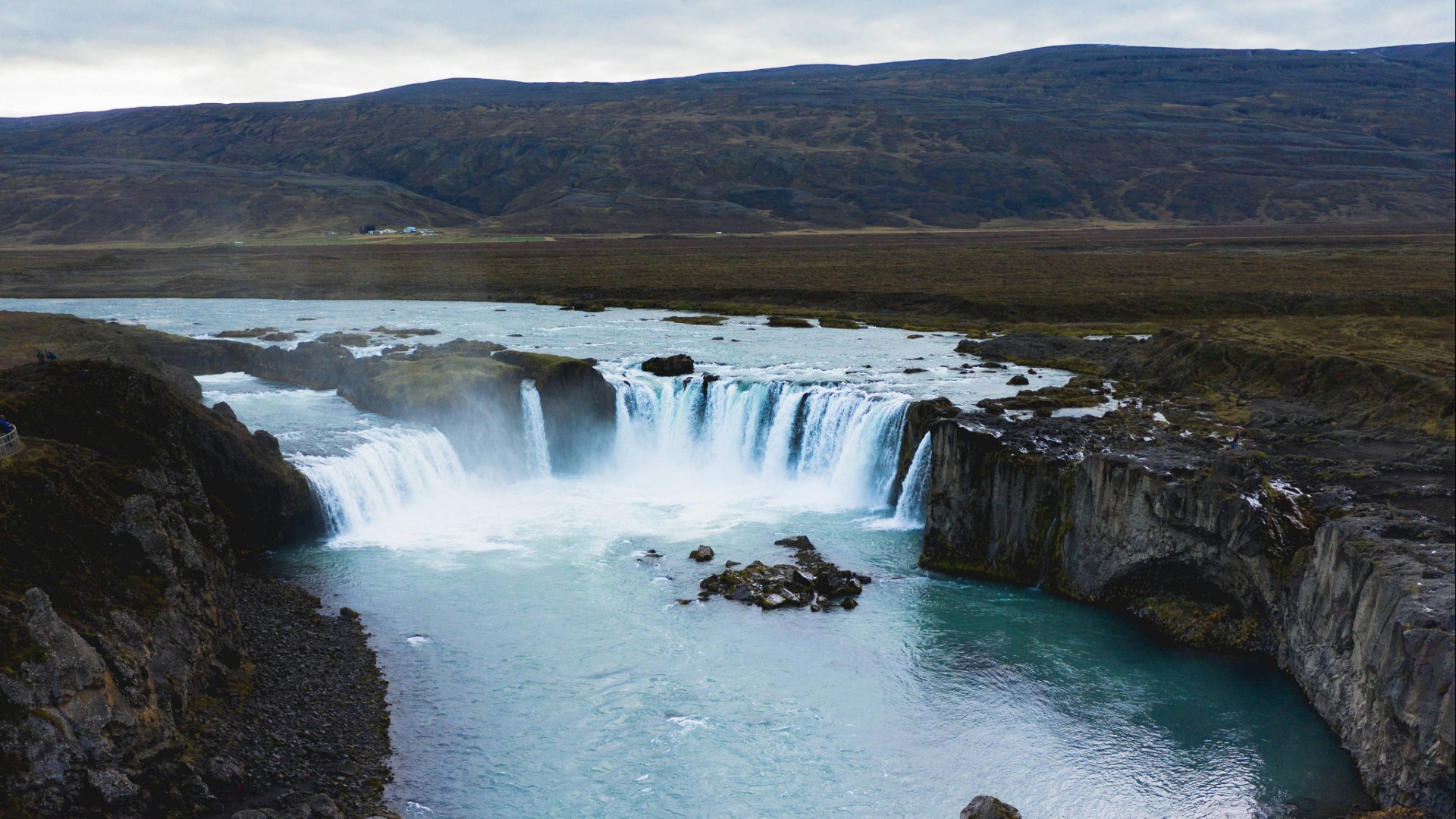
Der Go1afoss-Wasserfall ist einer der schönsten Wasserfälle Islands, aufgrund seiner Geschichte auch Wasserfall der Götter genannt Im Jahr 1000 machte 1000 orgeir LjósvetningagoSPii das Christentum zur offiziellen Religion Islands und warf seine Götterstatuen in den Wasserfall.
Das Wasser fällt aus 12 Metern Höhe auf einer Breite von 30 Metern.
Pseudokrater sind sowohl national als auch global seltene geologische Formationen Pseudokrater sind seltene Lavaformationen, die durch Dampfexplosionen entstehen, wo dünnfließende Lava über Seen und Sümpfe fließt, die Krater gehören zu den bedeutendsten Naturdenkmälern Islands und am Maucatnsee sind sie besonders schön in der Form und bilden das Gerüst des Sees.
Dimmuborgir entstand bei einem Ausbruch
In der Gegend vor 2.300 Jahren.
Als Lava über das Gebiet floss, lief sie über einen See, wodurch dieser kochte, Dies beschleunigte sowohl die Abkühlung der Lava als auch ließ Dampfsäulen Teile davon zersplittern, nachdem sie erstarrt war, wurde das Gebiet von Dimmuborgir durch große Gesteinsschüttungen und viele Höhlen und Höhlen definiert, die durch Blasen intensiven Dampfes verursacht wurden.
Daher haben viele Dimmuborgir mit einer mittelalterlichen Burg mit ihren vielen versteckten Kammern und ihren steigenden Türmen verglichen.
Grjótagjá ist eine kleine Lavahöhle in der Nähe des Mauvatn-Sees in Island. Im Inneren befindet sich eine Thermalquelle. Im frühen 18. Jahrhundert lebte dort der Gesetzlose Jón Markússon und nutzte die Höhle zum Baden. Bis in die 1970er Jahre war Grjótagjá ein beliebter Badeort.
Das Geothermiegebiet Hverir liegt im Nordosten Islands.
Man sieht viele rauchende Fumarolen und kochende Schlammtöpfe, umgeben von Schwefelkristallen in vielen verschiedenen Farben. Schwefel verleiht der Gegend einen überwältigenden Geruch.
Wenn kein Abholplatz ausgewählt wurde, holen wir von 8:50-09:00 Uhr im KEA Hotel Hafnarstræti 89 ab
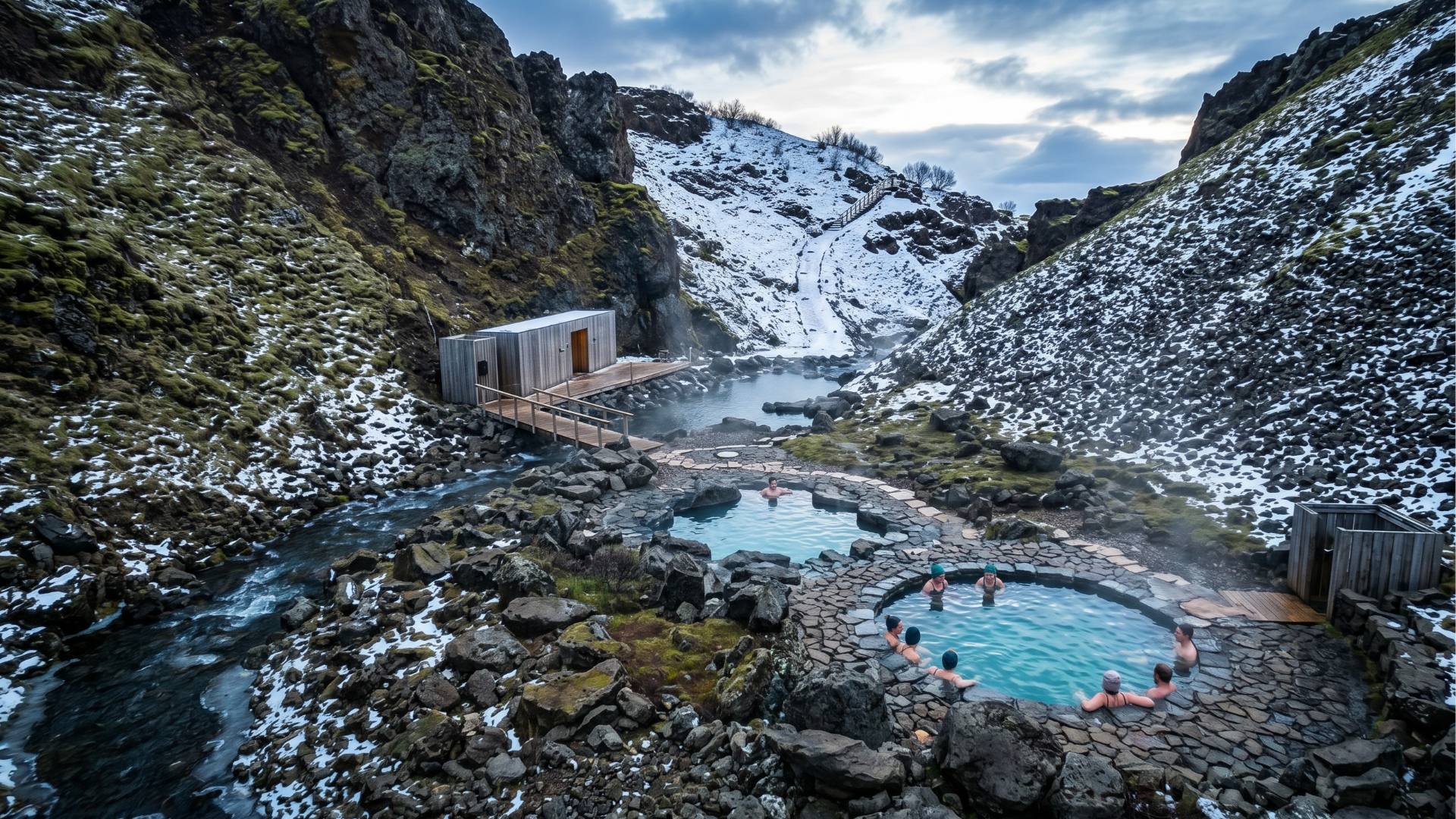
Von Oktober bis April besuchen wir die Erdlagune am Mausersee. Gäste, die nicht baden möchten, können im hoteleigenen Restaurant entspannen und eine Mahlzeit, Kaffee oder Erfrischungen genießen, während die anderen die Lagune genießen.
Während der Sommermonate (Mai-Audine-September) halten wir an der Waldlagune, etwas außerhalb von Akureyri gelegen, da die Lagune in der Nähe der Stadt liegt, werden Gäste, die nicht baden möchten, zurück nach Akureyri transportiert, während der Rest der Gruppe ihre Zeit an der Lagune genießt.
254.900 ISK
284.900 ISK
254.900 ISK
274.990 ISK
200.990 ISK
223.978 ISK
125.990 ISK
103.990 ISK
210.990 ISK
179.990 ISK
Reisetipps, neue Guides und ein Heads-up, wenn die Polarlichter-Prognose gut aussieht Kein Spam.