
Volcano Eruption Site & Blue Lagoon Admission Tour
From ISK 32990

 Deutsch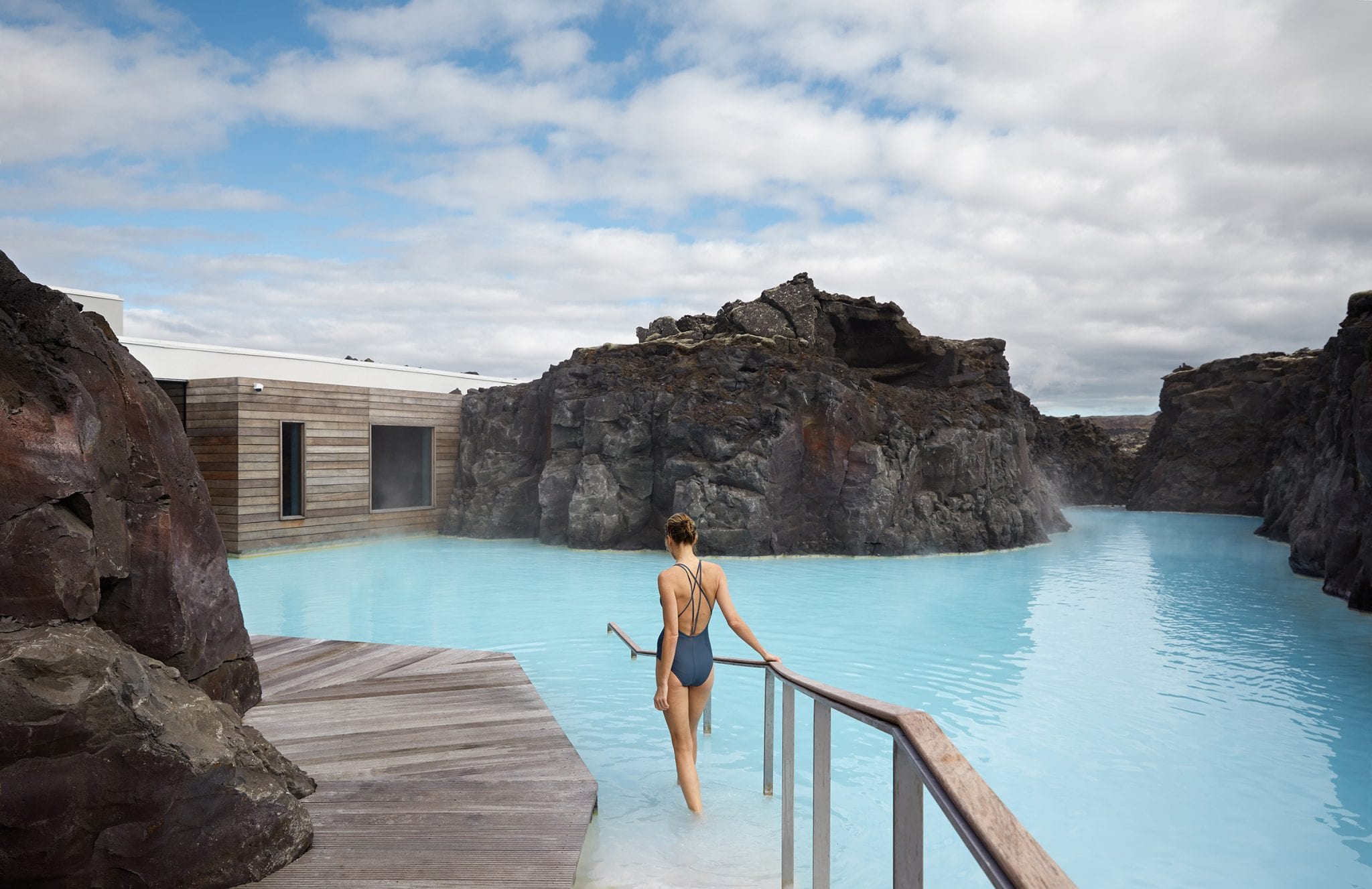
The Blue Lagoon is Iceland’s most famous attraction — a vast, milky-blue geothermal spa set in a black lava field on the Reykjavík Peninsula. Its warm, mineral-rich water, silica mud masks and steamy Nordic atmosphere have made it a bucket-list experience for visitors the world over. But it’s also one of the attractions that most rewards a little planning. This guide covers tickets, timing, what to bring, how to get there and everything else you need to know before you go.
The Blue Lagoon is a geothermal spa fed by mineral-rich seawater heated deep underground. The water stays a comfortable 37–40°C (98–104°F) year-round and gets its distinctive milky-blue colour from silica and algae. The lagoon sits in a dramatic moss-and-lava landscape on the Reykjanes Peninsula, and the experience typically includes floating in the warm water, applying a silica mud mask, and relaxing with a drink from the in-water bar.
Yes — pre-booking is essential. The Blue Lagoon operates on timed-entry tickets and regularly sells out, sometimes days or weeks ahead in peak season. You cannot reliably just turn up at the door. Reserve your entry slot online before your trip to lock in the date and time you want.
Admission is sold in packages rather than a single basic ticket. While the exact line-up can change, you’ll generally choose between a standard package and a premium one. Typical inclusions are:
Because pricing and packages are updated periodically, always check the latest options and rates when you book. If you’d like the visit bundled with transport, see our hot springs and lagoons experiences.
The Blue Lagoon is conveniently located on the Reykjanes Peninsula — only about 20 minutes from Keflavík International Airport and roughly 50 minutes from Reykjavík. That location makes it a brilliant first or last stop on an Iceland trip: many travellers visit straight after landing or on the way to catch a flight home, taking advantage of the on-site luggage storage. You can drive, take a shuttle bus, or book an airport transfer that includes a lagoon stop.
The Blue Lagoon sits in the heart of the Reykjanes Peninsula, a UNESCO Global Geopark of raw volcanic scenery that’s well worth exploring around your soak. Nearby highlights include the Bridge Between Continents spanning the gap between the North American and Eurasian plates, the steaming Gunnuhver hot springs and mud pools, dramatic sea cliffs and lighthouses, and stark lava fields draped in grey-green moss. Because the peninsula is right beside Keflavík Airport, it’s easy to combine a lagoon visit with a half-day of sightseeing on either your first or last day — turning what could be airport downtime into a memorable part of the trip.
The Reykjanes Peninsula is a geologically active region, and on rare occasions volcanic activity in the area can affect access or opening hours. It’s always wise to check the lagoon’s current status and the latest travel advice close to your visit. For broader seasonal planning, see our guide to the best time to visit Iceland — the lagoon itself is open and enjoyable in every season, and is especially magical in winter when steam rises against the cold air.
The Blue Lagoon suits almost everyone — couples after a romantic soak, friends celebrating, solo travellers winding down, and families (children are welcome, with age policies and free entry for the youngest). The warm, buoyant water is gentle and accessible, and the site has step access and assistance available for visitors with reduced mobility. If you’re after a livelier social scene, midday is busiest; if you want serenity and skincare, the calmer early and late slots are ideal. Those seeking a more local, low-key bathing experience may prefer one of Iceland’s neighbourhood geothermal pools or the rustic Secret Lagoon — but for sheer iconic spectacle, the Blue Lagoon is in a class of its own.
One of the Blue Lagoon’s most surprising facts is that it isn’t a natural hot spring at all. It began in the 1970s as run-off from the neighbouring Svartsengi geothermal power plant, which draws superheated water from deep underground. People noticed that bathing in the mineral-rich pools seemed to soothe skin conditions such as psoriasis, and an informal bathing spot grew into the world-class spa you see today. The water is a blend of seawater and fresh water charged with silica, algae and minerals, and it renews itself completely every couple of days. That silica is what gives the lagoon both its milky-blue glow and its famously skin-softening reputation.
The Blue Lagoon is more than a single pool. Alongside the main lagoon you’ll typically find an in-water bar, a silica mud-mask station, saunas and steam rooms, and a waterfall feature for a natural shoulder massage. There are changing facilities with showers and lockers, a café, and a shop selling the lagoon’s well-known skincare range. Higher-end packages and the on-site premium options add extras such as additional masks and a robe. Lockers are operated by an electronic wristband that also lets you charge any food or drinks and settle the total when you leave, so there’s no need to carry cash or cards into the water.
The lagoon is busiest in the middle of the day. For a calmer, more atmospheric soak, aim for an early-morning slot soon after opening or a later-evening visit — in winter, an evening dip lets you watch steam curl into the dark, and on a clear night you might even glimpse the aurora overhead. Whenever you go, your entry is tied to a booked time slot, so plan your day around it and arrive promptly.
For most visitors, yes — it’s an iconic, deeply relaxing experience unlike anywhere else, and its proximity to the airport makes it easy to fit in. If you’re looking for alternatives or want to visit more than one, Iceland has other superb geothermal spas, from the cliff-top Sky Lagoon near Reykjavík to the rustic Secret Lagoon on the Goldener Kreis. Soaking in geothermal water is one of the most quintessentially Icelandic things you can do.
Yes. The Blue Lagoon uses timed-entry tickets and frequently sells out, so you should book your slot online before your trip rather than relying on walk-in availability.
It’s about 20 minutes from Keflavík International Airport and roughly 50 minutes from Reykjavík, which makes it a popular first or last stop on an Iceland trip.
Admission is sold in packages (a standard and a premium option) rather than a single basic ticket, and prices are updated periodically. All packages include entry and a silica mud mask, with towels, drinks and extras added at higher tiers. Check the latest rates when you book.
Book ahead, shower without a swimsuit before entering, tie up and condition long hair to protect it from the silica, arrive at your booked time, and allow at least two hours. A waterproof phone pouch is handy for photos.
For most travellers it’s a highlight — a uniquely relaxing geothermal spa in a striking lava landscape, and its location near the airport makes it easy to include. Iceland also offers other excellent lagoons if you’d like to compare or visit more than one.
Yes. It’s only about 20 minutes from Keflavík Airport and offers luggage storage, so many visitors stop on arrival or before departure. Airport transfers with a lagoon stop make this especially easy.
Planning a soak? Explore our hot springs and lagoon experiences and start your Iceland trip the relaxing way.