雷克雅未克景点标志

冰岛观鲸:完整指南

冰岛观鲸:完整指南
分享

Iceland is one of the world’s premier whale-watching destinations. The cold, nutrient-rich waters around the island draw more than twenty species of cetaceans, and tours depart right from the heart of Reykjavík as well as from villages around the coast. Whether you dream of a humpback breaching beside the boat or a pod of dolphins racing alongside the bow, this complete guide covers when to go, where to sail from, what you’ll see and how to make the most of your trip.

你在冰岛可以看到什么鲸鱼?

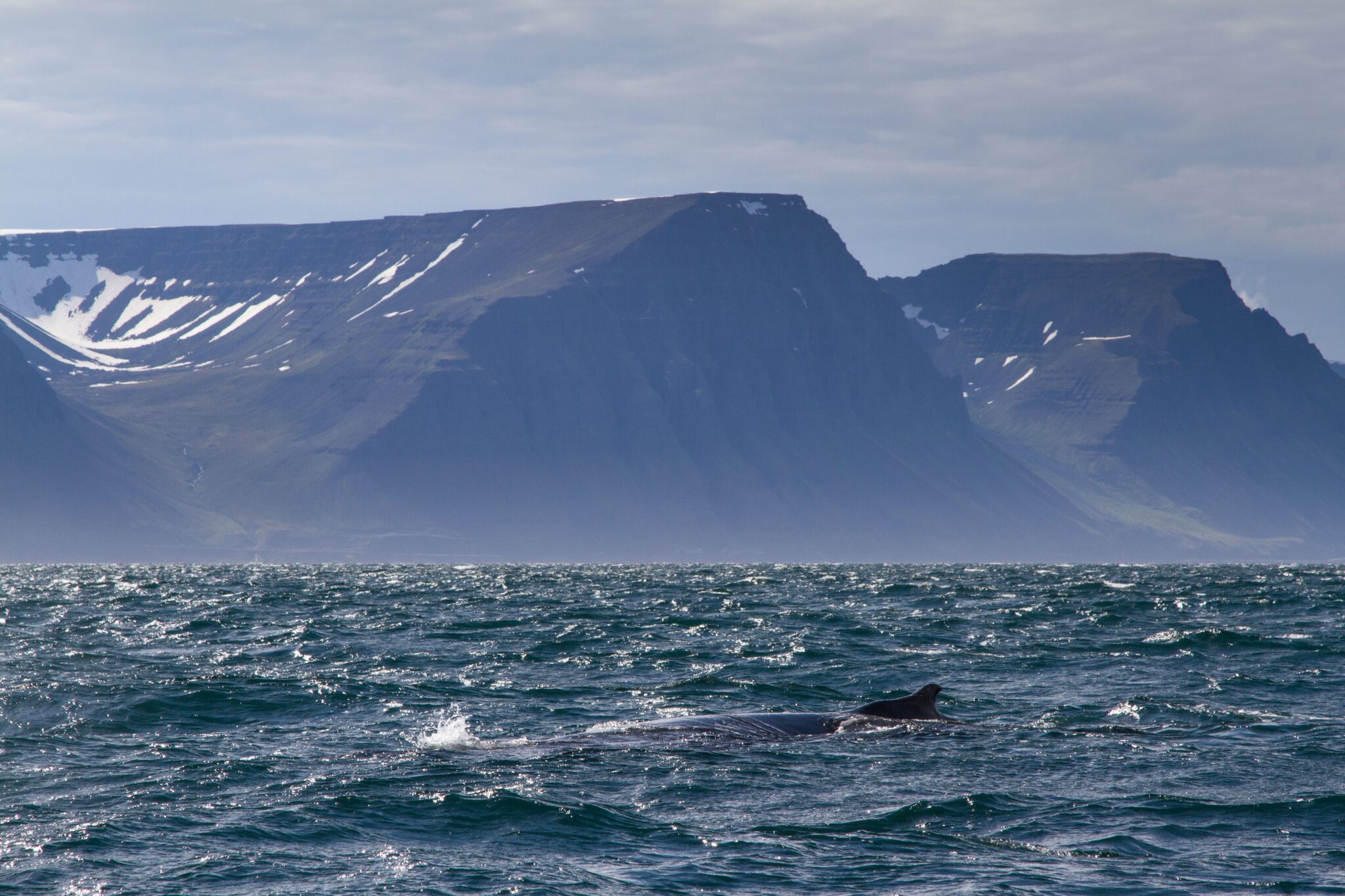
Icelandic waters are home to over twenty species. The ones you’re most likely to encounter on a tour are:

  • Minke whales — the most commonly sighted whale, present much of the year.
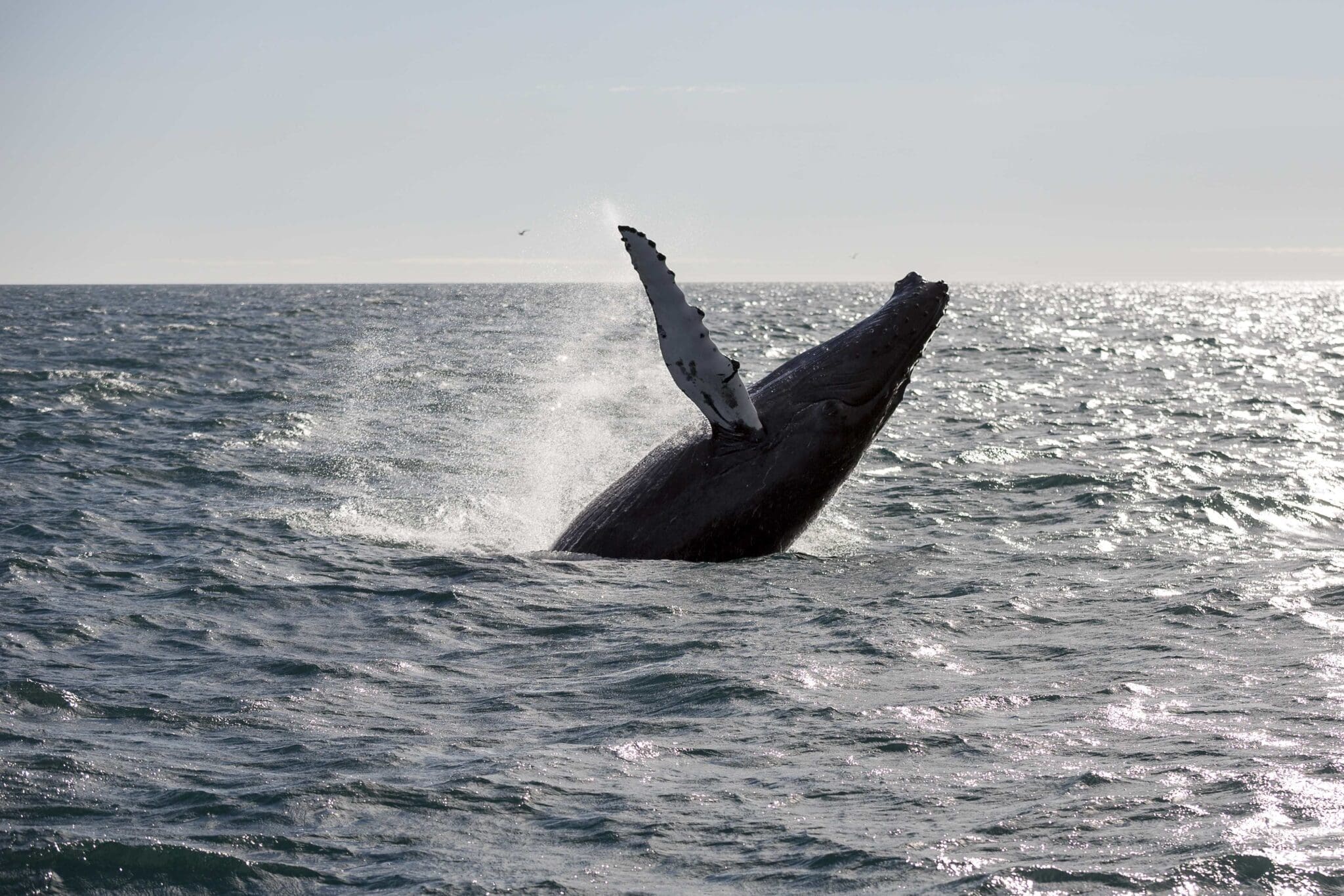
  • Humpback whales — famous for breaching and tail-slapping; a summer highlight.
  • White-beaked dolphins and harbour porpoises — playful and often seen in groups.

With luck you may also spot orcas (killer whales), and in the deeper northern waters even the colossal blue whale — the largest animal ever to have lived. The variety is part of what makes every trip different.

Best time of year for whale watching

Whale watching is possible 全年 in Iceland, but the season runs strongest from April to October, peaking in the summer months of June, July and August. During this window the seas are calmer, daylight is long, sighting rates are at their highest, and many operators combine the trip with puffin watching (puffins are present roughly mid-May to early August).

Winter tours still run, particularly from Reykjavík, and the colder months bring their own rewards — orca activity around the Snæfellsnes Peninsula in late winter, for example. For a full seasonal overview, see our guide to the 游览冰岛的最佳时间.

Where to go whale watching

雷克雅未克 is the most convenient base — boats leave from the Old Harbour, just a short walk from the city centre, making it an easy half-day outing. Beyond the capital, 胡萨维克 in the north is often called the whale-watching capital of Iceland and boasts some of the highest sighting rates in Europe, while 阿库雷里斯奈菲尔斯内斯半岛 are also excellent. If you’re based in or near the city, browse our 观鲸之旅 for departures that fit your schedule.

观鲸之旅需要多长时间?

A standard tour lasts around 2.5 to 3.5 hours, including the sail out to the feeding grounds and back. Express tours on faster RIB boats can be shorter and more adventurous, while some northern tours run a little longer. Most operators have experienced guides on board who help spot the animals and explain their behaviour.

我一定会看到鲸鱼吗?

Whales are wild animals, so nothing is ever guaranteed — but sighting rates are high, especially in summer, when many Reykjavík operators report success rates above 90%. Because of this confidence, a large number of tours offer a free second trip if no whales are spotted. To improve your own odds, choose a summer departure and a calm-weather day.

What to bring and wear

  • Warm, windproof layers. It’s always colder and windier out on the water than on land, even in summer. Many boats provide warm overalls, but bring a hat and gloves.
  • Sensible footwear with good grip for a moving deck.
  • 太阳镜和防晒霜 — glare off the water is strong on bright days.
  • Seasickness precautions if you’re prone to it; take medication before departure and watch the horizon.
  • A camera with a zoom and a fully charged battery — and remember to enjoy the moment with your own eyes too.

Why Iceland’s waters are so rich in whales

Iceland sits where warm and cold ocean currents meet, and the long summer days drive an explosion of plankton in the surrounding seas. That plankton feeds vast shoals of small fish like capelin and herring, which in turn draw whales to feast through the productive months. This natural larder, combined with relatively sheltered bays and fjords, is why Icelandic waters support such a remarkable diversity and density of marine life — and why your chances of a memorable encounter are so good, especially in summer when the feeding frenzy is at its peak.

Choosing your departure point

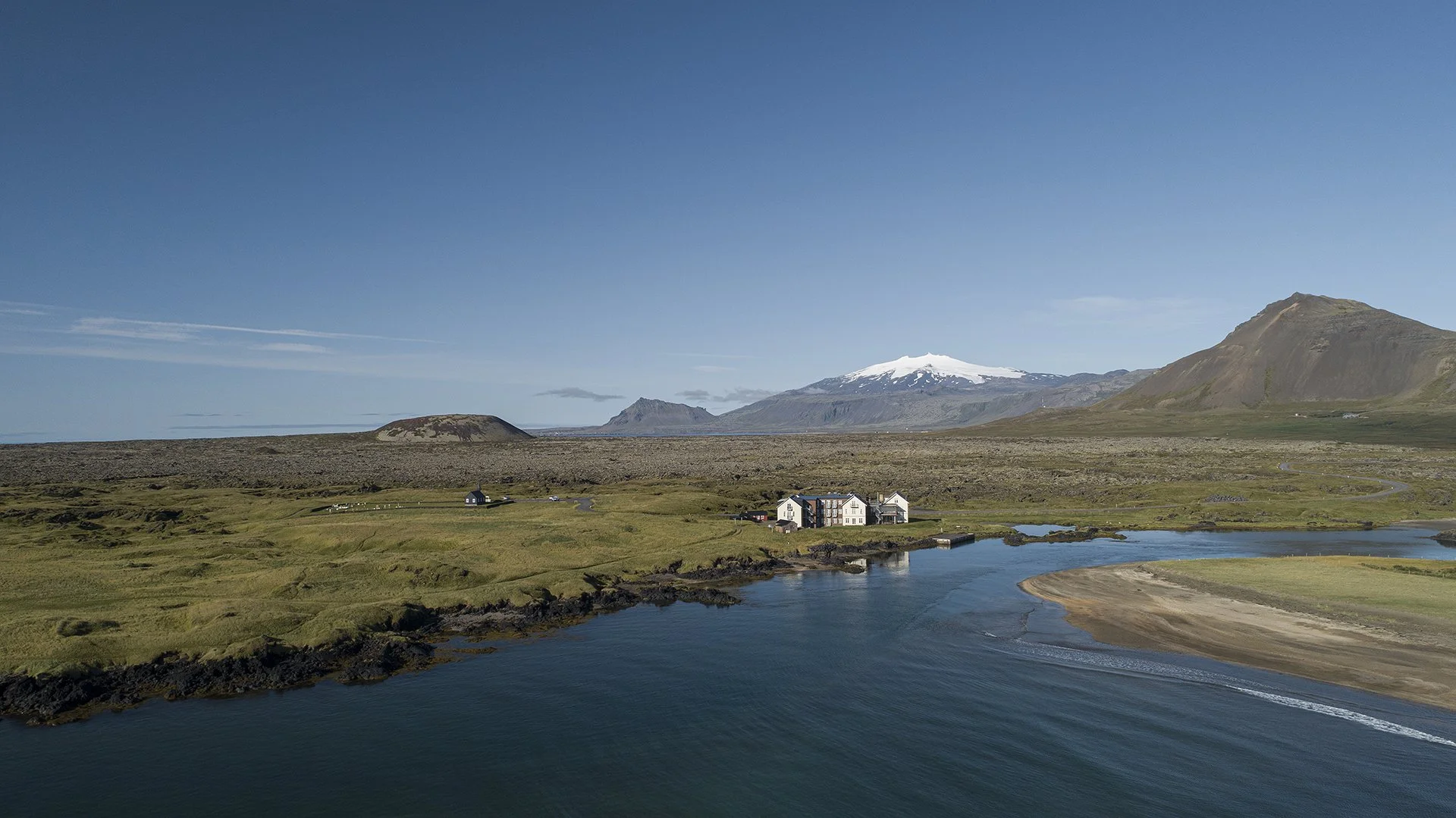
Each base has its own character. 雷克雅未克 wins on convenience: tours leave from the Old Harbour in the city centre, so you can fit a trip around the rest of your day with no extra travel. 胡萨维克, a few hours’ drive north, is the connoisseur’s choice — its sheltered Skjálfandi Bay delivers some of the highest sighting rates anywhere and a strong chance of humpbacks. 阿库雷里, on the long Eyjafjörður fjord, offers calm waters ideal for those prone to seasickness, while the 斯奈菲尔斯内斯半岛 is known for winter orca sightings. If you’re short on time and based in the capital, Reykjavík is the easy and rewarding pick.

What to expect on board

Most tours follow a similar rhythm. After checking in at the harbour, you’ll board a purpose-built whale-watching vessel — typically a stable, mid-sized boat with indoor seating, outdoor decks and a small café, though faster RIB (rigid inflatable) boats offer a more exhilarating, spray-in-your-face alternative. As you sail out to the feeding grounds, a guide briefs you on the species you might encounter and how to spot the tell-tale signs: a misty “blow” on the horizon, a dark back breaking the surface, or birds wheeling over a bait ball. When whales are sighted, the crew positions the boat at a respectful distance and cuts the engine so everyone can watch quietly. Sightings can be brief glimpses or long, repeated surfacings — and the thrill of that first dorsal fin rarely fades.

A great trip for families

Whale watching is one of the most family-friendly adventures in Iceland. There’s no special fitness or experience required, the larger boats are comfortable and stable, and few things light up a child’s face like a whale surfacing nearby. Many operators offer reduced fares for children and free passage for infants. For families, the calmer summer seas are the easiest, and combining the trip with puffin watching adds a second crowd-pleaser to the outing.

一点历史

Organised whale watching in Iceland began in the 1990s and has grown into one of the country’s signature experiences, welcoming hundreds of thousands of visitors every year. The town of Húsavík in the north helped pioneer it and remains a global hotspot, but Reykjavík’s Old Harbour has made the experience accessible to anyone passing through the capital. Today, watching these animals in the wild is not only a highlight for travellers but also a powerful argument for protecting them — a living whale, seen up close, makes its own case for conservation.

More than whales

A whale-watching tour is rarely just about the whales. The boat ride itself offers a memorable perspective on Iceland’s coastline — distant mountains, lighthouses and, from Reykjavík, the city skyline framed by Mount Esja. Seabirds are constant companions: gannets diving, fulmars gliding low over the swell, and in summer, comical puffins whirring past on stubby wings. You may also spot seals hauled out on rocks. Bring binoculars and a sense of patience, and treat every sighting — feathered or finned — as part of the adventure. Even on a quieter day for whales, time on the North Atlantic is time well spent.

Responsible whale watching

Reputable Icelandic operators follow guidelines that keep a respectful distance and avoid disturbing the animals. Choosing a responsible tour helps protect these magnificent creatures and the marine environment they depend on, ensuring the experience remains sustainable for years to come.

常见问题

冰岛一年中观鲸的最佳时间是什么?

4月至10月为季节,6月、7月和8月达到顶峰,此时海面平静,白天漫长,目击率最高,夏季游览也可以与海雀观赏相结合。.

冰岛赏鲸的最佳地点在哪里?

Reykjavík is the most convenient, with boats leaving from the Old Harbour. Húsavík in the north is renowned for very high sighting rates, and Akureyri and the Snæfellsnes Peninsula are excellent too.

你在冰岛可以看到什么鲸鱼?

Zui常见的目击事件是小须鲸、座头鲸、白喙海豚和港湾鼠海豚,你还可能看到逆戟鲸,在北方水域,甚至是蓝鲸。.

观鲸之旅需要多长时间?

大多数游览持续约 2.5 至 3.5 小时,包括往返旅程。更快的 RIB 船游览可以更短,而一些北部出发的行程则更长一些。.

冬天可以去赏鲸吗?

Yes. Tours run year-round, especially from Reykjavík. Winter brings fewer crowds and seasonal highlights such as orca activity around Snæfellsnes, though seas can be rougher and trips are more weather-dependent.

我一定会看到鲸鱼吗?

Sightings are never guaranteed with wild animals, but success rates are high — often above 90% in summer near Reykjavík. Many operators offer a free repeat trip if no whales are seen.

Ready to head out to sea? Discover our 观鲸之旅 and meet Iceland’s giants of the ocean.

© 2026 你好,再见,ehf。保留所有权利。.