
Recommended tour
Bus Transfer from Thórsmörk to Hvolsvöllur / Hella / Reykjavík
4 uur
From ISK 12600


Iceland is one of the most reliable destinations in the world to see puffins in their natural habitat. These charming seabirds, with their distinctive black and white plumage and brightly coloured beaks, have become iconic symbols of Iceland’s wildlife. Whether you’re a keen birdwatcher or simply looking for a memorable natural experience, Iceland offers numerous opportunities to encounter these delightful creatures during their breeding season. Understanding where to go and when to visit will help you maximise your chances of seeing these remarkable birds.
Puffins spend most of their year at sea, but return to Iceland’s coastal cliffs during the breeding season. They typically arrive in spring and remain throughout the summer months before departing again in autumn. During this period, puffins come ashore to nest, dig burrows, and raise their young. The best time to see puffins in Iceland is generally from late spring through early autumn, when they are most active on land and visible to visitors. Weather conditions improve during this window, making it easier and more comfortable to undertake coastal excursions and boat tours.
The Vestmanna Cliffs, located on the island of Heimaey in the Westman Islands, are among Iceland’s premier puffin viewing destinations. These dramatic sea cliffs rise dramatically from the Atlantic Ocean and are home to one of the largest puffin colonies in the country. The sheer scale of the cliffs and the abundance of puffins make this location particularly spectacular. Access to the cliffs is typically achieved through boat tours that depart from the village of Vestmanna. These tours navigate the narrow channels between the cliffs, offering close-up views of puffins perched on ledges and diving into the water below. The combination of dramatic scenery and wildlife viewing makes Vestmanna an unforgettable experience.
Látrabjarg is the westernmost point of Iceland and home to some of the country’s most impressive sea cliffs. This location hosts one of Europe’s largest seabird colonies, including a significant puffin population. Unlike boat tours, Látrabjarg offers a land-based experience where visitors can walk along the cliff tops and observe puffins from above. The cliffs stretch for approximately 14 kilometres and provide multiple vantage points for wildlife observation. The journey to Látrabjarg is somewhat remote, as the Westfjords are less developed for tourism than other regions, but this isolation contributes to the pristine natural experience. Visitors should exercise caution near the cliff edges and be prepared for variable weather conditions typical of Iceland’s western regions.
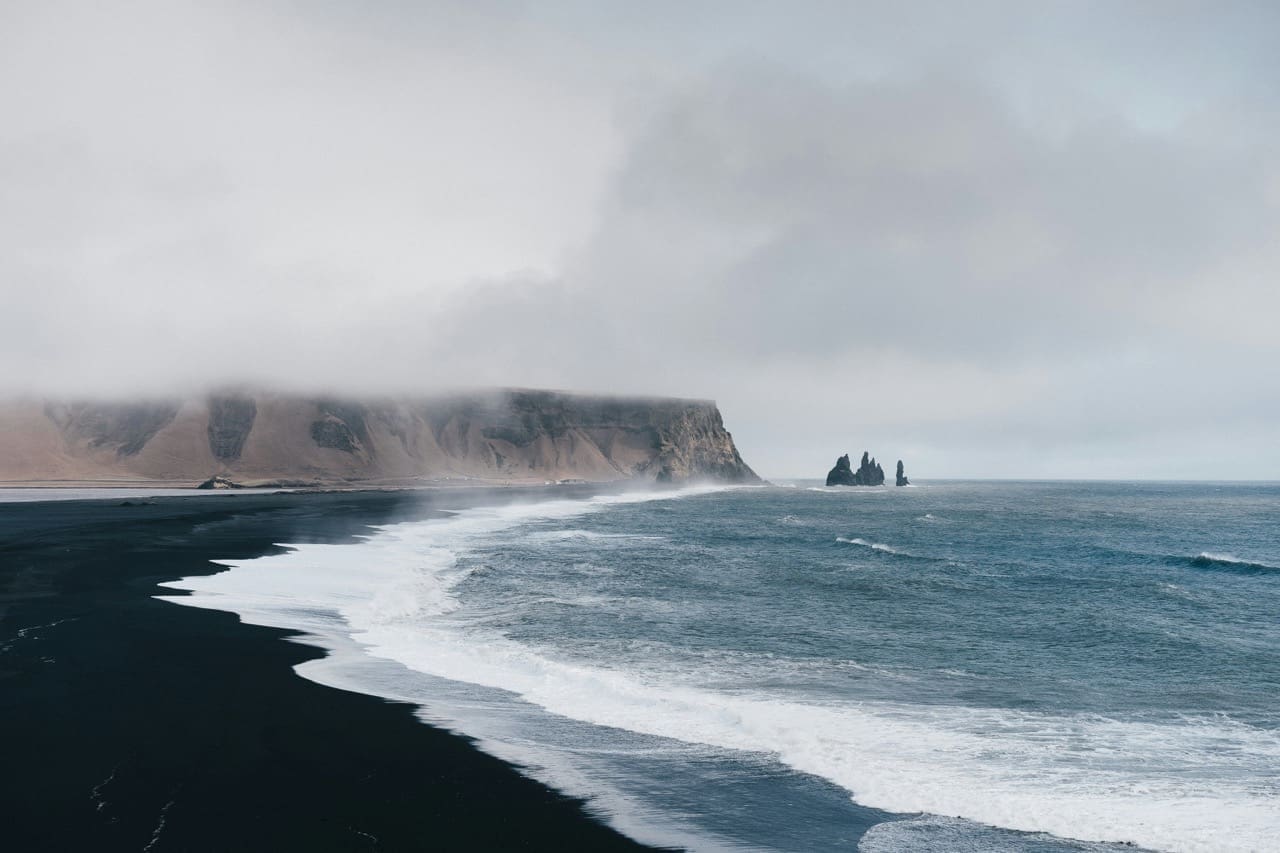
Located on Iceland’s South Coast, the Dyrhólaey Peninsula is a striking landscape feature and important breeding ground for puffins and other seabirds. The peninsula is characterised by dramatic black sand beaches, towering sea arches, and nesting cliffs. Unlike the more remote Látrabjarg, Dyrhólaey is relatively accessible and attracts numerous visitors. The area offers both coastal walks and viewing platforms from which to observe puffins. During breeding season, puffins nest in burrows across the peninsula, and visitors can often spot them standing near their burrow entrances or in the water offshore. The combination of geological interest and wildlife viewing makes Dyrhólaey an excellent choice for those exploring Iceland’s South Coast.
Papey is a small uninhabited island off Iceland’s east coast that supports a healthy puffin population alongside other seabirds. The island is named after the Irish monks, known as papar, who are believed to have settled in Iceland before Norse settlement. Access to Papey is exclusively by boat, with tours departing from the village of Egilsstaðir. The journey to the island allows visitors to observe puffins in their marine environment as they arrive and depart their nesting sites. Papey’s isolation has meant limited development, preserving the island as an important refuge for breeding puffins. The boat journey itself offers opportunities to spot other marine wildlife and enjoy the dramatic East Iceland coastline.
For visitors exploring northern Iceland, the area around Akureyri provides access to puffin viewing opportunities without requiring travel to more remote regions. Several boat tours and excursions operate from the Akureyri area, visiting nearby coastal zones where puffins breed. Lake Mývatn in the same region attracts various seabirds and can be included as part of a northern wildlife itinerary. The northern region offers the advantage of longer daylight hours during summer, allowing extended viewing opportunities. The landscape around Akureyri also features hot springs, waterfalls, and other attractions that can be combined with wildlife viewing.
Many visitors choose to experience Iceland’s puffins through organised wildlife and birdwatching tours. These guided excursions are led by experienced naturalists who understand puffin behaviour and know the best locations and times for viewing. Guides can identify different species, explain breeding behaviour, and help visitors photograph these birds effectively. Tours typically provide binoculars and may include transportation, meals, and protective clothing for boat-based experiences. Both land-based and boat-based tours are available, allowing visitors to choose experiences that suit their preferences and physical abilities. Guided tours also enhance the educational value of puffin encounters, providing context about these remarkable birds’ lifecycles and ecological importance.
Puffins make compelling photographic subjects, with their distinctive appearance and endearing behaviour. To photograph puffins effectively, visitors should bring a telephoto lens, as these birds are often best viewed from a distance to avoid disturbing them. Early morning and late evening, when light is softer and puffins are most active, offer the best photography conditions. Patience is essential; spending time observing without constant camera activity often yields the best photographs. Boat tours can present challenges for photography due to movement and motion, so a fast shutter speed and image stabilisation are advantageous. Many tour operators provide guidance on photography and may identify particularly photogenic locations within larger viewing areas.
Whilst puffins are the primary draw for many visitors, Iceland’s coastal cliffs and islands support diverse seabird populations. Visitors may encounter razorbills, guillemots, kittiwakes, and arctic terns at the same locations where puffins breed. Sea eagles, once hunted to extinction in Iceland, have recently returned and can occasionally be spotted. Marine mammals including seals and whales may also be visible during boat-based excursions. This diversity means that even if puffin sightings are limited on a particular day, visitors can still enjoy rewarding wildlife viewing experiences. Understanding the complete ecosystem surrounding puffin colonies enriches appreciation of Iceland’s natural heritage.
Puffin populations in Iceland remain relatively healthy compared to other regions, but like all wildlife, they deserve respectful observation. Visitors should maintain appropriate distances from nesting birds, avoid making loud noises near burrows, and never attempt to touch or chase puffins. Established viewing areas and guided tours are designed with bird welfare in mind. Treading carefully near cliff edges protects both visitors and nesting habitats. Photography should be conducted ethically, with the bird’s welfare prioritised over obtaining the perfect image. By following responsible viewing practices, visitors contribute to the long-term conservation of Iceland’s puffin populations and maintain the pristine conditions that make these locations special.
Iceland’s coastal weather can be unpredictable, so visitors should dress in warm, waterproof clothing even during summer months. Boat tours may be cancelled or rescheduled due to rough seas or poor visibility, so flexibility is important when planning visits. Comfortable walking boots are essential for land-based viewing areas, particularly on uneven terrain. Binoculars significantly enhance the viewing experience, allowing observation of distant puffins and finer details of their appearance and behaviour. Many visitors combine puffin viewing with other Icelandic attractions, incorporating multiple regions and experiences into their travels. Planning visits around optimal times and weather windows increases the likelihood of successful puffin encounters.
Puffins are present in Iceland during their breeding season, typically from late spring through early autumn. The peak viewing period is generally mid-summer when puffins are most active and weather conditions are most favourable. Many tour operators start their puffin excursions in May and continue through August, with June and July offering the most consistent viewing opportunities.
No special training is required, though binoculars greatly enhance the experience and allow viewing from appropriate distances. Comfortable walking boots, weatherproof clothing, and a camera with a telephoto lens are helpful but not essential. Guided tours provide all necessary equipment and expertise, making puffin viewing accessible to visitors of all abilities.
Both methods offer distinct advantages. Boat tours provide close-up views and access to sea cliffs and islands, whilst land-based viewing allows for longer observation periods and easier photography. The choice depends on personal preference, comfort with sea travel, and the specific location visited. Many visitors experience both during their time in Iceland.
Visitors should maintain a respectful distance from nesting puffins, generally at least 2-3 metres. Approaching burrows or attempting closer contact stresses birds and can damage nesting sites. Binoculars allow detailed observation from appropriate distances. Tour operators and guides ensure visitors maintain proper distances and explain why these measures protect the birds.
Puffins spend autumn and winter at sea away from Iceland’s coasts, making them essentially impossible to see outside the breeding season. Visitors should time their trips for late spring through early autumn to encounter these birds. During other times, Iceland offers alternative wildlife and natural attractions.
Sluit je aan bij Iceland Insider voor nieuwe gidsen plus een heads-up wanneer de aurora-voorspelling er goed uitziet Geen spam.





Reistips, nieuwe gidsen en een heads-up wanneer de aurora voorspelling er goed uitziet Geen spam.
