Private Siglufjörður & Skagafjörður Day Tour from Akureyri
274.990 ISK
10 horas

Fácil
401.870 ISK
Discover the stunning landscapes of North Iceland on this unforgettable day tour. Begin your journey at Lago Mývatn, a serene volcanic lake surrounded by lava formations, geothermal hotspots, and rich birdlife. Explore unique attractions like Dimmuborgir’s mystical lava fields and the bubbling mud pools of Hverir.
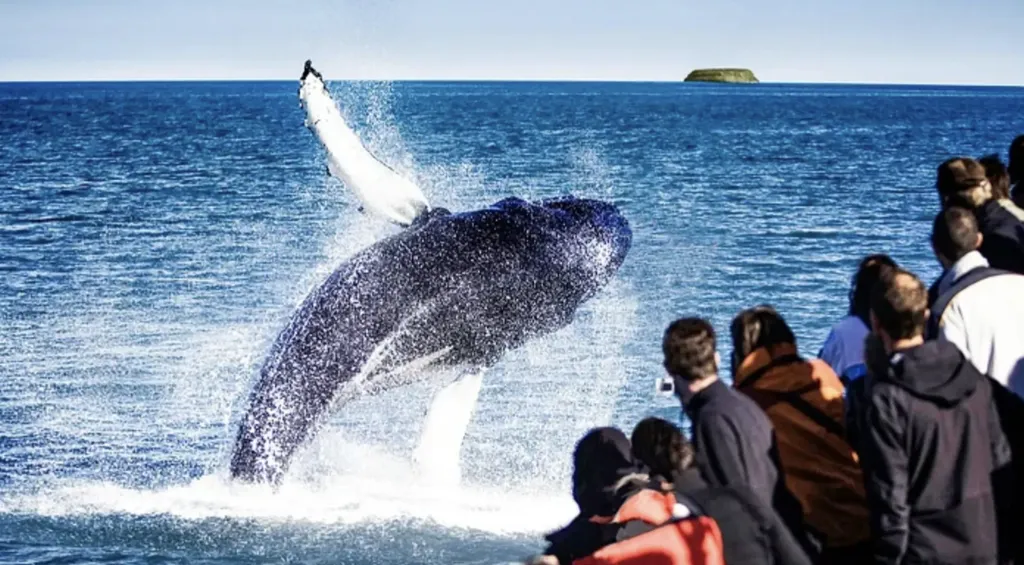
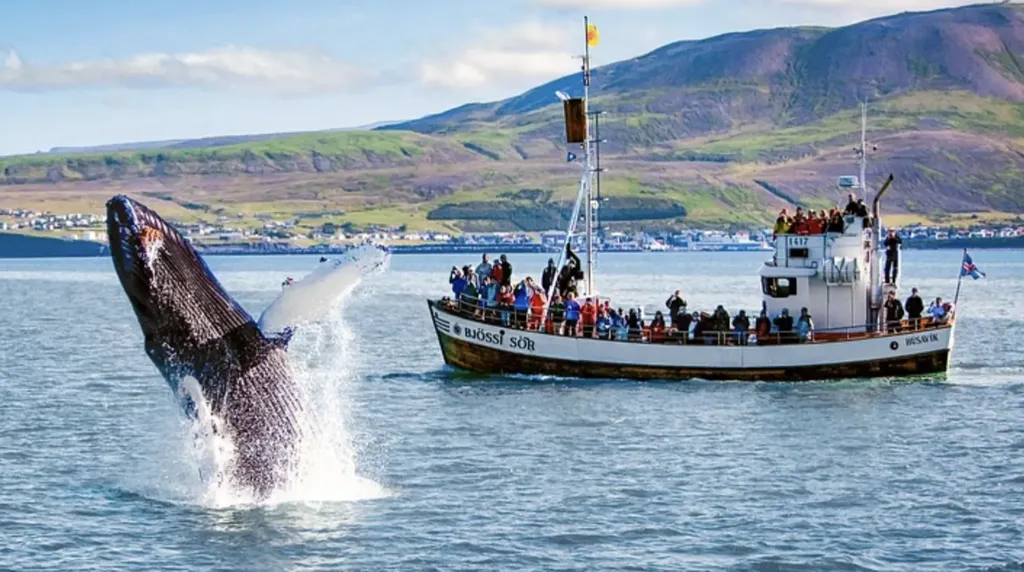
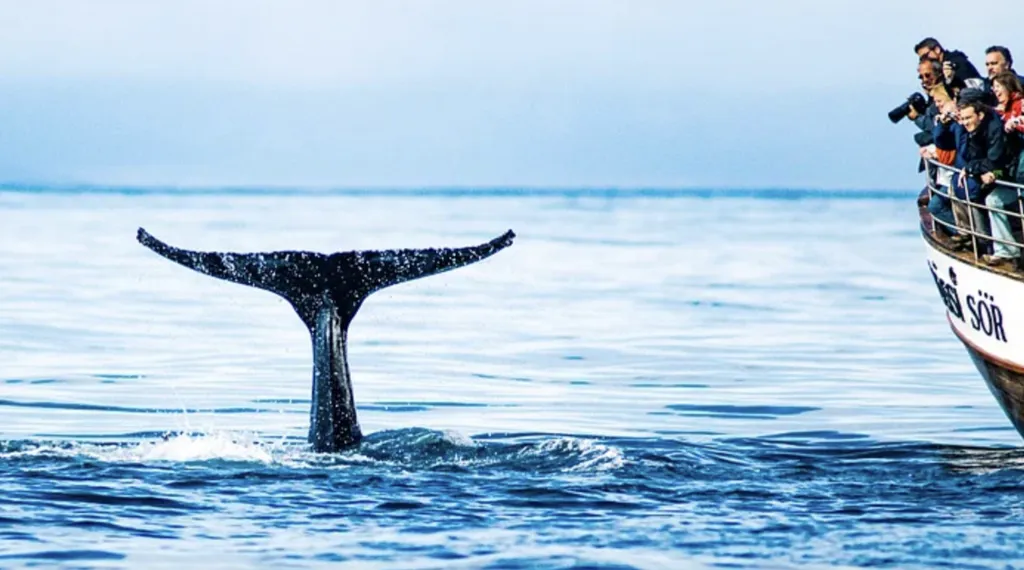
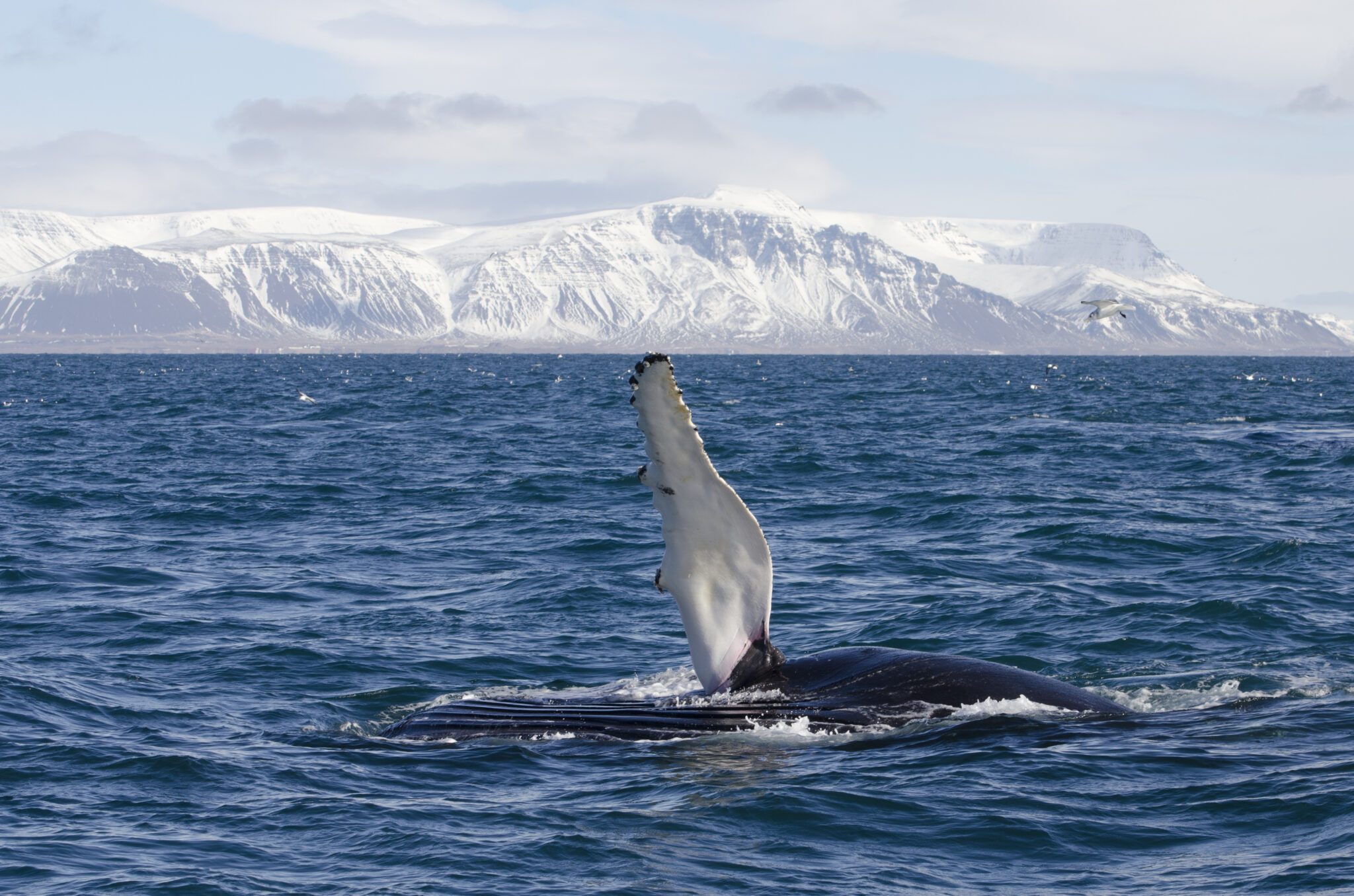
Next, head to Húsavík, Iceland’s whale-watching capital. Embark on a thrilling boat tour, where you’ll have the chance to spot majestic humpback whales, minke whales, and even blue whales. Afterward, enjoy a delicious lunch in the charming town of Húsavík, renowned for its coastal beauty and vibrant harbor.
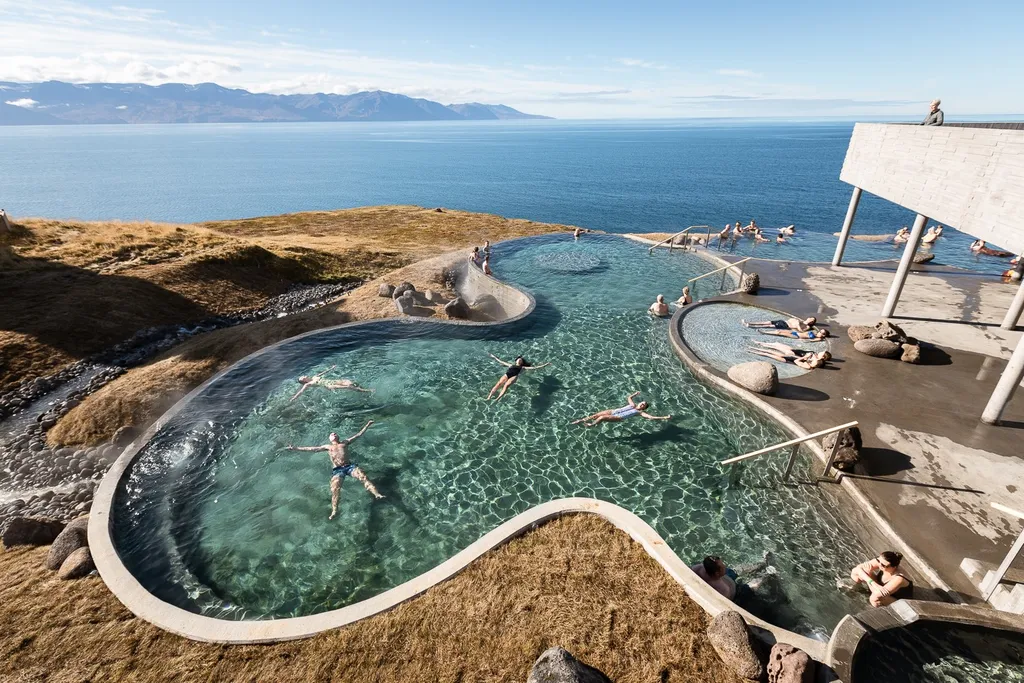
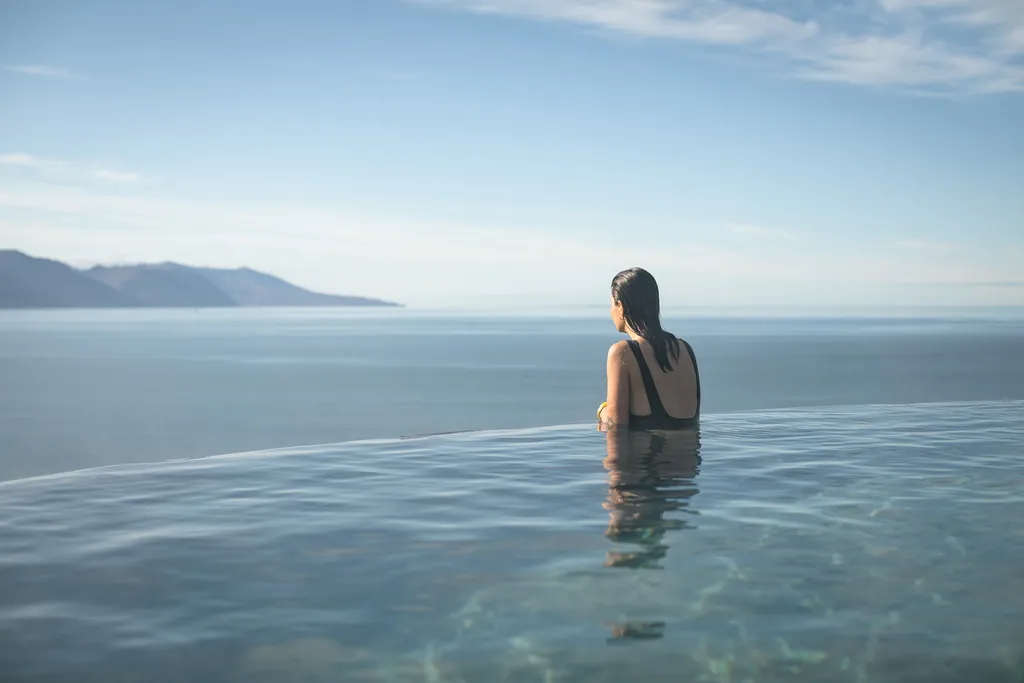
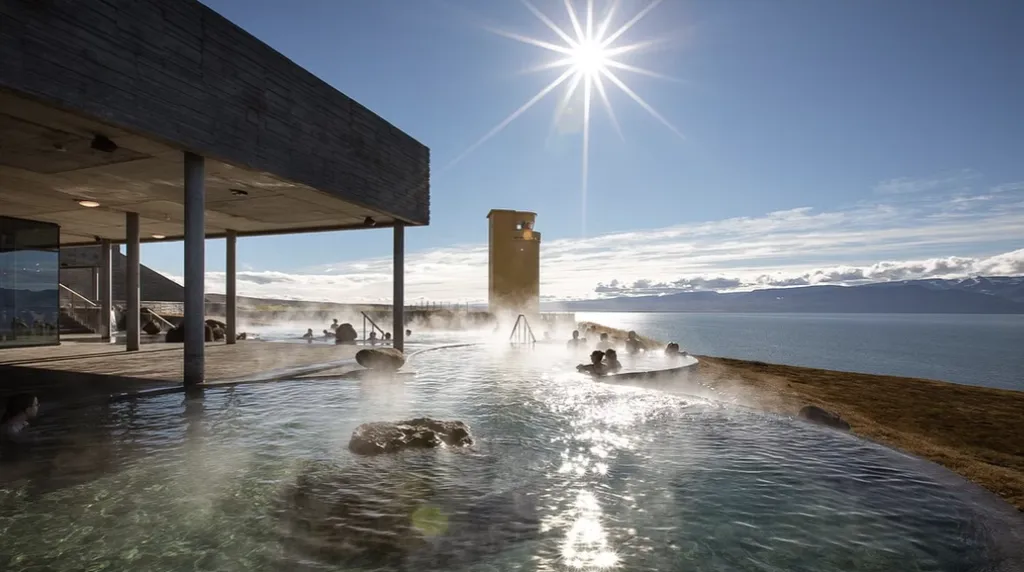
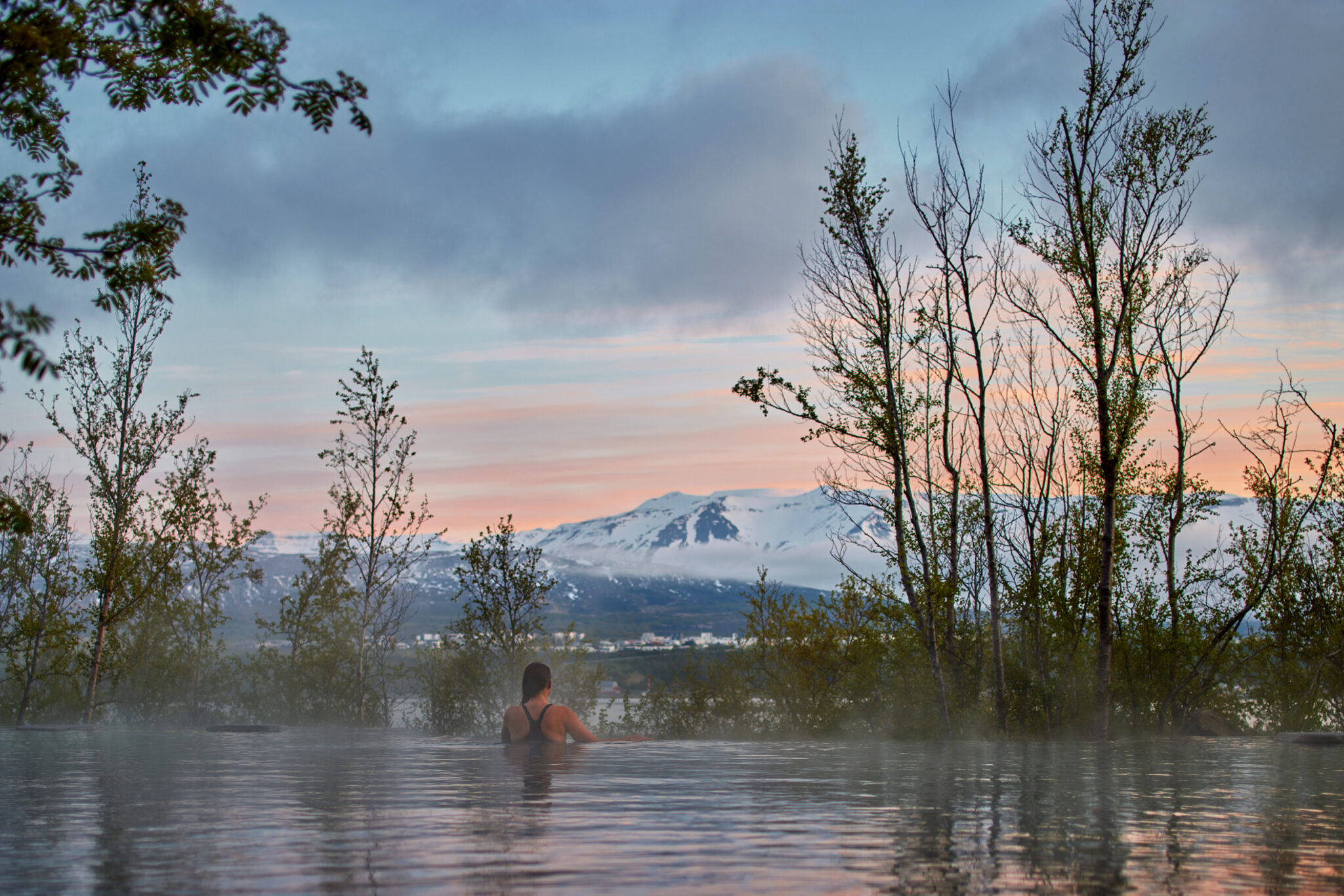
Relax at GeoSea Baths, a geothermal infinity pool overlooking Skjálfandi Bay, where you can soak in warm, mineral-rich waters while gazing at the Arctic horizon.
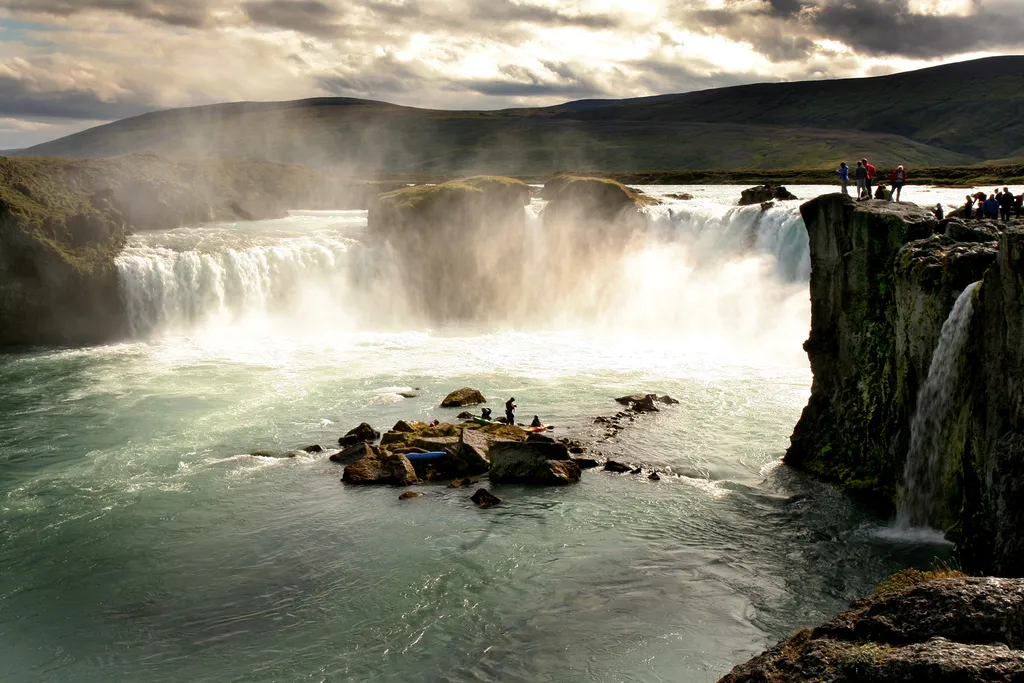
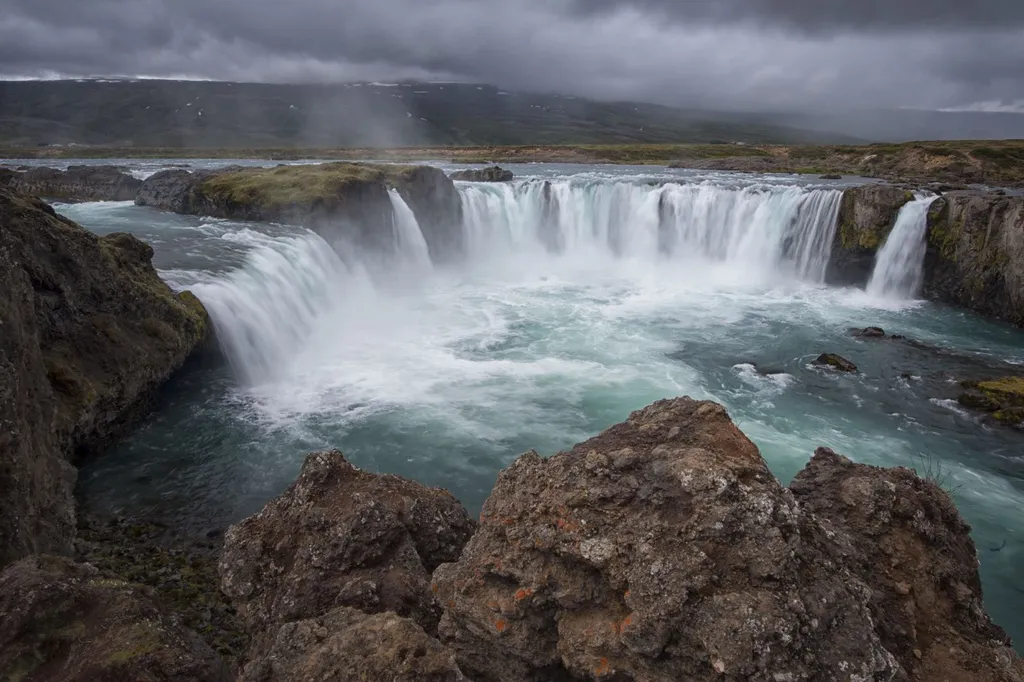
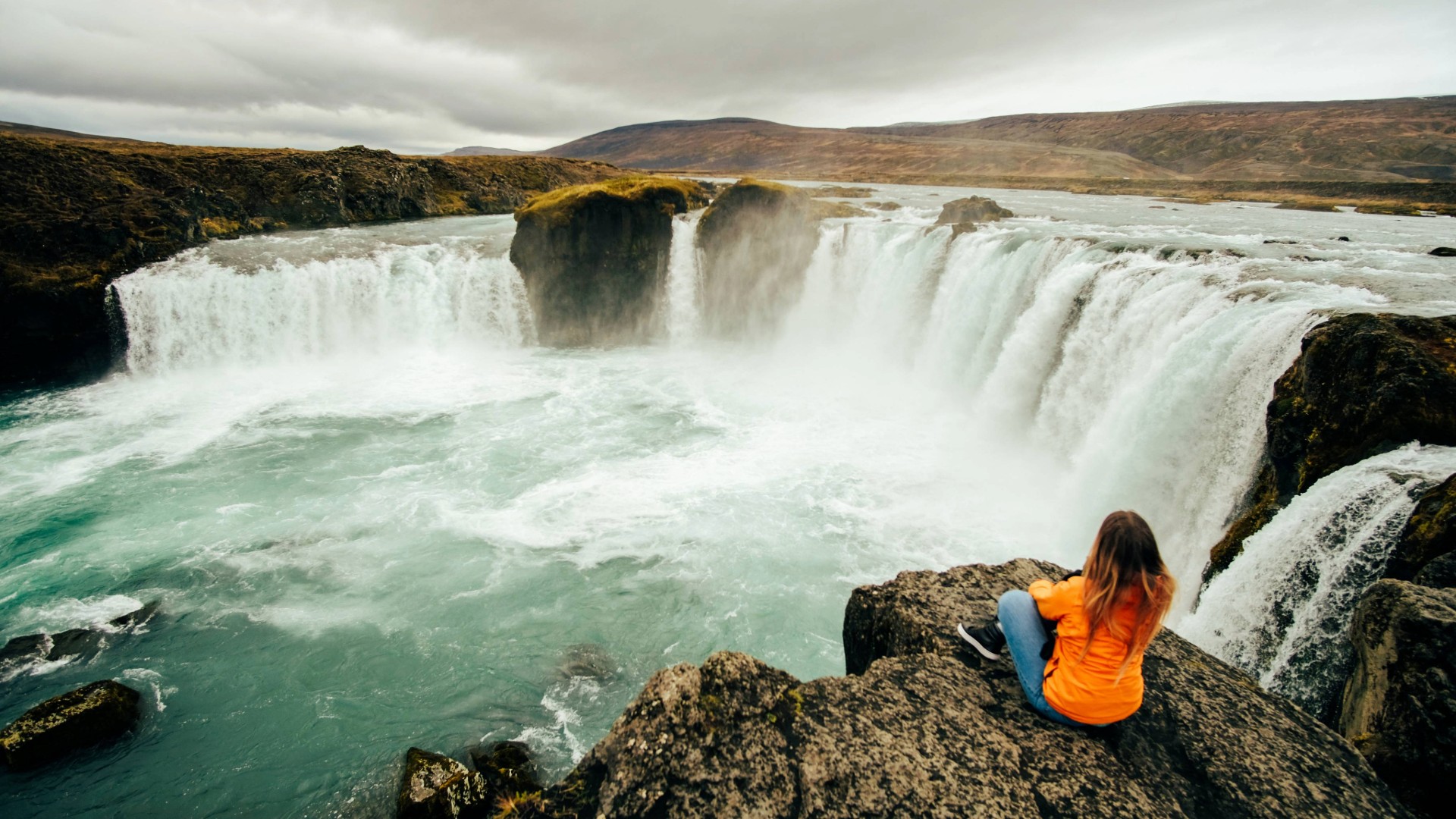
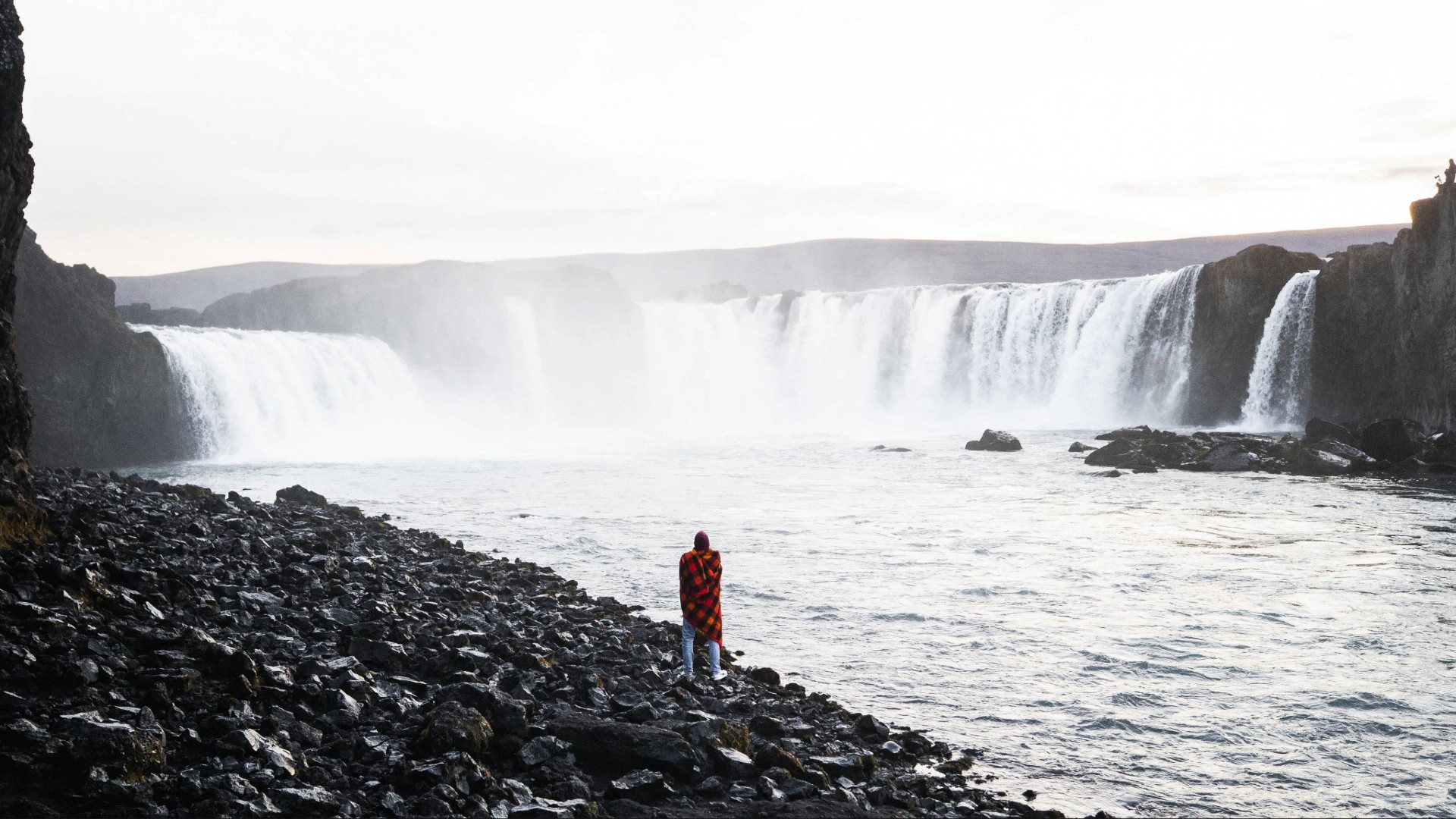
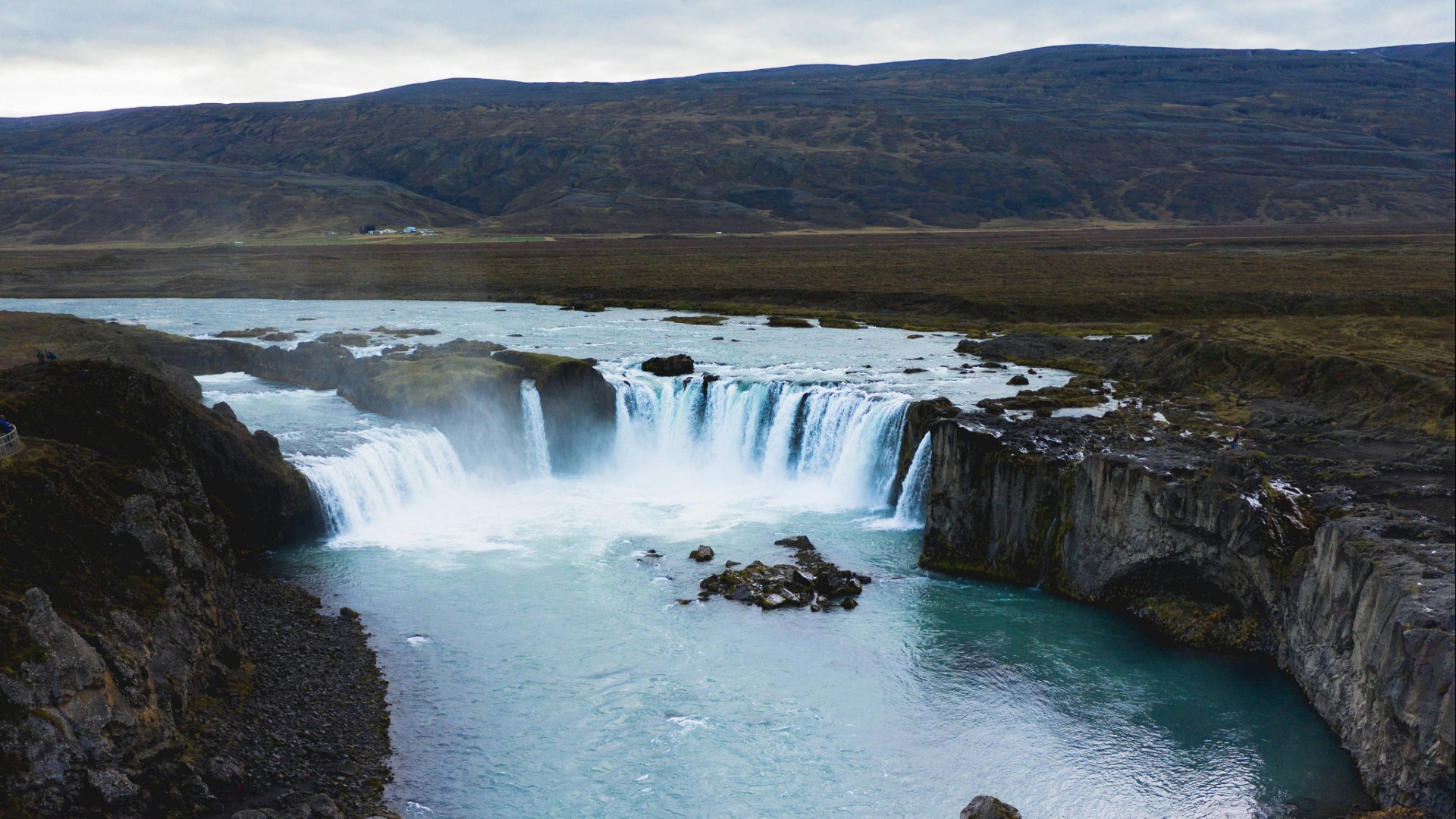
Conclude your adventure at Cascada Goðafoss, one of Iceland’s most breathtaking cascades, steeped in Viking history. This tour is a perfect blend of nature, wildlife, relaxation, and culture.
Mývatn es un lago eutrófico poco profundo en una zona de vulcanismo activo en el norte de Islandia, no lejos del volcán Krafla. El lago y los humedales circundantes tienen una vibrante fauna de aves acuáticas, especialmente patos. El lago fue creado por una gran erupción de lava basáltica hace 2300 años, y el paisaje circundante está dominado por accidentes geográficos volcánicos, incluidos pilares de lava y respiraderos desarraigados (pseudocráteres). El efluente río Laxá es conocido por su rica pesca de trucha marrón y salmón del Atlántico.
El nombre del lago (mild islandés (“mosquito”) y vatn (“lago”); el lago de los mosquitos) proviene de la enorme cantidad de mosquitos que se encuentran allí en verano.
El nombre Mývatn se utiliza a veces no sólo para el lago sino también para toda la zona habitada circundante. El río Laxá, el lago Mývatn y los humedales circundantes están protegidos como reserva natural (el Área de Conservación Natural Mývatn-Laxá).
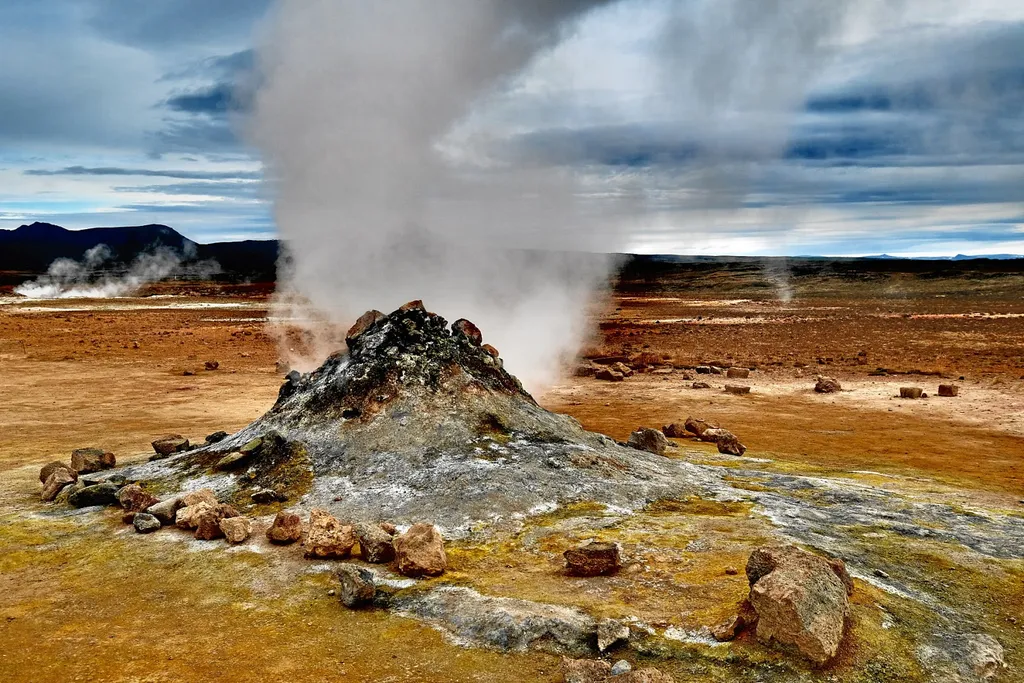
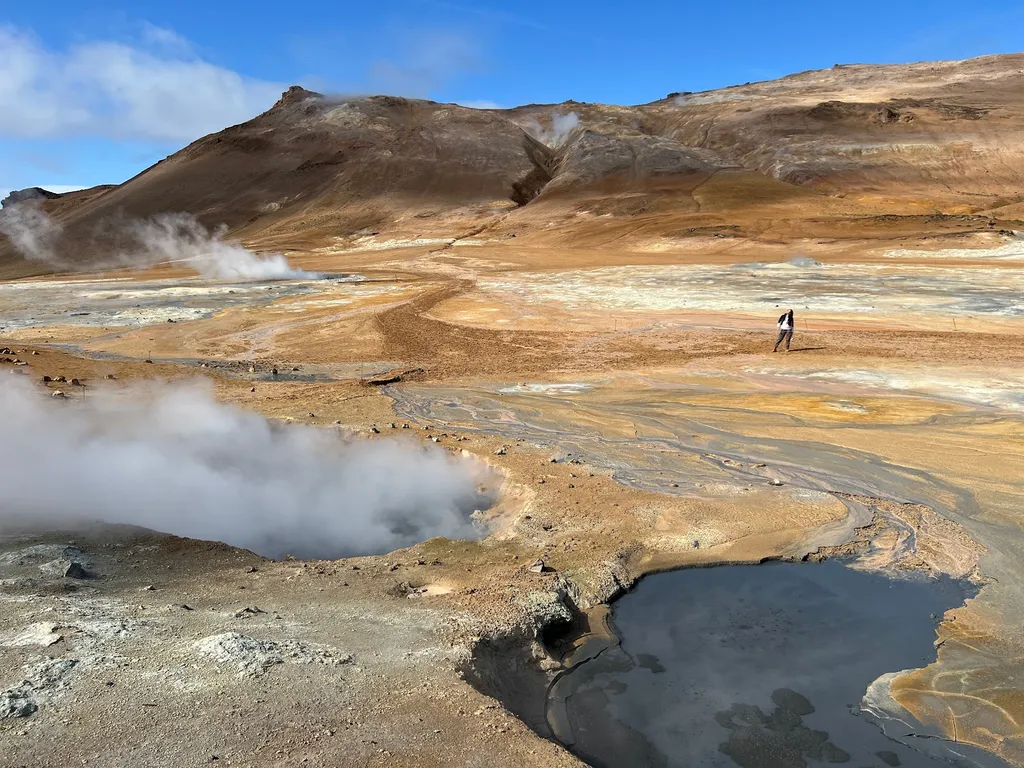
Hverir, también conocida como Hverarond o Namafjall, es una zona geotérmica en el noreste de Islandia, cerca del lago Myvatn. Este paisaje de otro mundo se caracteriza por pozos de lodo burbujeantes, fumarolas humeantes y vibrantes depósitos de azufre amarillo.
La naturaleza sobrenatural del paisaje llama inmediatamente la atención de los visitantes de Hverir. El suelo está agrietado y árido, emitiendo un olor acre a azufre que llena el aire. Los pozos de barro burbujeantes y las fumarolas silbantes crean una atmósfera surrealista al entrar en otro planeta.
Una de las características más llamativas de Hverir son los depósitos de azufre de color amarillo brillante que se pueden ver adheridos al suelo rocoso. Estas coloridas formaciones añaden un toque de color al paisaje, que de otro modo sería desolado, y contrastan marcadamente con las rocas volcánicas negras circundantes.
Hverir también alberga varias aguas termales calentadas por la actividad geotérmica debajo de la superficie. Los visitantes pueden ver vapor saliendo de estos charcos de agua, creando un efecto hipnótico y casi místico.
Visitar Hverir es una experiencia verdaderamente única que ofrece una visión del poder puro de la naturaleza.
Please arrive at the ticket office in Húsavík no later than 30 minutes before departure.
On this 3-hour tour, you’ll marvel at the natural beauty of Skjálfandi Bay and have the opportunity to see whales, dolphins, and sea birds in their natural habitat. Enjoy a smooth, safe sailing in a traditional Icelandic oak boat and treat yourself to a cup of hot cocoa and cinnamon buns on the way back to Húsavík.
Warm overalls and raincoats are provided.
Thousands of satisfied visitors have recommended this tour from around the world. The Original Husavik Whale Watching tour is an authentic wildlife activity operated by North Sailing, the pioneers of whale watching in Iceland.
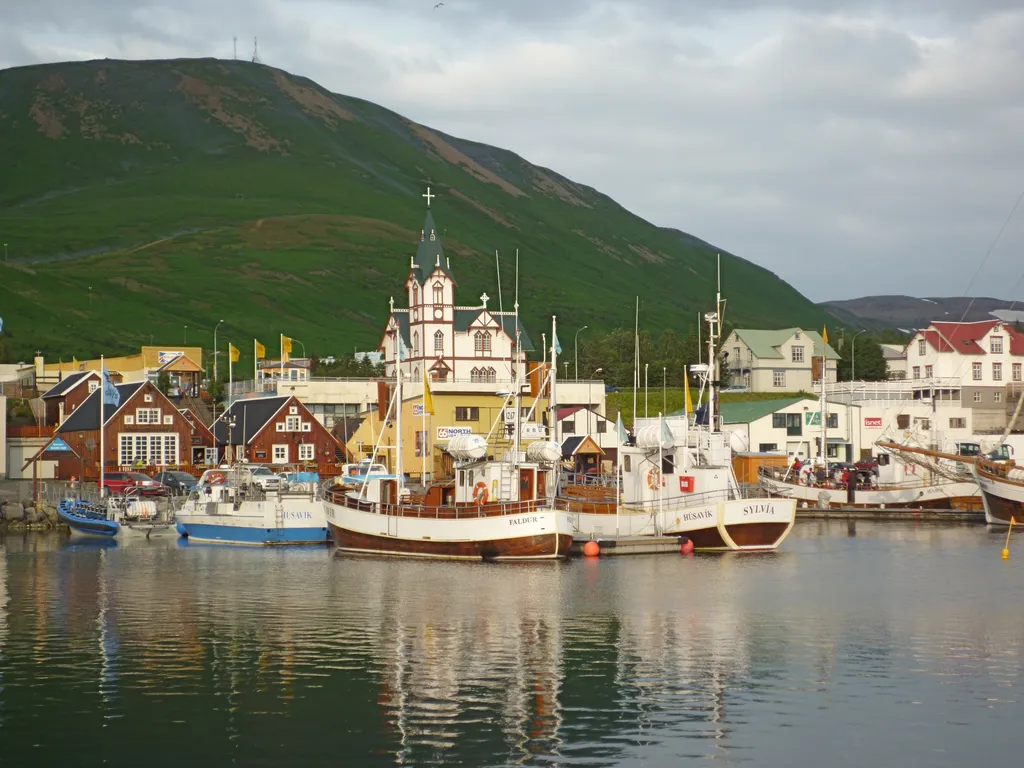
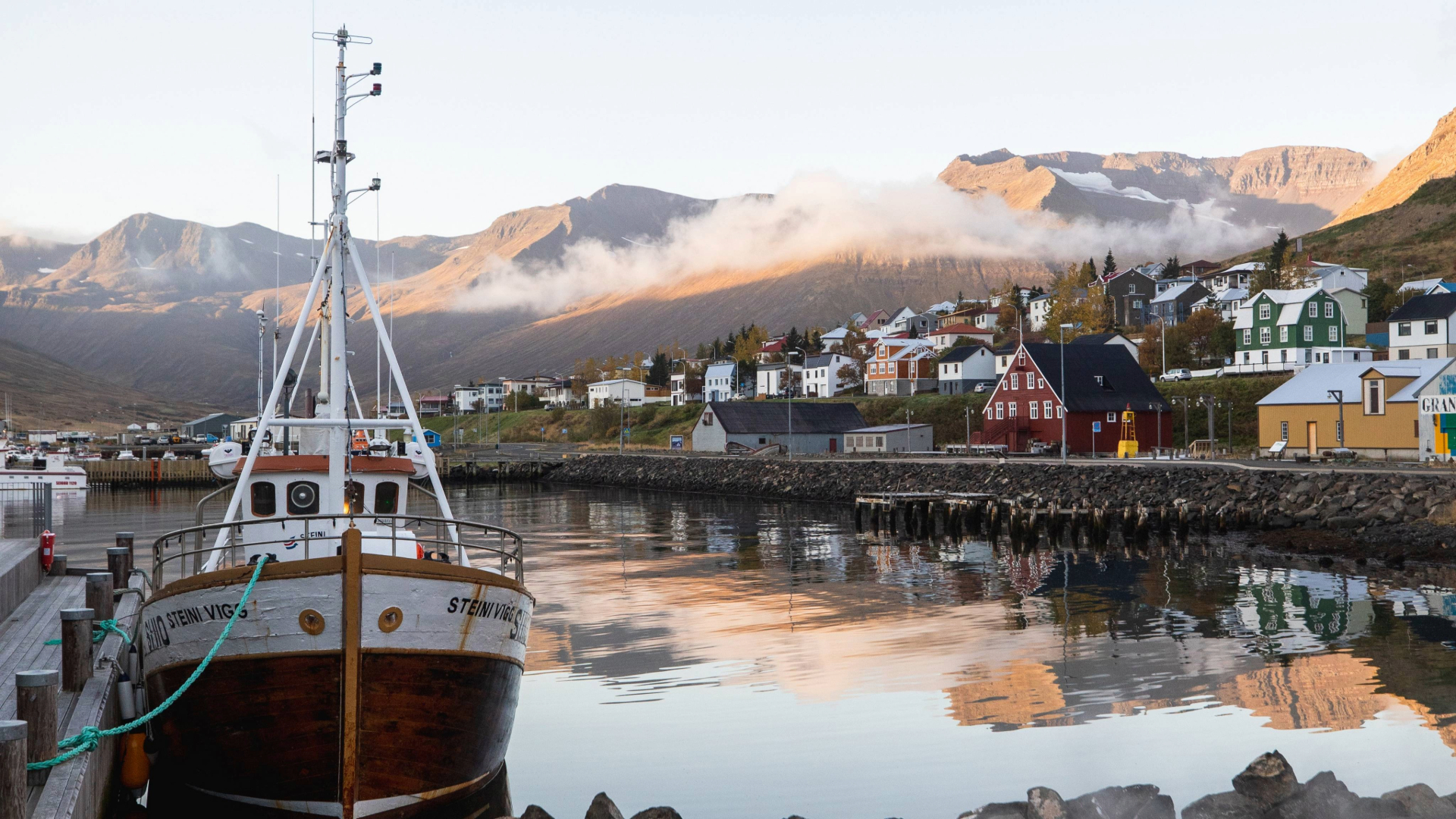
Húsavík is a town in Norðurþing municipality on the north coast of Iceland, on the shores of Skjálfandi Bay. It has 2,237 inhabitants. The town’s most famous landmark is the wooden church Húsavíkurkirkja, built in 1907.
Income is derived from tourism, fishing, retail, and small industry. Until recently, Húsavík was the export harbor for silica extracted from nearby Lake Mývatn.
According to the Landnámabók (“Book of Settlement”), Húsavík was the first place in Iceland to be settled by a Norse man. The Swedish Viking Garðar Svavarsson stayed there for one winter around 870 A.D. When he left the island in the spring of 870, after a winter’s stay, he left behind a man named Nattfari and two slaves, a man and a woman, and they established a farm here. The town’s name means “bay of houses,” probably referring to Garðar’s homestead, which may have been the only house in Iceland.
Húsavík is Iceland’s capital of whale watching, sighted on over 95% of trips during the summer.
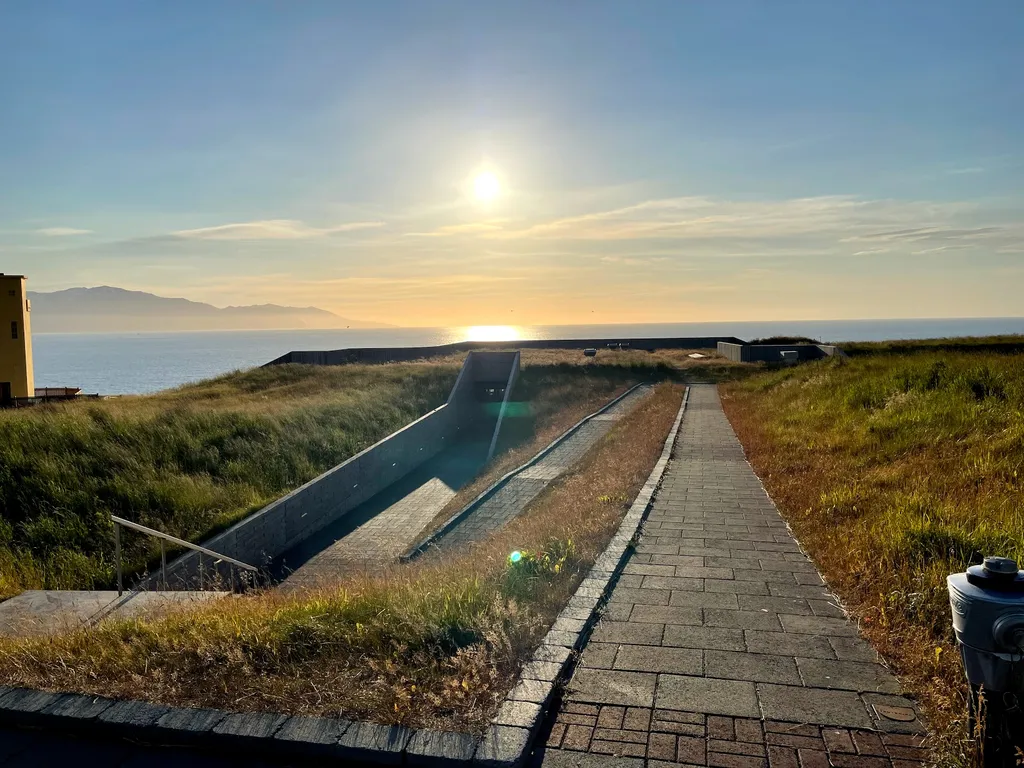
GeoSea in Húsavík is a world-class geothermal bathing mecca and an experience that taps into the historical roots of a small fishing town in North Iceland that has harnessed the Earth’s geothermal waters for centuries. It is a rare union of mineral-rich seawater and heat from the Earth’s core. Perched along a western-facing cliffside that overlooks Skjálfandi Bay and the Arctic Circle to the north, our baths provide the ultimate vantage point for whale watchers and those seeking the northern lights. Reconnect, decompress, and uniquely enjoy Icelandic nature at GeoSea.
There is a long tradition of bathing in Iceland’s geothermal waters. Icelanders have met in hot pools throughout history to relax and relieve themselves of the day’s hard work. Since its opening, GeoSea has been popular among Icelanders and locals alike. In a way, our sea baths serve as a cultural center where locals come to discuss the day’s happenings – taking part in a custom ingrained in Iceland’s cultural fabric.
You can treat yourself to a refreshing soft drink or alcoholic beverage at our swim-up bar while relaxing in the warm water – a rare luxury in Iceland. We also have a unique dining area where you can enjoy refreshments in a cozy bathrobe.
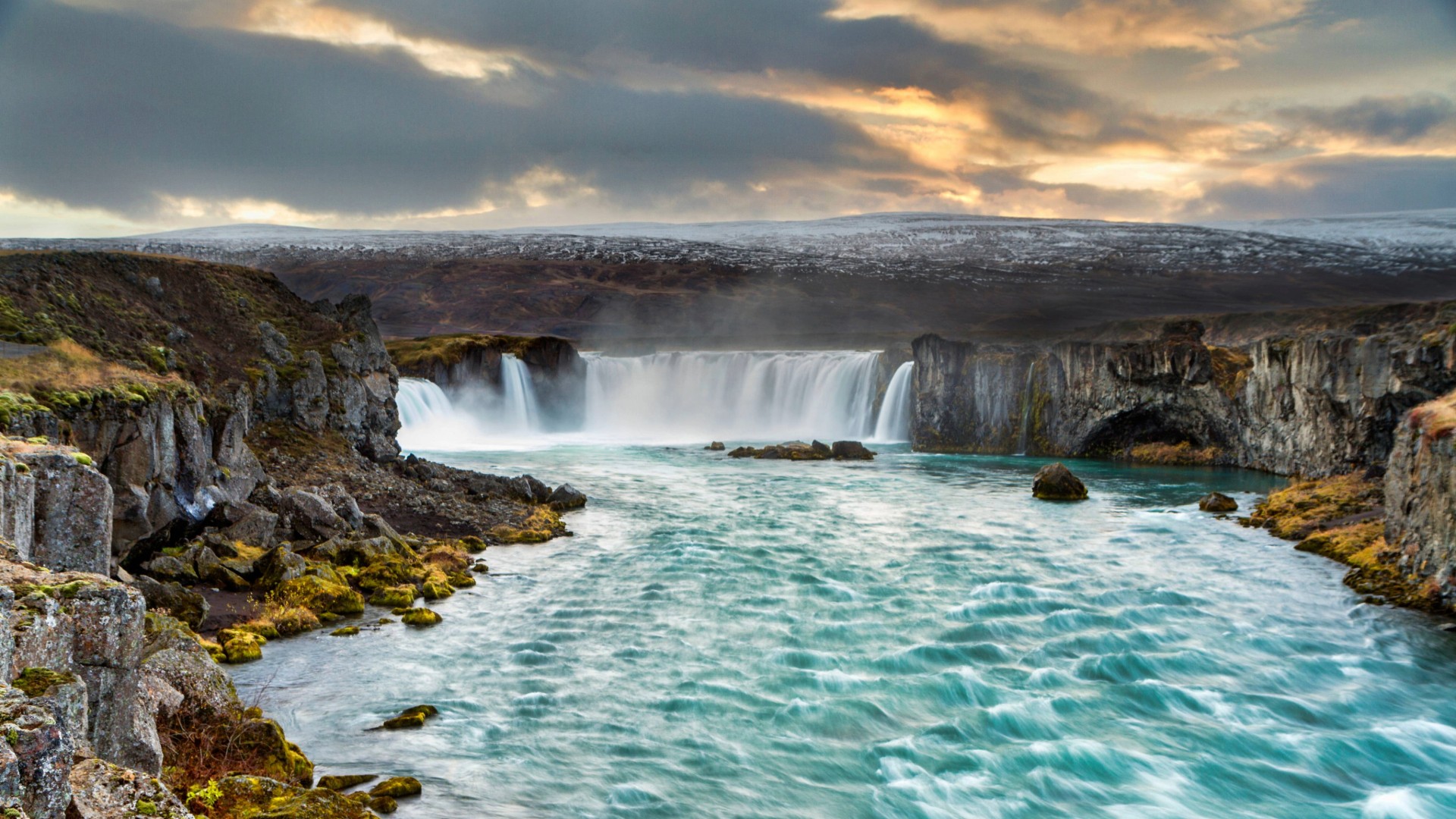
El pintoresco Goðafoss tiene 12 metros de alto y 30 metros de ancho. La cascada está ubicada en el caudaloso río Skjalfandafljót, que nace en el glaciar Vatnajökull.
Goðafoss significa “Cascada de los Dioses”, de donde recibe su nombre El libro de los islandeses, una historia en uno de los antiguos manuscritos islandeses sobre «orgeir, el hablante de derecho, que hizo del cristianismo la religión oficial en Islandia en el año 1000 d.C. Después de convertirse a la nueva religión y al llegar a casa, arrojó sus antiguas estatuas de los dioses nórdicos de su antigua religión a la cascada, de ahí el nombre Goðafoss.
274.990 ISK
200.990 ISK
223.978 ISK
125.990 ISK
103.990 ISK
210.990 ISK
179.990 ISK
26.990 ISK
20.990 ISK
2.650 ISK
Consejos de viaje, nuevas guías y aviso cuando el pronóstico de auroras se vea bien. Sin spam.