Recommended tour
Volcanic Landscape – Riding Tour – afternoon tour
2 Stunden und 10 Minuten
From ISK 18900


Iceland’s black sand beaches are among the most dramatic and otherworldly coastal landscapes in the world. Formed from volcanic basalt and obsidian, these striking shores contrast sharply with the nation’s glaciers and moss-covered lava fields, creating scenes that feel almost alien to first-time visitors. Unlike the golden sands found on many beaches worldwide, Iceland’s black sand beaches offer a unique aesthetic that has captivated photographers, filmmakers, and travellers for decades. Whether you’re planning an adventure along the Südküste or exploring more remote regions, understanding what makes these beaches special and how to visit them safely is essential for an unforgettable Icelandic experience.
Iceland’s black sand beaches are a direct result of the country’s intense volcanic activity. When lava flows reach the ocean, the rapid cooling creates a phenomenon known as quenching, which fractures the basalt into fine particles. Over time, these fragments accumulate along the coastline, creating the distinctive black sand that characterises many Icelandic beaches. The sand is rich in iron, which gives it its dark colour and explains why it can become scorching hot under direct sunlight—a fact worth remembering when walking barefoot.
Beyond the black sand itself, many of Iceland’s beaches feature impressive basalt columns, arches, and rock formations that add to their dramatic beauty. These geological structures tell the story of Iceland’s volcanic past and continue to shape the landscape today. The constant movement of glacial rivers and ocean currents also contributes to the ever-changing appearance of these beaches, meaning no two visits are quite the same.
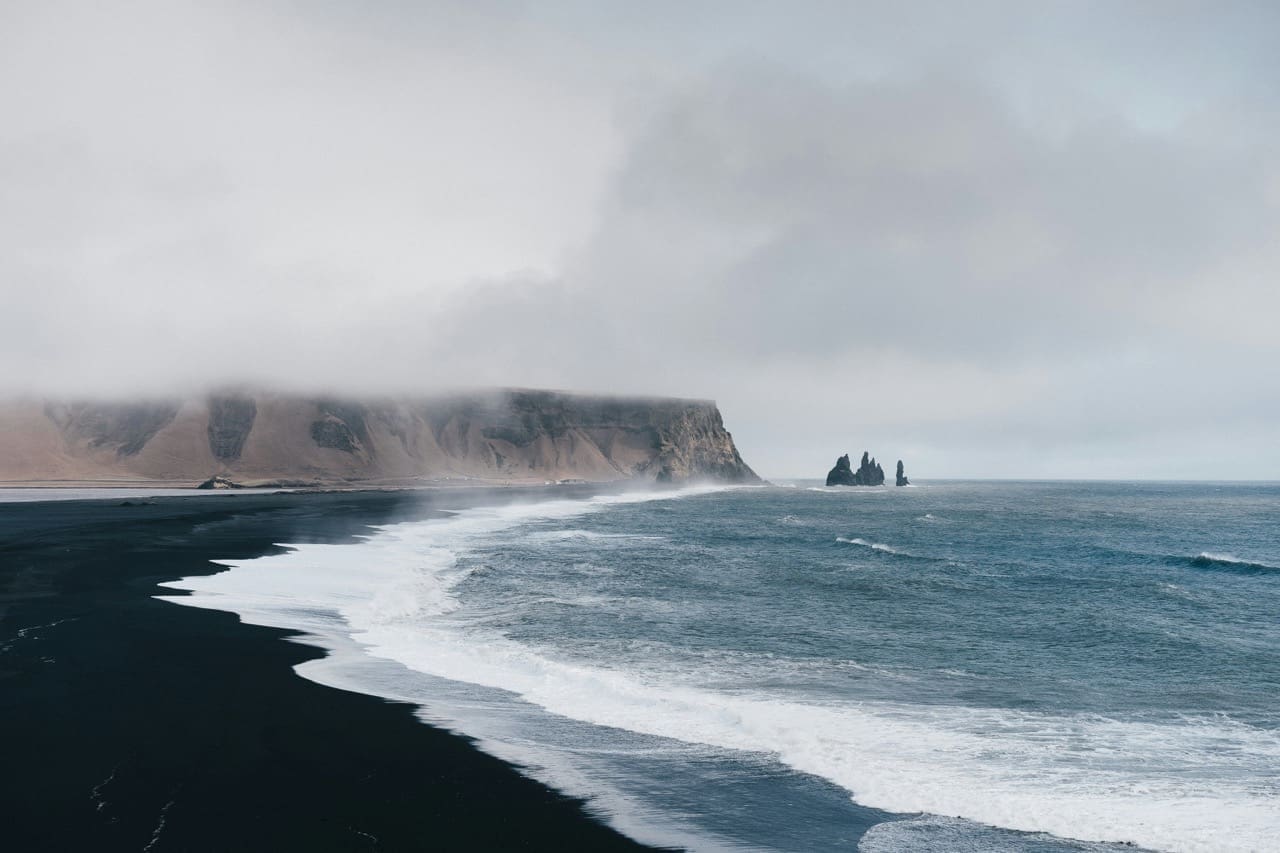
Reynisfjara Beach, located on the South Coast near the village of Vík, is undoubtedly Iceland’s most iconic black sand beach. Its dramatic basalt columns, powerful Atlantic waves, and otherworldly atmosphere have made it a bucket-list destination for travellers worldwide. The beach’s most distinctive features are the hexagonal basalt formations that rise from the sand, creating a natural colonnade that looks almost like an ancient temple.
The beach is known for its rough seas and powerful undertow, so swimming is generally not recommended. However, walking along the shore and exploring the rock formations is perfectly safe when you remain aware of the waves. The combination of black sand, crashing white-water waves, and dramatic skies makes Reynisfjara particularly stunning during Iceland’s winter months and during the summer’s midnight sun season. The nearby cliffs also attract numerous seabirds, including puffins during breeding season, adding another layer of natural interest to a visit.
Stokksnes Beach, located in Southeast Iceland, presents a distinctly different aesthetic from Reynisfjara. Here, the black sand stretches out beneath the imposing Vestrahorn mountain, creating a landscape that feels utterly remote and untouched. The beach is accessible via a small road that passes through a private farm, and visitors typically pay a modest fee to access the area. This remote location means Stokksnes remains less crowded than other popular black sand beaches, offering a more peaceful experience for those willing to venture slightly off the main tourist routes.
The combination of golden-tinted mountains reflected in wet black sand creates particularly striking photographic opportunities, especially during the golden hour around sunrise or sunset. The beach’s relative isolation also makes it an excellent spot for observing Iceland’s wildlife, including arctic foxes and various seabird species. Given its remote nature, visitors should ensure they have adequate provisions and fuel before heading to Stokksnes, as services in the surrounding area are limited.
For those willing to explore beyond the South Coast’s most well-travelled routes, Karekare Beach in the Westfjords offers a spectacular black sand experience in a more secluded setting. This beach combines black sand with striking red volcanic cliffs, creating a colour contrast that is truly unique. The area’s remoteness ensures that visitors typically have plenty of space to explore without the crowds found at more famous locations.
Reaching Karekare requires a drive through some of Iceland’s most beautiful and rugged terrain, but the journey itself becomes part of the adventure. The Westfjords region offers numerous other attractions and natural wonders, making it possible to combine a Karekare Beach visit with exploration of dramatic fjords, waterfalls, and charming fishing villages.
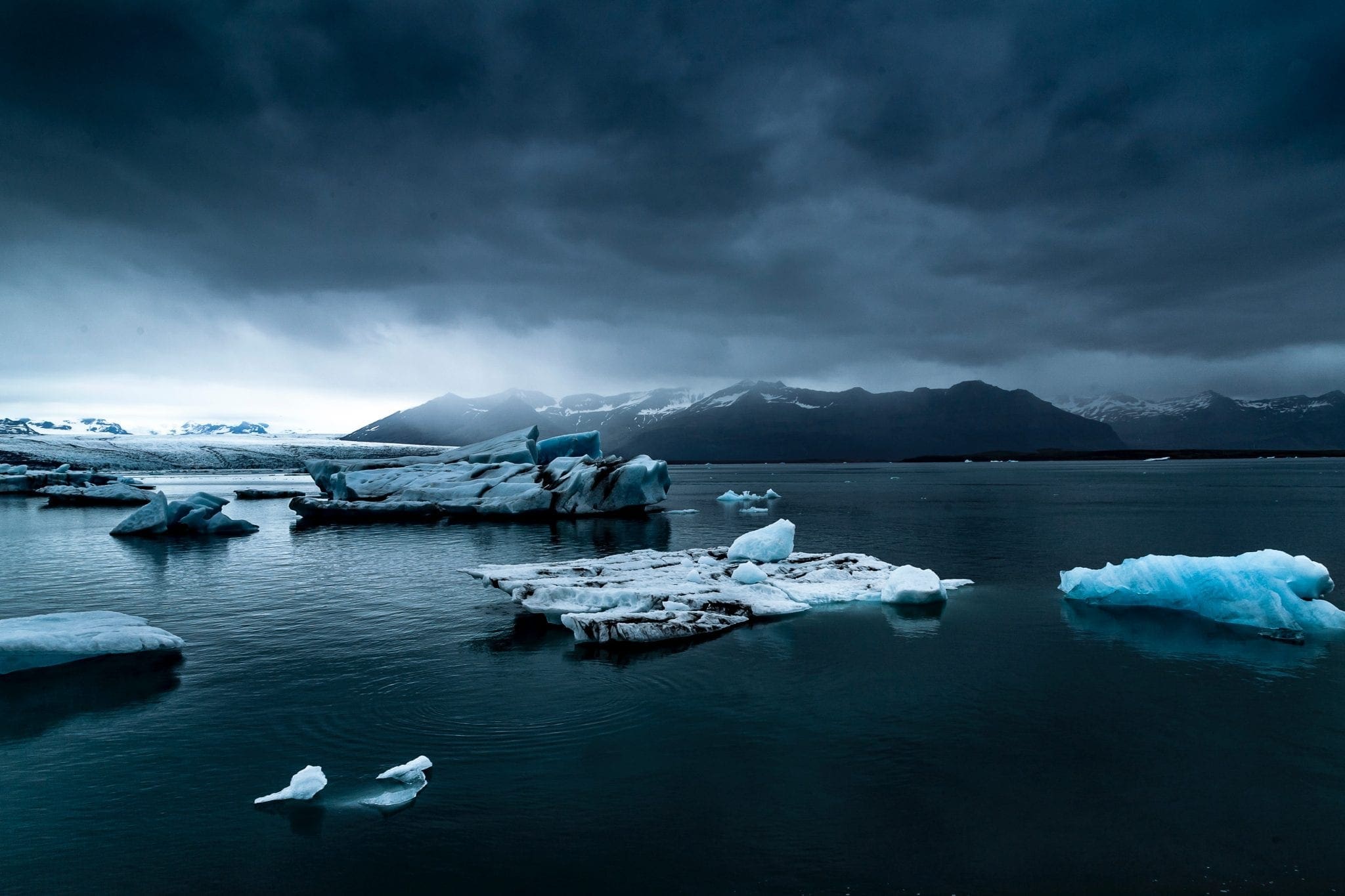
Near Jökulsárlón Glacier Lagoon in Southeast Iceland lies a remarkable black sand beach where icebergs frequently wash ashore. This unique beach combines Iceland’s most iconic natural elements: black volcanic sand, blue glacial ice, and the dynamic environment created by an active glacier. Visitors can walk among the stranded icebergs, creating unforgettable photographs as chunks of ice catch the light against the dark sand.
The beach is particularly spectacular during the warmer months when more icebergs break off from the glacier and drift into the lagoon and beyond. However, it remains accessible and striking during all seasons. The constantly changing nature of the beach—with new icebergs arriving regularly and the landscape shifting with tides and weather—means that repeat visitors will always find something different to discover.
Sándheidi, located in South Iceland, remains relatively unknown compared to the tourist hotspots of Reynisfjara and Stokksnes. This black sand beach offers a more peaceful atmosphere whilst still providing stunning views and interesting geological formations. The beach’s lower profile among international tourists means it remains quieter and more intimate, appealing to those seeking a more solitary Icelandic coastal experience.
Sándheidi provides excellent opportunities for photography, bird watching, and simply enjoying the raw power of Iceland’s natural landscape without the infrastructure and crowds of more famous beaches. Its accessibility along the Südküste route makes it an excellent addition to a wider regional itinerary.
Iceland’s black sand beaches are remarkably beautiful but demand respect and caution. The ocean surrounding these beaches can be treacherous, with powerful waves, strong undercurrents, and water temperatures that remain cold even during summer months. Even experienced swimmers should exercise extreme caution, and swimming is typically not recommended at most black sand beaches. Always maintain a safe distance from the waterline and never turn your back to the ocean.
The black sand itself can reach surprisingly high temperatures during sunny weather, potentially causing discomfort to bare feet. It also tends to be finer and more abrasive than traditional sand, so it penetrates clothing and equipment more easily. Wearing sturdy footwear is advisable for exploring most black sand beaches, particularly those with jagged rock formations.
Weather in Iceland changes rapidly and dramatically, so visitors should dress in layers and be prepared for sudden shifts from clear skies to strong winds and rain. Always check weather forecasts and road conditions before travelling to remote beaches, and ensure your vehicle has sufficient fuel. Mobile phone coverage can be unreliable in remote coastal areas, so inform someone of your planned location and expected return time.
Iceland’s black sand beaches can be visited throughout the year, though each season offers distinct advantages and challenges. Summer months bring the midnight sun phenomenon, extended daylight hours perfect for photography, and generally more accessible weather conditions. However, summer also brings the highest numbers of tourists, making popular beaches significantly busier.
Winter visits offer dramatic skies, the potential for Northern Lights photography, and a more solitary experience. However, weather is more severe and changeable, and daylight hours are limited. Autumn and spring represent excellent compromise seasons, offering reasonable weather, fewer tourists than summer, and extended daylight compared to winter. Whenever you visit, always check current weather forecasts and road conditions, particularly for access to more remote beaches.
Swimming is generally not recommended at Iceland’s black sand beaches due to powerful waves, strong undercurrents, and extremely cold water temperatures. Most of these beaches display warning signs, and coastal rescue services regularly assist visitors who venture too close to the water or attempt to swim. If you wish to swim in Iceland, dedicated swimming pools and geothermal hot springs are far safer and more comfortable options than the open ocean beaches.
The sand is black because it consists primarily of volcanic basalt and obsidian created when lava flows reach the ocean. The rapid cooling and crystallisation of lava creates basalt fragments that are carried by waves and currents to accumulate along the coastline. The iron content in the basalt gives the sand its distinctive black colour. This same process continues today wherever Iceland’s active volcanism meets the ocean.
Reynisfjara offers stunning basalt columns and dramatic wave action, making it excellent for most photography styles. However, Stokksnes provides unique mountain backdrops and often receives fewer tourists, allowing for more peaceful shooting sessions. Jökulsárlón black sand beach offers distinctive ice and glacier elements, whilst the Westfjords beaches provide dramatic colour contrasts. The best choice depends on your specific photographic vision and preferences.
Most black sand beaches in Iceland are accessible by vehicle, though road conditions vary significantly. The South Coast beaches are easily reached via Route 1, the main ring road. More remote locations like Stokksnes may require payment to access private land and might have seasonal road conditions. The Westfjords beaches require more extensive driving on smaller roads. Always check current road conditions, ensure your vehicle is suitable for Icelandic roads, and carry emergency supplies when venturing to remote areas.
Black sand beaches demand respect but are not inherently dangerous if visitors exercise appropriate caution. The primary hazards are the powerful ocean waves and cold water rather than the beaches themselves. Falls on rocky formations and cuts from sharp basalt are also possible but easily avoidable through careful movement. Sunburn, dehydration, and hypothermia are also considerations. By following posted warnings, maintaining safe distances from the water, dressing appropriately, and checking weather conditions, visitors can safely enjoy these remarkable natural features.
Schließen Sie sich Island Insider an, um neue Reiseführer und einen Vorlauf zu erhalten, wenn die Polarlichtvorhersage gut aussieht Kein Spam.



Reisetipps, neue Guides und ein Heads-up, wenn die Polarlichter-Prognose gut aussieht Kein Spam.
