REYKJANES PENINSULA | PRIVATE PHOTO-TOUR
REYKJANES PENINSULA | PRIVATE PHOTO-TOUR
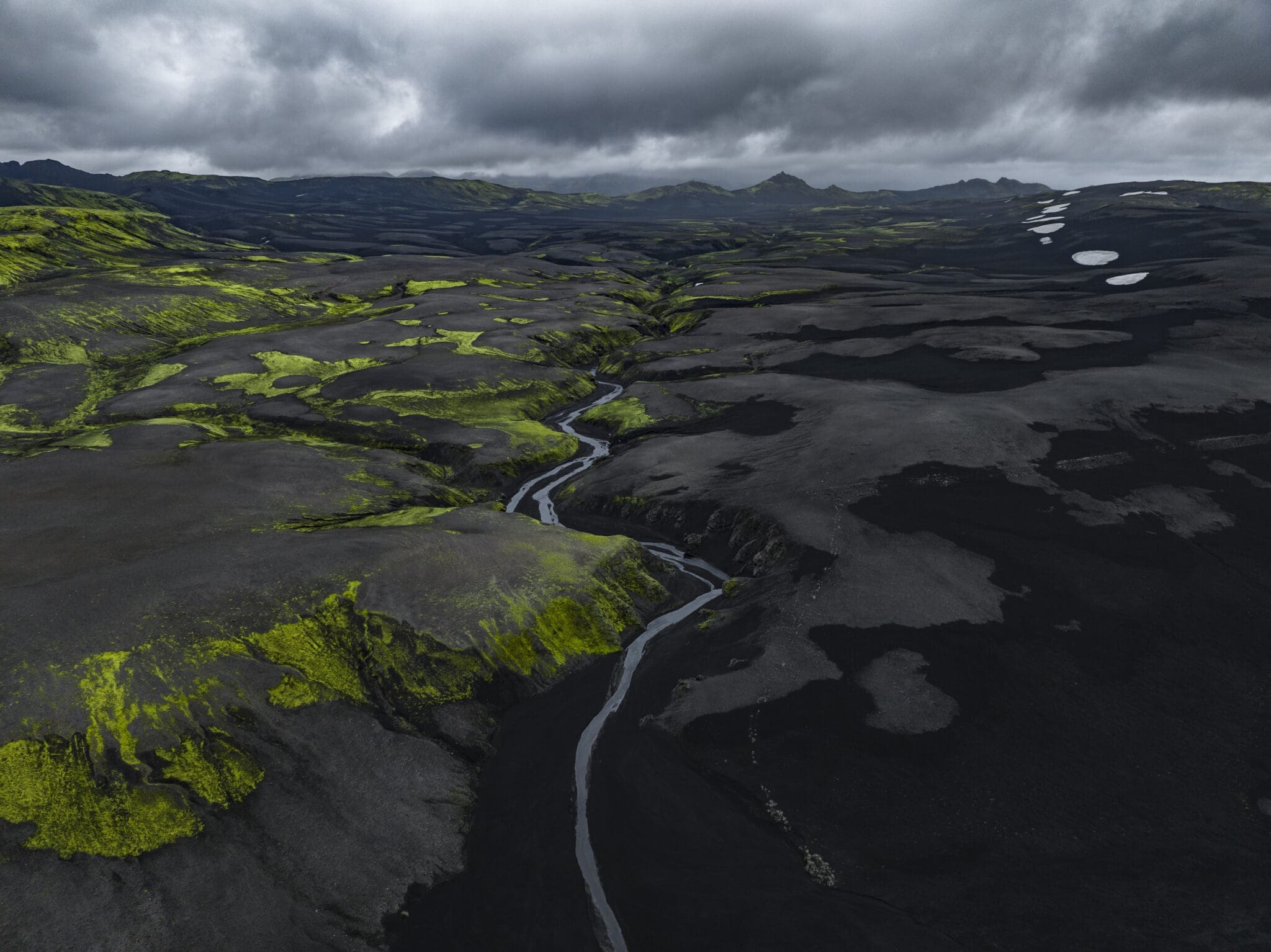
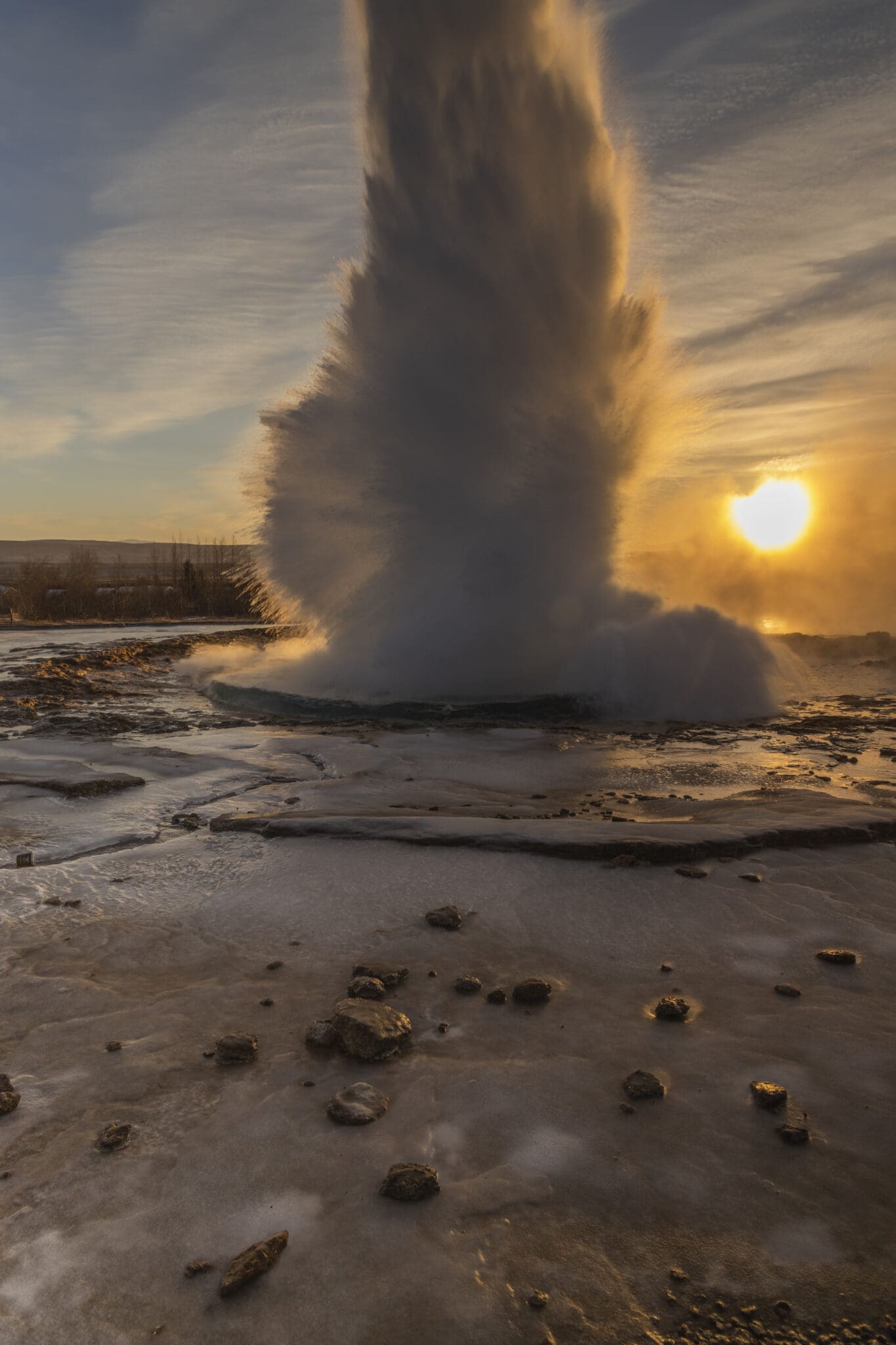
Reykjanes Peninsula is one of the most captivating places to visit in Iceland, with its rugged coastline, vast lava fields, and bubbling mud pots and hot springs. The peninsula is alive with natural beauty that will leave you mesmerized.
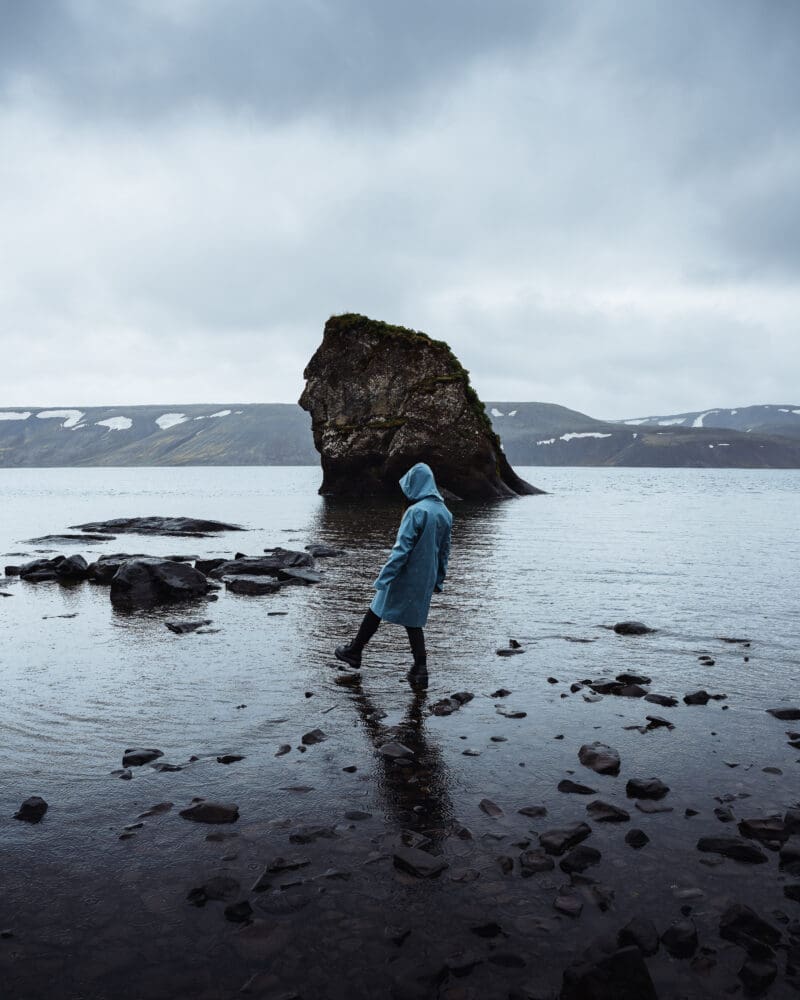
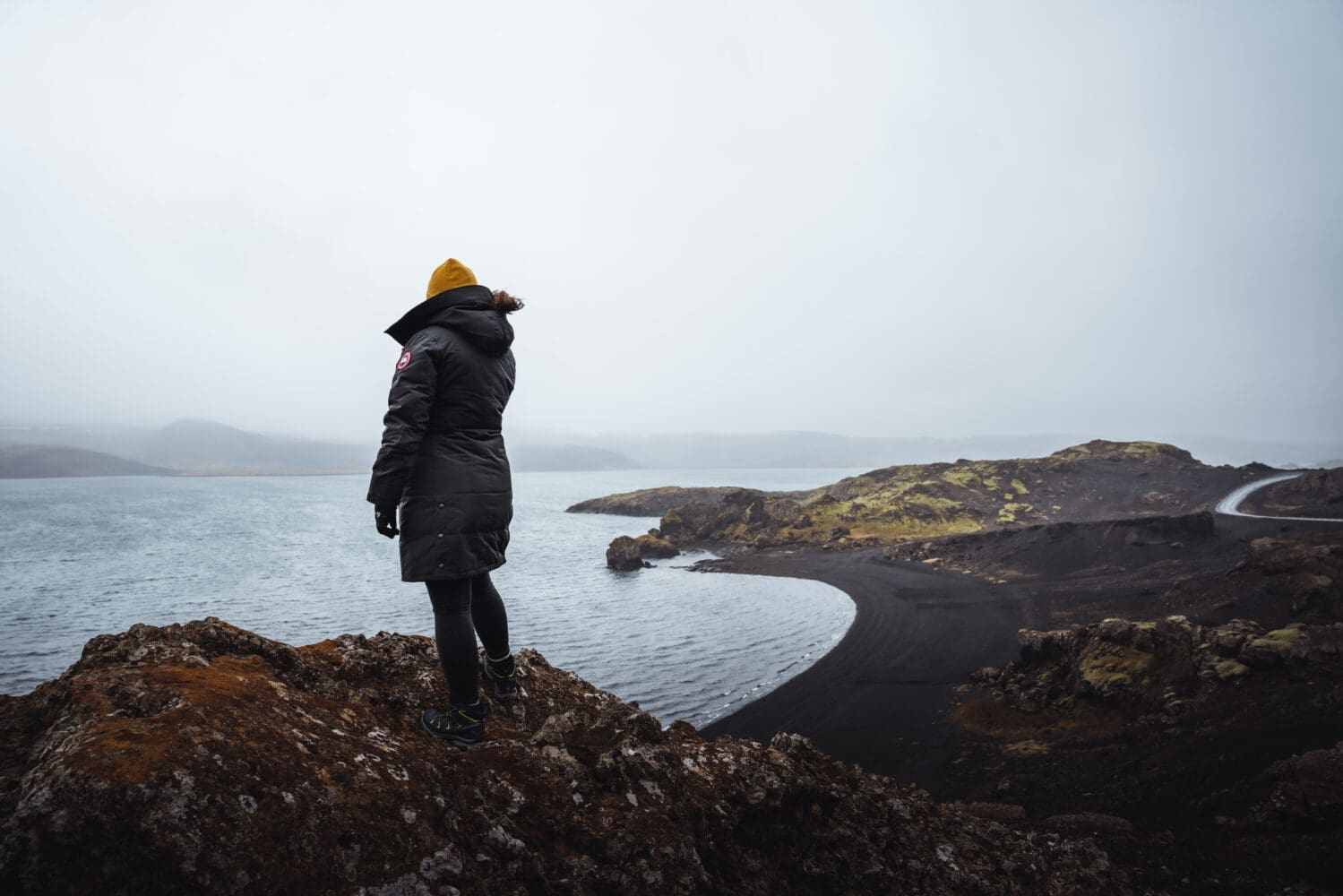
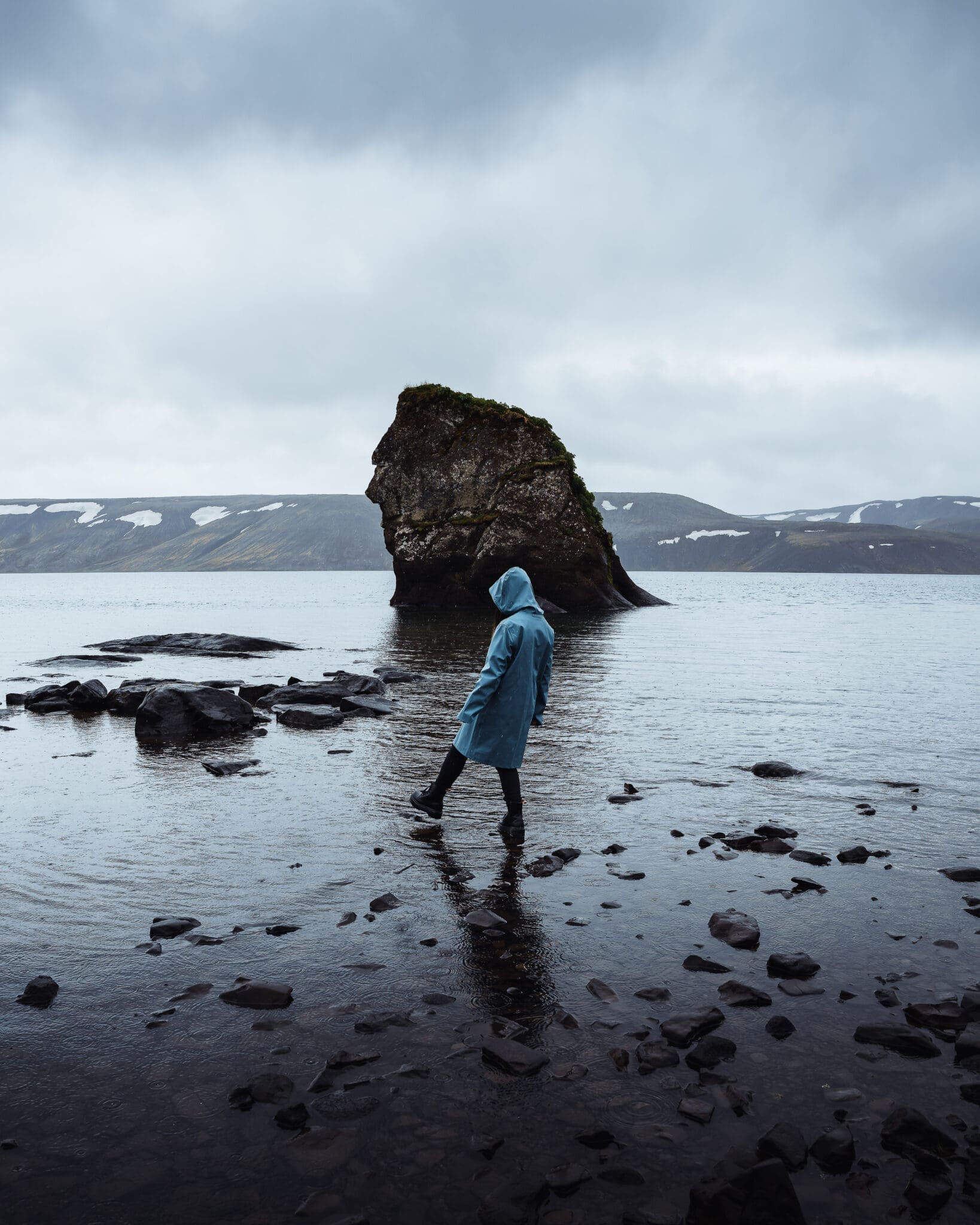
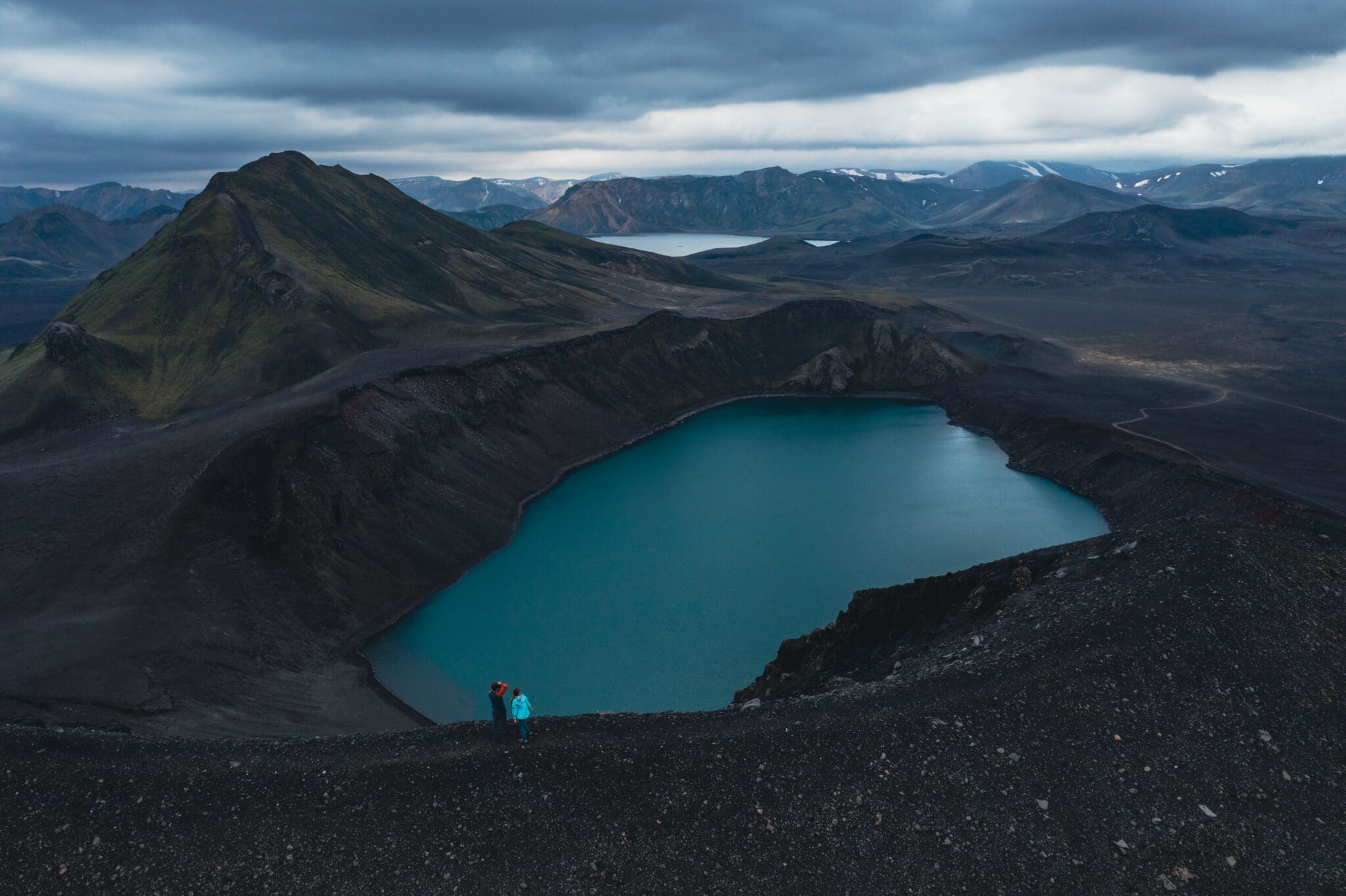
Our private tour will take you around the still-active Fagradalsfjall volcano, starting with a drive to Kleifarvatn, the largest and one of the deepest lakes in Iceland. Surrounded by mountains and lava fields.
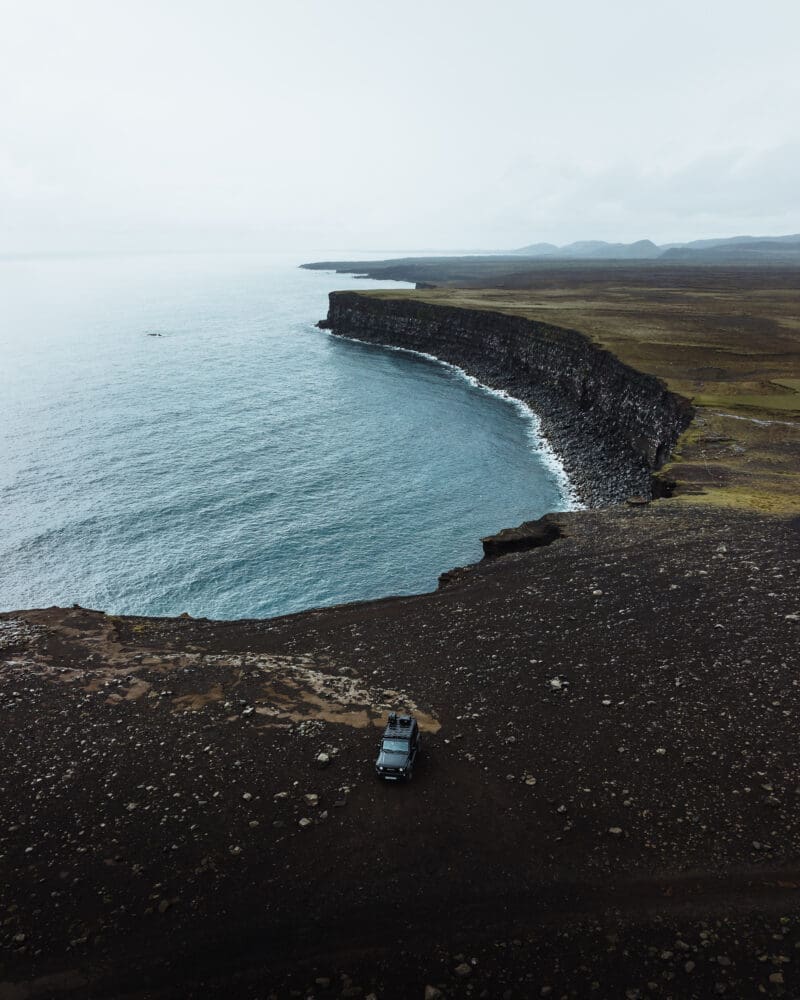
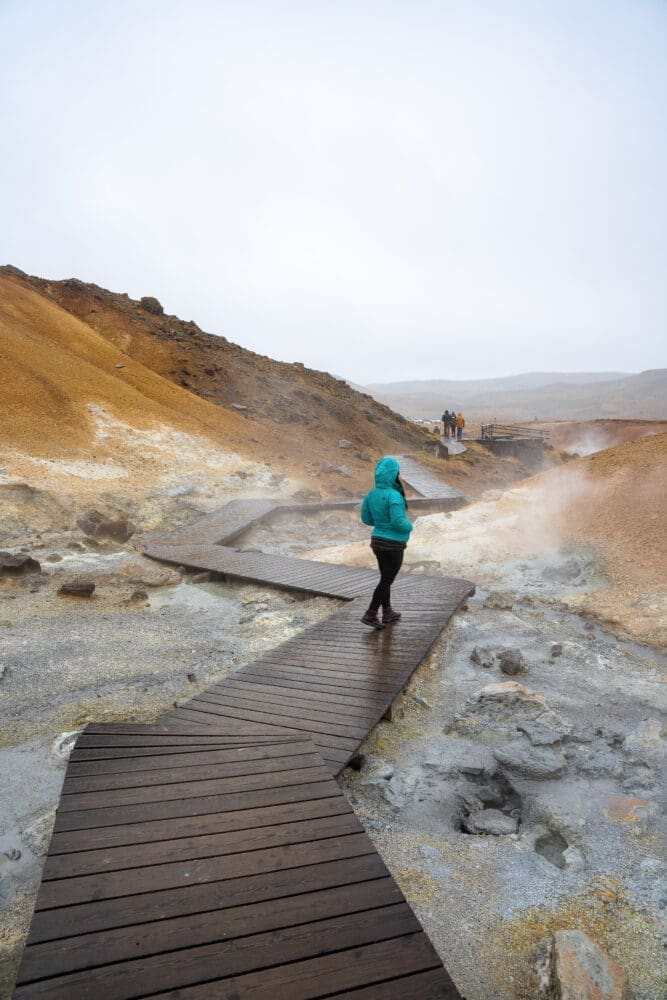
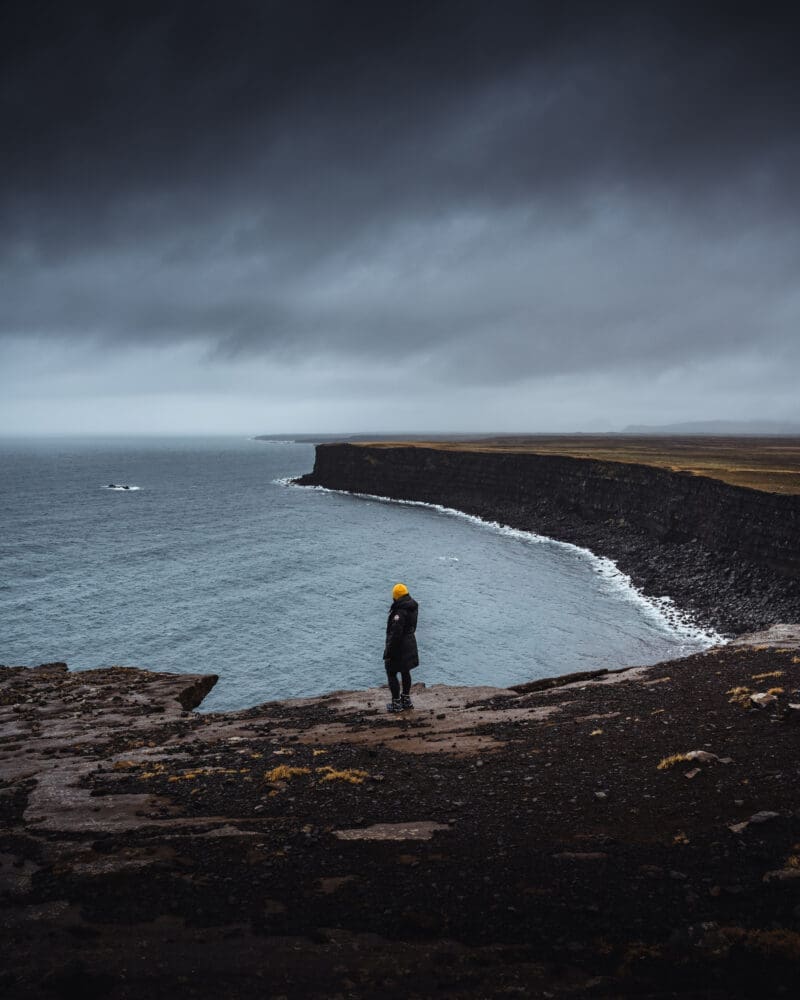
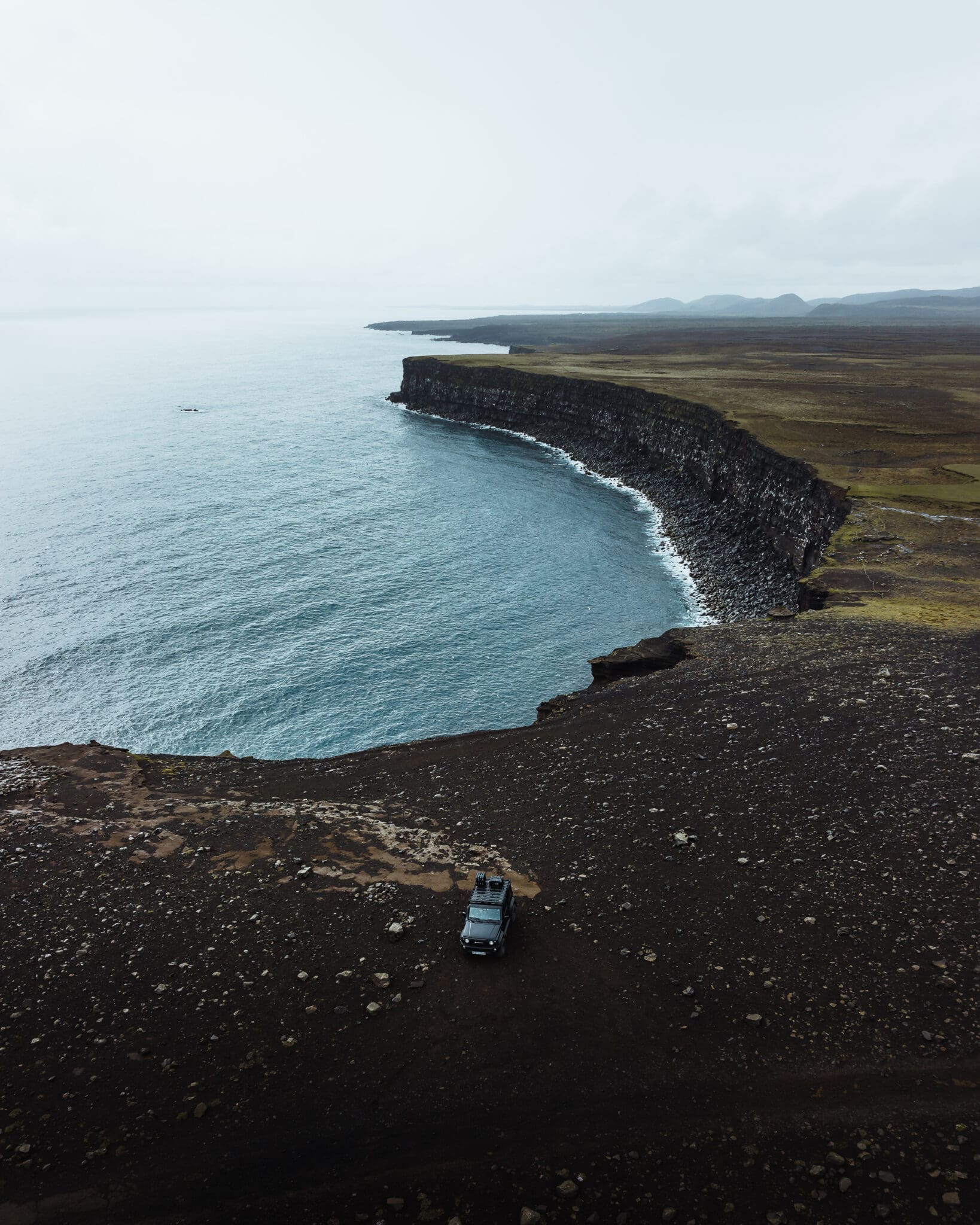
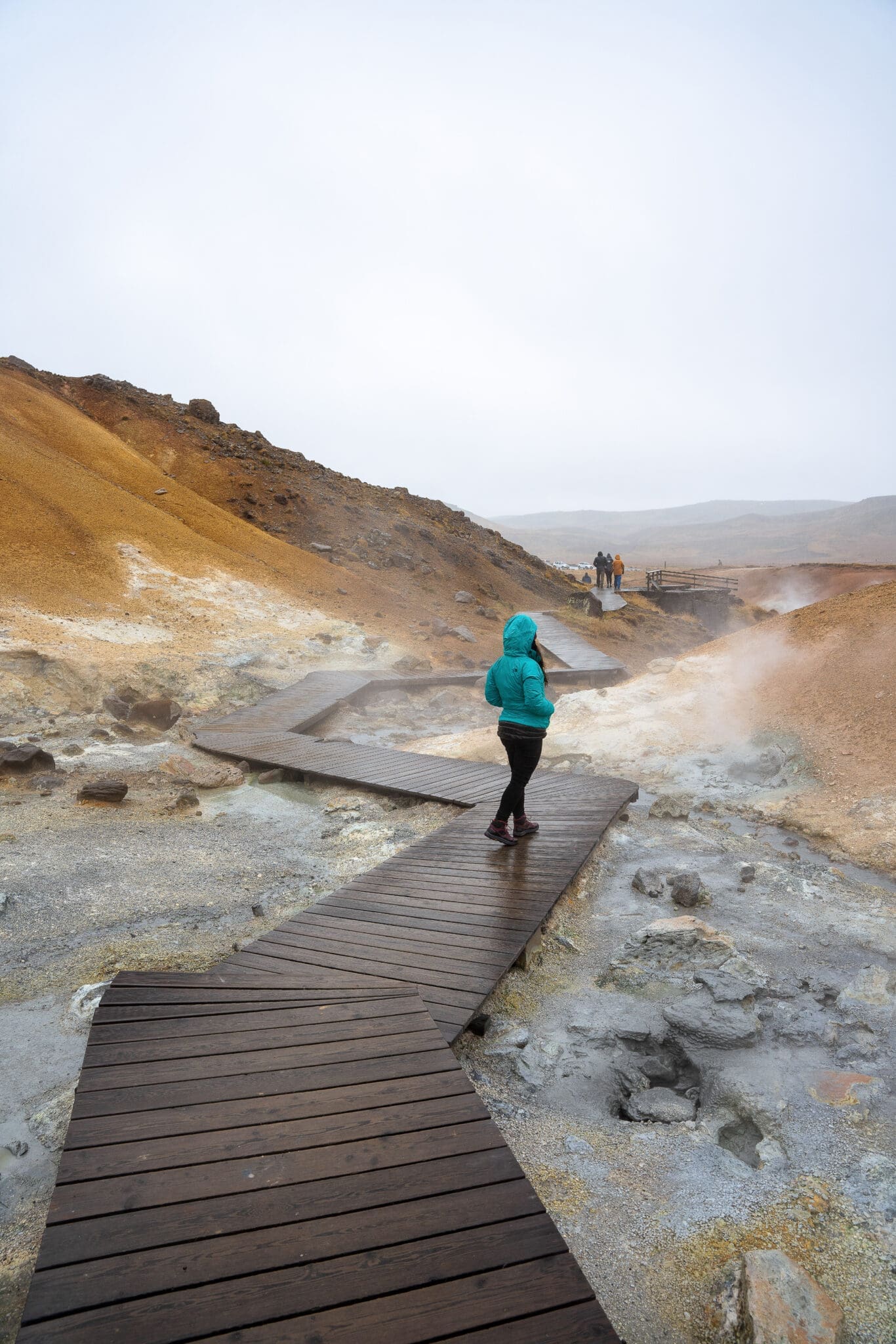
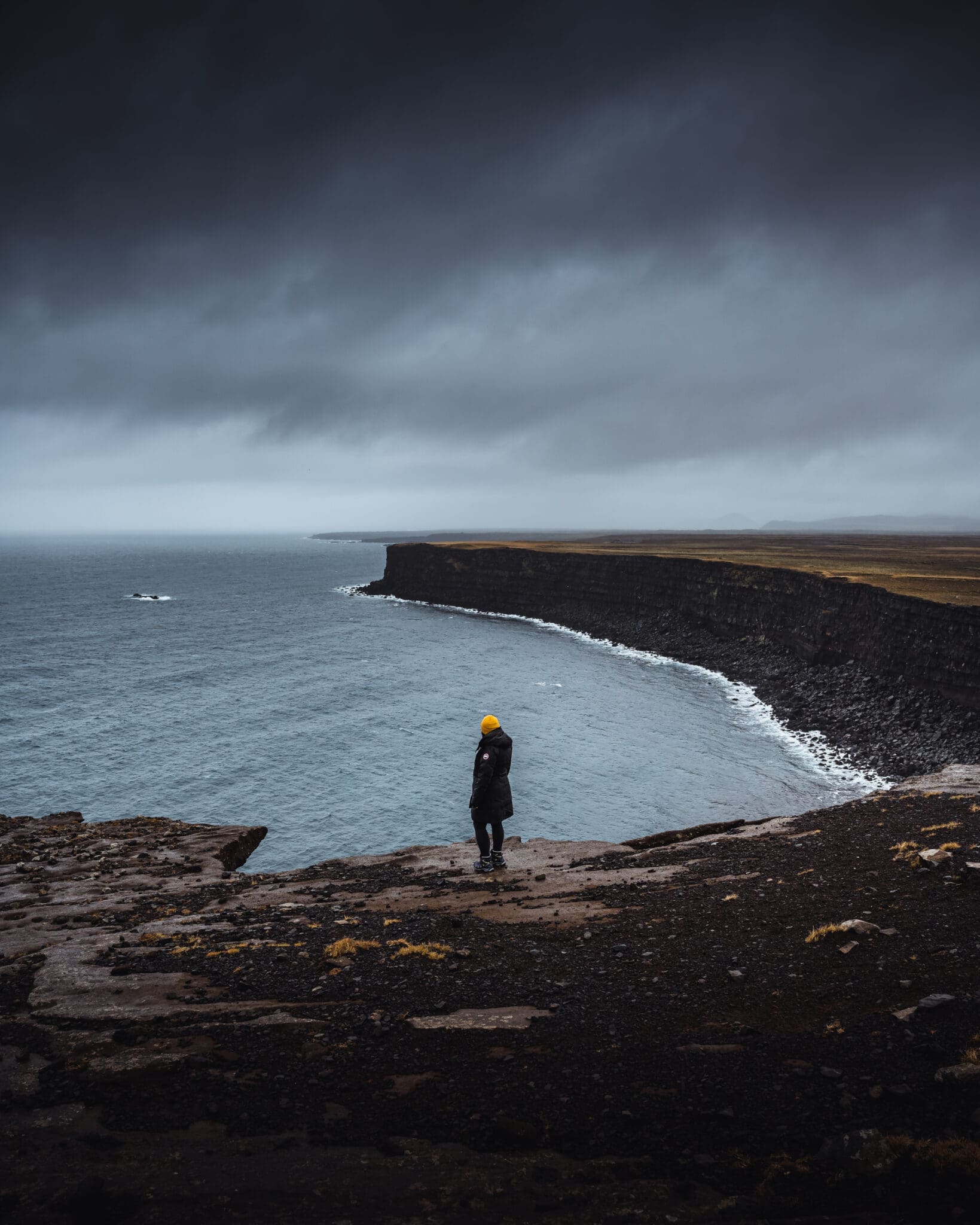
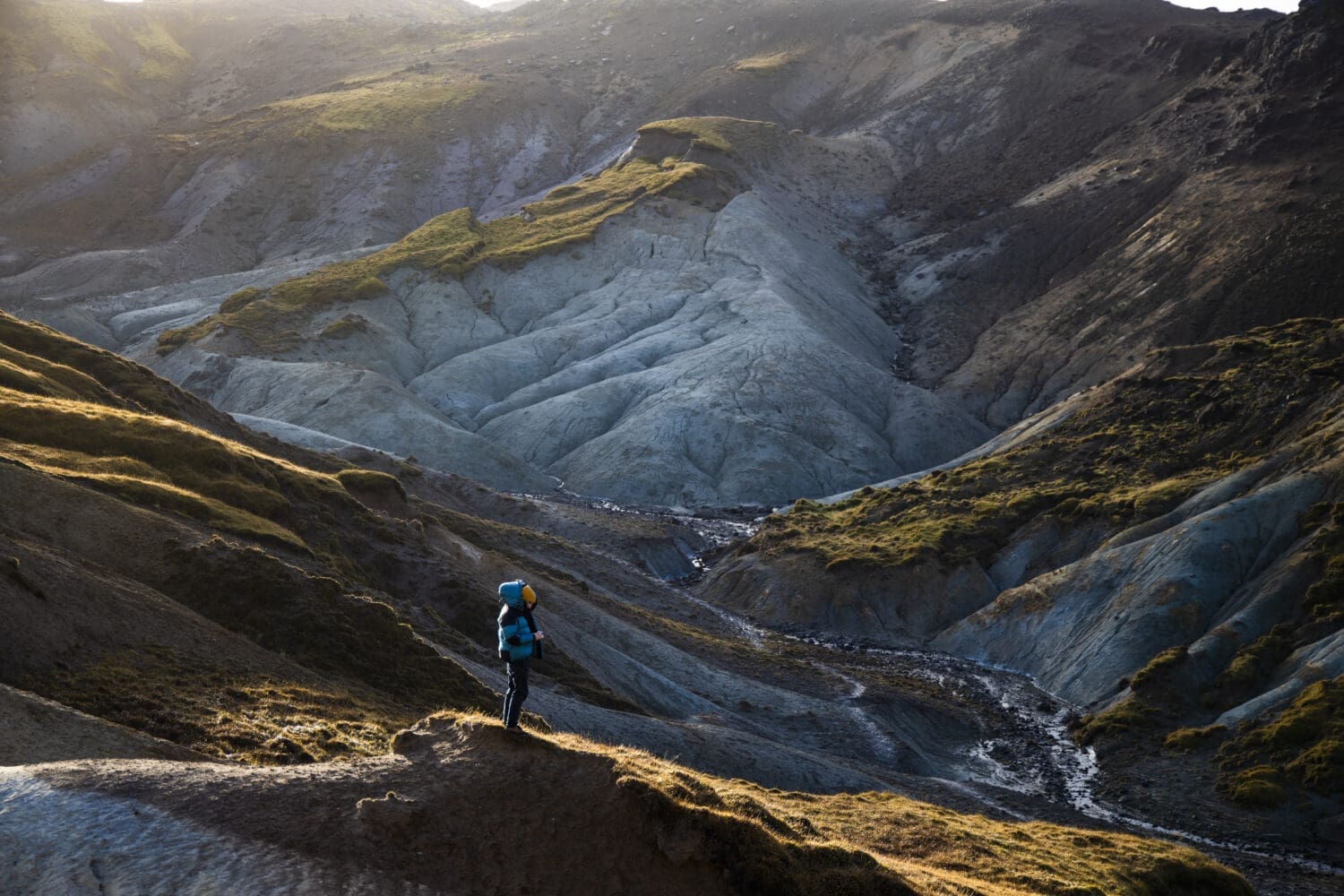
Next, you'll explore the colorful geothermal area of Seltún, whith its bubbling and simmering mud pools. Then, the tour heads to Krýsuvíkurbjarg cliffs, where you can see thousands of birds in the summer. Despite the harsh winds, the view of the black rock face dropping straight into the sea is simply breathtaking.
The tour then takes you to the town of Grindavik, where you can taste some of the best fish and chips you'll ever have. After lunch, it's time to see one of the many geological wonders of Reykjanes: Brimektill, a natural lava pool carved by marine erosion, where you'll observe some of the craziest waves in Iceland.
From the observation point, you can also see Reykjanesviti, the oldest lighthouse in Iceland and our next stop.
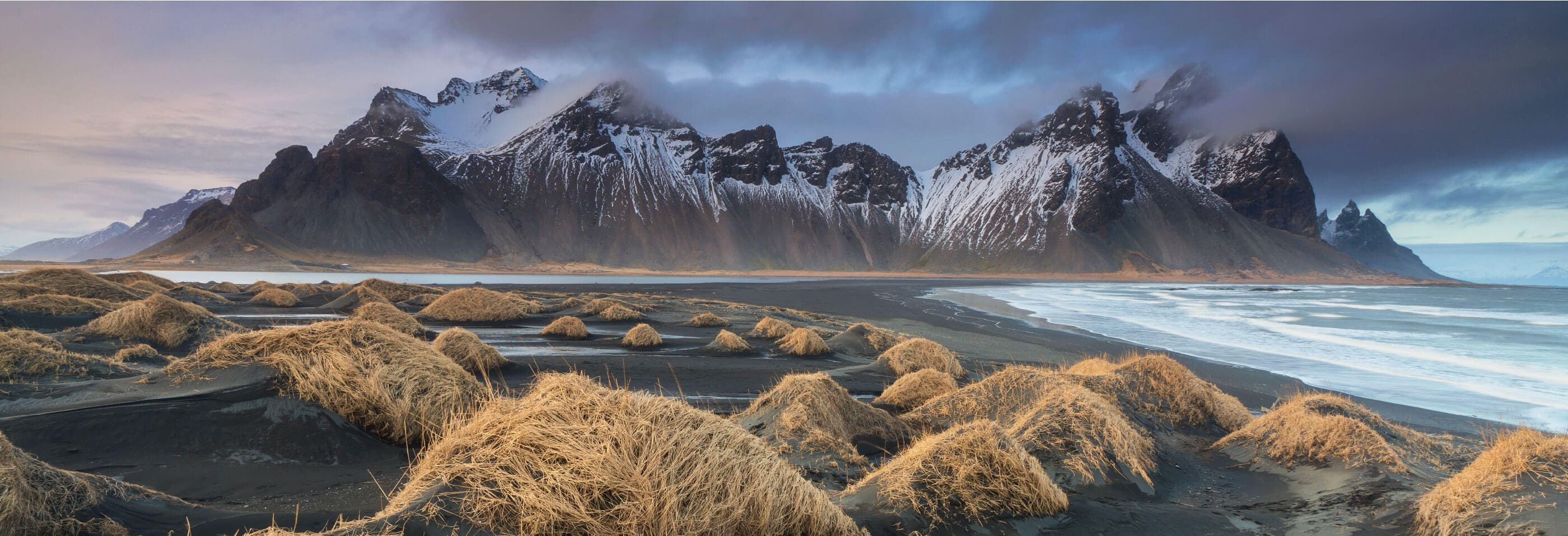
As you drive past the colorful field of Gunnuhver, boiling steam vents and fumaroles will accompany you on the way to Sandvík. This beach is known for its incredible dunes and remarkable black sand that paints an unforgettable coastline panorama. Here, you can also visit the Bridge Between Continents, a small bridge spanning a fissure between Europe and North America. Standing above the tectonic plates, it's an incredible feeling to be on two different continents at the same time!
Reykjanes Peninsula is a UNESCO geopark, and the intense geothermal activity here makes it an unforgettable destination. Let me show you all of its wonders, and don't hesitate to put it on your must-see list of places in Iceland.
– Tour Highlights –
Valahnúkamöl sea stacks
Reykjanes Lighthouse
Gunnuhver
Brimketill lava rock pool
The bridge between continents
Krisuvikurberg Cliffs
The great lava fields
Krýsuvík
Kleifarvatn lake
Grænavatn
Sandvik
+ More secret spots along the way!
Certified Guide and Professional Photographer.
Pick up & drop off from/to your accommodation in Reykjavik.
Professional edited photos after the trip.
Parking Fees.
- Not wheelchair accessible
- Not stroller accessible
- Not suitable for pets
- No public transportation nearby
- Infants must not sit on laps
- Infant seats unavailable
- Please provide informations about your hotel or accommodation for pick up
- Lake Kleifarvatn is a large lake located on the Reykjanes Peninsula in southwestern Iceland. It is the largest lake on the peninsula and is known for its stunning beauty and unique geological features.
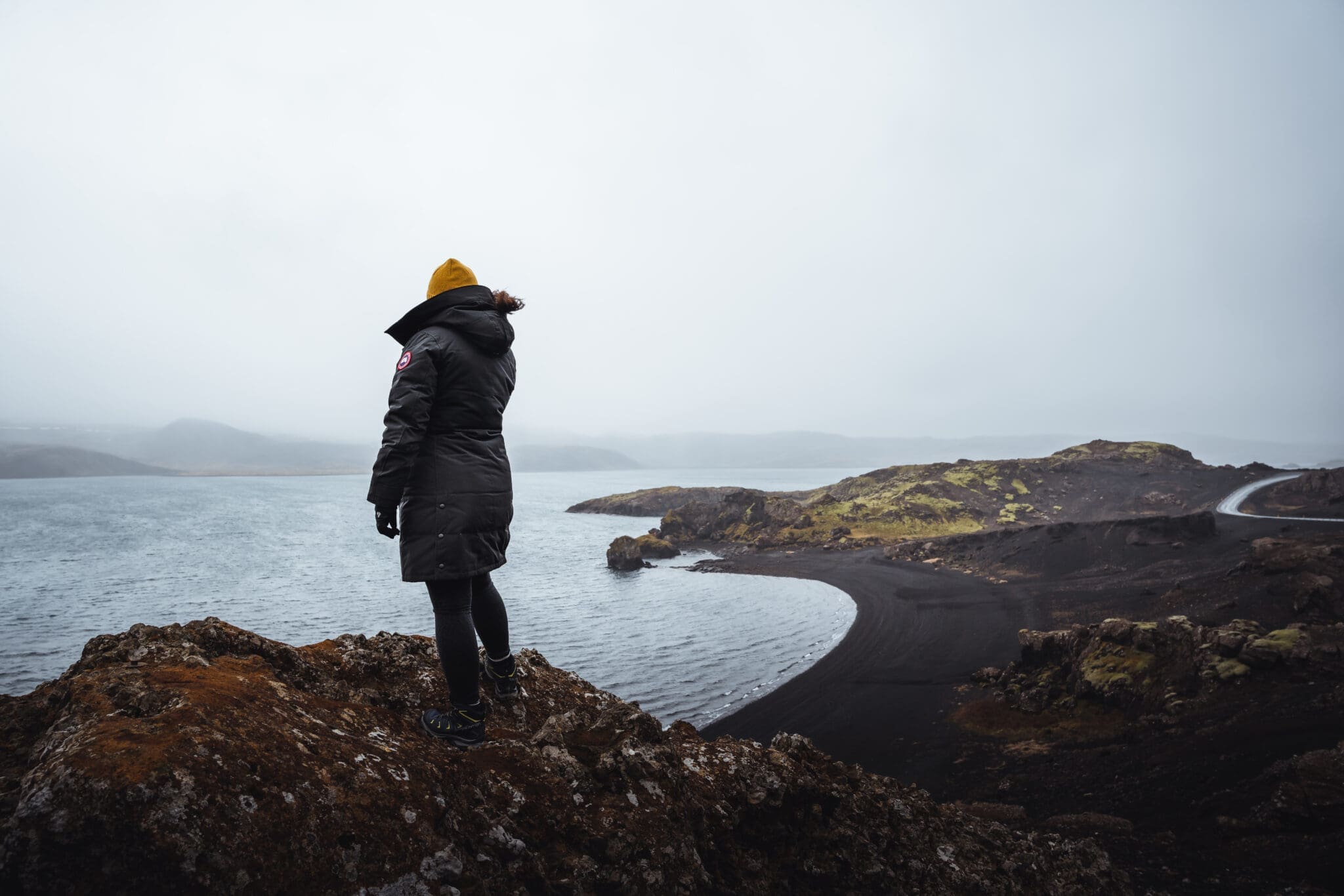
One of the most striking features of Lake Kleifarvatn is its black sand beaches, which are a result of the surrounding volcanic landscape. The lake is also known for its deep blue color, which is a result of its depth and the clarity of the water.
Lake Kleifarvatn is located on the Mid-Atlantic Ridge, which is a tectonic boundary between the North American and Eurasian plates. This makes the area prone to earthquakes and volcanic activity, and there have been several eruptions in the region over the past few centuries.
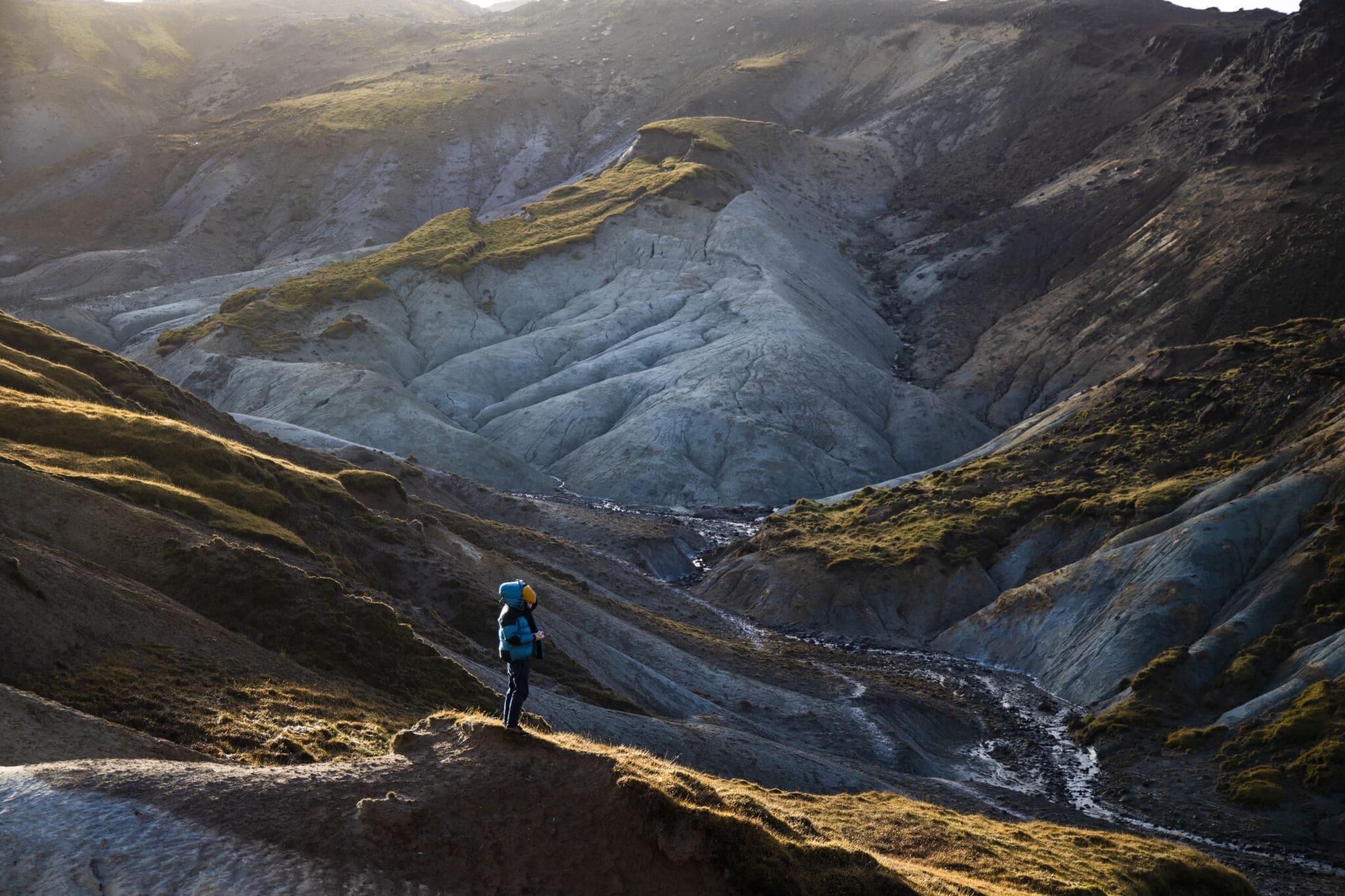
- Seltún is a geothermal area located on the Reykjanes Peninsula in southwestern Iceland, close to the town of Grindavik. It is known for its colorful and otherworldly landscape, with steaming vents, bubbling mud pools, and vibrant mineral deposits.
The Seltún geothermal area is situated on the Mid-Atlantic Ridge, which is a tectonic boundary between the North American and Eurasian plates. As a result, the area is prone to volcanic and seismic activity, and the geothermal features at Seltún are a result of this activity.
The geothermal activity at Seltún creates a unique environment where visitors can witness the power of the earth firsthand. The area is home to several geothermal vents that emit steam and gas, as well as bubbling mud pools and hot springs.
Colorful mineral deposits that can be seen throughout the area. The minerals are a result of the geothermal activity, and the colors range from bright yellow and orange to deep red and brown.
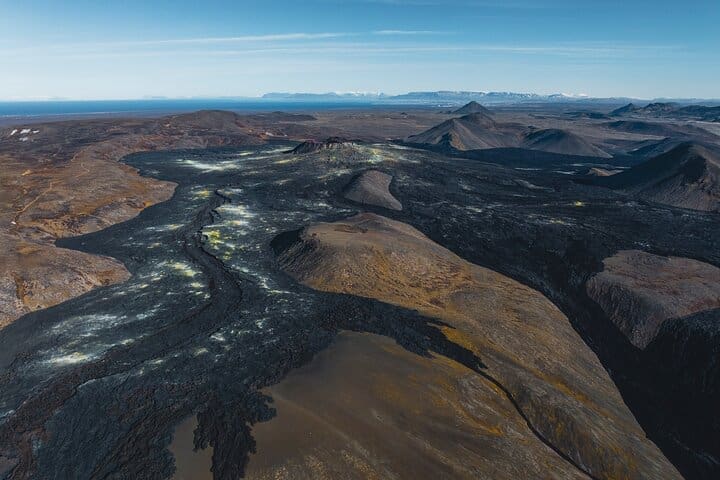
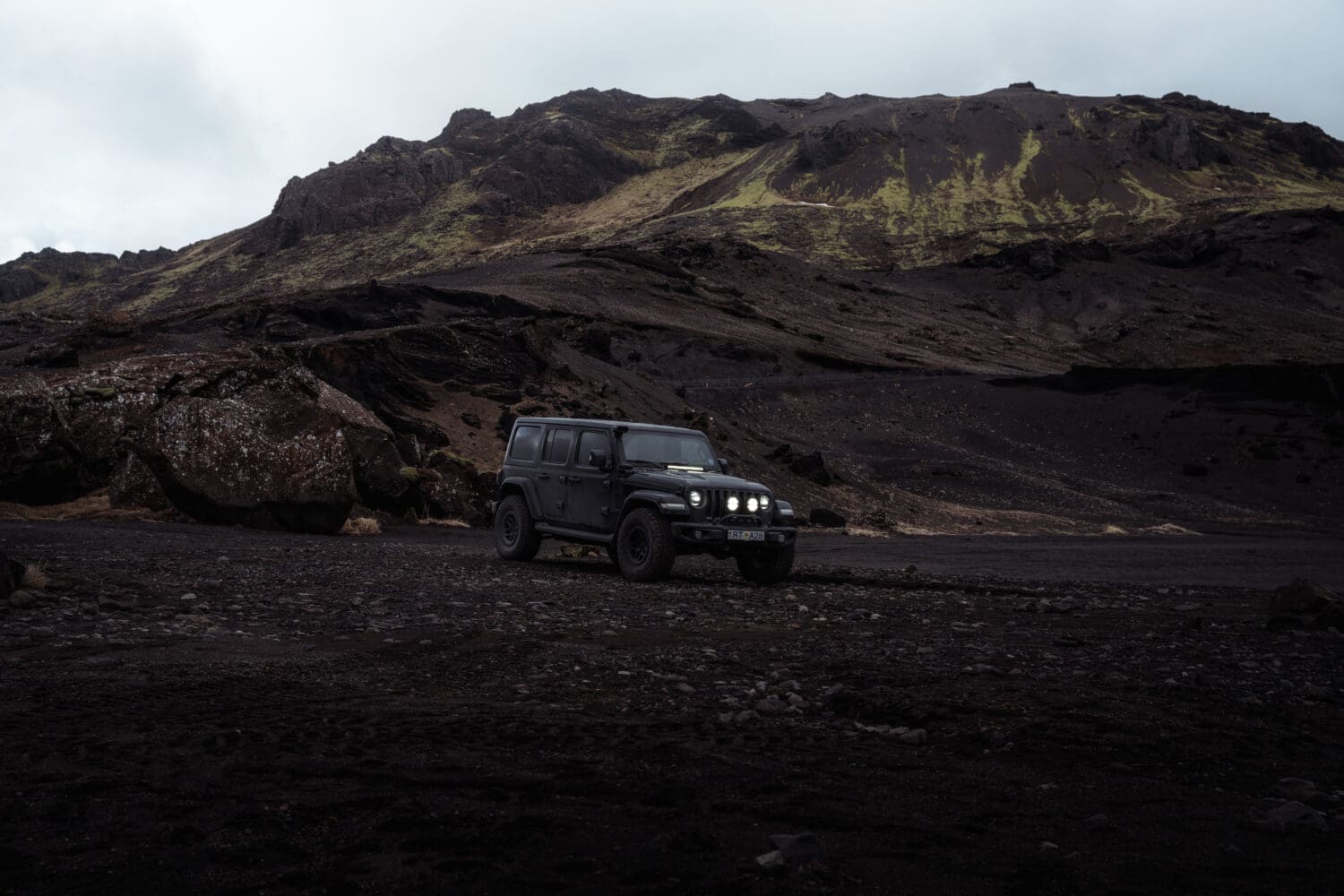
- We will visit the lava field from the eruption of Fagradalsfjall.
The Fagradalsfjall eruption in 2021 was a volcanic eruption that began on March 19, 2021, on the Reykjanes Peninsula in southwestern Iceland. It was the first volcanic eruption in the area in over 800 years and was a result of the ongoing tectonic activity along the Mid-Atlantic Ridge.
The eruption occurred in the Geldingadalur valley, which is located on the slopes of the Fagradalsfjall volcano. The eruption produced lava fountains and lava flows, which covered an area of approximately 2 square kilometers. The lava flows were relatively slow-moving, and there were no reports of damage or injuries.
- We will stop for lunch in the town of Grindavik where we will have one of the best fish and chips in the world with fresh cod. (They also have other meals with vegan options)
- The Reykjanes Lighthouse is a historic lighthouse located on the Reykjanes Peninsula in southwestern Iceland, near the town of Keflavik. It is one of the oldest lighthouses in Iceland and has been in operation since 1907.
The Reykjanes Lighthouse was built to help guide ships through the treacherous waters around the Reykjanes Peninsula, which are known for their strong currents and rocky coastline. The lighthouse stands 31 meters tall and is constructed of cast iron, with a distinctive red and white painted exterior.
In addition to its practical purpose as a navigational aid, the Reykjanes Lighthouse is also a popular tourist attraction. Visitors can climb to the top of the lighthouse for panoramic views of the surrounding landscape, including the rugged coastline and the nearby mountains.
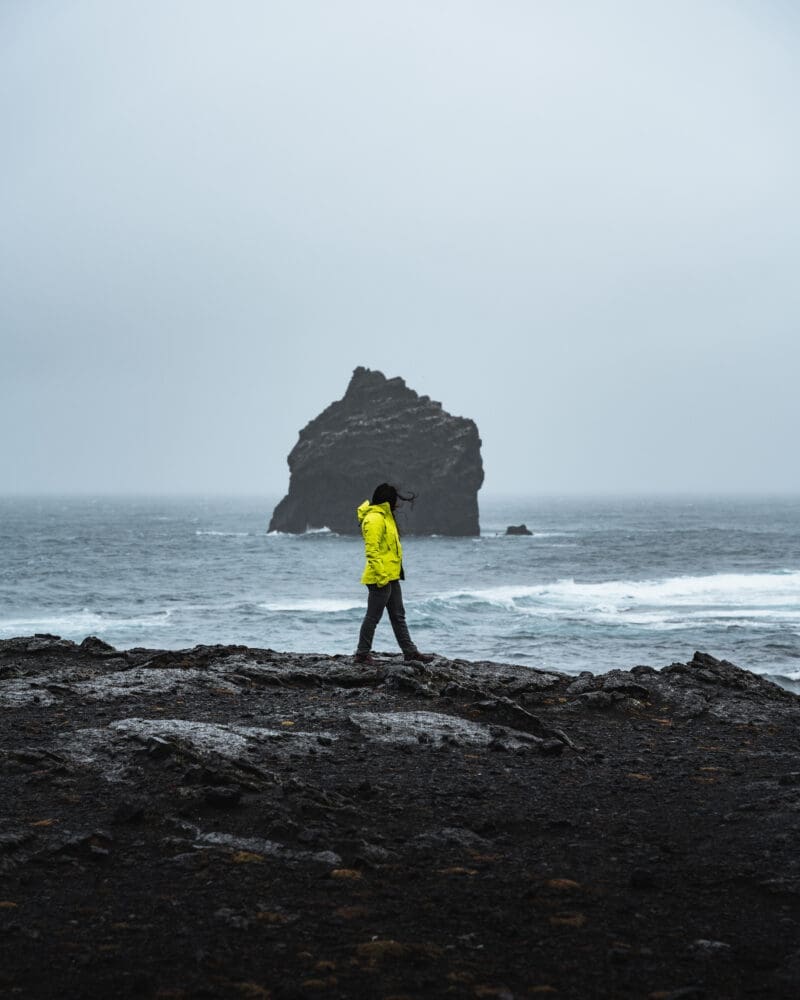
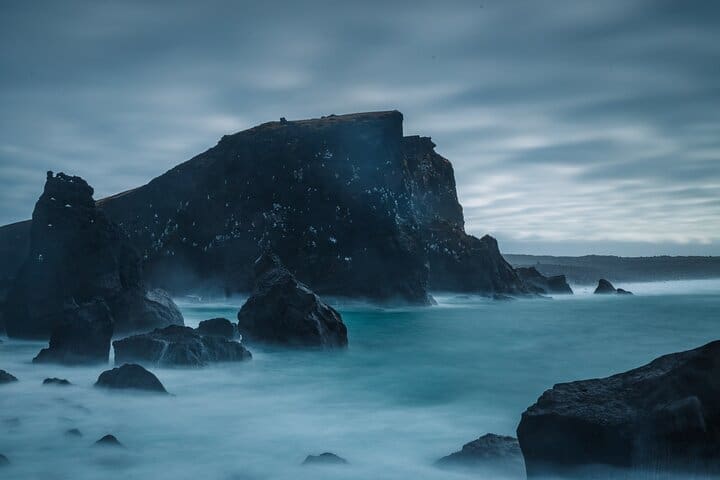
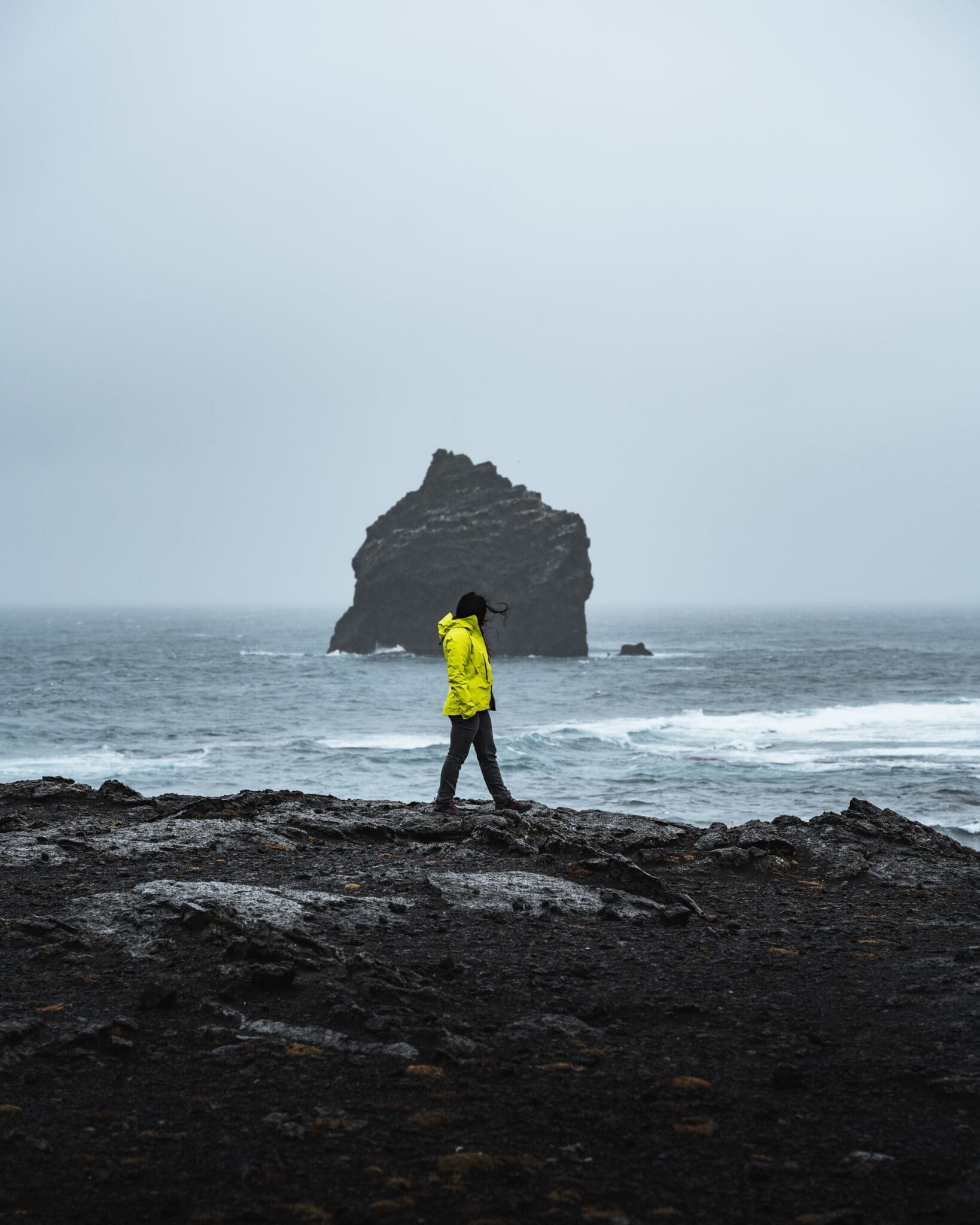
- Valahnúkamöl is a scenic and rugged coastal area located on the Reykjanes Peninsula in southwestern Iceland, known for its dramatic sea cliffs, volcanic rocks, and unique rock formations.
The Valahnúkamöl area is located near the Reykjanesviti lighthouse and is part of the Reykjanes Geopark, a UNESCO World Heritage site that features a wide range of geothermal and volcanic attractions.
The area’s volcanic rocks are a result of the region’s geologically active past, and the unique shapes and formations are the result of centuries of wind and weather erosion.
Valahnúkamöl is also home to a variety of bird species, including puffins, which can be seen nesting in the cliffs during the summer months.
The area is also a popular destination for photographers and nature lovers, offering an opportunity to experience Iceland’s unique geology and natural beauty up close.
- Gunnuhver is a geothermal area located on the Reykjanes Peninsula in southwestern Iceland. It is known for its powerful geothermal activity, including boiling mud pools, steam vents, and hot springs.
The name “Gunnuhver” comes from a local legend about a female ghost named Gunna who haunted the area. According to the legend, Gunna was a wealthy farmer who died in the 18th century and was buried in the local churchyard. However, her spirit was said to have returned and caused mischief and mayhem until a local priest was able to banish her to the nearby geothermal area.
One of the most impressive features of Gunnuhver is its large mud pool, which bubbles and boils with geothermal activity. The pool can reach temperatures of up to 300 degrees Celsius and is surrounded by colorful mineral deposits, creating a stunning and otherworldly landscape.
Gunnuhver is also known for its distinctive sulfuric smell, which is caused by the release of sulfuric gases from the geothermal activity.
- Eldvörp is a volcanic system located on the Reykjanes Peninsula in southwestern Iceland. It is known for its unique geological features, including a series of cinder cones and lava flows that were formed during past volcanic activity.
The name “Eldvörp” means “fire craters” in Icelandic, and the area is characterized by its rugged and otherworldly landscape. The volcanic activity in Eldvörp has been relatively recent, with the most recent eruption occurring around 2,000 years ago.
One of the most impressive features of Eldvörp is the area’s unique rock formations, which were formed by the cooling and solidification of molten lava. These formations create a striking contrast against the surrounding landscape, and visitors can walk among them to get a close-up look at their intricate shapes and textures.
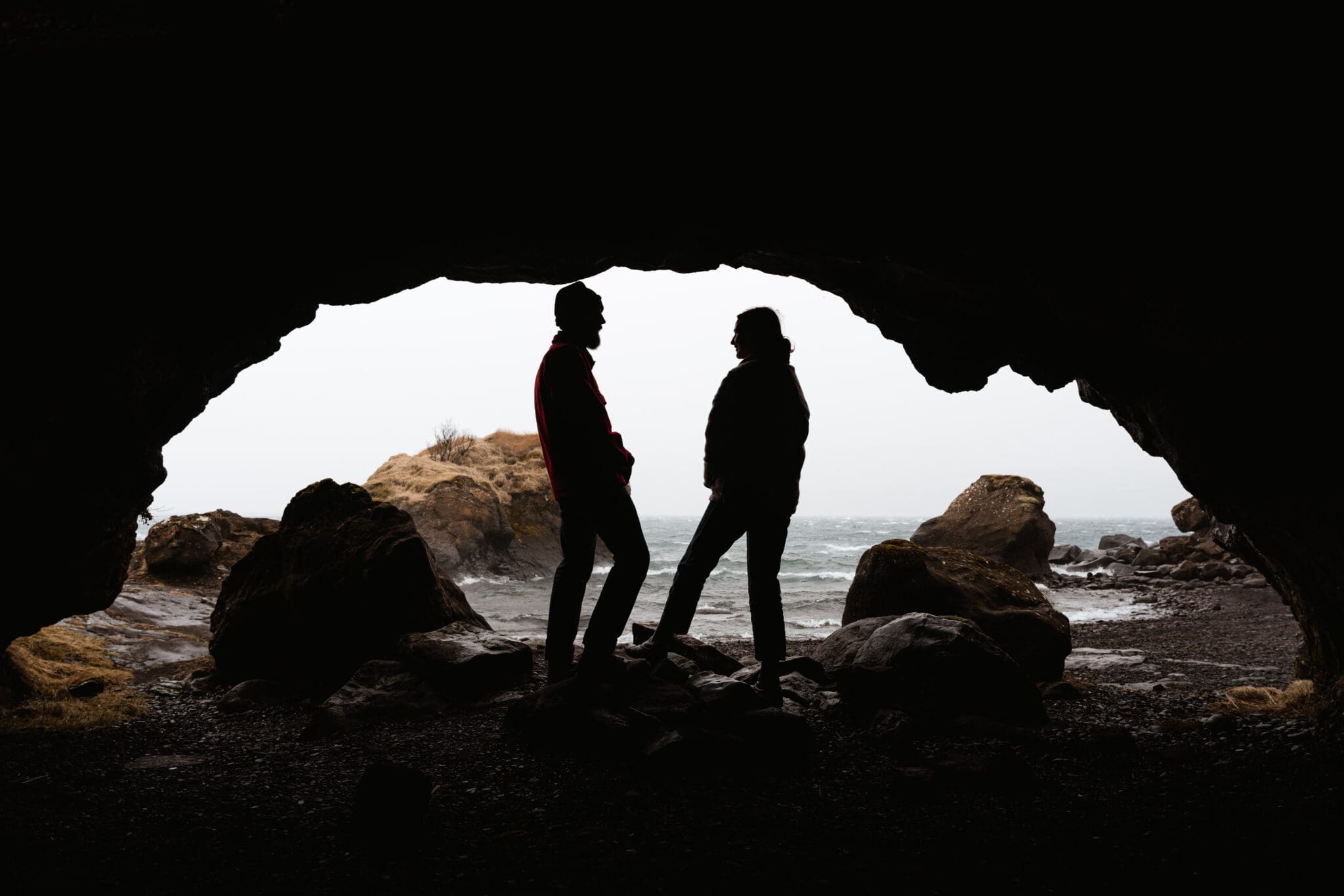
- Our next stop will be a beautiful black sand beach, a secret place and hidden gem of the Reykjanes Peninsula where only few locals goes on weekends
Icelandic weather is famously unpredictable, so it's important to come prepared. Be sure to bring warm and waterproof clothing, including gloves and a hat. Additionally, we strongly recommend wearing sturdy hiking boots.
- Difficulty:
- Easy
- Duration:
- 8 hours
- Price From:
- 180.000 ISK